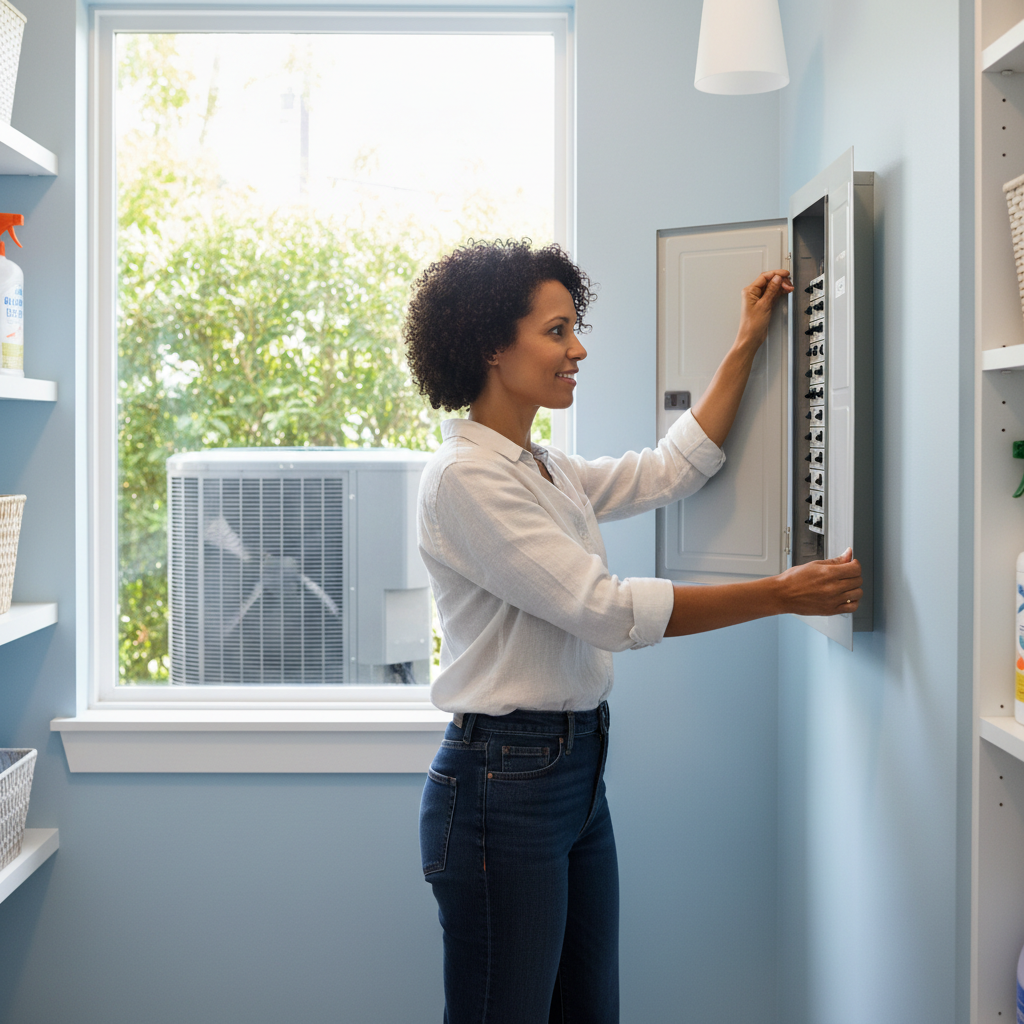
- Check Your Thermostat Settings — The simplest fix often gets overlooked.
- Ensure the thermostat is set to 'Cool' mode, not 'Off' or 'Heat'.
- Verify the fan setting is on 'Auto' (allowing it to run only during cooling cycles) or 'On' (for continuous fan operation, useful for air circulation but won't initiate cooling if the unit is off).
- Lower the set temperature at least 5-10 degrees Fahrenheit below the current room temperature. Sometimes, the unit has a delay before kicking on, so wait 5-10 minutes.
- Check the thermostat batteries if it's a battery-powered digital unit. Dead batteries mean no signal.
Plumbing · Clog
| Project category | Plumbing |
|---|---|
| Problem type | Clog |
| Trade required | Plumbing |
| Urgency | Soon — within weeks |
| Safety risk | Low safety risk |
| DIY suitability | DIY friendly |
| Cost category | Low cost |
| Typical timeline | Same-day DIY attempt; pro visit within a day or two |
| Contractor type | Licensed plumber |
Repair option
Plunger, hand auger, or trap cleanout before chemicals.
Replacement option
Line replacement when clogs return in the same spot repeatedly.
Common causes
- Hair and soap buildup in the trap
- Grease cooling in the branch line
- Flushed wipes or foreign objects
Relevant tools:diy difficultydiy or hire a pro
Published May 21, 2026Last updated August 17, 2026
Tools & materials you'll need
Affiliate links- AmazonScrewdriver SetFor opening thermostat cover or furnace access if needed
- AmazonMultimeterOptional, for testing fuses if present in older units
- AmazonWet/Dry VacuumFor clearing clogged condensate drain lines or pans
- AmazonFlashlightFor inspecting dark areas like electrical panels or air handler compartments
As an Amazon Associate FixlyGuide earns from qualifying purchases — at no extra cost to you. Prices and availability are accurate as of publication and subject to change.
Quick Answer
When your AC refuses to turn on, the fix is often simpler and cheaper than you think. Start by verifying your thermostat is correctly set to 'Cool' mode and programmed to a temperature lower than your home's current indoor reading. Next, head to your electrical panel and look for a tripped breaker labeled for your AC unit (often 240V). A simple flip back to 'On' might restore power. Finally, a severely clogged air filter can restrict airflow so much that the unit won't even try to start, so check and replace it if it's dirty.
The Problem
Few things are more frustrating than a heatwave and an air conditioner that refuses to kick into action. You set the thermostat, hear no familiar hum, and feel no cool air. The problem isn't always a catastrophic component failure requiring an expensive service call. Often, the issue lies with basic operational oversight, electrical supply, or common maintenance neglects that prevent the unit from receiving the signal to start or from starting safely. Understanding these common culprits can save you significant time and money, empowering you to address the problem yourself before escalating to professional help.
How It Works
Your air conditioning system operates through a carefully orchestrated sequence involving electrical signals, refrigerant cycles, and airflow. When you set your thermostat to 'Cool' and a desired temperature, it acts as the central command center. If the room temperature is higher than your set point, the thermostat sends a low-voltage electrical signal (typically 24 volts AC) to the indoor air handler and the outdoor condenser unit. This signal tells the components to initiate their respective functions.
The outdoor condenser unit typically receives power on a dedicated 240-volt circuit, while the indoor air handler often uses a 120-volt circuit. The low-voltage thermostat wire (usually a multi-strand cable with color-coded wires) connects these units to the thermostat. When the thermostat calls for cooling, it closes specific relays, sending power to the compressor, condenser fan, and evaporator fan. The compressor then pressurizes refrigerant, which cycles between the indoor evaporator coil (where it absorbs heat from your indoor air) and the outdoor condenser coil (where it releases that heat to the outside). Simultaneously, the indoor blower fan pulls warm room air across the cold evaporator coil, cools it, and pushes it back into your home through the ductwork. If any part of this electrical signal chain is interrupted, if a major component lacks power, or if a safety switch (like a clogged filter sensor or a condensate overflow sensor) is triggered, the entire system can be prevented from starting or will shut down to prevent damage. A tripped circuit breaker is essentially an intentional interruption of the 240V or 120V power supply, designed to protect the system from electrical overload.
Step-by-Step Fix
Here's how to diagnose and fix the most common reasons your AC isn't turning on.
-
Check Your Thermostat Settings — The simplest fix often gets overlooked.
- Ensure the thermostat is set to 'Cool' mode, not 'Off' or 'Heat'.
- Verify the fan setting is on 'Auto' (allowing it to run only during cooling cycles) or 'On' (for continuous fan operation, useful for air circulation but won't initiate cooling if the unit is off).
- Lower the set temperature at least 5-10 degrees Fahrenheit below the current room temperature. Sometimes, the unit has a delay before kicking on, so wait 5-10 minutes.
- If this doesn't work:
- Check the thermostat batteries if it's a battery-powered digital unit. Dead batteries mean no signal.
- Look for a small reset button on the thermostat itself (consult your manual).
-
Inspect the Circuit Breaker — Restore crucial power to your AC.
- Safety First: Always use caution when working near electrical panels. Do not touch bare wires.
- Locate your home's main electrical panel, usually in a basement, garage, or utility closet.
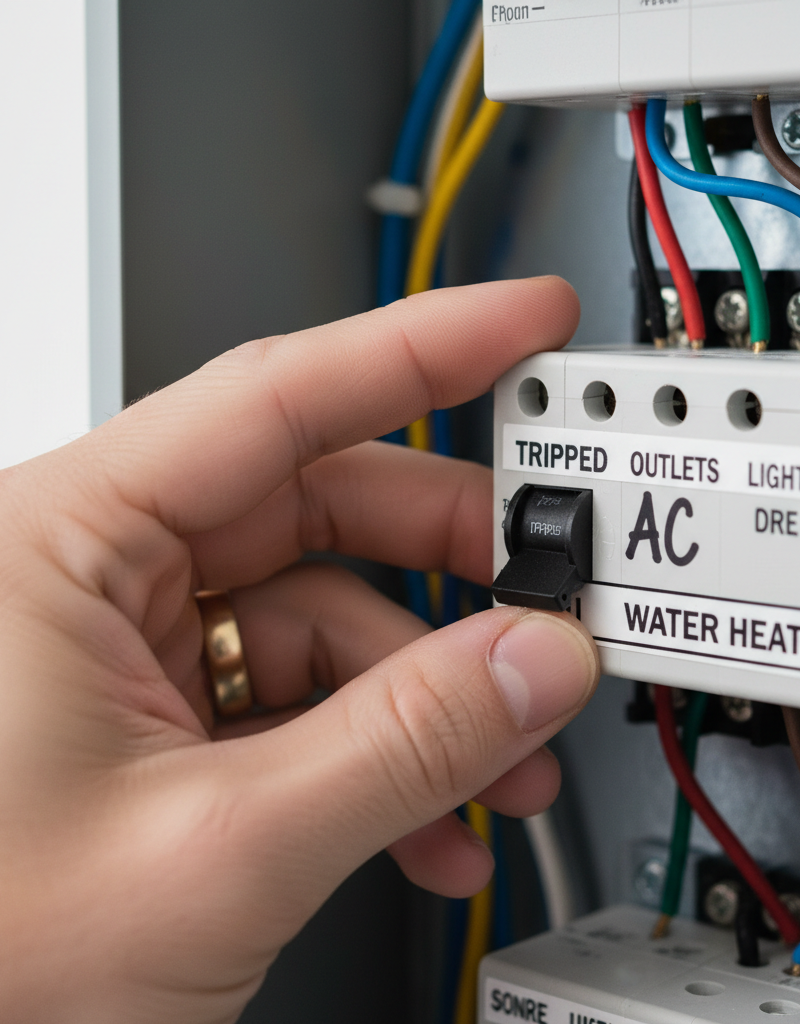
- Find the circuit breaker(s) labeled for your air conditioner. Common labels include 'AC,' 'Furnace,' 'Air Handler,' or 'Condenser.' The outdoor unit will typically have a double-pole (two connected switches) 240-volt breaker, while the indoor air handler might have a single-pole 120-volt breaker.
- If a breaker is tripped, it will typically be in the 'Off' or middle position. Firmly push the tripped breaker completely to the 'Off' position, then back to 'On.' Do not force it if it feels stuck.
- If the breaker immediately trips again after resetting, DO NOT attempt to reset it repeatedly. This indicates a serious electrical fault, and you should call a licensed electrician.
-
Check the Condensate Drain Pan — Prevent an overflow safety shutdown.
- Locate the indoor air handler unit (often in a closet, attic, or basement). Below it, you'll find a condensate drain pan and a small PVC pipe leading away from it.
- If the drain line is clogged, the pan can fill with water, triggering a safety float switch that prevents the AC from turning on to avoid water damage.
- If the pan is full, use a wet/dry vac to carefully clear the standing water. You can often clear a clog in the PVC drain line using the wet/dry vac at the outdoor discharge point of the drain line as well.
- Once the pan is empty, the float switch should reset itself, and the AC might start.
-
Replace a Clogged Air Filter — Ensure adequate airflow for operation.
- Find your air filter slot, usually in the return air vent on a wall or ceiling, or directly at the indoor air handler.
- Pull out the existing filter. If it's heavily coated in dust, dirt, and pet hair, it's restricting airflow.
- Replace it with a new, correctly sized filter. Ensure the arrow on the filter points in the direction of airflow, usually towards the furnace/air handler.
- A clean filter ensures proper airflow, which is critical for the AC's ability to cool and also prevents the evaporator coil from freezing up.
-
Examine the Outdoor Disconnect — A forgotten off switch can halt operations.
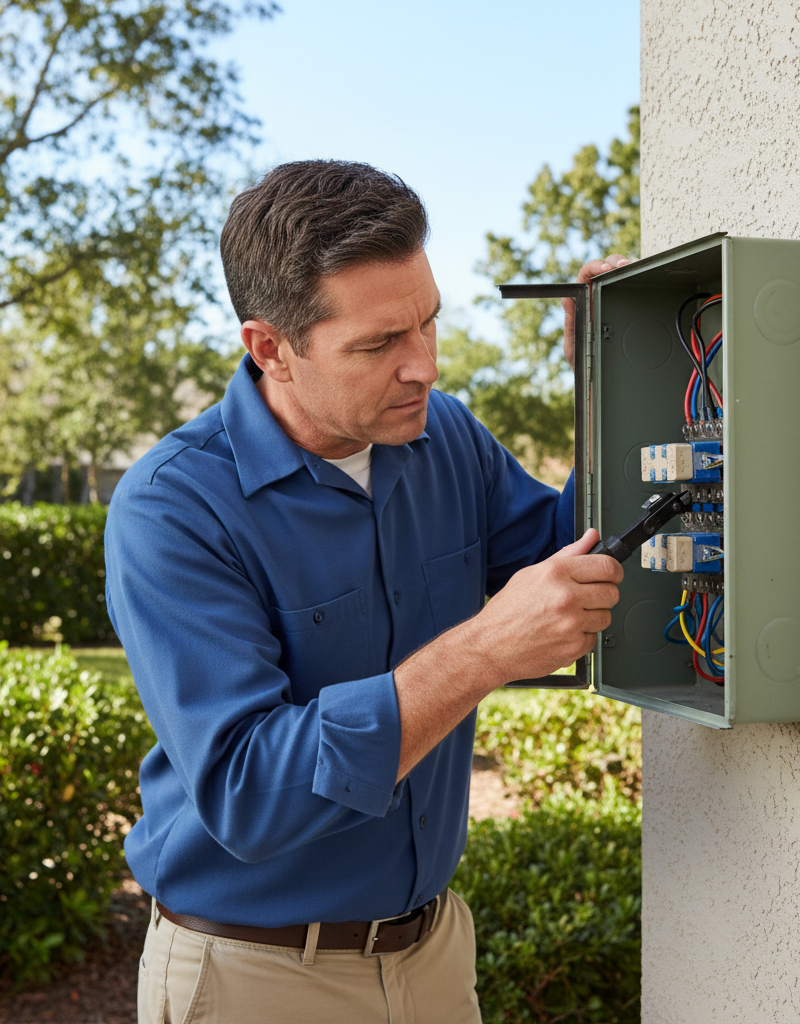
- Go to your outdoor AC condenser unit. Near it, usually mounted on the wall, there's a small gray or metal box – this is the AC disconnect.
- Open the cover. Inside, you'll likely find a pull-out block or a lever switch.
- Ensure the pull-out block is fully inserted with the 'On' side facing up, or that the lever switch is in the 'On' position. Sometimes, this gets accidentally pulled or switched during yard work or by a curious child.
- Safety Note: This disconnect completely cuts power to the outdoor unit. Always ensure it's in the 'Off' position if you are performing any maintenance on the outdoor unit itself.
-
Check for a Blown Fuse (Older Units) — A quick power interruption check.
- Some older outdoor AC disconnect boxes or even some indoor air handler units may contain cartridge-style fuses instead of, or in addition to, a circuit breaker.
- Safety Note: Always turn off the main power to the entire AC unit (at the main electrical panel) before opening a disconnect box to check or replace fuses.
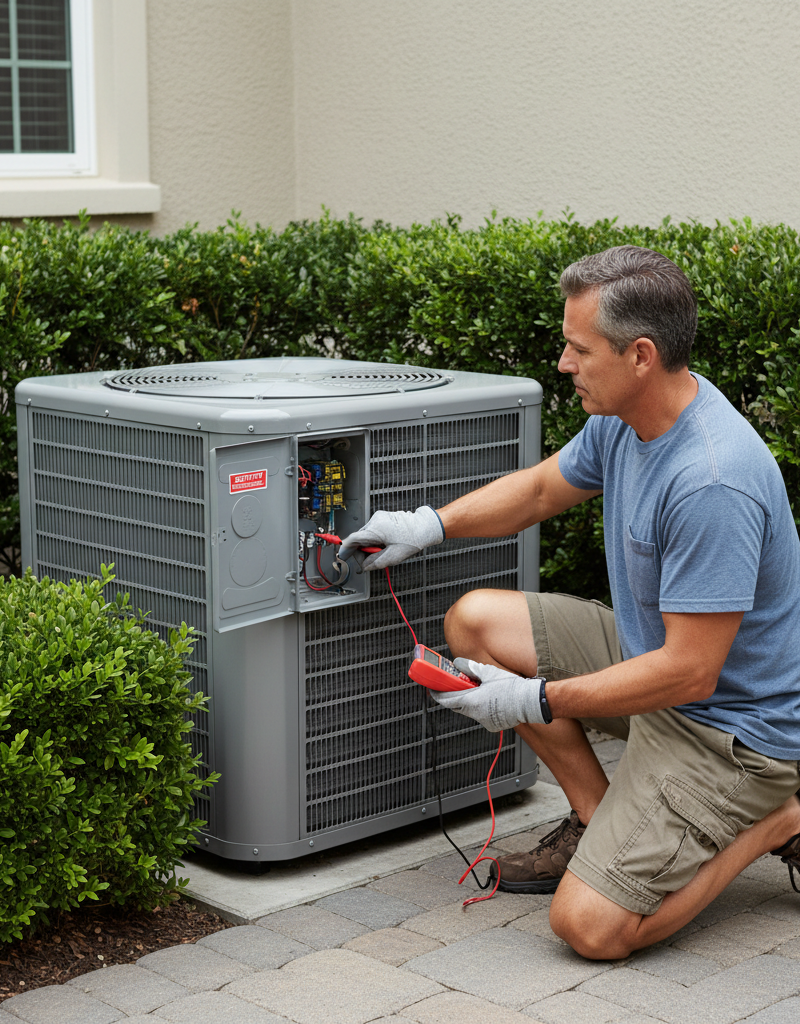
- Visually inspect the fuses. A blown fuse will often have a broken filament inside. Use a multimeter to test for continuity if unsure.
- Replace any blown fuses with new ones of the exact same amperage and type. Never use a higher-rated fuse, as this is a fire hazard.
-
Reset the Unit — A simple reboot can sometimes clear glitches.
- Go to your main electrical panel and turn off the circuit breaker(s) for your AC unit (both indoor air handler and outdoor condenser, if separate).
- Leave the power off for at least 30 seconds to a minute. This allows any internal safety controls or capacitors to fully discharge and reset.
- Turn the circuit breaker(s) back on.
- Go to your thermostat and set it back to 'Cool' mode and a low temperature. Wait 5-10 minutes for the unit to attempt to start.
Common Causes
- Thermostat Malfunction or Incorrect Settings: The most frequent culprit. If the thermostat isn't calling for cooling or has dead batteries, the AC won't receive the signal to start.
- Tripped Circuit Breaker: An electrical surge, an overloaded circuit, or a minor fault can cause the breaker to trip, cutting power to the indoor or outdoor unit.
- Clogged Air Filter: Severely restricted airflow makes the system work harder, potentially leading to overheating or triggering safety switches that prevent startup.
- Blocked Condensate Drain Line: Water backing up in the drain pan triggers a float switch, preventing the AC from running to avert water damage.
- Exterior Disconnect Switch Off: The main power switch near the outdoor unit can be accidentally turned off.
- Blown Fuses: Some units use fuses that can blow due to power surges or electrical issues, cutting power.
- Overloaded System/Overheated Compressor: If the unit has been trying to run under strain (e.g., extremely hot weather, clogged filter), internal thermal overload switches can prevent it from starting immediately.
Common Mistakes
- Ignoring the Thermostat: Assuming the AC is broken without first checking if the thermostat is correctly set, has power, or is initiating a call for cool air.
- Repeatedly Resetting a Tripped Breaker: If a circuit breaker trips immediately after being reset, it's indicating a serious electrical fault. Continuously resetting it can damage the system or create a fire hazard.
- Using the Wrong Size Air Filter: An incorrectly sized filter (too small, or too high MERV rating for the system) can restrict airflow, leading to efficiency issues or even preventing the unit from starting.*
- Not Waiting After Adjustments: After making a change (like resetting a breaker or thermostat settings), the AC system often has a built-in delay (5-10 minutes) before attempting to start. Impatience can lead to unnecessary panic or more troubleshooting.
- Not Checking the Outdoor Disconnect: Many homeowners forget about this crucial secondary power switch right next to the outdoor unit, leading to frustration when the indoor unit seems to be working but the outdoor unit isn't.
- Ignoring the Condensate Drain: Overlooking a full condensate pan and clogged drain line, which is a surprisingly common reason for the AC to shut down completely.
Cost & Time Breakdown
| Task | DIY Cost | Pro Cost | Time |
|---|---|---|---|
| Check Thermostat & Settings | $0 | Included in service call | 5-10 minutes |
| Reset Circuit Breaker | $0 | Included in service call | 2-5 minutes |
| Clear Condensate Drain | $0–$10 (wet/dry vac) | $150–$300 | 15-30 minutes |
| Replace Air Filter | $10–$40 | $20–$50 (plus filter) | 5 minutes |
| Check Outdoor Disconnect | $0 | Included in service call | 2-5 minutes |
| Reset AC System (Power Cycle) | $0 | Included in service call | 5-10 minutes |
Tips & Prevention
- Regular Filter Changes: Replace your air filter every 1-3 months, especially during peak cooling season or if you have pets. This is the single most important maintenance task for AC efficiency and longevity.
- Keep Thermostat Batteries Fresh: Change thermostat batteries annually, or as soon as the low-battery indicator appears, to avoid unexpected shutdowns.
- Clear Around Outdoor Unit: Keep the area around your outdoor condenser unit clear of debris, overgrown shrubs, and anything that could restrict airflow. Aim for at least 2 feet of clear space on all sides.
- Pour Bleach Down Drain Line (Monthly): During cooling season, pour 1/4 cup of distilled white vinegar or undiluted bleach down the condensate drain line (usually through a cleanout access port on the indoor unit) every month to prevent algae and mold growth that causes clogs.
- Annual Professional Tune-Up: Schedule a yearly AC tune-up with a qualified HVAC technician. They can identify and address potential problems before they become critical failures.
- Monitor Electrical Panel: Pay attention if your AC breaker trips frequently. This is not normal and indicates a deeper electrical issue that needs professional attention.
When to Call a Professional
While many AC 'no-start' issues are simple fixes, there are clear indicators that it's time to call a licensed HVAC professional. If your circuit breaker repeatedly trips immediately after you reset it, do not continue to flip it; this suggests a severe electrical short or component failure in the unit that poses a fire risk. If you hear unusual grinding, buzzing, or hissing sounds coming from your AC unit or see smoke, shut off the power immediately and contact a professional. If, after systematically going through all the troubleshooting steps, your unit still refuses to turn on, or if you suspect a refrigerant leak (indicated by ice on the lines or a sweet chemical smell), it's beyond the scope of safe DIY repair. Complex electrical diagnostics, compressor issues, or refrigerant handling require specialized tools, training, and licensing for safety and to maintain your system's warranty.
Related Articles
Keep troubleshooting with these hand-picked guides from FixlyGuide:
- The #1 Mistake Homeowners Make When Their AC Won't Turn On (And the Easy Fix) — Learn the most common reason your AC isn't turning on and how to fix it with simple troubleshooting steps, potentially saving a costly serv…
- The #1 Mistake Homeowners Make When Their AC Won't Turn On (And the Easy Fix) — Learn the most common oversight homeowners make when their AC won't turn on and how to troubleshoot basic issues to restore cooling.
- The #1 Reason Your AC Won't Turn On (And It's Not the Thermostat) — Discover the most common, overlooked reason your AC won't power on and how a simple reset can get your cool air flowing again.
- Why Your Heat Pump Auxiliary Heat Won't Turn Off — Discover why your heat pump's auxiliary heat keeps running, driving up your energy bills. Learn to troubleshoot common issues and know when…
- The #1 Mistake Homeowners Make With HVAC Filters (And How Often to Really Change Them) — Discover the crucial mistake most homeowners make with HVAC filters and the specific schedule you should follow to avoid costly HVAC issues…
- The #1 Mistake Homeowners Make When a Gas Burner Won't Light (And the Easy Fix) — Before you call a technician, discover the most common, overlooked reason your gas stove burner isn't lighting and how to fix it yourself i…
Should you do this yourself?
Answer five quick questions before you start. Safety outranks savings every time.
Your experience with work like this
How high do you have to work?
Does the job involve any of these?
Will it need a permit?
Specialty tools
Free and instant. Educational guidance only — not a quote, inspection, or professional diagnosis.
Estimate your own project cost
National averages are a starting point. Enter your details for a range that fits your house.
HVAC replacement cost
- Equipment$2,200 – $3,800
- Installation labor$1,200 – $2,500
Always insist on a Manual J load calculation — sq-ft sizing is only a rough check. Federal heat-pump rebates may reduce cost significantly.
Educational estimate only — always confirm with written local bids.
What should this project cost?
Enter your project details for a realistic cost range before you call anyone.
Service calls and common repairs run $150–$900; full system replacement typically $6,000–$12,000.
- Regional adjustment
- National average
- Labor share (typical)
- ~$1,935
- Quotes to collect
- 3 written estimates
Educational estimate based on national averages — not a binding quote. Always confirm with written local estimates.
Fixly Project Decision Box
- DIY difficulty
- Advanced
- Estimated time
- Homeowner checks 20–30 minutes
- Cost level
- Moderate
Main tools / materials
- Clean air filter
- Garden hose for condenser coils
- Shop vac for the condensate line
When to stop and call a pro
- Burning smell, smoke, or a tripping breaker
- Refrigerant lines iced over or hissing
- Any work inside the sealed refrigerant circuit (EPA-licensed only)
- Gas smell near a furnace — leave and call the utility
Need professional help?
Find an HVAC Pro Near YouGet the print-ready PDF of this guide
A clean, ad-free, printable version you can keep on your phone or pin to the workshop wall. Free with a FixlyGuide account.
- Print-optimized layout
- Tools, materials & every step included
- Saved to your account
Frequently asked questions
Why is my AC not turning on at all?+
The most common reasons your AC isn't turning on include incorrect thermostat settings, a tripped circuit breaker, a severely clogged air filter, or an overflowing condensate drain pan triggering a safety switch. Start by checking these basic components and settings before assuming a major breakdown.
How do I reset my AC unit when it won't turn on?+
To reset your AC unit, find the circuit breaker(s) controlling both the indoor air handler and the outdoor condenser unit in your home's electrical panel. Flip them to the 'Off' position, wait for 30-60 seconds, and then flip them back to 'On.' Then, reset your thermostat to 'Cool' mode and wait a few minutes.
What does it mean if my AC's circuit breaker keeps tripping?+
If your AC's circuit breaker repeatedly trips, it indicates an underlying electrical problem that demands professional attention. This could be due to a short circuit, a failing motor (like the compressor or fan motor), or an issue with the unit drawing too much power. Do not keep resetting it, as this is a fire hazard.
Can a dirty air filter prevent my AC from turning on?+
Yes, a heavily clogged air filter can significantly restrict airflow across the evaporator coil. This can cause the coil to freeze up or lead to the system overheating, prompting safety mechanisms to shut down the unit or prevent it from starting entirely to protect internal components.
Discussion
Loading comments…