- Energy efficiency (SEER2 rating)
- Smart thermostat upgrades
- Local permit requirements
HVAC · High energy usage
| Project category | HVAC |
|---|---|
| Problem type | High energy usage |
| Trade required | HVAC |
| Urgency | Planned project |
| Safety risk | Low safety risk |
| DIY suitability | DIY for experienced homeowners |
| Cost category | High cost |
| Typical timeline | Assessment within weeks; replacement planned off-season |
| Contractor type | Licensed HVAC technician |
Repair option
Duct sealing, insulation, and a tune-up before touching the equipment.
Replacement option
High-efficiency replacement sized by a load calculation, not a rule of thumb.
Common causes
- Aging, low-efficiency equipment
- Leaking ducts losing conditioned air
- Insufficient attic insulation
- Oversized system short-cycling
Relevant tools:project cost estimatorrepair or replace
Published July 31, 2026Last updated August 17, 2026
Tools & materials you'll need
Affiliate links- AmazonLicensed HVAC contractor
As an Amazon Associate FixlyGuide earns from qualifying purchases — at no extra cost to you. Prices and availability are accurate as of publication and subject to change.
Quick Answer
In 2026, most homeowners pay $6,500 to $18,000 to replace an HVAC system, with the national average landing between $9,500 and $12,500. A central AC swap runs $5,000–$9,500, a gas furnace $4,500–$9,000, a full heating-and-cooling replacement $8,000–$16,000, and a heat pump $7,500–$16,000. Labor alone accounts for 30–50% of the total.
Introduction
Replacing your HVAC system is one of the biggest investments you'll make as a homeowner. Whether your air conditioner has stopped cooling, your furnace is nearing the end of its life, or you're looking to improve your home's energy efficiency, understanding the true cost of HVAC replacement in 2026 can help you make an informed decision.
The average HVAC replacement in 2026 costs anywhere from $6,500 to $18,000, depending on the size of your home, the type of system you choose, energy efficiency ratings, labor costs, and whether additional work such as duct replacement is required.
In this guide, we'll break down average prices, installation costs, equipment options, and money-saving tips so you know exactly what to expect before hiring an HVAC contractor.
Average HVAC Replacement Cost in 2026
| Tier | Typical Cost |
|---|---|
| National average | $9,500–$12,500 |
| Typical price range | $6,500–$18,000 |
| Luxury / high-efficiency systems | $18,000–$30,000+ |
The final price depends on several factors, including:
- Home size
- Climate
- Type of HVAC system
- Energy efficiency (SEER2 rating)
- Brand
- Labor costs
- Ductwork condition
- Smart thermostat upgrades
- Local permit requirements
While replacing an HVAC system is a significant expense, a new, energy-efficient system can lower monthly utility bills, improve indoor comfort, and increase your home's resale value.
HVAC Replacement Cost by Home Size
Larger homes require larger HVAC systems with greater heating and cooling capacity.
| Home Size | System Size | Average Cost |
|---|---|---|
| 1,000 sq ft | 1.5–2 ton | $6,500–$9,000 |
| 1,500 sq ft | 2–2.5 ton | $7,500–$10,500 |
| 2,000 sq ft | 3 ton | $8,500–$12,500 |
| 2,500 sq ft | 4 ton | $10,000–$14,500 |
| 3,000+ sq ft | 5 ton or dual-zone | $12,000–$18,000+ |
1,000 Square Foot Home
At $6,500–$9,000, a 1.5–2 ton system is typical. This range fits small homes, condos, and townhomes.
1,500 Square Foot Home
Expect $7,500–$10,500 for a 2–2.5 ton system. This is one of the most common residential HVAC sizes in the country.
2,000 Square Foot Home
At $8,500–$12,500, a 3-ton system covers most average-sized family homes.
2,500 Square Foot Home
Budget $10,000–$14,500 for a 4-ton system. Higher-efficiency models become more cost-effective at this size because the energy savings scale with the load.
3,000+ Square Foot Home
Large homes run $12,000–$18,000+ and may require 5-ton systems, dual-zone HVAC, multiple units, or smart zoning controls. These features improve comfort while helping reduce energy waste.
HVAC Replacement Cost by System Type
Different HVAC systems vary significantly in price, efficiency, and installation complexity.
| System Type | Average Installed Cost |
|---|---|
| Central air conditioner only | $5,000–$9,500 |
| Gas furnace only | $4,500–$9,000 |
| Complete HVAC system | $8,000–$16,000 |
| Heat pump | $7,500–$16,000 |
| Ductless mini-split | $4,000–$15,000 |
Central Air Conditioner Replacement
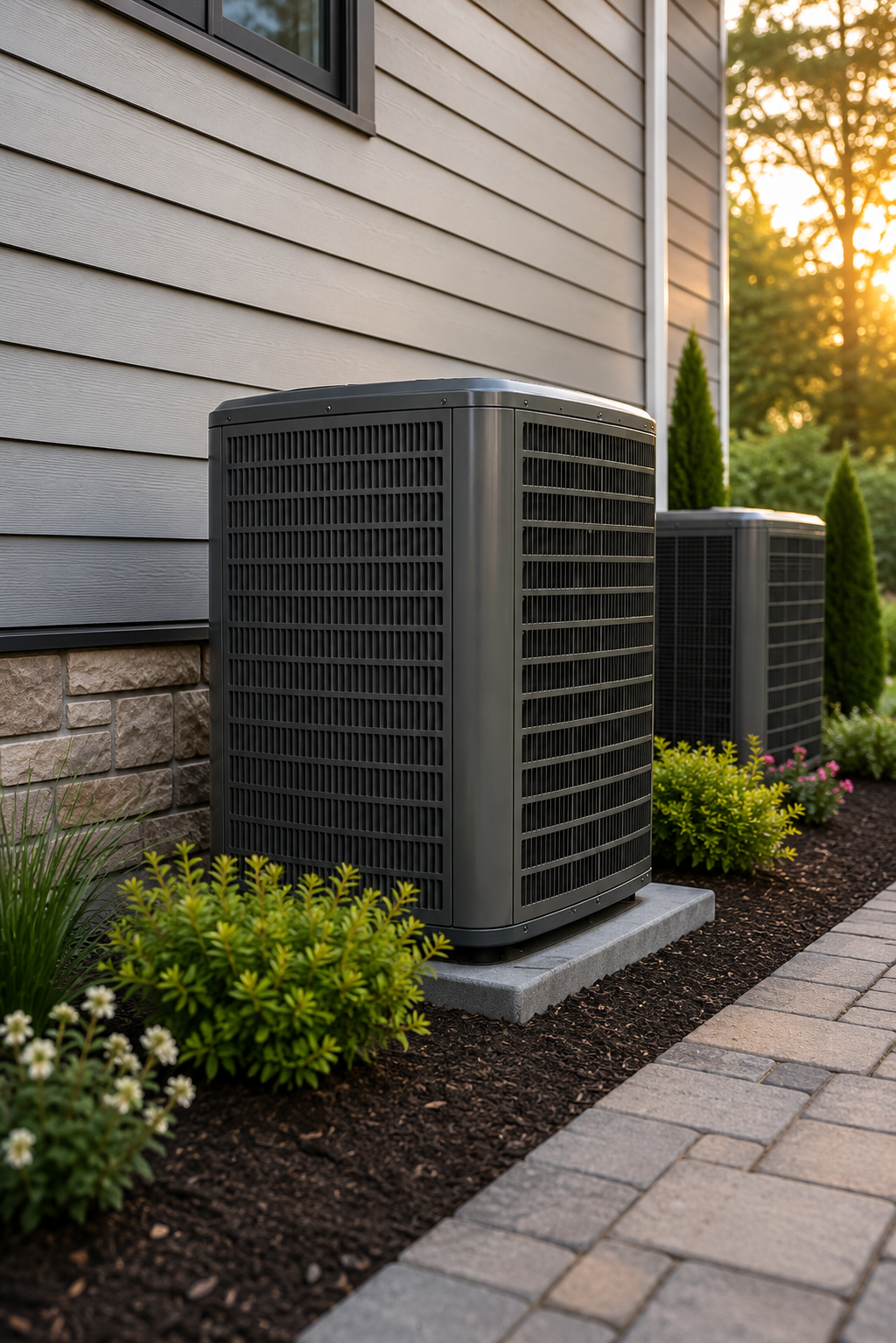
$5,000–$9,500 installed, including the outdoor condenser, indoor evaporator coil, refrigerant, and basic installation. This is the right scope when you're replacing only the cooling half of an otherwise healthy system.
Gas Furnace Replacement
$4,500–$9,000 installed, including the furnace, venting connections, startup, and testing. Gas furnaces remain one of the most popular heating options in colder climates thanks to their reliability and fast heat.
Complete HVAC System Replacement
$8,000–$16,000 installed. This typically includes the furnace, air conditioner, evaporator coil, thermostat, refrigerant, installation, and startup. Replacing heating and cooling at the same time often provides better long-term value and ensures all components are properly matched.
Heat Pump Installation
$7,500–$16,000. Heat pumps provide both heating and cooling in one energy-efficient system. Benefits include lower energy consumption, quiet operation, year-round comfort, reduced carbon emissions, and eligibility for tax credits and rebates. Cold-weather performance has improved dramatically, which is why heat pumps are now viable across most of the United States.
Ductless Mini-Split Systems
$4,000–$15,000. Mini-splits are ideal for home additions, garages, older homes without ductwork, finished basements, and individual room climate control. Because they don't require ducts, they're often the smart solution where new ductwork would be costly or impractical.
Average Equipment Costs
Before labor and installation, homeowners can expect approximate equipment prices such as:
| Component | Equipment Cost |
|---|---|
| Central air conditioner | $2,500–$6,000 |
| Gas furnace | $2,000–$5,500 |
| Heat pump | $3,500–$8,000 |
| Air handler | $1,500–$3,500 |
| Indoor coil | $800–$2,500 |
| Smart thermostat | $150–$500 |
Equipment prices vary by brand, efficiency rating, warranty coverage, and available features.
What Affects the Cost of an HVAC Replacement?
Every home is different, and several factors can significantly influence the final price. Understanding these variables will help you compare contractor estimates and choose the best system for your home and budget.
Labor Costs
Labor is one of the largest expenses when replacing an HVAC system, typically accounting for 30%–50% of the total project cost — roughly $2,000–$6,000.
Labor includes:
- Removing the old system
- Installing new equipment
- Refrigerant charging
- Electrical connections
- Gas line connections (if applicable)
- Thermostat installation
- System testing and balancing
Complex installations involving attic spaces, crawl spaces, or older homes generally require additional labor.
Ductwork Replacement
Your existing ductwork has a major impact on the efficiency of your new HVAC system. If ducts are leaking, poorly insulated, undersized, damaged, or more than 20–25 years old, your contractor may recommend replacing or repairing them.
| Duct Work | Average Cost |
|---|---|
| Minor duct repairs | $500–$2,000 |
| Partial duct replacement | $2,000–$5,000 |
| Complete duct replacement | $5,000–$12,000 |
Well-sealed ducts improve system efficiency, increase airflow, and lower monthly utility bills.
SEER2 Energy Efficiency Ratings
Since 2023, HVAC systems have been rated using the SEER2 (Seasonal Energy Efficiency Ratio 2) standard. Higher SEER2 ratings cost more upfront but reduce long-term energy expenses.
- 13.4–14.3 SEER2: Budget-friendly systems
- 15–17 SEER2: Mid-range efficiency
- 18–20+ SEER2: Premium, high-efficiency systems
Homeowners in warmer climates often recover the additional investment through lower cooling costs over the life of the system.
HVAC Brand
Common residential brands include Carrier, Trane, Lennox, American Standard, Rheem, Goodman, York, Bryant, Amana, and Ruud. Premium brands generally offer longer warranties, quieter operation, higher efficiency, and advanced smart-home compatibility.
That said, installation quality matters more than the badge on the unit. A correctly sized, correctly charged system from a mid-tier brand will outperform a premium unit installed poorly.
Electrical Upgrades
Older homes sometimes need electrical improvements before a new system can be installed: a new disconnect box, circuit breaker replacement, panel upgrades, new wiring, or surge protection. Budget $500–$3,500 for this work.
Permit and Inspection Fees
Most cities require permits when replacing an HVAC system, generally $150–$800. Inspections may also be required to verify the installation complies with local building codes.
Smart Thermostat Installation
Many homeowners add a smart thermostat during replacement for $250–$700 installed. Features include remote temperature control, energy usage reports, programmable schedules, voice assistant integration, learning capabilities, and vacation mode.
Optional HVAC Upgrades
Many homeowners add extra features while replacing their system to improve indoor comfort and air quality:
- Whole-home air purifier
- UV air purification system
- Humidifier or dehumidifier
- High-efficiency air filter
- Fresh air ventilation system
- Zoned HVAC controls
- Surge protector for HVAC equipment
These upgrades increase the initial cost, but they can improve indoor air quality, extend equipment life, and make your home more comfortable year-round.
Should You Repair or Replace Your HVAC System?
While repairs may seem like the less expensive option, repeatedly fixing an old system can quickly become more costly than replacing it.
As a general rule:
- Under 10 years old and the repair is minor: repairing is usually the best choice.
- 10–15 years old: compare the repair cost against the remaining expected lifespan.
- 15–20+ years old: replacement is usually the smarter long-term investment.
If the repair costs more than 50% of the price of a new system, most HVAC professionals recommend replacing the equipment.
Signs It's Time to Replace Your HVAC System
Your system usually gives warning signs before it fails completely:
- Energy bills continue to increase
- Certain rooms are too hot or too cold
- The system runs constantly
- Frequent, expensive repairs
- Banging, squealing, or grinding noises
- Burning or musty odors from the vents
- Poor airflow throughout the home
- Excessive indoor humidity
- The system still uses R-410A or older refrigerants nearing phase-down
- Equipment is over 15 years old
If you're experiencing several of these issues, replacing your system may save money and improve comfort.
Ways to Save Money on an HVAC Replacement
Get Multiple Quotes
Always obtain at least three estimates from licensed HVAC contractors. Comparing bids helps ensure competitive pricing and lets you evaluate warranty options, equipment quality, and installation practices side by side.
Replace Both Heating and Cooling Together
If both your furnace and air conditioner are near the end of their lifespan, replacing them together is usually cheaper than replacing each separately. You get lower labor costs, better system compatibility, improved efficiency, a single warranty period, and longer overall equipment life.
Take Advantage of Tax Credits and Rebates
Many homeowners qualify for federal energy efficiency tax credits, state energy rebates, local utility rebates, manufacturer promotions, and seasonal contractor discounts. Depending on the equipment and available programs, incentives can save hundreds or even thousands of dollars.
Install a Smart Thermostat
A programmable smart thermostat reduces unnecessary heating and cooling, lowers monthly bills, and gives you remote control and automatic scheduling. Many homeowners recover the cost within a few years through energy savings.
Improve Home Insulation
Before buying a larger system, improve your home's envelope: add attic insulation, seal air leaks around doors and windows, insulate ductwork, install weather stripping, and upgrade older windows. Reducing heat gain and heat loss lets your HVAC system work less year-round — and sometimes lets you buy a smaller, cheaper unit.
How Much Can a New HVAC System Save?
Modern HVAC systems are significantly more efficient than systems installed 15–20 years ago. Depending on your current equipment, homeowners may reduce heating and cooling costs by 20%–40% after installing a properly sized high-efficiency system.
Additional savings come from fewer repairs, lower maintenance costs, improved humidity control, better indoor air quality, more consistent temperatures, and increased home value. Over the life of the system, these savings can offset much of the installation cost.
Choosing the Right HVAC Contractor
Selecting the right contractor is just as important as choosing the right equipment. Look for contractors who:
- Are licensed and insured
- Have strong online reviews
- Offer written estimates
- Provide manufacturer warranties
- Explain equipment options clearly
- Perform proper load calculations (Manual J)
- Pull required permits
- Offer maintenance plans
Avoid choosing a contractor based solely on the lowest price. Proper installation plays a major role in the efficiency, reliability, and lifespan of your new system.
Frequently Asked Questions
How much does it cost to replace an HVAC system in 2026?
The average HVAC replacement costs between $6,500 and $18,000, with most homeowners spending around $9,500 to $12,500. Your final price depends on home size, system type, SEER2 rating, brand, labor costs, ductwork condition, thermostat upgrades, and local permit requirements. Luxury or high-efficiency systems with zoning and premium features can exceed $30,000.
How long does an HVAC system last?
| Equipment | Typical Lifespan |
|---|---|
| Central air conditioner | 12–18 years |
| Gas furnace | 15–20 years |
| Heat pump | 10–15 years |
| Ductless mini-split | 15–20 years |
Annual maintenance, regular filter changes, and keeping the outdoor unit clean can significantly extend the life of your system.
What size HVAC system do I need?
HVAC systems are measured in tons of cooling capacity:
- 1–1.5 tons: 600–900 sq ft
- 2 tons: 900–1,200 sq ft
- 2.5 tons: 1,200–1,500 sq ft
- 3 tons: 1,500–2,100 sq ft
- 4 tons: 2,100–2,700 sq ft
- 5 tons: 2,700–3,500+ sq ft
A licensed contractor should perform a Manual J load calculation to determine the correct size. Oversized or undersized systems reduce efficiency, increase energy costs, and shorten equipment life.
Is it better to replace the furnace and air conditioner together?
In many cases, yes. Replacing both at once gives you better energy efficiency, proper equipment matching, lower installation costs, one warranty period, improved comfort, and a longer system lifespan. If one component is near the end of its life, replacing both prevents compatibility issues and future labor costs.
What is the best time of year to replace an HVAC system?
Spring and fall are typically the most affordable. Contractors are less busy, which can mean lower installation prices, faster scheduling, better promotional offers, and manufacturer rebates. Replacing before the peak summer or winter season also helps you avoid an emergency breakdown.
How can I lower my energy bills after replacing my HVAC system?
Change air filters every 1–3 months, schedule annual maintenance, seal air leaks around doors and windows, add attic insulation, use a programmable or smart thermostat, keep vents and registers unobstructed, and clean outdoor condenser coils regularly.
Expert Tips Before You Buy
- Get at least three written estimates from licensed HVAC contractors.
- Verify licensing, insurance, and customer reviews.
- Ask about manufacturer and labor warranties.
- Request a Manual J load calculation.
- Compare equipment efficiency ratings, not just price.
- Review financing options and available rebates.
- Understand exactly what's included: permits, thermostat installation, refrigerant, and system startup.
- Avoid any contractor who quotes without inspecting your home.
A quality installation is one of the biggest factors in determining how well your system performs over the next 15–20 years.
Final Thoughts
Replacing your HVAC system is a major investment, but it can significantly improve your home's comfort, energy efficiency, and long-term value. While the upfront cost may seem high, a properly installed, high-efficiency system can reduce utility bills, minimize repair expenses, and provide reliable heating and cooling for many years.
Take the time to compare quotes, research equipment options, and work with a reputable licensed contractor. By choosing the right system for your home's size and climate, you'll enjoy better indoor air quality, more consistent temperatures, and lower operating costs year-round.
Estimate your own project cost
National averages are a starting point. Enter your details for a range that fits your house.
HVAC replacement cost
- Equipment$2,200 – $3,800
- Installation labor$1,200 – $2,500
Always insist on a Manual J load calculation — sq-ft sizing is only a rough check. Federal heat-pump rebates may reduce cost significantly.
Educational estimate only — always confirm with written local bids.
Questions to ask before you sign
Ask every contractor the same questions and the cheapest bid stops looking cheapest. Check them off as you go — your progress is saved on this device.
Free, no signup. Bring this to every walkthrough so you compare bids on the same terms.
What should this project cost?
Enter your project details for a realistic cost range before you call anyone.
Service calls and common repairs run $150–$900; full system replacement typically $6,000–$12,000.
- Regional adjustment
- National average
- Labor share (typical)
- ~$1,935
- Quotes to collect
- 3 written estimates
Educational estimate based on national averages — not a binding quote. Always confirm with written local estimates.
Fixly Project Decision Box
- DIY difficulty
- Advanced
- Estimated time
- Homeowner checks 20–30 minutes
- Cost level
- Moderate
Main tools / materials
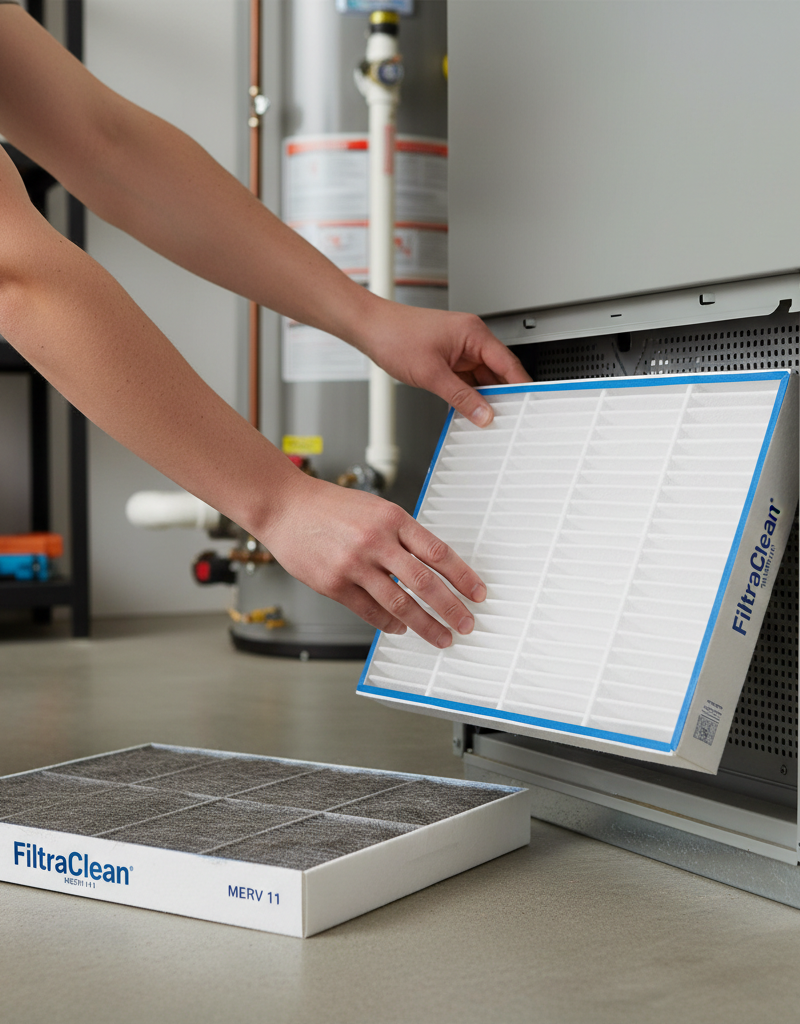
- Clean air filter
- Garden hose for condenser coils
- Shop vac for the condensate line
When to stop and call a pro
- Burning smell, smoke, or a tripping breaker
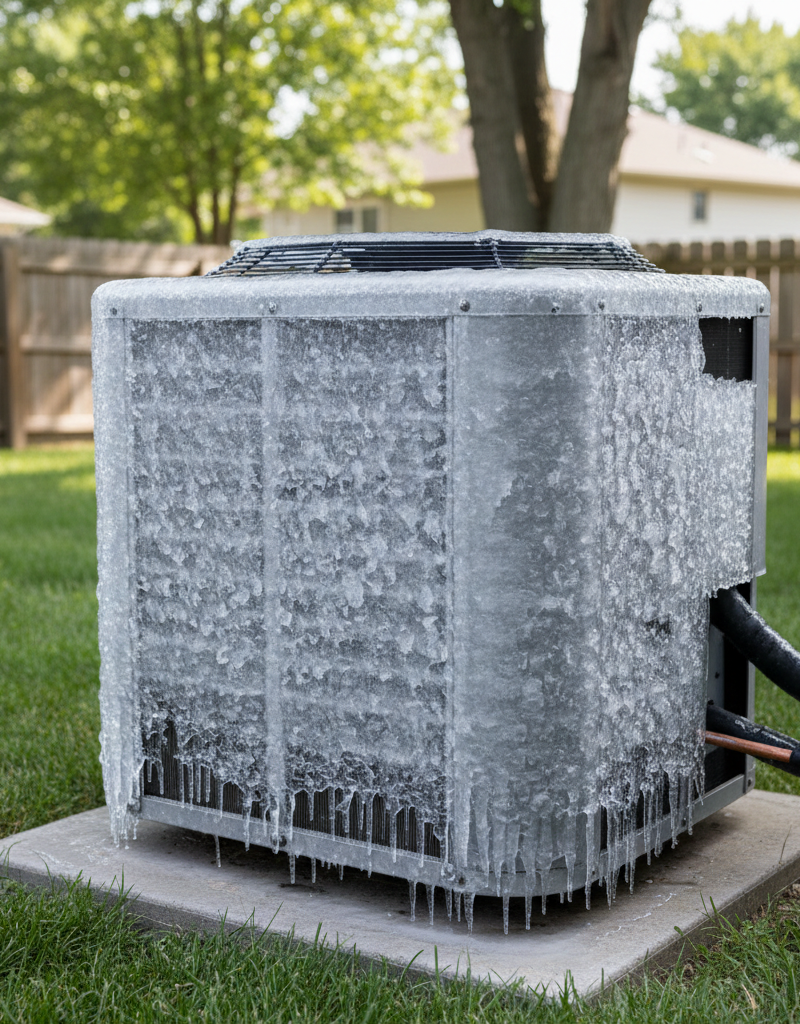
- Refrigerant lines iced over or hissing
- Any work inside the sealed refrigerant circuit (EPA-licensed only)
- Gas smell near a furnace — leave and call the utility
Need professional help?
Find an HVAC Pro Near YouCheck these numbers against your project
National averages are a starting point. These tools narrow it to your scope and ZIP.
Free, no signup required. Estimates are educational guidance, not a quote or an inspection.
Frequently asked questions
How much does it cost to replace an HVAC system in 2026?+
The average HVAC replacement costs between $6,500 and $18,000, with most homeowners spending around $9,500 to $12,500. The final price depends on home size, system type, SEER2 efficiency rating, brand, labor costs, ductwork condition, thermostat upgrades, and local permit requirements. Luxury or high-efficiency systems with zoning can exceed $30,000.
How long does an HVAC system last?+
A central air conditioner typically lasts 12–18 years, a gas furnace 15–20 years, a heat pump 10–15 years, and a ductless mini-split 15–20 years. Annual maintenance, regular filter changes, and keeping the outdoor unit clean can significantly extend the life of your system.
What size HVAC system do I need?+
HVAC systems are sized in tons: 1–1.5 tons for 600–900 sq ft, 2 tons for 900–1,200 sq ft, 2.5 tons for 1,200–1,500 sq ft, 3 tons for 1,500–2,100 sq ft, 4 tons for 2,100–2,700 sq ft, and 5 tons for 2,700–3,500+ sq ft. A licensed contractor should perform a Manual J load calculation, since oversized or undersized systems reduce efficiency and shorten equipment life.
Is it better to replace the furnace and air conditioner together?+
In many cases, yes. Replacing both at the same time provides better energy efficiency, proper equipment matching, lower installation costs, one warranty period, improved comfort, and a longer system lifespan. If one component is near the end of its life, replacing both prevents compatibility issues and future labor costs.
What is the best time of year to replace an HVAC system?+
Spring and fall are typically the most affordable times. Contractors are less busy, which can mean lower installation prices, faster scheduling, better promotional offers, and manufacturer rebates. Replacing before the peak summer or winter season also helps you avoid an emergency breakdown.
How can I lower my energy bills after replacing my HVAC system?+
Change air filters every 1–3 months, schedule annual maintenance, seal air leaks around doors and windows, add attic insulation, use a programmable or smart thermostat, keep vents and registers unobstructed, and clean the outdoor condenser coils regularly.
Discussion
Loading comments…