- Diagnostic fee — the visit that identifies the fault, often credited toward the repair.
- The part — from inexpensive electrical components to major sealed-system parts.
- Refrigerant work — licensed handling, recovery, and leak repair.
- Labor and access — attic, crawlspace, and rooftop units cost more in hours.
- Permits and disposal — required on most full replacements.
HVAC · High energy usage
| Project category | HVAC |
|---|---|
| Problem type | High energy usage |
| Trade required | HVAC |
| Urgency | Planned project |
| Safety risk | Low safety risk |
| DIY suitability | DIY for experienced homeowners |
| Cost category | High cost |
| Typical timeline | Assessment within weeks; replacement planned off-season |
| Contractor type | Licensed HVAC technician |
Repair option
Duct sealing, insulation, and a tune-up before touching the equipment.
Replacement option
High-efficiency replacement sized by a load calculation, not a rule of thumb.
Common causes
- Aging, low-efficiency equipment
- Leaking ducts losing conditioned air
- Insufficient attic insulation
- Oversized system short-cycling
Relevant tools:project cost estimatorrepair or replace
Published September 5, 2026Last updated September 5, 2026
Tools & materials you'll need
Affiliate linksNo materials required.
As an Amazon Associate FixlyGuide earns from qualifying purchases — at no extra cost to you. Prices and availability are accurate as of publication and subject to change.
Quick Answer
HVAC pricing has three layers: the diagnostic visit, the part, and the labor to reach it. A capacitor in an accessible condenser is a short visit. A coil buried in an attic air handler is a day. The equipment is rarely the whole story — access and sizing are.
What You Are Paying For
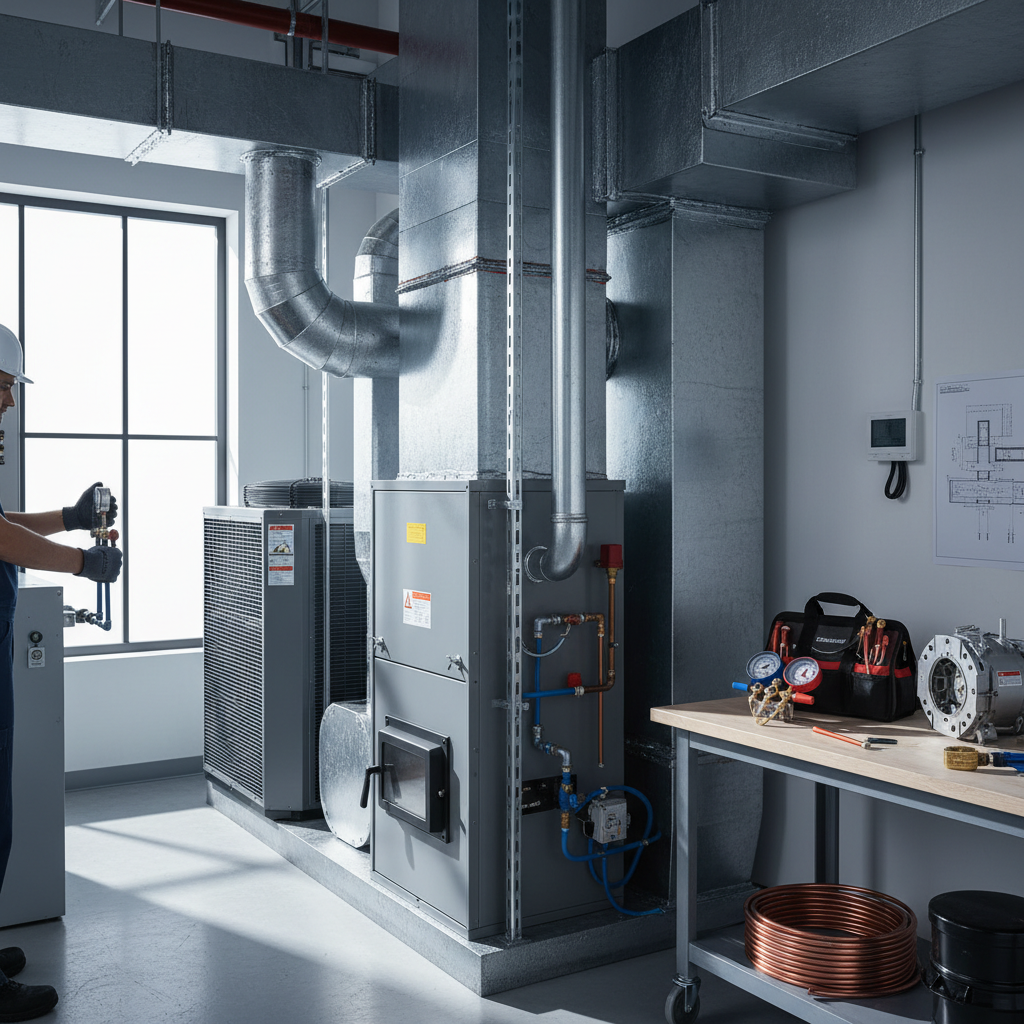
- Diagnostic fee — the visit that identifies the fault, often credited toward the repair.
- The part — from inexpensive electrical components to major sealed-system parts.
- Refrigerant work — licensed handling, recovery, and leak repair.
- Labor and access — attic, crawlspace, and rooftop units cost more in hours.
- Permits and disposal — required on most full replacements.
How to Read a Cost Range
Every honest cost guide is a range, because price is set by five things you can actually check before you call anyone:
- Scope — what is genuinely being replaced versus repaired.
- Access — crawlspace, attic, second story, or tight side yards all add labor hours.
- Condition behind the surface — rot, corrosion, or code-era materials found on opening up.
- Materials chosen — builder-grade and premium can differ by multiples for the same job.
- Local labor and permits — the same job prices differently across metros and even suburbs.
When two estimates are far apart, the cause is almost always scope, not greed. Line up the line items before you compare the totals.
How to Compare Estimates Without Guessing
- Get the scope in writing, with quantities and materials named.
- Ask what is excluded — that is where surprise invoices come from.
- Confirm permits, inspections, and who pulls them.
- Ask what happens if hidden damage is found, and how that gets priced.
- Check the payment schedule against progress, not against the calendar.
Cheap Fixes vs Expensive Ones
| Symptom | Typical cause | Cost tier |
|---|---|---|
| Unit hums but fan won't start | Capacitor or contactor | Low |
| Thermostat unresponsive | Wiring, batteries, control board | Low |
| Water near the indoor unit | Clogged condensate drain | Low |
| Weak airflow throughout | Filter, duct leakage, blower motor | Low to medium |
| Ice on lines, gradual cooling loss | Refrigerant leak | Medium to high |
| No heat, cracked heat exchanger | Furnace safety failure | High — often replacement |
| Compressor failure | Sealed system | High |
Before You Approve a Replacement
Ask for the failed component named in writing, whether the failure is isolated, the repair cost against replacement, the repair history of the last two seasons, and a load calculation showing the new system is sized for this house. A contractor who answers those clearly is worth more than the lowest bid.
When to Stop and Call a Pro
Refrigerant, gas connections, and equipment wiring are licensed work. Gas smells, burning smells, or scorched wiring mean stop, shut it down, and call now.
Get a Real Number for Your Home
Published ranges are a sanity check, not a quote. The only number that matters is the one written against your house, your access, and your scope.
- Find a local pro — pick your trade and ZIP code to see contractors serving your area.
- Repair or replace? 12 expensive home decisions — how to judge a big-ticket recommendation.
- 20 questions to ask a contractor before hiring — the licensing, deposit, and change-order questions that protect you.
- DIY or hire a pro? — a two-minute check on which jobs are safe to handle yourself.
- Home problem guides — start with the symptom, get likely causes and safety guidance.
Fixly Guide provides educational cost guidance only. Nothing here is a quote, an inspection, or a professional diagnosis.
Estimate your own project cost
National averages are a starting point. Enter your details for a range that fits your house.
HVAC replacement cost
- Equipment$2,200 – $3,800
- Installation labor$1,200 – $2,500
Always insist on a Manual J load calculation — sq-ft sizing is only a rough check. Federal heat-pump rebates may reduce cost significantly.
Educational estimate only — always confirm with written local bids.
Questions to ask before you sign
Ask every contractor the same questions and the cheapest bid stops looking cheapest. Check them off as you go — your progress is saved on this device.
Free, no signup. Bring this to every walkthrough so you compare bids on the same terms.
What should this project cost?
Enter your project details for a realistic cost range before you call anyone.
Service calls and common repairs run $150–$900; full system replacement typically $6,000–$12,000.
- Regional adjustment
- National average
- Labor share (typical)
- ~$1,935
- Quotes to collect
- 3 written estimates
Educational estimate based on national averages — not a binding quote. Always confirm with written local estimates.
Fixly Project Decision Box
- DIY difficulty
- Advanced
- Estimated time
- Homeowner checks 20–30 minutes
- Cost level
- Moderate
Main tools / materials
- Clean air filter
- Garden hose for condenser coils
- Shop vac for the condensate line
When to stop and call a pro
- Burning smell, smoke, or a tripping breaker
- Refrigerant lines iced over or hissing
- Any work inside the sealed refrigerant circuit (EPA-licensed only)
- Gas smell near a furnace — leave and call the utility
Need professional help?
Find an HVAC Pro Near YouCheck these numbers against your project
National averages are a starting point. These tools narrow it to your scope and ZIP.
Free, no signup required. Estimates are educational guidance, not a quote or an inspection.
Frequently asked questions
Is it cheaper to repair or replace an HVAC system?+
It depends on what failed. Electrical components and drainage faults are usually worth repairing. Sealed-system failures and cracked heat exchangers push toward replacement, especially where repairs have been repeated.
Why do HVAC quotes vary so much?+
Scope, equipment tier, ductwork included or excluded, permit handling, and sizing work. Compare line items and confirm whether a load calculation was performed.
What is the diagnostic fee for?+
The technician time to identify the actual fault. Many companies credit it toward the repair if you proceed — ask up front.
Discussion
Loading comments…