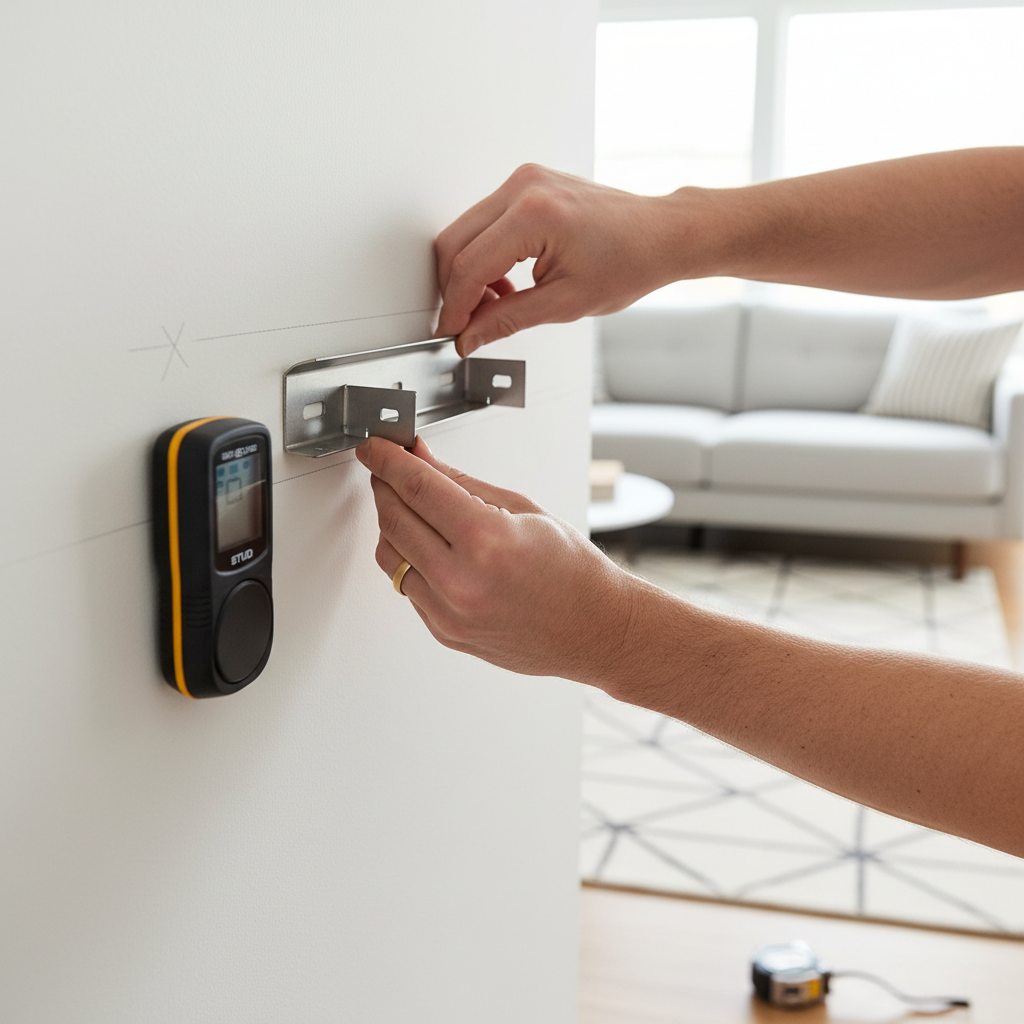
- Locate Wall Studs — Find the strongest mounting points
- Use a reliable stud finder to locate the center of wall studs behind your chosen shelf location. Mark the edges and center of the stud lightly with a pencil.
- Pro Tip: Tap on the wall. A hollow sound indicates drywall; a solid thud suggests a stud. Confirm with your stud finder. Test multiple spots.
General remodeling · Renovation planning
| Project category | General remodeling |
|---|---|
| Problem type | Renovation planning |
| Trade required | General contracting |
| Urgency | Planned project |
| Safety risk | Low safety risk |
| DIY suitability | Pro recommended |
| Cost category | Major investment |
| Typical timeline | Design and permitting often 2–4 months before work starts |
| Contractor type | General contractor |
Repair option
Phase the work and fix the building envelope first.
Replacement option
Full renovation with permits, design, and a general contractor.
Common causes
- Space no longer fits how the household lives
- Resale preparation
- Deferred maintenance stacking up
Relevant tools:project cost estimatorcompare quoteshome improvement material prices
Published May 26, 2026Last updated August 17, 2026
Tools & materials you'll need
Affiliate linksAs an Amazon Associate FixlyGuide earns from qualifying purchases — at no extra cost to you. Prices and availability are accurate as of publication and subject to change.
Quick Answer
Installing floating shelves securely into drywall requires locating and attaching them directly to wall studs whenever possible. If studs aren't available, specialized heavy-duty drywall anchors rated for the shelf's weight capacity are essential. Improper anchoring methods, such as using inadequate wall plugs or not distributing weight correctly, are the leading cause of sagging or falling shelves.
The Problem
Floating shelves offer a clean, modern aesthetic, but their installation into drywall often presents a challenge. Unlike traditional shelves supported by visible brackets, floating shelves rely entirely on hidden mounting hardware to bear weight. This means the integrity of the installation is paramount. The primary problem homeowners face is ensuring these shelves remain level and secure over time, especially when loaded with books, decor, or dishes. Many DIY attempts result in shelves that sag, pull away from the wall, or even collapse, often due to a misunderstanding of drywall's limitations and the specific hardware required. The common culprit is either failing to locate a wall stud or choosing the wrong type of drywall anchor for the shelf's intended load. Patching up holes from failed installations is frustrating, and a collapsed shelf can damage belongings or even cause injury.
How It Works
Drywall, also known as gypsum board, is a material made of gypsum plaster pressed between two sheets of thick paper. While excellent for creating smooth wall surfaces, it has limited structural integrity on its own. A standard 1/2-inch thick drywall sheet can hold only about 5-10 pounds per fastener when using basic hollow-wall anchors, and even less if the anchor isn't installed perfectly. The real strength in a wall comes from the wooden or metal studs behind the drywall. These vertical framing members, typically spaced 16 or 24 inches on center, are designed to support significant weight.
Floating shelves achieve their 'floating' look through various hidden bracket systems. Some use a long metal rod or plate that penetrates the shelf, mounting directly to the wall. Others use a french cleat system, where one piece attaches to the wall and another to the shelf, interlocking. Regardless of the system, the fundamental principle is transferring the shelf's weight, plus any items placed on it, from the shelf to the wall structure. If the wall anchor is only gripping the drywall itself, the weight limit is severely restricted. If the anchor is tapping into a solid stud, the weight limit dramatically increases. The hardware for floating shelves is designed to distribute weight across multiple attachment points, but each point must be secure. Heavy-duty drywall anchors work by expanding or toggling behind the drywall, creating a larger surface area to distribute the load across the relatively fragile gypsum board. However, even the best drywall anchors have limitations compared to a direct connection with a stud. Understanding this distinction is critical to a successful, long-lasting installation.
Step-by-Step Fix
Before you begin, always wear safety glasses when drilling and cutting. Make sure to identify and avoid electrical wires and plumbing pipes within the wall.
-
Locate Wall Studs — Find the strongest mounting points
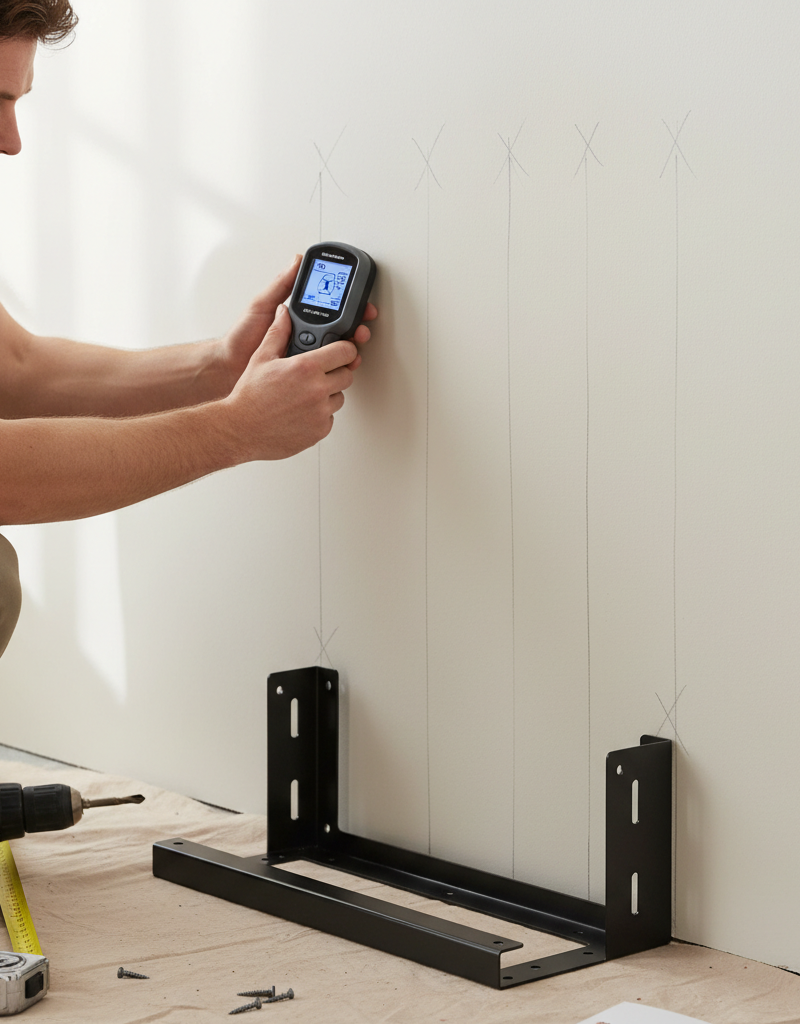
- Use a reliable stud finder to locate the center of wall studs behind your chosen shelf location. Mark the edges and center of the stud lightly with a pencil.
- Pro Tip: Tap on the wall. A hollow sound indicates drywall; a solid thud suggests a stud. Confirm with your stud finder. Test multiple spots.
- If no studs are found where desired: You'll need to use heavy-duty drywall anchors. Choose anchors rated for significantly more than your shelf's anticipated loaded weight. Consider toggle bolts or heavy-duty self-drilling anchors if the shelf itself is light to medium. For heavy shelves, only use toggle bolts or similar anchors that expand behind the drywall, distributing the load over a wider area.
-
Mark Shelf Placement — Precise positioning is key
- Hold the floating shelf's mounting bracket (or the shelf itself, if the bracket is integrated) against the wall at your desired height.
- Use a level to ensure it's perfectly horizontal.
- Lightly mark the top and bottom edges of the bracket and the exact locations for drilling mounting holes. If planning multiple shelves, measure the vertical spacing carefully.
-
Pre-Drill Pilot Holes — Create clean entry points
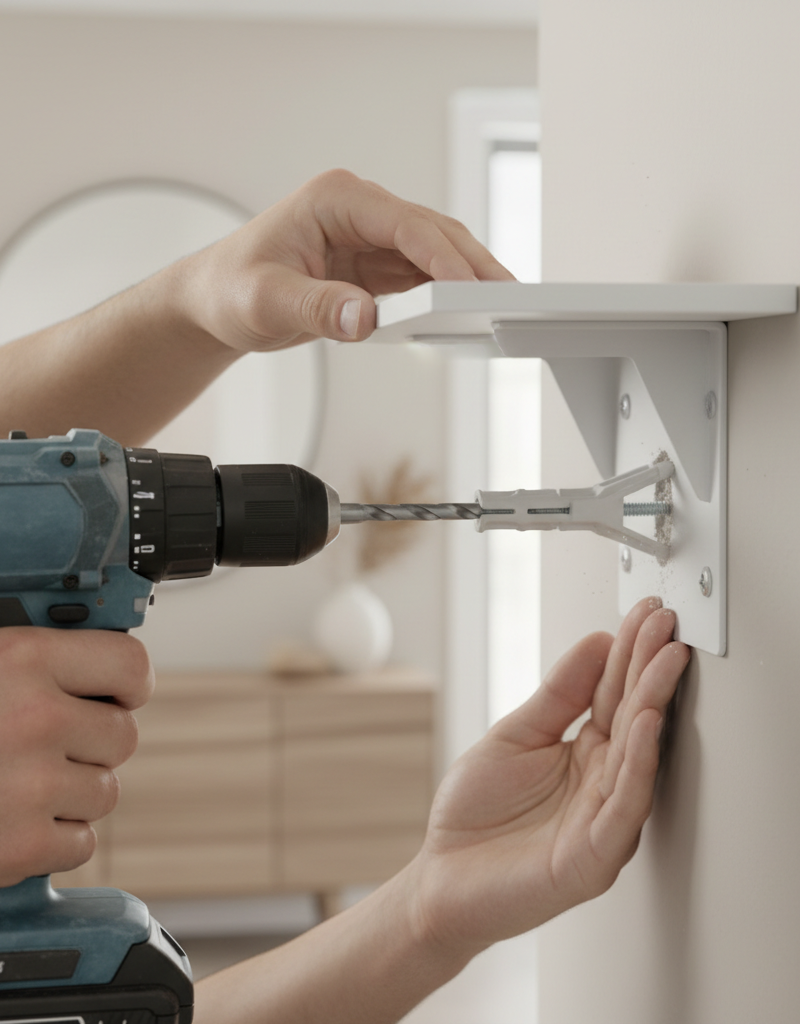
- For Studs: Select a drill bit slightly smaller than the diameter of your mounting screws. Drill pilot holes directly into the center of the marked stud locations. This prevents splitting the wood and makes driving screws easier.
- For Drywall Anchors: Use the drill bit size recommended by your anchor manufacturer. Always check the packaging! Drill clean holes at the marked anchor points. For self-drilling anchors, you might just need a small pilot hole or no pilot hole at all, depending on the design.
-
Install Drywall Anchors (if necessary) — Secure your base
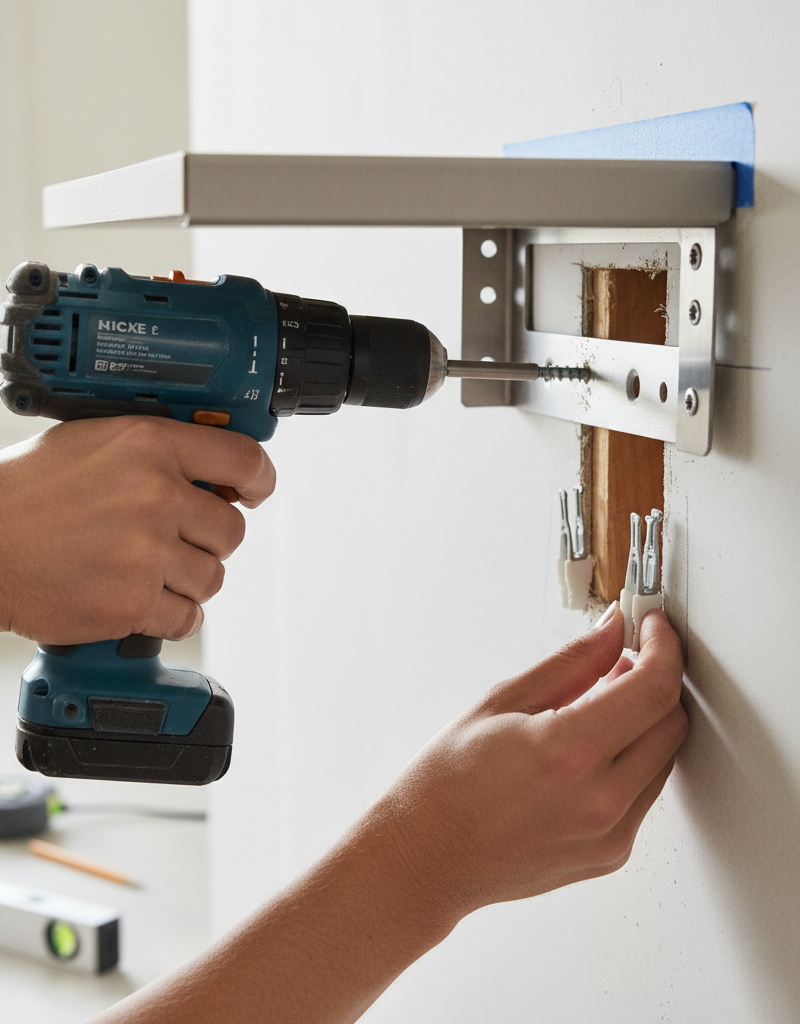
- If you're not drilling into studs, insert your chosen drywall anchors into the pre-drilled holes.
- Toggle bolts: Push the toggle through the hole until it springs open behind the wall. Pull the bolt back slightly to set the toggle against the inside of the drywall.
- Self-drilling/expansion anchors: Screw them directly into the drywall until flush with the surface.
- Ensure all anchors are flush and tightly seated against the wall.
-
Attach the Mounting Bracket — The foundation of your floating shelf
- Align the shelf's mounting bracket with the pre-drilled holes (and anchors, if applicable).
- Insert the mounting screws.
- For studs: Drive screws directly into the pilot holes in the studs. Use a drill/driver with appropriate torque settings to avoid stripping the screw heads or overtightening.
- For drywall anchors: Drive the screws into the anchors. Be careful not to overtighten, especially with plastic anchors, as this can strip the anchor or damage the drywall.
- Use your level once more to confirm the bracket is perfectly horizontal before fully tightening all screws.
-
Slide on the Shelf — The final step in installation
- Carefully slide the floating shelf body onto the installed mounting bracket.
- Ensure it sits snugly and flush against the wall.
- Some floating shelves have small set screws on the underside or back to secure the shelf to the bracket. If yours does, tighten these using the provided Allen wrench or screwdriver. These set screws prevent the shelf from sliding off the bracket during use.
-
Test Weight Capacity — A crucial safety check
- Before loading the shelf with its intended items, gently apply pressure downwards to test its stability.
- Start with a small amount of weight (e.g., a few books) and gradually increase, checking for any signs of wobbling, creaking, or pulling away from the wall. This helps ensure your installation is sound.
Common Causes
- Ignoring Wall Studs: The most common mistake is failing to locate and utilize wall studs. Drywall alone cannot support significant weight, especially over time.
- Incorrect Anchor Selection: Using anchors designed for light pictures (e.g., small plastic conical anchors) for heavy floating shelves is a recipe for disaster. Different anchors have vastly different weight ratings.
- Overtightening Screws into Drywall: This can strip plastic anchors or crush the drywall itself, reducing the anchor's holding power.
- Underestimating Shelf Load: Many homeowners only consider the weight of the shelf, not the combined weight of the shelf plus all the items they plan to put on it.
- Applying Weight Unevenly: Concentrating heavy items on one end of a floating shelf creates leverage that can pull the shelf away from the wall, even with proper anchoring.
- Poor Pilot Hole Technique: Drilling too large a pilot hole for screws into studs, or for anchors into drywall, can compromise the 'bite' and reduce holding power.
Common Mistakes
- Using basic plastic wall plugs for floating shelves: These are only suitable for very light items (a few pounds) and will almost certainly fail for a floating shelf holding anything substantial. Always upgrade to toggle bolts or heavy-duty expansion anchors for drywall-only installations.
- Not checking the level multiple times: It's easy for a bracket to shift slightly during drilling or tightening. Always use a level to double-check horizontal alignment before fully committing. A crooked shelf is an eyesore.
- Guessing stud locations: Tapping on the wall can give a rough idea, but electronic stud finders are inexpensive and far more accurate. Don't risk drilling into an empty cavity or, worse, electrical wires.
- Assuming all floating shelf hardware is created equal: Some inexpensive shelves come with inadequate mounting hardware for drywall. If the included anchors seem flimsy, buy better quality ones separately. Consider the total weight.
- Loading the shelf immediately with heavy items: Always test the installation with gradually increasing weight over an hour or two. This allows you to spot any signs of weakness before a catastrophic failure.
- Not consulting the shelf manufacturer's instructions: While this guide provides general best practices, your specific floating shelf might have unique mounting requirements or recommended hardware. Always read the instructions.
Cost & Time Breakdown
| Task | DIY cost | Pro cost | Time |
|---|---|---|---|
| Stud Finder | $20–$50 | N/A | N/A |
| Drill & Bits | $0–$100 | N/A | N/A |
| Heavy-Duty Anchors (pack) | $8–$25 | N/A | N/A |
| Floating Shelf (varies) | $20–$200+ | N/A | N/A |
| Total (excluding shelf) | $28–$175 | $100–$250 | 1–2 hours |
Note: Professional installation costs typically cover labor for 1-2 shelves, assuming studs are present or standard anchors suffice. Complex installations or patching may incur additional charges.
Tips & Prevention
- Choose the Right Shelf: For purely decorative purposes with very light items, smaller floating shelves installed with heavy-duty drywall anchors might suffice. For books, dishes, or heavier decor, prioritize shelves that can mount directly to two or more studs.
- Understand Weight Ratings: Always check the weight rating of your chosen drywall anchors and ensure it significantly exceeds the anticipated total weight of your shelf and its contents. Err on the side of caution.
- Distribute Weight Evenly: When loading your floating shelf, try to distribute items as evenly as possible across its length. Avoid placing all the heaviest items on one end.
- Regular Checks: Periodically check your floating shelves for any signs of loosening, sagging, or pulling away from the wall. Tighten screws if necessary.
- Consider French Cleats for Heavy Loads: While not strictly 'floating' in the same way, a French cleat system can be a robust alternative for heavier loads, especially if you can get good stud engagement.
- Plan Ahead for Electrical/Plumbing: Before drilling, especially near outlets or sinks, use a non-contact voltage tester and understand where pipes might run. Avoid drilling into these areas entirely.
When to Call a Professional
While installing floating shelves can be a satisfying DIY project, there are specific situations where calling a licensed professional is the safest and most reliable option. If your wall is plaster and lath (common in older homes) instead of drywall, the installation process is significantly different and often requires specialized techniques and tools; a pro will prevent costly damage. Similarly, if you absolutely cannot locate any studs in your desired location for a heavy shelf, and you're unsure about choosing or installing appropriate heavy-duty anchoring systems, a professional can assess the wall's integrity and recommend the most secure solution. If you're planning to install very large or multiple heavy floating shelves, especially in a prominent area where structural integrity is critical, or if you encounter unexpected wiring or plumbing behind the wall during your initial investigative drilling, immediately stop and contact an experienced handyman or carpenter. They have the expertise and insurance to handle complex installations safely and effectively, ensuring your shelves remain secure for years to come.
Related Articles
Keep troubleshooting with these hand-picked guides from FixlyGuide:
- The #1 Mistake Homeowners Make Installing Floating Shelves (and How to Avoid It) — Learn the proper techniques for securely installing floating shelves into drywall, avoiding common mistakes that lead to costly damage or w…
- The #1 Mistake Homeowners Make Installing Floating Shelves (and How to Fix It) — Discover the crucial error many DIYers make when mounting floating shelves into drywall and learn the simple steps to ensure a secure, sag-…
- The #1 Mistake Homeowners Make Installing Floating Shelves (and How to Fix It) — Discover the most common error DIYers make when mounting floating shelves into drywall and how to ensure your shelves are sturdy and secure.
- The 3 Common Floating Shelf Mistakes That Lead to Wall Damage — Learn the critical mistakes homeowners make when installing floating shelves into drywall and how to avoid them for a secure, lasting mount.
- The #1 Mistake Homeowners Make Installing Floating Shelves (and How to Fix It) — Discover the crucial mistake homeowners make installing floating shelves into drywall and learn the correct, secure method to prevent saggi…
- The #1 Mistake Homeowners Make Installing a Smart Thermostat (and How to Avoid It) — Avoid a common wiring mistake that can fry your smart thermostat or HVAC system, by ensuring proper power and compatibility.
What should this project cost?
Enter your project details for a realistic cost range before you call anyone.
Cost depends heavily on which system turns out to be the source.
- Regional adjustment
- National average
- Labor share (typical)
- ~$1,620
- Quotes to collect
- 3 written estimates
Educational estimate based on national averages — not a binding quote. Always confirm with written local estimates.
Get the print-ready PDF of this guide
A clean, ad-free, printable version you can keep on your phone or pin to the workshop wall. Free with a FixlyGuide account.
- Print-optimized layout
- Tools, materials & every step included
- Saved to your account
Recommended for DIYers & woodworkers
Sponsored
The Top 20 Tools for Workshops of Any Budget
No stationary machines or power tools required — plus 3 fundamental tools that can't be bought at any price.
Get the free guide
Ted's Woodworking — The #1 Woodworking Resource
Detailed instructions, dimensioned drawings, materials & cutting lists, and 3D schematics for every skill level.
See the plansSponsored: links above are affiliate links. FixlyGuide may earn a commission on qualifying purchases — at no extra cost to you.
Frequently asked questions
How much weight can a floating shelf hold in drywall?+
The weight a floating shelf can hold in drywall depends heavily on the type of anchors used and if it's attached to studs. With heavy-duty toggle bolts or expansion anchors, a shelf can often hold 20-50 pounds per anchor point in drywall alone. However, if mounted directly into wall studs, the capacity increases significantly, often to 50+ pounds per stud, limited more by the shelf material itself.
Can I install floating shelves without a stud?+
Yes, you can install floating shelves without a stud, but you must use appropriate heavy-duty drywall anchors specifically designed for the weight you intend the shelf to hold. Toggle bolts or strong expansion anchors are recommended, and it's crucial to understand their weight ratings and avoid overloading the shelf.
What kind of anchors should I use for floating shelves in drywall?+
For floating shelves in drywall, especially if holding more than very light decorative items, you should use heavy-duty anchors. Toggle bolts, snap toggles, or specialized metal expansion anchors (like Sleeve-It or similar brands) that create a strong grip behind the drywall are the most reliable choices. Plastic screw-in anchors are generally not sufficient for floating shelves due to their limited weight capacity.
Discussion
Loading comments…