- Lack of Understanding: The primary cause is simply not knowing how shrubs grow and why pruning is done. Many homeowners view pruning as just 'trimming' to maintain size, rather than shaping for health.
- Fear of Pruning: Some homeowners are hesitant to prune deeply, fearing they will kill the plant. This leads to only superficial cuts.
- Bad Advice/Habits: Following outdated advice or simply continuing a long-held family habit of shearing shrubs into balls or boxes.
- Improper Tools: Using dull or incorrect tools (e.g., using hand pruners for thick branches) can lead to ragged cuts that damage the plant and make it susceptible to disease.
- Ignoring Plant Needs: Different shrubs have different growth habits and pruning requirements. Treating all shrubs the same leads to problems.
Landscaping · Deck or fence project
| Project category | Landscaping |
|---|---|
| Problem type | Deck or fence project |
| Trade required | Landscaping |
| Urgency | Planned project |
| Safety risk | Moderate safety risk |
| DIY suitability | DIY for experienced homeowners |
| Cost category | High cost |
| Typical timeline | Most builds 3–10 days depending on size |
| Contractor type | Landscaping contractor |
Repair option
Replace failed boards, posts, and hardware; reseal the surface.
Replacement option
Rebuild when framing or the ledger connection is unsafe.
Common causes
- Rot at posts and ledger
- Storm damage
- Adding outdoor living space
Relevant tools:home improvement material pricesproject cost estimator
Published May 23, 2026Last updated August 17, 2026
Tools & materials you'll need
Affiliate linksAs an Amazon Associate FixlyGuide earns from qualifying purchases — at no extra cost to you. Prices and availability are accurate as of publication and subject to change.
Quick Answer
Many homeowners inadvertently damage their shrubs by pruning incorrectly, often through indiscriminate shearing. This practice creates a thick, leafy exterior that prevents light and air from reaching the inner branches, leading to weak growth, disease, and a leggy appearance. The most effective way to revitalize an overgrown shrub is through selective thinning and proper heading cuts, removing dead, diseased, or poorly placed branches to encourage healthy, balanced growth from the inside out.
The Problem
Walk through almost any suburban neighborhood, and you'll see shrubs that have been 'hat-racked' or 'meatballed' into submission. This is the result of improper pruning, often driven by a desire for neatness or a lack of understanding about plant physiology. When a shrub is repeatedly sheared on its surface, the outer layer of foliage becomes incredibly dense. This acts like a living wall, blocking sunlight and air from reaching the interior of the plant. The inner branches, deprived of these essential elements, weaken, become sparse, and eventually die off. This creates a hollow, unhealthy shrub with a brittle outer shell that is more susceptible to pests and diseases. Furthermore, the constant removal of growth tips stimulates only outward growth, leading to an ever-expanding, often ungainly, plant that obscures windows, blocks pathways, and looks increasingly disheveled despite regular 'trimming.' The core problem isn't just aesthetics; it's a fundamental misunderstanding of how pruning impacts a plant's long-term health and vigor.
How It Works
To understand proper pruning, it's crucial to grasp a few basic principles of plant growth. Shrubs grow by producing new cells at their meristems, primarily located at the tips of branches (apical buds) and in the leaf axils along the stems (lateral buds). Apical dominance is a phenomenon where the apical bud produces a hormone (auxin) that suppresses the growth of lateral buds below it. When you make a cut, you remove the apical bud, thus breaking apical dominance and encouraging the lateral buds below the cut to grow. This is why a single cut often results in two or more new shoots.
Different types of cuts elicit different responses. A heading cut removes a portion of a branch or stem, back to a bud or side branch. This redirects growth and can make a plant denser. An indiscriminate shear is essentially many heading cuts on the exterior, stimulating dense external growth. A thinning cut, on the other hand, removes an entire branch back to its point of origin (main stem, another branch, or the ground). This opens up the plant, reduces overall size, and improves air circulation and light penetration. Thinning cuts are key to rejuvenating overgrown shrubs because they encourage new growth from the base and interior, rather than just the exterior shell. The timing of pruning also affects how a plant responds. Pruning at the wrong time (e.g., late summer for spring-flowering shrubs) can remove flower buds for the following year or stimulate tender new growth that is vulnerable to winter damage. Understanding these basic growth principles allows you to manipulate a shrub's form and health effectively, rather than just indiscriminately cutting it back.
Step-by-Step Fix
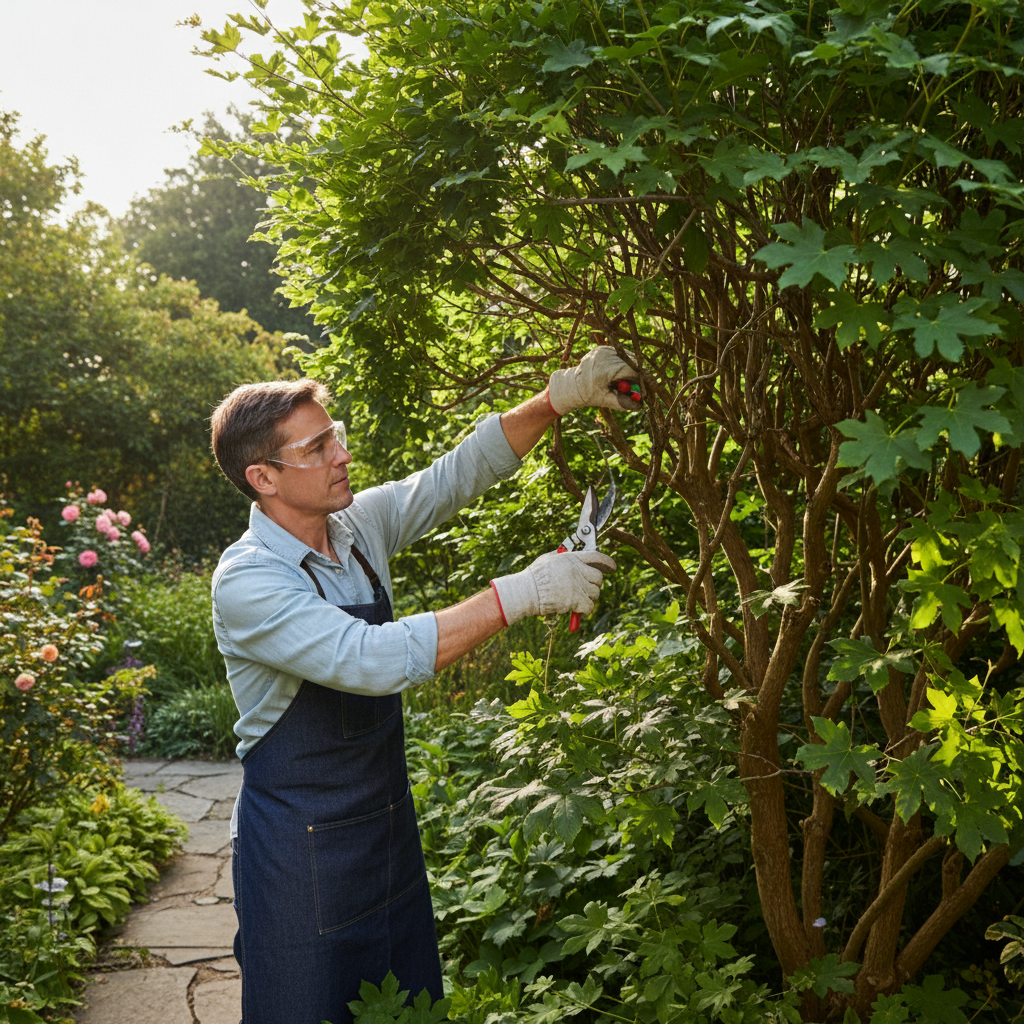
1. Assess the Shrub's Condition – Before making any cuts, step back and observe your shrub. What's its natural shape? Where is it overgrown? Look for dead branches (brittle, no leaves), diseased areas (discolored, fungal growth), and branches rubbing against each other. Identify the main scaffolding branches.
- Safety: Always wear gloves and safety glasses. For larger shrubs, consider a hard hat.
- If this doesn't work: If the shrub is more than 70% dead or severely diseased, consider replacement as rejuvenation may not be successful.
2. Sanitize Your Tools – Clean your pruning shears, loppers, and saw with rubbing alcohol or a 10% bleach solution before and after pruning each shrub. This prevents the spread of diseases.
- Material: Isopropyl alcohol or diluted bleach solution.
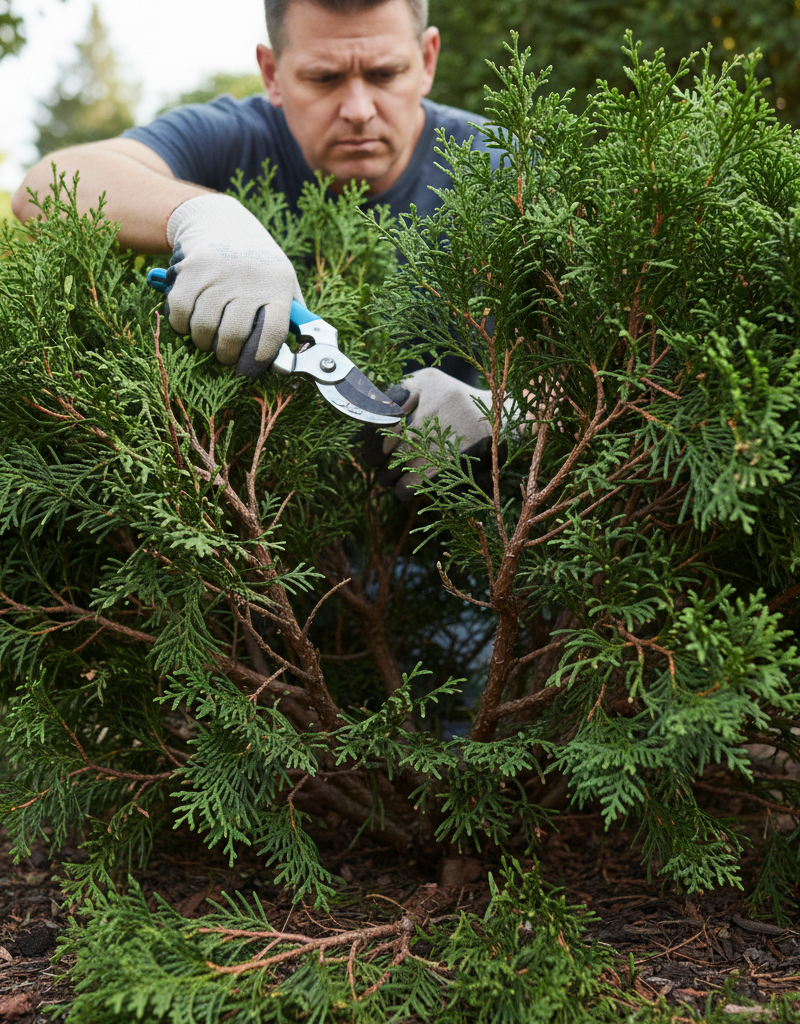
3. Remove Dead, Damaged, or Diseased Wood – Start by cutting out any branches that are clearly dead, broken, or showing signs of disease. Cut back to healthy wood, making the cut just above a healthy bud or branch junction.
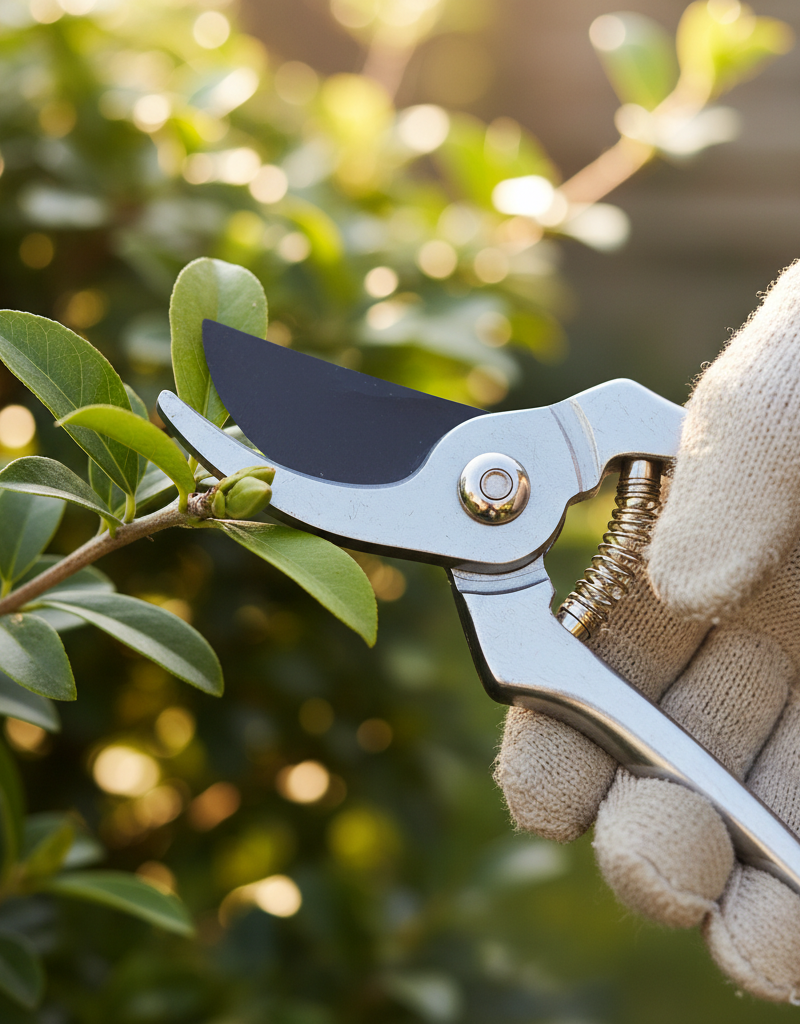
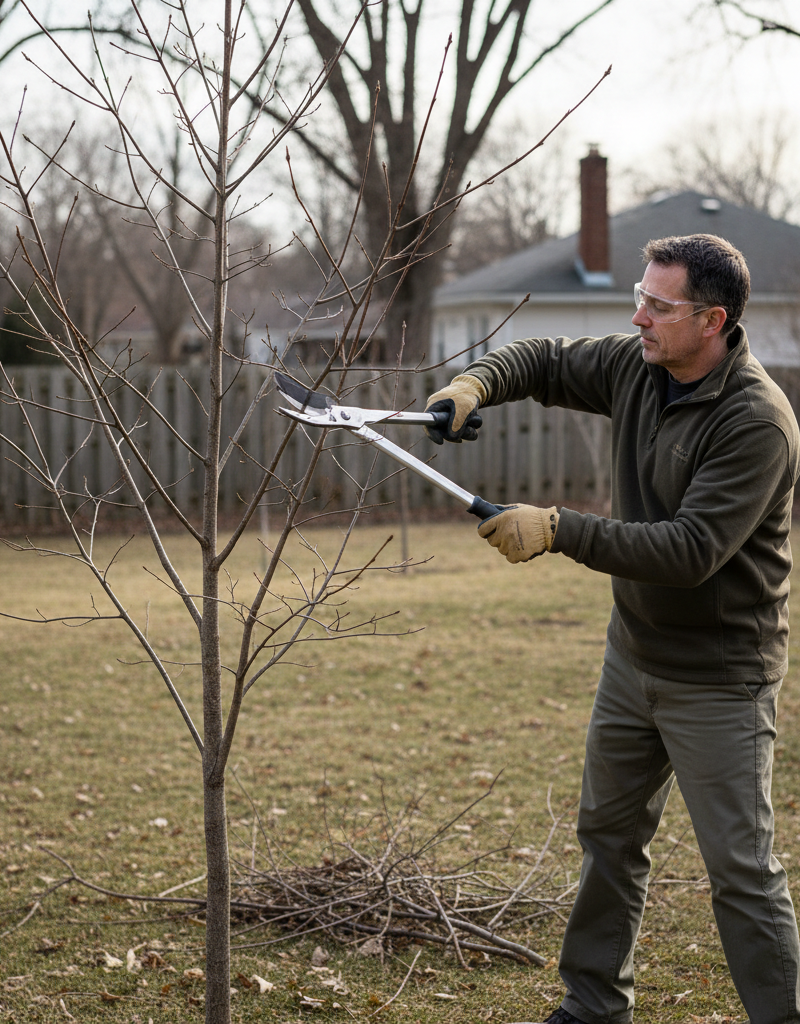
- Tools: Hand pruners for branches up to 1/2 inch, loppers for branches up to 1 1/2 inches, pruning saw for larger branches.
- Tip: Look for green tissue under the bark to confirm a branch is alive.
4. Eliminate Crossing and Rubbing Branches – Identify any branches that are growing inward, crossing over other branches, or rubbing against each other. Choose the stronger, better-placed branch and remove the weaker or problem branch. This improves air circulation and prevents future wounds.
5. Thin Out the Interior – This is critical for rejuvenating overgrown shrubs. Reach into the shrub and remove some of the older, thicker branches originating from the center or base. Make thinning cuts back to a main branch, the main stem, or to the ground. Aim to remove 1/4 to 1/3 of the oldest, thickest stems annually over 2-3 years for a gradual renovation. This opens up the plant, allowing light and air to penetrate.
- Technique: Don't just trim the outside; go deep into the plant.
6. Reduce Overall Size (If Necessary) using Heading Cuts – If the shrub is simply too large, you can use heading cuts to reduce its height and width. Always cut back to a healthy side branch that is at least 1/3 the diameter of the branch being removed, or to an outward-facing bud. Avoid 'topping' where you cut branches arbitrarily without regard to a bud or side branch.
- Rule: Never remove more than 1/3 of the shrub's total volume in a single year.
7. Shape for Natural Growth – Step back frequently to assess your progress. Aim for a natural shape that is wider at the bottom and narrower at the top, allowing sunlight to reach all parts of the plant. Avoid creating unnatural geometric shapes or flat tops.
8. Clean Up – Remove all pruned branches and debris from around the base of the shrub. This helps prevent pest infestations and fungal diseases.
Common Causes
- Lack of Understanding: The primary cause is simply not knowing how shrubs grow and why pruning is done. Many homeowners view pruning as just 'trimming' to maintain size, rather than shaping for health.
- Fear of Pruning: Some homeowners are hesitant to prune deeply, fearing they will kill the plant. This leads to only superficial cuts.
- Bad Advice/Habits: Following outdated advice or simply continuing a long-held family habit of shearing shrubs into balls or boxes.
- Improper Tools: Using dull or incorrect tools (e.g., using hand pruners for thick branches) can lead to ragged cuts that damage the plant and make it susceptible to disease.
- Ignoring Plant Needs: Different shrubs have different growth habits and pruning requirements. Treating all shrubs the same leads to problems.
- Timing Mistakes: Pruning a spring-flowering shrub in late spring/early summer before it blooms removes the current year's flowers. Pruning too late in the season can stimulate new growth that is easily damaged by winter frosts.
Common Mistakes
- Shearing Indiscriminately: The most common mistake. This creates a dense outer layer that prevents light and air from reaching the interior, leading to weak, leggy growth inside, increased susceptibility to pests, and often a dead interior.
- Topping (Cutting Without Regard to Buds/Branches): Making cuts randomly across a branch without cutting back to a bud, side branch, or main stem. This results in unsightly stubs and often encourages vigorous, weak sprout growth (water sprouts) just below the cut.
- Removing Too Much at Once: Taking off more than 25-30% of the shrub's total mass in a single season. This stresses the plant, potentially killing it or severely weakening it, making it prone to disease.
- Pruning at the Wrong Time: Pruning spring-flowering shrubs after their buds have set for the next year (e.g., in fall or winter) means you'll cut off all the flowers. Pruning too late in the growing season can stimulate tender new growth susceptible to frost damage.
- Using Dull or Dirty Tools: Dull tools crush stems rather than making clean cuts, creating open wounds that are difficult for the plant to heal and inviting disease. Dirty tools can spread diseases from one plant to another.
- Ignoring the Three-D's First: Not prioritizing the removal of Dead, Damaged, and Diseased branches. These should always be the first target of any pruning job, regardless of the time of year.
Cost & Time Breakdown
| Task | DIY cost | Pro cost | Time |
|---|---|---|---|
| Hand pruners (good quality) | $20–$50 | N/A | Initial |
| Loppers (good quality) | $40–$80 | N/A | Initial |
| Pruning saw (good quality) | $25–$60 | N/A | Initial |
| Rubbing alcohol/bleach | $5 | N/A | Ongoing |
| Personal Protective Equipment | $15–$30 | N/A | Initial |
| Pruning per shrub (moderate size) | $0 | $50–$150 | 30–90 min |
| Hauling away debris | $0 (DIY) | $50–$100 | 15–30 min |
Tips & Prevention
- Understand Your Shrubs: Research the specific pruning needs and optimal timing for each shrub variety in your yard. Some bloom on old wood, some on new wood, and their timing varies widely.
- Prune for Health First: Always prioritize removing dead, damaged, or diseased branches. This improves plant vigor and reduces the risk of pest and disease outbreaks.
- Thin, Don't Shear (Mostly): For most ornamental shrubs, focus on thinning cuts (removing entire branches from their origin) rather than just shearing the surface. This promotes better air circulation and light penetration.
- Start Small: If you're new to pruning, make small cuts and step back to assess the effect. You can always remove more, but you can't put branches back.
- Keep Tools Sharp and Clean: Sharp tools make clean cuts that heal quickly. Cleaning tools prevents disease spread. Sharpen blades annually or as needed.
- Routine Maintenance: Integrate light pruning into your regular yard work. A little bit often is better than a huge renovation every few years.
- Consider Future Growth: Always think about where new growth will emerge after your cut. Cut to outward-facing buds to direct growth away from the center of the plant.
When to Call a Professional
You should absolutely call a professional arborist or certified landscaper if you are dealing with very large, mature shrubs that require ladders or specialized equipment to prune safely, or if the shrub's branches are near power lines. If you suspect a serious disease or pest infestation that you can't identify or treat, a professional can offer an accurate diagnosis and appropriate solutions. Additionally, if you have multiple overgrown shrubs and lack the time or confidence to tackle them yourself, a professional can restore their health and appearance efficiently and correctly, ensuring the long-term vitality of your landscape. Do not attempt to prune shrubs that could fall onto your home or other structures; a professional has the expertise and insurance for such risks.
Related Articles
Keep troubleshooting with these hand-picked guides from FixlyGuide:
- The #1 Pruning Mistake That Chokes Your Shrubs (And How to Fix It) — Discover the most common pruning error homeowners make that hinders shrub health and how to correct it for vibrant growth.
- The #1 Pruning Mistake Homeowners Make (And How to Fix It) — Learn the most common pruning mistake homeowners make and how to properly prune shrubs for healthier growth and more abundant blooms.
- The #1 Mowing Mistake That Leaves Your Lawn Brown and Patchy — Discover the most common mowing mistake homeowners make that leads to unhealthy, patchy grass and how to fix it for a vibrant lawn.
- How to Prune Overgrown Shrubs Without Killing Them: A Complete Guide — Learn how to properly prune overgrown shrubs, restore their health, and improve their appearance without causing damage, ensuring vibrant g…
- The #1 Pruning Mistake Homeowners Make (And How to Fix It for Thriving Shrubs) — Avoid the most common pruning error to ensure your shrubs grow strong, healthy, and beautiful, year after year.
- The #1 Mistake Homeowners Make After Finding Missing Shingles (And How to Fix It Right) — Discover the crucial steps to take after a storm rips shingles from your roof, ensuring a proper, lasting repair and preventing costly futu…
Should you do this yourself?
Answer five quick questions before you start. Safety outranks savings every time.
Your experience with work like this
How high do you have to work?
Does the job involve any of these?
Will it need a permit?
Specialty tools
Free and instant. Educational guidance only — not a quote, inspection, or professional diagnosis.
What should this project cost?
Enter your project details for a realistic cost range before you call anyone.
Cost depends heavily on which system turns out to be the source.
- Regional adjustment
- National average
- Labor share (typical)
- ~$1,620
- Quotes to collect
- 3 written estimates
Educational estimate based on national averages — not a binding quote. Always confirm with written local estimates.
Before you start
Check the difficulty, permits, and safety risk — then decide whether to call a pro.
- Estimate this projectGet a cost range for your scope and ZIP before you call anyone.Open
- Get local estimatesSend one request and compare written estimates from vetted pros.Open
Free, no signup required. Estimates are educational guidance, not a quote or an inspection.
Frequently asked questions
How do I know if I'm pruning my shrubs incorrectly?+
If your shrubs have a dense outer shell but are sparse or dead-looking inside, or if they constantly look overgrown despite regular trimming, you're likely making common pruning mistakes like indiscriminate shearing. A healthy shrub should have good air circulation throughout its canopy.
Can I prune an overgrown shrub all at once?+
It's generally not recommended to remove more than 25-30% of a shrub's total volume in one year, especially if it's severely overgrown. For very overgrown shrubs, a gradual renovation over two to three years by thinning out 1/4 to 1/3 of the oldest stems annually is often healthier for the plant.
What's the best time of year to prune shrubs?+
The best time depends on the type of shrub. For spring-flowering shrubs (like lilacs or forsythia), prune immediately after they finish flowering. For summer-flowering shrubs (like hydrangeas or rose of Sharon), prune in late winter or early spring before new growth begins. Dead, damaged, or diseased branches can be removed any time of year.
What are 'thinning cuts' and 'heading cuts'?+
A 'thinning cut' removes an entire branch back to its point of origin or the main stem, which opens up the plant and reduces overall size. A 'heading cut' shortens a branch by cutting back to a bud or a smaller side branch, encouraging bushier growth just below the cut. Thinning cuts are crucial for rejuvenating overgrown shrubs.
Discussion
Loading comments…