- Check Your Breaker Panel – A tripped circuit breaker can prevent GFCI reset.
- Go to your home's main electrical panel. Look for any breaker that is in the middle position or completely off. Even if it looks like it's on, it might be 'soft tripped'.
- To reset a tripped breaker, toggle it firmly off first, then firmly on. If the breaker immediately trips again, do not force it back on. This indicates a significant electrical fault, and you should call a professional.
Electrical · Panel or service upgrade
| Project category | Electrical |
|---|---|
| Problem type | Panel or service upgrade |
| Trade required | Electrical |
| Urgency | Planned project |
| Safety risk | High safety risk |
| DIY suitability | Licensed pro only |
| Cost category | High cost |
| Typical timeline | Permit plus utility scheduling, commonly 2–6 weeks |
| Contractor type | Licensed electrician |
Repair option
Add a subpanel when the main service is adequate.
Replacement option
Full service upgrade with utility coordination and permits.
Common causes
- Obsolete or recalled panel brands
- Service capacity too small for added loads
- No room for required AFCI/GFCI breakers
Relevant tools:project cost estimatorcompare quotes
Published June 25, 2026Last updated August 18, 2026
Tools & materials you'll need
Affiliate linksAs an Amazon Associate FixlyGuide earns from qualifying purchases — at no extra cost to you. Prices and availability are accurate as of publication and subject to change.
Quick Answer
When a GFCI outlet refuses to reset, it's typically signaling an active electrical problem somewhere on its circuit, not necessarily that the outlet itself is broken. The most frequent culprits include a faulty appliance plugged into the GFCI or any downstream outlet it protects, an overloaded circuit, or a ground fault elsewhere in the wiring. Your immediate steps should involve unplugging all devices from the GFCI and its protected outlets, then checking your electrical panel for a tripped breaker before attempting to reset the GFCI again.
The Problem
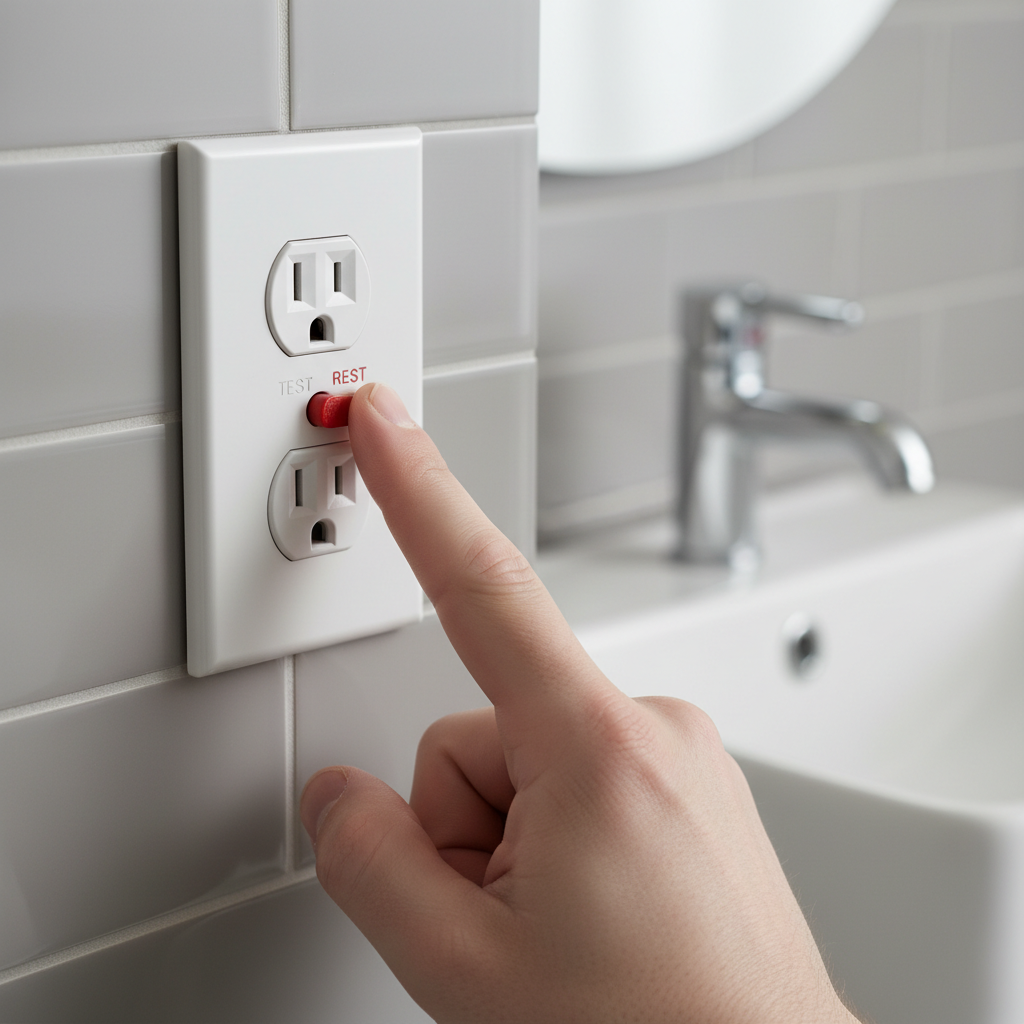
You've got a GFCI outlet, maybe in your bathroom, kitchen, garage, or outdoors, and it just won't reset. You press the 'RESET' button, and either nothing happens, or it clicks, then immediately trips again. This isn't just an annoyance; it's a safety mechanism doing its job. A Ground Fault Circuit Interrupter (GFCI) is designed to protect you from severe electrical shocks by rapidly cutting power when it detects an imbalance in the electrical current, indicating electricity is flowing along an unintended path – likely through a person or water. When a GFCI trips and refuses to reset, it's a strong warning that a ground fault still exists somewhere on the circuit it protects. Ignoring this or repeatedly trying to force it can be dangerous or even damage your electrical system.
How It Works
To understand why your GFCI won't reset, it helps to know how it operates. Inside an GFCI outlet, there's a sophisticated detection coil and a tripping mechanism. The coil constantly monitors the electrical current flowing into the outlet (on the 'hot' wire) and the current flowing out of the outlet (on the 'neutral' wire). In a healthy circuit, these currents should be identical. If even a tiny discrepancy (as little as 5 milliamps) is detected, it signifies a 'ground fault' – meaning some current is leaking out of the circuit, potentially through a person touching a faulty appliance or wet surface. When this imbalance is detected, an electromagnetic switch inside the GFCI instantly trips, cutting off power to prevent electrocution. This all happens in a fraction of a second, far faster than a standard circuit breaker. When you press the 'RESET' button, you're manually closing this switch. If a ground fault still exists on the circuit, or if the GFCI itself is faulty, the switch won't stay closed, and the outlet won't reset. Many GFCIs also protect other standard outlets downstream from them. This means a fault at any of those protected outlets, or an appliance plugged into them, will cause the primary GFCI to trip. Some GFCIs are 'feed-through' devices, meaning they have separate 'LOAD' terminals that extend GFCI protection to those downstream outlets, and 'LINE' terminals that bring power into the GFCI itself. If the wiring is incorrect (e.g., 'LINE' and 'LOAD' are reversed), the GFCI may not function correctly or even reset at all.
Step-by-Step Fix
Here’s how to systematically diagnose and fix a GFCI that won't reset:
-
Safety First – Always ensure your hands are dry and you are not standing in water before touching electrical outlets or panels.
- Safety note: This guide involves working with electricity. If you are uncomfortable at any point, or suspect a serious electrical issue, call a licensed electrician. Never open a GFCI outlet or attempt to modify its internal components.
-
Unplug Everything – Start by isolating the problem.
- Unplug every single appliance or device connected to the GFCI outlet that won't reset. This includes anything plugged directly into the GFCI and any other outlets that might be protected by it (common in bathrooms, kitchens, and garages). Sometimes the faulty appliance is the hidden culprit.
- Look for other outlets in the room or adjacent rooms that lost power when the GFCI tripped. These are likely on the same GFCI-protected circuit.
-
Check Your Breaker Panel – A tripped circuit breaker can prevent GFCI reset.
- Go to your home's main electrical panel. Look for any breaker that is in the middle position or completely off. Even if it looks like it's on, it might be 'soft tripped'.
- To reset a tripped breaker, toggle it firmly off first, then firmly on. If the breaker immediately trips again, do not force it back on. This indicates a significant electrical fault, and you should call a professional.
-
Attempt to Reset the GFCI (Again) – With everything unplugged and breaker checked.
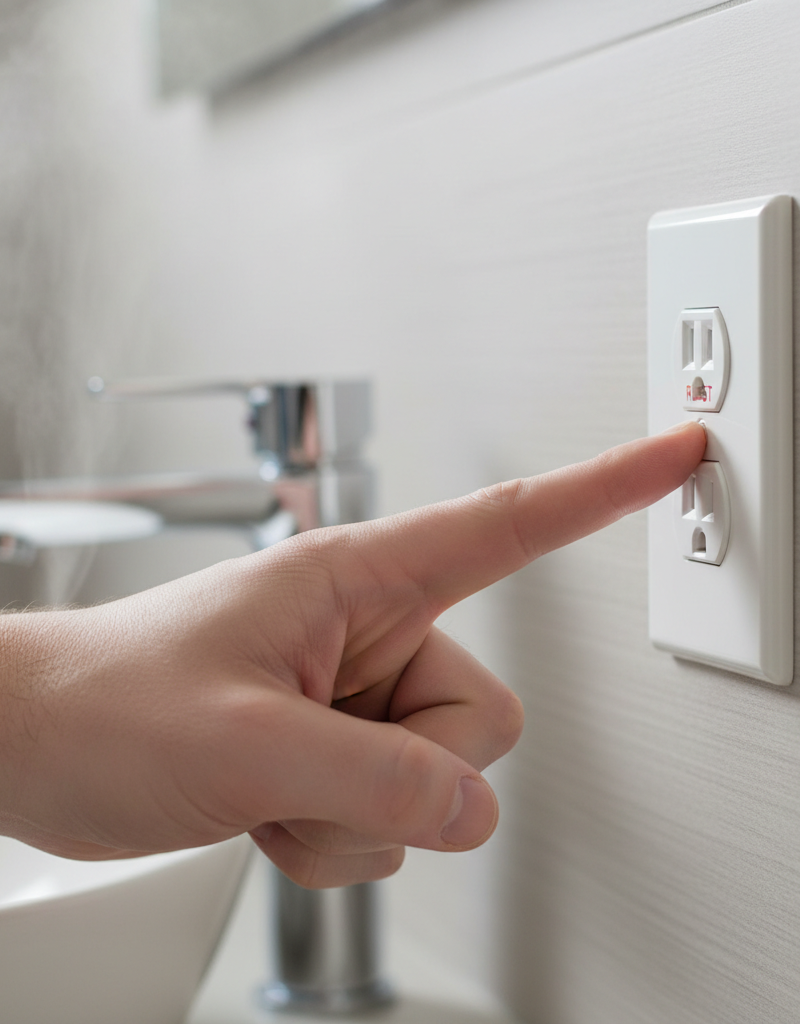
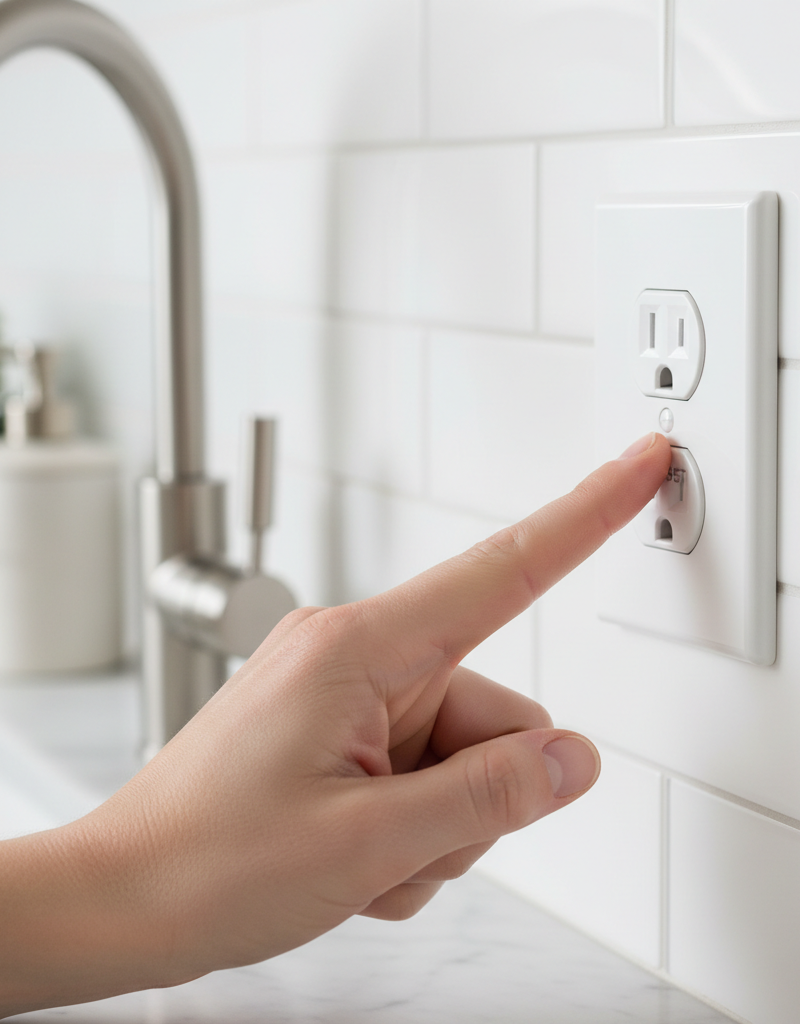
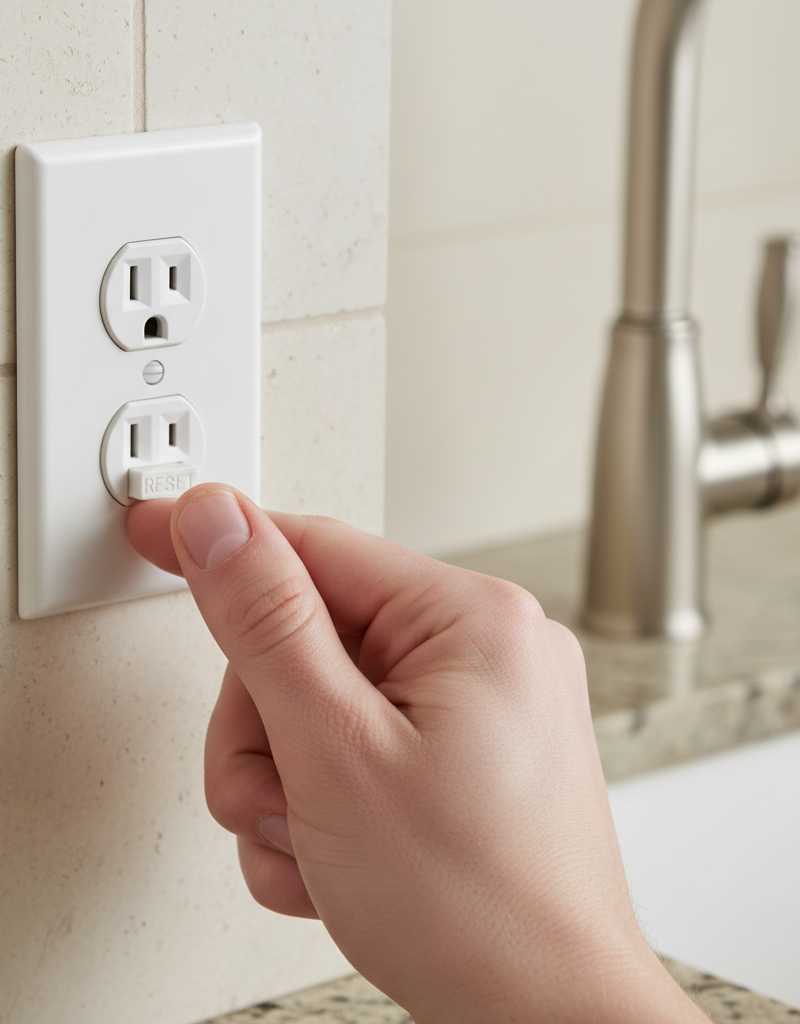
- Press the 'RESET' button on the GFCI outlet firmly. You should hear a distinct click, and the indicator light (if present) should turn green. If it resets successfully, proceed to the next step.
- If it still won't reset, wait a few minutes and try again. Sometimes a temporary surge can cause an over-sensitive trip.
-
Identify the Faulty Appliance (If Applicable) – Plug in devices one by one.
- If the GFCI successfully reset in step 4, plug in your appliances one at a time, starting with the most critical or frequently used. After plugging in each device, wait a moment. If the GFCI trips again, you've found the faulty appliance.
- Test the problematic appliance on a different, known-working GFCI outlet if available, to confirm it's the appliance and not the original circuit. If it trips another GFCI, discard or repair the appliance.
-
Check for Overloaded Circuit – Too many high-power devices can trip a GFCI.
- If the GFCI trips only when multiple appliances are running simultaneously (e.g., a hairdryer and a curling iron in the bathroom), the circuit might be overloaded. Avoid using multiple high-draw devices on the same circuit at the same time.
-
Inspect for Loose or Damaged Wiring (Visual Check Only) – External signs of trouble.
- With the power off at the breaker, visually inspect the GFCI outlet and any other outlets on the circuit. Look for burnt marks, loose wires, or bent prongs within the outlet receptacles. If you see any damage, do not attempt to fix it yourself; this requires a professional.
- Do not open the outlet or attempt to manipulate wiring inside the wall unless you are a qualified electrician. This step is for visual inspection only.
-
Consider a Faulty GFCI Outlet – If all else fails.
- If you've systematically eliminated all other possibilities (no faulty appliances, no overloaded circuit, breaker is fine), the GFCI outlet itself might be defective. GFCIs don't last forever; their internal components can wear out over time, especially with frequent tripping.
- GFCI outlets have an average lifespan of 10-15 years. If yours is older, it's a strong candidate for replacement. While replacing a GFCI is a common DIY task, if you're uncertain about wiring, it's best to call an electrician to install a new one.
Common Causes
- Faulty Appliance: The most frequent cause. An appliance, even a small one like a curling iron or toaster, with internal wiring issues or exposed elements can create a ground fault. This includes appliances connected to any downstream outlets protected by the GFCI.
- Ground Fault in Wiring: Damage to the hot or neutral wire that allows it to come into contact with the ground wire, the outlet box, or other grounded components. This could be due to a loose connection, a nail piercing a wire, or rodent damage within the walls.
- Overloaded Circuit: While GFCIs are primarily for ground fault protection, a severely overloaded circuit (too many high-power devices drawing current) can sometimes cause a nuisance trip, especially if combined with minor ground leakage.
- Moisture or Water Exposure: GFCIs in wet locations (bathrooms, kitchens, outdoors) are prone to tripping if water gets into an outlet, a plug, or an appliance. Even high humidity can sometimes be enough.
- Loose Connections: A loose hot or neutral wire connection at the GFCI outlet or any other outlet/device on the protected circuit can sometimes mimic a ground fault, causing the GFCI to trip. These can occur over time due to expansion and contraction.
- Shorted Circuit: Less common for GFCIs, but a direct short between the hot and neutral wires could trip a GFCI if it also involves a partial ground path, though it's more likely to trip a standard circuit breaker.
- Aged or Defective GFCI Outlet: Like all electronic devices, GFCIs wear out. The internal tripping mechanism can become overly sensitive or fail entirely over 10-15 years.
- Incorrect Wiring (LINE/LOAD Reversed): If the 'LINE' (incoming power) and 'LOAD' (outgoing power to protect downstream outlets) terminals are incorrectly wired during installation, the GFCI may not function or reset properly.
Common Mistakes
- Ignoring Downstream Outlets: Many homeowners only unplug devices from the stubborn GFCI itself, forgetting that other outlets lost power and might be the true source of the fault. Always unplug everything from every single outlet on that circuit.
- Repeatedly Pressing Reset: If the GFCI immediately trips after pressing reset, don't keep pressing it. This indicates an active fault. Repeatedly trying to force it can wear out the GFCI faster or, in rare cases of severe fault, cause further damage.
- Not Checking the Breaker: Assuming the problem is only the GFCI. A tripped circuit breaker can cut power to the entire circuit, preventing the GFCI from having any power to reset.
- Misdiagnosing a Faulty Appliance: Just because an appliance tripped the GFCI doesn't mean it's fatally flawed. Try the appliance on a different GFCI. Sometimes it's a temporary issue, or the problem lies elsewhere.
- Overlooking Moisture: Especially in outdoor or bathroom GFCIs, a little water can cause a serious problem. Don't assume the problem is internal if there's external moisture present.
- Attempting Complex Wiring Repairs: Without proper electrical knowledge and tools, trying to open up and fix wiring within the GFCI or its junction box can be dangerous and lead to more serious issues. Stick to systematic diagnostics.
Cost & Time Breakdown
| Task | DIY Cost | Pro Cost | Time |
|---|---|---|---|
| Diagnose faulty appliance | $0 | $0 | 10-20 minutes |
| Reset circuit breaker | $0 | $0 | 1-5 minutes |
| Replace faulty GFCI outlet | $15–$30 (part) | $100–$250 (parts+labor) | 20-40 minutes (DIY) |
| Identify ground fault in wiring | Call Pro | $150–$400+ | 1-3 hours+ (Pro) |
Tips & Prevention
- Regular Testing: Test your GFCI outlets monthly by pressing the 'TEST' button, then the 'RESET' button. This ensures they are functioning correctly.
- Keep Water Away: Ensure GFCI outlets in wet areas are protected from splashes. Use outlet covers in outdoor locations.
- Avoid Overloading: Be mindful of how many high-wattage appliances you plug into a single circuit, especially those on GFCI-protected circuits.
- Inspect Cords & Plugs: Regularly check appliance cords for fraying or damage, and plugs for bent prongs. Replace damaged items immediately.
- Install 'Weather-Resistant' GFCIs Outdoors: These are designed to withstand moisture and UV exposure better than standard GFCIs.
- Educate Family: Ensure everyone knows the purpose of GFCI outlets and what to do if one trips.
- Consider Whole-Home Surge Protection: While not directly related to GFCI faults, whole-home surge protectors can safeguard your electrical system from power spikes.
When to Call a Professional
You've systematically troubleshooted, but your GFCI still won't reset, or perhaps even worse, your circuit breaker keeps tripping after you reset it. It's time to call a licensed electrician if: you detect any burning smells from outlets or the electrical panel; if outlets or switches are hot to the touch; if there's visible charring or damage to outlets or wiring; if rain or standing water is near the electrical panel; if the circuit breaker repeatedly trips immediately after reset; or if you've replaced the GFCI outlet and it still won't reset. These signs indicate a more serious, potentially dangerous electrical fault within your home's wiring that requires specialized diagnostic tools and expertise to safely locate and repair. Do not attempt to open your electrical panel or rewire parts of your home's electrical system without proper training, as this can lead to severe injury, electrocution, or fire. An electrician can safely diagnose wiring faults, replace components, and ensure your home's electrical system meets code requirements.
Related Articles
Keep troubleshooting with these hand-picked guides from FixlyGuide:
- The Hidden Reason Your GFCI Won't Reset (And It's Not Always a Short) — Discover the often-overlooked culprits behind a GFCI outlet that refuses to reset and learn how to safely diagnose and fix the issue yourse…
- The Hidden Reason Your GFCI Won't Reset (And It's Not Always a Short) — When your GFCI outlet refuses to reset, it's often more than a simple tripped circuit, pointing to underlying electrical issues you can saf…
- The Hidden Reason Your GFCI Won't Reset (And It's Not Always a Faulty Outlet) — A GFCI outlet that won't reset usually indicates an underlying electrical issue, most commonly a ground fault or overloaded circuit, not al…
- The Hidden Reason Your GFCI Won't Reset (And It's Not Always a Damaged Outlet) — A GFCI outlet that won't reset can be frustrating, but often the cause isn't the outlet itself, but a hidden electrical issue downstream th…
- Why Your Outlet Died (Even If the Breaker's ON): The Hidden Causes Everyone Misses — Discover the surprising reasons why an electrical outlet might stop working even when the circuit breaker appears to be on, and learn how t…
- The Secret Reason Your Thermostat Lies (And How to Fix It in Minutes) — Discover why your thermostat isn't hitting its set temperature and learn simple, actionable steps to diagnose and fix the most common culpr…
Get the print-ready PDF of this guide
A clean, ad-free, printable version you can keep on your phone or pin to the workshop wall. Free with a FixlyGuide account.
- Print-optimized layout
- Tools, materials & every step included
- Saved to your account
Frequently asked questions
Why would a GFCI not reset even when nothing is plugged in?+
If a GFCI won't reset with nothing plugged in, it strongly suggests a problem with the GFCI outlet itself (it's defective or old), or a ground fault somewhere in the permanent wiring of the circuit it protects. It could also be a tripped circuit breaker in your main panel, which must be reset first.
Can a faulty appliance cause a GFCI to not reset?+
Yes, absolutely. A faulty appliance plugged into the GFCI outlet, or any other standard outlet downstream that the GFCI protects, is one of the most common reasons a GFCI will trip and refuse to reset. The appliance creates a constant ground fault, preventing the GFCI from staying reset.
How long do GFCI outlets typically last?+
GFCI outlets typically have a lifespan of about 10 to 15 years. Over time, their internal components can wear out, making them overly sensitive and prone to nuisance tripping, or causing them to fail to reset even when there's no active fault. Regular testing can help identify a failing GFCI.
Is it safe to keep using an outlet if the GFCI won't reset?+
No, it is not safe to use an outlet if the GFCI won't reset. A GFCI that refuses to reset is indicating an active ground fault, meaning there's a serious electrical issue that could lead to shock or fire. Leave the power off to that circuit until the problem is diagnosed and resolved.
What's the difference between a GFCI tripping and a circuit breaker tripping?+
A GFCI trips to prevent electrical shock from a ground fault (an imbalance in current). A circuit breaker trips to prevent overheating and fire caused by an overloaded circuit (too much current draw) or a short circuit (a direct connection between hot and neutral wires). While related, they protect against different types of electrical hazards.
Discussion
Loading comments…