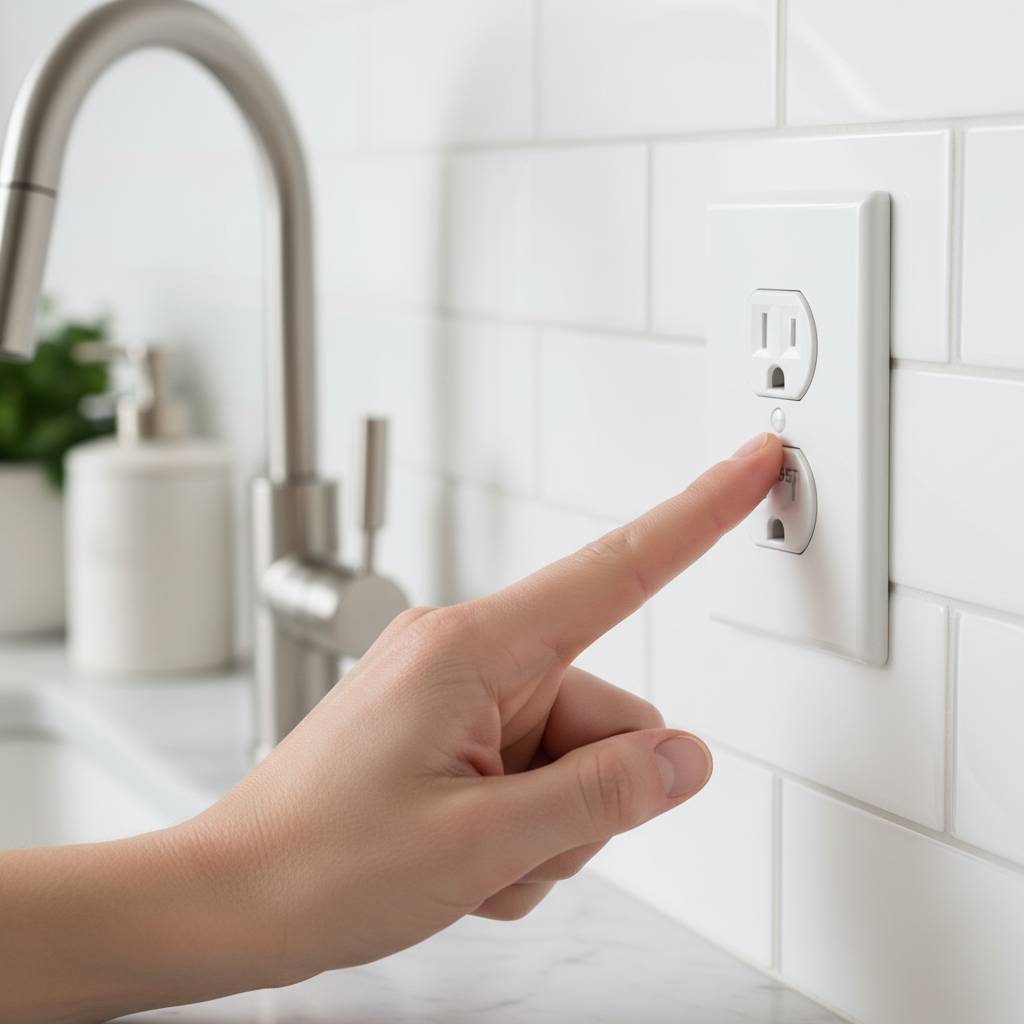
- Check for Tripped Breakers – The simplest solution first.
- Go to your main electrical panel. Look for any circuit breakers that are in the 'OFF' position, or more commonly, in an intermediate position (sometimes called a 'tripped' position) between 'ON' and 'OFF'.
- Safety Note: Always be careful around electrical panels. If you're unsure or uncomfortable, call an electrician.
Electrical · Panel or service upgrade
| Project category | Electrical |
|---|---|
| Problem type | Panel or service upgrade |
| Trade required | Electrical |
| Urgency | Planned project |
| Safety risk | High safety risk |
| DIY suitability | Licensed pro only |
| Cost category | High cost |
| Typical timeline | Permit plus utility scheduling, commonly 2–6 weeks |
| Contractor type | Licensed electrician |
Repair option
Add a subpanel when the main service is adequate.
Replacement option
Full service upgrade with utility coordination and permits.
Common causes
- Obsolete or recalled panel brands
- Service capacity too small for added loads
- No room for required AFCI/GFCI breakers
Relevant tools:project cost estimatorcompare quotes
Published July 18, 2026Last updated August 17, 2026
Tools & materials you'll need
Affiliate linksAs an Amazon Associate FixlyGuide earns from qualifying purchases — at no extra cost to you. Prices and availability are accurate as of publication and subject to change.
Quick Answer
When your GFCI outlet refuses to reset, the most common culprits are a tripped circuit breaker, an overloaded circuit, or a persistent ground fault. Begin by unplugging everything connected to the GFCI and any outlets it protects. Then, check your electrical panel for a tripped breaker. If it still doesn't reset, the GFCI unit itself might be faulty, or there could be a deeper wiring issue that requires further investigation.
The Problem
You're trying to use an appliance in your bathroom, kitchen, garage, or another area prone to moisture, and the GFCI outlet simply won't reset. You press the button, but it either pops right back out or offers no resistance at all. This isn't just an inconvenience; it means the outlet isn't providing power, and more importantly, it's not protecting you from potentially dangerous electrical shocks. A GFCI (Ground Fault Circuit Interrupter) is a critical safety device designed to detect imbalances in electrical current and quickly shut off power, preventing electrocution. When it refuses to reset, it's either doing its job by detecting a fault or, less commonly, the GFCI unit itself has failed.
How It Works
To understand why your GFCI isn't resetting, it helps to know how it operates. A GFCI outlet constantly monitors the electrical current flowing from the 'hot' wire and returning through the 'neutral' wire. In a balanced circuit, these currents should be identical. However, if some current deviates from this path—say, through a person who accidentally touches a live wire or an appliance with damaged insulation—it's called a 'ground fault.'
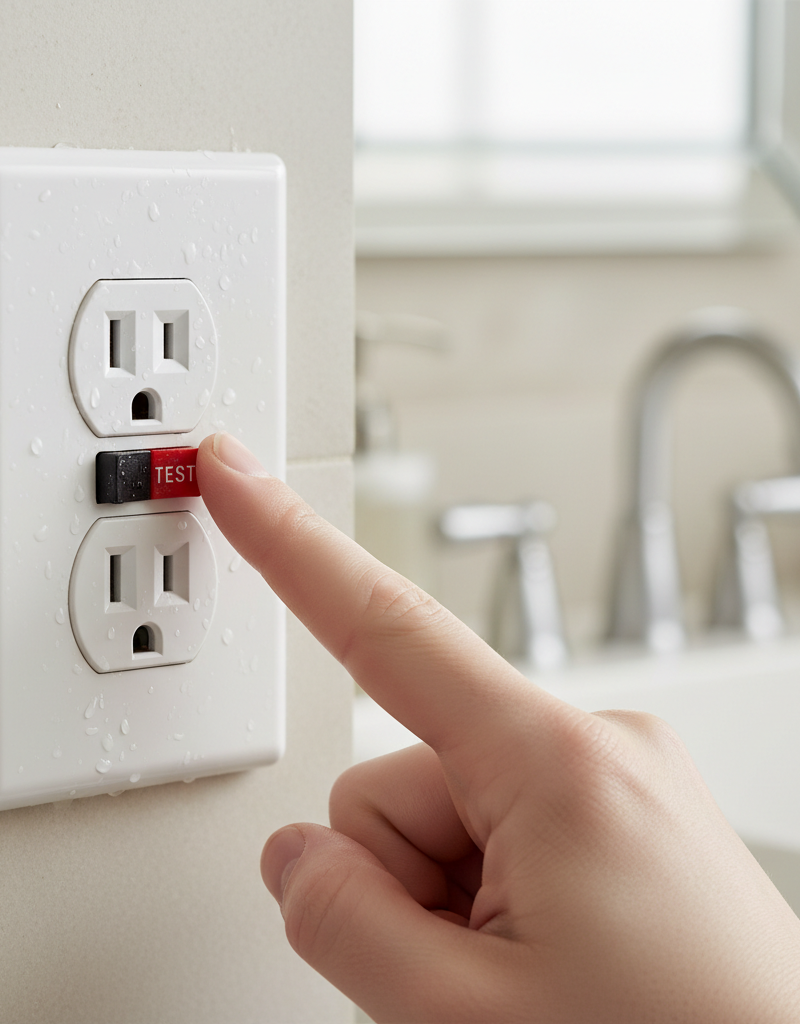
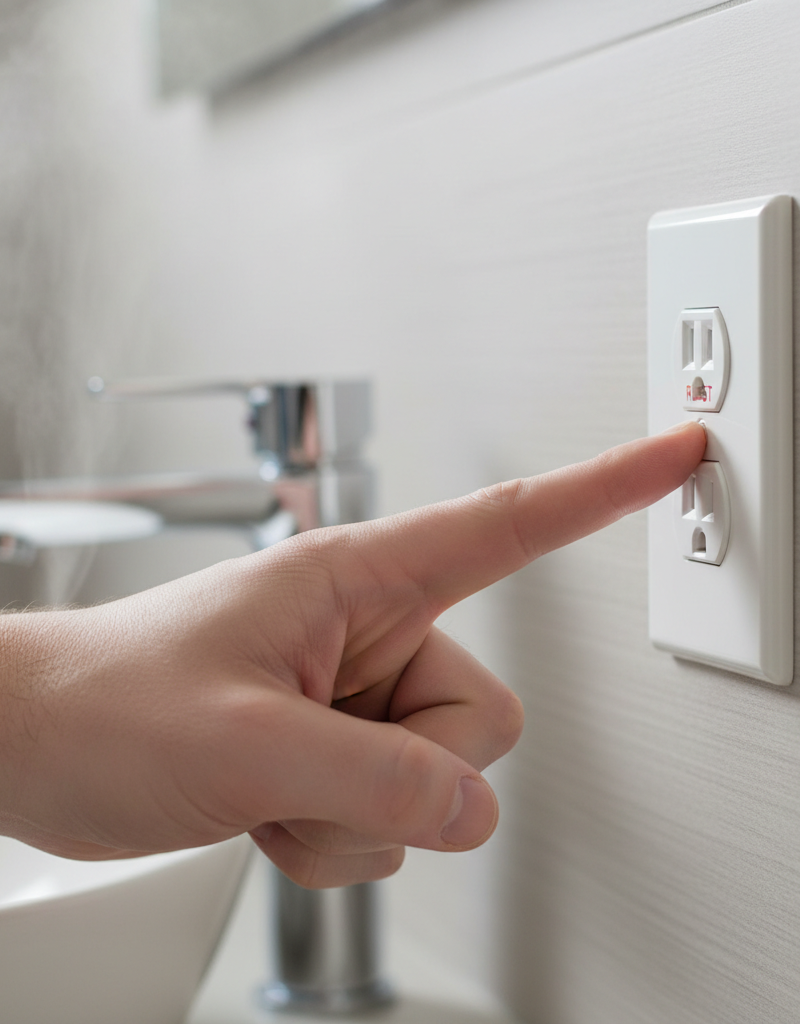
The GFCI acts like a miniature computer, detecting even a tiny difference in current, often as little as 5 milliamps (mA). When it senses this imbalance, an internal solenoid mechanism is instantly triggered, opening a set of contacts and cutting off power in as little as 1/40th of a second. This rapid response is what prevents serious injury or death from electrical shock. The 'Test' button on a GFCI simulates a ground fault, allowing you to confirm the mechanism is working. The 'Reset' button, when pressed, closes those contacts, restoring power so long as no ground fault is detected.
When a GFCI won't reset, it's usually because one of two conditions persists. First, there might still be an active ground fault somewhere on the circuit that the GFCI protects. This could be in an appliance plugged into the GFCI, an appliance plugged into a downstream outlet, or even an issue within the wiring in the wall. Second, the GFCI itself might have failed internally and is no longer capable of holding a reset, even if no fault exists. Understanding this basic principle helps in systematically troubleshooting the problem.
Step-by-Step Fix
Here’s how to diagnose and fix a GFCI outlet that refuses to reset:
-
Check for Tripped Breakers – The simplest solution first.
- Go to your main electrical panel. Look for any circuit breakers that are in the 'OFF' position, or more commonly, in an intermediate position (sometimes called a 'tripped' position) between 'ON' and 'OFF'.
- To reset: Firmly push the tripped breaker all the way to 'OFF', then immediately back to 'ON'. Do not just push it to 'ON' from its tripped state. If it trips again immediately, do not force it. This indicates a persistent short circuit or overload, and you should move to the next steps before trying to reset it again.
- Safety Note: Always be careful around electrical panels. If you're unsure or uncomfortable, call an electrician.
-
Unplug Everything – Is an appliance the culprit?
- Unplug every single appliance, lamp, charger, or device from the non-resetting GFCI outlet itself.
- Crucially, also unplug everything from ANY other outlets that might be downstream (protected by) the problematic GFCI. GFCI outlets often protect multiple regular outlets in a series.
- Try resetting the GFCI again. If it resets, plug items back in one by one until it trips again. The last item plugged in is the faulty one. Repair or replace the faulty appliance.
-
Test the GFCI Alone – Is the GFCI itself faulty?
- With all appliances still unplugged (as per Step 2), try pressing the 'Reset' button firmly.
- If it still won't reset, press the 'Test' button, then try 'Reset' again. Sometimes, cycling it this way can help.
- If the GFCI still won't reset, it's possible the GFCI unit itself is faulty and needs replacement. GFCIs have a lifespan and generally last about 10-15 years.
-
Check for Loose Connections at the GFCI – A common installation mistake.
- Safety Note: BEFORE proceeding, go to your electrical panel and turn OFF the circuit breaker that supplies power to the GFCI outlet. USE A NON-CONTACT VOLTAGE TESTER to confirm the power is OFF at the outlet before touching any wires.
- Carefully remove the cover plate and gently pull the GFCI outlet out from its electrical box.
- Inspect all wire connections. Look for loose wires, wires not fully inserted into push-in terminals (if used), or corroded connections. Ensure the 'LOAD' and 'LINE' wires are connected correctly. The 'LINE' wires (incoming power) should be connected to the terminals labeled 'LINE' on the GFCI, and 'LOAD' wires (outgoing power to protected downstream outlets) to the 'LOAD' terminals. Reversing these will prevent the GFCI from resetting.
- Tighten any loose screws. If push-in terminals are used, it's often better to move the wires to the screw terminals for a more secure connection.
- Carefully push the outlet back into the box, ensuring no wires are pinched. Reinstall the cover plate.
- Restore power at the breaker and try resetting the GFCI.
-
Look for Downstream Wiring Faults – The most challenging DIY step.
- If the GFCI still won't reset after the above steps, and you suspect a downstream issue, you'll need to inspect all outlets protected by the GFCI. This can be complex if you don't know which outlets are on the same circuit.
- Safety Note: Turn OFF the breaker to the GFCI circuit. Confirm power is off with a non-contact voltage tester at ALL outlets you intend to inspect.
- Inspect each downstream outlet for loose wires, obvious damage, or signs of moisture intrusion. A loose ground wire or a hot wire accidentally touching the metal box can cause a persistent ground fault.
- Inspect light fixtures on the same circuit, especially in damp locations like bathrooms. Moisture in a fixture can cause a fault.
- This step is often best left to a professional electrician, especially if you're not confident in identifying all outlets on a circuit or troubleshooting internal wiring.
-
Replace the GFCI Outlet – When all else fails.
- If you've systematically ruled out external faults and wiring issues, the GFCI unit itself is likely defective.
- Safety Note: Turn OFF the breaker for the GFCI circuit and verify power is off with a non-contact voltage tester.
- Carefully remove the old GFCI. Note how the wires are connected (LINE vs. LOAD, neutral, hot, ground). Take a photo if it helps.
- Install the new GFCI outlet, ensuring all wires are connected identically to the old one. Pay close attention to the 'LINE' and 'LOAD' terminals – reversing them is a common mistake that prevents resetting.
- Restore power and test the new GFCI by pressing 'Reset', then 'Test', then 'Reset' again. It should trip immediately when 'Test' is pressed and reset when 'Reset' is pressed. Always test a newly installed GFCI.
Common Causes
- Overloaded Circuit: Too many high-power appliances drawing current through the same circuit can trip the breaker, which in turn prevents the GFCI from resetting until the breaker is addressed.
- Ground Fault in an Appliance: A faulty appliance plugged into the GFCI or any downstream outlet is the most frequent cause. Water intrusion, damaged cords, or internal electrical shorts can create a path for current to escape to the ground.
- Moisture or Water Exposure: GFCIs are common in wet areas. If water gets into the outlet box, the GFCI itself, or an appliance, it can trigger a persistent ground fault.
- Loose or Improper Wiring: Incorrect wiring during installation (e.g., LINE and LOAD wires reversed) will prevent a GFCI from resetting. Loose wires at the GFCI or any downstream outlet can also create intermittent or persistent ground faults.
- Faulty GFCI Outlet: Like any electronic device, GFCIs have a lifespan. Internal components can wear out or fail, prohibiting them from resetting even when no fault exists. They typically last 10-15 years.
- Damaged Internal Components of the GFCI: Physical damage from impact or age can cause the internal tripping mechanism to stick or fail.
Common Mistakes
- Ignoring Downstream Outlets: Many homeowners only unplug items from the GFCI itself, forgetting that a fault in any protected downstream outlet or appliance will prevent the GFCI from resetting. Unplug everything!
- Not Checking the Breaker: Skipping the step of checking and resetting the circuit breaker is a common oversight. A tripped breaker will always make a GFCI unresponsive.
- Forcing a Tripped Breaker: If a breaker immediately trips again after being reset, it's indicating a serious electrical issue. Continuously forcing it on can cause damage to wiring or appliances, or even start a fire. Investigate the fault before resetting.
- Swapping LINE and LOAD Wires: During GFCI replacement, accidentally connecting the incoming power (LINE) to the terminals meant for outgoing power (LOAD) will prevent the GFCI from ever resetting. Always double-check wire labels.
- Not Testing After Reset: Assuming the GFCI is working simply because it reset is a mistake. Always press the 'Test' button to ensure it trips, then 'Reset' to confirm it restores power. This verifies its protective function.
- Overlooking Non-Obvious Faults: Sometimes the fault isn't in an appliance, but in a hidden light fixture or a subtle wiring issue within the walls, which can be difficult for a DIYer to pinpoint.
Cost & Time Breakdown
| Task | DIY Cost | Pro Cost | Time |
|---|---|---|---|
| Diagnosing Fault (unplugging, breaker) | $0 | N/A | 5-15 min |
| GFCI Outlet Replacement | $15–$30 | $100–$250 | 30–60 min |
| Troubleshooting Downstream Outlets | $0 (your time) | $150–$400 | 1–3 hours |
| GFCI & Wiring Inspection/Repair | $0 (your time) | $150–$500+ | 1–4 hours |
Tips & Prevention
- Regular Testing: Test your GFCI outlets monthly by pressing the 'Test' button. It should trip instantly. Then press 'Reset'. If it doesn't trip, it needs replacement. If it doesn't reset, troubleshoot it immediately.
- Avoid Overloading: Be mindful of how many high-current appliances (heaters, hair dryers, toasters) are plugged into the same circuit, especially GFCI-protected ones. Use extension cords sparingly and only those rated for the appliance's load.
- Keep Dry: Ensure GFCI outlets in wet locations (kitchens, bathrooms, outdoors) are protected from splashes and direct water exposure. Use weather-resistant covers where appropriate.
- Inspect Cords and Plugs: Regularly check appliance cords for fraying, cuts, or damage. Replace any damaged cords or appliances immediately. Never use an appliance with a damaged plug or cord.
- Know Your Circuits: Understand which outlets are on which circuit and which regular outlets are protected by a specific GFCI. This knowledge is invaluable for faster troubleshooting.
- Outdoor Maintenance: Outdoor GFCI outlets are particularly susceptible to weather. Ensure their covers are intact and sealed. In very cold weather, some GFCIs can become sluggish or fail to reset until warmer temperatures return.
When to Call a Professional
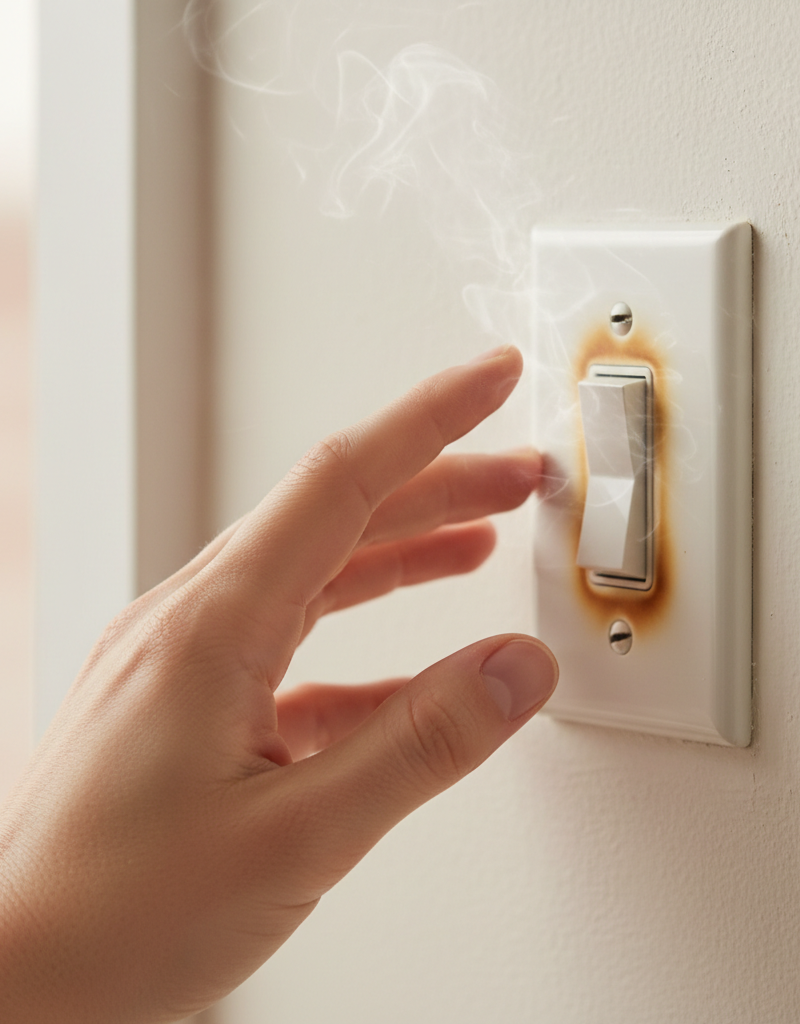
While many GFCI reset issues are simple fixes, there are definite signs it's time to call a licensed electrician. If, after following all troubleshooting steps, your GFCI still won't reset, and you've confirmed the breaker isn't an issue and you've unplugged all appliances, a professional is warranted. This often points to a complex internal wiring fault that could be dangerous to diagnose yourself – such as a short circuit or ground fault hidden within the wall, multiple downstream faults, or a problem at the electrical panel. If you detect any burning smell, see sparks, or hear buzzing from the outlet or electrical panel, immediately turn off the main breaker and call an electrician. Never attempt to force a breaker that keeps tripping; this is a serious fire hazard. An electrician has specialized tools to quickly locate elusive faults and ensure your electrical system is safe and up to code.
Related Articles
Keep troubleshooting with these hand-picked guides from FixlyGuide:
- The Hidden Reason Your GFCI Won't Reset (And It's Not Always a Short) — When your GFCI outlet refuses to reset, it's often more than a simple tripped circuit, pointing to underlying electrical issues you can saf…
- The Hidden Reason Your GFCI Won't Reset (And It's Not Always a Damaged Outlet) — A GFCI outlet that won't reset can be frustrating, but often the cause isn't the outlet itself, but a hidden electrical issue downstream th…
- The Hidden Reason Your GFCI Won't Reset (And It's Not Always a Faulty Outlet) — A GFCI outlet that won't reset usually indicates an underlying electrical issue, most commonly a ground fault or overloaded circuit, not al…
- The Hidden Reason Your GFCI Won't Reset (And It's Not Always a Short) — Discover the often-overlooked culprits behind a GFCI outlet that refuses to reset and learn how to safely diagnose and fix the issue yourse…
- The Hidden Reason Your GFCI Won't Reset – And the One Thing Most Homeowners Forget — Don’t panic when your GFCI outlet won't reset. Most issues are minor and can be resolved with a few simple diagnostic steps before calling…
- The Hidden Reason Your GFCI Trips (It’s Not Always a Bad Outlet) — A tripping GFCI outlet is a safety mechanism doing its job, often indicating a problem like moisture, a faulty appliance, or a wiring issue…
Should you do this yourself?
Answer five quick questions before you start. Safety outranks savings every time.
Your experience with work like this
How high do you have to work?
Does the job involve any of these?
Will it need a permit?
Specialty tools
Free and instant. Educational guidance only — not a quote, inspection, or professional diagnosis.
What should this project cost?
Enter your project details for a realistic cost range before you call anyone.
Outlet and switch work usually $150–$400; panel upgrades commonly $1,800–$4,200.
- Regional adjustment
- National average
- Labor share (typical)
- ~$709
- Quotes to collect
- 3 written estimates
Educational estimate based on national averages — not a binding quote. Always confirm with written local estimates.
Fixly Project Decision Box
- DIY difficulty
- Professional Recommended
- Estimated time
- Diagnosis 1–2 hours
- Cost level
- Moderate
Main tools / materials
- Non-contact voltage tester
- Outlet tester
- Flashlight
When to stop and call a pro
- Burning smell, scorch marks, or a warm outlet or switch plate
- A breaker that trips again right after being reset
- Any work inside the service panel
- Aluminum wiring or cloth-insulated wiring
Need professional help?
Talk to a Licensed ElectricianGet the print-ready PDF of this guide
A clean, ad-free, printable version you can keep on your phone or pin to the workshop wall. Free with a FixlyGuide account.
- Print-optimized layout
- Tools, materials & every step included
- Saved to your account
Frequently asked questions
Why would a GFCI not reset if there's no visible fault?+
Even with no obvious fault (like an appliance), a GFCI might not reset due to a tripped circuit breaker, a subtle wiring issue within the walls, or if the GFCI unit itself is old or faulty. Sometimes, a transient surge can temporarily confuse the GFCI, and cycling the breaker can help.
Can cold weather prevent a GFCI from resetting?+
Yes, extreme cold can sometimes affect GFCIs, particularly older ones or those installed outdoors. Below-freezing temperatures can make the internal components sluggish or temporarily prevent them from resetting. Once temperatures rise, they might function normally again, but persistent issues in the cold might indicate a failing unit.
What's the difference between a GFCI and a circuit breaker?+
A GFCI (Ground Fault Circuit Interrupter) protects against electrocution by detecting small current imbalances (ground faults). A standard circuit breaker protects against overcurrents and short circuits, preventing wire overheating and fires. GFCIs respond much faster to ground faults than traditional breakers.
Discussion
Loading comments…