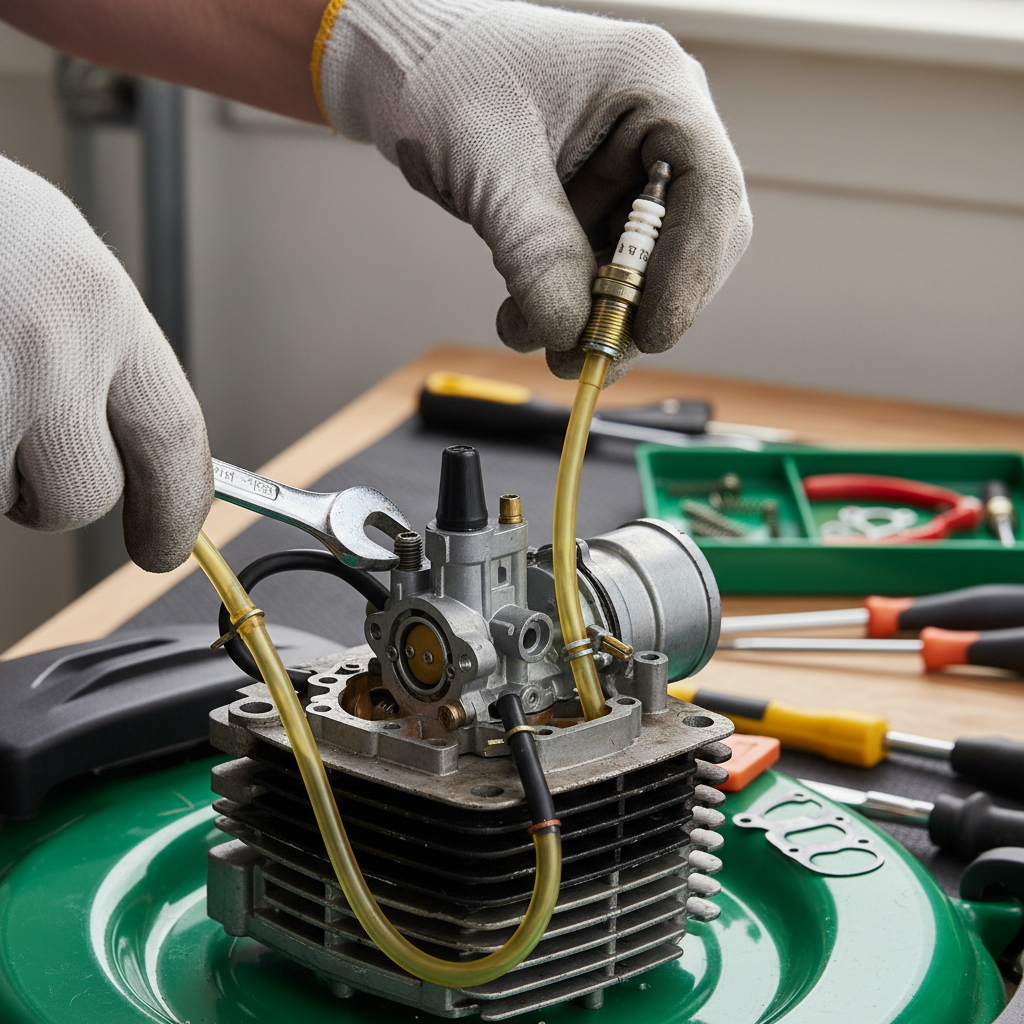
- Safety Note: Gasoline is highly flammable. Work in a well-ventilated area, away from open flames or sparks. Wear appropriate eye protection and gloves.
- If your fuel is older than 30 days: Proceed to drain and replace.
- If the fuel line is cracked or kinked: Replace the fuel line.
- If the fuel filter is dirty: Replace the fuel filter. (Often located inline between the fuel tank and carburetor).
Landscaping · Deck or fence project
| Project category | Landscaping |
|---|---|
| Problem type | Deck or fence project |
| Trade required | Landscaping |
| Urgency | Planned project |
| Safety risk | Moderate safety risk |
| DIY suitability | DIY for experienced homeowners |
| Cost category | High cost |
| Typical timeline | Most builds 3–10 days depending on size |
| Contractor type | Landscaping contractor |
Repair option
Replace failed boards, posts, and hardware; reseal the surface.
Replacement option
Rebuild when framing or the ledger connection is unsafe.
Common causes
- Rot at posts and ledger
- Storm damage
- Adding outdoor living space
Relevant tools:home improvement material pricesproject cost estimator
Published May 28, 2026Last updated August 17, 2026
Tools & materials you'll need
Affiliate links- AmazonCombination wrench setFor spark plug removal and carburetor bolts.
- AmazonScrewdriver setPhillips and flathead for various fasteners.
- AmazonSpark plug wrenchSpecific size for your mower's spark plug.
- AmazonSpark plug gapperFor checking proper spark plug gap.
- AmazonWire brushFor cleaning spark plug and other components.
- AmazonSafety glassesAlways wear eye protection.
As an Amazon Associate FixlyGuide earns from qualifying purchases — at no extra cost to you. Prices and availability are accurate as of publication and subject to change.
Quick Answer
Most often, a lawn mower refuses to start due to issues with stale fuel or a clogged carburetor. These fuel system problems account for a significant percentage of no-start complaints. Draining old fuel, adding fresh fuel with stabilizer, and cleaning the carburetor are generally the most effective DIY solutions to get your mower running again, often without needing professional help.
The Problem
You've pulled the cord a dozen times, or pressed the start button until the battery groaned, but your lawn mower just won't come to life. Instead of the satisfying roar, you get a cough, a sputter, or absolute silence. This is a common and frustrating problem, especially when the grass is growing rapidly. While it’s easy to assume the worst – a seized engine or a major electrical fault – the culprit is often much simpler and originates within the fuel system. Stale gasoline, especially after a winter of storage, can quickly degrade and clog vital components, preventing the engine from receiving the necessary fuel-air mixture to ignite.
How It Works
A small engine, like those found in most lawn mowers, operates on a four-stroke cycle: intake, compression, power, and exhaust. To complete this cycle, it needs three fundamental elements: fuel, air, and spark. Fuel is stored in the tank and gravity-fed (or by a fuel pump in some models) through a fuel line to the carburetor. The carburetor's job is to mix the fuel with air in a precise ratio, atomizing the fuel into a fine mist. This fuel-air mixture is then drawn into the cylinder during the intake stroke. The spark plug, supplied with high-voltage electricity from the ignition coil, creates a spark that ignites this mixture during the power stroke. For the spark plug to fire effectively, it needs a clean electrode and proper gap. The engine also needs compression, which is created when the piston moves up, sealing the cylinder. If any one of these three elements – fuel, air (properly mixed), or spark – is missing or compromised, the engine will fail to start. Over time, gasoline can break down, forming gummy deposits and varnish that clog the tiny passages within the carburetor, effectively starving the engine of fuel. Similarly, a dirty or fouled spark plug can prevent a strong spark, and a clogged air filter chokes the engine of necessary air.
Step-by-Step Fix
Before you begin, ensure the mower is on a flat, stable surface. Disconnect the spark plug wire to prevent accidental starting.
-
Check the Fuel Tank and Fuel Line — The first suspect is always the fuel. Inspect your fuel tank. If the gasoline looks dark, smells sour, or has been sitting for more than 30 days without stabilizer, it's stale. Stale fuel is the number one cause of starting issues. Also, check the fuel line for kinks, cracks, or blockages. Fuel filters can also get clogged.
- Safety Note: Gasoline is highly flammable. Work in a well-ventilated area, away from open flames or sparks. Wear appropriate eye protection and gloves.
- If your fuel is older than 30 days: Proceed to drain and replace.
- If the fuel line is cracked or kinked: Replace the fuel line.
- If the fuel filter is dirty: Replace the fuel filter. (Often located inline between the fuel tank and carburetor).
-
Drain Old Fuel and Refill — Empty the bad stuff. Use a siphoning pump or disconnect the fuel line at the carburetor to drain all the old fuel into an approved container. Properly dispose of the old gasoline. Refill the tank with fresh, 87 octane unleaded gasoline, ideally mixed with a good quality fuel stabilizer. Stabilizer is especially important if you won't use the mower frequently.
- Tip: Never use E85 or any fuel with more than 10% ethanol unless your mower is explicitly designed for it, as ethanol can corrode fuel system components.
-
Inspect and Clean/Replace the Air Filter — Ensure proper airflow. Locate the air filter housing, usually a plastic or metal box held by clips or screws. Remove the cover and inspect the filter element. If it's caked with dirt, grass, or oil, it's restricting airflow. Many paper filters can be gently tapped clean; foam filters can be washed with soap and water, dried, and lightly oiled. If the filter is severely damaged or excessively dirty, replace it.
- Recommendation: Keep a spare air filter on hand, especially during peak mowing season.
-
Check and Clean/Replace the Spark Plug — Verify the spark. Disconnect the spark plug wire from the spark plug. Use a spark plug wrench to carefully remove the plug. Examine the electrode. If it's black, fouled with carbon, or wet with fuel, it needs cleaning or replacement. Use a wire brush to gently clean carbon deposits. Check the gap with a spark plug gapper; consult your mower's manual for the correct gap (typically 0.020-0.030 inches). If the porcelain is cracked or the electrode is worn, replace the plug with an exact OEM match.
- Troubleshooting: If the plug is wet with fuel, it indicates the engine might be flooded, or there's a fuel delivery issue (too much fuel). If it's dry, there might be a lack of fuel.
- To 'de-flood' a mower: With the spark plug removed, pull the starter cord several times to clear the cylinder before reinstalling a clean, dry plug.
-
Clean the Carburetor — The heart of the fuel system. This is often necessary if the mower still won't start after fresh fuel and a good spark. The carburetor mixes air and fuel. Stale fuel leaves behind varnish and gum that clog tiny jets and passages.
- Partial Clean (External): With the engine off and cool, spray carburetor cleaner into the air intake (where the air filter sits) and into any visible external linkage. Let it sit for a few minutes. This can sometimes dissolve minor clogs. Try starting the mower.
- Full Clean (Internal): If an external clean doesn't work, you'll need to remove the carburetor. This involves disconnecting the fuel line, linkage, and mounting bolts. Take pictures before you start to remember assembly. Disassemble the float bowl (bottom of the carburetor). Carefully remove the float and needle valve. Use carburetor cleaner and a small wire (from a wire brush or a guitar string) to clear all small orifices and jets. Pay close attention to the main jet, usually in the center. Reassemble with new gaskets if available.
- If cleaning doesn't work: Consider a carburetor rebuild kit or a full carburetor replacement. For many small engines, a new carburetor can be surprisingly affordable and often easier than a deep clean.
-
Check the Primer Bulb (if applicable) — Is fuel getting to the carb? If your mower has a primer bulb, try pressing it. You should see fuel move through the clear bulb or feel resistance. If it's cracked, stiff, or not drawing fuel, it needs replacement. This inexpensive part is crucial for initial fuel delivery.
-
Inspect the Ignition Coil/Module — When there's no spark. If you've got fresh fuel and a clean plug, but still no spark when you test, the ignition coil might be faulty. This component generates the high voltage for the spark plug. Testing requires a spark tester. If no spark, the coil may need replacing. This is getting into trickier territory for DIY.
-
Check the Flywheel Key — Less common, but a possibility. If your mower ran into a solid object (like a rock or stump), the flywheel key might be sheared. This small, soft metal key aligns the flywheel with the crankshaft. A sheared key throws off the engine's timing, preventing it from starting. You'll need to remove the flywheel nut and the flywheel to inspect and replace it. This is a more involved repair.
Common Causes
- Stale or Contaminated Fuel: The most frequent offender. Gasoline breaks down over time, especially with ethanol, leaving behind sticky residues that clog the carburetor.
- Clogged Carburetor: Varnish and gum deposits from stale fuel block the tiny passages and jets, starving the engine of fuel.
- Dirty Spark Plug: Carbon buildup or a fouled plug prevents a strong, consistent spark.
- Clogged Air Filter: Restricts the vital air supply, making the fuel-air mixture too rich to ignite.
- Old Fuel Filter: If present, it can become plugged with debris, preventing fuel flow.
- Faulty Primer Bulb: A cracked or stiff primer can't draw fuel into the carburetor for starting.
- Sheared Flywheel Key: Occurs after hitting an object; disrupts engine timing.
- Loose or Corroded Battery Terminals (Electric Start): Prevents sufficient power from reaching the starter motor.
Common Mistakes
- Ignoring Old Fuel: Many homeowners try to start their mower with last season's gas. Always drain old fuel and use fresh, stabilized gas.
- Over-Priming: Repeatedly pushing the primer bulb too many times can flood the engine, making it harder to start. Consult your manual for the correct number of primes.
- Not Disconnecting the Spark Plug: Forgetting this crucial safety step before working on the blades or fuel system can lead to accidental starts and severe injury.
- Using the Wrong Spark Plug: Replacing the spark plug with one that doesn't match the manufacturer's specifications can lead to poor performance or damage.
- Forceful Starting Attempts: Continuously pulling the starter cord or running down the battery won't fix the underlying problem and can wear out other components. Diagnose, then attempt to start.
- Assuming the Engine is 'Dead': Many no-start issues are simple fuel system clogs that can be fixed with basic cleaning or part replacement, not a new engine.
Cost & Time Breakdown
| Task | DIY cost | Pro cost | Time |
|---|---|---|---|
| Fresh Fuel & Stabilizer | $10–$20 | N/A | 5–10 min |
| Spark Plug Replacement | $5–$15 | $75–$150 | 10–15 min |
| Air Filter Replacement | $10–$25 | $75–$150 | 5–10 min |
| Fuel Filter/Line Replacement | $5–$20 | $75–$150 | 15–30 min |
| Carburetor Cleaning (DIY) | $5–$15 (cleaner) | $100–$250 | 1–2 hours |
| Carburetor Replacement (DIY) | $30–$80 | $150–$300 | 1–2 hours |
| Flywheel Key Replacement | $5–$10 | $100–$200 | 1–2 hours |
Tips & Prevention
- Use Fresh, Stabilized Fuel: The simplest and most effective preventative measure. Always use fresh gasoline, and add a fuel stabilizer, especially during storage or if the mower will sit for more than a few weeks.
- Regular Air Filter Checks: Check and clean your air filter every 25 hours of operation or at the start of each mowing season. Replace it annually or as needed.
- Change Spark Plug Annually: A fresh spark plug at the beginning of each season ensures reliable ignition.
- Keep Carburetor Clean: If storing the mower for the winter, run the engine until it's out of fuel, or drain the fuel system completely, to prevent gumming in the carburetor.
- Inspect Blades Regularly: While not directly related to starting, bent or dull blades cause strain on the engine and can sometimes contribute to timing issues if a significant impact occurs.
- Proper Storage: Store your mower in a dry, covered area to protect it from the elements.
When to Call a Professional
While many no-start issues are DIY-friendly fuel system problems, there are times when calling a professional small engine mechanic is the safest and most economical choice. If you've diligently worked through the fuel and spark systems (fresh fuel, clean carburetor, new spark plug) and the mower still refuses to start, the issue might be deeper, perhaps involving the ignition coil, valve train, or internal engine components. Additionally, if you lack the specific tools (like a flywheel puller for a sheared key), feel uncomfortable disassembling the carburetor, or suspect a significant electrical problem, a pro can save you time and prevent further damage. Anytime you encounter persistent issues after basic troubleshooting, or if the problem involves complex engine disassembly or diagnosis beyond your comfort level, contact a qualified repair shop. They have specialized diagnostic tools and expertise to pinpoint and resolve more intricate mechanical failures safely and effectively.
Related Articles
Keep troubleshooting with these hand-picked guides from FixlyGuide:
- The #1 Mistake Homeowners Make When a Lawn Mower Won't Start (And the Easy Fix) — Before you despair, discover the most common culprit behind a non-starting lawn mower and how to fix it in minutes.
- The #1 Watering Mistake Homeowners Make (And How to Fix It in Minutes) — Discover the most common lawn watering mistake homeowners make and how adjusting your technique can lead to a healthier, greener lawn.
- The #1 Reason Your Sprinkler Head Stays Down (and the 10-Minute Fix) — Before you dig, learn the most common culprit behind a stuck sprinkler head and how to get your irrigation system flowing again in minutes.
- The #1 Pruning Mistake Homeowners Make (It Harms Your Trees!) — Discover the most common pruning mistake homeowners make and how bad timing can permanently damage your trees. Learn the optimal windows fo…
- The #1 Mowing Mistake That Invites Weeds (And How to Fix It in 15 Minutes) — Many homeowners unknowingly make a common mowing mistake that leaves their lawn vulnerable to weeds and disease. Learn the secret to a thic…
- The #1 Mistake Homeowners Make When Their Ice Maker Stops (And the Easy Fix) — Before you call for service, learn the most common and easily fixable reason your refrigerator's ice maker isn't producing ice.
Should you do this yourself?
Answer five quick questions before you start. Safety outranks savings every time.
Your experience with work like this
How high do you have to work?
Does the job involve any of these?
Will it need a permit?
Specialty tools
Free and instant. Educational guidance only — not a quote, inspection, or professional diagnosis.
What should this project cost?
Enter your project details for a realistic cost range before you call anyone.
Cost depends heavily on which system turns out to be the source.
- Regional adjustment
- National average
- Labor share (typical)
- ~$1,620
- Quotes to collect
- 3 written estimates
Educational estimate based on national averages — not a binding quote. Always confirm with written local estimates.
Get the print-ready PDF of this guide
A clean, ad-free, printable version you can keep on your phone or pin to the workshop wall. Free with a FixlyGuide account.
- Print-optimized layout
- Tools, materials & every step included
- Saved to your account
Frequently asked questions
Why won't my lawn mower start after winter storage?+
The most common reason is stale gasoline and a clogged carburetor. Fuel degrades over time, especially with ethanol, leaving behind sticky residues that block the carburetor's tiny passages. Always drain old fuel and refill with fresh, stabilized gasoline after storage.
What does it mean if my spark plug is wet with gas?+
A wet spark plug often indicates a flooded engine (too much fuel) or a lack of spark to ignite the fuel. Remove the plug, clear any excess fuel from the cylinder by pulling the cord a few times, clean and dry the plug, and then reinstall it. Ensure your spark plug is gapped correctly and receiving proper spark.
Can a dirty air filter prevent a lawn mower from starting?+
Yes, absolutely. A severely clogged air filter starves the engine of the necessary air for combustion. This creates an overly rich fuel-air mixture that won't ignite properly. Always check and clean or replace your air filter if your mower is having starting issues.
Should I try to clean my carburetor or just replace it?+
For minor clogs from stale fuel, a thorough cleaning with carburetor cleaner can often restore function. However, if the carburetor is heavily corroded, damaged, or severely clogged, or if cleaning proves ineffective, replacing it is often a more reliable and sometimes equally cost-effective solution, especially for older or cheaper mowers.
How often should I change the oil in my lawn mower?+
While not directly related to a no-start issue, regular oil changes are crucial for engine health. Most manufacturers recommend changing the oil every 25-50 hours of operation or at least once per season, whichever comes first. Always refer to your mower's owner's manual for specific recommendations.

Discussion
Loading comments…