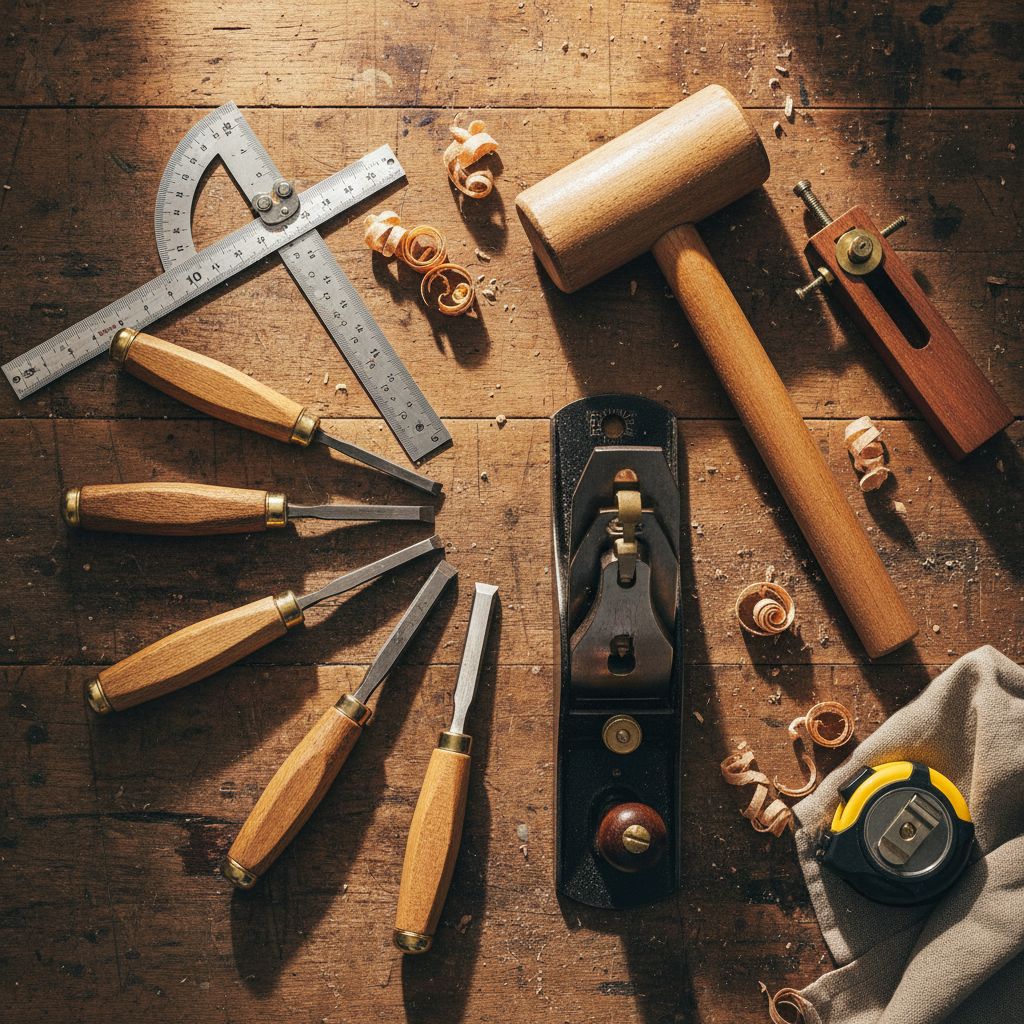
- Circular Saw with Guide System (Est. Cost: $250-$350)
- The Tool: A 7 1/4-inch corded circular saw. Look for one with at least a 15-amp motor.
- Why: This combination replaces both a table saw and a miter saw for 90% of beginner projects. You can break down 4x8 sheets of plywood and make perfectly square crosscuts with ease and safety.
General remodeling · Renovation planning
| Project category | General remodeling |
|---|---|
| Problem type | Renovation planning |
| Trade required | General contracting |
| Urgency | Planned project |
| Safety risk | Low safety risk |
| DIY suitability | Pro recommended |
| Cost category | Major investment |
| Typical timeline | Design and permitting often 2–4 months before work starts |
| Contractor type | General contractor |
Repair option
Phase the work and fix the building envelope first.
Replacement option
Full renovation with permits, design, and a general contractor.
Common causes
- Space no longer fits how the household lives
- Resale preparation
- Deferred maintenance stacking up
Relevant tools:project cost estimatorcompare quoteshome improvement material prices
Published June 9, 2026Last updated August 17, 2026
The shop list for this build
Hand-picked tools & materials — shop on Amazon, ships fast.
Power tools
· The heavy hitters — buy once, use for decades.- Shop on AmazonCircular Saw (7 1/4-inch)
Why it's here: A corded, 15-amp model is recommended.
- Shop on AmazonSaw Guide/Track
Why it's here: Essential for making straight, accurate cuts.
- Shop on AmazonDrill/Driver Combo Kit (18V or 20V)
Why it's here: Kit should include 2 batteries, charger, drill, and impact driver.
- Shop on AmazonRandom Orbit Sander (5-inch)
Why it's here: Variable speed with hook-and-loop pad.
- Shop on AmazonShop Vacuum (5-10 Gallon)
Why it's here: For dust collection and cleanup. 2.5-inch hose is ideal.
Hand tools & jigs
· Layout, joinery, and the everyday workbench essentials.- Shop on AmazonClamps· 8+
Why it's here: Variety of F-style, parallel, and spring clamps.
- Shop on AmazonCombination Square (12-inch)
- Shop on AmazonSawhorses· 2
- Shop on AmazonJigsaw
Why it's here: Variable speed and orbital action.
- Shop on AmazonLow-Angle Block Plane
Why it's here: Invest in a quality brand for best results.
Materials & hardware
· Lumber, fasteners, glue, abrasives — the consumables.- Shop on AmazonSafety Glasses (ANSI Z87+)
- Shop on AmazonHearing Protection
'''
Quick Answer
The absolute essential woodworking tools for a beginner on a budget of around $1,500 are a quality circular saw with a guide track, a reliable 18V or 20V cordless drill and driver combo kit, a 5-inch random orbit sander, a 5-10 gallon shop vacuum, a collection of clamps (F-style, parallel, and spring), accurate measuring and marking tools, a sturdy pair of sawhorses, a jigsaw, a low-angle block plane, and non-negotiable safety gear including eye and ear protection. With this starter woodworking kit, you can build fine furniture, cabinets, and more. You can safely skip expensive, specialized tools like a table saw, jointer, planer, router table, dedicated miter saw, drill press, and lathe for at least your first year of woodworking.
Why This Matters
Starting woodworking can feel overwhelming, with an endless sea of tools all claiming to be "essential." The truth is, you don't need a workshop that looks like a high-end cabinet shop to produce high-quality work. Overspending on tools you don't need—or don't have the skills to use yet—is the fastest way to drain your budget and your enthusiasm. This curated list focuses on a core principle: versatility. We prioritize tools that perform multiple tasks well, allowing you to build foundational skills in measuring, cutting, joining, and finishing without a five-figure investment. Starting with this specific, limited set of beginner woodworking tools forces you to learn the fundamentals of wood behavior and tool control, making you a better woodworker in the long run. It's about building skills, not just collecting equipment.
How It Works
The philosophy is simple: buy affordable, high-quality versions of tools that do 90% of the work. For a beginner, breaking down plywood sheets and jointing a board edge are primary tasks. A $600 table saw excels at this, but so does a $200 circular saw paired with a $70 cutting guide. The latter combination is safer for a novice, more space-efficient, and saves over $300. We apply this "good-enough-plus-a-jig" principle across the board. Instead of a $700 jointer, you'll learn to get a perfect edge with a hand plane. Instead of a $500 planer, you'll buy pre-surfaced (S4S - Surfaced Four Sides) lumber from the lumberyard for a small premium, saving hours of dusty, noisy milling time. This lean workshop setup puts the focus on project execution, not tool maintenance and overhead.
The 10 Essential Beginner Woodworking Tools (Under $1,500)
This is the core of your starter woodworking kit. Buy reputable brands, but you don't need the absolute top-of-the-line professional model. A mid-tier tool from a major brand will outperform a cheap, off-brand tool every time.
-
Circular Saw with Guide System (Est. Cost: $250-$350)
- The Tool: A 7 1/4-inch corded circular saw. Look for one with at least a 15-amp motor.
- The Upgrade: A track or guide system. This is non-negotiable. It turns your circular saw into a precision instrument for making dead-straight cuts on plywood and lumber. A simple clamp-on straight edge works, but a dedicated track system (like those from Kreg or Bora) is worth the $70-$100 investment.
- Why: This combination replaces both a table saw and a miter saw for 90% of beginner projects. You can break down 4x8 sheets of plywood and make perfectly square crosscuts with ease and safety.
-
18V/20V Drill & Impact Driver Combo Kit (Est. Cost: $180-$250)
- The Tool: A kit with two batteries, a charger, a drill/driver, and an impact driver.
- Why: The drill is for creating holes; the impact driver is for driving screws with extreme efficiency, preventing stripped heads and saving your wrist. You will use these on every single project, from assembling jigs to final construction. Don't skimp here; battery life and ergonomics matter.
-
5-Inch Random Orbit Sander (Est. Cost: $70-$100)
- The Tool: Look for a sander with variable speed control (8,000-12,000 OPM) and a hook-and-loop pad system. Get a variety pack of sandpaper discs, from 80-grit up to 220-grit.
- Why: This is the key to a professional-looking finish. It removes milling marks and smooths the wood without leaving the swirl marks of older orbital sanders. Safety Note: Always connect your sander to a shop vacuum to capture the vast majority of harmful fine dust.
-
Shop Vacuum (Est. Cost: $100-$150)
- The Tool: A 5-10 gallon model is sufficient. Look for one with a 2.5-inch hose diameter for better airflow. A model with a detachable blower is a bonus.
- Why: This is not just for cleanup; it is a primary dust collection tool. It connects directly to your circular saw and sander, capturing dust at the source. This is a critical health and safety device, not just a convenience.
-
A Serious Collection of Clamps (Est. Cost: $250-$300)
- The Tool: You need more clamps than you think. Start with:
- Four 24-inch F-Style clamps.
- Two 40-inch (or longer) parallel clamps for panel glue-ups.
- A box of assorted spring clamps.
- Why: Woodworking is mostly gluing wood together and waiting. Clamps are your third and fourth hands. F-style clamps are for general assembly. Parallel clamps provide even pressure across wide surfaces like tabletops, preventing bowing. You cannot have too many clamps.
- The Tool: You need more clamps than you think. Start with:
-
Measuring & Marking Tools (Est. Cost: $60-$80)
- The Tools: A high-quality 25-foot tape measure, a 12-inch combination square, and a smaller 6-inch square or a saddle square for marking lines around corners.
- Why: Woodworking is a game of millimeters. Accuracy starts here. A cheap, inaccurate square will doom your project from the first cut. Invest in a reputable brand known for accuracy.
-
Work Support: Sawhorses (Est. Cost: $50-$100)
- The Tool: A pair of sturdy, foldable sawhorses. Get a set that can support at least 1,000 lbs.
- Why: You need a stable surface to cut on that isn't the floor. A pair of sawhorses and a rigid foam insulation sheet on top creates a portable, sacrificial cutting surface perfect for breaking down plywood with your circular saw.
-
Jigsaw (Est. Cost: $80-$130)
- The Tool: A corded, variable-speed model with an orbital action setting.
- Why: While the circular saw handles straight lines, the jigsaw handles curves. It's essential for cutting shapes, making cutouts for sinks, or creating decorative profiles. Good blades are critical here; buy a variety pack for wood.
-
Low-Angle Block Plane (Est. Cost: $50-$180)
- The Tool: Go for quality here. A good block plane (like one from Lie-Nielsen or WoodRiver) will last a lifetime. Cheaper ones may require significant tuning.
- Why: This is your precision tool. It’s for trimming an edge to a perfect fit, chamfering corners, and cleaning up machine marks. Learning to use and sharpen a hand plane connects you to the wood in a way power tools cannot.
-
Safety Gear (Est. Cost: $50-$70)
- The Tools: ANSI-rated safety glasses (Z87+), quality hearing protection (earmuffs or disposable plugs with a high NRR rating), and a P95 or P100 respirator for fine dust and finishing vapors.
- Why: This is not optional. A wood chip in the eye, hearing loss, or respiratory damage is a catastrophic, preventable price to pay. Make it a habit: safety gear goes on before any tool is switched on.
The 7 Expensive Tools You Can Skip (For Now)
- Table Saw: A circular saw and guide track is safer and more space-efficient for a beginner.
- Jointer: Use the money on a quality hand plane and buy S4S lumber.
- Thickness Planer: Buy lumber milled to your desired thickness. The dust and noise are not worth it for your first year.
- Router Table: A handheld router (a good next purchase) can do most of what a table router can with simple jigs.
- Dedicated Miter Saw: Your circular saw and square can make accurate crosscuts. A miter saw is a luxury for high-volume, repetitive cuts.
- Drill Press: Unless you need to drill hundreds of perfectly perpendicular holes, your cordless drill is sufficient.
- Lathe: This is a highly specialized tool for turning. Don't buy one unless you are specifically dedicated to that craft.
Step-by-Step: Your First Year Tool Acquisition Plan
- First Month (The Core Four): Start with the Circular Saw & Guide, Drill/Driver Kit, Measuring tools, and all your Safety Gear. This allows you to make your first project: a simple workbench or set of shelves. Cost: ~$600.
- Third Month (Finishing and Assembly): Add the Random Orbit Sander, Shop Vacuum, and at least half of your clamps. Now you can build and finish a project to a high standard. Cost: ~$450.
- Sixth Month (Expanding Capabilities): Purchase the Jigsaw, Block Plane, and the rest of your clamps. You can now tackle curves and add finer details to your work. Cost: ~$350.
- End of Year One (Workshop Improvements): Invest in better sawhorses or build a dedicated workbench. Consider a handheld router as your first "expansion" tool. Cost: ~$100+.
Common Mistakes to Avoid
- Buying Tool Kits: All-in-one 8-tool combo kits are tempting but usually include several tools you don't need, with underpowered batteries. Buy tools and kits a la carte.
- Ignoring a Dust-Free Finish: Sanding and finishing in the same space where you do your cutting is a recipe for a gritty, flawed finish. Always clean thoroughly and, if possible, finish in a separate, well-ventilated area. SAFETY: Use a respirator rated for organic vapors when applying finishes like polyurethane.
- Underestimating Clamps: Buying only two clamps because they seem expensive. You need to be able to apply even pressure across your entire project. Insufficient clamping is a primary cause of weak glue joints.
- Using Dull Blades/Bits: A dull blade on a circular saw is dangerous and produces ugly, burned cuts. A high-quality, 40-tooth carbide blade ($40) will make your $200 saw cut better than a $500 saw with a stock blade.
Cost & Time Breakdown
| Item | Estimated Cost | Time to Acquire/Set Up |
|---|---|---|
| Power Tools (Saw, Drill, Sander, Jigsaw) | $600 - $810 | 1 Weekend |
| Dust Collection (Shop Vac) | $100 - $150 | 1 Hour |
| Clamps & Hand Tools (Plane, Squares) | $360 - $560 | 2-4 Hours |
| Safety & Work Support | $100 - $170 | 30 Minutes |
| Total | $1,160 - $1,690 | 1-2 Weekends |
Tips & Pro Notes
- The "Buy Used" Trap: You can find amazing deals on used tools, but for your first core set, buy new. You need reliability and a warranty. A faulty used tool can be frustrating and unsafe for a beginner to diagnose.
- Push Sticks are Essential: Even without a table saw, you will encounter situations where you need to push a workpiece close to a blade or bit. Make or buy several push sticks and use them religiously. Your fingers are not replaceable.
- Understand Wood Movement: Wood is a living material that expands and contracts with humidity. Learn the basics of wood movement before you build your first tabletop to avoid cracks and splits down the road.
- Jigs Are Your Superpower: A "jig" is a homemade device that helps a tool do something it wasn't designed for. A simple crosscut jig for your circular saw can give you miter-saw accuracy. The internet is full of plans for simple, effective jigs.
When to Upgrade Tools
When should you buy that $1,000 table saw? The answer is: when your current tools are costing you more in time and frustration than the upgrade would cost in dollars. If you find you're spending hours trying to get a perfectly straight edge with a hand plane for a massive project, it might be time for a jointer. If you have a project requiring 50 identical crosscuts, a miter saw becomes a massive time-saver. If you plan to build kitchen cabinets with 30 perfectly identical doors, a table saw's repeatable accuracy becomes invaluable. Don't upgrade because you feel you should; upgrade when you have a specific, recurring problem that a new tool will solve, and you have the skills to use it safely. '''
Questions to ask before you sign
Ask every contractor the same questions and the cheapest bid stops looking cheapest. Check them off as you go — your progress is saved on this device.
Free, no signup. Bring this to every walkthrough so you compare bids on the same terms.
What should this project cost?
Enter your project details for a realistic cost range before you call anyone.
Cost depends heavily on which system turns out to be the source.
- Regional adjustment
- National average
- Labor share (typical)
- ~$1,620
- Quotes to collect
- 3 written estimates
Educational estimate based on national averages — not a binding quote. Always confirm with written local estimates.
Check these numbers against your project
National averages are a starting point. These tools narrow it to your scope and ZIP.
- Estimate this projectGet a cost range for your scope and ZIP before you call anyone.Open
- Get local estimatesSend one request and compare written estimates from vetted pros.Open
Free, no signup required. Estimates are educational guidance, not a quote or an inspection.
Get the print-ready PDF of this guide
A clean, ad-free, printable version you can keep on your phone or pin to the workshop wall. Free with a FixlyGuide account.
- Print-optimized layout
- Tools, materials & every step included
- Saved to your account
Recommended for DIYers & woodworkers
Sponsored
The Top 20 Tools for Workshops of Any Budget
No stationary machines or power tools required — plus 3 fundamental tools that can't be bought at any price.
Get the free guide
Ted's Woodworking — The #1 Woodworking Resource
Detailed instructions, dimensioned drawings, materials & cutting lists, and 3D schematics for every skill level.
See the plansSponsored: links above are affiliate links. FixlyGuide may earn a commission on qualifying purchases — at no extra cost to you.
Frequently asked questions
Do I really not need a table saw to start woodworking?+
Correct. For a beginner, a quality circular saw paired with a guide track is safer, more affordable, and more space-efficient. It can handle the primary task of breaking down plywood and making straight cuts just as effectively for most initial projects.
What is the single most important tool to start with?+
A high-quality 7 1/4" circular saw with a guide track and a new, sharp 40-tooth carbide blade. This combination is the heart of a beginner workshop, serving the function of a table saw and miter saw for most foundational cuts.
Is it better to buy a tool combo kit or individual tools?+
It is almost always better to buy tools individually or in small, 2-tool combo kits (like a drill/driver set). Large 5-10 tool kits often include lower-power versions of the tools or items you won't use for years, representing poor value for a beginner.
How important is a dedicated workbench?+
A stable work surface is critical, but a dedicated, custom-built workbench is not. A pair of sturdy sawhorses topped with a sheet of 3/4-inch plywood or a solid-core door is a perfect starting workbench that is both sturdy and easy to store.
Discussion
Loading comments…