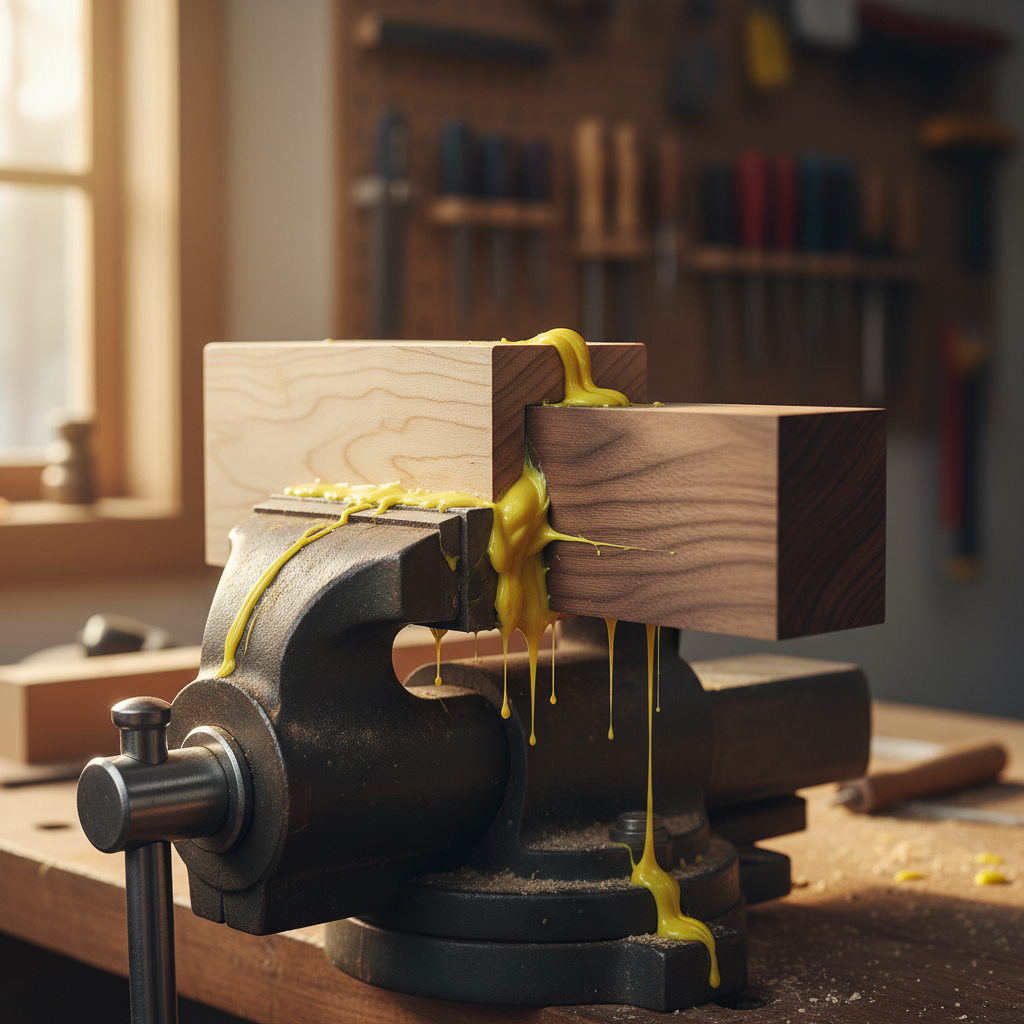
- Clamping Cheeks First: This is the cardinal sin. It can partially close the mortise, making it difficult to seat the tenon fully, and can lever the shoulders open, creating a gap.
- Skipping the Dry Fit: This leads to panic. You have about 5-8 minutes of open time with most wood glues. Fumbling for the right clamp or discovering a fit issue mid-glue-up is a recipe for disaster.
- Ignoring Tenon Fit: You cannot fix a poorly-sized tenon with clamping pressure or excess glue. If the dry fit is bad, stop. Re-machine the joint. A perfect tenon fit is non-negotiable.
- Forgetting to Check for Square: Clamps can pull a project out of square. An assembly glued up out of square is almost impossible to fix later.
General remodeling · Renovation planning
| Project category | General remodeling |
|---|---|
| Problem type | Renovation planning |
| Trade required | General contracting |
| Urgency | Planned project |
| Safety risk | Low safety risk |
| DIY suitability | Pro recommended |
| Cost category | Major investment |
| Typical timeline | Design and permitting often 2–4 months before work starts |
| Contractor type | General contractor |
Repair option
Phase the work and fix the building envelope first.
Replacement option
Full renovation with permits, design, and a general contractor.
Common causes
- Space no longer fits how the household lives
- Resale preparation
- Deferred maintenance stacking up
Relevant tools:project cost estimatorcompare quoteshome improvement material prices
Published June 12, 2026Last updated August 17, 2026
The shop list for this build
Hand-picked tools & materials — shop on Amazon, ships fast.
Power tools
· The heavy hitters — buy once, use for decades.- Shop on AmazonMicroJig GRR-RIPPER 3D Pushblock· 1
Why it's here: Critical safety device for cutting tenons on a table saw or router table.
- Shop on AmazonFestool Domino DF 500 Q-Set· 1
Why it's here: An 'upgrade' tool that creates high-precision floating tenon joints quickly and accurately.
Hand tools & jigs
· Layout, joinery, and the everyday workbench essentials.- Shop on AmazonBessey K-Body REVO Parallel Clamp, 24-inch· 4
Why it's here: Essential for applying even pressure without bowing or pulling the joint out of square. Get at least four.
- Shop on AmazonWoodpeckers 1281R Precision Woodworking Square, 12-inch· 1
Why it's here: Accuracy is paramount. A certified-accurate square is necessary for checking assemblies.
- Shop on AmazonVeritas Low-Angle Jack Plane· 1
Why it's here: The perfect tool for trimming tenon cheeks by thousandths of an inch to achieve a perfect 'piston fit'.
- Shop on AmazonNarex 1/2-inch Mortise Chisel· 1
Why it's here: If cutting mortises by hand, a dedicated mortise chisel is required for clean, straight walls.
Materials & hardware
· Lumber, fasteners, glue, abrasives — the consumables.- Shop on AmazonTitebond III Ultimate Wood Glue, 16 oz· 1
Why it's here: The industry standard for high-strength, water-resistant wood joinery.
Quick Answer
A mortise and tenon joint wobbles after six months primarily due to an incorrect glue-up and clamping sequence. If pressure is applied to the tenon cheeks before the shoulders are seated, the joint can be clamped out of square with a hidden gap. This, combined with a suboptimal tenon fit (either too tight or too loose), results in a glue-starved or poorly bonded joint that is destined to fail under seasonal wood movement and stress.
Why This Matters
You chose the mortise and tenon joint for its legendary strength. It’s the bedrock of fine furniture, from table aprons to door frames. When one fails, it’s not just an annoyance; it’s a structural crisis. That wobble you feel in a table leg is the entire structure fatiguing, putting stress on every other joint. The reality is that the glue bond, when done correctly, is stronger than the wood itself. A failed joint means the bond was compromised from day one, creating a ticking time bomb. Understanding the physics of woodworking clamping doesn’t just make your joints look better—it ensures they last for generations. A gappy, misaligned joint will trap a thick, weak film of glue that will eventually fracture. A properly seated and clamped joint creates a microscopic, unbreakable bond.
How It Works
The strength of a mortise and tenon joint comes from three distinct elements working in concert: long-grain to long-grain glue surface on the tenon cheeks, the mechanical strength of the interlocked parts, and the firm seating of the tenon shoulders against the stile. Failure often comes from prioritizing one of these elements at the expense of the others during the glue-up.
The Physics of Glue and Pressure Wood glue like Titebond III isn't a gap-filler; it’s a bonding agent that requires two well-mated surfaces and clamping pressure to work. For hardwoods like oak or maple, you need 175-250 pounds per square inch (PSI) of pressure to pull the wood fibers into intimate contact. Softwoods require 100-150 PSI. The goal of clamping is to achieve this pressure evenly across the joint faces, leaving behind a very thin, powerful layer of cured glue. When you apply pressure in the wrong order, you create unintended leverage. Clamping the cheeks of the tenon first can act as a lever, forcing the shoulder away from the stile, creating a microscopic gap. Even worse, it can squeeze out nearly all the glue, creating what is called a "starved joint." This joint might hold for a while, but it has virtually no long-term strength.
The Critical Importance of Tenon Fit The ideal tenon fit is the subject of endless debate, but the professional consensus is a "piston fit." This means the tenon slides into the mortise with firm, steady hand pressure.
- Too Tight: If you need a mallet and serious force to seat the dry tenon, your fit is too tight. During the glue-up, the sharp edges of the mortise will act like a squeegee, scraping all the glue off the tenon cheeks as you force it in. You’ll be left with a dry, friction-fit joint that is guaranteed to loosen.
- Too Loose: If the tenon rattles around or falls into the mortise under its own weight, the fit is too loose. You are now relying on a thick, weak layer of glue to bridge the gap. This is the second most common cause of failure. The glue will create a brittle, glassy bond that will crack under stress.
The perfect fit allows the tenon to slide in, shearing the glue into a perfect, thin film on all four faces of the tenon and the interior walls of the mortise.
Step-by-Step: The Professional Clamping Sequence
This sequence prioritizes seating the shoulders first, ensuring a gap-free aesthetic and a square assembly, before applying the final pressure to the tenon cheeks.
Step 1: The Dry Fit Rehearsal (Mandatory) Assemble the entire joint—and ideally, the entire frame—completely dry. Do not open the glue bottle. Use a high-quality square to check every corner. Pre-adjust the opening of your clamps and lay them out in the order you will use them. Numbering them with a marker is a pro move. This rehearsal is the single most effective way to prevent panic and costly errors during the real glue-up.
Step 2: Joint Surface Preparation Ensure your tenon cheeks and shoulders are smooth and free of machine marks or tear-out. The inside of your mortise should be clean and free of sawdust. A blast of compressed air is essential. Wiping the surfaces with denatured alcohol right before glue application can remove oils and dust, slightly improving the bond.
Step 3: Controlled Glue Application Do not just squirt glue from the bottle into the mortise. Use a small silicone glue brush or a narrow stick to apply a thin, even layer of glue to all four interior walls of the mortise. Then, apply a similar thin layer to all four faces of the tenon. You should be able to see the wood through the glue. The goal is 100% coverage, not a thick coating.
Step 4: Initial Assembly Insert the tenon into the mortise by hand. As it seats, you should see a very small, uniform bead of glue squeeze-out around the entire shoulder. This is your visual confirmation of a good fit and proper glue application.
Step 5: CLAMPING STAGE 1 - SEAT THE SHOULDERS This is the most critical step. Place two parallel jaw clamps (like the Bessey K-Body REVO) across the joint, with the jaws pressing on the stile and the end-grain of the tenoned rail. Their job is to pull the tenon shoulders tight against the face of the mortised piece. Apply light to moderate pressure. You should see the tiny squeeze-out at the shoulder line become even more uniform. These clamps guarantee a gap-free joint.
Step 6: CLAMPING STAGE 2 - CLAMP THE CHEEKS Now, place one or two clamps across the mortise itself, perpendicular to the first set of clamps. These clamps apply pressure to the wide faces of the stile, which in turn compresses the mortise walls against the long-grain cheeks of the tenon. This is where the primary long-grain to long-grain bond is formed. Tighten until you see a small, consistent bead of glue squeeze-out.
Step 7: Check for Square (Immediately) With pressure applied, immediately grab your precision square (like a Woodpeckers 1281R) and check the assembly at the inside corner. Then check the outside corner. Due to slight variations in wood and pressure, it will rarely be perfect on the first try.
Step 8: Adjust for Square If the assembly is out of square, slightly adjust the angle or pressure of your cheek clamps. If a corner is greater than 90 degrees, slightly skewing the clamps can often pull it back to a perfect 90. Making these micro-adjustments while the glue is wet is the secret to a perfectly square frame.
Step 9: Clean Up Squeeze-Out While the glue is still wet and rubbery (about 15-20 minutes after clamping), use a simple drinking straw or a dedicated glue scraper to peel off the squeeze-out. It’s far easier to remove now than after it has fully cured.
Step 10: Respect the Wood Glue Clamp Time Follow the manufacturer's instructions. For Titebond III, this means maintaining clamping pressure for a minimum of 30-60 minutes. However, a full, stress-bearing cure takes 24 hours. Do not be tempted to remove the clamps early and move the project. Let it sit undisturbed.
Common Mistakes to Avoid
- Clamping Cheeks First: This is the cardinal sin. It can partially close the mortise, making it difficult to seat the tenon fully, and can lever the shoulders open, creating a gap.
- Over-Tightening Clamps: More is not better. Using a "death grip" on the clamp handle will starve the joint by squeezing out all the glue. If you see wood fibers compressing or the clamps are bowing, you’ve gone way too far. The goal is 175-250 PSI, not 1,000.
- Skipping the Dry Fit: This leads to panic. You have about 5-8 minutes of open time with most wood glues. Fumbling for the right clamp or discovering a fit issue mid-glue-up is a recipe for disaster.
- Ignoring Tenon Fit: You cannot fix a poorly-sized tenon with clamping pressure or excess glue. If the dry fit is bad, stop. Re-machine the joint. A perfect tenon fit is non-negotiable.
- Forgetting to Check for Square: Clamps can pull a project out of square. An assembly glued up out of square is almost impossible to fix later.
Cost & Time Breakdown
This estimate is for creating a four-part frame for a small table, involving eight mortise and tenon joints.
| Item | Type | Quantity/Time | Estimated Cost | Notes |
|---|---|---|---|---|
| Hardwood (Maple) | Material | 8 board feet | $70 - $90 | Cost varies by species and location. |
| Titebond III Ultimate Wood Glue | Material | 16 oz bottle | $12 | You will use only a small portion. |
| Setup & Machining | Time | 3-4 hours | N/A | Cutting stiles, rails, and machining all 8 joints. |
| Glue-Up & Clamping | Time | 30-45 minutes | N/A | Includes dry-fit rehearsal and final assembly. |
| Full Cure Time | Time | 24 hours | N/A | Critical wood glue clamp time before stressing joints. |
| Total | ~28 Hours | ~$82 - $102 |
Tips & Pro Notes
- Use Cauls: Always use sacrificial wood blocks (cauls) between your clamp jaws and the workpiece. This distributes the pressure more evenly and prevents the steel jaws from denting your project.
- Parallel Jaw Clamps are King: For this task, parallel jaw clamps (Bessey K-Body, Jet, etc.) are vastly superior to cheaper F-style or pipe clamps. They apply pressure much more evenly and are less likely to bow or pull the joint out of square.
- Safety First: Machining mortise and tenon joints creates a lot of dust and noise. Always wear safety glasses and hearing protection. Use a good dust collection system. When using a table saw or router table for tenons, always use a high-quality push stick like the MicroJig GRR-RIPPER 3D Pushblock to keep your hands safe. When using oil-based finishes later, ensure you have excellent ventilation.
When to Upgrade Tools
Your results are often linked to the precision of your tools. If you find your joints are consistently sloppy, an upgrade might be in order.
- From F-Style Clamps to Parallel Clamps: If your frames are always slightly out of square, your clamps are a likely culprit. Upgrade from basic F-style clamps to a set of four Bessey K-Body REVO 24-inch Parallel Clamps. The investment (around $50-$60 per clamp) pays for itself in accuracy.
- From Hand Tools to Power Tools: If you are cutting mortises by hand with a chisel like the Narex 1/2-inch Mortise Chisel, you can get great results, but it's slow. An upgrade to a dedicated hollow-chisel mortiser or even a plunge router with a jig will give you faster, more repeatable results.
- For Ultimate Precision: The gold standard for DIY and small professional shops for creating perfect, repeatable mortise and tenon joinery is the Festool Domino DF 500 Q-Set. It doesn't create a traditional M&T joint, but a floating tenon joint that serves the same purpose with immense strength and perfect, repeatable accuracy every time.
- Perfecting Tenon Fit: A low-angle jack plane, like the Veritas Low-Angle Jack Plane, is the ultimate tool for "dialing in" the fit of a tenon cheek. It allows you to remove shavings that are mere thousandths of an inch thick, sneaking up on that perfect piston fit in a way no power tool can.
What should this project cost?
Enter your project details for a realistic cost range before you call anyone.
Cost depends heavily on which system turns out to be the source.
- Regional adjustment
- National average
- Labor share (typical)
- ~$1,620
- Quotes to collect
- 3 written estimates
Educational estimate based on national averages — not a binding quote. Always confirm with written local estimates.
Recommended for DIYers & woodworkers
Sponsored
The Top 20 Tools for Workshops of Any Budget
No stationary machines or power tools required — plus 3 fundamental tools that can't be bought at any price.
Get the free guide
Ted's Woodworking — The #1 Woodworking Resource
Detailed instructions, dimensioned drawings, materials & cutting lists, and 3D schematics for every skill level.
See the plansSponsored: links above are affiliate links. FixlyGuide may earn a commission on qualifying purchases — at no extra cost to you.
Frequently asked questions
How tight should a tenon fit into a mortise?+
The ideal tenon fit, often called a 'piston fit,' should allow you to slide the tenon into the mortise with firm, steady hand pressure. You should not need a mallet to seat it (that's too tight), nor should it be loose enough to fall in on its own (that's too loose). A fit that is too tight will scrape off the glue, and a fit that is too loose creates a weak, gap-filled bond.
Is it possible to use too many clamps on a woodworking joint?+
Yes, absolutely. The goal of clamping is to apply even pressure—typically 175-250 PSI for hardwoods—to bring wood surfaces into intimate contact. 'More is more' is a dangerous approach. Overtightening clamps can bow your parts, pull an assembly out of square, and–worst of all–squeeze out all the glue, 'starving' the joint and creating a weak bond that's prone to failure.
What's the absolute minimum clamp time for a mortise and tenon joint?+
For a standard PVA wood glue like Titebond III, the absolute minimum wood glue clamp time under pressure is 30 to 60 minutes. However, this is just the time until it can be handled gently. The glue does not reach its full, permanent strength for 24 hours. Stressing, moving, or further machining the joint before a 24-hour cure is a primary cause of long-term joint weakness.
Besides clamping, what is the most common reason a mortise and tenon joint fails?+
Aside from improper woodworking clamping, the most common reason for failure is a poor tenon fit from the start. A tenon that is too loose relies on a thick, brittle layer of glue to bridge the gap, which will eventually crack. A tenon that is too tight scrapes all the glue off during assembly, leaving a dry joint with no bonding agent. Getting the fit perfect before you ever open the glue bottle is non-negotiable.
Discussion
Loading comments…