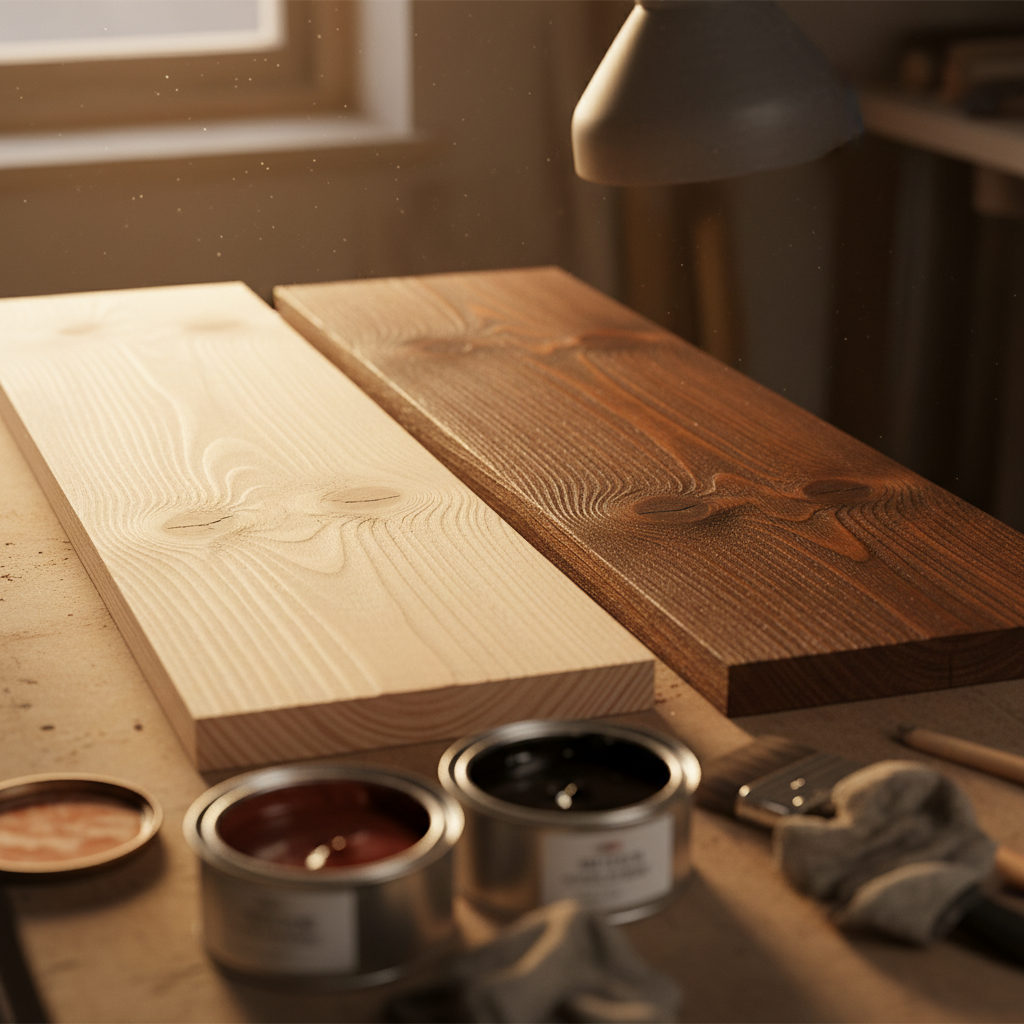
- Applying Gel Stain Directly to Raw Pine: This skips the crucial dye step and will lead to a blotchy, though slightly less blotchy, finish. The dye is the key to evening out the base tone.
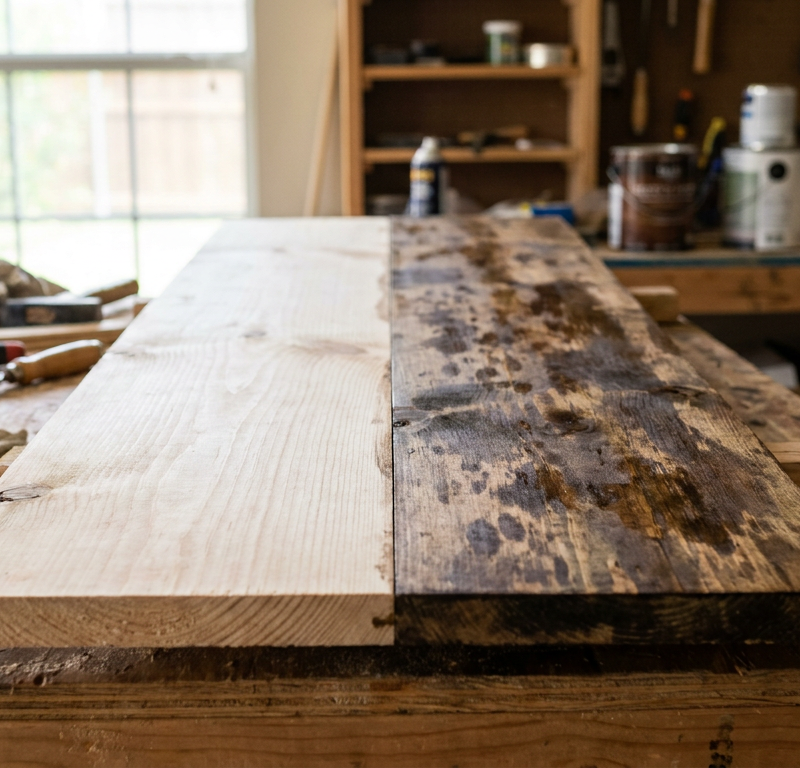
- Leaving a Thick Layer of Gel Stain: This is the most common mistake. Gel stain is not paint. You must wipe off the excess. If you don’t, it will obscure the grain entirely and take weeks to cure, if ever.
- Not Waiting for the Gel Stain to Cure: Rushing the cure time and top-coating too early will prevent the polyurethane from adhering and hardening, resulting in a permanently soft, sticky surface.
- Improper Sanding: Skipping grits in your initial sanding or trying to fix a flaw in the finish with heavy-handed sanding will create more problems than it solves. Be patient and methodical.
General remodeling · Renovation planning
| Project category | General remodeling |
|---|---|
| Problem type | Renovation planning |
| Trade required | General contracting |
| Urgency | Planned project |
| Safety risk | Low safety risk |
| DIY suitability | Pro recommended |
| Cost category | Major investment |
| Typical timeline | Design and permitting often 2–4 months before work starts |
| Contractor type | General contractor |
Repair option
Phase the work and fix the building envelope first.
Replacement option
Full renovation with permits, design, and a general contractor.
Common causes
- Space no longer fits how the household lives
- Resale preparation
- Deferred maintenance stacking up
Relevant tools:project cost estimatorcompare quoteshome improvement material prices
Published June 11, 2026Last updated August 17, 2026
The shop list for this build
Hand-picked tools & materials — shop on Amazon, ships fast.
Power tools
· The heavy hitters — buy once, use for decades.- Shop on AmazonBosch ROS20VSC Random Orbit Sander· 1
Why it's here: Vastly speeds up the sanding process and creates a flatter surface.
Hand tools & jigs
· Layout, joinery, and the everyday workbench essentials.- Shop on AmazonNitrile Gloves· 1 box
Why it's here: Protect your hands from dyes, stains, and solvents.
- Shop on AmazonLint-Free Cotton Rags· plenty
Why it's here: Crucial for applying all steps of the finish without leaving fuzz behind. Old t-shirts are perfect.
Materials & hardware
· Lumber, fasteners, glue, abrasives — the consumables.- Shop on AmazonCommon Pine Board· 1
Why it's here: Select the straightest, clearest board you can find at the home center.
- Shop on Amazon3M Pro Grade Precision 220 Grit Sandpaper· 1 pack
Why it's here: Essential for final surface prep and for smoothing between coats.
Finishes & coatings
· Stains, dyes, top-coats, and prep products.- Shop on AmazonGeneral Finishes Water Based Wood Dye, Dark Brown Walnut· 8 oz
Why it's here: This dye concentrate is the key to creating an even base color.
- Shop on AmazonGeneral Finishes Gel Stain, Java· 1 quart
Why it's here: The classic dark brown/black gel stain for a deep, rich final color.
- Shop on AmazonMinwax Wipe-On Poly, Satin· 1 quart
Why it's here: An easy-to-apply, durable topcoat that gives a hand-rubbed appearance.
Quick Answer
Yes, you can make inexpensive pine resemble dark walnut by using a three-part finishing process. First, apply a dark water-based wood dye to create a uniform base color and control blotching. Second, apply a thick, dark gel stain to add rich color and obscure the pine’s wild grain pattern. Finally, protect the surface and add depth with several thin coats of a wipe-on polyurethane. This wood finishing schedule is purpose-built to overcome the inherent challenges of finishing softwoods.
Why This Matters
Walk into any lumberyard and compare prices. A single board foot of clear, furniture-grade Black Walnut can run you $15-$25. A comparable board foot of construction-grade pine from a home center costs about $2.50. For a small tabletop requiring 8 board feet, that’s the difference between a $200 lumber bill and a $20 one. But everyone knows what happens when you put a standard hardware store stain on that pine board: a blotchy, uneven mess with a garish yellow-orange undertone.
This isn’t about trying to fool a master woodworker into thinking pine is walnut. It’s about elevating an accessible, affordable material into something beautiful. It’s about taking a $20 board and, with about $50 in finishing supplies and some patience, creating a piece that looks like it cost ten times as much. This process gives you a fighting chance to control pine’s wild grain and produce a durable, elegant, and professional-looking dark finish. For DIYers and beginner woodworkers, mastering this gel stain pine technique is a gateway to making high-end-looking furniture on a shoestring budget.
How It Works: The Science of the Finish
The reason this triple-threat finish works so well lies in how each layer solves a specific problem with pine.
Problem: Pine is notoriously difficult to stain. It’s a softwood with dramatic variations in density. The lighter-colored “earlywood” is soft and porous, while the darker stripes of “latewood” are dense and hard. When you apply a traditional penetrating stain, the soft earlywood soaks it up like a sponge, turning very dark, while the dense latewood absorbs very little. This creates the classic blotchy, high-contrast look that screams “cheap pine.”
Solution Part 1: Wood Dye (The Equalizer) The first step in our dye wood finish is a water-based dye, not a stain. The difference is critical. Dyes are composed of microscopic molecules dissolved in a solvent (in this case, water). These molecules are far smaller than the pigment particles found in stain. Because they are so small, they penetrate the wood’s cellular structure (the lignin) directly, coloring the wood from within. By applying a dark walnut-colored dye first, we give the entire board a consistent, underlying base tone. It darkens both the earlywood and latewood, significantly reducing the natural contrast between them. It doesn’t eliminate blotching entirely, but it tames it, creating a much more uniform canvas for the next step. This is the foundation of the entire schedule.
Solution Part 2: Gel Stain (The Mask) After the dye has established a baseline color, we introduce the gel stain pine hero: a heavy-bodied gel stain. Unlike a thin, penetrating oil stain, gel stain has the consistency of pudding. It’s packed with pigments and binders that are designed to sit on top of the wood surface rather than diving deep into it. Think of it as a translucent, colored film. By applying a dark gel stain over the dyed wood, we accomplish two things:
- It adds a second, richer layer of deep brown and black pigments, building the final walnut color.
- Its thick, topical nature physically masks the remaining grain inconsistencies and blotchiness of the pine. It creates a smoother, more uniform appearance that is simply impossible to achieve with a penetrating stain on raw pine.
Solution Part 3: Wipe-On Polyurethane (The Armor) The final step is protection and depth. A wipe on polyurethane is simply standard polyurethane that has been thinned (usually about 50/50 with mineral spirits). This thin viscosity makes it incredibly easy to apply with a rag. The benefits are numerous: no brush strokes, no drips, and exceptional control. You apply multiple, paper-thin coats. Each coat adds a microscopic layer of tough, durable acrylic resin. As these layers build, they create a visible depth that makes the finish seem to float above the wood. It also provides the final sheen (typically satin for this type of finish) and protects the color layers from scratches, scuffs, and moisture.
Step-by-Step: From Raw Pine to Faux Walnut
SAFETY PREP: Before you begin, set up your workspace. You need excellent ventilation. Open windows and use fans. Wear nitrile gloves to protect your hands from chemicals and stains. Eye protection is non-negotiable. When sanding, a dust mask or respirator connected to a dust collection system is essential.
Step 1: The Perfect Sanding Job Surface preparation is 90% of a good finish. Start with a random orbit sander and 120-grit sandpaper to flatten the board and remove any mill marks. Then, proceed to 180-grit to remove the scratches from the 120-grit. Finish with 220-grit. Vacuum all dust between grits. Do not sand any finer than 220-grit; polishing the wood further can prevent the dye from absorbing properly. A final hand-sand with the grain using 220-grit paper ensures a perfect surface.
Step 2: Raise the Grain Since we’re using a water-based dye, we need to pre-emptively deal with "grain raising." Lightly mist the entire sanded surface with distilled water or wipe it with a damp cloth. Let it dry completely for about 1-2 hours. You’ll feel the surface is now fuzzy. This is good! Knock down these raised wood fibers with a very light pass of your 220-grit sandpaper. Now, when you apply the water-based dye, the surface will remain smooth.
Step 3: Apply the Water-Based Dye Mix your General Finishes Water Based Dye in Dark Brown Walnut according to the package directions, using distilled water to avoid mineral streaks. Apply a liberal coat to your project with a foam brush or a lint-free rag. Let it sit for 2-3 minutes, then wipe off all the excess with a clean cloth, wiping with the grain. The color will look a bit flat and weak. This is normal. The dye is only meant to be the base tone. Let it dry completely for 4-6 hours.
Step 4: Lightly De-Nib the Surface After the dye has dried, the surface might feel slightly rough again. Take a piece of a brown paper bag or a fine 400-grit sanding sponge and very lightly buff the surface. The goal is not to remove color, but simply to knock down any dust nibs and leave a silky-smooth surface for the gel stain.
Step 5: Apply the Gel Stain Put on a fresh pair of nitrile gloves. Using a clean, lint-free cloth (an old t-shirt works well), scoop out a small amount of General Finishes Gel Stain in Java. Apply it to the surface in a circular motion to work it into any pores, then switch to long, straight strokes with the grain. Cover the entire surface, and then—this is the most important part—use a new, clean rag to wipe off the excess. You are leaving the pigment, not a thick layer of stain. Let the dye underneath provide the base color. The gel stain should only add the rich, dark top tones. Failure to wipe off the excess will result in a sticky, opaque, paint-like finish.
Step 6: CRITICAL Cure Time Gel stain must cure, not just dry. This means the solvents need to evaporate and the resins need to cross-link and harden. In ideal conditions (70°F, low humidity), this will take a minimum of 24 hours. In colder or more humid shops, give it 48-72 hours. If you can still smell a strong solvent odor, it is not cured. Applying polyurethane over uncured gel stain will result in a gummy mess that will never harden.
Step 7: First Coat of Wipe-On Poly Once the gel stain is fully cured, it’s time for the protective topcoat. Open your Minwax Wipe-On Polyurethane (Satin). Fold a clean, lint-free cotton cloth into a small pad. Dip it into the poly and wipe on a thin, even coat. Always move with the grain. Your goal is a coat so thin it looks like you’ve barely applied anything. Do not try to build thickness here. Less is more. Let this first coat dry for 6-8 hours.
Step 8: Build the Finish (Coats 2, 3, 4...) The first coat of poly will have sealed the surface. For all subsequent coats, you must lightly scuff the surface to create a "mechanical bond." Use 400-grit sandpaper or a superfine sanding sponge. The goal is just to create microscopic scratches for the next coat to grip onto. After sanding, wipe the surface meticulously clean with a cloth lightly dampened with mineral spirits to remove all dust. Then, apply another thin coat of wipe-on poly, just like in the previous step.
Step 9: Repeat and Final Cure Repeat Step 8 for a total of 3 to 5 coats. Three coats are sufficient for a decorative item, while a high-use tabletop will benefit from five or more. Do not sand the final coat. Let the finished piece cure in a warm, dry area for at least 7 days before putting it into service. The finish will feel dry to the touch in a day, but it needs the full week to develop its maximum hardness and durability.
Common Mistakes to Avoid
- Applying Gel Stain Directly to Raw Pine: This skips the crucial dye step and will lead to a blotchy, though slightly less blotchy, finish. The dye is the key to evening out the base tone.
- Leaving a Thick Layer of Gel Stain: This is the most common mistake. Gel stain is not paint. You must wipe off the excess. If you don’t, it will obscure the grain entirely and take weeks to cure, if ever.
- Not Waiting for the Gel Stain to Cure: Rushing the cure time and top-coating too early will prevent the polyurethane from adhering and hardening, resulting in a permanently soft, sticky surface.
- Improper Sanding: Skipping grits in your initial sanding or trying to fix a flaw in the finish with heavy-handed sanding will create more problems than it solves. Be patient and methodical.
- Ignoring Safety: Finishing products contain Volatile Organic Compounds (VOCs). Always work in a space with excellent airflow and wear your PPE. Oily rags from the gel stain and polyurethane can spontaneously combust; lay them flat on a concrete floor to dry completely before disposal.
Cost & Time Breakdown
This estimate is for a small project like a 2 ft x 4 ft coffee tabletop.
| Item | Cost Estimate | Notes |
|---|---|---|
| Pine Lumber (8 board feet) | $20 | Common pine board from a home center. |
| Water-Based Dye | $20 | A small bottle of concentrate makes a lot. |
| Gel Stain (1 quart) | $25 | You will have plenty left over for other projects. |
| Wipe-On Polyurethane (1 quart) | $20 | Enough for many small projects. |
| Sandpaper & Rags | $15 | Assorted grits and a supply of lint-free cloths. |
| Subtotal | ~$80 | Cost for first-time setup. |
| Per-Project Cost | ~$45 | Using leftover finishing supplies. |
- Total Time: 3-4 Days
- Hands-On Time: ~4-5 Hours
- Waiting/Curing Time: ~72-96 Hours
Tips & Pro Notes
- Test, Test, Test: Never attempt a new wood finishing schedule on your final project. Always use a scrap piece of wood from the same board and complete every single step, from sanding to the final coat of poly, to see how it will look.
- Shellac as an Alternative: Some woodworkers prefer to use a coat of dewaxed shellac (like Zinsser SealCoat) instead of dye as a blotch controller. It works well but can impart a slightly more amber/orange tone to the final piece compared to the pure brown of the dye.
- Make Your Own Wipe-On Poly: You can create your own wipe-on poly by mixing any standard oil-based polyurethane with mineral spirits in a 1:1 ratio. This is often more economical for larger projects.
- The "Pad-the-Pad" Technique: For a flawless final poly coat, take your folded rag applicator and charge it with poly. Then, dip just the leading edge of that pad into the poly for the application. This ensures you’re always applying with a semi-saturated pad, reducing the chance of streaks.
When to Upgrade Tools
- Random Orbit Sander: If you are still hand-sanding entire projects, your first and best upgrade is a quality random orbit sander. The Bosch ROS20VSC is a workhorse that will save you hours and produce a flatter, better surface than hand-sanding alone. It costs around $60 and is worth every penny.
- Dust Collection: Sanding creates a huge amount of fine dust. Upgrading from a simple mask to a shop vacuum connected to your sander, or a dedicated dust collector like the WEN DC3401, will protect your lungs and keep your workshop dramatically cleaner. Expect to spend $150-$250 for a reliable entry-level unit.
- HVLP Sprayer: For large projects or if you begin finishing furniture regularly, applying poly by hand becomes tedious. An High-Volume, Low-Pressure (HVLP) sprayer like the Fuji Spray Semi-Pro 2 system allows you to apply perfectly atomized, even coats of finish in minutes instead of hours. This is a significant investment (around $500) but a game-changer for production-level work.
What should this project cost?
Enter your project details for a realistic cost range before you call anyone.
Cost depends heavily on which system turns out to be the source.
- Regional adjustment
- National average
- Labor share (typical)
- ~$1,620
- Quotes to collect
- 3 written estimates
Educational estimate based on national averages — not a binding quote. Always confirm with written local estimates.
Recommended for DIYers & woodworkers
Sponsored
The Top 20 Tools for Workshops of Any Budget
No stationary machines or power tools required — plus 3 fundamental tools that can't be bought at any price.
Get the free guide
Ted's Woodworking — The #1 Woodworking Resource
Detailed instructions, dimensioned drawings, materials & cutting lists, and 3D schematics for every skill level.
See the plansSponsored: links above are affiliate links. FixlyGuide may earn a commission on qualifying purchases — at no extra cost to you.
Frequently asked questions
Can I use regular oil stain instead of gel stain?+
You can, but the results will be inferior. Regular oil stain will penetrate more and is more likely to cause blotching, even after the dye coat. Gel stain's thickness is key to masking the pine grain effectively.
What if my finish is sticky after 24 hours?+
If your gel stain or polyurethane is still sticky, it means it has not cured. Do not add another coat. Increase air circulation with a fan and raise the temperature in the room. Be patient and give it another 24-48 hours before reassessing.
Can I use a different color of dye or gel stain?+
Absolutely. This schedule is a template. You could use a reddish-brown dye and a cherry gel stain to make pine look like cherry, or a black dye and black gel stain for an ebonized look. Always test your color combinations on a scrap piece first.
Is this finish durable enough for a tabletop?+
Yes, provided you apply enough coats of polyurethane. For a high-use surface like a kitchen or coffee table, 5-7 thin coats of wipe-on poly will build a very durable, protective film that can withstand daily use. Allow a full 7-10 day cure time.
Discussion
Loading comments…