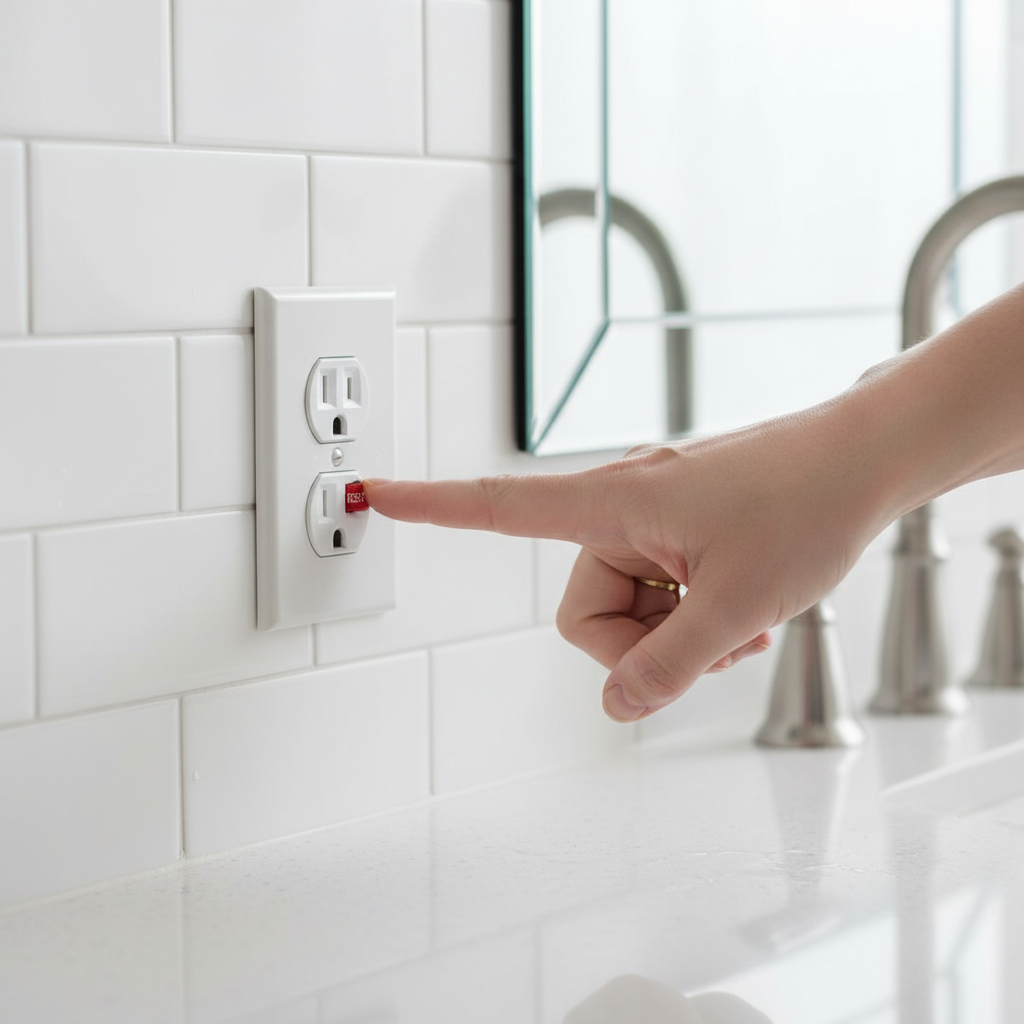
- Damaged GFCI Outlet: Like any electronic device, GFCIs can wear out, be damaged by power surges, or fail internally over time. A faulty GFCI may refuse to reset even when no ground fault is present.
- Overloaded Circuit with a Ground Fault: While GFCIs primarily protect against ground faults, a severe overload that causes internal wiring to heat up and compromise insulation might lead to a ground fault condition that the GFCI detects.
- Incorrect Wiring: If a new GFCI was installed incorrectly, it might not function or reset properly. This is especially true if line/load wires are reversed. This usually causes the GFCI to never work from the start.
Electrical · Panel or service upgrade
| Project category | Electrical |
|---|---|
| Problem type | Panel or service upgrade |
| Trade required | Electrical |
| Urgency | Planned project |
| Safety risk | High safety risk |
| DIY suitability | Licensed pro only |
| Cost category | High cost |
| Typical timeline | Permit plus utility scheduling, commonly 2–6 weeks |
| Contractor type | Licensed electrician |
Repair option
Add a subpanel when the main service is adequate.
Replacement option
Full service upgrade with utility coordination and permits.
Common causes
- Obsolete or recalled panel brands
- Service capacity too small for added loads
- No room for required AFCI/GFCI breakers
Relevant tools:project cost estimatorcompare quotes
Published May 21, 2026Last updated August 18, 2026
Tools & materials you'll need
Affiliate linksAs an Amazon Associate FixlyGuide earns from qualifying purchases — at no extra cost to you. Prices and availability are accurate as of publication and subject to change.
Quick Answer
When a GFCI outlet refuses to reset, it's a clear signal that it's detecting an electrical fault, even if you can't immediately see a problem. The quick solution often involves unplugging all appliances and lamps connected to that GFCI (and any downstream outlets it protects), then attempting to reset the button. If it resets, you've narrowed the issue down to one of your devices. If it still doesn't reset, the problem likely lies within the GFCI outlet itself or the associated wiring.
The Problem
Imagine you're trying to reset your GFCI outlet after a momentary power flicker or perhaps a bathroom appliance tripped it. You press the 'RESET' button, but nothing happens – it just won't click back into place, or it trips again immediately. This common household conundrum can be frustrating and even a little concerning, leaving you without power to critical areas like bathrooms, kitchens, or outdoor spaces. While a GFCI's primary job is to protect you from electrical shock, its refusal to reset means it's still doing its job: detecting a potentially dangerous electrical condition. Understanding why it's reluctant to reset is the first step toward restoring power safely.
How It Works
To understand why a GFCI (Ground Fault Circuit Interrupter) won't reset, it helps to know how it operates. A GFCI outlet is designed to protect you from ground faults. A ground fault occurs when electricity takes an unintended path to the ground, such as through water or a person. This is different from an overload (too many devices drawing power) or a short circuit (hot wire touches neutral or ground), which are typically handled by your home's main circuit breaker.
A GFCI constantly monitors the flow of electricity through the 'hot' (black) wire and the 'neutral' (white) wire. In a healthy circuit, the amount of current flowing out on the hot wire should exactly equal the amount of current returning on the neutral wire. If the GFCI detects even a tiny imbalance – as little as 4 to 6 milliamperes (mA) – it assumes some current is leaking out somewhere it shouldn't be (a ground fault). In response, it trips, cutting off power to that outlet and any others wired downstream from it, doing so in a fraction of a second (typically 1/40th of a second). This rapid response is what prevents electrical shock.
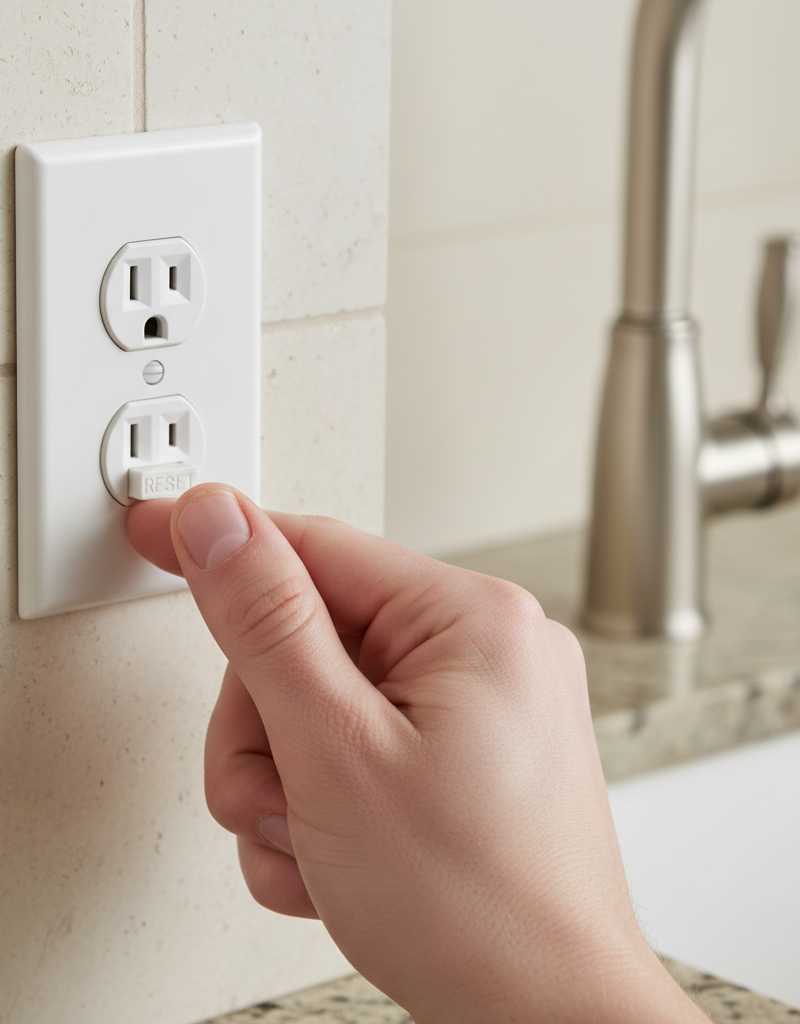
When you press the 'RESET' button, you are essentially manually re-engaging the internal circuit breaker within the GFCI. If a ground fault still exists on the circuit – whether in an appliance, the wiring, or even due to moisture – the GFCI's internal mechanism will immediately detect it again and prevent the reset button from latching. It's a critical safety feature, not a malfunction, most of the time. The difficulty arises in figuring out where that persistent ground fault is occurring.
Step-by-Step Fix
1. Safety First – *Always prioritize your safety.
- Before touching any electrical components, ensure your hands are dry. Avoid standing in water or on damp ground. If you're unsure about any step or suspect a significant electrical problem, call a licensed electrician. Never force a GFCI button.
2. Unplug Everything Downstream – *Isolate the circuit to find the culprit.
- The most common reason a GFCI won't reset is a persistent ground fault from an appliance or device plugged into it, or into another outlet further down the line that the GFCI protects. Systematically unplug every single item (lamps, chargers, hair dryers, toasters, refrigerators, outdoor lights, etc.) from the affected GFCI outlet and any other outlets that have lost power.
- Remember to check all rooms and outdoor areas served by that GFCI. Sometimes, a GFCI in a bathroom might protect outlets in a nearby hallway or even an outdoor receptacle.
3. Attempt to Reset the GFCI – *Trial reset with an empty circuit.
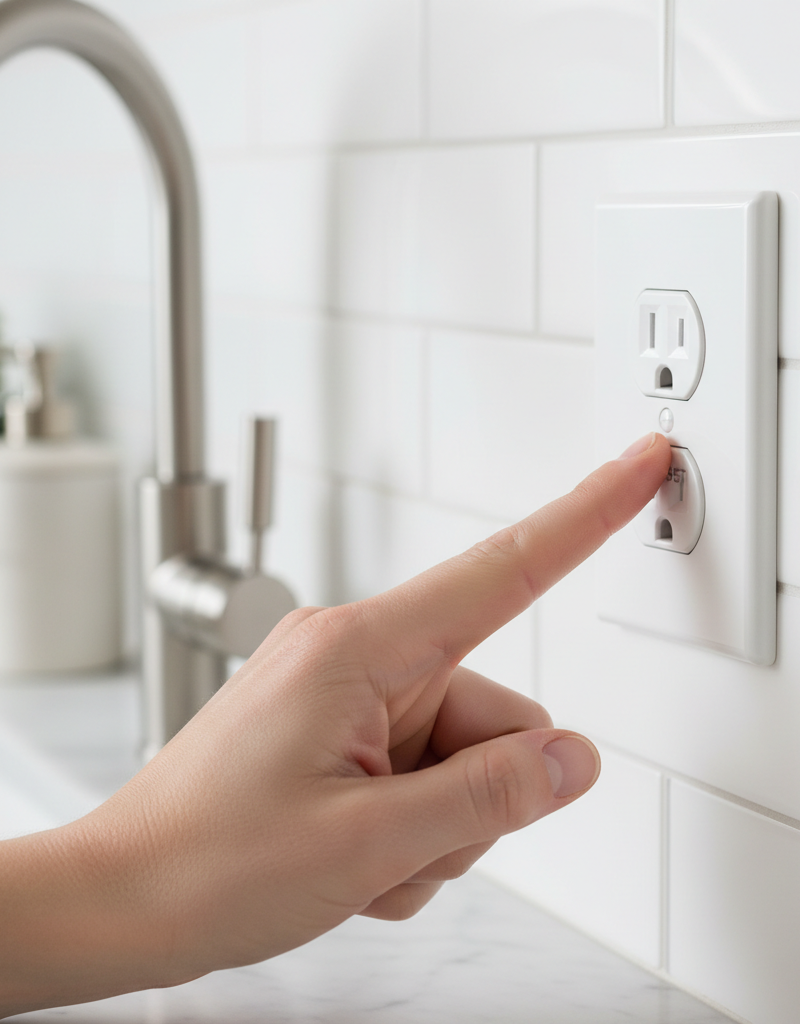
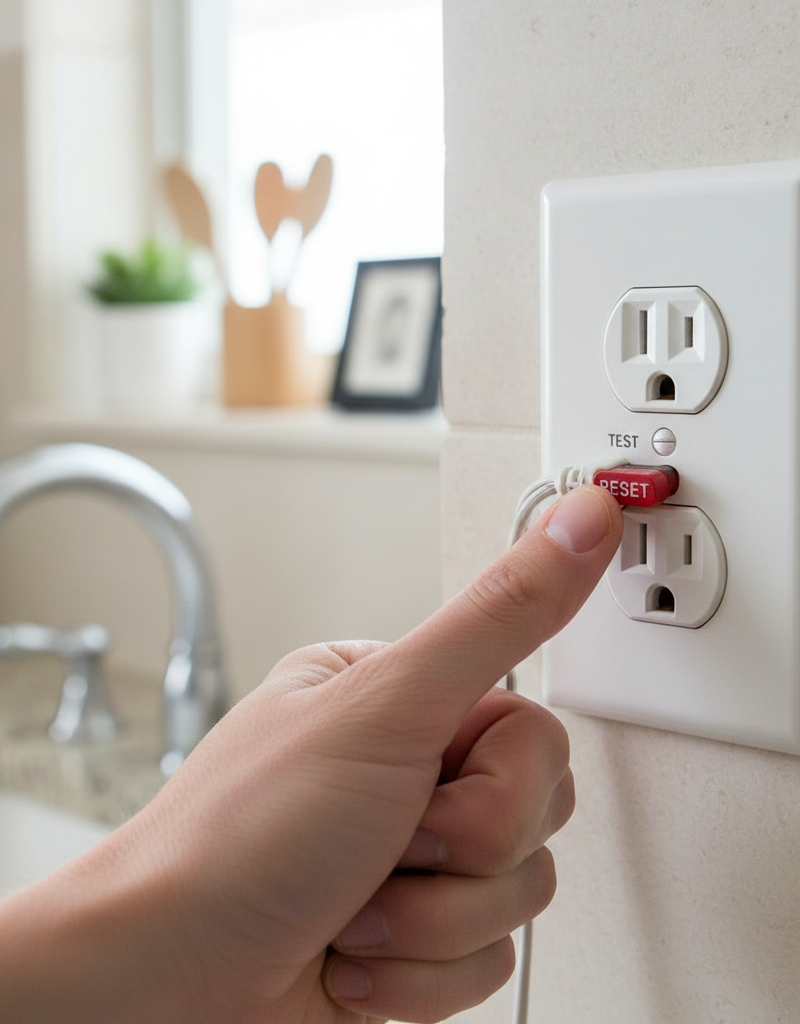
- Once everything is unplugged, firmly press the 'RESET' button on the GFCI outlet. You should hear and feel a distinct click as it engages. If it resets, the fault is with one of the devices you unplugged.
4. Systematically Plug Devices Back In – *Identify the faulty appliance.
- If the GFCI successfully reset in Step 3, begin plugging devices back into the outlets one by one. After plugging in each device, wait a few seconds, then try to reset the GFCI again if it trips. The moment it trips, you've found the faulty appliance. Unplug that device, and keep it unplugged until it can be repaired or replaced. Then, continue plugging in other devices to confirm they are not also causing issues.
- If it trips immediately: The last device plugged in is the problem. Take it out of service.
- If it still won't reset even with everything unplugged: Proceed to the next step, as the issue is likely with the GFCI outlet itself or the wiring.
5. Check for Moisture or Damage – *Inspect the environment and connections.
- GFCIs in bathrooms, kitchens, and outdoors are prone to moisture. Visually inspect the GFCI outlet itself and the surrounding wall plate for any signs of water intrusion or physical damage (cracks, scorch marks). If you see moisture, turn off the power to the circuit at the main breaker immediately, let the area dry thoroughly for at least 24-48 hours, and then try resetting. If damage is visible, the GFCI likely needs replacement.
- For outdoor GFCIs, ensure the in-use cover is properly sealed and check for any rodent damage or water inside the enclosure.
6. Reset the Main Circuit Breaker – *Sometimes a dual trip occurs.
- In some cases, a severe fault might trip both the GFCI and its corresponding circuit breaker in your electrical panel. Go to your main electrical panel and locate the breaker for the circuit that feeds the non-resetting GFCI. Flip the breaker completely OFF, wait 10 seconds, then flip it firmly back to the ON position. Return to the GFCI and try resetting it again.
7. Test the GFCI Itself – *Verify the outlet's functionality (if it does reset).
- If your GFCI did reset in previous steps but you want to ensure it's working correctly, plug a lamp into the outlet. Press the 'TEST' button on the GFCI. The power to the lamp should cut off immediately, and the 'RESET' button should pop out. If it doesn't trip, the GFCI unit is faulty and needs replacement. Press 'RESET' to restore power.
8. Replace the GFCI Outlet – *When all else fails, consider replacing the unit.
- Safety Note: Always turn off power at the main breaker before working on electrical outlets. Confirm power is off with a non-contact voltage tester.
- If the GFCI still won't reset after trying all previous steps (with all devices unplugged and the main breaker reset), and there's no visible moisture or damage, the GFCI unit itself is likely faulty. GFCIs have a lifespan, often around 10-15 years. Replacing it can resolve the issue.
- When to Call a Pro: If you're uncomfortable identifying the correct breaker, removing the old outlet, or wiring the new one, this is a job for a qualified electrician.
Common Causes
- Ground Faulting Appliance: The most frequent culprit. An internal wiring issue, worn insulation, or a heating element fault in an appliance (hair dryer, toaster, refrigerator, power tool) can cause current to leak to ground, immediately tripping the GFCI.
- Moisture or Water Intrusion: GFCIs in wet locations (bathrooms, kitchens, outdoors) are highly susceptible to tripping if water gets into the outlet, connections, or an attached appliance. Even high humidity can sometimes trigger sensitive GFCIs.
- Damaged GFCI Outlet: Like any electronic device, GFCIs can wear out, be damaged by power surges, or fail internally over time. A faulty GFCI may refuse to reset even when no ground fault is present.
- Wiring Problem: Less common for a GFCI that starts not resetting, but possible. Loose wiring connections within the outlet box or further along the circuit could create intermittent ground faults. Rodent damage to wiring can also expose conductors.
- Overloaded Circuit with a Ground Fault: While GFCIs primarily protect against ground faults, a severe overload that causes internal wiring to heat up and compromise insulation might lead to a ground fault condition that the GFCI detects.
- Incorrect Wiring: If a new GFCI was installed incorrectly, it might not function or reset properly. This is especially true if line/load wires are reversed. This usually causes the GFCI to never work from the start.
Common Mistakes
- Ignoring Downstream Outlets: Many homeowners only check the immediate outlet. Remember that a single GFCI often protects several downstream outlets on the same circuit. Failing to unplug devices from all protected outlets is the number one reason DIYers can't resolve this issue quickly.
- Not Resetting the Breaker: Sometimes, a serious fault will trip both the GFCI and the corresponding circuit breaker in your electrical panel. Forgetting to check and reset the main breaker can lead to fruitless attempts at the GFCI itself.
- Forcing the Reset Button: Never try to force the reset button. GFCIs are designed with a safety mechanism that prevents them from resetting if a fault is still present. Forcing it can damage the unit and bypass vital safety features.
- Assuming the GFCI is Faulty Prematurely: Rushing to replace the GFCI before systematically troubleshooting connected appliances often results in buying a new GFCI only to have it immediately trip again because the original ground fault in an appliance was never found.
- Skipping the Test Button: While not directly related to a non-resetting GFCI, once you do get it to reset, failing to press the 'TEST' button ensures the GFCI is functional. A GFCI that resets but doesn't trip when the 'TEST' button is pressed is a faulty, unsafe unit.
- Not Addressing Moisture: If moisture is the cause, simply drying it out and resetting isn't enough. You must address the source of the moisture to prevent future trips and potential electrical hazards.
Cost & Time Breakdown
| Task | DIY Cost | Pro Cost | Time |
|---|---|---|---|
| Diagnose faulty appliance | Free | $100–$200 for service call | 10–30 minutes |
| Reset main breaker (if needed) | Free | N/A | 5 minutes |
| Replace faulty GFCI outlet | $15–$30 | $150–$250 | 30–60 minutes |
| Repair wiring issue | $10–$50 (materials) | $200–$400+ | 1–3 hours (DIY), 1-2 hours (Pro) |
Tips & Prevention
- Routine Testing: Make it a habit to test your GFCI outlets monthly by pressing the 'TEST' button, then 'RESET'. This ensures they are functioning correctly.
- Keep Dry Locations Dry: Ensure GFCI outlets in bathrooms and kitchens are clear of splashes and that cords are not running through wet areas. For outdoor GFCIs, always use weather-resistant covers (in-use covers for outlets that have something plugged in continuously).
- Inspect Cords and Plugs: Regularly check appliance cords and plugs for fraying, cuts, or bent prongs. Damaged cords are a common source of ground faults.
- Avoid Overloading: While GFCIs protect against ground faults, always adhere to safe electrical practices. Avoid plugging too many high-draw appliances into a single outlet or circuit, even if it's GFCI protected.
- Label Your Breakers: Properly label your electrical panel so you can quickly identify which breaker controls which circuit, including specific GFCI circuits. This saves time during troubleshooting.
- Consider AFCI/GFCI Combination: For enhanced protection, especially in bedrooms and living areas, consider Arc Fault Circuit Interrupters (AFCIs) or AFCI/GFCI combination breakers/outlets, which protect against both arc faults (a cause of electrical fires) and ground faults.
When to Call a Professional
While troubleshooting a GFCI that won't reset is often a manageable DIY task, there are specific situations where calling a licensed electrician is not just recommended, but essential for safety and proper resolution. If, after systematically unplugging all devices and resetting your main circuit breaker, the GFCI still refuses to reset, the problem likely stems from internal wiring issues, a deeply hidden ground fault, or a more complex electrical problem that requires a professional's expertise. You should also call an electrician if you notice any burning smells, scorch marks around the outlet or breaker panel, hear buzzing sounds, or if water is present near electrical components and cannot be safely dried out. Any instance where you feel uncomfortable or unsafe performing steps, particularly those involving opening an outlet or the breaker panel, is a clear signal to defer to a qualified professional. They have the diagnostic tools and experience to safely identify and rectify complex electrical faults, ensuring your home's wiring is up to code and safe.
Related Articles
Keep troubleshooting with these hand-picked guides from FixlyGuide:
- The Hidden Reason Your GFCI Won't Reset (And It's Not Always a Faulty Outlet) — A GFCI outlet that won't reset usually indicates an underlying electrical issue, most commonly a ground fault or overloaded circuit, not al…
- The Hidden Reason Your GFCI Won't Reset (And It's Not Always a Damaged Outlet) — A GFCI outlet that won't reset can be frustrating, but often the cause isn't the outlet itself, but a hidden electrical issue downstream th…
- The Hidden Reason Your GFCI Won't Reset (And It's Not Always a Short) — Discover the often-overlooked culprits behind a GFCI outlet that refuses to reset and learn how to safely diagnose and fix the issue yourse…
- The Hidden Reason Your GFCI Won't Reset – And the One Thing Most Homeowners Forget — Don’t panic when your GFCI outlet won't reset. Most issues are minor and can be resolved with a few simple diagnostic steps before calling…
- The Hidden Reason Your GFCI Won't Reset (And It's Not Always a Short) — Uncover the mysterious reasons your GFCI outlet refuses to reset and learn the exact steps to diagnose and fix the problem safely, preventi…
- The Hidden Reason Your GFCI Trips (It’s Not Always a Bad Outlet) — A tripping GFCI outlet is a safety mechanism doing its job, often indicating a problem like moisture, a faulty appliance, or a wiring issue…
What should this project cost?
Enter your project details for a realistic cost range before you call anyone.
Outlet and switch work usually $150–$400; panel upgrades commonly $1,800–$4,200.
- Regional adjustment
- National average
- Labor share (typical)
- ~$709
- Quotes to collect
- 3 written estimates
Educational estimate based on national averages — not a binding quote. Always confirm with written local estimates.
Fixly Project Decision Box
- DIY difficulty
- Professional Recommended
- Estimated time
- Diagnosis 1–2 hours
- Cost level
- Moderate
Main tools / materials
- Non-contact voltage tester
- Outlet tester
- Flashlight
When to stop and call a pro
- Burning smell, scorch marks, or a warm outlet or switch plate
- A breaker that trips again right after being reset
- Any work inside the service panel
- Aluminum wiring or cloth-insulated wiring
Need professional help?
Talk to a Licensed ElectricianFrequently asked questions
Why won't my GFCI outlet reset?+
A GFCI outlet typically won't reset because it detects a persistent ground fault within an attached appliance or the circuit's wiring. It's a safety feature preventing power from flowing to a potentially dangerous condition. It could also be a faulty GFCI unit or, less commonly, an overloaded circuit that has also tripped the main breaker.
What's the first thing I should do if my GFCI won't reset?+
The very first step is to unplug all appliances and devices from the GFCI outlet and any other outlets it might protect downstream. Then, attempt to reset the GFCI. If it resets, plug devices back in one by one to identify the faulty appliance.
How do I know if the GFCI outlet itself is broken?+
If the GFCI still won't reset even after you've unplugged all devices and reset the corresponding circuit breaker, the GFCI unit itself is likely faulty. You can confirm this by replacing the unit with a new one (after turning off power at the breaker), or by having an electrician test it.
Discussion
Loading comments…