- Hail: This is the 1 cause of sudden, heavy granule loss. Hailstones literally blast the granules off the shingle. Even pea-sized hail can act like a sandblaster when the wind’s driving it hard.
- Heavy Rain & High Winds: A hard downpour, especially with wind pushing it sideways, has enough force to knock loose weakly bonded granules on an older roof.
- Age: Once a roof gets past the 10-12 year mark, the asphalt binder gets harder and more brittle. It just can’t hang onto the granules like it used to. A storm doesn’t start the problem—it speeds up what was already happening.
- Walking on the Roof: Too much foot traffic, especially on a hot day when the asphalt’s soft, can scuff off granules and shorten the roof’s life. That’s why you only want people up there who know how to walk a roof the right way.
- Aggressive Power Washing: Never, ever power wash an asphalt shingle roof. It’s the fastest way to wreck it, strip off granules, and void whatever warranty you’ve got.
Roofing · Aging roof
| Project category | Roofing |
|---|---|
| Problem type | Aging roof |
| Trade required | Roofing |
| Urgency | Planned project |
| Safety risk | Low safety risk |
| DIY suitability | Pro recommended |
| Cost category | High cost |
| Typical timeline | Plan 4–12 weeks ahead for scheduling and material lead time |
| Contractor type | Licensed roofing contractor |
Repair option
Maintenance repairs to buy a season or two while you budget.
Replacement option
Planned replacement, which is almost always cheaper than a leak-driven emergency.
Common causes
- Normal weathering past the shingle service life
- Poor attic ventilation cooking the shingles from below
- Repeated repairs on the same slopes
Relevant tools:repair or replace roofproject cost estimatorhome improvement material prices
Published October 12, 2026Last updated October 12, 2026
Tools & materials you'll need
Affiliate links- AmazonBucket
As an Amazon Associate FixlyGuide earns from qualifying purchases — at no extra cost to you. Prices and availability are accurate as of publication and subject to change.
The Problem
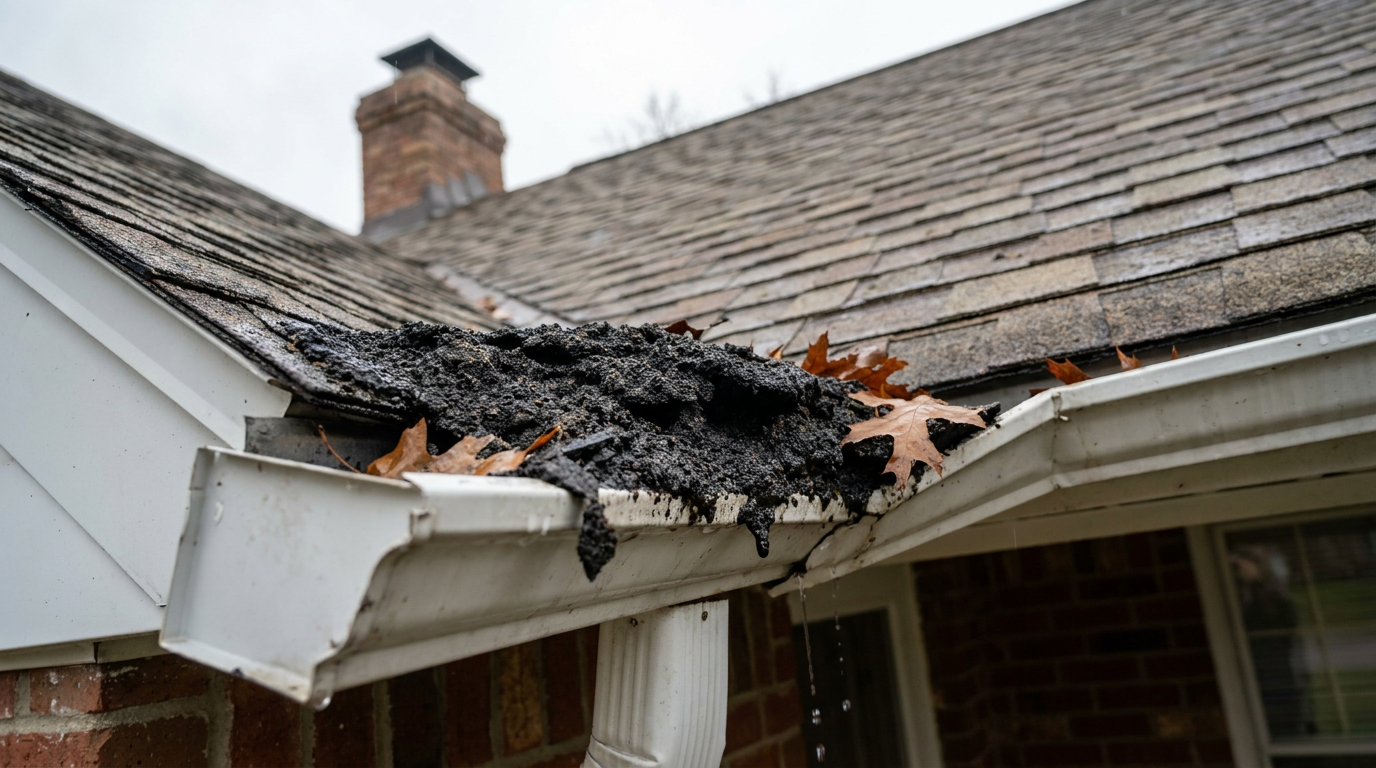
You just cleaned your gutters a few months ago, and now after that last big thunderstorm they’re clogged again. You climb the ladder and, sure enough, it’s not just leaves and twigs sitting in there. You’re looking at a thick, black, sandy sludge. That stuff isn’t dirt—it’s the protective granules from your asphalt shingles, and if you’re seeing a lot of it, that’s a pretty serious warning sign.
Those granules are the main shield for the asphalt core of the shingle. They block UV rays from that brutal Texas sun, the kind that’ll cook asphalt and turn it brittle in a hurry. They also help with fire resistance and, of course, give the shingle its color. Once the granules are gone, the shingle’s exposed and it starts failing fast. A little granule loss is normal over a roof’s life, especially on a brand-new roof shedding the loose stuff from manufacturing. But when you get a sudden, heavy pile-up after a storm? That usually means something more serious is going on.
How It Works
Think of an asphalt shingle like a layered sandwich. At the center is a mat, usually fiberglass, and that’s what gives the shingle its structure. Then both sides get coated with waterproof asphalt. On top, the manufacturer embeds a dense layer of ceramic-coated mineral granules into the asphalt. Those granules are a big reason your roof can last 20, 30, or even 50 years.
Here’s what they’re doing for you:
- UV Protection: Ultraviolet rays break down asphalt. They dry it out, make it brittle, and set it up for cracking. The granules are basically sunscreen for the roof, keeping those rays from ever getting to the asphalt core. Without that layer, a shingle would be toast in just a few years.
- Impact Resistance: In a hailstorm, the granules soak up some of the impact energy. A big hailstone can still leave a bruise by fracturing the fiberglass mat, but the granules take the beating from the smaller hits and the everyday abuse from rain and flying debris.
- Fire Resistance: The mineral makeup of the granules is what gives the shingle its Class A fire rating, which helps slow the spread of fire from airborne embers.
- Algae Resistance: On a lot of modern shingles, the granules are mixed with copper or zinc. That helps keep the blue-green algae off the roof—the stuff that leaves those ugly black streaks (
gloeocapsa magma).
When a heavy rain or hailstorm pounds the roof, that force can knock granules loose. If the roof’s newer and the shingles are still in decent shape, the loss should be pretty small. But if the roof is older (12+ years), the asphalt’s already hardened some with age, so it doesn’t hold the granules as well. Then a storm can rip years off the roof’s life in a few hours, stripping away the main defense and leaving everything exposed.
I pulled a roof in Frisco last month that had exactly this leak pattern—gutters packed with granules on one side, and the shingles above looked sandblasted. No mystery there.
Step-by-Step Fix
Finding granules in your gutter isn’t something you “fix” by tossing them back on the roof. The real fix is figuring out how bad the damage is and stopping the bigger headaches—like leaks—that are probably coming next. Here’s how I’d handle it.
1. Safety First
- Before you do anything, take a hard look at the situation. Don’t get on a roof during or right after a storm, when it’s wet and slick. Don’t use a ladder in high winds. Always have a spotter when you’re on a ladder, and make sure the feet are on solid, level ground.
2. Document Everything
- This part matters, especially if you might file an insurance claim. Before you clean anything up, take clear photos of the granules in the gutters from a few angles. Snap pictures of the downspouts where granules may have washed out onto the ground. More evidence never hurts.
3. Clean a Section of Gutter
- Pick a 10-foot section of gutter and clean it out all the way. Put the granules you collect into a bucket. That gives you a better feel for how much got lost. Is it just a thin layer of grit, or did you scoop out a cup or more of granules? A handful from one short section is one thing; a bucketful is a big red flag.
4. Look for "Bald" Spots on the Roof
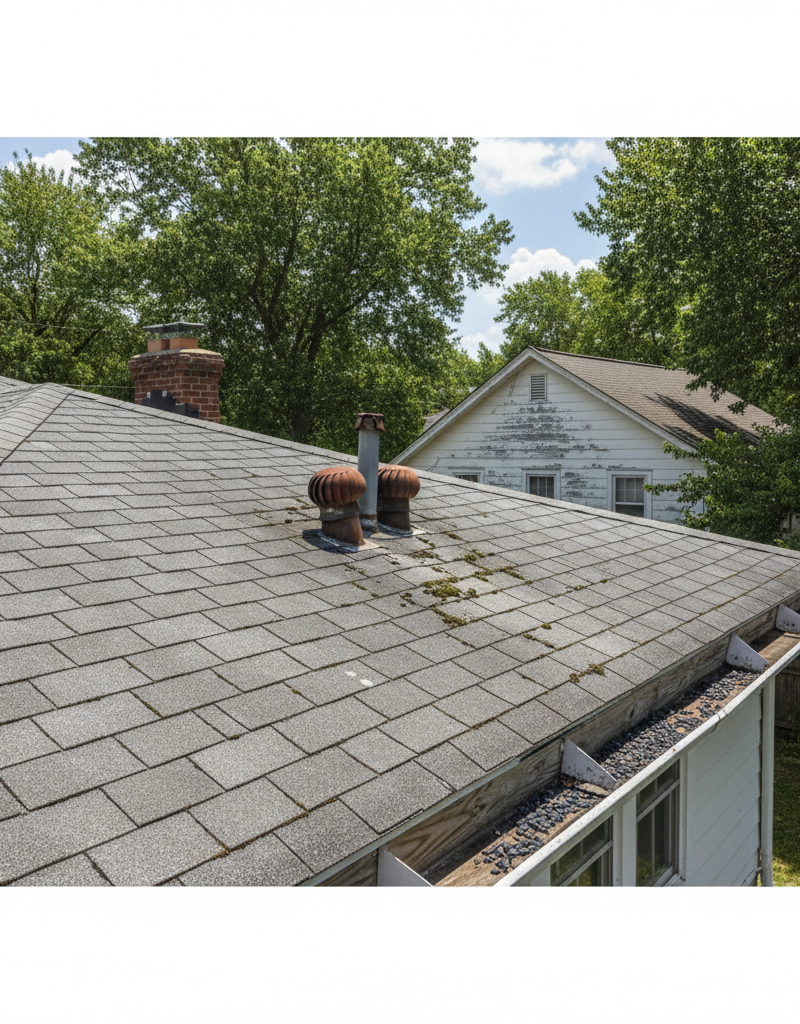
- From the ladder (or with binoculars from the ground), inspect the roof plane above the clogged gutter. You’re looking for spots that look black or shiny. Those are the “bald” areas where the granules have been scrubbed off and the raw asphalt is showing. Pay extra attention to valleys and the areas around vents and chimneys, because water movement gets concentrated there.
5. Check for Hail "Bruises"
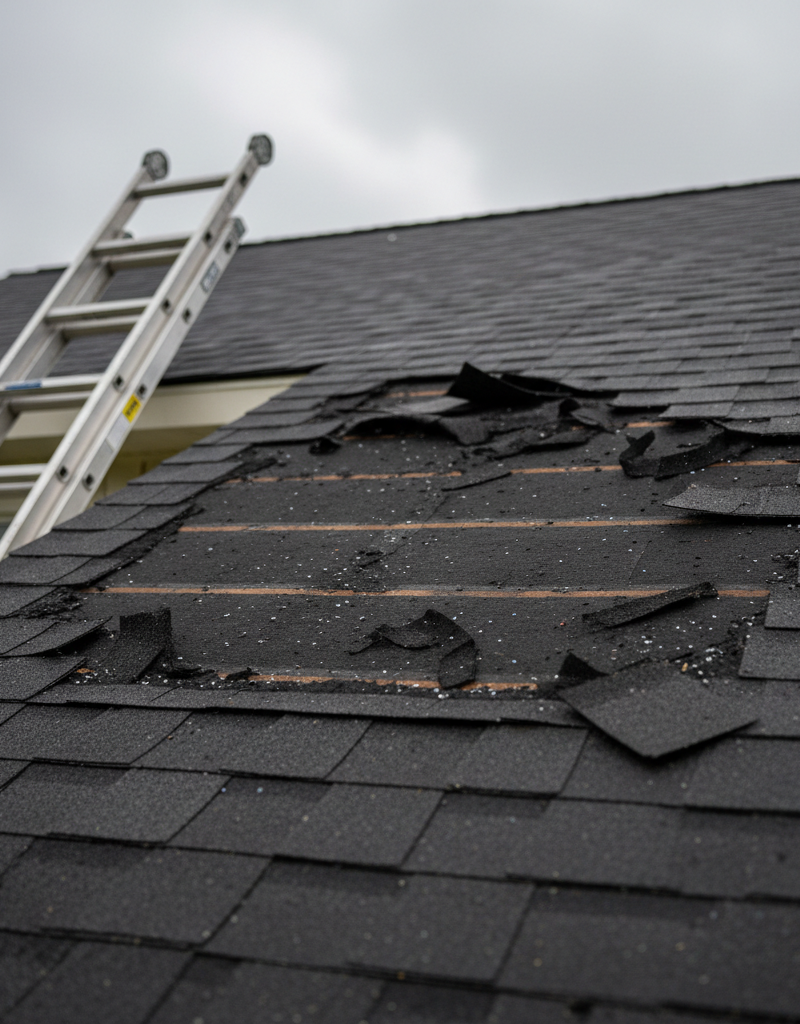
- If you had hail, don’t stop at granule loss. A hail “bruise” or “hit” is where the hailstone fractured the shingle’s fiberglass mat. You’ll spot it as a patch of missing granules with a soft or spongy feel when you press on it, kind of like a bruise on an apple. From the ground, sometimes those show up as dark spots or dents on the shingle surface. Any hit larger than about 1/4 inch in diameter is a failure point.
6. Inspect Your Downspouts
- Look where the downspouts dump out. Do you have a little delta of black, sandy material on the driveway or in the flower beds? That’s another strong clue you’ve got widespread granule loss across the roof, not just one bad spot.
7. Don't Try to DIY the Roof Inspection
- This one’s non-negotiable. Don’t get on the roof yourself to inspect it. Walking on a roof that’s already lost granules can make it worse, and frankly, it’s not safe. The granule loss is your cue to call a professional roofer and let them do a full inspection.
8. Call a Reputable Local Roofer
- Now’s the time to make the call. Don’t just search “roofer” and dial the first number you see. Look for a certified local company that’s been around for years in your area (especially North Texas). Ask for references and proof of insurance. A good roofer will inspect the whole thing, document everything with photos, and give you a straight answer about how much life your roof’s got left.
Common Causes
Why did this happen now? Usually, it’s a mix of a few things.
- Hail: This is the #1 cause of sudden, heavy granule loss. Hailstones literally blast the granules off the shingle. Even pea-sized hail can act like a sandblaster when the wind’s driving it hard.
- Heavy Rain & High Winds: A hard downpour, especially with wind pushing it sideways, has enough force to knock loose weakly bonded granules on an older roof.
- Age: Once a roof gets past the 10-12 year mark, the asphalt binder gets harder and more brittle. It just can’t hang onto the granules like it used to. A storm doesn’t start the problem—it speeds up what was already happening.
- New Roof Shedding: A brand-new roof can shed a surprising amount of loose “hitchhiker” granules from the manufacturing process. If the roof is less than a year old, granules in the gutter might not mean damage. Still, you shouldn’t be seeing bare spots.
- Walking on the Roof: Too much foot traffic, especially on a hot day when the asphalt’s soft, can scuff off granules and shorten the roof’s life. That’s why you only want people up there who know how to walk a roof the right way.
- Aggressive Power Washing: Never, ever power wash an asphalt shingle roof. It’s the fastest way to wreck it, strip off granules, and void whatever warranty you’ve got.
Common Mistakes
When homeowners run into this, they usually make a few mistakes that end up costing them.
- Ignoring It: Biggest mistake right there. They see the granules, shrug, and clean the gutters. Those granules are your roof waving a white flag. Ignore it, and the sun keeps baking the exposed asphalt, which means cracks and leaks can show up within a season or two.
- Relying on a Tarp: A tarp is for emergencies only, period. It’s a short-term fix to stop an active leak. Leave one on for weeks or months, and you can trap heat and moisture and start rotting the decking underneath.
- Hiring a "Storm Chaser": After a big storm, out-of-town roofing outfits—storm chasers—roll into places like DFW. They lean hard on pressure sales, toss out weirdly low bids, and do sloppy work before disappearing. Stick with a roofer who’s local, has a real address, and a track record you can check.
- Trying to Seal Bald Spots: Some folks think they can “fix” a bald shingle by smearing on roof cement or sealant. That’s just a temporary, ugly patch at best. It doesn’t bring back UV protection, and it usually fails pretty quickly.
- Not Reading the Roofer's Contract: A legit roofer should hand you a detailed contract with the scope of work, materials, payment schedule, and warranty info spelled out. Don’t sign something vague or half-baked.
Cost & Time Breakdown
Your response to granule loss isn’t just one job, it’s a chain of inspections and possible repairs. Cost and timing can swing a lot depending on what the pro finds.
| Task | DIY Cost | Pro Cost | Time |
|---|---|---|---|
| Gutter Cleaning & Photo Doc | $0 (if you have a ladder) | $150–$300 (as a standalone service) | 1–2 hours |
| Professional Roof Inspection | N/A | $0–$250 (often free if they hope to get the repair job) | 30–60 minutes for inspection |
| Minor Repair (e.g., 5-10 shingles) | $50–$100 for a bundle of shingles & sealant | $300–$600 | 1–3 hours |
| Full Roof Replacement (30-yr architectural shingles, 2500 sq ft) | N/A (Not a DIY job) | $12,000–$20,000+ | 2–5 days for a full crew |
Tips & Prevention
You can’t stop hail from falling, but you can stay ahead of roof problems and catch them before they turn ugly.
- Clean Gutters Regularly: Clean your gutters at least twice a year, in the spring and late fall. That keeps water moving where it should and gives you a regular chance to spot abnormal granule loss.
- Get Biannual Inspections: Hire a roofer for a full inspection every two years, especially once the roof gets over 10 years old. They’ll catch small aging signs or damage you’d never see from the ground.
- Choose Impact-Resistant Shingles: When it’s time to replace the roof, especially in North Texas, spend the money on Class 4 Impact-Resistant (IR) shingles. They’re built to handle hail up to 2 inches in diameter and can snag you a decent insurance discount (often 15-25%) on your homeowner’s policy.
- Keep Trees Trimmed: Trim back branches that hang over the roof. That keeps them from rubbing on the shingles and scraping off granules, and it lowers the odds of a limb smashing down on the roof during a storm.
- Know Your Roof's Age: Keep track of when the roof was installed. An asphalt shingle roof in Texas usually lasts 15-20 years. If you know the age, you can plan instead of scrambling when it’s finally time to replace it.
When to Call a Professional
This is one of those situations where the DIY part is short and the professional part is mandatory. You can and should do the first look yourself—photograph the gutters, measure the loss, gather evidence. But once you confirm a meaningful amount of granule loss (more than a thin coating of grit in the bottom of the gutter), it’s time to call a pro.
Don’t get on the roof yourself. A professional roofer has the training and the safety gear to do it right. They can spot the subtle signs of hail bruising, wind lift, and heat blistering that tell you the roof’s service life is about done. If the granule loss is widespread, you’re probably looking at a full roof replacement, and that’s not a DIY job. A pro will give you an accurate diagnosis and the paperwork you’ll need if you’re filing an insurance claim. That’s the safe way to handle it, no question.
Related Articles
Keep troubleshooting with these hand-picked guides from FixlyGuide:
- Gutters Full of Shingle Grit? Here's What It Really Means — Finding shingle granules in your gutters can be alarming, signaling everything from normal new-roof shedding to critical roof damage that r…
- The One Mistake Homeowners Make When Shingles Blow Off (And How to Fix It Right) — After a storm, finding missing roof shingles can be alarming. Learn the critical mistake homeowners often make and how to properly assess a…
- Wind Tore Off Your Shingles? The 7 Critical Steps Most Homeowners Miss — Discover the essential steps to take when roof shingles go missing after a storm, from immediate safety checks to temporary repairs and ins…
- The Unseen Danger After a Storm: What to Do About a Sagging Roof Deck — A sagging roof deck after a storm isn't just an eyesore; it's a serious structural problem that demands immediate attention to prevent coll…
- The Quiet Threat: How Hidden Flashing Damage Invites Disaster After a Storm — After a storm, visible roof damage is obvious, but often the real trouble hides in damaged flashing, silently inviting water intrusion and…
- The Silent Rot: What Your Soffits and Fascia Tell You About a Deeper Problem — Ignoring damaged soffit and fascia boards isn't just an aesthetic issue; it's a flashing warning sign your home could be facing serious, ex…
Should you do this yourself?
Answer five quick questions before you start. Safety outranks savings every time.
Your experience with work like this
How high do you have to work?
Does the job involve any of these?
Will it need a permit?
Specialty tools
Free and instant. Educational guidance only — not a quote, inspection, or professional diagnosis.
Questions to ask before you sign
Ask every contractor the same questions and the cheapest bid stops looking cheapest. Check them off as you go — your progress is saved on this device.
Free, no signup. Bring this to every walkthrough so you compare bids on the same terms.
What should this project cost?
Enter your project details for a realistic cost range before you call anyone.
Spot repairs commonly run $400–$1,800; full replacement typically $9,000–$18,000 for an average home.
- Regional adjustment
- National average
- Labor share (typical)
- ~$2,948
- Quotes to collect
- 3 written estimates
Educational estimate based on national averages — not a binding quote. Always confirm with written local estimates.
Fixly Project Decision Box
- DIY difficulty
- Professional Recommended
- Estimated time
- Inspection 1–2 hours · repairs 1–3 days
- Cost level
- High
Main tools / materials
- Binoculars for a ground-level look
- Flashlight for attic checks
- Moisture meter
- Roofing cement (temporary patch only)
When to stop and call a pro
- Active leak near lights, fans, or any wiring
- Sagging, bulging, or water-filled ceiling
- Steep, wet, or two-story roof — do not climb it
- Storm or hail damage you plan to claim on insurance
Need professional help?
Free roof assessment first — no phone calls until you ask for them.
Get Local Roofing HelpGet help with your roof now
Stay off the roof. These free tools help you protect the house and reach the right professional fast.
- Emergency repair checklistThe first steps that limit damage before a pro arrives.Open
- Repair or replace your roof?Answer 10 questions about age, leaks, and damage to get a clear next step.Open
- Get local estimatesSend one request and compare written estimates from vetted pros.Open
Free, no signup required. Estimates are educational guidance, not a quote or an inspection.
Frequently asked questions
Is it normal to have some granules in the gutter?+
Yes, a small amount of granule loss is normal, especially on a new roof (first 6-12 months) as excess granules wash off. However, if you suddenly see a large accumulation, like thick sludge or small piles, it's a sign of accelerated wear or storm damage.
Can I just glue the granules back on?+
No, you cannot effectively reattach shingle granules. Once they're gone, the protective layer is gone for good. Attempting to use sealants or tar is a temporary patch that will fail and won't restore the shingle's UV or impact resistance.
How long does a roof last after losing its granules?+
Once a shingle loses its granules and the black asphalt substrate is exposed, it can fail very quickly. The sun's UV rays will make it brittle and cause it to crack, often leading to leaks within 6 to 18 months, especially in the intense Texas sun.
Will my insurance cover a roof replacement for granule loss?+
It depends on the cause. If the granule loss is from a specific, identifiable event like a hailstorm, it's often covered as storm damage. If it's simply due to old age and gradual wear, it's considered maintenance and typically isn't covered. This is why documentation after a storm is so important.
What are Class 4 Impact Resistant shingles?+
Class 4 is the highest impact rating for shingles, tested by dropping a 2-inch steel ball from 20 feet without the shingle fracturing. In hail-prone areas like DFW, they are highly recommended and can earn you a discount on your homeowner's insurance.
Why are my downspouts clogged with black sand?+
That black sand is the granules from your shingles. If your downspouts are clogged or you see a pile of granules where the water lets out, it's a sign of widespread granule loss across a large section of your roof.
Can I power wash the black streaks off my roof?+
No, you should never use a power washer on an asphalt shingle roof. It's far too aggressive and will strip off the protective granules, effectively destroying your roof and voiding its warranty. The black streaks are algae, which should be treated with a gentle, 50:50 solution of water and bleach.
What's the difference between granule loss and hail 'bruising'?+
Granule loss is the removal of the shingle's surface grit. A hail 'bruise' is more serious; it's when the hailstone hits with enough force to not only remove granules but also fracture the underlying fiberglass mat of the shingle. A bruised shingle will feel soft or spongy and is a guaranteed future leak.

Discussion
Loading comments…