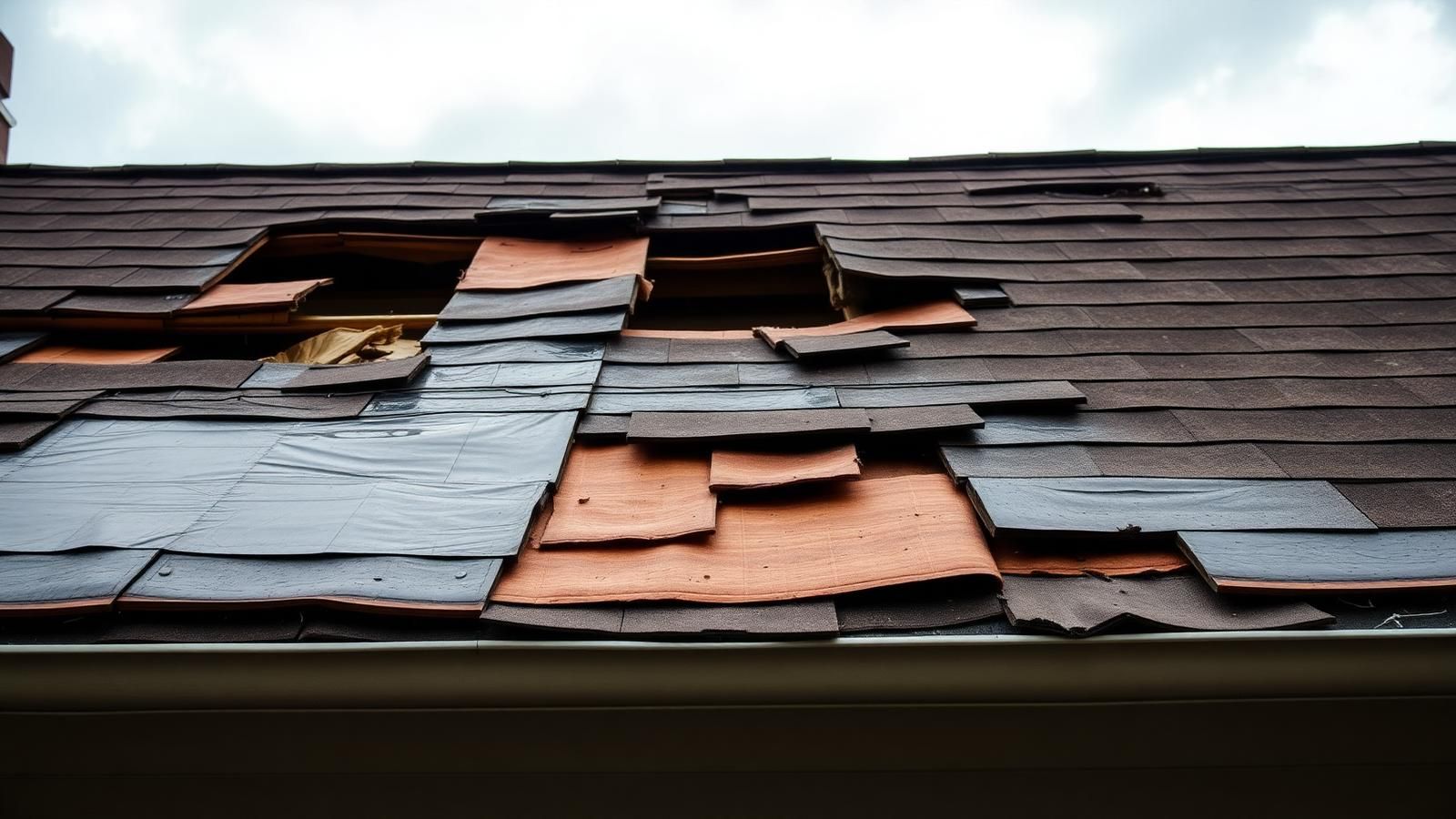
- The cost of waiting is rarely the roof — it is the drywall, insulation, framing, and mould behind it.
- Water and light fixtures together is an electrical hazard first and a roofing problem second.
- Temporary measures (tarps, buckets, moving belongings) buy time; they do not fix anything.
- Document everything with photos and dates before repairs begin if insurance may be involved.
- Never climb a wet, steep, storm-damaged, or sagging roof.
Roofing · Aging roof
| Project category | Roofing |
|---|---|
| Problem type | Aging roof |
| Trade required | Roofing |
| Urgency | Planned project |
| Safety risk | Low safety risk |
| DIY suitability | Pro recommended |
| Cost category | High cost |
| Typical timeline | Plan 4–12 weeks ahead for scheduling and material lead time |
| Contractor type | Licensed roofing contractor |
Repair option
Maintenance repairs to buy a season or two while you budget.
Replacement option
Planned replacement, which is almost always cheaper than a leak-driven emergency.
Common causes
- Normal weathering past the shingle service life
- Poor attic ventilation cooking the shingles from below
- Repeated repairs on the same slopes
Relevant tools:repair or replace roofproject cost estimatorhome improvement material prices
Published August 3, 2026Last updated August 17, 2026
Quick Answer
Roof damage becomes urgent when water is actively entering the home, the structure is moving, or electricity and water have met. Interior dripping, a sagging roofline, wet or bulging ceilings, exposed decking, and daylight through roof boards all mean "call a professional now," not "get to it this month." Stay off the roof.
Cost Snapshot
| Urgent service | Typical 2026 cost |
|---|---|
| Emergency tarp / temporary dry-in | $300–$1,200 |
| After-hours emergency call-out | $250–$750 |
| Emergency leak repair | $600–$2,500 |
| Structural assessment (engineer) | $400–$900 |
| Water mitigation / drying | $1,200–$5,000 |
National averages last reviewed 2026-08-03. Emergency and after-hours rates commonly run 50–100% above standard pricing.
Key Takeaways
- The cost of waiting is rarely the roof — it is the drywall, insulation, framing, and mould behind it.
- Water and light fixtures together is an electrical hazard first and a roofing problem second.
- Temporary measures (tarps, buckets, moving belongings) buy time; they do not fix anything.
- Document everything with photos and dates before repairs begin if insurance may be involved.
- Never climb a wet, steep, storm-damaged, or sagging roof.
Safety Warning
If a ceiling is sagging or bulging with water, leave the area and keep people and pets out. If water is near light fixtures, ceiling fans, or outlets, shut off power to that circuit at the breaker before entering. If the roofline itself is sagging, treat the space below it as unsafe until a professional has assessed it.
DIY Difficulty
Assessment: beginner, from the ground and inside the attic. Temporary protection indoors: beginner. Anything on the roof surface during or after a storm: professional only.
When to Call a Roofer
Call an emergency roofing service the same day for any of the ten signs below. Call a licensed electrician first if water has reached wiring or fixtures, and a structural engineer if the roofline or ceiling framing is visibly moving.
1. Active Interior Leaking
What it may mean: the underlayment has failed and water has a continuous path to your living space. Why waiting costs more: insulation loses R-value permanently once soaked, drywall stains and sags, and mould can start within 24–48 hours. Immediate step: contain the water, move belongings, and photograph everything. Temporary action that helps: a bucket, plus a small nail hole in the centre of a water-filled ceiling bulge to drain it in a controlled place. Who to call: emergency roofing contractor; water mitigation if more than a small area is wet.
2. Sagging Roofline
What it may mean: rafters, trusses, or decking are carrying more load than they can — often from long-term water intrusion or a structural failure. Why waiting costs more: deflection accelerates, and a repair becomes a framing rebuild. Immediate step: stop using the space beneath it. Temporary action: none is safe for a homeowner. Who to call: structural engineer, then a roofing contractor.
3. Wet or Collapsing Ceilings
What it may mean: a substantial volume of water is already inside the assembly. Why waiting costs more: a saturated ceiling can drop suddenly, and everything underneath it goes with it. Immediate step: clear the room, keep people out. Temporary action: controlled draining of a bulge, from a safe distance, only if you can do it without standing under it. Who to call: emergency roofer and water mitigation.
4. Exposed Roof Decking
What it may mean: shingles and underlayment are gone over an area; only bare wood is between the weather and your attic. Why waiting costs more: the next rain goes straight into the decking; a $1,000 dry-in becomes a $6,000 deck-and-insulation job. Immediate step: schedule emergency tarping before the next forecast rain. Temporary action: professional tarping. Who to call: roofing contractor with emergency service.
5. Missing Shingles After a Storm
What it may mean: the wind seal has failed; adjacent shingles are often lifted or creased even where none are missing. Why waiting costs more: the damage spreads with each subsequent wind event, and insurance claim windows close. Immediate step: photograph from the ground, note the storm date. Temporary action: tarping over the bare area. Who to call: licensed local roofer for a documented inspection.
6. Electrical Fixtures Affected by Water
What it may mean: water is travelling along framing into the electrical system. Why waiting costs more: this is a shock and fire hazard, not a cosmetic issue. Immediate step: shut off power to the affected circuit at the breaker; do not operate the switch or fixture. Temporary action: none beyond isolating power. Who to call: licensed electrician first, then a roofer.
7. Major Attic Moisture
What it may mean: either an active leak or a ventilation failure that is condensing moisture on the underside of the deck. Why waiting costs more: sustained moisture delaminates sheathing and grows mould across the whole attic, not one spot. Immediate step: inspect with a flashlight from the attic hatch — look for dark streaks, damp insulation, frost, or rusted nail tips. Temporary action: improve ventilation if it is safely accessible; do not seal soffit vents. Who to call: roofer experienced in ventilation diagnosis.
8. Daylight Visible Through Roof Boards
What it may mean: there is a genuine hole in the roof assembly. Why waiting costs more: if light gets in, water gets in — and animals follow. Immediate step: mark the location from inside so a contractor can find it fast. Temporary action: professional tarping. Who to call: emergency roofing contractor.
9. Widespread Shingle Failure
What it may mean: curling, cupping, cracking, or bare patches across whole slopes indicate the roof has reached the end of its service life, not a repairable defect. Why waiting costs more: the failures multiply, and a planned replacement is always cheaper and better-scheduled than an emergency one. Immediate step: get a documented inspection and start collecting replacement estimates. Temporary action: targeted repair to the worst area while you plan. Who to call: two or three licensed roofers for written replacement estimates.
10. Falling Debris or Structural Movement
What it may mean: something is failing — fasteners, decking, framing, or a chimney. Why waiting costs more: it is a personal-safety issue before it is a property issue. Immediate step: cordon off the area below, keep people and vehicles clear. Temporary action: none. Who to call: structural engineer and roofing contractor immediately.
What Not To Do
- Do not climb onto a wet, iced, steep, or storm-damaged roof.
- Do not walk on a roof with a visible sag.
- Do not remove damaged material before it is documented, if insurance may be involved.
- Do not sign a contract with a door-knocking contractor under pressure the day after a storm.
- Do not delay a claim past your policy's reporting window.
After the Emergency
Once the home is dry and safe, the real question returns: is this a repair or the end of this roof's life? Answer that with a documented inspection and written estimates, not with the first number you hear on the worst day.
Should you do this yourself?
Answer five quick questions before you start. Safety outranks savings every time.
Your experience with work like this
How high do you have to work?
Does the job involve any of these?
Will it need a permit?
Specialty tools
Free and instant. Educational guidance only — not a quote, inspection, or professional diagnosis.
Questions to ask before you sign
Ask every contractor the same questions and the cheapest bid stops looking cheapest. Check them off as you go — your progress is saved on this device.
Free, no signup. Bring this to every walkthrough so you compare bids on the same terms.
What should this project cost?
Enter your project details for a realistic cost range before you call anyone.
Spot repairs commonly run $400–$1,800; full replacement typically $9,000–$18,000 for an average home.
- Regional adjustment
- National average
- Labor share (typical)
- ~$2,948
- Quotes to collect
- 3 written estimates
Educational estimate based on national averages — not a binding quote. Always confirm with written local estimates.
Fixly Project Decision Box
- DIY difficulty
- Professional Recommended
- Estimated time
- Inspection 1–2 hours · repairs 1–3 days
- Cost level
- High
Main tools / materials
- Binoculars for a ground-level look
- Flashlight for attic checks
- Moisture meter
- Roofing cement (temporary patch only)
When to stop and call a pro
- Active leak near lights, fans, or any wiring
- Sagging, bulging, or water-filled ceiling
- Steep, wet, or two-story roof — do not climb it
- Storm or hail damage you plan to claim on insurance
Need professional help?
Free roof assessment first — no phone calls until you ask for them.
Get Local Roofing HelpGet help with your roof now
Stay off the roof. These free tools help you protect the house and reach the right professional fast.
- Emergency repair checklistThe first steps that limit damage before a pro arrives.Open
- Get local estimatesSend one request and compare written estimates from vetted pros.Open
Free, no signup required. Estimates are educational guidance, not a quote or an inspection.
Frequently asked questions
What roof damage counts as an emergency?+
Active water entry into living space, a sagging roofline or ceiling, exposed roof decking, daylight through roof boards, water near electrical fixtures, and falling debris or visible structural movement. All of these need a professional the same day.
What should I do first when my roof is leaking?+
Contain the water, move belongings and electronics clear, photograph the damage with the date, cut power to the circuit if water is near fixtures, and call an emergency roofing contractor. Do not go onto the roof during or after a storm.
Should I puncture a bulging ceiling?+
A small nail hole in the centre of a water-filled bulge drains it in a controlled place and can prevent a sudden collapse — but only do it from beside the bulge, never standing under it, and only if the ceiling is not already sagging structurally. If in doubt, leave the room and call a professional.
How much does emergency roof tarping cost?+
Emergency tarping typically costs $300 to $1,200, plus an after-hours call-out fee of $250 to $750 in many markets. It is almost always cheaper than another night of water entering the house.
How long can a roof leak go before it causes mould?+
Mould can begin developing in wet building materials within 24 to 48 hours. That is why containment and drying matter as much as the roof repair itself.


Discussion
Loading comments…