- Existing Siding Weakness: Older siding, improperly installed siding, or siding already weakened by UV exposure or previous minor impacts can be more susceptible to hail damage.
- Poor Installation: Siding not installed according to manufacturer specifications (e.g., nails too tight on vinyl siding preventing expansion) can make it more prone to cracking or buckling from impact.
- Building Orientation: Sides of the house directly facing the prevailing winds during a hail storm will typically sustain more damage.
- Lack of Maintenance: Infrequent cleaning or minor repairs can lead to siding degradation, making it less resilient to impacts.
Roofing · Hail damage
| Project category | Roofing |
|---|---|
| Problem type | Hail damage |
| Trade required | Roofing |
| Urgency | Urgent — within days |
| Safety risk | Moderate safety risk |
| DIY suitability | Licensed pro only |
| Cost category | High cost |
| Typical timeline | Inspection within days; claim and build often several weeks |
| Contractor type | Licensed roofing contractor |
Repair option
Spot repair for isolated slopes with limited impact marks.
Replacement option
Insurance-scope replacement when impacts exceed the carrier threshold per square.
Common causes
- Impact bruising that knocked granules loose
- Cracked mat under the surface, not visible from the ground
- Damaged soft metals: vents, gutters, flashing
Relevant tools:repair or replace roofcompare quotes
Published May 31, 2026Last updated August 17, 2026
Tools & materials you'll need
Affiliate links- AmazonLadderEnsure it's stable and safety-rated for your height needs
- AmazonSafety glasses
- AmazonWork gloves
- AmazonDigital camera or smartphoneFor high-resolution photos/videos
- AmazonRuler or coinFor scale in damage photos
- AmazonSiding zip toolIf repairing vinyl or aluminum siding
- AmazonHammerFor vinyl/aluminum siding nail removal/installation
- AmazonPry barSmall, flat pry bar for nail removal
As an Amazon Associate FixlyGuide earns from qualifying purchases — at no extra cost to you. Prices and availability are accurate as of publication and subject to change.
Quick Answer
After a hail storm, it's critical to inspect your siding promptly for damage, thoroughly document all findings with clear photographs, and immediately contact your home insurance provider to initiate a claim. The most significant error homeowners commit is postponing this inspection and claims process, which can result in claim denials, the forfeiture of valuable repair rights, or severe secondary damage such as water infiltration, wood rot, and mold growth.
The Problem
You wake up after a severe thunderstorm, and while the immediate threat has passed, a quick glance at your siding reveals the tell-tale pockmarks of hail. Small dents, cracks, or even missing pieces of vinyl, aluminum, or wood composite siding are clear indicators. The problem isn't just cosmetic; compromised siding loses its primary function: protecting your home from the elements. Ignoring hail damage, even seemingly minor indentations, can lead to serious issues down the line. Water can penetrate cracks, leading to rot in the underlying sheathing and framing, mold growth, and eventually, structural compromises. Wind can exacerbate existing damage, tearing away loosened panels and exposing more of your home to the elements. The longer you wait, the greater the risk of secondary damage, which might not be covered if the initial hail damage wasn't promptly reported.
How It Works
Siding acts as your home's first line of defense against weather. Different types of siding react to hail impacts in unique ways. Vinyl siding, made from PVC (polyvinyl chloride), is somewhat flexible but can dent upon impact, especially if the underlying sheathing isn't perfectly flat. Colder temperatures make vinyl more brittle, increasing its susceptibility to cracking or shattering. Aluminum siding, a lightweight metal, is prone to denting, creating circular or crescent-shaped marks reflecting the hail's impact. These dents can stretch the metal, making it difficult to repair perfectly. Wood siding, including clapboard or shakes, can suffer dings, splintering, or even deep gouges from large hail. Fiber cement siding, a mix of cement, sand, and cellulose fibers, is very durable but can chip or crack under severe hail impacts, particularly at edges or corners. Finally, composite sidings use resin and wood fibers and can show impacts as dents or delamination. The underlying principle is that when the siding's integrity is compromised, even a small crack allows moisture to bypass the weather barrier, threatening the structural components beneath. Understanding these vulnerabilities helps in accurately assessing damage and planning effective repairs.
Step-by-Step Fix
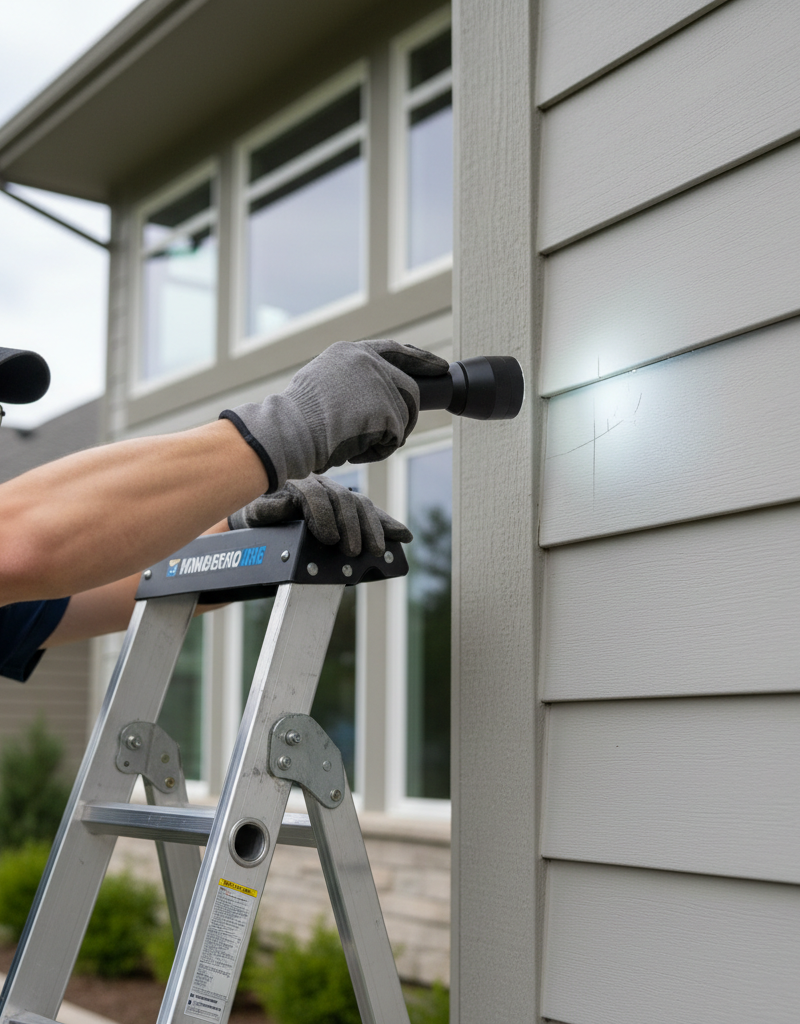
Safety First — Before you begin any inspection or repair, always prioritize safety. Wear sturdy work gloves and eye protection. When using a ladder, ensure it's on stable, level ground and have a spotter if possible. Never work alone on a ladder, especially in windy conditions. If there are any signs of electrical damage or gas leaks near the damaged area, evacuate and call a professional immediately.
-
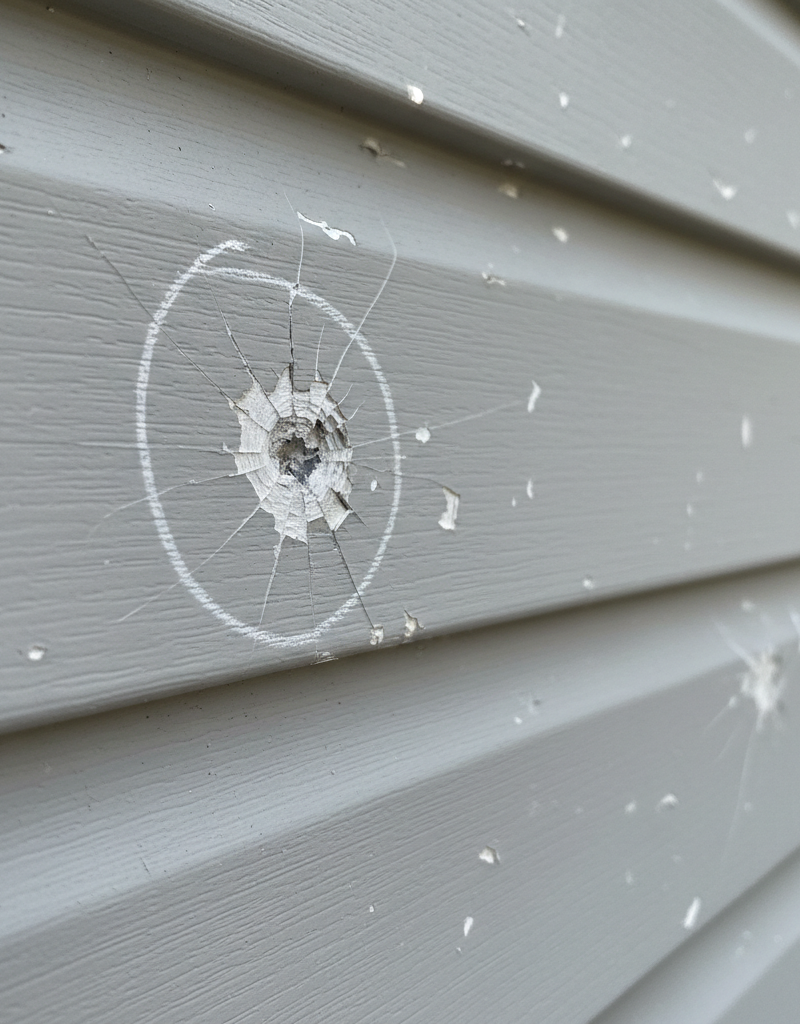
Document the Damage Immediately — Start your evidence collection. Right after the storm, walk around your home and take high-resolution photos and videos of all damaged areas. Use a ruler or coin next to the damage for scale. Document the date and time. This visual evidence is crucial for your insurance claim.
- Pro Tip: Take wide shots showing the general area, then close-ups of each specific impact mark.
-
Inspect All Sides and the Roof — Hail often hits at an angle. Methodically inspect every side of your house, not just the most exposed one. Don't forget fascia, soffits, gutters, and downspouts. While beyond the scope of this article, glance at the roof from the ground (if safe) for obvious damage like missing shingles or dings on vents. Document these too, as roof and siding claims are often linked.
- If you suspect roof damage: Call a professional roofer for a safe and thorough roof inspection.
-
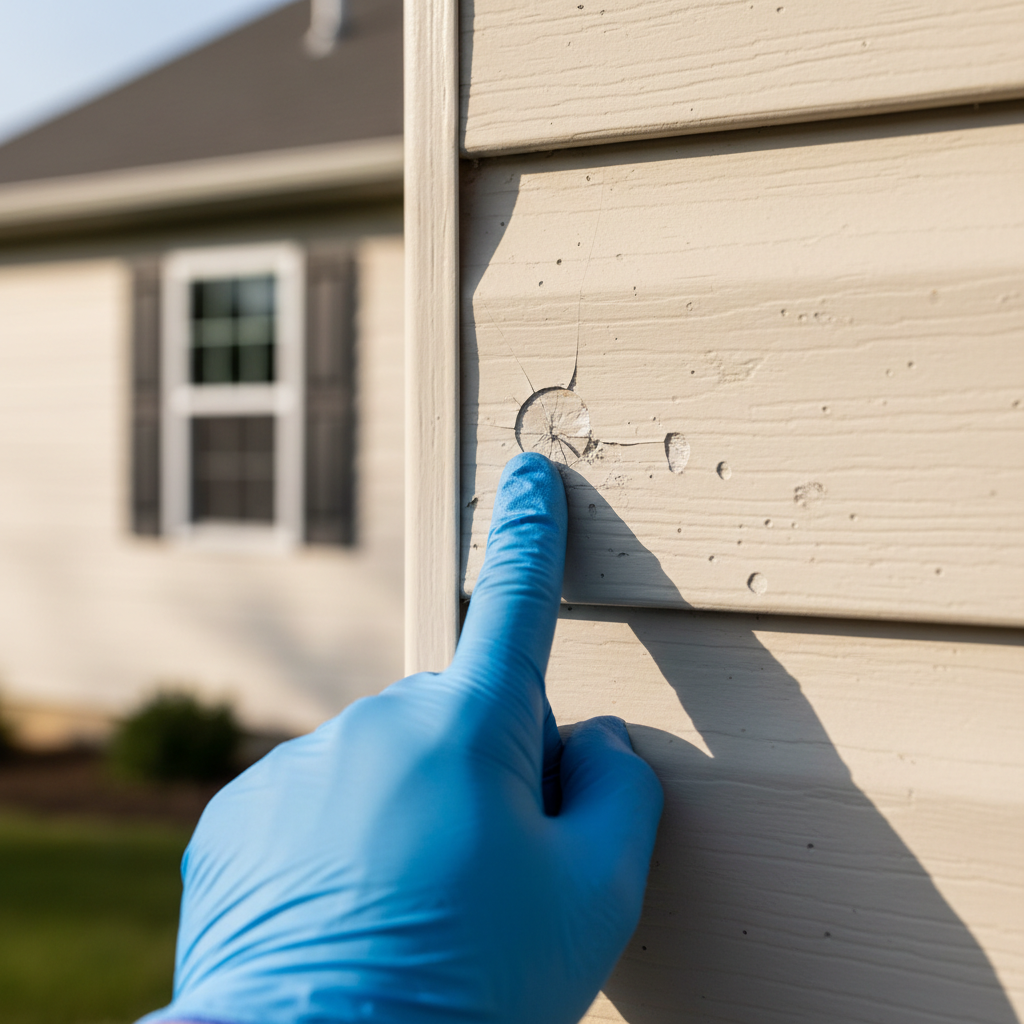
Identify Siding Type and Assess Extent — Determine if your siding is vinyl, aluminum, wood, or fiber cement. For vinyl, look for cracks, chips, or impact marks that show white stress areas. For aluminum, look for dents, dings, or punctures. Wood siding might have splintering, gouges, or deep nicks. Fiber cement can show chipped corners or spiderweb cracks. Note the size of the damaged area and count the number of affected panels or boards.
-
Carefully Remove Damaged Siding Panel (Vinyl/Aluminum) — If you have vinyl or aluminum siding and are replacing a single panel, you'll need a siding removal tool (or zip tool). Insert the hooked end under the damaged panel's bottom lip and pull down to release it from the panel below. Slide the tool along the length to unzipper it. Once the bottom is free, you can gently pry up the top nail hem of the damaged panel and remove the nails with a pry bar.
- Tools: Siding zip tool, hammer, pry bar.
- If the damage is extensive: Do not attempt widespread removal yourself; this is usually a job for a professional.
-
Prepare the Area and Backer (If Needed) — Before installing the new panel, inspect the sheathing underneath. If it's wet or damaged, it must be dried thoroughly or repaired before new siding goes on. For minor dents on aluminum, you might try a dent-pulling suction cup, but success is limited.
- For wood siding: Clean out any splinters or loose debris. Use exterior wood filler for small dings, ensuring it's paintable and weather-resistant.
-
Install New Siding Panel (Vinyl/Aluminum) — Position the new panel, ensuring its top nail hem aligns with the previous fasteners. Secure the panel with galvanized siding nails, driving them straight but leaving about 1/32 to 1/16 inch of space between the nail head and the siding. This allows for thermal expansion and contraction. Finally, use the zip tool to hook the bottom lip of the new panel onto the top lip of the panel below and snap it into place.
- Material: Matching replacement siding panel (ensure color match is exact).
-
Repair Wood Siding (Minor Damage) — For small gouges or dings in wood siding, clean the area and apply a high-quality exterior wood filler. Once dry, sand it smooth with 120-grit sandpaper and prime the area. Finish with two coats of exterior paint matching your existing siding. For deep splinters, you may need wood glue and clamps before filling.
- Materials: Exterior wood filler, 120-grit sandpaper, exterior primer, exterior paint.
-
Repair Fiber Cement Siding (Small Chips/Cracks) — For minor chips, clean the area and use an exterior-grade caulk or patching compound designed for fiber cement. Smooth it flush with the surface, allow it to cure, and then touch up with exterior paint. For larger cracks, a professional will likely need to replace the panel.
- Materials: Exterior caulk/patching compound for fiber cement, exterior paint.
Common Causes
- Hail Impact: The primary and most obvious cause is weather-related hail storms, which vary in intensity, hail size, and wind speed. Large, wind-driven hail can cause significant damage. Small hail over an extended period can lead to cumulative, harder-to-spot damage.
- Existing Siding Weakness: Older siding, improperly installed siding, or siding already weakened by UV exposure or previous minor impacts can be more susceptible to hail damage.
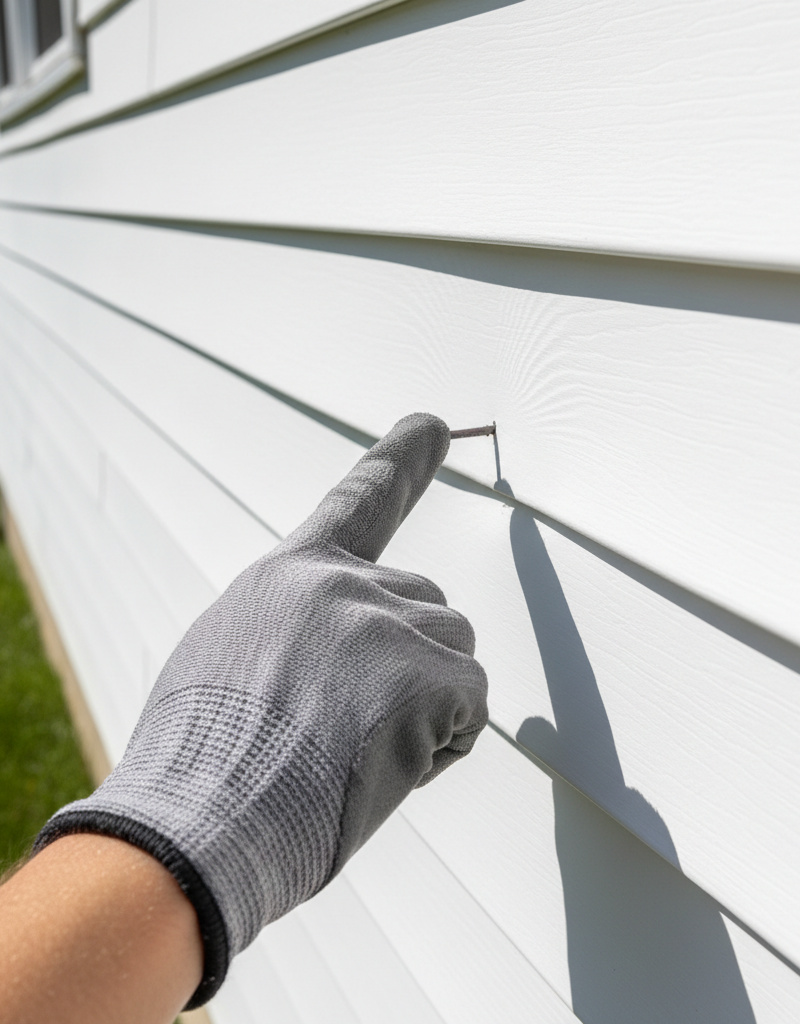
- Poor Installation: Siding not installed according to manufacturer specifications (e.g., nails too tight on vinyl siding preventing expansion) can make it more prone to cracking or buckling from impact.
- Building Orientation: Sides of the house directly facing the prevailing winds during a hail storm will typically sustain more damage.
- Lack of Maintenance: Infrequent cleaning or minor repairs can lead to siding degradation, making it less resilient to impacts.
Common Mistakes
- Delaying Inspection & Reporting: The biggest mistake. Most insurance policies have time limits for filing claims. Delaying can result in denied claims, and secondary damage (like rot from water intrusion) may not be covered if the initial damage wasn't reported promptly.
- Ignoring Minor Damage: Small dents or cracks might seem cosmetic, but they can be entry points for water, leading to much larger, more expensive problems like mold, rot, and structural damage over time.
- Not Documenting Thoroughly: Without extensive photos and videos, it becomes your word against the insurance adjuster's. Comprehensive documentation is your strongest ally.
- Attempting Extensive DIY Repairs Without Experience: While small patch-ups are DIY-friendly, replacing multiple panels or repairing large sections of specialty siding is best left to professionals. Incorrect repairs can void warranties or lead to further issues.
- Disposing of Damaged Materials Too Soon: Keep a sample of your damaged siding, especially if it's an older or unique type. This helps adjusters with assessments and ensures you get truly matching replacements.
- Not Inspecting Beyond Siding: Hail rarely damages only siding. Always check for damage to gutters, window screens, trim, and potentially the roof. A comprehensive claim covers all related damage.
Cost & Time Breakdown
| Task | DIY Cost | Pro Cost | Time |
|---|---|---|---|
| Initial Inspection & Docs | $0 | $0 (DIY) / $150-$500 (Pro) | 30 min – 2 hours |
| Single Vinyl/Aluminum Panel | $10–$50 | N/A (DIY) | 30 min – 1 hour |
| Wood Siding Patch (few spots) | $20–$75 | N/A (DIY) | 1–2 hours |
| Fiber Cement Patch (few spots) | $20–$50 | N/A (DIY) | 1–1.5 hours |
| Extensive Siding Repair/Replacement | $500–$5,000+ (materials) | $5,000–$25,000+ (full job) | 1–5 days |
| Insurance Claim Process | $0 | $0 | 1–4 weeks (total) |
Tips & Prevention
- Regular Inspections: After any severe weather, do a quick visual check of your home's exterior. Early detection prevents minor issues from becoming major ones.
- Maintain Gutters: Clogged gutters can lead to water overflow, weakening siding and making it more susceptible to future hail damage.
- Trim Trees: Overhanging branches can become projectiles in high winds, compounding hail damage. Keep trees trimmed back from your home.
- Know Your Insurance Policy: Understand your deductible, coverage limits, and the claims process before a storm hits. This saves valuable time when you need to file.
- Consider Storm-Resistant Siding: If you live in a hail-prone area and are planning a siding replacement, research impact-resistant siding options (e.g., certain fiber cement or thick vinyl products) to minimize future damage.
- Annual Home Check-up: Have a professional inspect your home's exterior annually. They can spot small issues before a storm exposes them.
When to Call a Professional
While minor siding repairs are within the scope of a handy homeowner, there are definitive signs to call a professional. If you have widespread damage affecting multiple sides of your home or large sections of siding, a professional siding contractor is essential for proper replacement and to ensure warranty compliance. Any suspected damage to the home's underlying structure, such as soft spots in the sheathing, significant water intrusion, or mold growth, warrants immediate professional attention from both a contractor and potentially an environmental specialist. Furthermore, if you are uncomfortable working at heights on a ladder, or if the damaged siding is made of a material like stucco or a non-standard composite that requires specialized tools or expertise, it's always safer and more effective to hire a licensed and insured professional. They also have experience navigating insurance claims.
Related Articles
Keep troubleshooting with these hand-picked guides from FixlyGuide:
- The Invisible Hail Damage Mistake Most Homeowners Make (And How to Spot It) — Discover how to accurately assess hail damage on your home's siding, understand its hidden impacts, and perform essential repairs to protec…
- Is That Hail Damage to Your Siding—Or Something Worse? (And How to Know For Sure) — Distinguishing hail damage from other siding issues is crucial for proper repair and insurance claims. Learn how to identify hail damage an…
- The #1 Mistake Homeowners Make After Finding Missing Shingles (And How to Fix It Right) — Discover the crucial steps to take after a storm rips shingles from your roof, ensuring a proper, lasting repair and preventing costly futu…
- The One Mistake Homeowners Make When Shingles Blow Off (And How to Fix It Right) — After a storm, finding missing roof shingles can be alarming. Learn the critical mistake homeowners often make and how to properly assess a…
- Is That Hail Damage on Your Siding? 5 Hidden Signs Most Homeowners Miss — Discover how to inspect your siding for hidden hail damage, understand the different types, and navigate the repair or replacement process.
- The #1 Mistake Homeowners Make With HVAC Filters (And How Often to Really Change Them) — Discover the crucial mistake most homeowners make with HVAC filters and the specific schedule you should follow to avoid costly HVAC issues…
Questions to ask before you sign
Ask every contractor the same questions and the cheapest bid stops looking cheapest. Check them off as you go — your progress is saved on this device.
Free, no signup. Bring this to every walkthrough so you compare bids on the same terms.
What should this project cost?
Enter your project details for a realistic cost range before you call anyone.
Spot repairs commonly run $400–$1,800; full replacement typically $9,000–$18,000 for an average home.
- Regional adjustment
- National average
- Labor share (typical)
- ~$2,948
- Quotes to collect
- 3 written estimates
Educational estimate based on national averages — not a binding quote. Always confirm with written local estimates.
Fixly Project Decision Box
- DIY difficulty
- Professional Recommended
- Estimated time
- Inspection 1–2 hours · repairs 1–3 days
- Cost level
- High
Main tools / materials
- Binoculars for a ground-level look
- Flashlight for attic checks
- Moisture meter
- Roofing cement (temporary patch only)
When to stop and call a pro
- Active leak near lights, fans, or any wiring
- Sagging, bulging, or water-filled ceiling
- Steep, wet, or two-story roof — do not climb it
- Storm or hail damage you plan to claim on insurance
Need professional help?
Free roof assessment first — no phone calls until you ask for them.
Get Local Roofing HelpGet help with your roof now
Stay off the roof. These free tools help you protect the house and reach the right professional fast.
- Emergency repair checklistThe first steps that limit damage before a pro arrives.Open
- Repair or replace your roof?Answer 10 questions about age, leaks, and damage to get a clear next step.Open
- Get local estimatesSend one request and compare written estimates from vetted pros.Open
Free, no signup required. Estimates are educational guidance, not a quote or an inspection.
Get the print-ready PDF of this guide
A clean, ad-free, printable version you can keep on your phone or pin to the workshop wall. Free with a FixlyGuide account.
- Print-optimized layout
- Tools, materials & every step included
- Saved to your account
Frequently asked questions
How soon after a hail storm should I inspect my siding?+
You should inspect your siding as soon as it's safe to do so after a hail storm, ideally within 24-48 hours. Many insurance policies have strict deadlines for reporting damage, and immediate inspection helps prevent secondary issues like water damage from escalating.
Will my home insurance cover hail damage to siding?+
Most standard homeowner's insurance policies cover hail damage as a peril. However, coverage specifics, deductibles, and depreciation factors vary by policy. It's crucial to review your policy and contact your insurer promptly after discovering damage.
Can I repair hail damage to my siding myself?+
Minor hail damage, like small dents in aluminum or a single cracked vinyl panel, can often be repaired by a DIY-savvy homeowner. However, extensive damage, underlying structural concerns, or unfamiliar siding types should be addressed by a professional contractor to ensure proper repair and warranty compliance.
What if I don't see any obvious damage after a hail storm?+
Even if no obvious damage is visible from the ground, it's wise to perform a thorough close-up inspection or have a professional do it. Small stress cracks or subtle dents can worsen over time and allow water intrusion, leading to hidden, costly issues.
How do I choose a contractor for hail damage repair?+
Look for licensed and insured contractors with experience in hail damage repair and a solid local reputation. Get multiple quotes, check references, and ensure they are familiar with working with insurance companies. Avoid contractors who pressure you or ask for large upfront payments.
Discussion
Loading comments…