- The Invisible Hail Damage Mistake Most Homeowners Make (And How to Spot It) — Discover how to accurately assess hail damage on your home's siding, understand its hidden impacts, and perform essential repairs to protec…
- Is That Hail Damage to Your Siding—Or Something Worse? (And How to Know For Sure) — Distinguishing hail damage from other siding issues is crucial for proper repair and insurance claims. Learn how to identify hail damage an…
- Is That Hail Damage on Your Siding? 5 Hidden Signs Most Homeowners Miss — Discover how to inspect your siding for hidden hail damage, understand the different types, and navigate the repair or replacement process.
- Is Your Siding Hiding Hail Damage? The Inspection Secret Most Homeowners Miss — Discover how to meticulously inspect your siding for hidden hail damage, understand the different types of impact, and perform effective re…
- The One Mistake Homeowners Make When Shingles Blow Off (And How to Fix It Right) — After a storm, finding missing roof shingles can be alarming. Learn the critical mistake homeowners often make and how to properly assess a…
Roofing · Hail damage
| Project category | Roofing |
|---|---|
| Problem type | Hail damage |
| Trade required | Roofing |
| Urgency | Urgent — within days |
| Safety risk | Moderate safety risk |
| DIY suitability | Licensed pro only |
| Cost category | High cost |
| Typical timeline | Inspection within days; claim and build often several weeks |
| Contractor type | Licensed roofing contractor |
Repair option
Spot repair for isolated slopes with limited impact marks.
Replacement option
Insurance-scope replacement when impacts exceed the carrier threshold per square.
Common causes
- Impact bruising that knocked granules loose
- Cracked mat under the surface, not visible from the ground
- Damaged soft metals: vents, gutters, flashing
Relevant tools:repair or replace roofcompare quotes
Published June 6, 2026Last updated August 17, 2026
Tools & materials you'll need
Affiliate linksAs an Amazon Associate FixlyGuide earns from qualifying purchases — at no extra cost to you. Prices and availability are accurate as of publication and subject to change.
Quick Answer
Hail damage to siding can range from cosmetic dimples to significant cracks, compromising your home's protection against the elements. The quickest way to assess involves a methodical inspection of all siding sections, particularly focusing on vinyl, aluminum, and wood, and looking for dents, chips, and fractures, especially on sun-facing sides. Minor damage, such as small dents in aluminum or superficial scuffs on vinyl, might be a DIY fix involving patching or panel replacement. However, extensive damage, hidden structural issues, or subtle fractures that impact the siding's integrity necessitates a professional evaluation and potentially an insurance claim to prevent future water intrusion, mold, and rot.
The Problem
Recent severe weather has left you wondering about your home's siding. You've walked around, maybe seen a few dings, or perhaps nothing obvious at all. The real problem isn't just the visible damage; it's the invisible or misinterpreted damage that can lead to far greater issues down the line. A small impact from hail might not immediately crack a vinyl panel, but it can weaken the material, making it brittle and prone to shattering with the next temperature fluctuation or minor impact. Aluminum siding can suffer subtle, hard-to-spot indentations that compromise its protective coating. Wood siding, while more resilient to minor hail, can still experience gouges, splintering, or compromised paint finishes that expose the underlying wood to moisture, accelerating decay. The core issue is that homeowners often underestimate the long-term consequences of hail damage, leading to delayed repairs, increased repair costs, and potential structural problems if moisture finds its way behind compromised siding.
Ignoring or improperly assessing hail damage can escalate a relatively minor repair into a major, costly ordeal. Small cracks or pinholes become entry points for water, leading to hidden mold growth, rot in sheathing and framing, and compromised insulation—all problems that are far more expensive and invasive to fix than the initial siding repair. Furthermore, if you wait too long, your insurance company might deny a claim, citing 'pre-existing damage' or 'lack of timely notification.' Therefore, understanding how hail affects different siding materials and knowing the critical steps for accurate assessment and timely repair is crucial for protecting your investment and maintaining your home's structural integrity.
How It Works
Hailstones are essentially chunks of ice ranging in size from peas to golf balls or even softballs, generated by powerful updrafts in thunderstorms. When these frozen projectiles strike your home's exterior, the impact force is distributed across the surface of the siding material. The resulting damage depends on several factors: the size, density, and velocity of the hailstones; the direction of the wind during the storm; the angle of impact; and crucially, the type and age of your siding material.
-
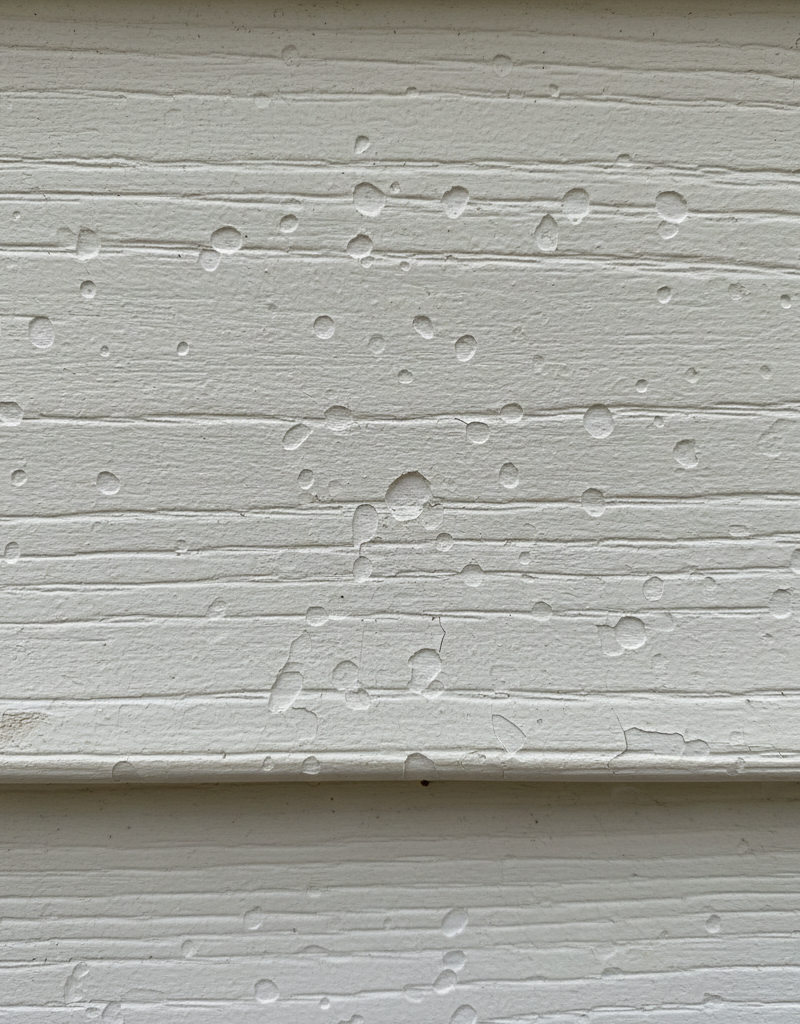
Vinyl Siding: This popular material is made from PVC (polyvinyl chloride). When struck by hail, vinyl siding can develop stress cracks, circular fractures, or small punctures. Older, sun-exposed vinyl siding becomes more brittle over time due to UV degradation, making it more susceptible to cracking on impact than newer, more flexible panels. The most common sign on vinyl is a circular fracture or a starburst pattern, often near the edges of panels or around fastener points where the material is already under tension. Sometimes, the impact might only leave a 'bruise'—a discoloration or slight indentation that weakens the material without immediately breaking it.
-
Aluminum Siding: Aluminum siding is known for its durability, but it's prone to denting from hail. Unlike vinyl's cracking, aluminum will show dimples or pockmarks. The severity of the dent depends on the hailstone's size and impact force. These dents, while often appearing cosmetic, can compromise the siding's protective paint or coating, leading to accelerated corrosion over time if the underlying metal is exposed. Looking for shadows or reflections at different angles can help reveal these subtle indentations.
-
Wood Siding: Wood siding (clapboard, shingles, shakes) reacts to hail by splintering, chipping, or creating gouges. The damage is often more localized and visible. The softer the wood, the more pronounced the impact marks will be. Hail can also chip away at paint or stain finishes, exposing the bare wood to moisture and UV radiation, which can lead to rot, mold, and premature deterioration of the finish. Pressure-treated wood or harder species might show less visible damage initially but can still have compromised finishes.
-
Fiber Cement Siding: This material, a blend of cement, sand, and cellulose fibers, is very durable. Hail impacts typically result in chipped edges, surface spalling (flaking), or small pockmarks where the hailstone has broken off a piece of the cementitious surface. While very resistant, severe hail can cause through-cracks, especially if the panels are older or have underlying installation issues. The dense nature of fiber cement means impacts are often sharp and create visible craters.
Regardless of the material, the underlying mechanism is the transfer of kinetic energy from the hailstone to the siding. This energy can exceed the material's local yield strength, causing deformation or fracture. The crucial aspect for homeowners is to understand that even subtle damage can compromise the weatherproofing envelope of their home, paving the way for more significant problems down the line.
Step-by-Step Fix
1. Safety First — Before you begin any inspection or repair, prioritize your safety.
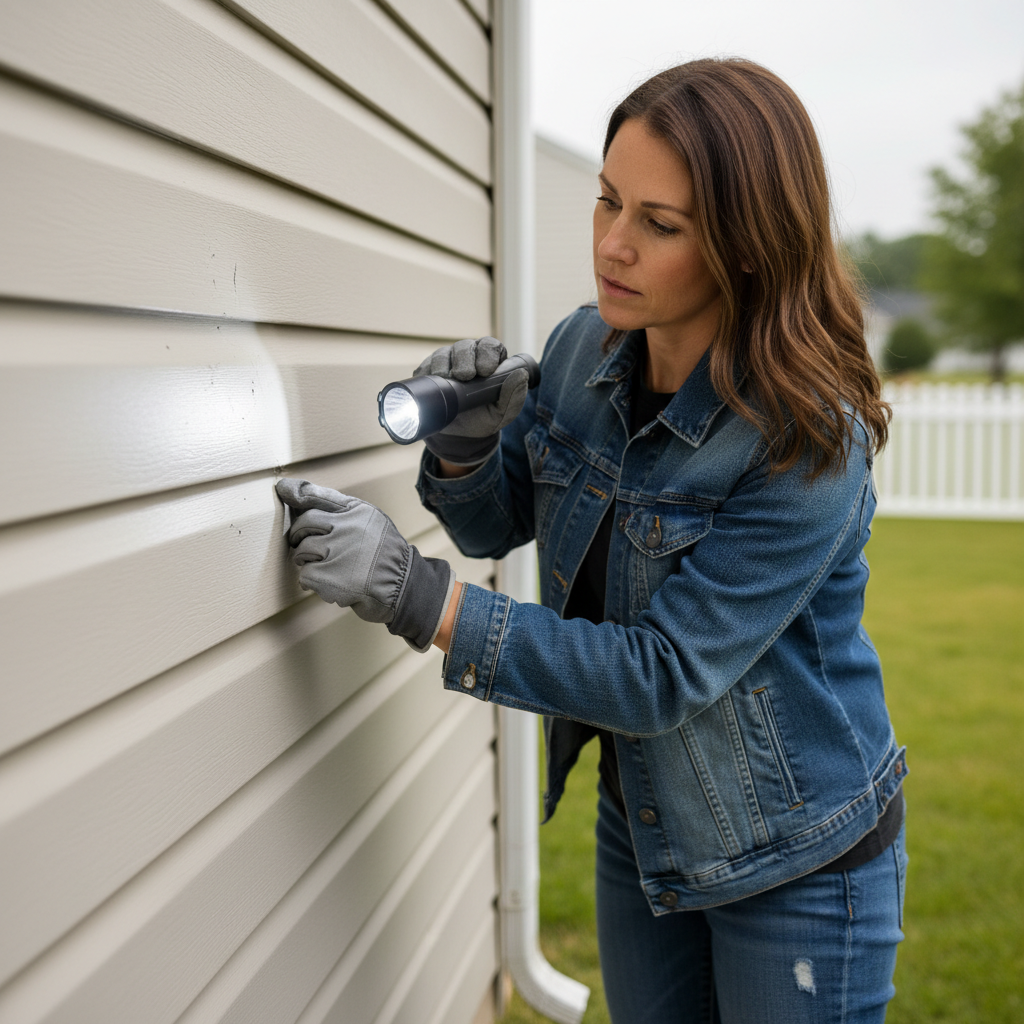
- Always wear sturdy, non-slip shoes. If using a ladder, ensure it's on stable, level ground and properly secured. Have a spotter if climbing to significant heights. Avoid working during strong winds, rain, or icy conditions. Be mindful of overhead power lines and tree branches. Wear appropriate work gloves and eye protection throughout the process.
- If you suspect structural damage or are uncomfortable working at heights, stop and call a professional for inspection.
2. Document the Damage Thoroughly — Before touching anything, gather comprehensive evidence for insurance.
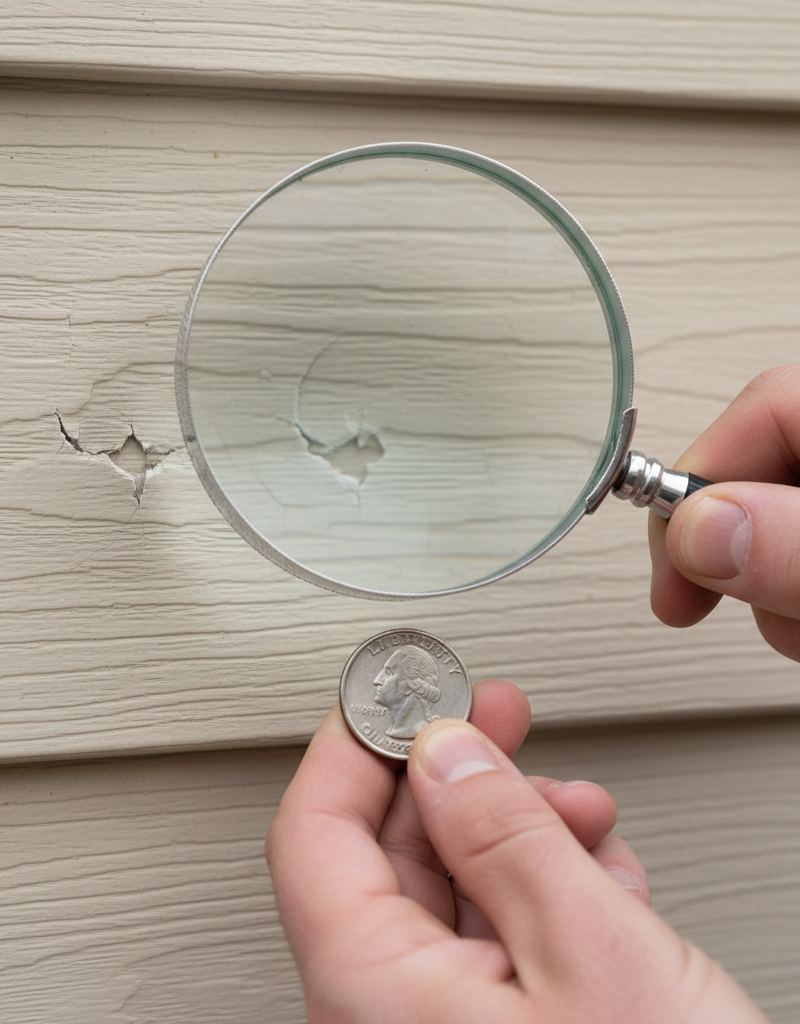
- Take numerous high-resolution photos and videos. Capture wide shots of your entire home from different angles, then zoom in on every piece of damaged siding. Include a ruler or common object (like a coin) in close-up shots to show the scale of the damage. Note the date and time of the photos. Walk around your entire property, not just the side facing the storm, as wind can swirl hail.
- Check other exterior elements: Look for damage on your roof, gutters, downspouts, windows, window screens, outdoor HVAC unit fins, and even your car. This can corroborate the extent of the hail event.
3. Clean the Damaged Area — Ensure a clean surface for accurate assessment and repair.
- Gently brush off any loose debris, dirt, or stuck hail fragments from the siding using a soft-bristle brush or rag. For tougher grime, a mild soap and water solution can be used, but ensure the area is completely dry before proceeding with any repairs. A clean surface allows for better adhesion of patches and clearer visibility of subtle damage.
4. Assess Vinyl Siding Damage — Identify cracks, fractures, and weakened areas.
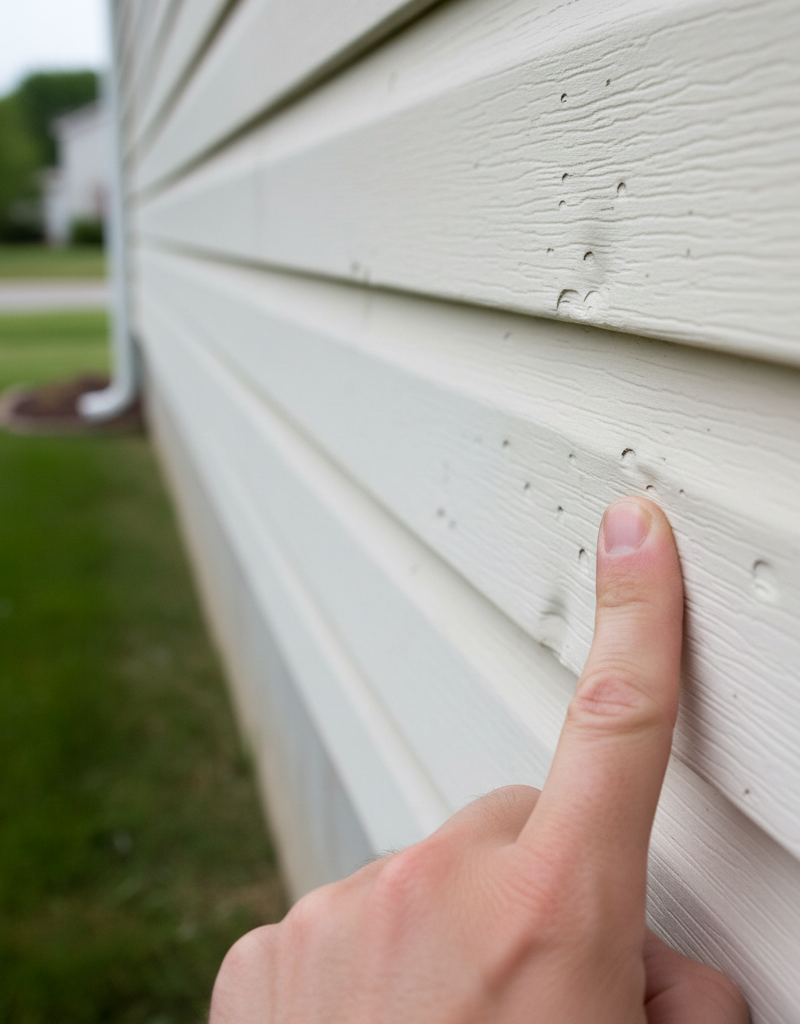
- Inspect for Cracks and Starbursts: Look closely for small, circular cracks (often called starbursts) or linear fractures, especially around the nail hems or where the panel is attached. Gently press on suspected areas with a gloved finger; if it feels brittle or makes a cracking sound, it's damaged. Check all four sides of your home – sometimes damage is more concentrated on one side depending on wind direction.
- Check for Discoloration/Bruising: Sometimes, the impact doesn't immediately crack the vinyl but leaves a discolored or slightly raised/depressed area. This indicates the integrity of the vinyl has been compromised. Over time, these areas can become brittle and break.
- If minor (less than 1 inch crack): You may attempt a small patch with a vinyl siding repair kit or color-matched caulk designed for vinyl. Clean the area thoroughly, then apply the patch material according to manufacturer instructions. This is a temporary cosmetic fix and often fails to prevent future issues.
- If larger or multiple cracks: Individual panel replacement is the best option. You'll need a siding zip tool to unhook the damaged panel, remove it, and snap a new one into place. Ensure the nails are not driven too tightly, allowing for thermal expansion and contraction.
5. Repair Dents in Aluminum Siding — Address cosmetic and protective coating compromises.
- Identify Dimples and Dents: Walk along the siding, looking at it from different angles and in varying light conditions. The shadows cast by dents will make them more apparent. Rub a gloved hand over the surface to feel for subtle indentations. Pay close attention to corners and edges, which can be more susceptible to creasing.
- For Small Dents (dime-sized or smaller): A body filler kit designed for metals can be used. Clean the area, lightly sand to rough up the surface for adhesion, apply filler, sand smooth once dry, and then carefully touch up with color-matched exterior paint. This is often an aesthetic fix and may not restore total weather resistance.
- For Larger Dents or Creases: Panel replacement is usually the most effective method. Aluminum siding panels interlock, similar to vinyl. You may need a specialized tool or technique to carefully pry up the overlapping panel above the damaged one, remove fasteners, and replace the old panel with a new one. Ensure the new panel is secured properly and overlaps correctly.
6. Address Wood Siding Damage — Repair splintering, gouges, and compromised finishes.
- Splinters and Small Gouges: For minor splintering, carefully apply waterproof wood glue and clamp the splinter back into place until dry. For small gouges, use exterior-grade wood filler. Apply the filler, let it dry, sand smooth, and then prime and paint to match the existing siding.
- Deep Gouges or Cracks: These indicate significant material removal or weakening. If the damage is localized to a small area of a single board, you might be able to cut out the damaged section and patch in a new piece of wood, ensuring proper flashing and sealing. However, for significant damage to a board, full board replacement is recommended. Carefully remove the damaged board, preparing the underlying surface, and install a new, pre-primed or pre-painted board, ensuring it matches the profile and finish.
- Finish Compromises: If hail has chipped away paint or stain, clean the area, lightly sand any rough edges, prime the exposed wood, and then apply two coats of high-quality exterior paint or stain, ensuring good color matching.
7. Inspect and Repair Fiber Cement Siding — Handle chips, spalling, and cracks.
- Chips and Minor Pockmarks: Clean the area thoroughly. For small chips, a fiber cement patching compound or exterior-grade caulk can be used. Apply the compound, smooth it flush with the surface, let it dry, and then touch up with color-matched exterior paint. Ensure the patch is completely sealed against moisture.
- Spalling (Surface Flaking): If the damage is extensive spalling over a large area, it indicates significant impact or compromised material. While small areas can be patched, extensive spalling often means the entire board's integrity is compromised, warranting replacement.
- Through-Cracks: Any crack that goes through the fiber cement board is a significant issue and likely requires board replacement. Water can easily penetrate these cracks. Carefully remove the damaged board, ensuring no damage to adjacent boards or the moisture barrier, and install a new, factory-primed board, fastening it according to manufacturer specifications and sealing all joints.
8. Apply Sealant and Paint — Protect exposed areas and ensure a consistent finish.
- Once repairs are made and thoroughly dry (if using fillers or patches), apply a high-quality exterior sealant (paintable silicone or polyurethane caulk) to any seams, joints, or around patches to prevent water infiltration. Ensure the sealant is properly tooled for a smooth, watertight finish. If needed, prime and paint the repaired areas with a color-matched exterior paint. Apply at least two thin coats for durability, allowing adequate drying time between coats.
Common Causes
- Severe Thunderstorms with Hail: This is, by far, the most direct and obvious cause. Storms with strong updrafts can generate large hail, and high winds during these storms can increase the impact force. The direction of the wind plays a crucial role in determining which sides of the home will experience the most significant damage. Often, the windward side of the house (the side facing into the storm) will show the most concentrated damage.
- Siding Material and Age: The type and age of your siding greatly influence its susceptibility to hail damage. Older vinyl siding, exposed to years of UV radiation, becomes brittle and cracks more easily than new, flexible vinyl. Thinner aluminum siding gauges are more prone to denting than thicker ones. Wood siding's vulnerability depends on its hardness and the integrity of its protective finish. Fiber cement, while robust, can still chip and crack under extreme impact, especially if its surface is worn.
- Installation Quality: Poor installation can exacerbate hail damage. If vinyl siding panels are nailed too tightly, they can't expand and contract properly with temperature changes, leading to increased stress and susceptibility to cracking from impact. Similarly, improperly fastened wood or fiber cement boards can experience more significant movement and damage when struck by hail.
- Lack of Maintenance: While not a direct cause of hail, neglected siding—such as wood siding with peeling paint or unsealed fiber cement—is more vulnerable. Hail impacts that chip away at a compromised finish expose the underlying material directly to the elements, leading to faster deterioration.
Common Mistakes
- Not Inspecting All Sides of the Home: Many homeowners only check the most obvious side of their house (e.g., the front). Hail and wind can come from any direction, and damage can be concentrated on specific, less visible sides or even on overhangs and soffits.
- Underestimating Subtle Damage: Small dents, minor cracks, or 'bruises' might seem cosmetic, but they can compromise the siding's weatherproofing. These areas can become entry points for water, leading to hidden rot, mold, and further material degradation over time.
- Delaying Inspection and Reporting to Insurance: Waiting too long (e.g., months or years) after a storm can lead to insurance claim denials. Most policies have a time limit for reporting damage, and it becomes harder to prove the damage was recent hail vs. general wear and tear.
- Attempting DIY Repairs Beyond Skill Level: While minor repairs are achievable, attempting to replace entire sections of siding, especially with complex interlocking systems or at significant heights, without proper tools or experience can lead to improper installation, further damage, or personal injury. Incorrectly installed siding can leave your home vulnerable to water intrusion.
- Not Documenting Damage Properly: Insufficient photos, lack of close-ups with scale, or incomplete documentation can weaken an insurance claim. A thorough visual record is essential.
- Painting Over Damaged Vinyl Siding: Unlike wood or fiber cement, vinyl siding is designed to be colored throughout the material. Painting it can cause adhesion issues, lead to peeling, and does not address the underlying structural damage of the vinyl itself. It also voids many manufacturer warranties.
Cost & Time Breakdown
| Task | DIY cost | Pro cost | Time |
|---|---|---|---|
| Initial Inspection & Doc | $0 | $0 (for estimate) | 30 min – 2 hrs |
| Small Vinyl Patch/Caulk | $10–$30 | $150–$300 | 15–30 min |
| Single Vinyl Panel Replace | $30–$80 | $200–$400 | 30–60 min |
| Small Aluminum Dent Repair | $20–$50 | $150–$350 | 1–2 hrs |
| Single Aluminum Panel Replace | $40–$100 | $250–$500 | 1–2 hrs |
| Wood Siding Patch/Paint | $25–$75 | $200–$450 | 1–3 hrs |
| Full Siding Replacement | N/A (pro job) | $8,000–$25,000+ | 3–7 days |
Note: DIY costs are for materials only. Pro costs include labor and materials. Time estimates are active hands-on time.
Tips & Prevention
- Regular Inspections: After any significant storm, perform a perimeter walk-around inspection of your home. Get a second opinion from a reputable contractor, even if you don't see obvious damage, as they are trained to spot subtle issues. Annual inspections are a good habit.
- Siding Material Choice: When replacing siding, consider hail-resistant options. While no siding is hail-proof, thicker gauge vinyl, impact-resistant fiber cement, or some composite materials offer better protection. Discuss hail resistance ratings with your contractor.
- Maintain Your Siding: Keep wood siding painted or stained, and inspect sealants regularly to ensure no gaps or cracks. Clean siding periodically to prevent buildup that can hide underlying damage or exacerbate deterioration. Good maintenance ensures your siding is in optimal condition to withstand future impacts.
- Trim Trees and Shrubs: Overhanging branches can collect hailstones and then drop them with increased force onto your siding and roof, or rub against the siding in strong winds, causing secondary damage that might be mistaken for hail. Keep vegetation trimmed away from your home's exterior.
- Keep Insurance Up-to-Date: Regularly review your homeowner's insurance policy to understand your coverage for hail damage, your deductible, and the claims process. This ensures you're prepared if a severe storm hits.
- Document Before & After: If possible, have clear photos of your siding before any damage occurs. This
Related Articles
Keep troubleshooting with these hand-picked guides from FixlyGuide:
- The Invisible Hail Damage Mistake Most Homeowners Make (And How to Spot It) — Discover how to accurately assess hail damage on your home's siding, understand its hidden impacts, and perform essential repairs to protec…
- Is That Hail Damage to Your Siding—Or Something Worse? (And How to Know For Sure) — Distinguishing hail damage from other siding issues is crucial for proper repair and insurance claims. Learn how to identify hail damage an…
- Is That Hail Damage on Your Siding? 5 Hidden Signs Most Homeowners Miss — Discover how to inspect your siding for hidden hail damage, understand the different types, and navigate the repair or replacement process.
- Is Your Siding Hiding Hail Damage? The Inspection Secret Most Homeowners Miss — Discover how to meticulously inspect your siding for hidden hail damage, understand the different types of impact, and perform effective re…
- The One Mistake Homeowners Make When Shingles Blow Off (And How to Fix It Right) — After a storm, finding missing roof shingles can be alarming. Learn the critical mistake homeowners often make and how to properly assess a…
- The #1 HVAC Mistake Costing You Hundreds (And How Often to Really Change Your Filter) — Discover the crucial mistake most homeowners make with HVAC filters, leading to higher energy bills, poor air quality, and system damage. L…
Should you do this yourself?
Answer five quick questions before you start. Safety outranks savings every time.
Your experience with work like this
How high do you have to work?
Does the job involve any of these?
Will it need a permit?
Specialty tools
Free and instant. Educational guidance only — not a quote, inspection, or professional diagnosis.
Questions to ask before you sign
Ask every contractor the same questions and the cheapest bid stops looking cheapest. Check them off as you go — your progress is saved on this device.
Free, no signup. Bring this to every walkthrough so you compare bids on the same terms.
What should this project cost?
Enter your project details for a realistic cost range before you call anyone.
Spot repairs commonly run $400–$1,800; full replacement typically $9,000–$18,000 for an average home.
- Regional adjustment
- National average
- Labor share (typical)
- ~$2,948
- Quotes to collect
- 3 written estimates
Educational estimate based on national averages — not a binding quote. Always confirm with written local estimates.
Fixly Project Decision Box
- DIY difficulty
- Professional Recommended
- Estimated time
- Inspection 1–2 hours · repairs 1–3 days
- Cost level
- High
Main tools / materials
- Binoculars for a ground-level look
- Flashlight for attic checks
- Moisture meter
- Roofing cement (temporary patch only)
When to stop and call a pro
- Active leak near lights, fans, or any wiring
- Sagging, bulging, or water-filled ceiling
- Steep, wet, or two-story roof — do not climb it
- Storm or hail damage you plan to claim on insurance
Need professional help?
Free roof assessment first — no phone calls until you ask for them.
Get Local Roofing HelpGet help with your roof now
Stay off the roof. These free tools help you protect the house and reach the right professional fast.
- Emergency repair checklistThe first steps that limit damage before a pro arrives.Open
- Repair or replace your roof?Answer 10 questions about age, leaks, and damage to get a clear next step.Open
- Get local estimatesSend one request and compare written estimates from vetted pros.Open
Free, no signup required. Estimates are educational guidance, not a quote or an inspection.
Frequently asked questions
How do you check for hail damage on siding?+
To check for hail damage, perform a thorough visual inspection of all sides of your home, paying close attention to sun-facing walls. Look for circular cracks or starburst patterns on vinyl, dimples or dents on aluminum, and chips or gouges on wood or fiber cement. Use varying light angles and gently feel for subtle imperfections. Don't forget to check gutters, downspouts, and window frames as well.
What kind of hail will damage siding?+
Hail as small as 1 inch in diameter (quarter-sized) can cause noticeable damage to siding, especially older or more brittle materials. Larger hail (golf ball-sized or greater) often causes extensive damage, including cracks, punctures, and significant denting across all siding types. Wind speed during the storm significantly influences the impact force and severity of damage.
Is hail damage on siding covered by insurance?+
Most standard homeowner's insurance policies cover hail damage to siding, as it's typically considered a sudden and accidental peril. However, coverage limits, deductibles, and depreciation can affect your payout. It's crucial to report the damage promptly after the storm, as delays can lead to claim denial. Always refer to your specific policy details or contact your insurance provider directly.
Can you repair hail damaged vinyl siding?+
Yes, minor hail damage to vinyl siding, such as small cracks or scuffs, can sometimes be repaired with a vinyl siding repair kit or color-matched caulk. For larger cracks or sections with multiple impacts, replacing the individual damaged panel or panels is the most effective and aesthetically pleasing solution. A siding zip tool is essential for this task.
Discussion
Loading comments…