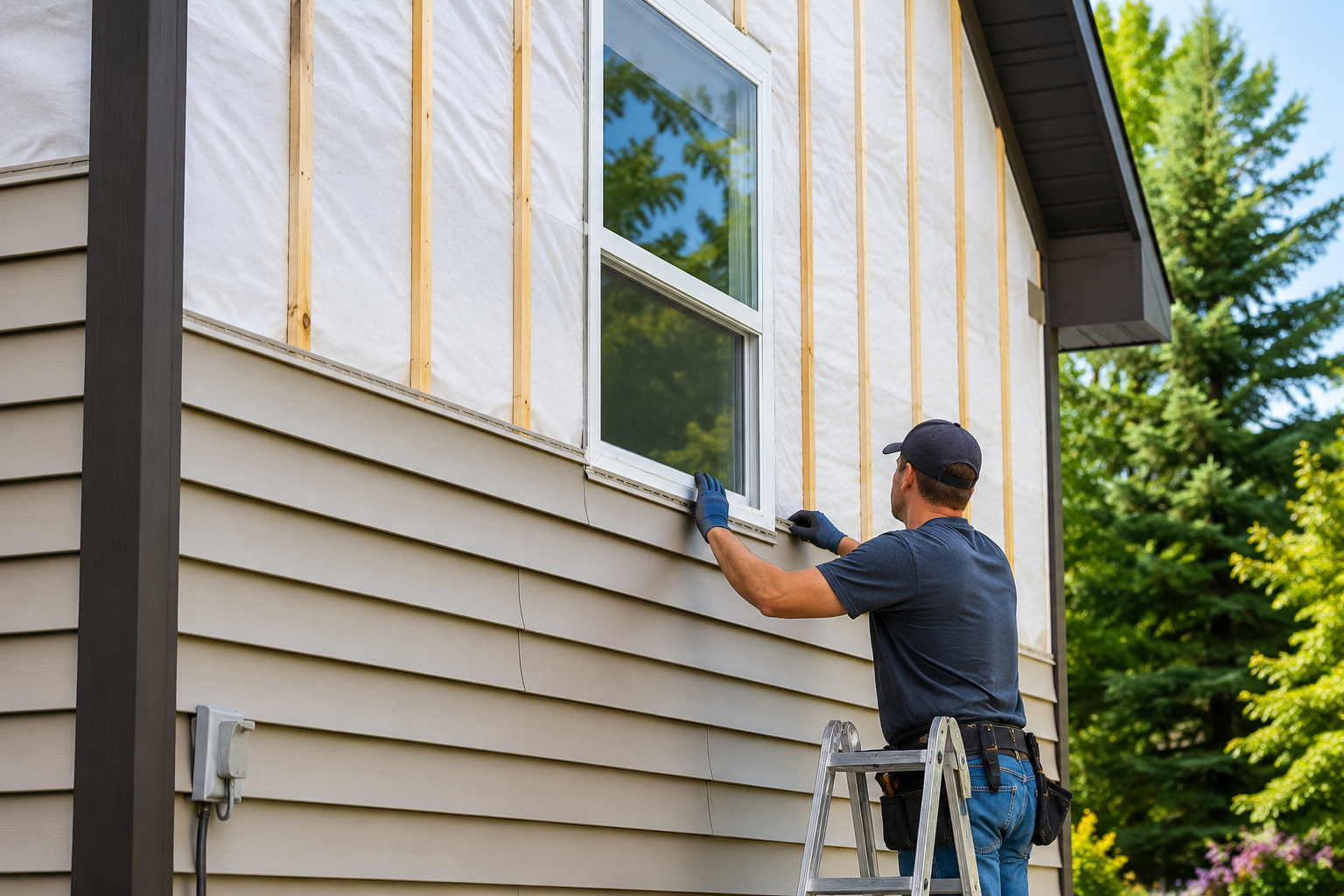
- Cracked or broken siding panels
- Faded or peeling exterior
- Soft spots around windows or doors
- Higher heating and cooling bills
- Water damage inside exterior walls
Roofing · Aging roof
| Project category | Roofing |
|---|---|
| Problem type | Aging roof |
| Trade required | Roofing |
| Urgency | Planned project |
| Safety risk | Low safety risk |
| DIY suitability | Pro recommended |
| Cost category | High cost |
| Typical timeline | Plan 4–12 weeks ahead for scheduling and material lead time |
| Contractor type | Licensed roofing contractor |
Repair option
Maintenance repairs to buy a season or two while you budget.
Replacement option
Planned replacement, which is almost always cheaper than a leak-driven emergency.
Common causes
- Normal weathering past the shingle service life
- Poor attic ventilation cooking the shingles from below
- Repeated repairs on the same slopes
Relevant tools:repair or replace roofproject cost estimatorhome improvement material prices
Published July 30, 2026Last updated August 17, 2026
Tools & materials you'll need
Affiliate links- AmazonLicensed siding contractor
As an Amazon Associate FixlyGuide earns from qualifying purchases — at no extra cost to you. Prices and availability are accurate as of publication and subject to change.
Quick Answer
In 2026, most homeowners pay $8,000 to $25,000 to replace their siding. Vinyl runs $8,000–$18,000 installed, engineered wood (LP SmartSide) $10,000–$22,000, fiber cement (James Hardie) $12,000–$25,000, and cedar $14,000–$30,000. Labor accounts for 40–60% of the total, and removing old siding adds $1,000–$4,000.
Introduction
Your home's siding is its first line of defense against rain, wind, heat, cold, and pests. It also plays a major role in curb appeal, energy efficiency, and overall home value. Over time, siding can crack, warp, fade, or become damaged, making replacement a worthwhile investment for many homeowners.
In 2026, the average siding replacement cost ranges from $8,000 to $25,000, depending on your home's size, the type of siding you choose, labor costs, and the condition of the existing exterior.
Whether you're considering affordable vinyl siding, durable fiber cement, engineered wood, or premium materials, understanding today's costs will help you budget for one of the most valuable exterior improvements you can make.
This guide explains average siding replacement costs, compares the most popular siding materials, outlines installation expenses, and provides expert advice for choosing the best siding for your home.
Average Siding Replacement Cost in 2026
Most homeowners spend between $8,000 and $25,000 for a complete siding replacement.
| Siding Material | Average Installed Cost |
|---|---|
| Vinyl siding | $8,000–$18,000 |
| Engineered wood (LP SmartSide) | $10,000–$22,000 |
| Fiber cement (James Hardie) | $12,000–$25,000 |
| Cedar wood siding | $14,000–$30,000 |
| Aluminum siding | $9,000–$20,000 |
| Steel siding | $12,000–$28,000 |
| Brick veneer | $18,000–$40,000+ |
| Stone veneer | $20,000–$50,000+ |
Your final price depends on:
- Home size
- Number of stories
- Siding material
- Labor costs
- Existing siding removal
- Repairs to damaged sheathing
- Trim replacement
- Insulation upgrades
- Local building codes
Signs It's Time to Replace Your Siding
Replacing your siding before serious structural damage occurs can save thousands of dollars in future repairs.
Common warning signs include:
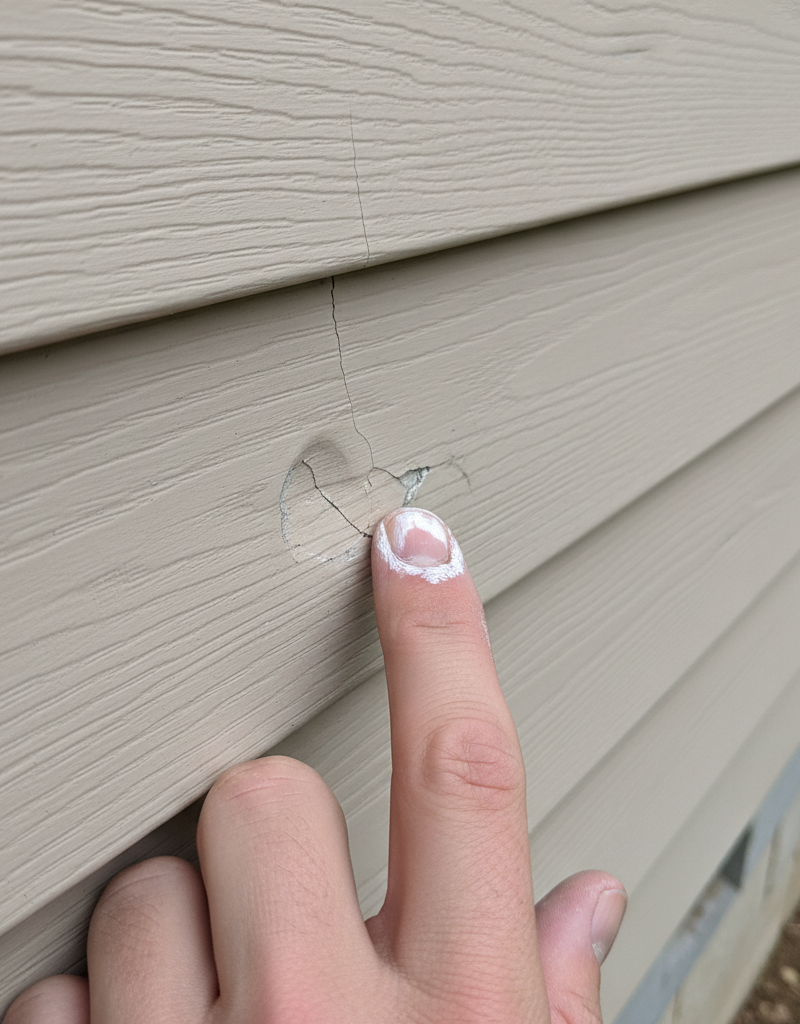
- Cracked or broken siding panels
- Warped or buckled siding
- Rotting wood siding
- Loose or missing panels
- Faded or peeling exterior
- Mold or mildew growth
- Soft spots around windows or doors
- Higher heating and cooling bills
- Water damage inside exterior walls
- Frequent repainting or maintenance
Ignoring damaged siding can allow moisture to reach the wall framing, leading to rot, mold, and expensive structural repairs.
How Long Does Siding Last?
The lifespan depends largely on the material and how well it's maintained.
| Material | Typical Lifespan |
|---|---|
| Vinyl siding | 20–40 years |
| Fiber cement siding | 30–50 years |
| Engineered wood siding | 20–30 years |
| Cedar siding | 20–40 years |
| Aluminum siding | 30–50 years |
| Steel siding | 40–70 years |
| Brick veneer | 50+ years |
| Stone veneer | 50+ years |
Proper maintenance, regular inspections, and prompt repairs can help maximize the life of your home's exterior.
What Affects the Cost of Siding Replacement?
While most homeowners spend between $8,000 and $25,000 replacing their siding, the final cost depends on several important factors. The type of material you choose, your home's size, labor costs, and any hidden damage discovered during installation all play a role in the total price.
Siding Material
The siding material you choose has the biggest impact on your project's overall cost.
Vinyl siding — $8,000–$18,000 installed. Vinyl remains America's most popular siding because it's affordable, low maintenance, and available in many colors and styles.
- Lowest installation cost
- No painting required
- Resistant to moisture and insects
- Wide variety of colors
- Easy maintenance
Fiber cement siding (James Hardie) — $12,000–$25,000 installed. Fiber cement offers exceptional durability and a premium appearance.
- Fire resistant
- Rot resistant
- Pest resistant
- Extremely durable
- Excellent curb appeal
- Long lifespan (30–50 years)
Because fiber cement is heavier than vinyl, installation requires additional labor and specialized tools.
Engineered wood siding (LP SmartSide) — $10,000–$22,000 installed. Engineered wood combines the appearance of real wood with modern durability.
- Natural wood appearance
- Impact resistant
- Easier installation than fiber cement
- Resistant to fungal decay
- Strong manufacturer warranties
Cedar wood siding — $14,000–$30,000 installed. Cedar provides timeless beauty but requires regular maintenance.
Pros: classic appearance, natural insulation, environmentally friendly. Cons: regular staining or painting, higher maintenance costs, susceptible to moisture if neglected.
Metal siding — $9,000–$28,000 installed. Steel and aluminum siding offer outstanding durability with minimal maintenance.
- Fire resistant
- Insect resistant
- Long lifespan
- Excellent weather resistance
Home Size
Larger homes require more siding materials and additional labor.
| Home Size | Typical Installed Cost |
|---|---|
| 1,000 sq. ft. | $6,000–$12,000 |
| 1,500 sq. ft. | $8,000–$16,000 |
| 2,000 sq. ft. | $10,000–$20,000 |
| 2,500 sq. ft. | $12,000–$25,000 |
| 3,000+ sq. ft. | $15,000–$35,000+ |
Homes with multiple stories, dormers, gables, or complex architectural features generally cost more due to the increased labor involved.
Labor Costs
Professional siding installation typically accounts for 40% to 60% of the total project cost, generally running $3–$10 per square foot.
Labor costs increase when:
- Removing old siding
- Repairing damaged sheathing
- Installing moisture barriers
- Working on multi-story homes
- Access is limited
- Premium siding materials require specialized installation
Hiring an experienced contractor ensures your siding is installed correctly, maximizing its lifespan and manufacturer warranty.
Removing Existing Siding
Old siding usually needs to be removed before new materials are installed. Typical removal costs run $1,000–$4,000, depending on the existing siding type, number of layers, disposal fees, accessibility, and local landfill costs.
Hidden Structural Repairs
Once the old siding is removed, contractors sometimes discover hidden issues such as rotten sheathing, water damage, mold, insect damage, or structural framing problems. Repair costs may range from $500 to $5,000+.
While unexpected, addressing these issues during siding replacement helps prevent much more expensive repairs later.
Additional Upgrades
Many homeowners complete other exterior improvements while replacing their siding:
- House wrap installation
- Exterior insulation
- Window trim replacement
- Fascia and soffit replacement
- New gutters
- Exterior painting (for trim)
- Decorative stone accents
Bundling these improvements into one project can often reduce overall labor costs and improve your home's appearance and energy efficiency.
Choosing the Right Siding for Your Home
Selecting the right siding involves more than comparing prices. You should also consider durability, maintenance requirements, energy efficiency, climate, and the overall appearance you want for your home.
Vinyl Siding
Vinyl siding is an excellent choice for homeowners looking for affordability and low maintenance. It's best if you want the lowest upfront cost, minimal maintenance, a wide variety of colors and styles, fast installation, and good overall durability. Vinyl never needs painting and can typically be cleaned with a garden hose or pressure washer.
Fiber Cement Siding
Fiber cement, including brands like James Hardie®, is one of the most durable siding materials available. It's ideal if you want outstanding durability, fire resistance, excellent weather protection, premium curb appeal, and long-term value.
Although installation costs are higher, fiber cement siding often delivers one of the best returns on investment due to its longevity and attractive appearance.
Engineered Wood Siding
Engineered wood siding, such as LP® SmartSide®, offers the warmth of natural wood with improved resistance to moisture, termites, and fungal decay.
- Authentic wood appearance
- Strong impact resistance
- Lower maintenance than traditional wood
- Easier installation than fiber cement
- Excellent manufacturer warranties
It provides a great balance between beauty, durability, and affordability.
Metal Siding
Steel and aluminum siding are increasingly popular for modern homes and regions with harsh weather conditions. They offer fire resistance, pest resistance, excellent durability, minimal maintenance, and a long lifespan — a strong fit for a contemporary look with long-lasting performance.
Ways to Save Money on Siding Replacement
Replacing your siding is a major investment, but there are several ways to reduce overall costs without sacrificing quality:
- Get estimates from at least three reputable contractors.
- Schedule your project during slower seasons when contractors may offer discounts.
- Choose materials that fit both your budget and long-term maintenance goals.
- Bundle siding replacement with window or gutter installation to reduce labor costs.
- Ask about manufacturer rebates or financing programs.
- Address small repairs before they become major structural problems.
- Invest in quality installation to avoid costly repairs later.
The cheapest bid isn't always the best value. Quality workmanship often saves money over the life of your siding.
Does New Siding Increase Home Value?
Yes. New siding is one of the most valuable exterior improvements homeowners can make.
- Improved curb appeal
- Higher resale value
- Better energy efficiency
- Reduced maintenance costs
- Improved weather protection
- Increased buyer confidence
- Lower risk of moisture damage
Many homeowners recover a significant portion of their investment when selling, especially with premium siding materials like fiber cement.
Repair vs. Replace
Minor siding damage can often be repaired, but replacement is usually the better option if:
- Large sections are cracked or warped
- Moisture has reached the wall structure
- Mold or rot is present
- The siding has reached the end of its expected lifespan
- Repairs have become frequent
- You want to improve your home's energy efficiency and appearance
If more than 25–30% of your siding is damaged, replacing the entire exterior is often the most cost-effective long-term solution.
Expert Tips
To maximize the value of your siding investment:
- Choose materials suited to your local climate.
- Hire an experienced, licensed siding contractor.
- Compare at least three detailed estimates.
- Ask about manufacturer warranties and workmanship guarantees.
- Replace damaged sheathing and flashing during installation.
- Install a high-quality moisture barrier behind the siding.
- Clean your siding annually to maintain its appearance.
- Inspect caulking, trim, and exterior seals every year.
Proper installation is just as important as choosing the right siding material.
Final Thoughts
Replacing your home's siding is one of the best investments you can make for protecting your property, improving energy efficiency, and enhancing curb appeal. Whether you choose affordable vinyl, durable engineered wood, premium fiber cement, or another material, quality installation and regular maintenance will help your new siding last for decades.
By understanding the factors that influence siding replacement costs, comparing material options, and working with a trusted contractor, you can confidently choose the best solution for your home and budget.
Questions to ask before you sign
Ask every contractor the same questions and the cheapest bid stops looking cheapest. Check them off as you go — your progress is saved on this device.
Free, no signup. Bring this to every walkthrough so you compare bids on the same terms.
What should this project cost?
Enter your project details for a realistic cost range before you call anyone.
Spot repairs commonly run $400–$1,800; full replacement typically $9,000–$18,000 for an average home.
- Regional adjustment
- National average
- Labor share (typical)
- ~$2,948
- Quotes to collect
- 3 written estimates
Educational estimate based on national averages — not a binding quote. Always confirm with written local estimates.
Price your roof project
Check the numbers in this guide against your own roof and ZIP code.
- Repair or replace your roof?Answer 10 questions about age, leaks, and damage to get a clear next step.Open
- Estimate this projectGet a cost range for your scope and ZIP before you call anyone.Open
Free, no signup required. Estimates are educational guidance, not a quote or an inspection.
Frequently asked questions
How much does it cost to replace siding in 2026?+
The average siding replacement cost in 2026 ranges from $8,000 to $25,000 for most homes. The total price depends on the size of your home, the siding material selected, labor costs, and whether repairs to the underlying structure are needed. Premium materials like fiber cement, brick veneer, and stone veneer generally cost more than vinyl or engineered wood.
What is the most affordable siding option?+
Vinyl siding is typically the least expensive siding material, at roughly $8,000–$18,000 installed. It offers lower installation costs, minimal maintenance, moisture resistance, a wide selection of colors and styles, and good durability — an excellent balance of affordability, appearance, and longevity for budget-conscious homeowners.
Is fiber cement siding worth the extra cost?+
For many homeowners, yes. Fiber cement siding offers outstanding durability, fire resistance, resistance to rot and termites, excellent weather protection, high curb appeal, and a 30–50 year service life. Although it has a higher upfront cost, its longevity and low maintenance requirements often make it a worthwhile investment.
How long does siding replacement take?+
Most siding replacement projects take one to two weeks. The timeline depends on home size, number of stories, weather conditions, material availability, repairs discovered after removing the old siding, and overall project complexity. Larger or custom homes may require additional time.
Can new siding improve energy efficiency?+
Yes. Replacing old siding provides an opportunity to install modern weather barriers, exterior insulation, better flashing, and air sealing improvements. Together, these upgrades can reduce air leaks, improve indoor comfort, and lower heating and cooling costs.
Should I replace my siding before selling my home?+
In many cases, yes. Replacing worn or damaged siding improves curb appeal, increases buyer confidence, produces better inspection results, reduces maintenance concerns, and raises perceived home value. If your siding is badly faded, cracked, warped, or damaged, replacement can help your home stand out in a competitive market.
Discussion
Loading comments…