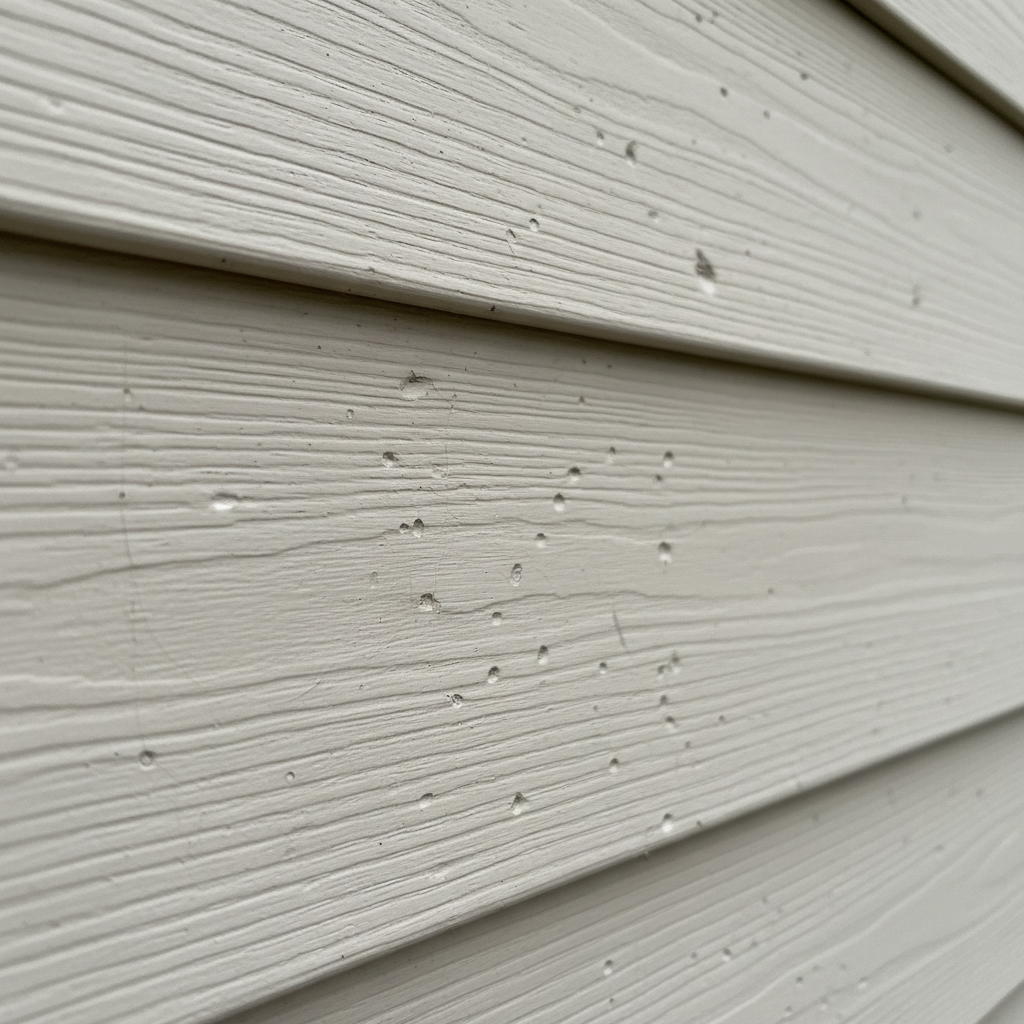
- Hail Impact: This one’s the obvious culprit, but the size, density, and speed of the hail all matter. Big, dense hailstones with high winds do the worst damage.
- Wind-Driven Debris: Hailstorms usually bring strong wind with them, and that means branches, lawn furniture, or other junk can get thrown into your siding and cause extra damage.
- Existing Siding Condition: Older siding, especially vinyl that’s gotten brittle from years of UV exposure, is way more likely to crack or shatter from even small hail.
- Improper Installation: Siding that wasn’t installed right — panels too tight, not enough fasteners — can buckle or crack more easily when hail hits or when the wind starts pushing on it.
Roofing · Hail damage
| Project category | Roofing |
|---|---|
| Problem type | Hail damage |
| Trade required | Roofing |
| Urgency | Urgent — within days |
| Safety risk | Moderate safety risk |
| DIY suitability | Licensed pro only |
| Cost category | High cost |
| Typical timeline | Inspection within days; claim and build often several weeks |
| Contractor type | Licensed roofing contractor |
Repair option
Spot repair for isolated slopes with limited impact marks.
Replacement option
Insurance-scope replacement when impacts exceed the carrier threshold per square.
Common causes
- Impact bruising that knocked granules loose
- Cracked mat under the surface, not visible from the ground
- Damaged soft metals: vents, gutters, flashing
Relevant tools:repair or replace roofcompare quotes
Published July 29, 2026Last updated August 17, 2026
Tools & materials you'll need
Affiliate links- AmazonPermanent markerTo circle subtle damage for photos
As an Amazon Associate FixlyGuide earns from qualifying purchases — at no extra cost to you. Prices and availability are accurate as of publication and subject to change.
Quick Answer
Hail damage to siding usually isn't obvious right away, especially if the hailstones were small. You’re looking for dents, cracks, chips, and sometimes full-on punctures. First thing I’d do is inspect the siding safely after the storm and document everything with a pile of photos and notes. Then call your home insurance provider and start the claims process, because most policies do cover hail damage. They’ll walk you through getting a professional estimate for repairs or a full replacement.
The Problem
I’ve seen it a hundred times after a nasty storm blows through — homeowners step outside, glance at the roof, and figure they got lucky. Then a few weeks later the calls start rolling in: “Hey Mike, my siding looks… off.” That’s hail for you. It’s sneaky. What looks like a couple small dings can actually be widespread damage that messes with the siding’s integrity and turns into bigger trouble later. We’re talking water intrusion, mold, and rot if you let it sit.
Most people picture giant golf-ball-sized hail ripping holes, but even pea-sized hail driven by strong wind can leave subtle damage. Vinyl siding can crack or dimple, aluminum can dent, and even fiber cement can chip or lose granules on painted surfaces. The real issue isn’t just looks; it’s your home’s protection layer taking a beating. That’s why a careful inspection matters, and fast action matters even more before a small problem turns into a mess.
How It Works
Your home’s siding isn’t just there to look nice; it’s the first line of defense against the weather. Think of it like your house’s skin. Most residential siding—vinyl, aluminum, fiber cement, or wood—is built to shed water and protect the sheathing and framing underneath from moisture, pests, and UV radiation. When hail hits, it’s basically a high-impact projectile slamming into that protective layer.
Vinyl siding, since it’s a thermoplastic, can get brittle in cold weather. A hailstorm hitting when temperatures are, say, below 45°F, makes it a lot more likely to crack or shatter on impact instead of just denting. Even if it doesn’t break through, the impact can leave micro-fractures that weaken the material over time. Aluminum siding, on the other hand, is softer metal and usually dents, leaving those little semi-circular depressions. Those dents aren’t just ugly; they can affect how the panels lock together and shed water.
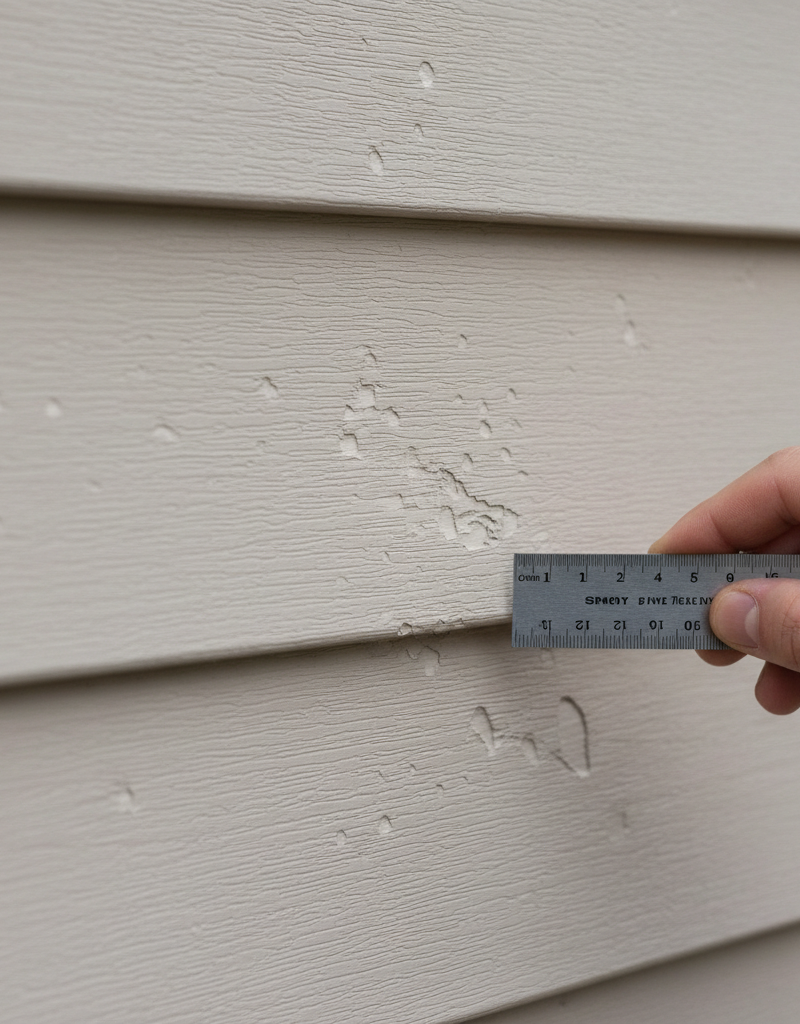
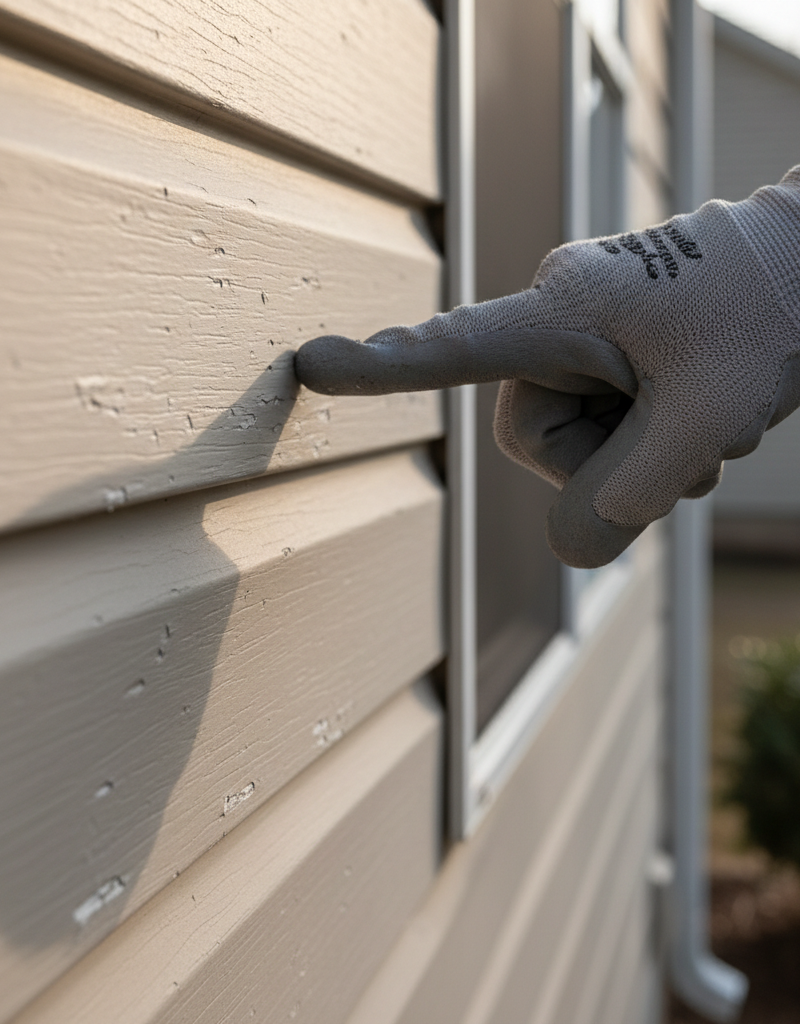
Fiber cement siding is rigid and dense. When hail hits it, you’ll usually see chips, scuffs, or pockmarks, especially on the painted finish. Wood siding, depending on the species and finish, might show scuffs, splintering, or dents. Doesn’t matter what the material is — repeated hail impact concentrates stress in the same spots, weakens the material, and can break the protective seal. That lets water sneak behind the siding, and that’s where dry rot and mold — the real silent killers — can get going. So no, you can’t just brush off those little dings. They’re often the doorway to bigger problems.
Step-by-Step Fix
Step 1: Safety First, Always — Before you even think about climbing a ladder, make sure the storm’s completely gone. Check for downed power lines or any other immediate hazards. If it’s still pouring or the wind’s howling, wait it out. I can’t say this hard enough — a siding repair isn’t worth a ride to the ER.
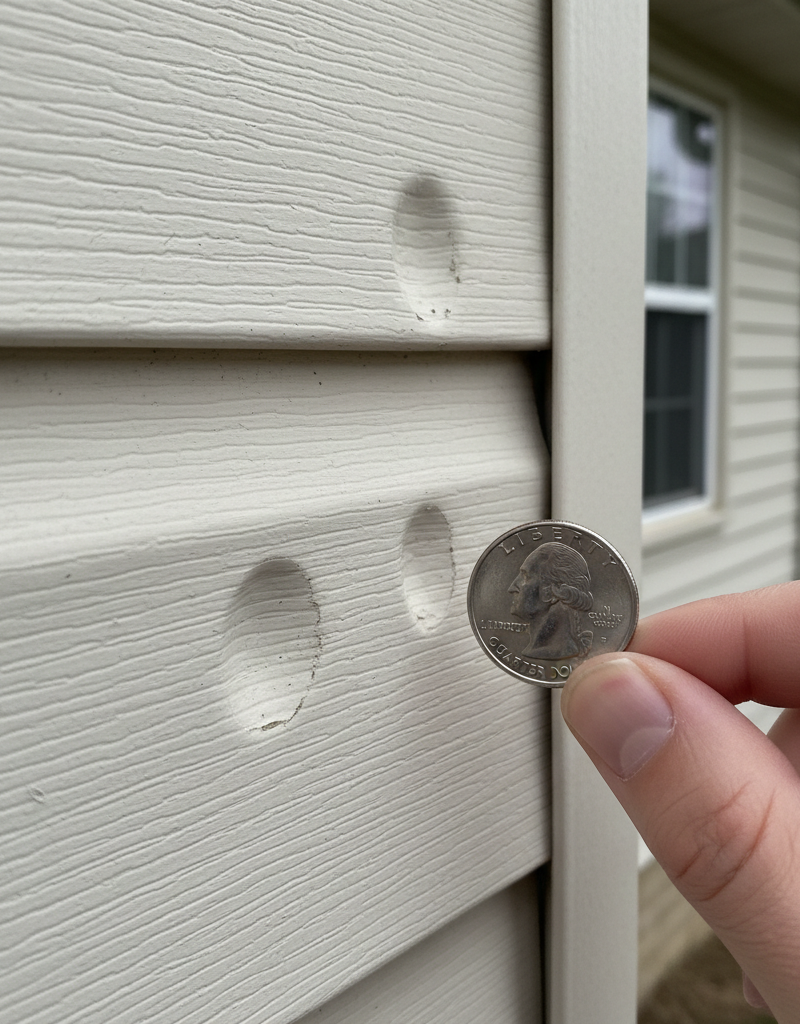
Step 2: Documentation is Your Friend — Grab your phone or a decent camera and start taking pictures and video from every angle you can reach. Get wide shots of the whole house, then zoom in on every questionable spot. Look for circular impact marks, cracks (especially spiderwebbing on vinyl), chips, and scuffs. Don’t skip the corners and trim, either. I had a homeowner in Brookhaven last year swear his siding was fine, but once I got my eyes on the corner trim, there were a dozen tiny cracks that were clearly hail hits. The insurance company leans hard on that kind of visual proof, so be thorough.
Step 3: Call Your Insurance Company — Don’t drag your feet here. Most policies have a time limit for filing claims, often around a year, but it’s smarter to call within days or weeks of the storm. They’ll open a claim, give you a claim number, and lay out their process. They’ll also tell you whether you need estimates first or if they’re sending an adjuster out right away.
Step 4: Get Professional Estimates — Even if your insurance company sends their own adjuster, it’s smart to get 2-3 estimates from reputable local contractors who know exterior repairs. Make sure they’re licensed and insured. A good contractor will spot damage you might miss — like subtle dimpling across a whole run of vinyl that points to cosmetic but widespread damage. Ask them to break out the cost for repair versus full replacement.
Step 5: Review Adjuster's Report — Once the insurance adjuster comes out, they’ll write up a report showing the damage they found and what they’re willing to cover. Compare that to your own photos and the contractor estimates. If there’s a big gap, don’t be shy about pushing back. Adjusters miss stuff sometimes, especially the smaller hail marks that don’t jump out at first glance. If you can, have your contractor walk the property with you and the adjuster.
Step 6: Choose a Contractor & Schedule Repairs — Don’t just grab the lowest number and call it a day. Look for reputation, hail claim experience, and plain old communication. A solid contractor will help with the insurance side and make sure the materials and workmanship hold up. They ought to give you a clear timeline, too.
Step 7: Monitor the Work — Once the repairs kick off, make sure the contractor is sticking to the scope of work you and the insurance company agreed on. If it’s a full siding replacement, make sure they’re using comparable or upgraded materials, depending on your policy. Speak up if something looks off.
Step 8: Final Inspection & Payment — Before you write the final check, walk the property with your contractor and look everything over. Does the color match? Are the panels straight and properly installed? Did they haul off the old materials? If it all checks out, then you can sign off and make that final payment.
Common Causes
- Hail Impact: This one’s the obvious culprit, but the size, density, and speed of the hail all matter. Big, dense hailstones with high winds do the worst damage.
- Wind-Driven Debris: Hailstorms usually bring strong wind with them, and that means branches, lawn furniture, or other junk can get thrown into your siding and cause extra damage.
- Existing Siding Condition: Older siding, especially vinyl that’s gotten brittle from years of UV exposure, is way more likely to crack or shatter from even small hail.
- Improper Installation: Siding that wasn’t installed right — panels too tight, not enough fasteners — can buckle or crack more easily when hail hits or when the wind starts pushing on it.
Common Mistakes
- Ignoring Small Dings: A lot of homeowners spot a couple minor dents and think
Related Articles
Keep troubleshooting with these hand-picked guides from FixlyGuide:
- The #1 Gutter Mistake You're Making (And 3 Hidden Causes of Overflow) — Overflowing gutters in heavy rain are often a sign of a deeper issue than just debris, leading to potential foundation damage and costly re…
- Is That Hail Damage on Your Siding? 5 Hidden Signs Most Homeowners Miss — Discover how to inspect your siding for hidden hail damage, understand the different types, and navigate the repair or replacement process.
- The #1 Mistake Homeowners Make After Finding Missing Shingles (And How to Fix It Right) — Discover the crucial steps to take after a storm rips shingles from your roof, ensuring a proper, lasting repair and preventing costly futu…
- The 3 Hidden Mistakes That Make Your Deck Sealer Fail (And How to Fix Them) — Properly sealing your wood deck protects it from the elements, but common mistakes often lead to early failure. Learn how to reseal your de…
- The #1 Reason Your Gutters Overflow (It's Not Clogging) — Discover the surprising true cause of overflowing gutters during heavy rain and how a simple fix can prevent costly water damage to your ho…
- The #1 Sprinkler Winterization Mistake That Leads to $1,000s in Damage — Discover the crucial mistake many homeowners make when winterizing sprinklers and how to properly blow out your system to prevent costly fr…
Should you do this yourself?
Answer five quick questions before you start. Safety outranks savings every time.
Your experience with work like this
How high do you have to work?
Does the job involve any of these?
Will it need a permit?
Specialty tools
Free and instant. Educational guidance only — not a quote, inspection, or professional diagnosis.
Questions to ask before you sign
Ask every contractor the same questions and the cheapest bid stops looking cheapest. Check them off as you go — your progress is saved on this device.
Free, no signup. Bring this to every walkthrough so you compare bids on the same terms.
What should this project cost?
Enter your project details for a realistic cost range before you call anyone.
Spot repairs commonly run $400–$1,800; full replacement typically $9,000–$18,000 for an average home.
- Regional adjustment
- National average
- Labor share (typical)
- ~$2,948
- Quotes to collect
- 3 written estimates
Educational estimate based on national averages — not a binding quote. Always confirm with written local estimates.
Fixly Project Decision Box
- DIY difficulty
- Professional Recommended
- Estimated time
- Inspection 1–2 hours · repairs 1–3 days
- Cost level
- High
Main tools / materials
- Binoculars for a ground-level look
- Flashlight for attic checks
- Moisture meter
- Roofing cement (temporary patch only)
When to stop and call a pro
- Active leak near lights, fans, or any wiring
- Sagging, bulging, or water-filled ceiling
- Steep, wet, or two-story roof — do not climb it
- Storm or hail damage you plan to claim on insurance
Need professional help?
Free roof assessment first — no phone calls until you ask for them.
Get Local Roofing HelpGet help with your roof now
Stay off the roof. These free tools help you protect the house and reach the right professional fast.
- Emergency repair checklistThe first steps that limit damage before a pro arrives.Open
- Repair or replace your roof?Answer 10 questions about age, leaks, and damage to get a clear next step.Open
- Get local estimatesSend one request and compare written estimates from vetted pros.Open
Free, no signup required. Estimates are educational guidance, not a quote or an inspection.
Frequently asked questions
How do I know if my siding has hail damage?+
Look for small circular dents, cracks, chips, or scuffs on your siding panels. The damage can be subtle, so inspect carefully from various angles, especially on the sunny side of the house. Don't forget trim and corners.
Will my homeowner's insurance cover hail damage?+
Most standard homeowner's insurance policies do cover hail damage to siding, as it's considered a sudden and accidental peril. However, deductibles apply, and it's always best to review your specific policy or call your agent.
Should I get my roof inspected too?+
Absolutely. If your siding has hail damage, there's a very high probability your roof has taken a hit too. Always get a professional roof inspection after any significant hailstorm, as roof damage is often harder to spot from the ground.
Can I repair hail-damaged siding myself?+
Minor surface scuffs or very small cosmetic dents might be within a DIYer's skill set, but widespread or structural damage usually requires professional repair or replacement. Improper DIY can void warranties or lead to bigger problems later.
How long do I have to file a hail damage claim?+
Most insurance policies have a time limit, often one year from the date of loss, but this can vary. It's always best to file a claim as soon as you discover the damage to avoid any issues.
What if only one side of my house is damaged?+
It's common for hail damage to be concentrated on one or two sides of a house, typically the sides most exposed to the storm's direction. Your insurance claim should cover all verified damage, regardless of its location on the home.
Will filing a claim raise my premiums?+
Filing a claim for a 'catastrophic' event like a hailstorm often has less impact on individual premiums than smaller, preventable claims. However, widespread claims in a geographical area can sometimes contribute to overall rate increases for everyone in that region. It's a valid concern to discuss with your agent.
What's the difference between cosmetic and functional damage?+
Cosmetic damage affects the appearance only—think small dents or scuffs that don't compromise the siding's integrity. Functional damage, like cracks or punctures, means the siding's ability to protect your home is compromised. Insurance companies may treat these differently; usually, functional damage is fully covered. Cosmetic claims can be trickier, but many states have regulations that require coverage for the exterior integrity of your home.
Discussion
Loading comments…