- Prepare for Inspection — Gather your tools and ensure you have proper safety gear.
- Tools: Sturdy ladder, chalk or painter's tape, digital camera or smartphone, notepad and pen, flashlight, binoculars (optional for high areas).
- Safety: Wear sturdy, non-slip shoes.
- Wait for Optimal Conditions — Perform your inspection during daylight hours, ideally on an overcast day.
- Why: Direct sunlight can create glare and shadows, making subtle damage harder to spot. Overcast conditions provide uniform lighting, highlighting texture changes and minute imperfections.
Roofing · Hail damage
| Project category | Roofing |
|---|---|
| Problem type | Hail damage |
| Trade required | Roofing |
| Urgency | Urgent — within days |
| Safety risk | Moderate safety risk |
| DIY suitability | Licensed pro only |
| Cost category | High cost |
| Typical timeline | Inspection within days; claim and build often several weeks |
| Contractor type | Licensed roofing contractor |
Repair option
Spot repair for isolated slopes with limited impact marks.
Replacement option
Insurance-scope replacement when impacts exceed the carrier threshold per square.
Common causes
- Impact bruising that knocked granules loose
- Cracked mat under the surface, not visible from the ground
- Damaged soft metals: vents, gutters, flashing
Relevant tools:repair or replace roofcompare quotes
Published July 21, 2026Last updated August 18, 2026
Tools & materials you'll need
Affiliate links- AmazonSturdy extension ladderEnsure it's rated for your height and weight, and always use it safely.
- AmazonDigital camera or smartphoneFor clear photo documentation of damage.
- AmazonNotepad and penFor detailed notes on damage locations and types.
- AmazonFlashlightTo create raking light for spotting subtle dents and cracks.
- AmazonSafety glassesTo protect eyes from debris.
As an Amazon Associate FixlyGuide earns from qualifying purchases — at no extra cost to you. Prices and availability are accurate as of publication and subject to change.
Quick Answer
After a hail event, carefully inspect your siding for common signs of damage like cracks, chips, discoloration, and dents, especially on south- and west-facing walls. Collect photographic evidence, measure the impacted areas, and create a detailed record. Small, superficial blemishes might be a DIY fix, but for widespread damage, structural concerns, or if you suspect water intrusion, contact your homeowner's insurance company and a professional siding contractor immediately for an expert assessment and repair.
The Problem
Hailstorms can strike quickly and leave a lasting, often hidden, trail of damage on your home's exterior, especially your siding. While obvious holes or shattered panels are easy to spot, many types of hail damage are subtle, appearing as small dents, chips, or cracks that can be easily overlooked. This isn't just an aesthetic issue; even minor damage can compromise your siding's ability to protect your home from moisture, leading to severe problems like wood rot, mold, and structural decay down the line. Ignoring these seemingly minor imperfections can turn a relatively simple repair into a costly, complex nightmare involving extensive remediation. The challenge for homeowners is knowing how to thoroughly inspect for and accurately assess this damage, distinguishing between superficial blemishes and issues that demand professional intervention or an insurance claim.
How It Works
Understanding how different types of siding react to hail is key to effective inspection.
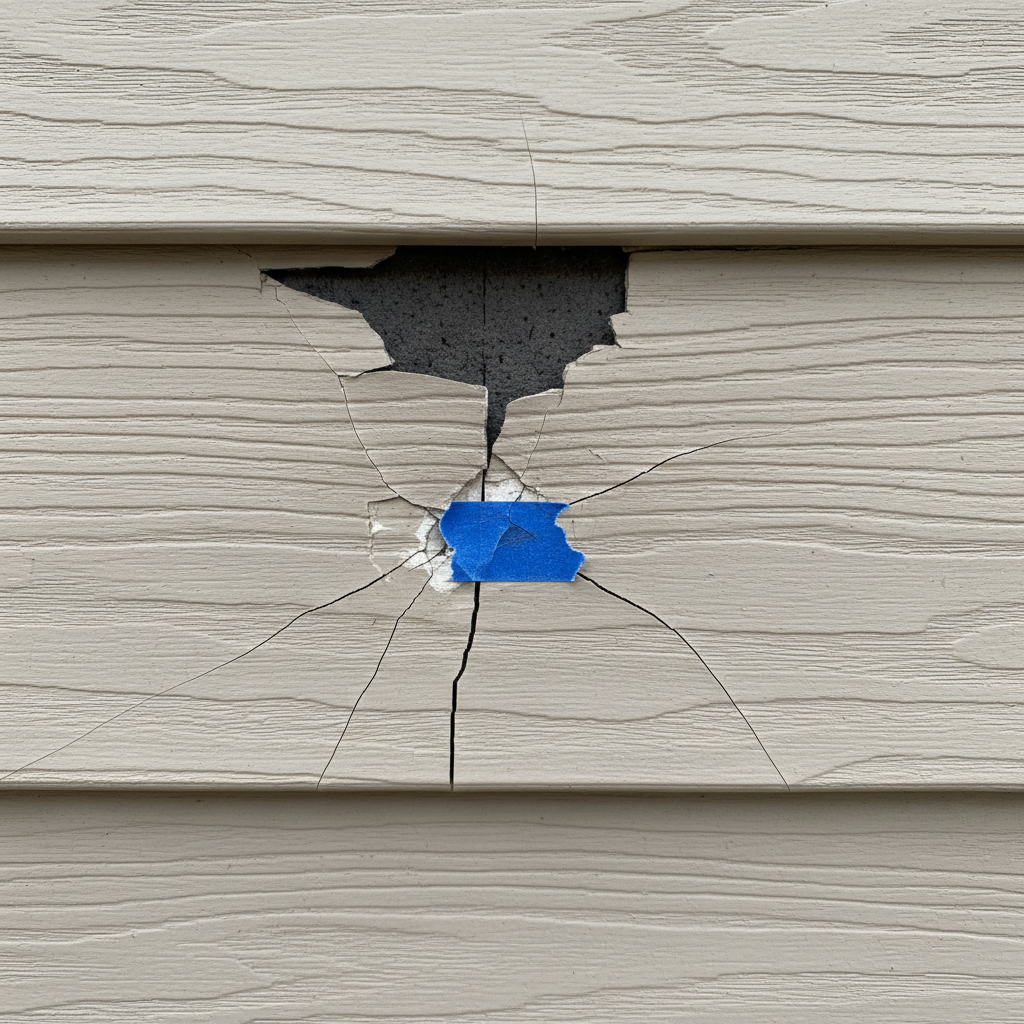
- Vinyl Siding: This popular option is made from PVC plastic. When struck by hail, it can crack, especially in colder temperatures when the material becomes more brittle. You might see spiderweb cracks, crescent-shaped fractures, or even clean breaks, particularly around the edges or corners of panels. Direct impacts can also cause chipping, where small pieces of vinyl break off, or impact marks that look like shallow indentations. The rigidity of vinyl means that while it flexes, enough force can cause it to shatter rather than simply dent.
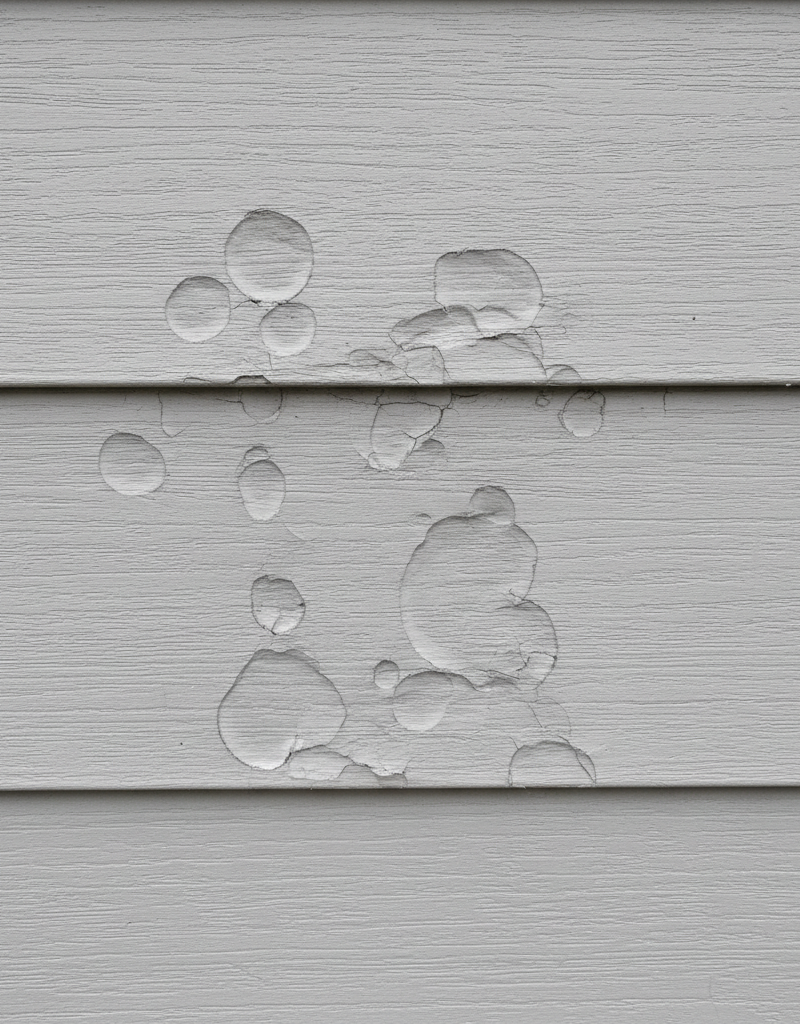
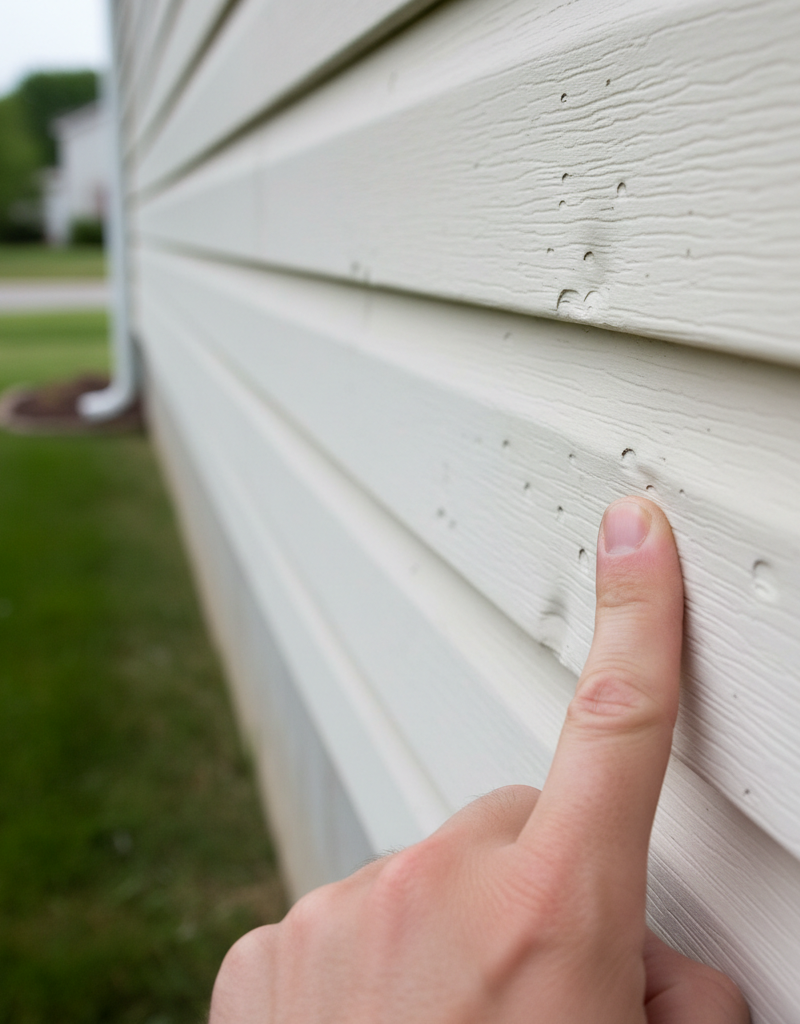
- Fiber Cement Siding: Composed of cement, sand, and cellulose fibers, fiber cement siding is much harder and more brittle than vinyl. Hail impacts can cause chips, divots, or pockmarks in the surface. Larger hailstones can create deeper craters or even punch through the material, especially at points where the siding might be thinner or less supported. Because it's a painted material, damage often includes paint chipping or flaking around the impact site.
- Wood Siding: Wood siding, including clapboard, shakes, and shingles, can suffer from dents, splintering, and gouges when hit by hail. The severity depends on the wood type and its age. Softer woods like cedar are more susceptible to denting, while harder woods might show more splintering. Paint or stain can also be chipped or removed, exposing the bare wood to the elements and accelerating deterioration.
- Aluminum Siding: Aluminum is a softer metal compared to steel, making it prone to dents and dings from hail. These dents can range from small, shallow depressions to larger, more pronounced indentations, often with sharp edges. Unlike vinyl, aluminum generally won't crack or chip unless the impact is extremely severe or the material is already fatigued. The dents can also cause the paint finish to crack or flake, affecting both aesthetics and protection.
Regardless of the material, hail impacts create weak points. These compromised areas become entry points for moisture, leading to rot in wood sheathing, deterioration of insulation, and eventually, mold growth within wall cavities. Left unaddressed, this can undermine the structural integrity of your home, trigger allergic reactions, and significantly reduce indoor air quality.
Step-by-Step Fix
Safety Note: Always use a stable ladder. Have a spotter if climbing to higher areas. Be aware of power lines and keep a safe distance. Wear appropriate personal protective equipment (PPE), including gloves and safety glasses.
- Prepare for Inspection — Gather your tools and ensure you have proper safety gear.
- Tools: Sturdy ladder, chalk or painter's tape, digital camera or smartphone, notepad and pen, flashlight, binoculars (optional for high areas).
- Safety: Wear sturdy, non-slip shoes.
- Wait for Optimal Conditions — Perform your inspection during daylight hours, ideally on an overcast day.
- Why: Direct sunlight can create glare and shadows, making subtle damage harder to spot. Overcast conditions provide uniform lighting, highlighting texture changes and minute imperfections.
- Perform Ground-Level Assessment — Start by walking around your entire house at ground level, observing your siding from a distance.
- Look for: Obvious large dents, holes, or missing sections. Note any areas that appear discolored or have a different sheen. Pay special attention to south- and west-facing walls, which typically bear the brunt of storms.
- Close-Up Visual Inspection (Lower Levels) — Get up close to the siding, examining individual panels.
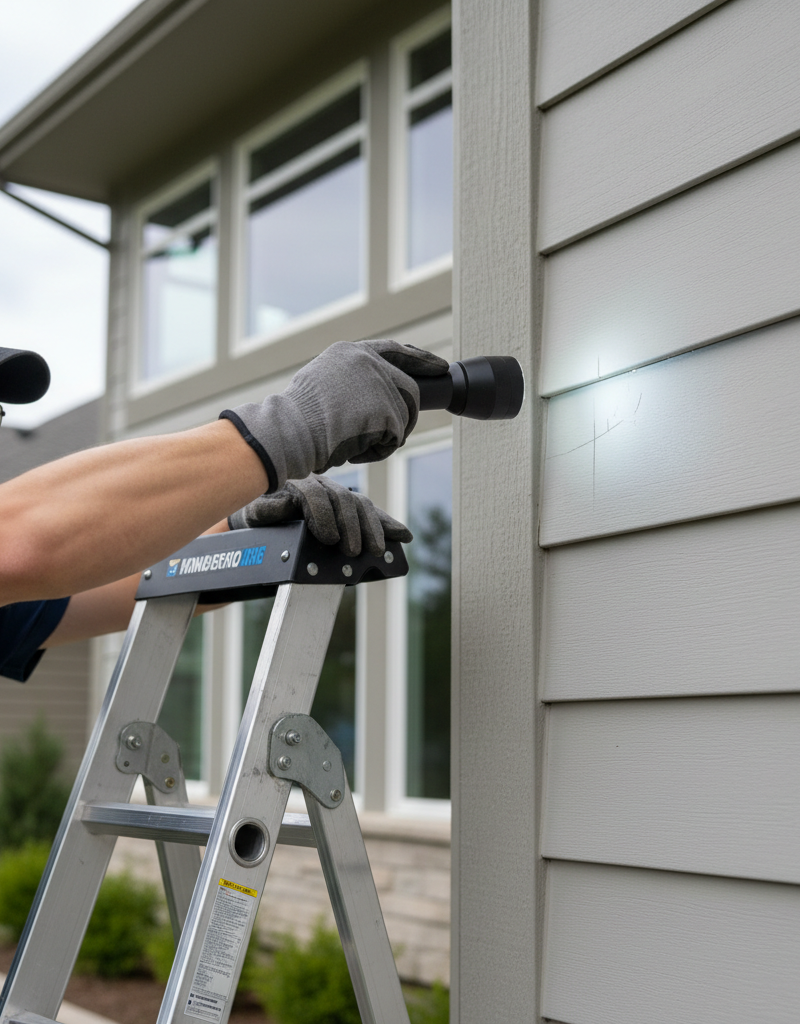
- Technique: Use a flashlight held at an angle (raking light) to highlight subtle indentations or fractures that might not be visible head-on. Feel the surface with a gloved hand for raised edges or depressions.
- Key spots: Look along the bottom edges of panels, around windows and doors, and at corners.
- Ladder-Assisted Upper Level Inspection — Safely position your ladder to reach higher sections of siding.
- Safety First: Ensure the ladder is on stable, level ground. Have someone hold it if possible. Do not overreach; descend and reposition the ladder frequently.
- Process: Systematically inspect sections, moving left to right, top to bottom. Use the same close-up visual and tactile techniques as for lower levels.
- Identify Specific Damage Types — Learn to recognize the appearance of hail damage on different siding materials.
- Vinyl: Look for crescent-shaped cracks, small holes, or impact marks that might be discolored or have a powdery residue.
- Fiber Cement: Check for chips, pockmarks, or spiderweb cracks, especially where painted surfaces show missing paint around an impact.
- Wood: Look for splintering, gouges, or impact depressions.
- Aluminum: Search for distinct, often circular or irregular dents.
- Document Everything with Photos and Notes — This is crucial for insurance claims.
- Photos: Take wide shots showing the entire wall, then close-up shots of individual damage points. Include a ruler or common object (like a coin) in close-ups for scale. Photograph both damaged and undamaged areas for comparison.
- Notes: Record the date of inspection, location of damage (e.g., "north wall, upper left panel"), type of damage, approximate size, and quantity of damaged areas.
- Mark Damaged Areas — Use chalk or painter's tape to clearly mark each spot of damage.
- Why: This helps you keep track during the inspection and makes it easier for an insurance adjuster or contractor to identify all compromised areas.
- Assess Severity — Distinguish between cosmetic damage and functional damage.
- Cosmetic: Small scratches or marks that don't compromise the material's integrity. These might not be covered by insurance.
- Functional: Cracks, holes, deep dents, or chips that allow moisture entry or weaken the siding. This almost always warrants repair and likely an insurance claim. If in doubt, err on the side of caution.
- Consider a Temporary Patch (If Minor and Necessary) — For very small, isolated cracks or holes in vinyl siding, a temporary fix can prevent immediate water intrusion.
- Method: Clear silicone caulk can be used to seal tiny cracks. For small holes, a piece of matching vinyl siding scrap can be applied with exterior-grade adhesive as a temporary cover. This is NOT a permanent solution but buys you time.
- Consult a Professional for Widespread or Structural Damage — If you find significant, widespread damage, or suspect water intrusion, stop DIY efforts.
- Next Steps: Contact your insurance company to file a claim. Then, get at least two or three estimates from reputable, licensed siding contractors. They have specialized tools and expertise for a comprehensive assessment and safe, effective repair or replacement.
Common Causes
The sole cause of this specific type of damage is hail. However, several factors determine the extent and severity of hail damage:
- Hailstone Size and Density: Larger, denser hailstones inflict more severe damage. Hailstones the size of quarters (0.9 to 1 inch) can cause noticeable damage, while golf ball-sized (1.75 inches) or larger hail almost guarantees significant impact.
- Wind Speed and Direction: Strong winds during a hailstorm can increase the impact force. Siding on the windward side of the house (the direction the storm came from) typically suffers the most extensive damage.
- Siding Material and Age: Older, more brittle siding (e.g., aged vinyl) is more susceptible to cracking and breaking. Softer materials like aluminum dent more easily than harder materials like fiber cement, which tend to chip or crack.
- Siding Installation Quality: Poorly installed siding, such as panels that are too tight or not properly secured, can be more vulnerable to hail impacts.
- Impact Angle: Hailstones hitting perpendicular to the siding surface generally cause more direct and concentrated damage than glancing blows.
- Temperature: In colder temperatures, vinyl siding becomes more brittle and prone to cracking under impact.
Common Mistakes
- Ignoring Initial Inspection: Many homeowners assume their siding is fine if there are no obvious holes. Delaying inspection can lead to hidden water damage and denied insurance claims due to elapsed time limits. Instead: Inspect thoroughly within days of a hailstorm, even if damage seems minor.
- Only Looking at One Side of the House: Hail often comes from a specific direction, leading to uneven damage distribution. Instead: Systematically inspect all four sides of your house, paying extra attention to the windward side.
- Failing to Document Correctly: Vague descriptions or insufficient photos can weaken an insurance claim. Instead: Take clear, close-up photos with a scale (like a ruler), wide-angle shots to show context, and detailed notes (date, location, type of damage).
- Attempting Extensive DIY Repairs: While small patches are temporary fixes, attempting to replace multiple panels or entire sections of damaged siding without experience can lead to improper installation, further water intrusion, or voided warranties. Instead: For anything beyond minor, isolated cosmetic issues, consult a professional to ensure the repair is done correctly and safely.
- Not Contacting Your Insurance Company Promptly: Most insurance policies have strict time limits for filing claims after a storm event, sometimes as short as a few months. Instead: Even if you're unsure about the severity, file a "notice of loss" with your insurer as soon as you discover damage.
- Hiring Unvetted Contractors: After a major storm, "storm chasers" often appear, offering quick fixes. These contractors may be unlicensed, uninsured, or do subpar work. Instead: Always verify licenses, insurance, and references. Get multiple quotes and ensure the contractor has a local, established reputation.
Cost & Time Breakdown
| Task | DIY cost | Pro cost | Time |
|---|---|---|---|
| Initial Inspection | $0 | Included (claim) | 30-60 min |
| Minor Siding Patch (DIY) | $10–$50 | N/A | 1–2 hours |
| Single Panel Replacement | $50–$150 | $150–$300 | 2–4 hours |
| Siding Repair (Multiple Areas) | $100–$500 | $500–$2,000 | 1–3 days |
| Full Siding Replacement | Not recommended | $8,000–$25,000+ | 1–3 weeks |
DIY costs are for materials only. Pro costs include labor and materials. Full siding replacement costs vary widely based on material, house size, and region.
Tips & Prevention
- Routine Post-Storm Checks: Make it a habit to perform a quick exterior check of your home after any significant hailstorm. Early detection is key to preventing secondary damage.
- Maintain Siding Health: Keep your siding clean and routinely inspect it for signs of wear, loose panels, or cracks unrelated to hail. Well-maintained siding is more resilient to impacts.
- Trim Overhanging Branches: Trees with branches close to your home can shed debris during storms, which can exacerbate hail damage or cause impact damage on its own.
- Review Your Insurance Policy: Understand your homeowner's insurance policy, specifically your deductible and the claims process for hail damage, before a storm hits.
- Professional Annual Inspection: Consider having a professional conduct an annual exterior inspection of your home, including siding and roof, especially if you live in an area prone to severe weather. They can spot subtle issues you might miss.
- Consider Impact-Resistant Siding: If you live in a high-hail-risk area and are due for siding replacement, research impact-resistant siding options that offer better protection against hail.
When to Call a Professional
You should call a professional siding contractor and potentially your insurance company if you observe any of the following: widespread damage across multiple sections or sides of your home; deep cracks, holes, or punctures that clearly compromise the siding's watertight seal; suspected water intrusion behind the siding, indicated by damp spots on interior walls, peeling paint, or a musty odor; or any damage that extends to the underlying sheathing or structural components. Furthermore, if you are uncomfortable working on a ladder at height, or if the repairs involve removing significant sections of siding, it's always safer and more effective to rely on a licensed and insured professional. They can provide an accurate assessment, ensure proper installation techniques to maintain your home's envelope, and help navigate the insurance claims process.
FAQ
Q: Will my homeowner's insurance cover hail damage to my siding? A: Most standard homeowner's insurance policies cover hail damage, but coverage can vary. It's crucial to review your policy details, understand your deductible, and contact your insurer as soon as you discover damage. They will typically send an adjuster to assess the damage.
Q: How can I tell the difference between hail damage and other types of siding damage? A: Hail damage often appears as randomly distributed dents, chips, or cracks, usually concentrated on the windward side of the house. The impacts tend to be circular or crescent-shaped. Other damage, like wear and tear, usually shows up as fading, warping, or uniform deterioration. Look for patterns unique to impact.
Q: Can I repair hail-damaged siding myself? A: For very minor, isolated cosmetic dents or tiny cracks on an easily accessible part of the siding, a homeowner with basic DIY skills might be able to make a temporary patch. However, for widespread damage, structural issues, or any damage that compromises the siding's weather seal, professional repair or replacement is strongly recommended to ensure longevity and prevent further issues.
Q: How long do I have to file an insurance claim for hail damage? A: The time limit for filing an insurance claim varies by policy and state, but it's typically between six months to a year from the date of the storm. It's best to act quickly, as delaying can complicate your claim and potentially lead to secondary damage not covered by insurance.
Q: What if I can't see any damage from the ground? A: Many types of hail damage are subtle and not visible from ground level. Use a ladder (safely!) for close-up inspection, and consider using binoculars for a preliminary check of higher areas. If you suspect a major storm, it's always wise to get a professional inspection, even if no obvious damage is apparent to you.
Related Articles
Keep troubleshooting with these hand-picked guides from FixlyGuide:
- Is That Hail Damage on Your Siding? 5 Hidden Signs Most Homeowners Miss — Discover how to inspect your siding for hidden hail damage, understand the different types, and navigate the repair or replacement process.
- Is Your Siding Hiding Hail Damage? The Inspection Secret Most Homeowners Miss — Discover how to meticulously inspect your siding for hidden hail damage, understand the different types of impact, and perform effective re…
- The Invisible Hail Damage Mistake Most Homeowners Make (And How to Spot It) — Discover how to accurately assess hail damage on your home's siding, understand its hidden impacts, and perform essential repairs to protec…
- Is That Hail Damage to Your Siding—Or Something Worse? (And How to Know For Sure) — Distinguishing hail damage from other siding issues is crucial for proper repair and insurance claims. Learn how to identify hail damage an…
- Wind Tore Off Your Shingles? The 7 Critical Steps Most Homeowners Miss — Discover the essential steps to take when roof shingles go missing after a storm, from immediate safety checks to temporary repairs and ins…
- The #1 Secret to Edging Flower Beds That Last Years (and Resist Weeds) — Discover the crucial, often-skipped step that ensures your landscape edging stays put and keeps weeds out for years, transforming your flow…
Should you do this yourself?
Answer five quick questions before you start. Safety outranks savings every time.
Your experience with work like this
How high do you have to work?
Does the job involve any of these?
Will it need a permit?
Specialty tools
Free and instant. Educational guidance only — not a quote, inspection, or professional diagnosis.
Questions to ask before you sign
Ask every contractor the same questions and the cheapest bid stops looking cheapest. Check them off as you go — your progress is saved on this device.
Free, no signup. Bring this to every walkthrough so you compare bids on the same terms.
What should this project cost?
Enter your project details for a realistic cost range before you call anyone.
Spot repairs commonly run $400–$1,800; full replacement typically $9,000–$18,000 for an average home.
- Regional adjustment
- National average
- Labor share (typical)
- ~$2,948
- Quotes to collect
- 3 written estimates
Educational estimate based on national averages — not a binding quote. Always confirm with written local estimates.
Fixly Project Decision Box
- DIY difficulty
- Professional Recommended
- Estimated time
- Inspection 1–2 hours · repairs 1–3 days
- Cost level
- High
Main tools / materials
- Binoculars for a ground-level look
- Flashlight for attic checks
- Moisture meter
- Roofing cement (temporary patch only)
When to stop and call a pro
- Active leak near lights, fans, or any wiring
- Sagging, bulging, or water-filled ceiling
- Steep, wet, or two-story roof — do not climb it
- Storm or hail damage you plan to claim on insurance
Need professional help?
Free roof assessment first — no phone calls until you ask for them.
Get Local Roofing HelpGet help with your roof now
Stay off the roof. These free tools help you protect the house and reach the right professional fast.
- Emergency repair checklistThe first steps that limit damage before a pro arrives.Open
- Repair or replace your roof?Answer 10 questions about age, leaks, and damage to get a clear next step.Open
- Get local estimatesSend one request and compare written estimates from vetted pros.Open
Free, no signup required. Estimates are educational guidance, not a quote or an inspection.
Get the print-ready PDF of this guide
A clean, ad-free, printable version you can keep on your phone or pin to the workshop wall. Free with a FixlyGuide account.
- Print-optimized layout
- Tools, materials & every step included
- Saved to your account
Frequently asked questions
Will my homeowner's insurance cover hail damage to my siding?+
Most standard homeowner's insurance policies cover hail damage, but coverage can vary. It's crucial to review your policy details, understand your deductible, and contact your insurer as soon as you discover damage. They will typically send an adjuster to assess the damage.
How can I tell the difference between hail damage and other types of siding damage?+
Hail damage often appears as randomly distributed dents, chips, or cracks, usually concentrated on the windward side of the house. The impacts tend to be circular or crescent-shaped. Other damage, like wear and tear, usually shows up as fading, warping, or uniform deterioration. Look for patterns unique to impact.
Can I repair hail-damaged siding myself?+
For very minor, isolated cosmetic dents or tiny cracks on an easily accessible part of the siding, a homeowner with basic DIY skills might be able to make a temporary patch. However, for widespread damage, structural issues, or any damage that compromises the siding's weather seal, professional repair or replacement is strongly recommended to ensure longevity and prevent further issues.
How long do I have to file an insurance claim for hail damage?+
The time limit for filing an insurance claim varies by policy and state, but it's typically between six months to a year from the date of the storm. It's best to act quickly, as delaying can complicate your claim and potentially lead to secondary damage not covered by insurance.
What if I can't see any damage from the ground?+
Many types of hail damage are subtle and not visible from ground level. Use a ladder (safely!) for close-up inspection, and consider using binoculars for a preliminary check of higher areas. If you suspect a major storm, it's always wise to get a professional inspection, even if no obvious damage is apparent to you.
Discussion
Loading comments…