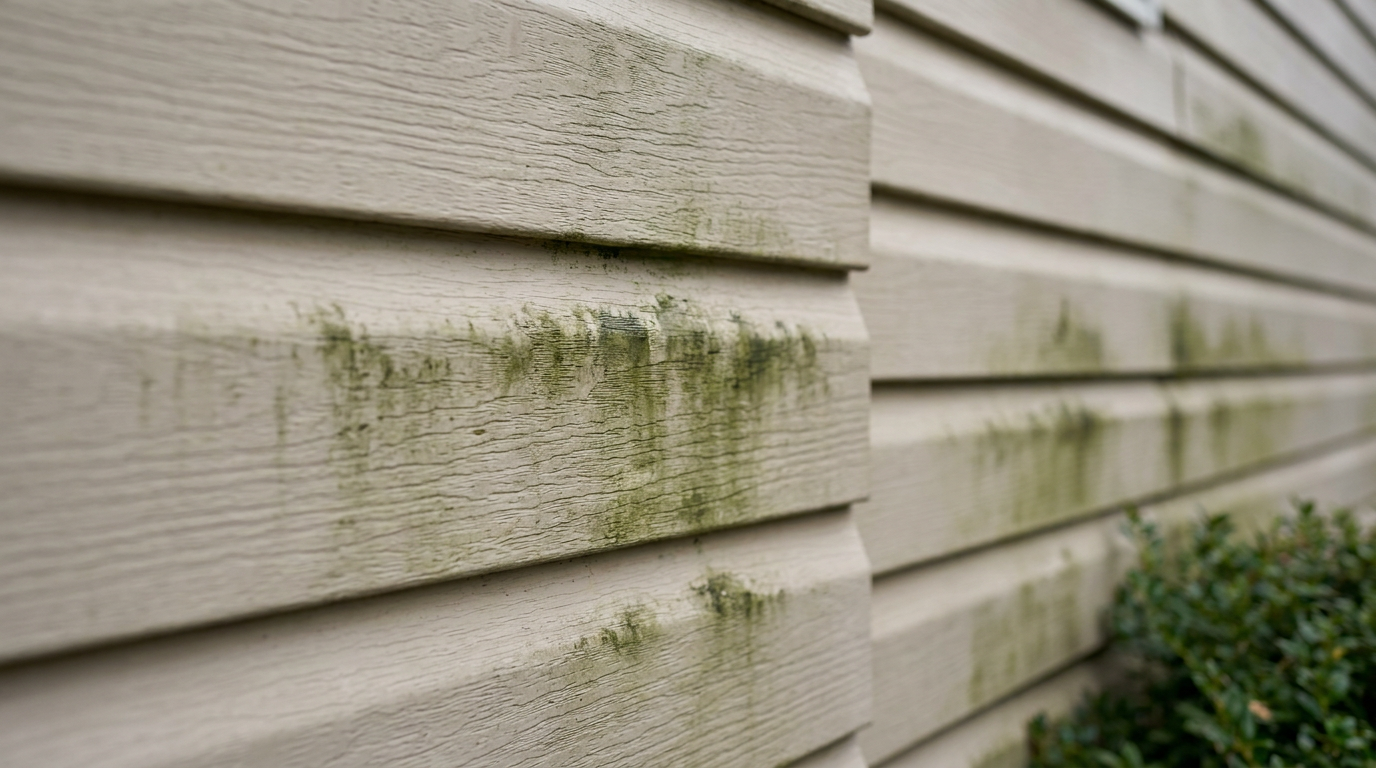
- Lack of Sunlight: The north and east sides of a house are prime real estate for algae because they stay shaded and damp.
- Excess Moisture: Leaky gutters, downspouts dumping water too close to the foundation, or a sprinkler head spraying the wall day after day will keep siding wet.
- Poor Air Circulation: Dense shrubs, low-hanging branches, or even a fence too close to the house can block airflow and slow drying.
- Pollen and Dust: Dust and pollen give algae and mold the food they need to get established.
Roofing · Aging roof
| Project category | Roofing |
|---|---|
| Problem type | Aging roof |
| Trade required | Roofing |
| Urgency | Planned project |
| Safety risk | Low safety risk |
| DIY suitability | Pro recommended |
| Cost category | High cost |
| Typical timeline | Plan 4–12 weeks ahead for scheduling and material lead time |
| Contractor type | Licensed roofing contractor |
Repair option
Maintenance repairs to buy a season or two while you budget.
Replacement option
Planned replacement, which is almost always cheaper than a leak-driven emergency.
Common causes
- Normal weathering past the shingle service life
- Poor attic ventilation cooking the shingles from below
- Repeated repairs on the same slopes
Relevant tools:repair or replace roofproject cost estimatorhome improvement material prices
Published October 11, 2026Last updated October 11, 2026
Tools & materials you'll need
Affiliate linksAs an Amazon Associate FixlyGuide earns from qualifying purchases — at no extra cost to you. Prices and availability are accurate as of publication and subject to change.
Quick Answer
If your siding’s turning green, you’re probably dealing with algae. That stuff loves shady, damp spots and feeds on dust and pollen like it’s got nowhere else to be. I see it all the time on the north side of houses, or back behind thick landscaping where the sun never really gets a chance. You can knock it off with a simple mix of household oxygen bleach and water, sprayed on with a garden sprayer and worked in with a soft-bristle brush, then rinsed gently with a garden hose. Don’t grab a pressure washer for this. That thing can wreck siding fast and drive water behind it, and now you’ve got a bigger mess than the green streaks you started with.
The Problem
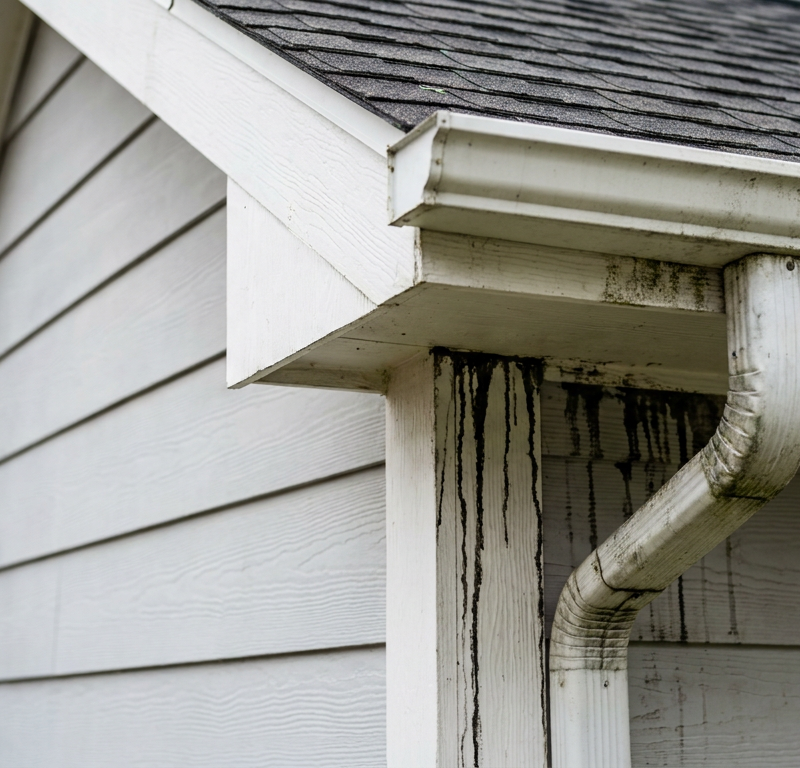
That green film or blotchy growth on your siding isn’t just an ugly stain; it’s alive. Most of the time, that green stuff is algae—specifically Gloeocapsa magma, the same critter that leaves black streaks on roofs. It can show up as a light green haze, slimy patches, or even dark, almost black streaks if it’s had time to settle in. Other times, you’re looking at mold or mildew, which can come in fuzzy or powdery spots and show up black, green, or even white. These growths usually take hold on the north and east sides of a house—the spots that get the least sun and stay damp the longest after a rain. Overhanging trees, shrubs crowded right up against the wall, even a sprinkler head aimed a little off can set up the perfect shady, wet little zone for this junk to grow. Algae is mostly a cosmetic headache, but mold and mildew can point to moisture problems you shouldn’t ignore.
How It Works
Think of your siding like a giant buffet table. It’s always getting hit with spores from algae, mold, and mildew floating around in the air. Those spores don’t do much until they land on a surface with the right setup: moisture, shade, and food. And the food is usually just the dust, pollen, and dirt that builds up on the siding over time. In a place like North Texas, with the humidity, spring rains, and all that pollen, it’s basically an all-you-can-eat special.
Algae is a simple plant. It needs sunlight to make its own food through photosynthesis, but it also likes shady, damp surfaces where it won’t dry out too fast. That’s why you’ll spot it on the north side of a home, where it might only get a little indirect light. Mold, on the other hand, is a fungus. It doesn’t care about light one bit—it just wants moisture and something organic to feed on. On vinyl or fiber cement siding, that usually means surface grime. On wood siding, though, it can get into the wood itself, and now you’re not talking about a simple wash anymore.
The big takeaway? The green stuff is a symptom. Excess moisture and not enough sun are the real problem. Cleaning it off is step one, sure, but fixing the conditions around the house is how you stop it from coming back every year. I pulled a water heater in Frisco last month where the same kind of damp, shaded corner kept feeding mildew on the siding outside—same story, different trade. The house was telling on itself.
Step-by-Step Fix
Here’s how I’d clean that green gunk off siding without beating the daylights out of it.
-
Prep Your Materials and the Area.
- Tools: Garden hose with a spray nozzle, pump-style garden sprayer (1-2 gallons), soft-bristle brush with a long handle, safety glasses, gloves.
- Safety: Before you mix anything, put on your safety glasses and gloves. You don’t want this stuff splashing back at you. Cover any delicate plants or flowers near the wall with plastic sheeting, too. Even a mild cleaner can ding sensitive plants. I always rinse nearby grass and soil with plain water before and after I clean, just to dilute any runoff and keep from burning the landscaping.
-
Mix Your Cleaning Solution.
- You don’t need some harsh, caustic cleaner here. An oxygen bleach-based mix works well, and it’s a lot friendlier to you, your siding, and the plants than chlorine bleach. In your garden sprayer, mix a solution of 1 cup of powdered oxygen bleach (like OxiClean or a generic version) per gallon of warm water. Swirl or shake it until the powder’s fully dissolved. Do NOT use chlorine bleach. It can discolor vinyl siding, hurt plants, and corrode aluminum siding or window trim.
-
Do a Spot Test.
- Always test the mix on a small hidden spot first—maybe behind a bush or on a section you don’t stare at every day. Spray it on, let it sit a few minutes, scrub, and rinse. Then let it dry all the way. You’re checking for discoloration or any weird reaction before you go all in.
-
Pre-Rinse the Siding.
- With your garden hose on a gentle "shower" setting, rinse the section you’re about to clean. That knocks off some loose grime and helps the cleaner focus on the algae instead of just the dirt on top. Work from the bottom up here so you don’t create clean streaks running down a dirty wall.
-
Apply the Cleaner.
- Now spray the oxygen bleach solution onto the green areas. Work in manageable sections, maybe 10 feet by 10 feet at a time, so it doesn’t dry on the surface before you get back to it. Apply it generously, starting at the bottom of the wall and working your way up. Let it sit for 5-10 minutes. You’ll often see the green start fading as the cleaner does its job.
-
Scrub Gently.
- For stubborn spots, you’ll need a little elbow grease. Use your soft-bristle brush—the kind you’d use for washing a car works great—to lightly scrub the affected areas. You’re not trying to sand the siding here. Just loosen the growth and lift it out of the texture. Don’t bear down so hard you scratch or gouge the material. Let the cleaner do the heavy lifting.
-
Rinse Thoroughly.
- This is the step I won’t rush. Rinse the siding completely with plain water from your garden hose. This time, work from the top of the wall down. Make sure you get all the cleaner off along with the gunk it loosened. Leftover residue can grab dirt and help new growth show up quicker. Pay extra attention around windows, doors, and vents.
- If this doesn't work... If you’re still seeing stubborn green or black stains, you may be dealing with "artillery fungus" or mildew that’s worked deeper into the surface. Try a second application, or use a commercial siding cleaner made for mold and mildew. Just follow the manufacturer’s directions to the letter.
-
Let It Dry and Inspect.
- Let the siding air dry completely. Once it’s dry, take a good look. The green should be gone. If you missed a spot, hit it again. This is also the time to step back and ask why it grew there in the first place—because if you don’t fix that, you’ll be back out here next season.
Common Causes
- Lack of Sunlight: The north and east sides of a house are prime real estate for algae because they stay shaded and damp.
- Excess Moisture: Leaky gutters, downspouts dumping water too close to the foundation, or a sprinkler head spraying the wall day after day will keep siding wet.
- Poor Air Circulation: Dense shrubs, low-hanging branches, or even a fence too close to the house can block airflow and slow drying.
- Pollen and Dust: Dust and pollen give algae and mold the food they need to get established.
Common Mistakes
- Using a Pressure Washer: It’s tempting to blast the green stuff off and call it a day, but a pressure washer can ruin siding in a hurry. It can shove water up and behind the panels, which can lead to trapped moisture, rot, and mold inside the wall. It can also strip paint, crack vinyl, and etch fiber cement. A garden hose is all you need.
- Using Chlorine Bleach: Household chlorine bleach is too harsh. It can leave permanent discoloration on vinyl siding, damage painted finishes, and corrode metal trim. Oxygen bleach is the safer play.
- Scrubbing with a Stiff Brush: A wire brush or any stiff-bristled tool will scratch and gouge the siding. That leaves permanent marks and rough spots where grime hangs on even easier.
- Cleaning from the Top Down: If you start at the top and let cleaner run down, you’ll end up with clean streaks on a dirty wall. Those are a pain to fix. Apply cleaner from the bottom up, then rinse from the top down.
- Ignoring the Root Cause: If you just clean the siding and never deal with the shade or moisture problem, you’ll be doing this again next year. That’s not a fix. That’s a pause.
Cost & Time Breakdown
Here’s what I’d expect for a DIY siding-cleaning job on a typical two-story house with a pretty noticeable algae problem on one or two sides.
| Task | DIY Cost | Pro Cost | Time |
|---|---|---|---|
| Gathering materials | $25–$40 | N/A | 30 minutes |
| Prepping the area | $0 | Included in price | 30 minutes |
| Mixing & applying cleaner | Included in materials | Included in price | 1–2 hours |
| Rinsing and cleanup | $0 | Included in price | 1 hour |
| Total | $25–$40 | $300–$600 | 3–4 hours |
Tips & Prevention
- Trim Your Landscaping: Cut back tree branches and shrubs that sit within 18-24 inches of the house. That one move opens up airflow and lets more sunlight hit the siding.
- Clean Your Gutters: Keep the gutters clean and moving water like they should. Clogged gutters overflow, and then you’ve got water running down the siding.
- Check Your Downspouts: Make sure downspout extensions send water at least 3-5 feet away from the foundation.
- Redirect Sprinklers: If a sprinkler’s spraying the wall, adjust it. Your foundation plants won’t miss the soak, and your siding won’t stay damp all week.
- Perform an Annual Wash: Give the siding a gentle rinse with plain water from a garden hose each spring to knock off pollen and dust before algae and mold get settled in.
When to Call a Professional
Cleaning siding is a pretty manageable DIY job, but sometimes it makes more sense to let a pro handle it. If the growth covers a big chunk of the house, especially up on second or third stories, a professional crew with the right gear can get it done safer and faster. If the siding is older wood that might be soft or rotted, or if you’re seeing widespread mold that could mean a bigger moisture problem behind the siding, don’t mess with it yourself. A pro can tell you whether you’re just dealing with a surface stain or something deeper, like a structural leak or a failed water barrier. If you think the growth is more than surface algae, get it checked out.
Related Articles
Keep troubleshooting with these hand-picked guides from FixlyGuide:
- The $50 Storm Damage Secret Your Insurance Adjuster Won't Tell You — High winds snatched your shingles? Don't panic. I'll show you how to quickly and safely assess the damage and make a temporary repair to pr…
- The Ugly Truth About Chalky Siding (And Your Simple 3-Hour Fix) — Don't let faded, chalky siding ruin your home's curb appeal. This guide explains why it happens and gives you a straightforward, effective…
- The Weird White Powder on Your Siding: And How to Stop It Coming Back — That strange white powder on your siding isn't just ugly; it's a sign of moisture issues that could lead to bigger problems. Here's how to…
- The Mystery of the Loose Siding Panel: Why It Flaps and How to Fix It Right — Loose siding panels aren't just an eyesore; they can lead to serious water damage if not addressed quickly. Learn why your siding is flappi…
- Wind Tore Off Your Shingles? The 7 Critical Steps Most Homeowners Miss — Discover the essential steps to take when roof shingles go missing after a storm, from immediate safety checks to temporary repairs and ins…
- The Caulk Stain That Won't Quit: Why Your Shower Stays Grimy — Is that stubborn, discolored caulk making your clean shower look perpetually dirty? It's not just surface grime; it's often mold or mildew,…
Should you do this yourself?
Answer five quick questions before you start. Safety outranks savings every time.
Your experience with work like this
How high do you have to work?
Does the job involve any of these?
Will it need a permit?
Specialty tools
Free and instant. Educational guidance only — not a quote, inspection, or professional diagnosis.
What should this project cost?
Enter your project details for a realistic cost range before you call anyone.
Spot repairs commonly run $400–$1,800; full replacement typically $9,000–$18,000 for an average home.
- Regional adjustment
- National average
- Labor share (typical)
- ~$2,948
- Quotes to collect
- 3 written estimates
Educational estimate based on national averages — not a binding quote. Always confirm with written local estimates.
Decide what your roof needs
Two minutes of questions turns "something is wrong up there" into a clear next step.
- Repair or replace your roof?Answer 10 questions about age, leaks, and damage to get a clear next step.Open
- Compare contractor quotesScore up to four bids on price, warranty, licensing, and timeline.Open
- Get local estimatesSend one request and compare written estimates from vetted pros.Open
Free, no signup required. Estimates are educational guidance, not a quote or an inspection.
Get the print-ready PDF of this guide
A clean, ad-free, printable version you can keep on your phone or pin to the workshop wall. Free with a FixlyGuide account.
- Print-optimized layout
- Tools, materials & every step included
- Saved to your account
Frequently asked questions
What is the green stuff growing on my siding?+
Most of the time, the green stuff is a type of algae called Gloeocapsa magma. It thrives in damp, shady areas and feeds on dust and pollen that collects on the siding surface. It's especially common on the north side of houses.
Is green algae on my siding harmful to the house?+
Generally, algae itself is a cosmetic problem and won't cause structural damage to vinyl, fiber cement, or metal siding. However, it can trap moisture against the surface, and on wood siding, it can contribute to rot over time. It's best to clean it off.
Can I use a pressure washer to clean the green stuff off?+
It's highly recommended that you do NOT use a pressure washer. The high-pressure stream can easily get behind siding panels, trapping water inside your walls and leading to mold and rot. It can also crack vinyl, etch fiber cement, and strip paint.
What's a safe cleaner to use on my siding?+
A solution of oxygen bleach (like OxiClean) mixed with water is a very effective and safe choice. Unlike chlorine bleach, it won't discolor siding or harm most plants. Mix about 1 cup of powdered oxygen bleach per gallon of warm water in a garden sprayer.
How can I prevent the green algae from coming back?+
Prevention is key. Improve airflow by trimming back bushes and trees at least 18 inches from the house. Clean your gutters regularly, and make sure downspouts direct water away from the foundation. A simple annual rinse with a garden hose can also wash away the pollen and dust that algae feeds on.
What's the difference between algae, mold, and mildew on siding?+
Algae is typically greenish and slimy or filmy. Mold often appears as fuzzy or splotchy patches and can be black, green, or white. Mildew is a type of mold that grows flat and looks powdery, usually in white or gray patches. All of them thrive in similar damp, shady conditions.
Why is the green growth only on the north side of my house?+
The north side of a house gets the least direct sunlight, so it stays cooler and damper for longer periods after it rains or after the morning dew. This creates the perfect microclimate for algae and mold to grow, while the sunny south and west sides of the house dry out too quickly for it to take hold.
How much does it cost to have my siding professionally cleaned?+
The cost can vary depending on the size of your house and the extent of the growth, but you can typically expect to pay between $300 and $600 for a professional soft-wash service. They use low-pressure systems and specialized cleaners to do the job safely.
Discussion
Loading comments…