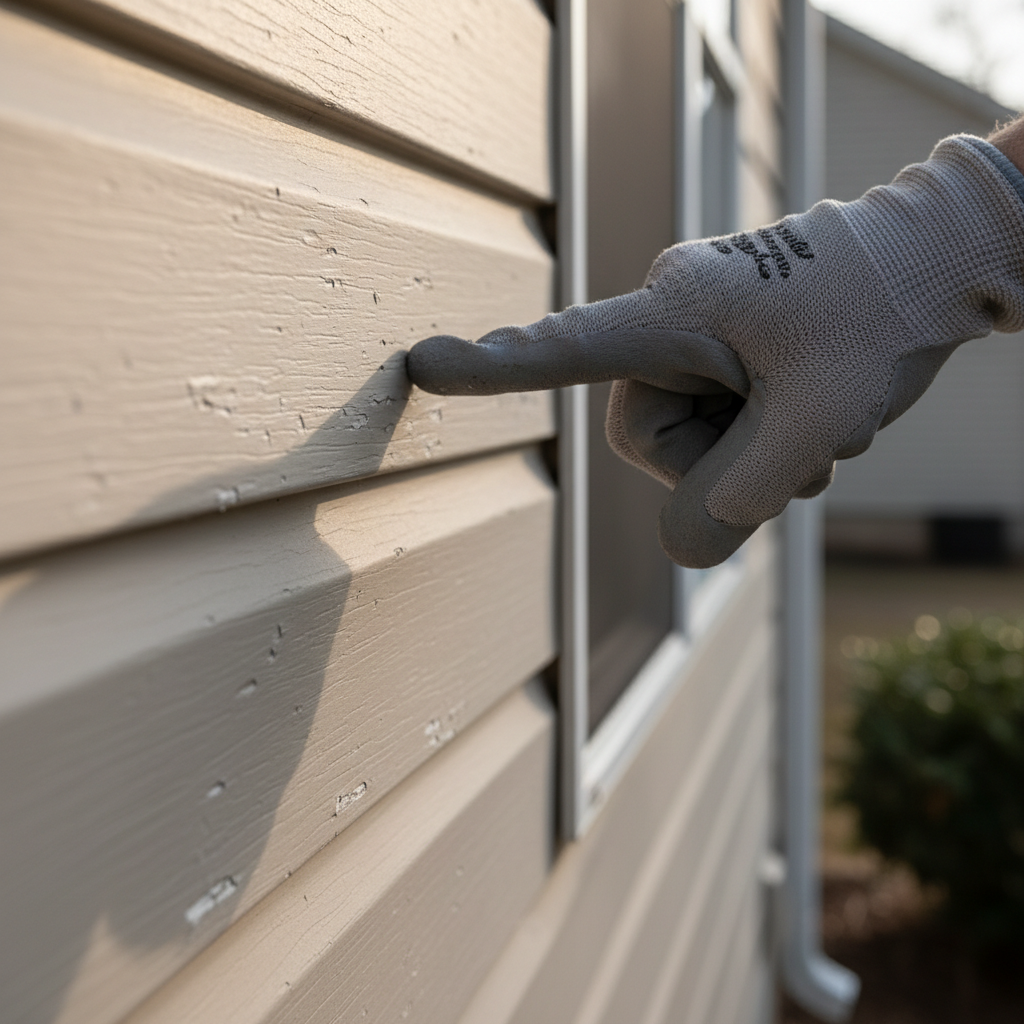
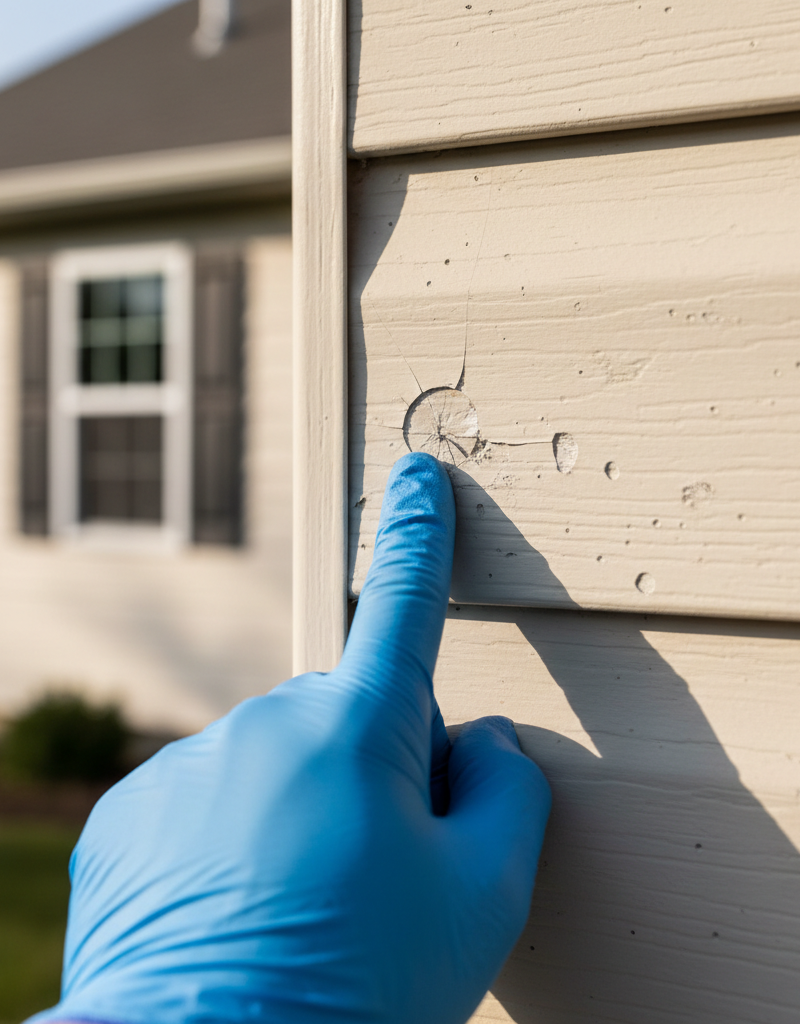
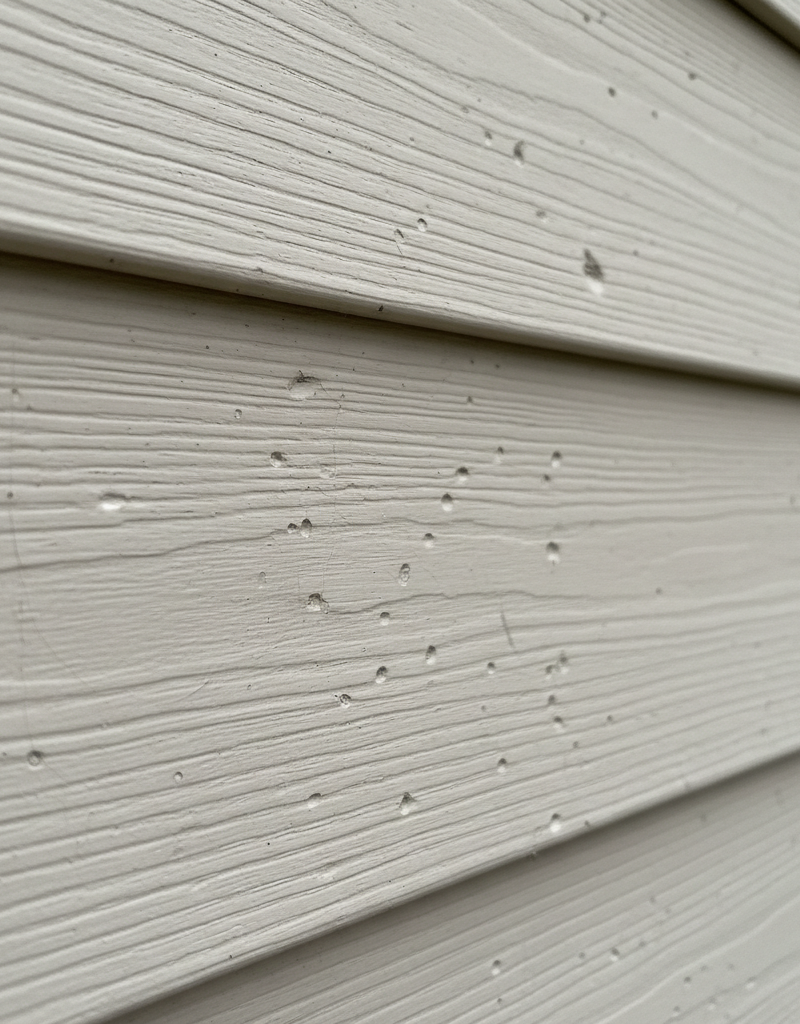
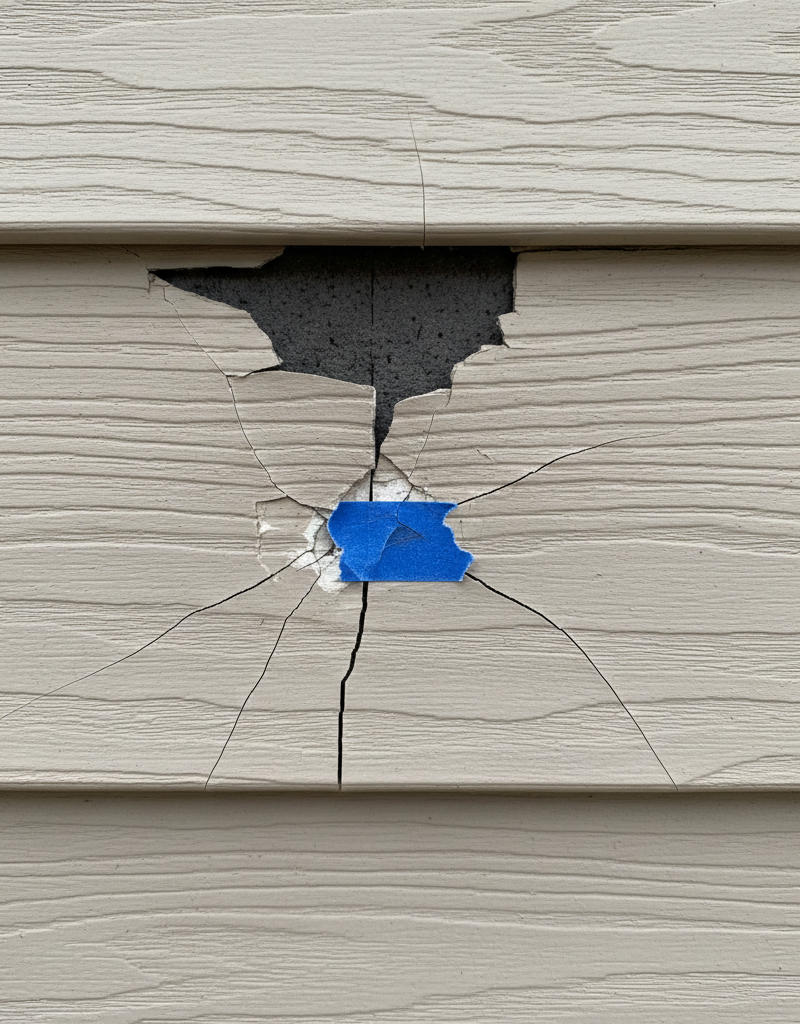
- Vinyl Siding: Cracks (especially spiderweb or crescent-shaped), chips, missing pieces, or faint dimples that become more apparent when viewed at an angle.
- Aluminum Siding: Dents, dings, or 'pockmarks' that often have a distinct circular shape.
- Fiber Cement Siding: Chipped edges, cracks, or impact craters where the hailstone struck.
- Wood Siding: Dents, splinters, gouges, or areas where paint/stain has been knocked off.
- Pro Tip: Inspect other exterior components too, such as gutters, downspouts, window frames, and exterior light fixtures. Damage here can indicate the severity of the hail and support your siding claim.
Roofing · Hail damage
| Project category | Roofing |
|---|---|
| Problem type | Hail damage |
| Trade required | Roofing |
| Urgency | Urgent — within days |
| Safety risk | Moderate safety risk |
| DIY suitability | Licensed pro only |
| Cost category | High cost |
| Typical timeline | Inspection within days; claim and build often several weeks |
| Contractor type | Licensed roofing contractor |
Repair option
Spot repair for isolated slopes with limited impact marks.
Replacement option
Insurance-scope replacement when impacts exceed the carrier threshold per square.
Common causes
- Impact bruising that knocked granules loose
- Cracked mat under the surface, not visible from the ground
- Damaged soft metals: vents, gutters, flashing
Relevant tools:repair or replace roofcompare quotes
Published June 13, 2026Last updated August 17, 2026
Tools & materials you'll need
Affiliate links- AmazonNew siding panels (matching)If replacing individual panels
As an Amazon Associate FixlyGuide earns from qualifying purchases — at no extra cost to you. Prices and availability are accurate as of publication and subject to change.
Quick Answer
After a hail storm, inspect your home's siding carefully for dents, cracks, or chips. Prioritize safety by checking for downed power lines or gas leaks before approaching the house. Document all observed damage with clear photographs and contact your home insurance provider immediately to initiate a claim. For minor, isolated damage, DIY repairs might be possible, but widespread or severe damage often requires professional assessment and repair to prevent further issues like water intrusion or structural compromise.
The Problem
You've just weathered a hailstorm. Now, looking at your home's siding, you might see anything from subtle pockmarks to obvious cracks and shattered pieces. The immediate problem is assessing the true extent of the damage. Is it superficial, or has the protective envelope of your home been breached? Unaddressed hail damage can lead to significant long-term problems, including water infiltration, mold growth, reduced energy efficiency due to compromised insulation, and even structural rot. Beyond the functional issues, damaged siding also severely detracts from your home's curb appeal and resale value. The challenge for homeowners is differentiating cosmetic flaws from serious structural vulnerabilities and navigating the often-complex process of insurance claims and repairs.
How It Works
Siding is your home's first line of defense against the elements, acting as a protective shell. Most residential siding—vinyl, aluminum, fiber cement, or wood—is designed to withstand typical weather, but a severe hailstorm can push it past its limits. When hailstones strike siding, the impact transfers kinetic energy. For vinyl siding, this energy can cause brittle spots to crack, especially in colder temperatures, or create noticeable indentations. Aluminum siding, being softer, will often dent or 'ping' creating small, round impact marks. Fiber cement siding, while durable, can chip, crack, or even shatter if struck by large, high-velocity hailstones. Wood siding can suffer dents, splintering, or even have pieces gouged out, which compromises its finish and moisture resistance. The underlying structure often consists of an exterior sheathing (like OSB or plywood) and a moisture barrier (house wrap). If the siding is compromised, water can bypass these outer layers, saturating the sheathing, insulation, and eventually leading to interior water damage, mold, and rot. Understanding how hail interacts with different siding materials helps in accurately assessing the damage and anticipating potential secondary issues, from compromised insulation to structural wood decay. The type and longevity of the siding material also significantly influence its resilience and repairability; older, more brittle vinyl may crack more easily than newer, more flexible variants.
Step-by-Step Fix
1. Prioritize Safety — Before approaching your home, ensure the area is safe. After any storm, there's a risk of downed power lines, gas leaks, or weakened structures. Stay clear of anything that looks like a hazard. Always wear sturdy closed-toe shoes and gloves.
- Safety Tip: If you smell gas, hear a hissing sound, or see downed electrical wires, evacuate immediately and call 911 and your utility company. Do not attempt to fix these issues yourself.
2. Document Everything — Grab your phone or a camera and start taking photos and videos of all visible damage from multiple angles. Get close-ups of individual impacts and wider shots showing the overall condition of the siding on each elevation. Note the date and time.
- Why it Matters: This documentation is crucial for your insurance claim. The more detailed your evidence, the smoother the process will be. Date-stamped photos can prove the damage occurred during a specific event.
3. Perform a Thorough Exterior Inspection — Walk around your entire home, inspecting each side. Look for obvious signs of hail damage on your siding. Common indicators include: * Vinyl Siding: Cracks (especially spiderweb or crescent-shaped), chips, missing pieces, or faint dimples that become more apparent when viewed at an angle. * Aluminum Siding: Dents, dings, or 'pockmarks' that often have a distinct circular shape. * Fiber Cement Siding: Chipped edges, cracks, or impact craters where the hailstone struck. * Wood Siding: Dents, splinters, gouges, or areas where paint/stain has been knocked off.
- Pro Tip: Inspect other exterior components too, such as gutters, downspouts, window frames, and exterior light fixtures. Damage here can indicate the severity of the hail and support your siding claim.
4. Check for Hidden Damage — Some damage isn't immediately obvious. Look at your siding from different angles throughout the day, especially in oblique light (early morning or late afternoon). Subtle dents or fractures might only be visible then. Gently run your hand over areas to feel for irregularities.
- If you suspect larger issues: If you see any signs of water intrusion inside your home (water stains on ceilings/walls, dampness), this indicates the siding and perhaps the underlying moisture barrier have been breached. Prioritize these areas.
5. Contact Your Insurance Company — As soon as you've completed your initial assessment and documented the damage, call your homeowner's insurance provider. Explain that your home has experienced hail damage and you'd like to file a claim. They will guide you through their specific claims process.
- What to Expect: Your insurer will likely send an adjuster to inspect the damage. Have your documentation ready to share. Be prepared to discuss the extent of the damage you've observed.
6. Get Multiple Estimates (if required by insurance) — Your insurance company may require estimates from contractors for repair or replacement. Obtain at least two to three detailed estimates for comparison. Ensure they itemize materials, labor, and specific repair methods.
- Choosing a Contractor: Select a reputable contractor with experience in hail damage repair and a solid track record. Check references, licenses, and insurance. Avoid contractors who pressure you or offer deals that seem too good to be true.
7. Prepare for Minor Repairs (DIY Option) — If the damage is minimal and isolated (e.g., a few cracked vinyl panels or small dents in aluminum), you might opt for DIY repair. For vinyl, this involves carefully removing and replacing individual panels.
- Tools for Vinyl Repair: Siding zip tool, utility knife, new matching siding panels, hammer, small pry bar. Gently unhook the damaged panel with the zip tool, remove nails, replace the panel, and re-engage.
- Tools for Aluminum Repair: Auto body filler kit, fine-grit sandpaper, primer, exterior paint matched to your siding. Clean the dent, apply filler, sand smooth, prime, and paint carefully.
- When to Stop DIY: If damage is extensive, covers multiple sides, or you're unsure about the underlying structure, do not proceed with DIY. Call a professional. Improper repairs can void warranties and lead to further damage.
8. Coordinate with Your Contractor (for major repairs) — Once you've chosen a contractor and your claim is approved, coordinate the repair schedule. Ensure you understand the scope of work, timeline, and material choices. Review the contract carefully before signing.
- During the project: Maintain open communication with your contractor. Ask questions if you have concerns. Do daily walk-throughs to monitor progress and workmanship. Address any issues promptly.
9. Final Inspection and Payment — After repairs are complete, conduct a thorough final inspection. Ensure all damaged siding has been replaced or repaired to your satisfaction. Verify that waste materials have been properly removed. Once you are satisfied, authorize final payment.
- Holdback: It's common practice to hold back a portion of the payment (e.g., 10%) until you're completely satisfied with the work and any final adjustments or touch-ups are made.
Common Causes
Unsurprisingly, the primary cause of hail damage to siding is hailstorms. However, the extent and nature of the damage are influenced by several factors:
- Hailstone Size and Density: Larger hailstones (pea-sized and up) and denser ice formations cause more significant impact damage. A two-inch diameter hailstone can hit with enough force to crack even robust materials.
- Wind Speed and Direction: High winds accompanying a hailstorm increase the velocity of the hailstones, intensifying their impact. Wind also dictates which sides of the house are most exposed and thus most damaged.
- Siding Material and Age: Older vinyl siding, often more brittle due to UV exposure and temperature cycles, is more prone to cracking than newer, more flexible formulations. Aluminum siding is softer and dents more easily than fiber cement.
- Siding Installation Quality: Poorly installed siding, such as panels that are too tightly nailed (preventing thermal expansion), can be more susceptible to cracking or detaching during a heavy storm.
- Temperature at Impact: Colder temperatures make many materials, especially vinyl, more brittle, increasing the likelihood of cracks and shattering upon impact.
Common Mistakes
- Ignoring Subtle Damage: Many homeowners only look for obvious holes or missing pieces. Subtle dents or hairline cracks can still allow moisture intrusion over time. Always inspect closely from multiple angles and lighting conditions.
- Delaying Insurance Claims: Most insurance policies have a time limit for filing claims after a storm event, sometimes as short as 6 months to a year. Delaying can result in your claim being denied.
- Not Documenting Adequately: Relying solely on the insurance adjuster's notes can be a mistake. Take your own comprehensive photos and videos to back up your claim and provide a personal record.
- Hiring the First Contractor You Find: Storm-chasing contractors can be disreputable. Always verify licenses, insurance, references, and get multiple written estimates. Never feel pressured to sign a contract immediately.
- Attempting Complex DIY Repairs: While small, isolated repairs are possible, attempting to replace large sections or an entire side of siding without proper experience can lead to improper installation, further damage, and potentially violating warranties.
- Not Checking for Secondary Damage: Hail damage isn't always limited to siding. Check windows, roofing, gutters, and even exterior HVAC units. Overlooking these can lead to future issues and missed claim opportunities.
Cost & Time Breakdown
| Task | DIY Cost | Pro Cost | Time |
|---|---|---|---|
| Initial Inspection | $0 | Included in service | 30–60 minutes |
| Patch/Replace Single Vinyl Panel | $10–$40 | $150–$300 (minimum service call) | 30–60 minutes |
| Repair Multiple Dents (Aluminum) | $20–$50 | $250–$500 | 1–2 hours |
| Full Siding Replacement (per sq ft) | N/A | $3–$15 per sq ft | 3–10 days |
| Insurance Deductible | Varies by policy | Varies by policy | N/A |
Tips & Prevention
- Regular Inspections: Periodically walk around your home to inspect your siding, especially after severe weather. Catching small issues early can prevent them from becoming major problems.
- Maintain Gutters: Keep gutters clean and free-flowing. Overflowing gutters can exacerbate water damage if siding is compromised.
- Trim Trees: Trim tree branches that hang over your roof or close to your house. This reduces the risk of falling debris damaging siding during storms. Plus, hail tends to bounce off leaves, multiplying the impact.
- Understand Your Policy: Review your homeowner's insurance policy before a storm hits. Know your deductible, coverage limits for hail, and the process for filing a claim.
- Photography Records: Maintain an updated photo record of your home's exterior. This provides a
Related Articles
Keep troubleshooting with these hand-picked guides from FixlyGuide:
- The Invisible Hail Damage Mistake Most Homeowners Make (And How to Spot It) — Discover how to accurately assess hail damage on your home's siding, understand its hidden impacts, and perform essential repairs to protec…
- Is That Hail Damage to Your Siding—Or Something Worse? (And How to Know For Sure) — Distinguishing hail damage from other siding issues is crucial for proper repair and insurance claims. Learn how to identify hail damage an…
- Is Your Siding Hiding Hail Damage? The Inspection Secret Most Homeowners Miss — Discover how to meticulously inspect your siding for hidden hail damage, understand the different types of impact, and perform effective re…
- Is That Hail Damage on Your Siding? 5 Hidden Signs Most Homeowners Miss — Discover how to inspect your siding for hidden hail damage, understand the different types, and navigate the repair or replacement process.
- Wind Lifted Your Shingles? The 7 Immediate Steps to Prevent Roof Leaks — Discover the crucial steps to take immediately after a storm rips shingles from your roof to prevent costly water damage and temporary repa…
- The #1 Overlooked Reason Your Chimney Leaks (It Rots Your Roof!) — Discover the surprising, often-missed culprit behind your leaky chimney and how this common issue can silently damage your home.
Should you do this yourself?
Answer five quick questions before you start. Safety outranks savings every time.
Your experience with work like this
How high do you have to work?
Does the job involve any of these?
Will it need a permit?
Specialty tools
Free and instant. Educational guidance only — not a quote, inspection, or professional diagnosis.
Questions to ask before you sign
Ask every contractor the same questions and the cheapest bid stops looking cheapest. Check them off as you go — your progress is saved on this device.
Free, no signup. Bring this to every walkthrough so you compare bids on the same terms.
What should this project cost?
Enter your project details for a realistic cost range before you call anyone.
Spot repairs commonly run $400–$1,800; full replacement typically $9,000–$18,000 for an average home.
- Regional adjustment
- National average
- Labor share (typical)
- ~$2,948
- Quotes to collect
- 3 written estimates
Educational estimate based on national averages — not a binding quote. Always confirm with written local estimates.
Fixly Project Decision Box
- DIY difficulty
- Professional Recommended
- Estimated time
- Inspection 1–2 hours · repairs 1–3 days
- Cost level
- High
Main tools / materials
- Binoculars for a ground-level look
- Flashlight for attic checks
- Moisture meter
- Roofing cement (temporary patch only)
When to stop and call a pro
- Active leak near lights, fans, or any wiring
- Sagging, bulging, or water-filled ceiling
- Steep, wet, or two-story roof — do not climb it
- Storm or hail damage you plan to claim on insurance
Need professional help?
Free roof assessment first — no phone calls until you ask for them.
Get Local Roofing HelpGet help with your roof now
Stay off the roof. These free tools help you protect the house and reach the right professional fast.
- Emergency repair checklistThe first steps that limit damage before a pro arrives.Open
- Repair or replace your roof?Answer 10 questions about age, leaks, and damage to get a clear next step.Open
- Get local estimatesSend one request and compare written estimates from vetted pros.Open
Free, no signup required. Estimates are educational guidance, not a quote or an inspection.
Frequently asked questions
How do you check for hail damage on siding?+
To check for hail damage, walk around your home's exterior and inspect all sides. Look for obvious signs like cracks, chips, or holes in vinyl or fiber cement, and dents or dings in aluminum siding. View the siding from different angles in varying light conditions (e.g., morning and afternoon sun) to spot subtle impacts. Also, check gutters, downspouts, and window frames for collateral damage.
Will insurance cover hail damage to siding?+
Most standard homeowner's insurance policies cover hail damage as a 'peril.' However, coverage depends on your specific policy, deductible, and the extent of the damage. You'll need to file a claim, and an insurance adjuster will typically inspect the damage to assess the validity and scope of coverage.
Can minor hail damage be repaired?+
Yes, minor hail damage can often be repaired. For vinyl siding, individual cracked panels can usually be replaced. Small dents in aluminum siding can sometimes be patched with auto body filler and repainted. However, if the damage is widespread or compromises the integrity of the siding, full replacement of sections or entire sides may be necessary.
Discussion
Loading comments…