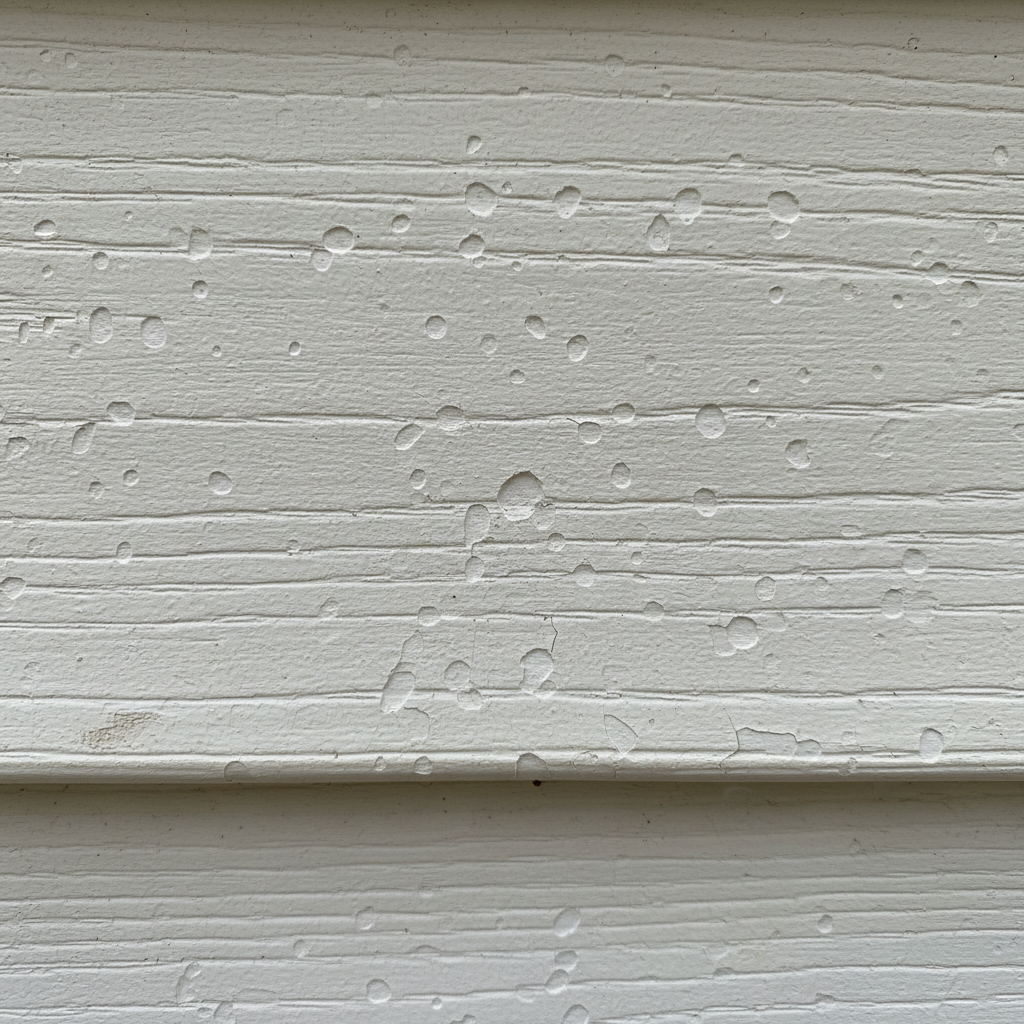
- Light Angle Test: Inspect the siding from various angles and under different lighting conditions (e.g., direct sunlight, overcast). Shadows can help reveal subtle dents or irregularities.
- Test with Chalk: For elusive dents, lightly rub a piece of chalk parallel to the siding surface. The chalk will accumulate in depressions, making them more visible. Blow away excess chalk afterward.
- If you see significant damage: Such as large cracks, holes, or entire panels detached, avoid touching them to prevent further damage or injury. Simply document them thoroughly.
Roofing · Hail damage
| Project category | Roofing |
|---|---|
| Problem type | Hail damage |
| Trade required | Roofing |
| Urgency | Urgent — within days |
| Safety risk | Moderate safety risk |
| DIY suitability | Licensed pro only |
| Cost category | High cost |
| Typical timeline | Inspection within days; claim and build often several weeks |
| Contractor type | Licensed roofing contractor |
Repair option
Spot repair for isolated slopes with limited impact marks.
Replacement option
Insurance-scope replacement when impacts exceed the carrier threshold per square.
Common causes
- Impact bruising that knocked granules loose
- Cracked mat under the surface, not visible from the ground
- Damaged soft metals: vents, gutters, flashing
Relevant tools:repair or replace roofcompare quotes
Published June 13, 2026Last updated August 18, 2026
Tools & materials you'll need
Affiliate linksAs an Amazon Associate FixlyGuide earns from qualifying purchases — at no extra cost to you. Prices and availability are accurate as of publication and subject to change.
Quick Answer
After a hail storm, the most critical step is a thorough inspection of your siding for damage, distinguishing between cosmetic and structural issues, and documenting everything. Many homeowners miss subtle signs, leading to more extensive problems if not addressed promptly and properly documented for insurance claims. Early detection and proper reporting are key to preventing further deterioration and ensuring a successful insurance claim.
The Problem
Many homeowners believe that hail damage is always obvious – large dents or shattered panels. However, hail, especially smaller hailstones or those accompanied by high winds, can cause subtle, often overlooked damage to various types of siding. This seemingly minor damage can lead to significant problems over time, including water intrusion, mold growth, reduced insulation efficiency, and accelerated material degradation. The real problem isn't just the visible ding; it's the compromised protective layer of your home and the potential for long-term, expensive structural issues if not identified and addressed correctly. Often, homeowners wait too long, making it harder to link the damage to a specific storm and prove it to insurers.
How It Works
When hail impacts siding, the forces at play are dictated by the size, density, and velocity of the hailstones, as well as the material and age of the siding itself. For vinyl siding, hail can cause impact marks, cracks, and sometimes even penetrate the material. The impact can weaken the vinyl, making it brittle and more susceptible to future damage from UV exposure or temperature fluctuations. Fiber cement siding, while more robust, can suffer from chipped paint, divots, or even hairline cracks that allow moisture to penetrate. Wood siding might experience dents, splintering, or paint chipping, exposing the underlying wood to rot and insect infestation. Aluminum siding is particularly prone to dents, which, while often cosmetic, can compromise its finish and lead to corrosion. The underlying mechanism is simple: kinetic energy from the hailstone is absorbed by the siding, causing deformation or fracture. This initial damage might not immediately leak water, but it creates pathways for moisture, compromises the material's integrity, and shortens its lifespan. The protective layer is breached, and your home becomes vulnerable.
Step-by-Step Fix
1. Prioritize Safety – Ensure the storm has passed and it's safe to go outside.
- Safety First: Do not inspect during active hail or lightning. Wait for clear weather. Wear sturdy shoes with good grip, and use a stable ladder if necessary. Never climb onto a wet or icy roof.
2. Document Everything – Comprehensive photo and video evidence is crucial.
- Detailed Records: Use your smartphone or a digital camera to take high-resolution photos and videos of all visible damage. Get close-ups and wider shots that show the context. Note the date and time of the storm and your inspection. This documentation is vital for insurance claims.
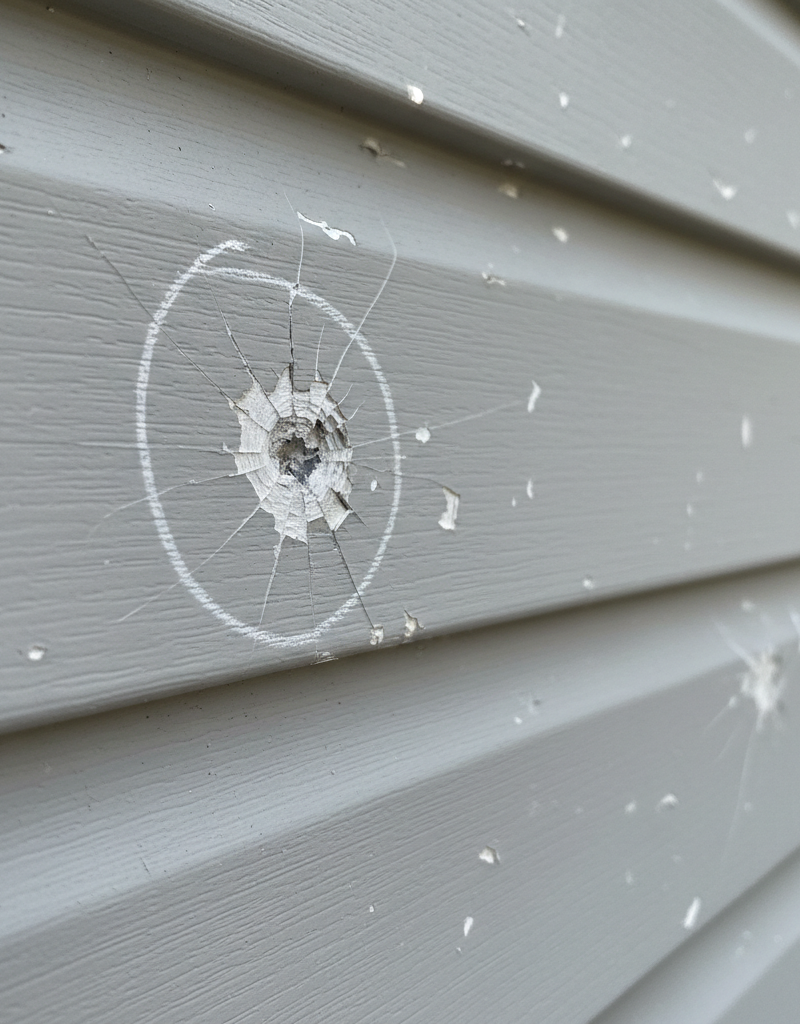
- Annotate Photos: If possible, use photo editing tools to circle or highlight damaged areas for clarity.
3. Conduct a Ground-Level Inspection – Look for obvious signs of damage from a safe distance.
- Walk Around Your Home: Systematically walk the perimeter of your house, looking at all sides of the siding. Hail often comes from a prevailing direction, so one side may be more affected than others. Look for noticeable dents, cracks, chips, or missing pieces.
- Check Gutters and Downspouts: Hail can also damage metal gutters and downspouts, causing dents that indicate the severity of the storm and potential impacts on other areas.
4. Perform a Close-Up Siding Inspection – Get up close to identify subtle damage.
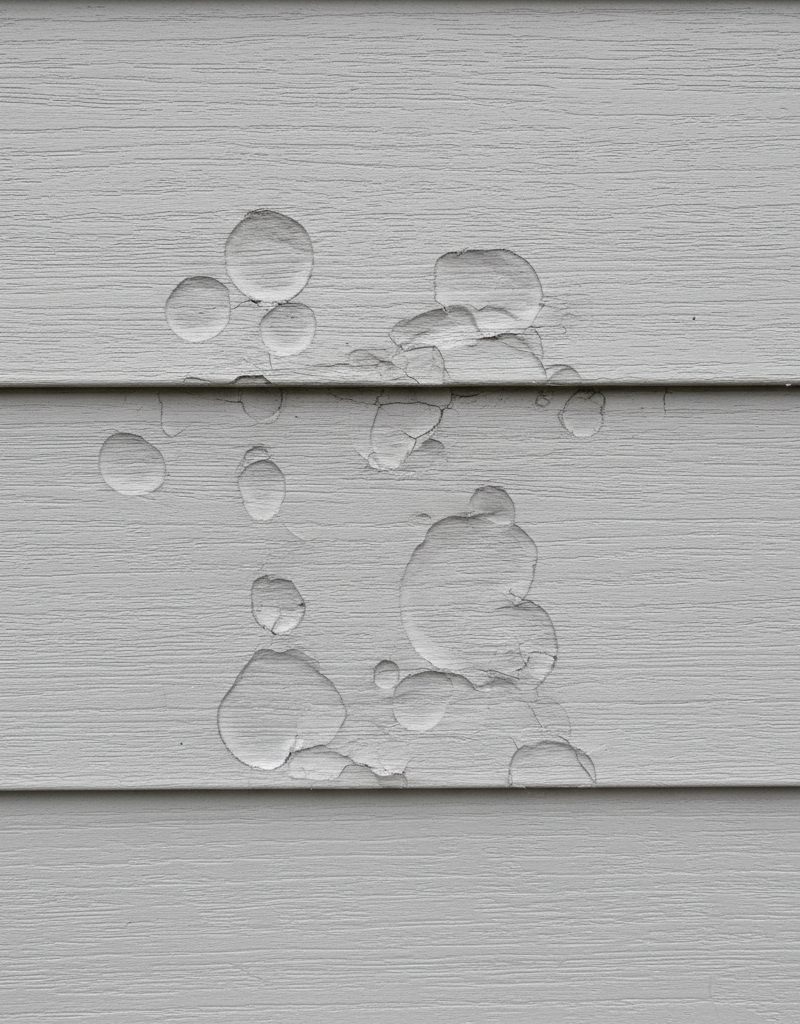
- Visual Check: Carefully examine accessible siding panels for small pockmarks, chips in the paint (especially on fiber cement), spiderweb cracks, or slight indentations. These can be difficult to spot, especially on textured surfaces. Run your hand over the siding to feel for irregularities.
- Light Angle Test: Inspect the siding from various angles and under different lighting conditions (e.g., direct sunlight, overcast). Shadows can help reveal subtle dents or irregularities.
- Test with Chalk: For elusive dents, lightly rub a piece of chalk parallel to the siding surface. The chalk will accumulate in depressions, making them more visible. Blow away excess chalk afterward.
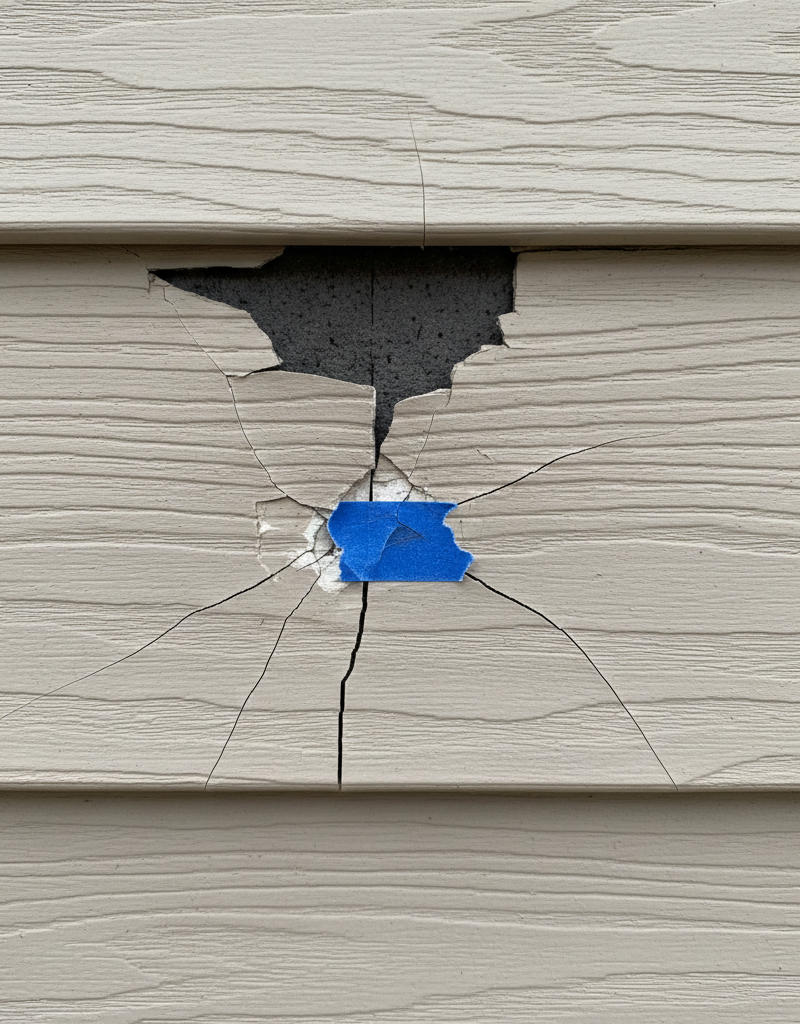
- If you see significant damage: Such as large cracks, holes, or entire panels detached, avoid touching them to prevent further damage or injury. Simply document them thoroughly.
5. Identify Different Types of Siding Damage – Distinguish between cosmetic and functional issues.
- Cosmetic Damage: Small dents that don't compromise the material's integrity, minor scuffs. While they may impact aesthetics, they don't always require immediate repair from a functional standpoint, though insurance might cover them.
- Functional Damage: Cracks, holes, punctures, or complete detachment of siding panels. These compromise the home's weather barrier and require prompt attention. This category is almost always covered by insurance.
6. Inspect Other Exterior Elements – Hail rarely damages siding in isolation.
- Look Up: Check your roof, windows, window screens, fascia, soffit, and exterior light fixtures. If these show damage, it increases the likelihood of siding damage and strengthens your insurance claim.
7. Contact Your Insurance Company – The sooner, the better.
- Review Your Policy: Understand your coverage for hail damage, including your deductible. Most policies have a limited window for filing claims after a storm.
- Make the Call: Provide your documented evidence (photos, videos, notes) to your insurer. They will typically send an adjuster to assess the damage.
8. Get Professional Estimates – Don't rely solely on the adjuster's assessment.
- Obtain Multiple Quotes: Get at least two, preferably three, detailed estimates from reputable, licensed local contractors for the repair or replacement of the damaged siding. Ensure estimates include proper material matching and installation techniques.
9. Consider Temporary Repairs – Prevent further damage while awaiting permanent solutions.
- Small Cracks/Holes: For minor breaches, temporary patches using color-matched exterior caulk or specialized siding repair tape can prevent water intrusion. Ensure the surface is clean and dry before applying. This is a stopgap, not a permanent fix.
- Loose Panels: If a siding panel is slightly loose or detached but not broken, you might be able to secure it with siding clips or a few well-placed exterior screws (ensure not to overtighten). Again, this is a temporary measure.
Common Causes
- Hail Impact: The primary cause, with severity depending on hail size, wind speed, and siding material.
- Weakened Siding: Older siding, or siding previously damaged by UV, temperature cycling, or improper installation, is more susceptible to hail damage.
- High Wind Speeds: Wind-driven hail increases impact force and can cause siding to flex or detach.
- Material Quality: Lower-grade siding materials may be more brittle or less resistant to impact.
- Poor Installation: Siding not installed according to manufacturer specifications (e.g., too tight, not enough overlap) can be more prone to cracking or detachment from impact.
Common Mistakes
- Delaying Inspection: Waiting too long allows minor damage to worsen and makes it harder to link to a specific storm for insurance.
- Ignoring Subtle Damage: Focusing only on obvious large holes and missing smaller, but critical, cracks or dents that can lead to water intrusion.
- Insufficient Documentation: Not taking enough photos or videos, or not noting the date and time, can weaken your insurance claim.
- Not Checking All Sides: Hail often comes from one direction, but wind can swirl, damaging multiple sides. A comprehensive inspection is critical.
- DIY Repair of Major Damage: Attempting extensive repairs without proper knowledge or tools can void warranties, lead to incorrect installation, and fail to address underlying issues, potentially creating more costly problems.
- Relying on a Single Estimate: Accepting the first repair quote without comparing can lead to overpaying or receiving subpar work.
Cost & Time Breakdown
| Task | DIY Cost | Pro Cost | Time |
|---|---|---|---|
| Initial Inspection & Documentation | $0 | $0 | 30-60 minutes |
| Temporary Patching (small areas) | $15–$30 | NA | 1-2 hours |
| Minor Siding Repair (1-3 panels) | $50–$150 | $300–$800 | 2-4 hours |
| Extensive Siding Repair (5+ panels) | $150–$500+ | $1,000–$5,000+ | 1-3 days |
| Full Siding Replacement (average home) | NA | $10,000–$30,000+ | 1-2 weeks |
Tips & Prevention
- Regular Inspections: Periodically inspect your siding for general wear and tear, not just after storms. Look for loose panels, warping, or cracking that could make it more vulnerable.
- Monitor Weather Alerts: Stay informed about severe weather and hail warnings in your area. This allows you to be prepared for potential damage.
- Consider Siding Material: When replacing siding, research materials with higher impact resistance if you live in a hail-prone region (e.g., thicker vinyl, fiber cement).
- Maintain Landscaping: Keep trees and bushes trimmed away from your house. Overhanging branches can cause additional damage during storms.
- Proper Installation: Ensure any new siding installation follows manufacturer guidelines strictly, allowing for proper expansion and contraction and secure fastening.
- Review Insurance Policy Annually: Understand your coverage limits, deductible, and claims process before a storm hits.
When to Call a Professional
Call a professional siding contractor immediately if you notice widespread cracking, large holes, or multiple detached panels across several areas of your home. If you suspect structural damage, water intrusion into your home's interior, or if the extent of the damage makes you uncomfortable performing a DIY inspection or temporary repair, it's time to bring in the experts. A licensed contractor can provide a comprehensive assessment, navigate insurance claims, and ensure repairs are done to code and manufacturer specifications, preserving your home's integrity and warranty.
Related Articles
Keep troubleshooting with these hand-picked guides from FixlyGuide:
- Is That Hail Damage on Your Siding? 5 Hidden Signs Most Homeowners Miss — Discover how to inspect your siding for hidden hail damage, understand the different types, and navigate the repair or replacement process.
- The #1 Mistake Homeowners Make After Finding Missing Shingles (And How to Fix It Right) — Discover the crucial steps to take after a storm rips shingles from your roof, ensuring a proper, lasting repair and preventing costly futu…
- The #1 Gutter Mistake You're Making (And 3 Hidden Causes of Overflow) — Overflowing gutters in heavy rain are often a sign of a deeper issue than just debris, leading to potential foundation damage and costly re…
- The 3 Hidden Reasons Your Gutters Fail in Heavy Rain (It’s Not Just Leaves) — Overflowing gutters during heavy rain often stem from a few common, yet overlooked, issues beyond simple leaf clogs, leading to potential s…
- Is Your Gutter Sagging After Every Storm? The Hidden Flaw Most Homeowners Miss — Discover the overlooked reason your gutters sag after every storm and learn the lasting fix that most homeowners miss.
- The #1 Mistake Homeowners Make Cleaning Gutters (And How to Fix It) — Discover the biggest gutter cleaning mistake that leads to costly roof damage and learn the right way to protect your home.
Should you do this yourself?
Answer five quick questions before you start. Safety outranks savings every time.
Your experience with work like this
How high do you have to work?
Does the job involve any of these?
Will it need a permit?
Specialty tools
Free and instant. Educational guidance only — not a quote, inspection, or professional diagnosis.
Questions to ask before you sign
Ask every contractor the same questions and the cheapest bid stops looking cheapest. Check them off as you go — your progress is saved on this device.
Free, no signup. Bring this to every walkthrough so you compare bids on the same terms.
What should this project cost?
Enter your project details for a realistic cost range before you call anyone.
Spot repairs commonly run $400–$1,800; full replacement typically $9,000–$18,000 for an average home.
- Regional adjustment
- National average
- Labor share (typical)
- ~$2,948
- Quotes to collect
- 3 written estimates
Educational estimate based on national averages — not a binding quote. Always confirm with written local estimates.
Fixly Project Decision Box
- DIY difficulty
- Professional Recommended
- Estimated time
- Inspection 1–2 hours · repairs 1–3 days
- Cost level
- High
Main tools / materials
- Binoculars for a ground-level look
- Flashlight for attic checks
- Moisture meter
- Roofing cement (temporary patch only)
When to stop and call a pro
- Active leak near lights, fans, or any wiring
- Sagging, bulging, or water-filled ceiling
- Steep, wet, or two-story roof — do not climb it
- Storm or hail damage you plan to claim on insurance
Need professional help?
Free roof assessment first — no phone calls until you ask for them.
Get Local Roofing HelpGet help with your roof now
Stay off the roof. These free tools help you protect the house and reach the right professional fast.
- Emergency repair checklistThe first steps that limit damage before a pro arrives.Open
- Repair or replace your roof?Answer 10 questions about age, leaks, and damage to get a clear next step.Open
- Get local estimatesSend one request and compare written estimates from vetted pros.Open
Free, no signup required. Estimates are educational guidance, not a quote or an inspection.
Frequently asked questions
How do I know if my siding has hail damage?+
Look for visible dents, cracks, chips, or spiderweb patterns on the siding panels. These can be subtle, so inspect from different angles and lighting. On vinyl, look for small craters; on fiber cement, check for chipped paint or small divots. Using chalk to highlight depressions can help.
What's the difference between cosmetic and functional hail damage?+
Cosmetic damage affects the aesthetic appearance (minor dents, scuffs) but doesn't compromise the siding's protective function. Functional damage (cracks, holes, detached panels) compromises the home's weather barrier and requires repair to prevent water intrusion and further issues.
Should I file an insurance claim for hail damage?+
Yes, if you suspect functional damage or widespread cosmetic damage. Document everything thoroughly with photos and videos, and contact your insurance company as soon as possible after the storm. Review your policy to understand your deductible and coverage.
Can I repair hail damage myself?+
Minor, isolated cosmetic damage might be repairable by an experienced DIYer (e.g., temporary patching with caulk). However, extensive or functional damage, especially involving multiple panels or structural integrity, is best left to licensed professionals to ensure correct repair and prevent future problems.
How long do I have to file a hail damage claim?+
Most insurance policies have specific time limits for filing claims, often ranging from six months to a year after the storm event. It's crucial to review your policy or contact your insurer immediately after discovering damage to understand their specific deadlines.
Discussion
Loading comments…