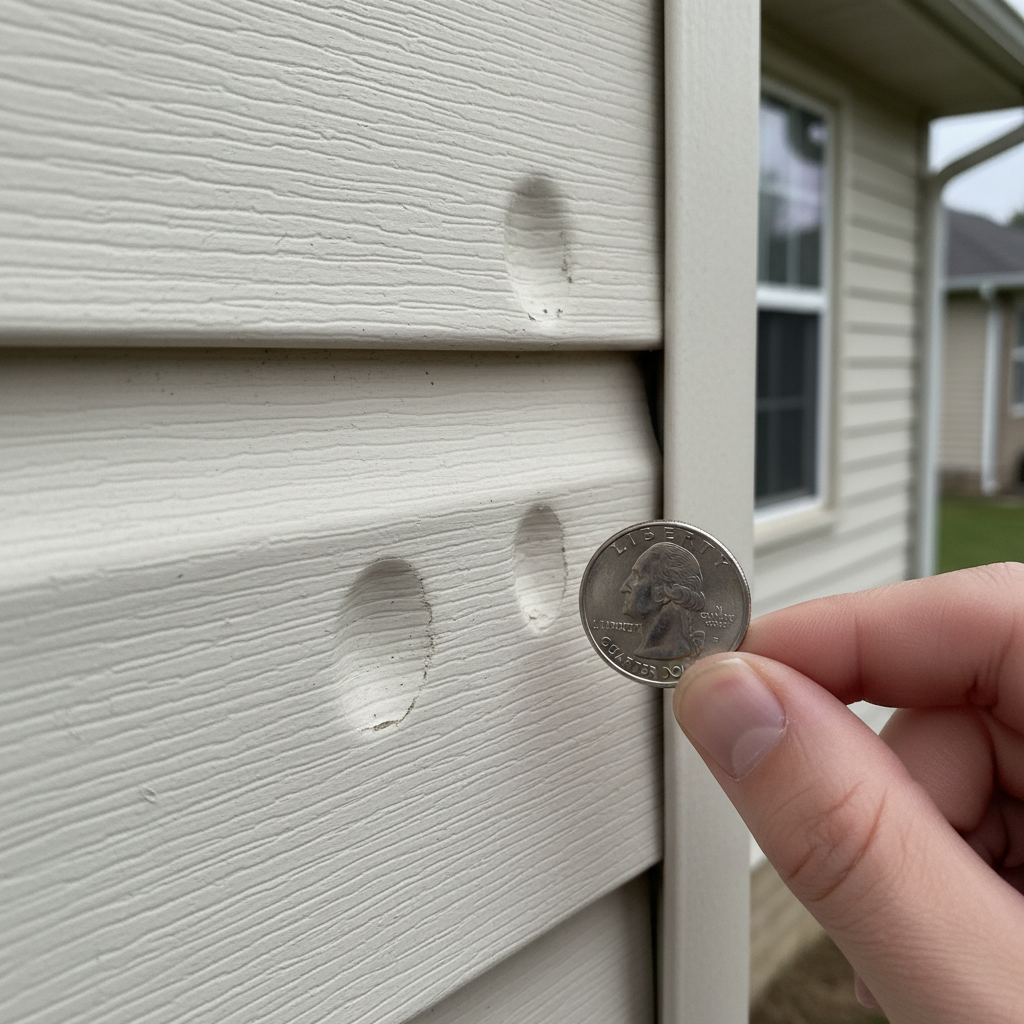
- Hail Impact: The direct force of hailstones impacting the siding is the primary cause. Larger hail, higher wind speeds, and colder temperatures (making siding more brittle) increase the severity of damage.
- Wind-Driven Hail: Wind can significantly increase the velocity and angle of hail, leading to more forceful impacts and damage on specific sides of a home, even from smaller hailstones.
- Material Brittleness: Older vinyl siding, or any vinyl siding in very cold temperatures, can become stiff and more prone to cracking or shattering upon impact rather than merely denting.
- Existing Siding Weakness: Siding that is already old, improperly installed, or previously damaged may be more susceptible to hail damage, as its structural integrity is already compromised.
- Poor Installation: Siding not properly nailed or secured can be more easily detached or damaged by hail combined with strong winds.
Roofing · Hail damage
| Project category | Roofing |
|---|---|
| Problem type | Hail damage |
| Trade required | Roofing |
| Urgency | Urgent — within days |
| Safety risk | Moderate safety risk |
| DIY suitability | Licensed pro only |
| Cost category | High cost |
| Typical timeline | Inspection within days; claim and build often several weeks |
| Contractor type | Licensed roofing contractor |
Repair option
Spot repair for isolated slopes with limited impact marks.
Replacement option
Insurance-scope replacement when impacts exceed the carrier threshold per square.
Common causes
- Impact bruising that knocked granules loose
- Cracked mat under the surface, not visible from the ground
- Damaged soft metals: vents, gutters, flashing
Relevant tools:repair or replace roofcompare quotes
Published July 8, 2026Last updated August 17, 2026
Tools & materials you'll need
Affiliate links- AmazonHigh-resolution camera/smartphoneFor detailed photo and video documentation of damage.
- AmazonTape measure or rulerTo provide scale in photos of damage.
- AmazonLadderOnly if comfortable and safe for reaching eye-level areas (avoid high elevations).
- AmazonNotebook and penFor taking notes during inspection and adjuster meetings.
- AmazonBinocularsFor inspecting high areas like the roof from the ground safely.
As an Amazon Associate FixlyGuide earns from qualifying purchases — at no extra cost to you. Prices and availability are accurate as of publication and subject to change.
Quick Answer
After a hailstorm, the most critical mistake homeowners make is not documenting damage immediately and thoroughly, or waiting too long to file an insurance claim. This can lead to denied claims or insufficient payouts. Promptly inspect your siding, document all visible damage with photos and videos, and contact your insurance provider within their specified timeframe, typically 12–24 months, but sooner is always better. Understanding what constitutes hail damage and how to properly report it can save you thousands in out-of-pocket expenses and ensure your home is restored correctly.
The Problem
Your home's siding acts as its primary defense against the elements, and hail, even seemingly small stones, can inflict significant damage. This damage isn't always immediately obvious and can range from subtle indentations and scuffs to cracks, shattered panels, and detached pieces. Beyond the aesthetic impact, compromised siding leaves your home vulnerable to moisture intrusion, leading to rot, mold, and structural issues that can be far more expensive to repair down the line. Many homeowners, in the aftermath of a storm, either underestimate the extent of the damage or delay action, assuming it's a minor issue or that their insurance will handle everything without proper documentation. This delay and lack of detailed evidence are precisely the mistakes that can cost thousands.
How It Works
Hailstones form in strong thunderstorms when updrafts carry raindrops into extremely cold areas of the atmosphere, where they freeze. As these ice pellets fall, they collect more supercooled water droplets, which freeze onto their surfaces, causing them to grow in layers like an onion. The stronger the updraft and the longer the hailstone remains aloft, the larger it becomes. When these hailstones fall, their size, density, and velocity determine the extent of the impact force. Siding, typically made of vinyl, fiber cement, or wood, is designed to withstand a certain degree of impact. However, hail exceeding certain sizes (often pea-sized or larger, depending on wind and material) can exceed the material's elastic limit, causing plastic deformation (dents), fracturing (cracks and chips), or complete perforation. Vinyl siding can become brittle in cold weather, making it more susceptible to cracking, while fiber cement can chip or shatter. Wood siding can suffer dents, splintering, and compromised paint or stain, leading to accelerated weathering and potential rot. The angle of impact, influenced by wind, also plays a crucial role; hail hitting perpendicularly causes more concentrated damage than glancing blows across the surface.
Step-by-Step Fix
Remember: For significant or widespread hail damage, especially involving high areas or structural concerns, calling a licensed professional is always recommended. This guide focuses on initial assessment and documentation.
-
Safety First Inspection — Ensure the storm has completely passed and it's safe to go outside. Look for downed power lines or tree limbs before venturing out. Wear sturdy shoes and appropriate clothing. Always assume any downed lines are live. If there is extensive damage, such as large holes allowing water ingress, immediately cover the area with a tarp to prevent further damage. Do not attempt to climb ladders if you are unsure of their stability or the height is significant.
- Safety Note: Never attempt to inspect your roof or high areas of your siding from an unsecured ladder, especially if wet or windy. If you are uncomfortable with heights or suspect significant damage, contact a professional inspector or roofing contractor immediately.
-
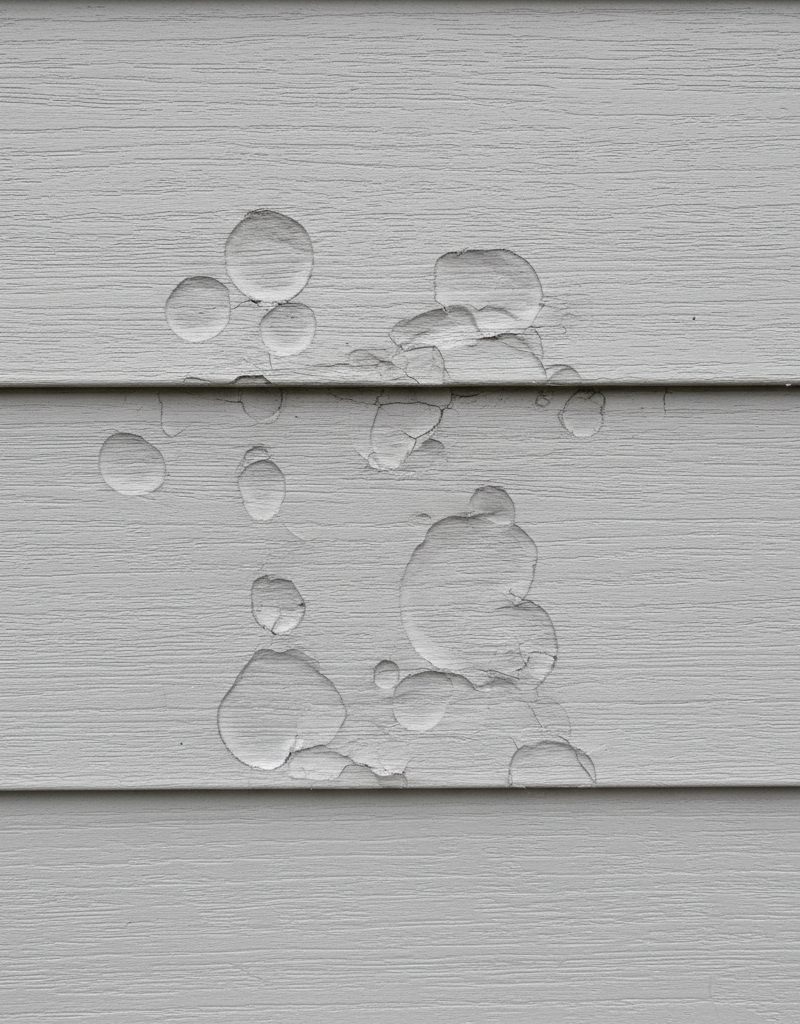
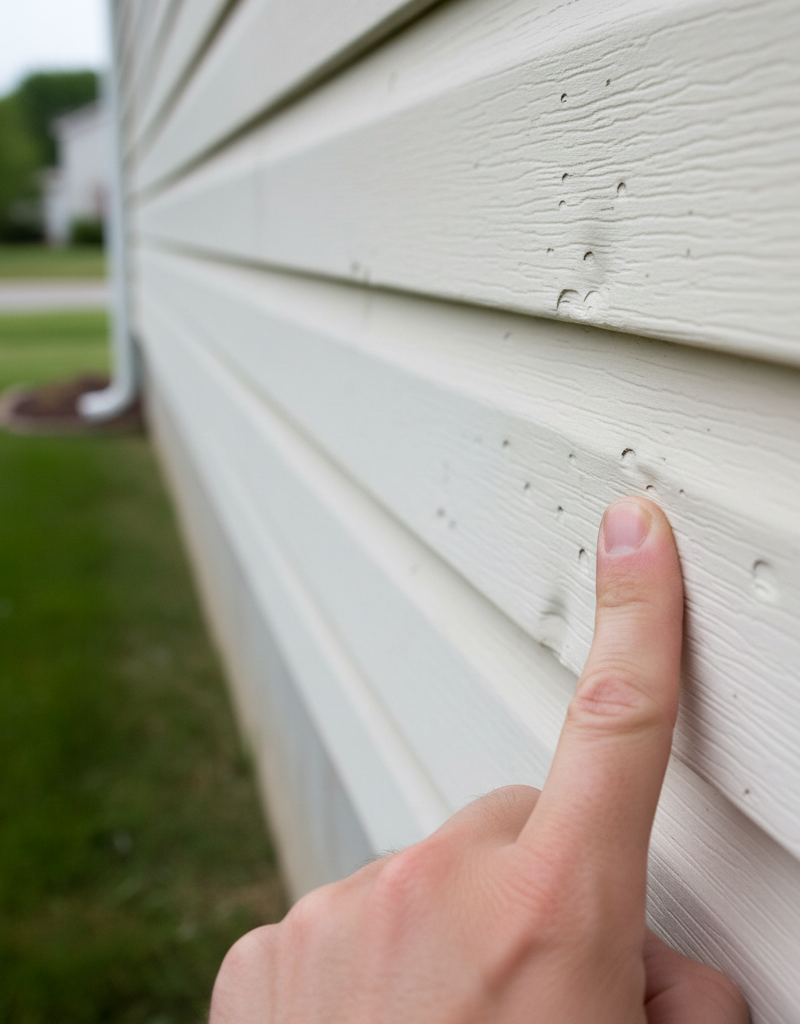
Initial Ground-Level Assessment — Walk around your entire home, looking for obvious signs of damage on your siding, windows, gutters, and trim. Look for dents, cracks, chips, and areas where siding panels may have detached or appear shattered. Check all sides of the house, as wind direction during the storm can cause damage to be more prevalent on certain sides.
- If you see significant damage: Focus on documentation and contact pros. Do not attempt large-scale patching yourself.
-
Document Everything with Photos & Video — This is the most crucial step for insurance claims. Use a high-resolution camera (most smartphone cameras are sufficient). Take wide shots of each side of your house, then close-up shots of every ding, crack, or anomaly. Place a common object, like a coin or a ruler, next to the damage for scale. Narrate a video as you walk around, pointing out specific damage. Include the date and time in your documentation. Photograph any damaged landscaping or outdoor furniture as well, as these can support your claim of a severe storm.
- Pro Tip: Take photos before and after cleaning any debris to show the original state of damage clearly.
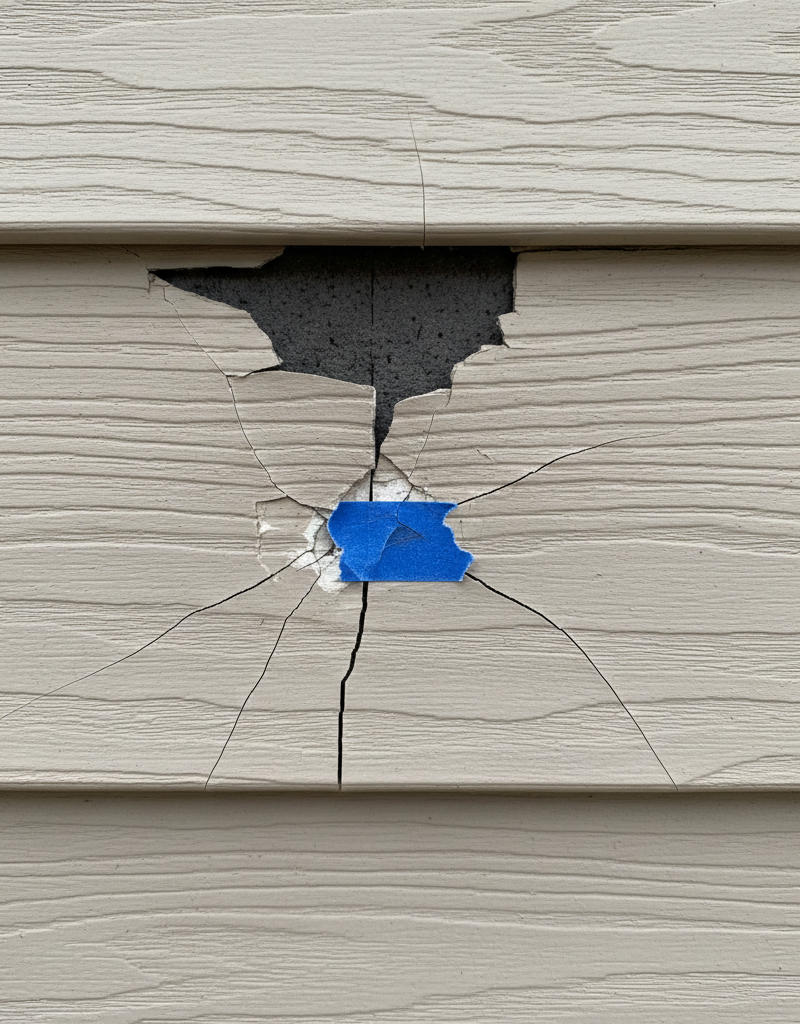
- What to look for: Small, circular impact marks; spiderweb cracks on vinyl; chipped or spalled areas on fiber cement; dents or splits in wood siding; loosened or detached siding panels; damage to corner trim or J-channels.
-
Check Other Exterior Components — Hail rarely damages only one part of your home. Inspect your roof (from the ground or with binoculars), gutters (dents, dings, detachment), window frames (dents, cracks in trim), screens (tears), and outdoor HVAC units (dented fins). Damage to these elements helps corroborate the severity of the hail event.
- If you see roof damage: This is often a sign of more extensive hail. Do not attempt to climb onto a damaged roof. Call a roofing professional.
-
Secure Vulnerable Areas Temporarily — For small holes or cracks that could allow water in, use heavy-duty waterproof tape or a tarp temporarily. This is not a permanent fix but prevents secondary damage while you await professional repairs. Ensure any temporary patches are firmly secured to prevent wind from dislodging them.
- Materials for temporary fix: Tarps, heavy-duty duct tape, waterproof sealants.
-
Contact Your Insurance Company — As soon as you have documented the damage, call your insurance provider. Report the storm and the suspected hail damage. Be prepared to provide the date of loss and a summary of the damage you observed, referencing your detailed documentation. Do not throw away any damaged pieces of siding, if safely removable, as the adjuster may want to see them.
- Key Information: Date of storm, type of damage, your documentation.
-
Understand Your Policy & Deductible — Review your homeowner's insurance policy to understand your coverage for hail damage, your deductible, and the claims process. Some policies have specific wind and hail deductibles, which might be a percentage of your home's insured value rather than a flat rate.
- Questions for your agent: What is my deductible? What is the timeframe for filing a claim? What documentation do you require?
-
Meet with the Adjuster — Your insurance company will send an adjuster to assess the damage. Be present during their inspection. Share your documentation and point out all the areas of concern you identified. Ask questions and ensure they note everything. Do not feel pressured to accept their initial assessment if you believe parts of the damage have been overlooked. Remember, the adjuster works for the insurance company; having your own detailed evidence is crucial.
- What to bring: Your photos/videos, a copy of your policy, a notepad for notes.
- If you disagree: Seek a second opinion from a reputable, local siding contractor who can provide an independent estimate.
-
Obtain Multiple Repair Quotes — Once your claim is approved, get at least three estimates from licensed and insured local contractors specializing in siding repair. Ensure bids are detailed, itemizing materials, labor, and scope of work. Compare bids carefully, looking for thoroughness and clarity. Be wary of contractors who pressure you or offer deals that seem too good to be true.
- Verify: Contractor's license, insurance, and references.
-
Schedule Repairs Strategically — Work with your chosen contractor to schedule repairs promptly, especially if your home is exposed to the elements. Ensure the contractor uses materials that match your existing siding as closely as possible in terms of color, style, and quality to maintain your home's aesthetic and protective integrity.
- Consider: Material matching, contractor warranty, timeline.
Common Causes
- Hail Impact: The direct force of hailstones impacting the siding is the primary cause. Larger hail, higher wind speeds, and colder temperatures (making siding more brittle) increase the severity of damage.
- Wind-Driven Hail: Wind can significantly increase the velocity and angle of hail, leading to more forceful impacts and damage on specific sides of a home, even from smaller hailstones.
- Material Brittleness: Older vinyl siding, or any vinyl siding in very cold temperatures, can become stiff and more prone to cracking or shattering upon impact rather than merely denting.
- Existing Siding Weakness: Siding that is already old, improperly installed, or previously damaged may be more susceptible to hail damage, as its structural integrity is already compromised.
- Poor Installation: Siding not properly nailed or secured can be more easily detached or damaged by hail combined with strong winds.
Common Mistakes
- Delaying Inspection & Documentation: Waiting days or weeks lets potential evidence disappear (e.g., small scuffs wash away), makes it harder to prove the damage was from a specific storm, and can exceed insurance claim filing deadlines.
- Neglecting Temporary Repairs: Failing to tarp or seal obvious holes/cracks immediately can lead to secondary water damage (rot, mold, interior leaks), which may not be fully covered if preventable.
- Not Inspecting All Sides & Components: Focusing only on the most visible damage can lead to missed issues on other sides of the house, the roof, gutters, or window frames, resulting in an incomplete claim.
- Throwing Away Damaged Pieces: If safely removable, keeping a few damaged pieces of siding can serve as physical evidence for the adjuster, especially if the damage is subtle.
- Accepting the First Contractor Bid: Without comparing multiple detailed quotes, you might overpay, choose an unqualified contractor, or miss out on better service and materials.
- Failing to Verify Contractor Credentials: Hiring an unlicensed or uninsured contractor can lead to shoddy work, no recourse for future issues, and liability for injuries on your property.
Cost & Time Breakdown
| Task | DIY cost | Pro cost | Time |
|---|---|---|---|
| Initial Inspection & Docs | $0 | $0 (your time) | 30–60 minutes |
| Temporary Patching (minor) | $10–$50 | Included in repair | 1–2 hours |
| Insurance Claim Filing | $0 | $0 (your time) | 15–30 minutes |
| Adjuster Meeting | $0 | $0 (your time) | 1–2 hours |
| Siding Repair/Replacement | $100–$1,000+* | $2,000–$25,000+** | 1–5 days+ |
*DIY cost for minor, localized repair with materials. **Pro cost for varies greatly based on extent of damage, type of siding, and local labor rates. Typically covered by insurance minus deductible.
Tips & Prevention
- Routine Exterior Checks: Periodically walk around your home to check your siding, trim, and roof for any signs of wear, damage, or loose components. Early detection can prevent minor issues from becoming major problems.
- Tree & Shrub Maintenance: Keep trees trimmed away from your house. Overhanging branches can cause damage during storms, and falling leaves or debris can clog gutters, leading to water overflow and potential siding issues.
- Gutter Maintenance: Regularly clean your gutters and downspouts to ensure proper water drainage. Clogged gutters can cause water to back up and spill over, staining or damaging siding, and making it more vulnerable to future storm damage.
- Know Your Siding's Age: Be aware of how old your siding is. As siding materials age, they can become more brittle and susceptible to damage from impacts like hail. This knowledge can inform your next replacement decision.
- Review Your Insurance Annually: Ensure your homeowner's insurance policy provides adequate coverage for hail and wind damage. Understand your deductible and coverage limits before a storm hits, not after.
- Consider Impact-Resistant Siding: If you live in an area prone to severe hailstorms, consider upgrading to impact-resistant siding materials when it's time for replacement. These materials are specifically designed to withstand greater impact forces.
When to Call a Professional
While this guide emphasizes the homeowner's role in initial assessment and documentation, knowing when to step back and call in a licensed professional is crucial. You should immediately contact a professional siding contractor or a general contractor specializing in storm damage if you observe extensive, widespread damage to your siding, especially if it includes large holes, shattered panels, or significant detachment that could allow water intrusion. If the damage extends to your roof, windows, or involves structural elements, a professional assessment is mandatory to ensure all affected areas are identified and repaired correctly. Furthermore, if the damage is in high, hard-to-reach areas that require ladders your uncomfortable with, or if you suspect any electrical components might be exposed or compromised, do not attempt DIY repairs. A trained professional has the necessary safety equipment, expertise, and insurance to handle complex repairs safely and efficiently, ensuring your home is fully protected and meets local building codes. They can also assist with the insurance claim process, providing detailed estimates that ensure you receive fair compensation for repairs.
Related Articles
Keep troubleshooting with these hand-picked guides from FixlyGuide:
- The Invisible Hail Damage Mistake Most Homeowners Make (And How to Spot It) — Discover how to accurately assess hail damage on your home's siding, understand its hidden impacts, and perform essential repairs to protec…
- Is That Hail Damage on Your Siding? 5 Hidden Signs Most Homeowners Miss — Discover how to inspect your siding for hidden hail damage, understand the different types, and navigate the repair or replacement process.
- Is That Hail Damage to Your Siding—Or Something Worse? (And How to Know For Sure) — Distinguishing hail damage from other siding issues is crucial for proper repair and insurance claims. Learn how to identify hail damage an…
- The One Mistake Homeowners Make When Shingles Blow Off (And How to Fix It Right) — After a storm, finding missing roof shingles can be alarming. Learn the critical mistake homeowners often make and how to properly assess a…
- The #1 Mistake Homeowners Make After Finding Missing Shingles (And How to Fix It Right) — Discover the crucial steps to take after a storm rips shingles from your roof, ensuring a proper, lasting repair and preventing costly futu…
- The #1 Bathtub Recaulking Mistake (And How to Flawlessly Seal Yours) — Discover the biggest mistake homeowners make when recaulking bathtubs and learn the proper steps to achieve a long-lasting, watertight seal.
Should you do this yourself?
Answer five quick questions before you start. Safety outranks savings every time.
Your experience with work like this
How high do you have to work?
Does the job involve any of these?
Will it need a permit?
Specialty tools
Free and instant. Educational guidance only — not a quote, inspection, or professional diagnosis.
Questions to ask before you sign
Ask every contractor the same questions and the cheapest bid stops looking cheapest. Check them off as you go — your progress is saved on this device.
Free, no signup. Bring this to every walkthrough so you compare bids on the same terms.
What should this project cost?
Enter your project details for a realistic cost range before you call anyone.
Spot repairs commonly run $400–$1,800; full replacement typically $9,000–$18,000 for an average home.
- Regional adjustment
- National average
- Labor share (typical)
- ~$2,948
- Quotes to collect
- 3 written estimates
Educational estimate based on national averages — not a binding quote. Always confirm with written local estimates.
Fixly Project Decision Box
- DIY difficulty
- Professional Recommended
- Estimated time
- Inspection 1–2 hours · repairs 1–3 days
- Cost level
- High
Main tools / materials
- Binoculars for a ground-level look
- Flashlight for attic checks
- Moisture meter
- Roofing cement (temporary patch only)
When to stop and call a pro
- Active leak near lights, fans, or any wiring
- Sagging, bulging, or water-filled ceiling
- Steep, wet, or two-story roof — do not climb it
- Storm or hail damage you plan to claim on insurance
Need professional help?
Free roof assessment first — no phone calls until you ask for them.
Get Local Roofing HelpGet help with your roof now
Stay off the roof. These free tools help you protect the house and reach the right professional fast.
- Emergency repair checklistThe first steps that limit damage before a pro arrives.Open
- Repair or replace your roof?Answer 10 questions about age, leaks, and damage to get a clear next step.Open
- Get local estimatesSend one request and compare written estimates from vetted pros.Open
Free, no signup required. Estimates are educational guidance, not a quote or an inspection.
Get the print-ready PDF of this guide
A clean, ad-free, printable version you can keep on your phone or pin to the workshop wall. Free with a FixlyGuide account.
- Print-optimized layout
- Tools, materials & every step included
- Saved to your account
Frequently asked questions
How do I know if my siding has hail damage?+
Look for circular dents, cracks, chips, or shattered areas on your siding panels. Also, check other exterior components like gutters, window frames, and roof for similar impact marks. Damage is often more visible when looking across the surface at an angle.
Should I file an insurance claim for hail damage?+
Yes, if you suspect significant damage that will exceed your deductible. Document all damage thoroughly with photos and videos before contacting your insurance company. Filing a claim promptly is crucial.
What if the hail damage is minor?+
Even minor damage can compromise your siding's protective abilities over time, leading to water intrusion. Document it, monitor it, and if unsure, get a professional opinion. Small, localized repairs might be a DIY option, but widespread minor damage can still add up.
Discussion
Loading comments…