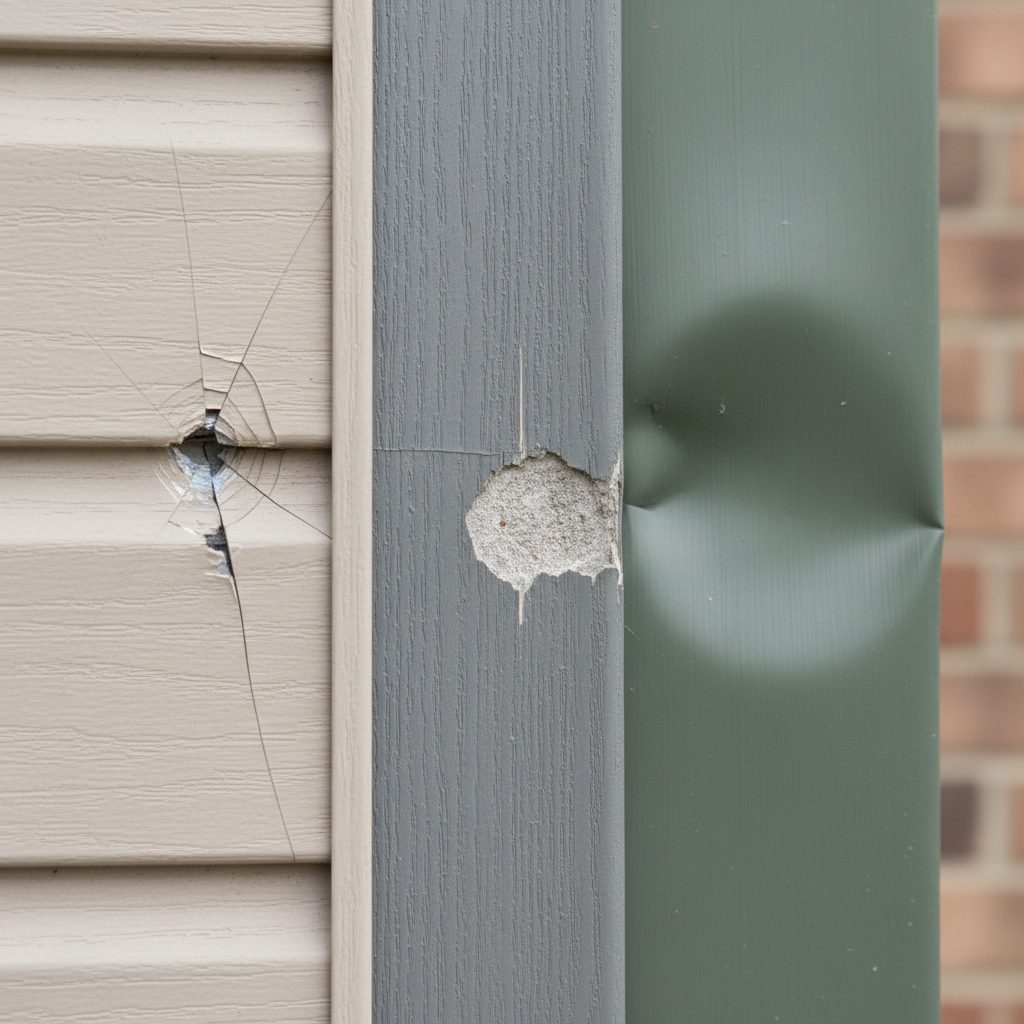
- Hail Impact: The most obvious cause. Size, density, and velocity of hailstones dictate severity.
- Wind-Driven Hail: High winds during a hailstorm can increase the impact force and cause hail to strike siding at angles that maximize damage.
- Siding Age and Material: Older siding or certain materials (like older vinyl) can be more brittle and prone to damage.
- Poor Installation: Siding not installed according to manufacturer specifications (e.g., too tight, insufficient fasteners) can be more vulnerable to damage and displacement during a storm.
- Pre-existing Damage: Minor dings or cracks from previous impacts or normal wear and tear can be exacerbated by a hailstorm.
Roofing · Hail damage
| Project category | Roofing |
|---|---|
| Problem type | Hail damage |
| Trade required | Roofing |
| Urgency | Urgent — within days |
| Safety risk | Moderate safety risk |
| DIY suitability | Licensed pro only |
| Cost category | High cost |
| Typical timeline | Inspection within days; claim and build often several weeks |
| Contractor type | Licensed roofing contractor |
Repair option
Spot repair for isolated slopes with limited impact marks.
Replacement option
Insurance-scope replacement when impacts exceed the carrier threshold per square.
Common causes
- Impact bruising that knocked granules loose
- Cracked mat under the surface, not visible from the ground
- Damaged soft metals: vents, gutters, flashing
Relevant tools:repair or replace roofcompare quotes
Published June 8, 2026Last updated August 17, 2026
Tools & materials you'll need
Affiliate links- AmazonDigital camera or smartphoneFor documenting damage with photos and videos
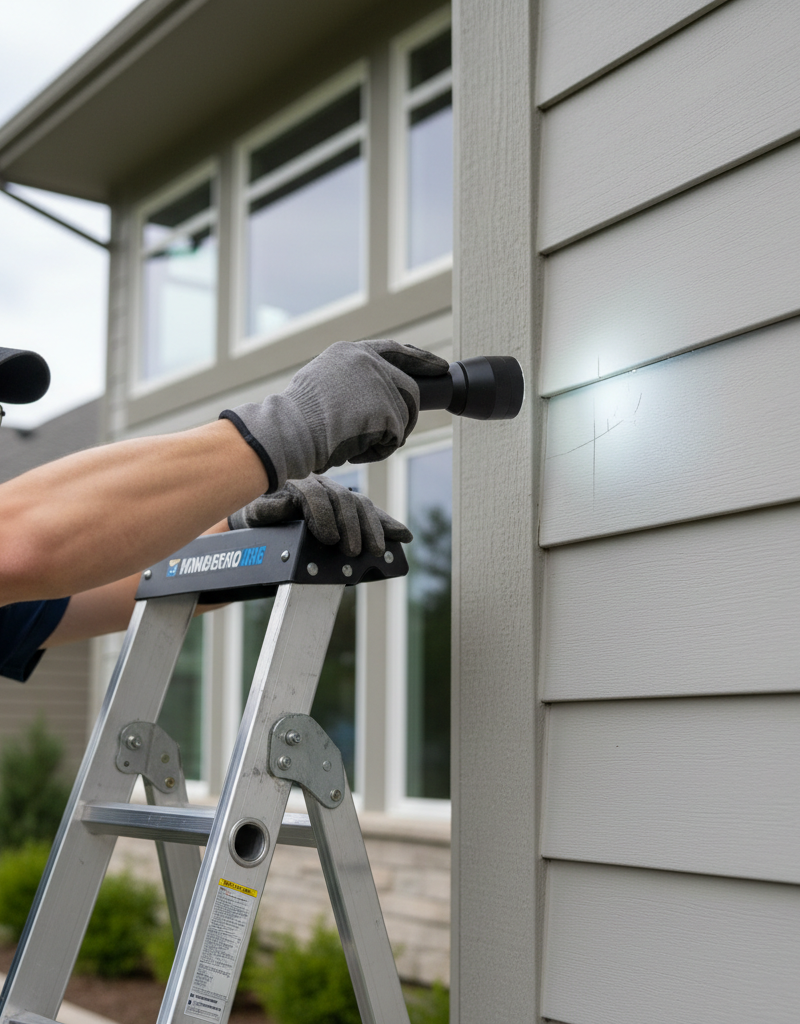
- AmazonLadderFor inspecting higher areas safely (ensure it's stable)
- AmazonMeasuring tapeTo measure damaged areas for documentation
- AmazonWork glovesFor hand protection during inspection and temporary repairs
- AmazonSafety glassesTo protect eyes from debris during inspection
As an Amazon Associate FixlyGuide earns from qualifying purchases — at no extra cost to you. Prices and availability are accurate as of publication and subject to change.
Quick Answer
After a hailstorm, perform a visual inspection of your siding for signs of impact, such as cracks, chips, dents, or missing pieces. Photograph all observed damage. Temporarily secure any compromised areas to prevent further water intrusion, then contact your homeowner's insurance provider to initiate a claim. A professional siding contractor should conduct a thorough inspection to provide an accurate estimate for repairs or replacement.
The Problem
Hailstorms, even seemingly minor ones, can inflict substantial damage on your home's siding. This damage isn't always obvious at first glance. Small dents, hairline cracks, or weakened sections can compromise the siding's ability to protect your home from moisture, pests, and energy loss. Over time, these seemingly minor issues can escalate into significant problems, including water infiltration, mold growth, rot in sheathing and framing, and increased energy bills. Ignoring hail damage can lead to much more expensive repairs down the line, potentially jeopardizing the structural integrity and resale value of your home. The challenge lies in accurately identifying the extent of the damage and navigating the insurance claims process to ensure your property is fully restored.
How It Works
When hailstones strike your home's exterior, they impart kinetic energy. The amount of damage depends on several factors: the size and density of the hailstones, their velocity, the angle of impact, and the type and age of your siding material.
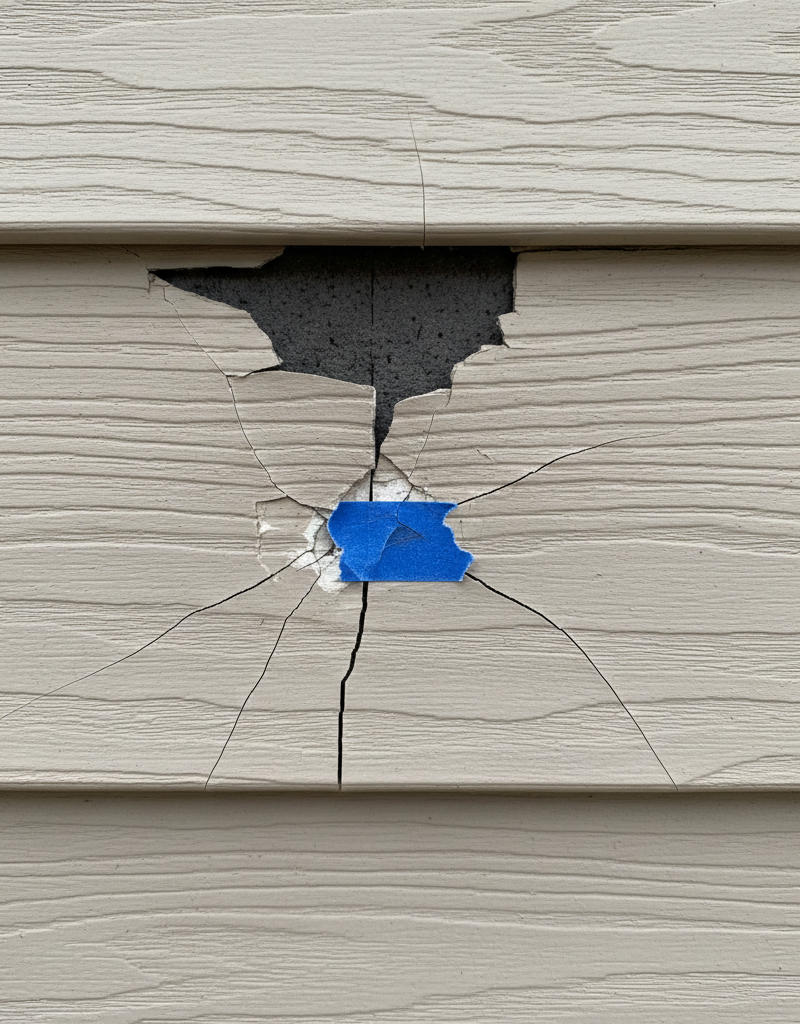
Vinyl Siding: This common siding material can crack, chip, or puncture when hit by hail. The plasticizers in vinyl can become brittle over time, making older siding more susceptible to cracking, especially in colder temperatures. Look for spiderweb cracks, crescent-shaped fractures, or clean breaks.
Fiber Cement Siding: Known for its durability, fiber cement can still suffer damage from large hail. Impacts can lead to chips, cracks, or surface flaking where the protective coating has been compromised. The internal fibers can also weaken, making it more prone to future damage.
Wood Siding (Clapboard, Shingles, Shakes): Wood siding can dent, splinter, or chip when struck by hail. The impact can also bruise the wood, creating soft spots that are more vulnerable to rot and insect infestation. Hail can also strip away paint or stain, exposing the raw wood to the elements.
Aluminum Siding: Aluminum is prone to denting upon impact. These dents are often circular or crescent-shaped and can be numerous, affecting the aesthetic appeal and potentially compromising the panel's integrity. While less common now, many older homes still feature aluminum siding.
Regardless of the material, compromised siding creates openings in your home's protective envelope, allowing water to penetrate. This water can then saturate the underlying sheathing, insulation, and framing, leading to rot, mold, and mildew. Early detection and repair are crucial to prevent these secondary, more severe issues.
Step-by-Step Fix
1. Prioritize Safety — Before you do anything else, ensure your immediate surroundings are safe. Storms can leave behind downed power lines, sharp debris, and slippery surfaces. Do not attempt to inspect if conditions are unsafe.
2. Document the Damage — Use your smartphone or a digital camera to take high-resolution photos and videos of all affected siding areas.
- Tip: Get close-up shots showing the specific nature of the damage (cracks, dents, chips) and wider shots to show the extent across entire sections of your home. Date and time-stamp your photos if possible.
3. Secure Your Home (Temporary Measures) — For any large cracks, holes, or displaced siding panels, immediate temporary repairs are vital to prevent water intrusion.
- Materials: Use heavy-duty tarps, plywood, or weather-resistant tape. Carefully secure these materials over the damaged areas.
- Caution: Don't use nails that could create more holes. Use screws with washers or adhesive if possible. This is a temporary fix, not a permanent solution.
4. Contact Your Insurance Provider — Notify your homeowner's insurance company as soon as possible after documenting the damage and making temporary repairs.
- Information: Provide them with the date of the storm, a description of the damage, and your initial documentation. Ask about their claims process, what to expect, and if they have a list of preferred contractors.
5. Get Professional Siding Inspections — Even if you think the damage is minor, or your insurance company sends an adjuster, get an independent inspection from a reputable, licensed siding contractor.
- Why: An independent contractor can provide an unbiased assessment and ensure all damage is identified, including subtle issues an adjuster might miss. Get at least two quotes.
- Note: Your insurance company's adjuster will create their own report. Your contractor's detailed estimate helps ensure you get a fair settlement.
6. Review Insurance Adjuster's Report — Once the insurance adjuster completes their assessment, carefully review their report against your documented damage and the contractor's estimate.
- Discrepancies: If there are significant differences or missed damage, be prepared to discuss them with your adjuster, providing your evidence.
7. Choose a Qualified Contractor — Select a licensed, insured, and reputable siding contractor for the repairs.
- Vetting: Check references, look at their past work, and ensure they are experienced with your type of siding and hail damage repairs. Ensure they provide a detailed contract outlining the scope of work, materials, timeline, and payment schedule.
8. Oversee Repairs — While the contractor is working, periodically check on the progress.
- Questions: Don't hesitate to ask questions if you have concerns or want clarification on the work being done.
Common Causes
- Hail Impact: The most obvious cause. Size, density, and velocity of hailstones dictate severity.
- Wind-Driven Hail: High winds during a hailstorm can increase the impact force and cause hail to strike siding at angles that maximize damage.
- Siding Age and Material: Older siding or certain materials (like older vinyl) can be more brittle and prone to damage.
- Poor Installation: Siding not installed according to manufacturer specifications (e.g., too tight, insufficient fasteners) can be more vulnerable to damage and displacement during a storm.
- Pre-existing Damage: Minor dings or cracks from previous impacts or normal wear and tear can be exacerbated by a hailstorm.
Common Mistakes
- Ignoring Minor Damage: Thinking small dents or cracks aren't a big deal can lead to unseen water damage, mold, and rot, leading to much larger repair bills.
- Not Documenting Thoroughly: Without clear photos and detailed notes, your insurance claim might be denied or undervalued. Over-document rather than under-document.
- Filing a Claim Too Late: Most insurance policies have a time limit for filing claims after a storm. Delaying can result in your claim being denied.
- Only Relying on the Insurance Adjuster's Report: Insurance adjusters are trained professionals, but they can miss things. An independent contractor's assessment can protect your interests.
- Hiring Unlicensed/Uninsured Contractors:
Related Articles
Keep troubleshooting with these hand-picked guides from FixlyGuide:
- Is That Hail Damage on Your Siding? 5 Hidden Signs Most Homeowners Miss — Discover how to inspect your siding for hidden hail damage, understand the different types, and navigate the repair or replacement process.
- The #1 Gutter Mistake You're Making (And 3 Hidden Causes of Overflow) — Overflowing gutters in heavy rain are often a sign of a deeper issue than just debris, leading to potential foundation damage and costly re…
- The #1 Mistake Homeowners Make After Finding Missing Shingles (And How to Fix It Right) — Discover the crucial steps to take after a storm rips shingles from your roof, ensuring a proper, lasting repair and preventing costly futu…
- The 3 Missing Shingles: Why Ignoring Them Costs You $10,000 — Ignoring even a few missing roof shingles after a storm can lead to thousands in water damage and rot – here’s how to safely fix them yours…
- The 3 Hidden Reasons Your Gutters Fail in Heavy Rain (It’s Not Just Leaves) — Overflowing gutters during heavy rain often stem from a few common, yet overlooked, issues beyond simple leaf clogs, leading to potential s…
- The Hidden Reason Your GFCI Trips (It's Not Always a Faulty Outlet) — A continuously tripping GFCI outlet is a critical safety warning, often indicating moisture, a faulty appliance, or a wiring problem that r…
Should you do this yourself?
Answer five quick questions before you start. Safety outranks savings every time.
Your experience with work like this
How high do you have to work?
Does the job involve any of these?
Will it need a permit?
Specialty tools
Free and instant. Educational guidance only — not a quote, inspection, or professional diagnosis.
Questions to ask before you sign
Ask every contractor the same questions and the cheapest bid stops looking cheapest. Check them off as you go — your progress is saved on this device.
Free, no signup. Bring this to every walkthrough so you compare bids on the same terms.
What should this project cost?
Enter your project details for a realistic cost range before you call anyone.
Spot repairs commonly run $400–$1,800; full replacement typically $9,000–$18,000 for an average home.
- Regional adjustment
- National average
- Labor share (typical)
- ~$2,948
- Quotes to collect
- 3 written estimates
Educational estimate based on national averages — not a binding quote. Always confirm with written local estimates.
Fixly Project Decision Box
- DIY difficulty
- Professional Recommended
- Estimated time
- Inspection 1–2 hours · repairs 1–3 days
- Cost level
- High
Main tools / materials
- Binoculars for a ground-level look
- Flashlight for attic checks
- Moisture meter
- Roofing cement (temporary patch only)
When to stop and call a pro
- Active leak near lights, fans, or any wiring
- Sagging, bulging, or water-filled ceiling
- Steep, wet, or two-story roof — do not climb it
- Storm or hail damage you plan to claim on insurance
Need professional help?
Free roof assessment first — no phone calls until you ask for them.
Get Local Roofing HelpGet help with your roof now
Stay off the roof. These free tools help you protect the house and reach the right professional fast.
- Emergency repair checklistThe first steps that limit damage before a pro arrives.Open
- Repair or replace your roof?Answer 10 questions about age, leaks, and damage to get a clear next step.Open
- Get local estimatesSend one request and compare written estimates from vetted pros.Open
Free, no signup required. Estimates are educational guidance, not a quote or an inspection.
Frequently asked questions
How do you tell if siding has hail damage?+
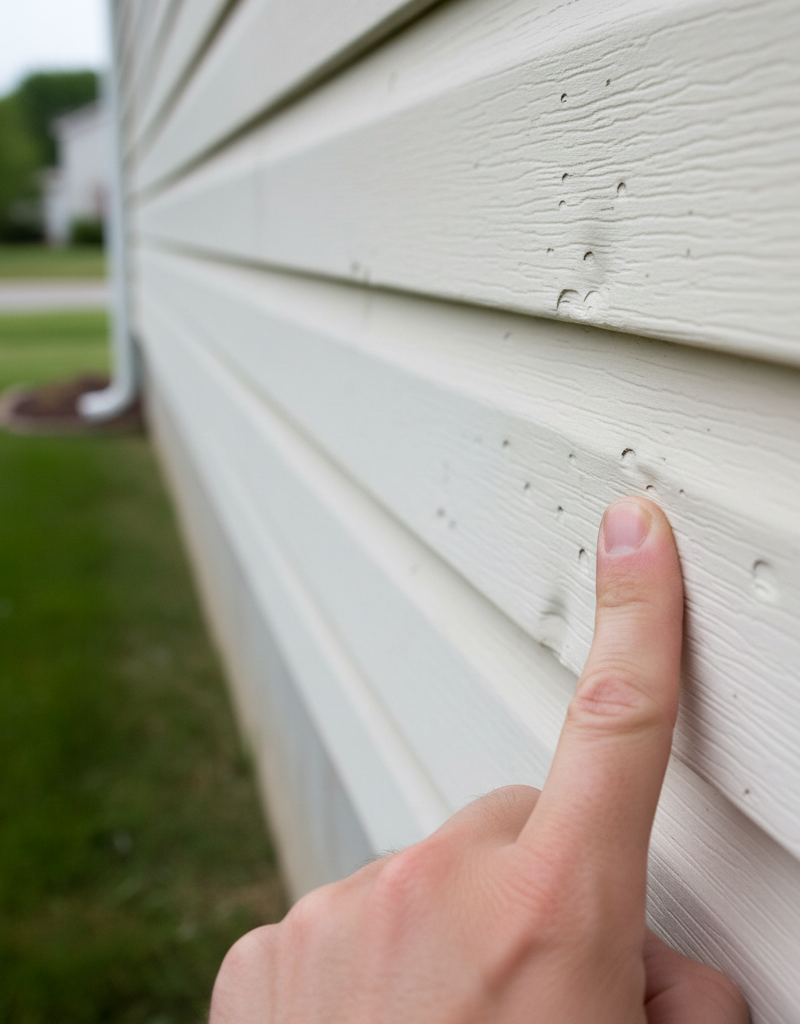
Look for visible signs like cracks, chips, dents, and punctures. On vinyl, you might see crescent-shaped fractures. On fiber cement, look for chipped paint or small craters. On aluminum, look for circular dents. Check multiple sides of your home, especially those facing the direction of the storm.
Should I file an insurance claim for hail damage?+
Yes, if you suspect any significant damage. Siding damage can lead to costly water infiltration if not addressed. It's always best to have a professional assessment and let your insurance company determine coverage. Be aware of your deductible.
Can you repair hail damaged siding, or does it need full replacement?+
It depends on the extent and type of damage. Minor, isolated dents or cracks might be repairable by replacing individual panels. However, widespread damage often necessitates full siding replacement to maintain a consistent appearance and ensure proper protection.
How long do I have to file a hail damage claim?+
Most insurance policies require claims to be filed within a certain timeframe after the damage occurs, typically one year. However, it's crucial to check your specific policy or contact your insurer immediately after a storm to understand your deadlines.
Discussion
Loading comments…