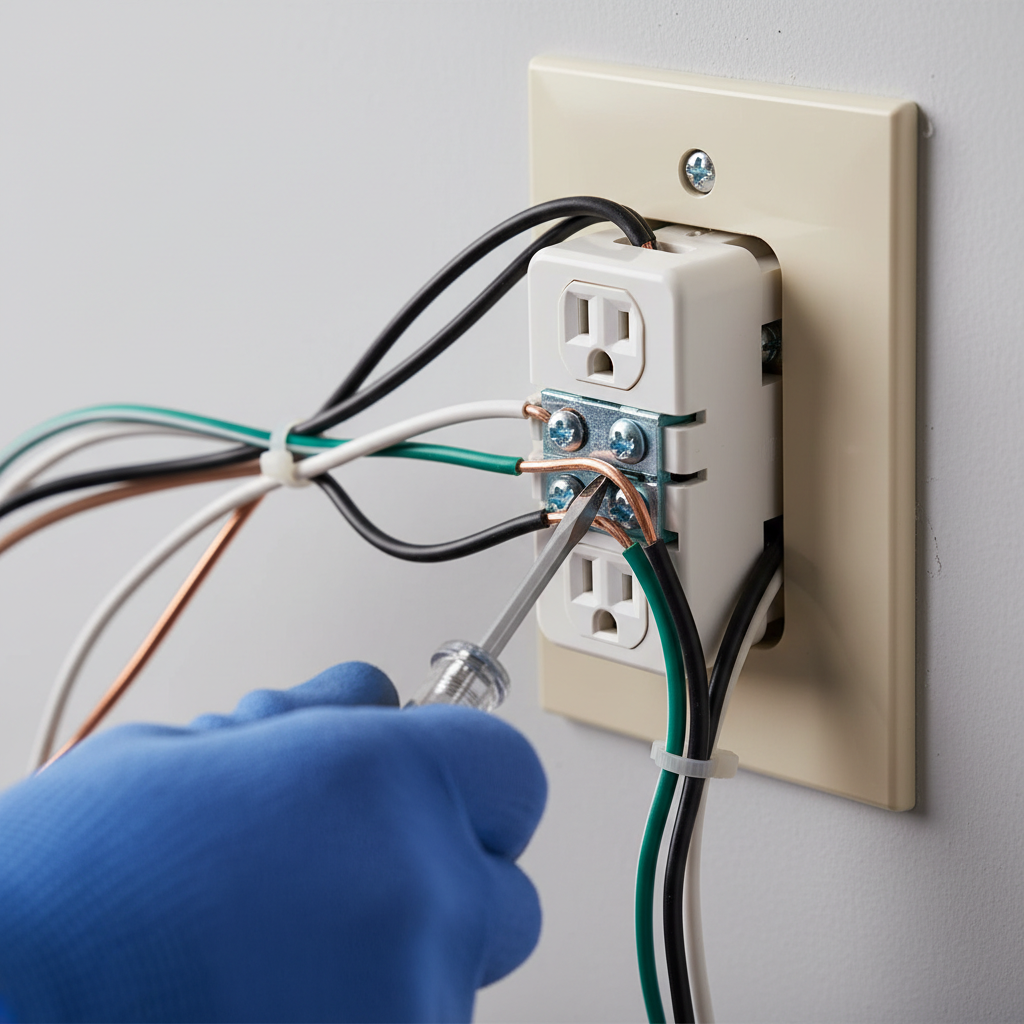
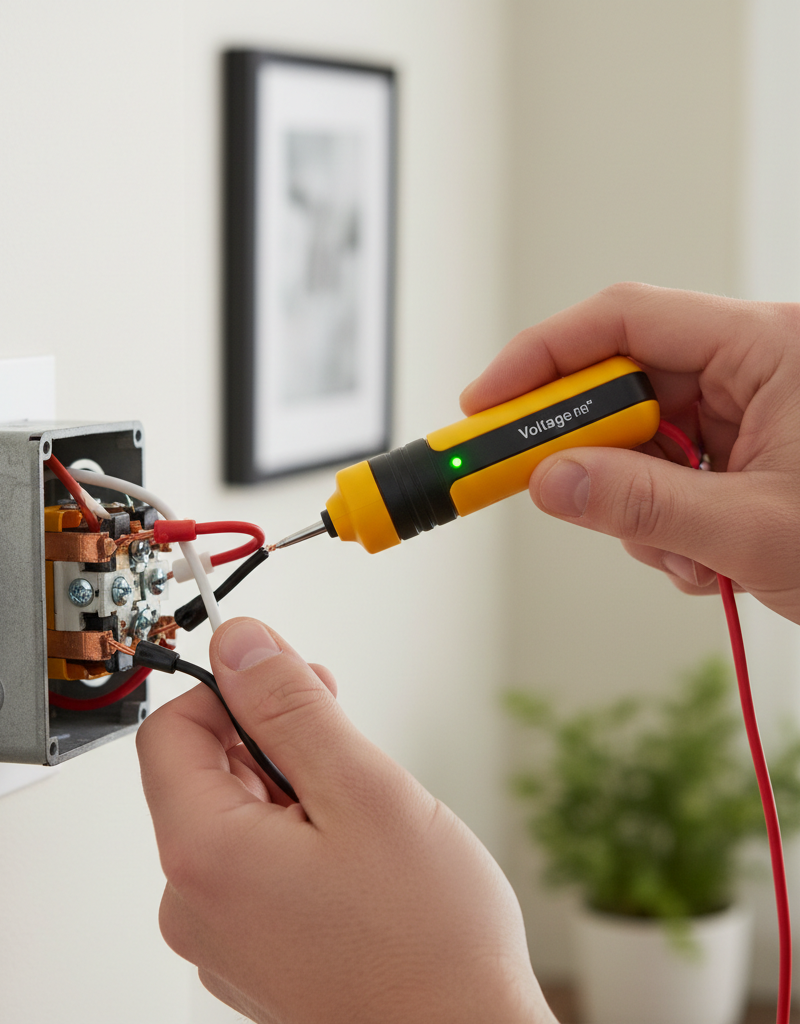
- Forgetting to Turn Off Power: The most dangerous mistake. Always, always cut the power at the breaker before starting work on an outlet. A non-contact voltage tester is a cheap life-saver.
- Not Testing All Outlets on the Circuit: Assuming the problem is only with one outlet can lead you to miss a tripped breaker affecting an entire circuit. Always test other outlets, lights, or appliances connected to the same breaker.
- Ignoring Back-Stabbed Wires: While convenient for electricians, back-stab connections are far less secure than proper screw terminal connections. Don't just tighten; if you see them, convert them to screw terminals for reliability.
- Overtightening Screws: While you want snug connections, overtightening terminal screws can strip the screw head, damage the wire, or crack the outlet mounting, creating more problems than you solve.
- Assuming a Faulty Outlet Immediately: Many homeowners jump to replacing the outlet without first checking for loose wires or a tripped breaker. Often, the existing outlet is fine, and a quick tightening is all that's needed.
Electrical · Panel or service upgrade
| Project category | Electrical |
|---|---|
| Problem type | Panel or service upgrade |
| Trade required | Electrical |
| Urgency | Planned project |
| Safety risk | High safety risk |
| DIY suitability | Licensed pro only |
| Cost category | High cost |
| Typical timeline | Permit plus utility scheduling, commonly 2–6 weeks |
| Contractor type | Licensed electrician |
Repair option
Add a subpanel when the main service is adequate.
Replacement option
Full service upgrade with utility coordination and permits.
Common causes
- Obsolete or recalled panel brands
- Service capacity too small for added loads
- No room for required AFCI/GFCI breakers
Relevant tools:project cost estimatorcompare quotes
Published May 12, 2026Last updated August 17, 2026
Tools & materials you'll need
Affiliate links- AmazonNon-contact voltage testerCrucial for safety to confirm power is off
- AmazonScrewdriver setPhillips and flathead, appropriate sizes
- AmazonNeedle-nose pliersUseful for bending wires into hooks
- AmazonWire strippersIf you need to re-strip wire ends
- AmazonCircuit breaker finder (optional)Helps quickly identify the correct breaker
As an Amazon Associate FixlyGuide earns from qualifying purchases — at no extra cost to you. Prices and availability are accurate as of publication and subject to change.
Quick Answer
When only one half of a duplex electrical outlet stops working, the most common cause is a tripped circuit breaker or, more specifically, a loose or damaged wire connection to the outlet itself, often at the 'split-tab' that allows separate control for each receptacle. It's usually not a major issue and can be resolved with basic troubleshooting and a few simple tools.
The Problem
You plug in a lamp, and it works. You plug your phone charger into the very next slot on the same outlet, and nothing. It's a frustratingly common scenario: one receptacle of a standard duplex outlet functions perfectly, while the other remains stubbornly dead. This isn't just an inconvenience; it can be a puzzle that makes you wonder if your home's wiring is collapsing. While it might seem like a complex electrical fault, the reality is often simpler, pointing to a specific issue within the outlet's wiring or its connection to your home's electrical system. Understanding why this happens is the first step toward a safe and effective repair.
How It Works
To grasp why one-half of an outlet can fail, it helps to understand how a standard 120-volt duplex outlet is wired. Inside your wall, a single electrical cable typically feeds power to the outlet. This cable generally contains three (or sometimes four) wires: a hot wire (usually black), a neutral wire (usually white), and a ground wire (bare copper or green). The hot wire brings electricity to the outlet, the neutral wire completes the circuit by carrying electricity away from the outlet back to the panel, and the ground wire provides a critical safety path in case of a fault.
Each standard duplex outlet actually contains two separate receptacles, but they are typically wired in parallel to the same hot and neutral sources. However, the brass 'hot' terminals on one side of the outlet and the silver 'neutral' terminals on the other side originally have a small metal tab connecting the top and bottom screw terminals. This tab allows both receptacles to draw power from the same single hot and neutral wires. In some installations, especially where one receptacle is controlled by a wall switch (like for a lamp), this tab is deliberately broken or 'split' on the hot side. This allows the top and bottom receptacles to be powered independently. If this hot-side tab is broken on an outlet that isn't meant to be split, or if a wire connected to one half of the hot or neutral terminal becomes loose or dislodged, you'll experience a half-dead outlet. The problem isn't usually with the entire circuit, but a localized interruption to one of the two independent receiving halves of the outlet.
Step-by-Step Fix
Safety First! Before working on any electrical outlet, ALWAYS turn off the power at your home's main circuit breaker panel. Use a non-contact voltage tester to confirm the power is off before touching any wires.
1. Test Nearby Outlets and Circuit Breakers — Check for wider issues.
Start by checking if any other outlets, lights, or appliances on the same wall or in the same room are also dead. A completely dead circuit points to a tripped breaker. Go to your electrical panel and look for a breaker that is in the 'off' position or, more commonly, one that's tripped to a middle position. Flip it fully off, then firmly back to the 'on' position. If no other outlets are affected, the problem is likely localized to the single outlet.
2. Remove the Outlet Cover Plate — Access the wiring.
With the power confirmed OFF at the breaker, carefully unscrew and remove the cover plate from the problematic outlet. Set the screws and plate aside in a safe place.
3. Carefully Pull the Outlet from the Wall — Examine for loose connections.
Gently grasp the top and bottom of the outlet and pull it straight out from the electrical box. It will still be connected by wires. Do not yank or pull forcefully. Examine the wiring closely. Look for any wires that appear loose, disconnected, frayed, or charred. Pay particular attention to the screw terminals on the sides of the outlet.
4. Look for a Broken Tab — Identify the common culprit.
Inspect the small metal 'tabs' connecting the top and bottom screw terminals on both sides of the outlet. On the brass (hot) side, if this tab is broken, it means the outlet is intended to be split for separate control (e.g., one half switched). If your outlet is not supposed to be switched, a broken tab on the hot side where there isn't a corresponding second hot wire is often the reason one half isn't working. If the tab on the neutral (silver) side is broken and only one neutral wire is present, this could also cause an issue. While less common, a broken tab on the neutral side without a split neutral feed can prevent one receptacle from grounding properly.
5. Tighten All Terminal Screws — Secure electrical connections.
Using an appropriate screwdriver (usually a Phillips head or flathead), firmly tighten every screw terminal on the sides of the outlet. Do not overtighten, but ensure they are snug. For 'back-stabbed' wires (wires simply pushed into small holes in the back of the outlet), these connections are notorious for failing. If you see back-stabbed wires, it's best to remove them and instead connect them securely to the appropriate screw terminals. To remove a back-stabbed wire, push a small screwdriver into the slot next to the wire while gently pulling the wire out.
6. Check for Damaged Wires — Replace if necessary.
Inspect the insulation on all wires for any nicks, cuts, or signs of burning. If you find a damaged wire, and there is enough slack, you can carefully cut out the damaged section, strip a fresh 3/4 inch of insulation, and reconnect it. If the wire is too short or heavily damaged, the entire run might need professional attention.
7. Reconnect Wires Properly (If Detached) — Ensure solid contact.
If a wire has come completely loose, strip about 3/4 inch of insulation from the end. Create a small 'hook' in the wire with needle-nose pliers andloop it clockwise around the appropriate screw terminal (black to brass, white to silver, bare/green to green ground). Tighten the screw firmly so the wire is secure and makes good contact. The clockwise loop ensures the wire tightens under the screw head as you turn it.
8. Carefully Push the Outlet Back into the Box — Avoid pinching wires.
Before pushing the outlet back, fold the wires neatly into the electrical box to prevent pinching or damaging them. Ensure the ground wire is not touching the hot or neutral terminals. Secure the outlet to the box with its mounting screws, being careful not to overtighten.
9. Replace the Cover Plate and Restore Power — Test the fix.
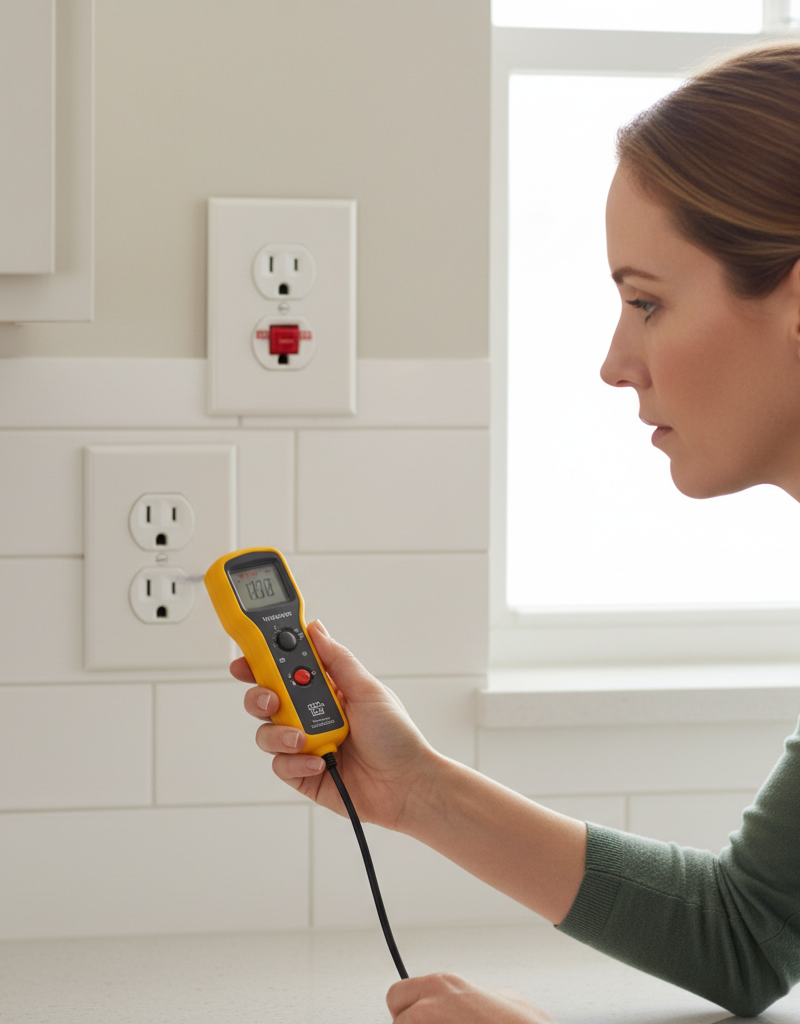
Screw the cover plate back on. Go back to your circuit breaker panel and flip the breaker back to the 'on' position. Test both receptacles of the outlet with a known working appliance or a voltage tester.
Common Causes
- Loose Wire Connections: This is by far the most frequent culprit. Over time, vibrations, repeated plugging and unplugging, or initial improper installation can cause the screw terminals or back-stab connections to loosen, breaking the circuit to one or both receptacles. This is especially true for back-stab connections, which are less reliable than screw terminals.
- Broken Split Tab: As discussed in 'How It Works,' the small metal tab connecting the brass (hot) terminals can be unintentionally broken, or intentionally broken for a switched outlet, leading to only one half receiving power if not wired correctly for a split-tab operation.
- Faulty Outlet: Less common, but sometimes the internal components of the outlet itself can fail, leading to one receptacle becoming defunct while the other still works. This typically requires replacing the outlet.
- GFCI Tripped Upstream: If the half-dead outlet is part of a circuit protected by a Ground Fault Circuit Interrupter (GFCI) outlet or breaker, a trip can sometimes affect only a portion of the downstream outlets if there's a wiring anomaly. Always check and reset any GFCI outlets on the circuit.
- Aging Wiring/Oxidation: Older wiring can develop resistance due to oxidation at connections, leading to intermittent power or total failure of one segment. This is more common in homes with aluminum wiring, which requires professional aluminum-rated connectors.
Common Mistakes
- Forgetting to Turn Off Power: The most dangerous mistake. Always, always cut the power at the breaker before starting work on an outlet. A non-contact voltage tester is a cheap life-saver.
- Not Testing All Outlets on the Circuit: Assuming the problem is only with one outlet can lead you to miss a tripped breaker affecting an entire circuit. Always test other outlets, lights, or appliances connected to the same breaker.
- Ignoring Back-Stabbed Wires: While convenient for electricians, back-stab connections are far less secure than proper screw terminal connections. Don't just tighten; if you see them, convert them to screw terminals for reliability.
- Overtightening Screws: While you want snug connections, overtightening terminal screws can strip the screw head, damage the wire, or crack the outlet mounting, creating more problems than you solve.
- Assuming a Faulty Outlet Immediately: Many homeowners jump to replacing the outlet without first checking for loose wires or a tripped breaker. Often, the existing outlet is fine, and a quick tightening is all that's needed.
- Improperly Re-inserting Wires: When pushing the outlet back into the box, it's easy to pinch wires, causing shorts or future issues. Neatly fold wires, ensuring no bare copper is exposed or touching other terminals.
Cost & Time Breakdown
| Task | DIY cost | Pro cost | Time (DIY) |
|---|---|---|---|
| Diagnose & Tighten Wires | $0–$5 | $100–$250 | 15–30 minutes |
| Replace Standard Outlet | $5–$15 | $120–$300 | 30–60 minutes |
| Replace GFCI Outlet (if applicable) | $15–$30 | $150–$350 | 45–75 minutes |
| Specialized Diagnosis (Pro) | N/A | $150–$400+ | 1–2 hours |
Tips & Prevention
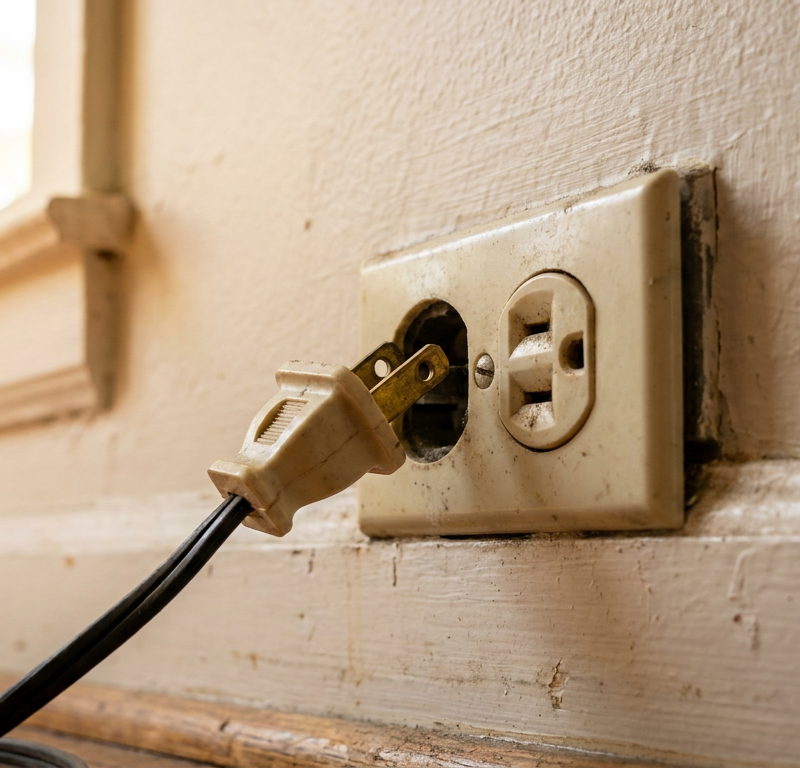
- Regular Inspections: Periodically check outlets in high-use areas for looseness in the wall box or signs of arcing (discoloration around the slots).
- Avoid Overloading: Be mindful of how many high-draw appliances are plugged into a single circuit. Overloading can trip breakers and stress wiring.
- Proper Installation: If installing new outlets, always use the screw terminals for connections, not the back-stab holes. Ensure wires are looped clockwise and tightly secured.
- GFCI Protection: Install GFCI outlets in kitchens, bathrooms, garages, and outdoors. These outlets automatically trip when they detect a ground fault, preventing shocks and protecting your entire circuit.
- Child-Proof Outlets: Consider tamper-resistant (TR) outlets, especially if you have children. These have internal shutters that prevent foreign objects from being inserted.
- Professional Check-ups: If you live in an older home (50+ years) or notice frequent electrical issues, consider having a licensed electrician perform a whole-home electrical inspection every 5-10 years.
When to Call a Professional
While troubleshooting a half-dead outlet is often a manageable DIY task, there are specific situations where immediately calling a licensed electrician is crucial for your safety and to prevent further damage. You should absolutely call a professional if you notice any burning smells, hear sizzling or buzzing sounds coming from the outlet or wall, or see any smoke or charring. These are red flags indicating a serious electrical fault that could lead to a fire. If, after resetting breakers and checking visible connections, the problem persists, or if you are dealing with very old, frayed, or aluminum wiring, professional intervention is necessary. An electrician has the specialized tools to diagnose complex wiring issues, safely handle old or damaged wiring, ensure code compliance, and perform repairs that are beyond the scope of typical DIY work, especially if the problem extends beyond a single outlet to a wider circuit or your electrical panel.
Related Articles
Keep troubleshooting with these hand-picked guides from FixlyGuide:
- Why is Your Light Switch Hot? (The Hidden Danger Most Homeowners Miss) — A hot light switch isn't just uncomfortable; it's a critical warning sign of electrical issues that should never be ignored due to fire ris…
- The 7 Head-Scratching Reasons Your Outlet Died (Even With The Breaker On) — Discover the surprising reasons why an electrical outlet might stop working even when its circuit breaker is fully engaged, and how to safe…
- Why Your Outlet Died (Even If the Breaker's ON): The Hidden Causes Everyone Misses — Discover the surprising reasons why an electrical outlet might stop working even when the circuit breaker appears to be on, and learn how t…
- The Hidden Reason Your GFCI Won't Reset (And It's Not Always a Short) — Discover the often-overlooked culprits behind a GFCI outlet that refuses to reset and learn how to safely diagnose and fix the issue yourse…
- Why Your Outlet Died But the Breaker's STILL On (The GFCI Culprit) — Discover the hidden reasons an electrical outlet stops working, even when the circuit breaker remains on, often pointing to a tripped GFCI.
- The #1 Reason Your AC Blows Warm Air (And It's Not What You Think) — A dirty air filter is often the overlooked culprit behind an air conditioner blowing warm air, hindering its ability to cool your home effi…
Should you do this yourself?
Answer five quick questions before you start. Safety outranks savings every time.
Your experience with work like this
How high do you have to work?
Does the job involve any of these?
Will it need a permit?
Specialty tools
Free and instant. Educational guidance only — not a quote, inspection, or professional diagnosis.
What should this project cost?
Enter your project details for a realistic cost range before you call anyone.
Outlet and switch work usually $150–$400; panel upgrades commonly $1,800–$4,200.
- Regional adjustment
- National average
- Labor share (typical)
- ~$709
- Quotes to collect
- 3 written estimates
Educational estimate based on national averages — not a binding quote. Always confirm with written local estimates.
Fixly Project Decision Box
- DIY difficulty
- Professional Recommended
- Estimated time
- Diagnosis 1–2 hours
- Cost level
- Moderate
Main tools / materials
- Non-contact voltage tester
- Outlet tester
- Flashlight
When to stop and call a pro
- Burning smell, scorch marks, or a warm outlet or switch plate
- A breaker that trips again right after being reset
- Any work inside the service panel
- Aluminum wiring or cloth-insulated wiring
Need professional help?
Talk to a Licensed ElectricianFrequently asked questions
Why would only one part of an outlet work?+
The most common reason one part of a duplex outlet works while the other doesn't is a loose wire connection to a terminal screw, a faulty internal connection within the outlet, or a broken 'split tab' on the hot side of the outlet, especially if it was intended to be a switched outlet but isn't wired correctly for that purpose.
Can a breaker trip for only half an outlet?+
No, a circuit breaker protects an entire circuit. If a breaker trips, it typically cuts power to all outlets and devices on that specific circuit. However, a loose wire or internal fault *within* the outlet itself can make it appear as if only half the outlet is affected, even if the breaker for the circuit is on.
Is it safe to use the working half of a partially dead outlet?+
It is generally not recommended to use the working half of a partially dead outlet. A half-dead outlet indicates an electrical issue, often a loose wire, which can be a fire hazard due to arcing or overheating. It's best to address the problem immediately and safely by turning off the power to that circuit before investigating.
How do I know if my outlet is a GFCI?+
A GFCI (Ground Fault Circuit Interrupter) outlet has distinct 'TEST' and 'RESET' buttons usually located between the two receptacles. These are commonly found in kitchens, bathrooms, garages, and outdoor locations to protect against electrical shock.
What's a 'split-tab' on an outlet?+
A split-tab refers to the small metal bridge connecting the top and bottom brass (hot) terminals, and sometimes the silver (neutral) terminals, on the sides of a duplex outlet. When this tab is broken, it allows the top and bottom receptacles to be powered or controlled independently, often for applications where one receptacle is controlled by a wall switch.
Discussion
Loading comments…