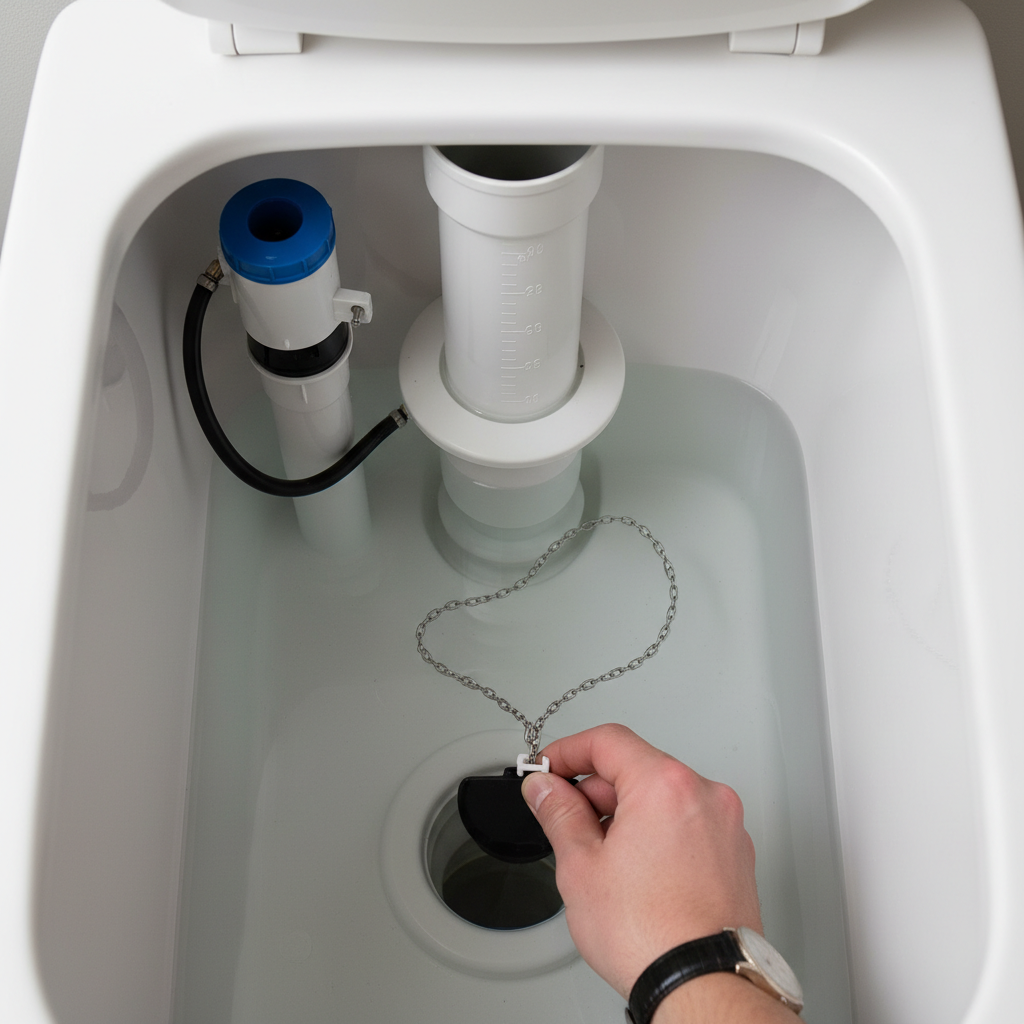
- Check the Flapper Chain — The most common culprit
- Adjust: Unhook the chain from the flapper or the handle lever and move it to another link until you’ve got the right amount of slack. Make sure the flapper drops freely and seats all the way down.
- Safety Note: Nothing fancy here. Just don’t drop the lid on your foot.
Plumbing · Leak
| Project category | Plumbing |
|---|---|
| Problem type | Leak |
| Trade required | Plumbing |
| Urgency | Emergency — act now |
| Safety risk | High safety risk |
| DIY suitability | DIY for experienced homeowners |
| Cost category | Low cost |
| Typical timeline | Shut water off now; repair usually same or next day |
| Contractor type | Licensed plumber |
Repair option
Isolate at the shutoff, replace the failed component, and dry the cavity fully.
Replacement option
Repipe the run or the branch when corrosion is widespread.
Common causes
- Failed supply line or shutoff valve
- Worn washers, cartridges, or P-trap connections
- Pinhole corrosion in older copper
Relevant tools:emergency checklistdiy or hire a pro
Published August 24, 2026Last updated August 24, 2026
Tools & materials you'll need
Affiliate linksAs an Amazon Associate FixlyGuide earns from qualifying purchases — at no extra cost to you. Prices and availability are accurate as of publication and subject to change.
Quick Answer
Alright, let’s cut straight to it. If your toilet’s running non-stop, I’d look at three usual suspects: the flapper isn’t sealing, the float arm’s set too high, or the fill valve’s leaking by. Most of the time, I can fix that in under five minutes with nothing more than my hands. Usually it’s just a chain tweak or a quick float adjustment. No big mystery. Don’t sweat it; we’ll get it sorted.
The Problem
That steady little sound of a running toilet isn’t just irritating — it’s money going right down the drain. You might hear a soft hiss or a trickle into the bowl even when nobody’s used it. That tells me the toilet isn’t sealing after the flush, and it’s either refilling nonstop or bleeding water out somewhere it shouldn’t. This isn’t some tiny nuisance, either. I’ve seen one bad toilet spike a water bill by a hundred bucks or more in a month. It’s basically like leaving a faucet cracked open 24/7. Most folks don’t realize what’s happening until the bill shows up, or they get tired of hearing that thing run every time the house goes quiet.
How It Works
To really pin down a running toilet, you’ve got to know the basic parts and what they’re supposed to do. It’s simple plumbing, honestly — just a few pieces working together.
When you push the flush handle, you’re lifting a chain tied to the flapper valve. That flapper, usually a rubber disc or ball, opens the drain hole at the bottom of the tank and lets gravity dump the water into the bowl. That’s your flush.
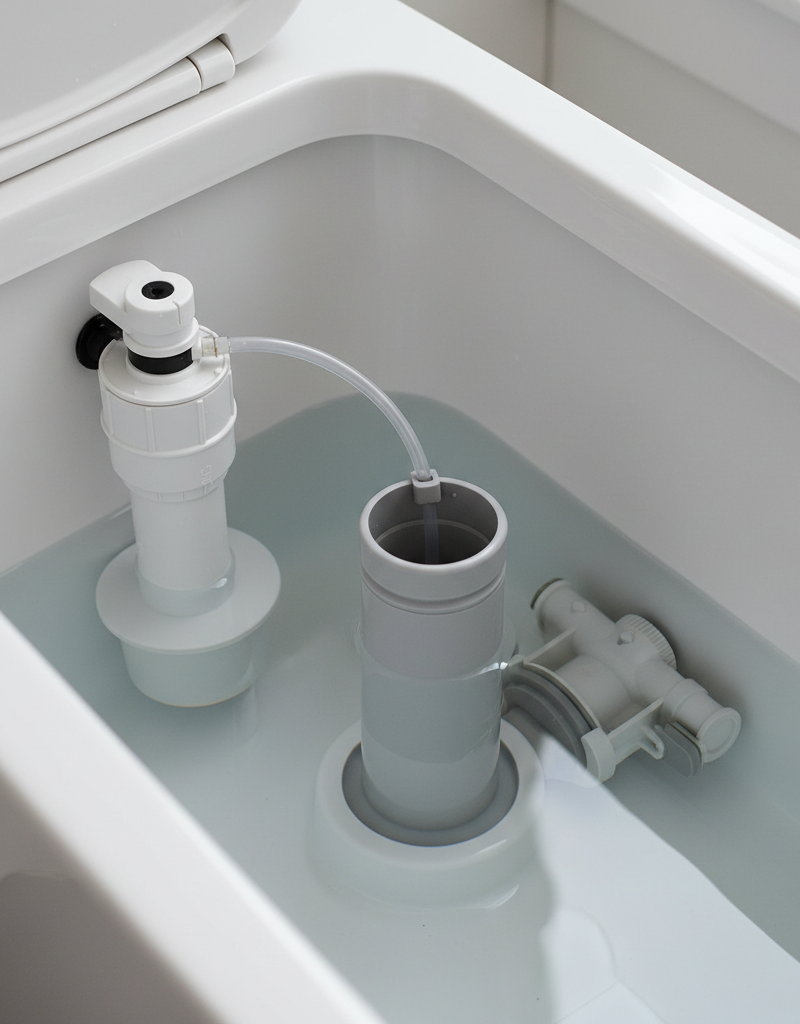
As the tank empties, the float mechanism — either the old-school ball on an arm or, more often now, a cup-style float that rides up and down the fill valve shaft — drops. That drop opens the fill valve (some people still call it the ballcock assembly). The fill valve sends fresh water from the supply line back into the tank. It also sends a smaller stream through a refill tube into the overflow pipe, which refills the bowl and keeps that water seal in place so sewer gas stays where it belongs.
Once the tank reaches the set level, the float rises and shuts the fill valve off. Easy enough, right? The flapper falls back down under its own weight and seals the drain hole. So if a toilet keeps running, one of those parts isn’t doing its job. Either the flapper won’t seal, the fill valve won’t shut off, or the water level’s too high and it’s spilling straight down the overflow pipe in the middle of the tank. I remember a call in Kensington back in ’98 where this guy was convinced the place was haunted because of all the spooky gurgling at night. Nope. Just a sticky flapper. A little cleaning and it was done.
Step-by-Step Fix
Alright, let’s roll up our sleeves and get after it. Before you touch anything, lift the tank lid and set it somewhere safe — those things chip and crack if you look at ’em wrong. You’ll want to see what’s going on inside.
-
Check the Flapper Chain — The most common culprit
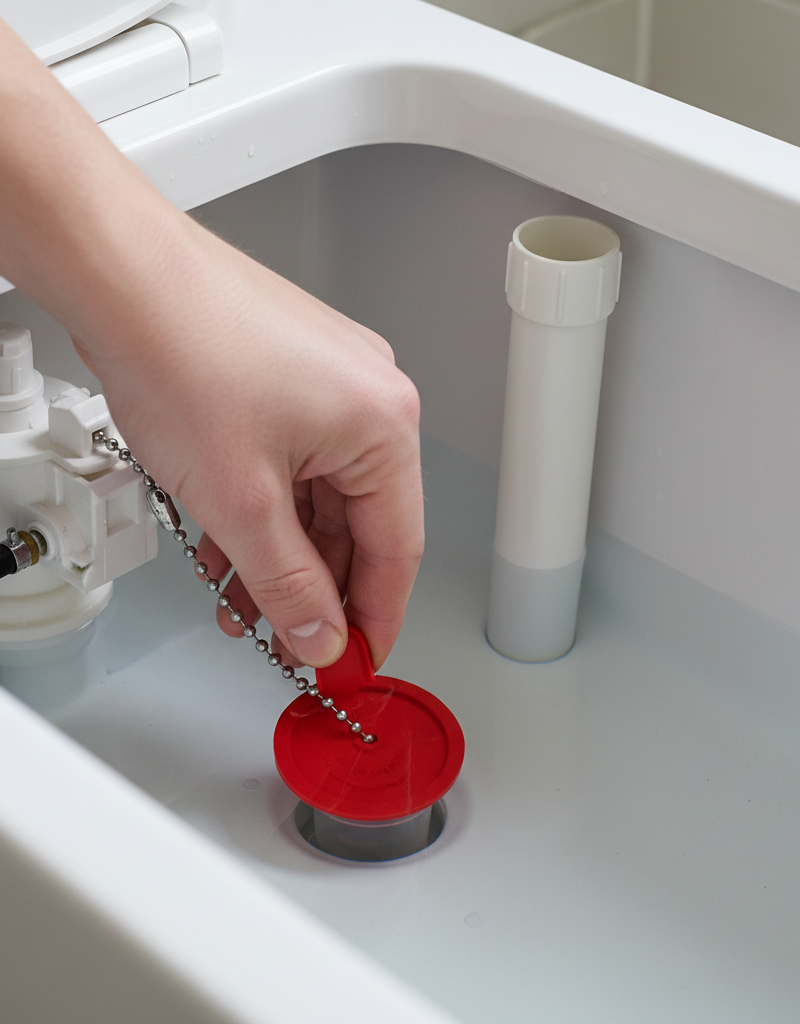
- Look at the chain between the flush handle and the flapper. Is it too tight? Snagged? If it’s short, it can hold the flapper slightly open and let water slip by. If it’s too long, it can get caught under the flapper and keep it from sealing. You want a little slack — about 1/2 inch to 1 inch — when the flapper’s closed.
- Adjust: Unhook the chain from the flapper or the handle lever and move it to another link until you’ve got the right amount of slack. Make sure the flapper drops freely and seats all the way down.
- Safety Note: Nothing fancy here. Just don’t drop the lid on your foot.
-
Inspect the Flapper Itself — Wear and tear is a thing
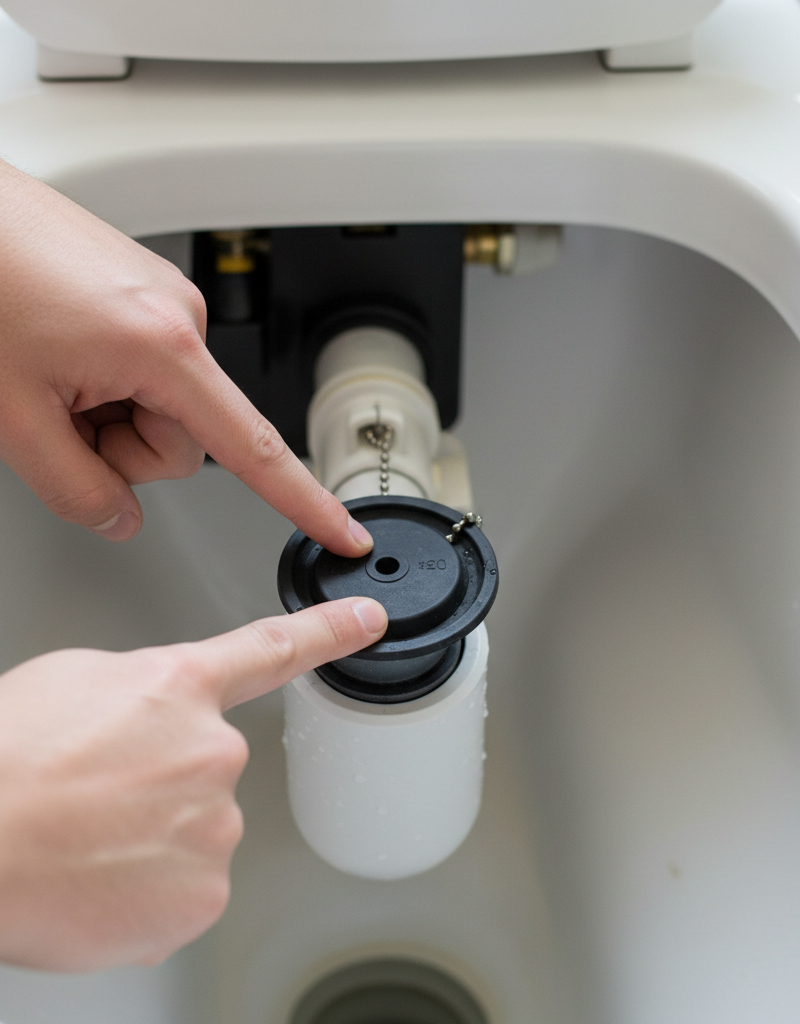
- With the lid off, flush the toilet and watch the flapper. Does it drop back down and sit flat over the drain opening? Old rubber gets stiff, cracks, or just loses its shape. Hard water can crust up the edges, too, and then it won’t seal worth a darn.
- Test: With the flapper closed, gently lift it with your finger. If it feels hard, brittle, or doesn’t sit flush, it’s probably time for a new one. You can also drop a few drops of food coloring into the tank water. Wait 15-20 minutes. If colored water shows up in the bowl without flushing, your flapper’s toast.
- Replace (if needed): Usually this is just an unclip and re-clip job. Bring the old flapper to the hardware store so you get the right size and type (2-inch or 3-inch, specific brand models). They usually run about $8-$15.
-
Adjust the Water Level (Float) — Too much water, too much trouble
- Check the tank water level. It ought to sit about 1 inch below the top of the overflow pipe (that vertical plastic pipe in the center). If it’s higher, water will keep spilling into the overflow, and the toilet’ll keep running.
- Adjust: Most newer toilets use a float cup that slides up and down a rod or fill valve shaft. There’s usually a little adjustment screw or a clip you squeeze so you can move the float cup down and lower the water level. On older ball-on-arm setups, just bend the metal arm down a bit.
- Check: Flush it again after the adjustment. The fill valve should shut off once the water hits the right level, and nothing should be running into the overflow pipe.
-
Examine the Fill Valve — When the valve itself fails
- If the water level’s right, the flapper’s fine, and it’s still running, the fill valve may be the problem. Listen close. Do you hear water constantly flowing into the tank from the supply line even when the float’s all the way up?
- Test: Mineral buildup inside the fill valve can keep it from shutting off all the way. You can try shutting off the water to the toilet (valve on the wall), flushing to empty the tank, and then taking apart the top of the fill valve. Check your toilet’s manual or look up your exact fill valve model online for the steps. Some have a cap that twists off and exposes a rubber seal that might just be dirty or worn out.
- Replace (if needed): If cleaning doesn’t solve it, or the valve’s old and tired, replacement is usually the move. It’s a little more involved than swapping a flapper, but still a solid DIY job. You’ll need an adjustable wrench and maybe a basin wrench for the nut under the tank. Shut off the water, flush the toilet, sponge out the leftover water, disconnect the supply line, unscrew the old valve, and install the new one. Most universal fill valves cost around $20-$30.
-
Check for Leaks from the Tank Bolt Gaskets — Less common, but it happens
- Sometimes water leaks from the tank bolts that tie the tank to the bowl. That leak won’t always make a running sound, but it can keep the tank from holding water right and cause constant cycling.
- Inspect: Look under the tank where the bolts pass through. You may see drips or water stains. Fixing this usually means pulling the tank to replace the gaskets, which is a bigger job, so if you’re not comfortable with it, this is a good time to call a pro.
Common Causes
- Worn-out Flapper: Over time, rubber flappers get stiff, cracked, or slimy with mineral deposits, and they stop sealing the drain hole like they should. They just don’t make ’em like they used to, and a flapper usually has a lifespan of about 5-7 years before it starts acting up.
- Improperly Adjusted Flapper Chain: Too much tension keeps the flapper cracked open; too much slack lets the chain catch under the flapper when it closes.
- High Water Level: If the tank water’s set too high, it keeps spilling into the overflow tube, which looks like a leak and makes the fill valve cycle constantly.
- Faulty Fill Valve: The guts inside the fill valve — like the diaphragm seal or float mechanism — can wear out or clog with sediment, and then it won’t shut the water off completely.
- Sediment Buildup: Hard water minerals can crust up on sealing surfaces, like the flapper seat or inside the fill valve, and that ruins the seal.
Common Mistakes
- Ignoring the problem: A running toilet isn’t just annoying; it’s chewing through your water bill. Don’t let it go for weeks or months.
- Over-tightening the flapper chain: Classic rookie move. Folks think tighter means better, but it actually props the flapper open just enough to leak.
- Not checking the water level first: It’s the easiest fix, but people skip right past it and start tearing into the hard stuff.
- Buying the wrong replacement parts: There are 2-inch and 3-inch flappers, plus a bunch of fill valve styles. Bring the old part with you to the hardware store so you get a match.
- Forgetting to turn off the water supply: Before you do anything major like replacing a fill valve, shut off the angle stop valve behind the toilet. You don’t want a surprise flood.
- Using harsh chemicals to clean: Don’t pour drain cleaner or strong acids into the toilet tank. It’ll chew up rubber and plastic parts and make the problem worse later on.
Cost & Time Breakdown
| Task | DIY Cost | Pro Cost | Time |
|---|---|---|---|
| Adjust Flapper Chain | $0 | Included in service | 30 seconds |
| Adjust Water Level | $0 | Included in service | 1-2 minutes |
| Replace Flapper | $8–$15 | $75–$150 | 10–15 minutes |
| Clean Fill Valve | $0 (if parts available) | $75–$150 | 15–30 minutes |
| Replace Fill Valve | $20–$30 | $120–$250+ | 30–60 minutes |
| Diagnose/Fix Tank Bolt Leak | $10–$20 (gaskets) | $150–$300+ | 1–2 hours |
Tips & Prevention
- Listen Up: Pay attention to the toilet. If you hear it running when nobody’s flushing, or it’s cycling on and off by itself, it’s trying to tell you something. Don’t brush it off.
- The Dye Test: Do the food coloring test I mentioned above once or twice a year. It’s a dead-simple way to catch a silent leak before your water bill goes sideways.
- Regular Cleaning: Every so often, wipe down the flapper and flapper seat (the drain opening) with a non-abrasive cleaner so mineral buildup and slime don’t mess with the seal. Just don’t scrub like you’re sanding a deck, and skip the harsh stuff.
- Check Chain Slack: Whenever you’re cleaning the bathroom, take five seconds and peek in the tank. Make sure the flapper chain has a little give — not too tight, not dangling like a jump rope.
- Upgrade Old Parts: If your toilet’s 10-15 years old, I’d think about replacing the flapper and fill valve before they fail, especially if you’ve got hard water. Those parts don’t last forever.
- **Don
Related Articles
Keep troubleshooting with these hand-picked guides from FixlyGuide:
- The 30-Second Toilet Fix Plumbers Don't Want You to Know — Stop a running toilet with this simple, overlooked fix that often takes less than a minute and doesn't require complex plumbing knowledge.
- The 30-Second Toilet Fix Plumbers Don't Want You to Know — A continuously running toilet wastes significant water and money, but often the fix is incredibly simple and takes under a minute.
- The 30-Second Toilet Fix Plumbers Don't Want You to Know — A running toilet can waste hundreds of gallons of water per day, but often the fix is incredibly simple and takes under a minute.
- The 30-Second Toilet Fix Plumbers Don't Want You to Know — Stop that phantom-flushing toilet with this quick guide to diagnosing and fixing the most common silent water leaks.
- The Secret Hairball Fix Plumbers Don't Want You to Know — Tired of standing in ankle-deep water? Most shower clogs are a gnarly mix of hair and soap scum, and you can clear them yourself without ha…
- The 30-Second Toilet Fix Plumbers Don't Want You to Know — A continuously running toilet wastes significant water and money, but can often be fixed in under a minute with a simple adjustment of the…
Should you do this yourself?
Answer five quick questions before you start. Safety outranks savings every time.
Your experience with work like this
How high do you have to work?
Does the job involve any of these?
Will it need a permit?
Specialty tools
Free and instant. Educational guidance only — not a quote, inspection, or professional diagnosis.
What should this project cost?
Enter your project details for a realistic cost range before you call anyone.
Common repairs run $150–$650; repipes and water-heater replacements reach $1,500–$4,500.
- Regional adjustment
- National average
- Labor share (typical)
- ~$754
- Quotes to collect
- 3 written estimates
Educational estimate based on national averages — not a binding quote. Always confirm with written local estimates.
Fixly Project Decision Box
- DIY difficulty
- Moderate
- Estimated time
- 30 minutes – half a day
- Cost level
- Moderate
Main tools / materials
- Adjustable wrench
- Plunger or drain auger
- Bucket and towels
- Thread tape
When to stop and call a pro
- Water you cannot shut off at the fixture or main
- Sewage backing up into more than one fixture
- Water near electrical panels or outlets
- Gas water heater work beyond relighting a pilot
Need professional help?
Get a Licensed PlumberGet the print-ready PDF of this guide
A clean, ad-free, printable version you can keep on your phone or pin to the workshop wall. Free with a FixlyGuide account.
- Print-optimized layout
- Tools, materials & every step included
- Saved to your account
Frequently asked questions
Why is my toilet constantly running?+
Most often, a running toilet is caused by a faulty flapper that isn't sealing properly, an incorrect water level setting where water constantly flows into the overflow pipe, or a fill valve that isn't shutting off completely.
How can I tell if my flapper is the problem?+
You can perform a dye test. Add a few drops of food coloring to your toilet tank. If, after 15-20 minutes, you see colored water in the toilet bowl without flushing, your flapper is leaking and needs to be replaced.
What's the typical lifespan of a toilet flapper?+
A toilet flapper generally lasts about 5 to 7 years. Hard water, harsh cleaning chemicals, and regular use can accelerate its wear, causing it to become stiff, cracked, or lose its seal.
How do I adjust the water level in my toilet tank?+
To adjust the water level, locate the float mechanism (either a ball float on an arm or a cup-style float). For cup floats, squeeze the clip or turn the adjustment screw to slide the float cup down. For ball floats, gently bend the metal arm downwards until the water level is about an inch below the overflow pipe.
Can a running toilet really increase my water bill significantly?+
Absolutely. A continuously running toilet can waste hundreds, even thousands, of gallons of water per month. It's like leaving a faucet slightly open, and it can easily add $50-$100 or more to your monthly water bill.
When should I call a plumber for a running toilet?+
If you've tried all the common DIY fixes—checking the flapper, adjusting the water level, and inspecting the fill valve—and your toilet is still running, it's time to call a pro. Complex leaks, persistent issues after part replacement, or a reluctance to tackle plumbing repairs are also good reasons to bring in an expert.
Are all toilet flappers the same?+
No, toilet flappers come in different sizes, primarily 2-inch and 3-inch, and various designs depending on the toilet brand and model. It's best to take your old flapper to the hardware store to ensure you buy the correct replacement.
What causes the fill valve to fail?+
Fill valves can fail due to wear and tear on internal components like rubber seals or diaphragms. Mineral deposits from hard water can also build up inside the valve, preventing it from shutting off completely and causing a continuous flow of water.
Discussion
Loading comments…