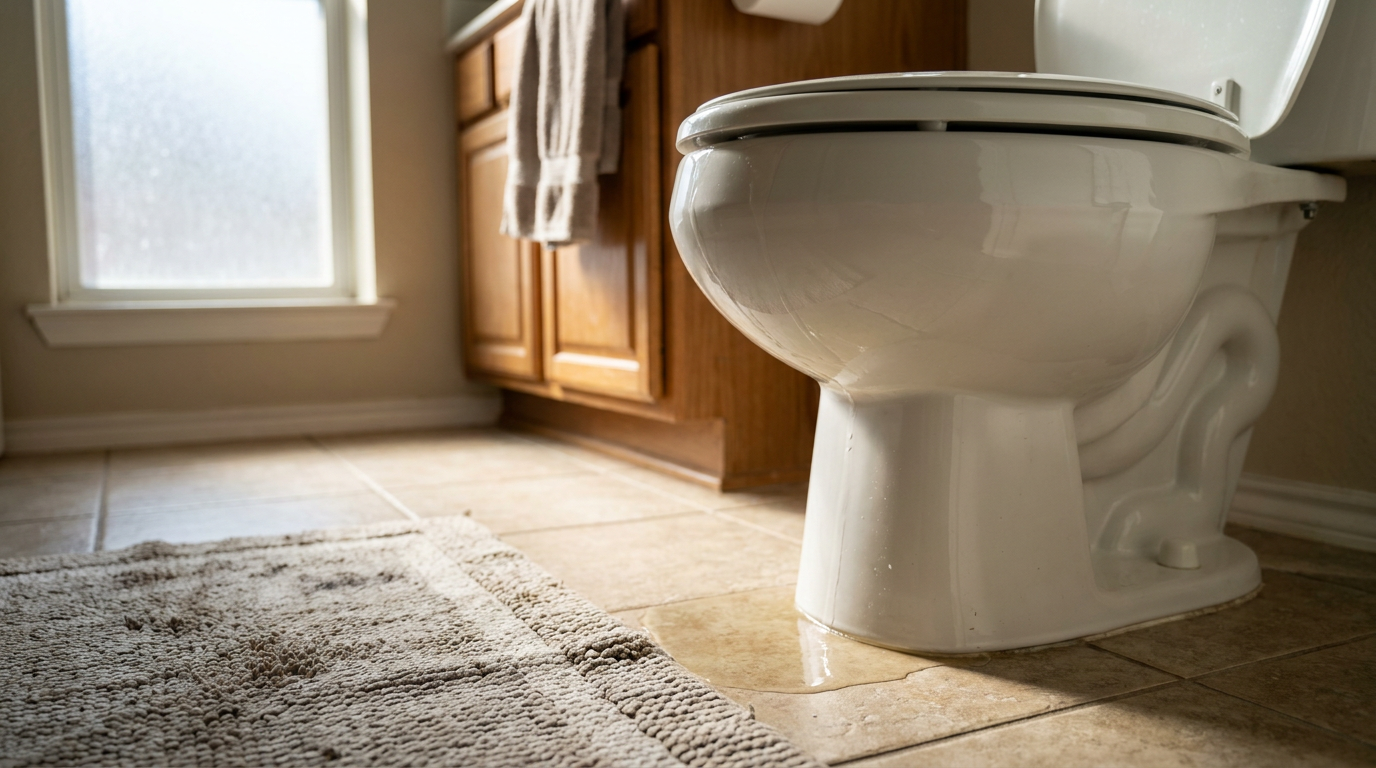
- Flushing Non-Flushable Items: "Flushable" wipes are the worst of the bunch, with paper towels and hygiene products right behind them.
- Old, Low-Flow Toilet: Early models from the 1990s often just don’t have enough power for a clean flush.
- Partial Clog in the Trap or Drain: A small blockage that keeps catching more stuff over time.
- Blocked Plumbing Vent: Leaves, nests, or ice can choke off the vent stack on your roof and mess up drainage.
- Sewer Line Problems: Tree roots, pipe corrosion, or a belly (a dip) in the line can trigger repeat backups. That’s pro territory.
Plumbing · Clog
| Project category | Plumbing |
|---|---|
| Problem type | Clog |
| Trade required | Plumbing |
| Urgency | Soon — within weeks |
| Safety risk | Low safety risk |
| DIY suitability | DIY friendly |
| Cost category | Low cost |
| Typical timeline | Same-day DIY attempt; pro visit within a day or two |
| Contractor type | Licensed plumber |
Repair option
Plunger, hand auger, or trap cleanout before chemicals.
Replacement option
Line replacement when clogs return in the same spot repeatedly.
Common causes
- Hair and soap buildup in the trap
- Grease cooling in the branch line
- Flushed wipes or foreign objects
Relevant tools:diy difficultydiy or hire a pro
Published October 17, 2026Last updated October 17, 2026
Tools & materials you'll need
Affiliate linksAs an Amazon Associate FixlyGuide earns from qualifying purchases — at no extra cost to you. Prices and availability are accurate as of publication and subject to change.
Quick Answer
If your toilet keeps clogging, you’re probably dealing with more than a basic blockage. First thing I’d check is whether you’re using too much toilet paper or flushing stuff that shouldn’t go down there, like wipes. If the clogs are weak and clear pretty easy, you might be looking at an old low-flow toilet, a flapper that’s out of whack, or a partial clog in the drain line. If it keeps happening and it’s a bear to clear, then yeah — I’d start thinking blocked vent, sewer line trouble, or tree roots sneaking into the pipes.
The Problem
You plunge the toilet, it behaves for a day or two, then it’s backed up again. Sound familiar? A toilet that clogs over and over isn’t bad luck. It’s the house telling you something’s off, and a plunger isn’t going to fix it for good. Could be the toilet itself. Could be a growing blockage in the drain. Could be something uglier farther down the line. Ignore it and you don’t make it disappear — you just buy yourself a bigger, nastier, more expensive mess later. You’re not just chasing a clog; you’re dealing with a plumbing system waving a red flag.
How It Works
A toilet looks simple, but it’s really two systems working together. The first is the toilet itself, which uses a gravity-fed siphon to pull waste out of the bowl and send it down the drain. When you hit the handle, the flapper in the tank lifts and dumps 1.3 to 1.6 gallons of water into the bowl in about three seconds. That quick blast pushes everything over the "trapway," the U-shaped bend in the base that holds water and keeps sewer gas where it belongs. That siphon action is what clears the bowl.
The second system is the drain and vent setup. Once waste leaves the toilet, it travels through the house drainpipes and into the main sewer line under the house. For that to move right, the plumbing needs air. That’s the job of the plumbing vent stack — a pipe that runs from the drain system up through the roof. It lets air get pulled in as water moves out, which keeps a vacuum from slowing everything to a crawl or stopping it dead. Kind of like pouring soda from a can — punch one hole and it glugs, punch a second and it pours smooth. If you’ve got recurring clogs, something’s not doing its part: the toilet isn’t flushing hard enough, or the drain and vent system isn’t letting waste get out clean.
Step-by-Step Fix
Before you call a plumber, there are a few things you can check yourself. I’d start at the toilet and work outward. That’s the smart way to do it.
-
Check for "Non-Flushable" Items
- The Fix: Stop flushing anything except human waste and a reasonable amount of toilet paper. This is the #1 reason I see recurring clogs. Those "flushable" wipes? Half the time they’re anything but. They don’t break down like toilet paper, and they can hang up in the line and start catching everything else. Paper towels, feminine hygiene products, cotton swabs, dental floss — same story.
- Safety: If you think there’s a hard object stuck in the trap, like a kid’s toy, don’t keep going after it with the plunger. You might wedge it tighter or crack the porcelain. At that point, you’ll probably need an auger or you’ll have to pull the toilet.
-
Evaluate Your Toilet Paper Usage
- The Fix: A lot of modern low-flow toilets, especially the 1.6 gallons per flush or less crowd, don’t love big wads of plush toilet paper. Try using less, or switch to something that breaks down faster. Easy test: drop a few squares in a jar of water. If it’s still holding together after a few minutes, it may be too tough for your toilet.
-
Adjust the Flapper and Water Level
- The Fix: Your toilet needs a full tank if you want a strong flush. Pop the lid off and check the water level. It ought to sit about a half-inch below the top of the overflow pipe — that big vertical pipe in the middle. If the water’s low, you won’t get enough push. Most fill valves have an adjustment screw or a float clip you can move to raise it. While you’re in there, look at the flapper chain. It should have only 1-2 links of slack. Too much slack and the flapper drops too soon, and then the flush gets cut short. That’s a very common weak-flush problem and a big reason for those annoying "ghost" clogs.
-
Clear the Rim Jets
- The Fix: Look under the rim of the bowl. You’ll see little holes — those are the rim jets, and they help wash the bowl and kick off the siphon. In hard water areas like North Texas, they clog up with mineral scale. I’ve chipped out more than a few of those over the years. Use a piece of a wire coat hanger or a small Allen wrench to carefully poke out the buildup. Then hit it with a stiff brush and some vinegar to loosen the rest.
-
Use a Toilet Auger
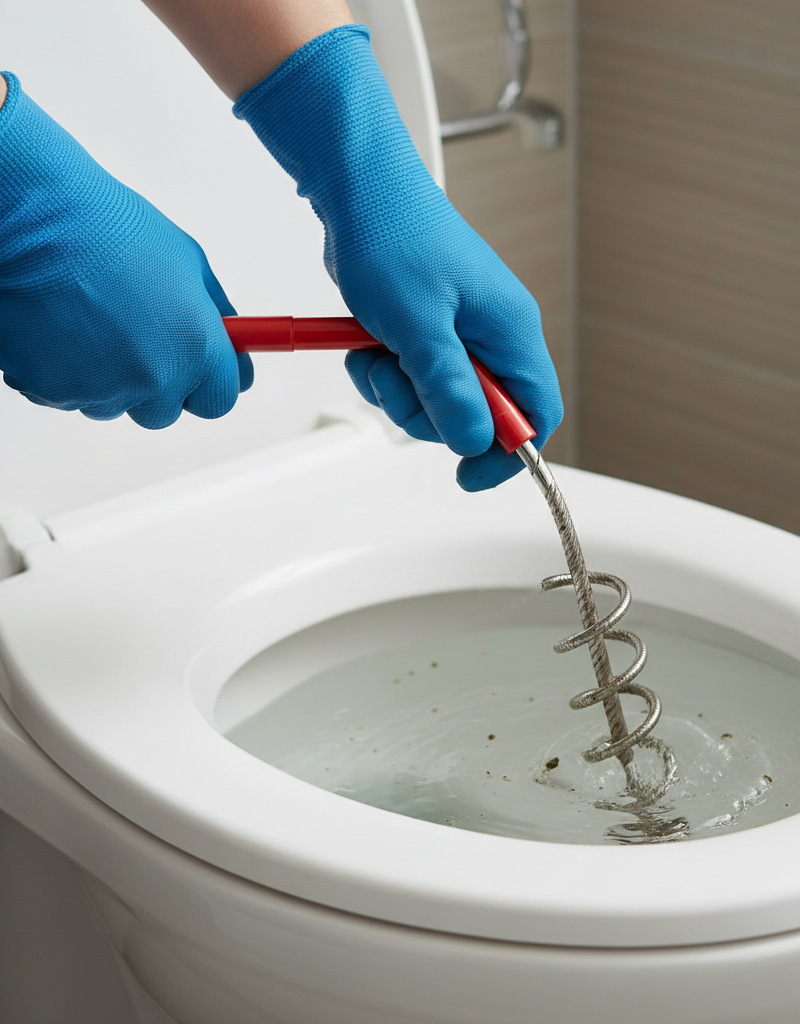
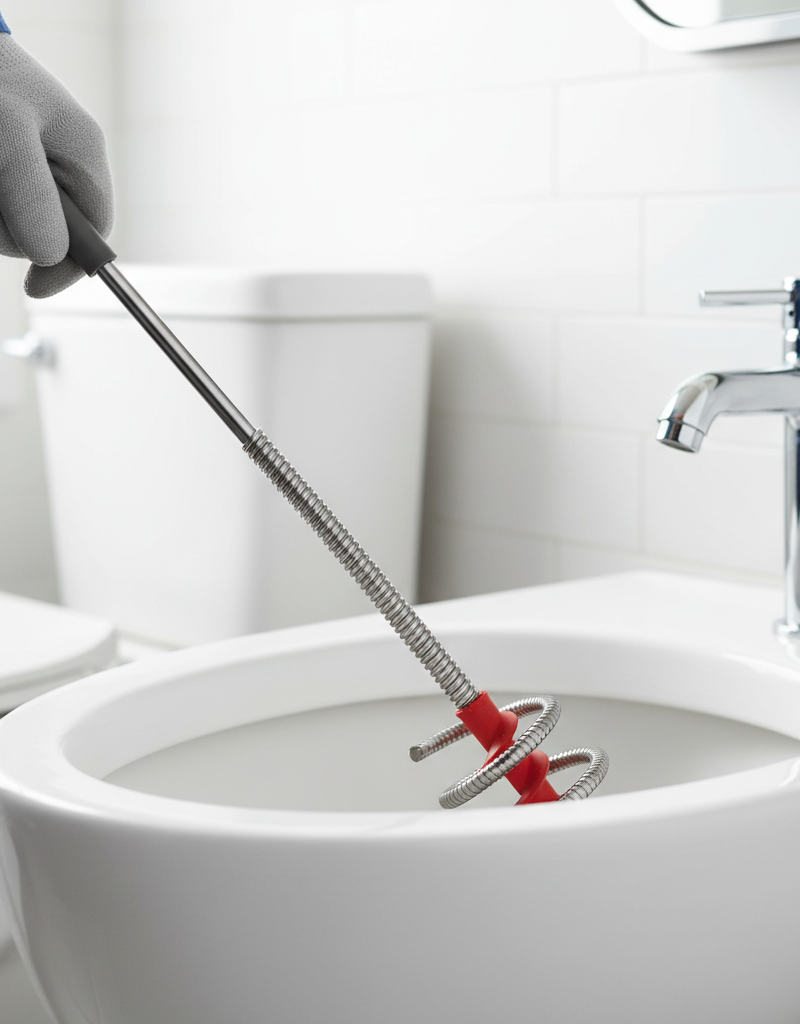
- The Fix: If the plunger’s not doing the job, a toilet auger — also called a closet auger — is the next move. It’s a special snake with a rubber sleeve so you don’t scar up the porcelain. Feed the cable into the drain until you hit resistance, then crank the handle to break up or grab the clog. A plunger just pushes. An auger can actually tear apart the blockage or hook onto it and pull it back.
- I pulled a toilet in Frisco last month that had a wad of wipes jammed right in the bend — no dice with a plunger, but the auger hooked it on the second pass.
-
Check for a Blocked Plumbing Vent
- The Fix: A blocked roof vent makes a vacuum in the drainpipes, and that leads to slow drains and gurgling. Safely get up on the roof and find the plumbing vent — usually a 2- to 3-inch PVC or cast iron pipe. Look for leaves, bird nests, or winter frost clogging the opening. You can often clear the top few feet with a plumber’s snake or a strong blast from a garden hose. If the blockage drops and the water starts draining right, you’ve found the culprit.
- Safety: Be real careful on a roof. Use a solid ladder, have someone spotting you, and wear shoes that don’t slip. If heights aren’t your thing, call it a day and let a pro take it from there.
-
Investigate the Main Sewer Line
- The Fix: If more than one fixture in the house is draining slow — toilets, showers, sinks — odds are the problem is in the main sewer line. That’s where most DIY ends. A plumber will usually run a sewer camera down the line to look for blockages, collapses, or tree roots. I see this a lot in older homes and in places like Dallas where that expansive clay soil shifts around and hammers the pipes.
-
Consider the Age of Your Toilet
- The Fix: If you’ve got an early low-flow toilet from the mid-1990s, it may just be a bad flusher. A lot of those first-gen models didn’t have the muscle to clear the bowl properly. Swapping to a modern WaterSense-certified toilet — which use 1.28 gallons per flush — can fix the whole headache. Better trapway, better flush, less grief.
Common Causes
- Flushing Non-Flushable Items: "Flushable" wipes are the worst of the bunch, with paper towels and hygiene products right behind them.
- Old, Low-Flow Toilet: Early models from the 1990s often just don’t have enough power for a clean flush.
- Partial Clog in the Trap or Drain: A small blockage that keeps catching more stuff over time.
- Blocked Plumbing Vent: Leaves, nests, or ice can choke off the vent stack on your roof and mess up drainage.
- Sewer Line Problems: Tree roots, pipe corrosion, or a belly (a dip) in the line can trigger repeat backups. That’s pro territory.
- Too Much Toilet Paper: Big piles of thick, plush toilet paper can overwhelm some toilets.
- Hard Water Mineral Buildup: Calcium and magnesium can clog the tiny rim jets that start the flush and weaken it.
Common Mistakes
- Using Chemical Drain Cleaners: These things are rough, they don’t do much for the solid clogs toilets usually get, and they can chew up your pipes and porcelain finish. The heat they make can even crack a bowl.
- Ignoring a Gurgling Sound: If your shower drain gurgles when you flush the toilet, that’s a classic blocked-vent warning. Don’t blow past it.
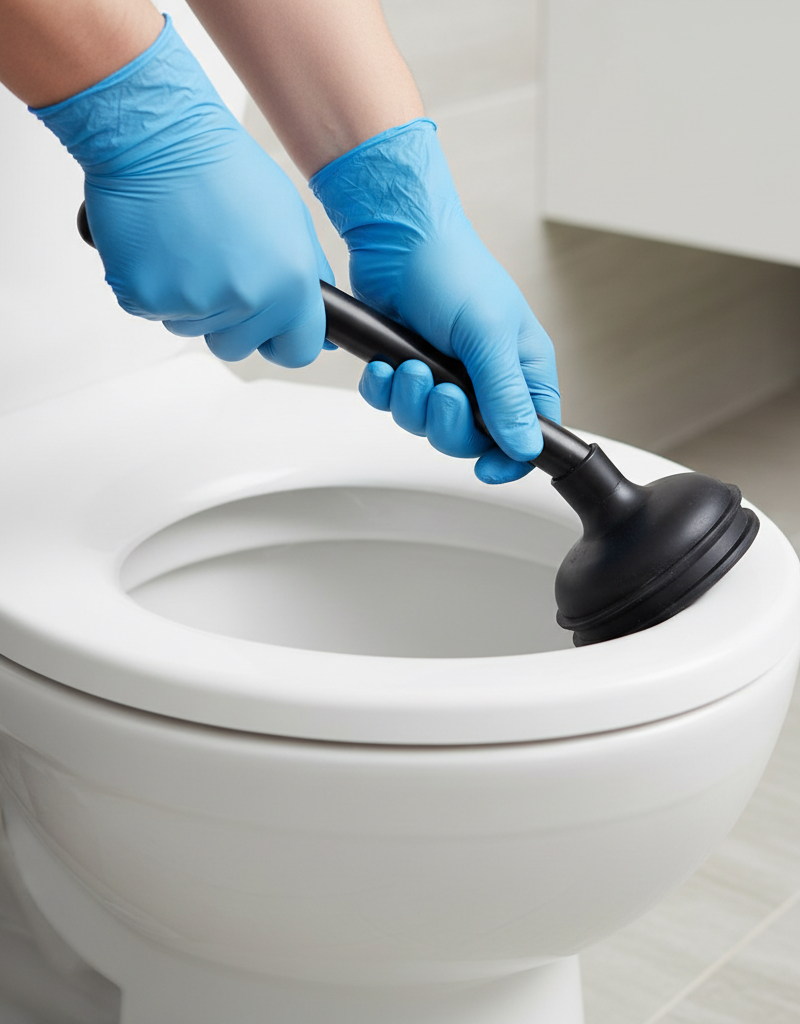
- Plunging Incorrectly: Don’t just stab at the water. You need a good seal. Use a flange plunger — the one with the bell-shaped extension — so it fits tight in the toilet trap opening. First push should be gentle to get the air out, then go with firm, steady pushes and pulls.
- Assuming It's a "One-Time" Clog: If it happens more than once a month, it’s not random. It’s a pattern. Fix the cause, not just the symptom.
- Not Knowing Your Main Line Location: Every homeowner ought to know where the main sewer line cleanout is. It’s usually a 3-4 inch capped pipe in the yard or close to the foundation. Knowing where it is can save a plumber a lot of time — and you a chunk of money — in an emergency.
Cost & Time Breakdown
| Task | DIY Cost | Pro Cost | Time |
|---|---|---|---|
| Plunging a simple clog | $10–$20 (plunger) | $100–$250 | 5–10 minutes |
| Augering the toilet | $30–$60 (auger) | $150–$350 | 15–30 minutes |
| Clearing a roof vent | $0–$25 (hose/snake) | $200–$500 | 30–60 minutes |
| Replacing flapper/fill valve | $15–$40 (parts) | $150–$300 | 30-45 minutes |
| Main line camera inspection | N/A | $300–$700 | 1-2 hours |
| Clearing main line (snaking) | N/A | $250–$800+ | 1–3 hours |
Tips & Prevention
- Only Flush the 3 P's: Pee, poo, and (toilet) paper. That’s it.
- The Two-Flush Rule: For bigger... deposits, use the "courtesy flush." Flush once, then flush again. Yeah, it uses a little more water, but that beats fighting a clog every other day.
- Annual Vent Check: Once a year, when you’re up cleaning gutters, take a look at the plumbing vent stack and make sure leaves or debris aren’t sitting in it.
- Soften Your Water: If you’ve got hard water, a whole-house softener can help keep mineral buildup out of your toilet, pipes, and appliances.
- Know Your Roots: If you’ve got big trees in the front yard, remember their roots are always hunting for water in the sewer line. If you keep having problems, get the line inspected every 5-7 years.
- Listen to Your Drains: Slow drains or gurgling anywhere in the house are early warning signs. Don’t shrug them off.
When to Call a Professional
Stop messing with it and call a licensed plumber if multiple fixtures — toilets, showers, sinks — are backing up at the same time; if you see or smell raw sewage coming up into your tub or floor drains; or if you’ve already plunged and augered the toilet yourself and it still won’t clear. Those are all signs the problem’s in the main sewer line, and that takes professional gear to diagnose and clear safely. Don’t poke around in a main line blockage yourself — it can turn into a full-on biohazard cleanup in a hurry.
Related Articles
Keep troubleshooting with these hand-picked guides from FixlyGuide:
- Why Your Toilet Clogs Every Few Days (And the #1 Mistake Homeowners Make) — A toilet that clogs frequently is a frustrating problem, often caused by easily overlooked issues like trapway obstructions or ventilation…
- No Hot Water From Your Water Heater? 9 Causes and the Fix for Each — If you have no hot water, it's a cold shower for you and a major headache. We'll show you how to diagnose the cause, from a tripped breaker…
- Toilet Fills Every Few Minutes? 4 Reasons for That "Ghost Flush"—and How to Fix It — Notice your toilet refilling on its own when no one's used it? This phantom or 'ghost' flush is a sign of a slow, silent leak from the tank…
- The Secret Culprit Behind Your Leaky Refrigerator (It’s Not Always the Water Line) — Discover the most common, often overlooked, reasons your refrigerator is leaking water and how to fix them with simple DIY steps.
- The Secret Culprit Behind Your Leaky Chimney (It's Not Always the Roof) — Discover the often-overlooked causes of a leaky chimney during rain and how to fix them, from flashing issues to masonry problems.
- Toilet Keeps Running? 7 Causes and the Fix for Each — A running toilet is a common annoyance that wastes water and money. Most causes are easy to fix in under 30 minutes with a few basic parts…
Should you do this yourself?
Answer five quick questions before you start. Safety outranks savings every time.
Your experience with work like this
How high do you have to work?
Does the job involve any of these?
Will it need a permit?
Specialty tools
Free and instant. Educational guidance only — not a quote, inspection, or professional diagnosis.
What should this project cost?
Enter your project details for a realistic cost range before you call anyone.
Common repairs run $150–$650; repipes and water-heater replacements reach $1,500–$4,500.
- Regional adjustment
- National average
- Labor share (typical)
- ~$754
- Quotes to collect
- 3 written estimates
Educational estimate based on national averages — not a binding quote. Always confirm with written local estimates.
Fixly Project Decision Box
- DIY difficulty
- Moderate
- Estimated time
- 30 minutes – half a day
- Cost level
- Moderate
Main tools / materials
- Adjustable wrench
- Plunger or drain auger
- Bucket and towels
- Thread tape
When to stop and call a pro
- Water you cannot shut off at the fixture or main
- Sewage backing up into more than one fixture
- Water near electrical panels or outlets
- Gas water heater work beyond relighting a pilot
Need professional help?
Get a Licensed PlumberBefore you start
Check the difficulty, permits, and safety risk — then decide whether to call a pro.
- Estimate this projectGet a cost range for your scope and ZIP before you call anyone.Open
- Get local estimatesSend one request and compare written estimates from vetted pros.Open
Free, no signup required. Estimates are educational guidance, not a quote or an inspection.
Get the print-ready PDF of this guide
A clean, ad-free, printable version you can keep on your phone or pin to the workshop wall. Free with a FixlyGuide account.
- Print-optimized layout
- Tools, materials & every step included
- Saved to your account
Frequently asked questions
Why does my toilet clog every time I poop?+
This usually points to one of three issues: you're using too much thick toilet paper for your toilet's flushing power, you have an early-generation low-flow toilet that isn't very effective, or there is a partial obstruction in the toilet's trap or drain line that is snagging solid waste.
Can a toilet just be 'bad' at flushing?+
Yes, absolutely. First-generation low-flow toilets made in the mid-1990s were notoriously poor performers. If your toilet is from that era, upgrading to a modern WaterSense-rated toilet will likely solve your clogging problems permanently as they have far superior flush engineering.
How do I know if my plumbing vent is clogged?+
The classic signs of a blocked plumbing vent are gurgling sounds from your drains (like your tub gurgling when you flush the toilet), slow-draining fixtures throughout the house, and sometimes even sewer smells in the home. The toilet is often the first fixture to show symptoms.
Is it okay to use chemical drain cleaners in a toilet?+
No, you should never use liquid chemical drain cleaners in a toilet. They are designed for hair and grease clogs in sinks, not the types of blockages toilets experience. The chemicals can damage your plumbing and the heat they generate can even crack the porcelain bowl, leading to a much more expensive repair.
What's the difference between a plunger and a toilet auger?+
A plunger uses water pressure to push a clog through. An auger is a flexible cable that you feed into the drain to physically break up, dislodge, or retrieve the obstruction. An auger is the correct tool for a stubborn clog that a plunger can't move.
Could tree roots really be the cause of my clogging toilet?+
Yes, it's a very common problem, especially in older homes. Tree roots are attracted to the water and nutrients in your sewer line and can infiltrate the pipe through tiny cracks, causing a major blockage over time. If your clogging issue is persistent and affects other drains, roots are a likely suspect.
How much does it cost to have a plumber fix a constantly clogging toilet?+
The cost can vary widely. If it's a simple clog they can clear with an auger, expect to pay $150–$350. If the problem is a blocked main line that requires a camera inspection and snaking, the cost can range from $300 to $800 or more, depending on the severity of the blockage.
What is a 'phantom flush' and can it cause clogging?+
A 'phantom flush' is when your toilet's tank slowly leaks water into the bowl, causing the fill valve to turn on periodically to refill the tank. This is caused by a bad flapper. While it doesn't directly cause clogs, a worn or poorly fitting flapper can also fail to stay open long enough for a full, powerful flush, which leads to weak flushes and recurring partial clogs.
Discussion
Loading comments…