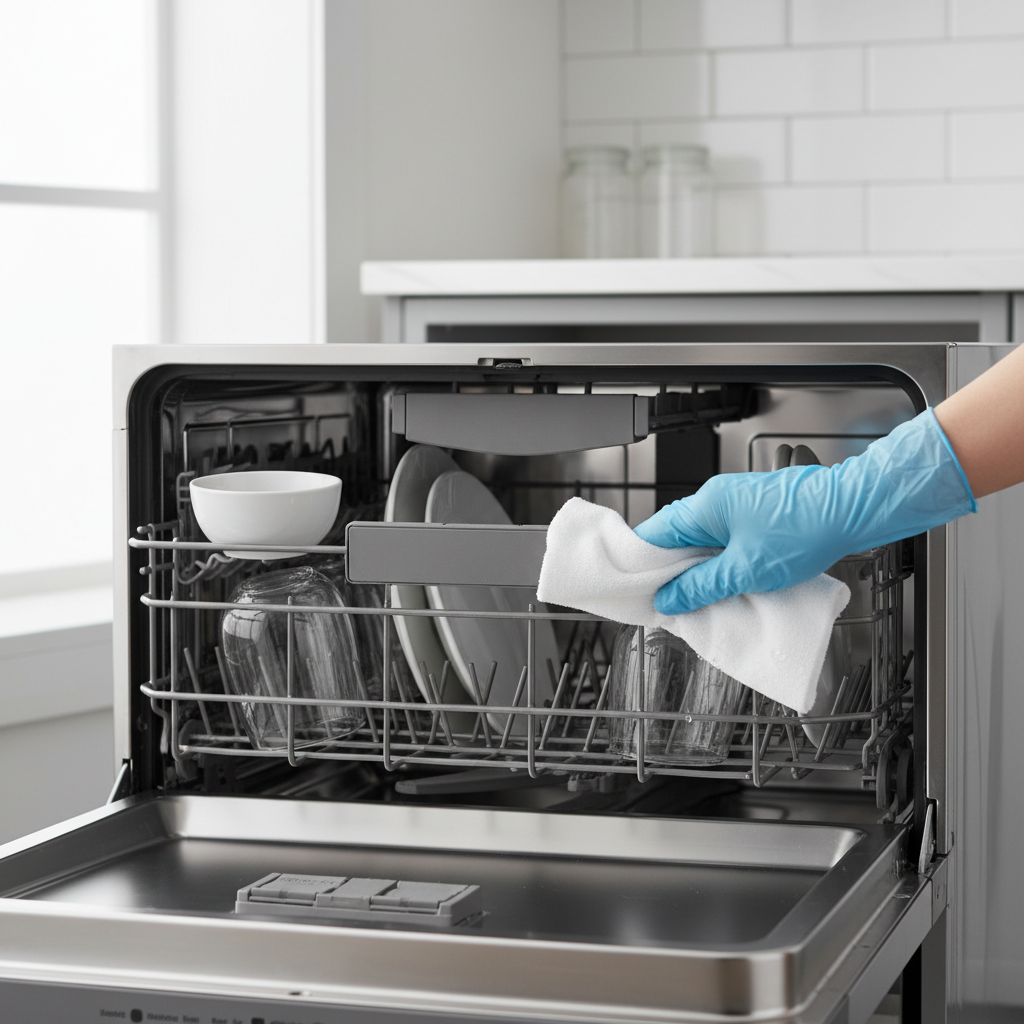
- Clean the Filter – Your first line of defense
- Tools: Old toothbrush, dish soap.
- Safety: Wear gloves if old food debris makes your stomach turn.
HVAC · High energy usage
| Project category | HVAC |
|---|---|
| Problem type | High energy usage |
| Trade required | HVAC |
| Urgency | Planned project |
| Safety risk | Low safety risk |
| DIY suitability | DIY for experienced homeowners |
| Cost category | High cost |
| Typical timeline | Assessment within weeks; replacement planned off-season |
| Contractor type | Licensed HVAC technician |
Repair option
Duct sealing, insulation, and a tune-up before touching the equipment.
Replacement option
High-efficiency replacement sized by a load calculation, not a rule of thumb.
Common causes
- Aging, low-efficiency equipment
- Leaking ducts losing conditioned air
- Insufficient attic insulation
- Oversized system short-cycling
Relevant tools:project cost estimatorrepair or replace
Published September 19, 2026Last updated September 19, 2026
Tools & materials you'll need
Affiliate linksAs an Amazon Associate FixlyGuide earns from qualifying purchases — at no extra cost to you. Prices and availability are accurate as of publication and subject to change.
Quick Answer
That foul smell coming out of your dishwasher? Nine times out of ten, it’s a nasty cocktail of trapped food bits, grease, and hard water minerals. That junk piles up in places you don’t always see, like the filter, spray arms, and drain hose. A real, thorough cleaning with the right stuff will usually knock the odor right out. If it doesn’t, you may be looking at a deeper clog or a problem with your drain line or garbage disposal connection.
The Problem
I’ll tell you straight: there’s nothing pleasant about cracking open the dishwasher after a cycle, expecting clean dishes, and getting hit with a whiff that smells like a damp locker room or worse. I’ve been on enough calls where a homeowner was sure the machine was toast because of the smell, only to find a sludge-packed filter was the whole problem. That odor isn’t just gross; it’s a sign bacteria and mold are setting up shop in there, chewing on food scraps and leaving their own stink behind. This isn’t just about clean dishes, either — it’s about keeping the kitchen from turning funky. I remember one job in Fayetteville where a lady had a dishwasher so rank you could almost taste it. Turns out her husband, trying to help, had been rinsing dishes so spotless the washer never really got a chance to use hot water, and that led to years of grease buildup. You need that hot water in there to break the crud loose.
How It Works
Your dishwasher’s a pretty smart little machine, but it ain’t magic. Here’s the basic deal: hot water, detergent, and strong spray jets work together to blast food off your dishes. Water gets pumped from the sump — that basin down at the bottom — through the wash arms, and everything gets sprayed down. Then it drains out, usually through a hose tied into your garbage disposal or straight into a drain pipe. The whole setup depends on a few things doing their job. First, the water’s got to get hot enough — around 120-150°F (49-66°C) — to wake up the detergent and melt grease. Second, the detergent uses enzymes to break down food. Third, the filter in the sump catches bigger chunks so they don’t recirculate and clog everything up. If any of that slips, or food keeps sneaking past the filter, you’ve got the perfect setup for bacterial growth and, yep, odors. Bits get trapped in the filter, spray arm holes, the drain hose itself, or even the rubber door gaskets. Over time, that organic mess breaks down and gives off hydrogen sulfide gases — that rotten egg smell — along with other ugly odors.
Step-by-Step Fix
Before you toss in the towel and start shopping for a new machine, let’s get after that stink the right way. Don’t sleep on a good old-fashioned deep clean.
-
Empty and Inspect – Clear the decks First move: make sure the dishwasher’s totally empty. Pull out the lower rack and give the inside a careful look. Check the drain, the spray arms, and especially the door gasket for food gunk, slime, or mold. You’d be surprised what gets tucked away in those little corners.
-
Clean the Filter – Your first line of defense Most modern dishwashers have a removable filter assembly, usually sitting in the bottom of the tub near the spray arm. Check your owner’s manual for the exact spot and how it comes out — they’re not all the same. Twist it out, lift it up, whatever the manual calls for. Once it’s out, rinse it under hot running water. If it’s really packed with grease and food, grab an old toothbrush and a little dish soap and scrub it clean. I mean scrub it until it looks decent again. That thing catches all the nasty stuff, so it’s often the main culprit behind bad smells.
- Tools: Old toothbrush, dish soap.
- Safety: Wear gloves if old food debris makes your stomach turn.
-
Wipe Down the Door Gasket – Seal out the stench The rubber gasket around the door is prime real estate for mold and mildew. It stays warm, damp, and ugly — perfect breeding ground. Grab a damp cloth and some white vinegar or a mild all-purpose cleaner. Pull back the folds and wipe out any black gunk or slimy residue. Don’t skip the bottom edge where water likes to sit. This one small step can make a huge difference.
-
Clean the Spray Arms – Restore the power wash Those spray arms have tiny holes that can clog with mineral deposits or little food particles, which cuts down cleaning power and can trap odors. You can usually unclip or unscrew them — check your manual again. Use a toothpick or a small piece of wire to clear any plugged holes. Rinse them well. If they’re really nasty, soak them in warm water and white vinegar for 15-20 minutes before scrubbing.
-
Run a Vinegar Cycle – Nature's deodorizer Once you’ve cleaned the parts you can reach, it’s time for a deeper cleanup. Put a cup (about 8 ounces) of white vinegar in an open, dishwasher-safe bowl on the top rack of your empty dishwasher. Run a full hot water cycle. The vinegar helps loosen grease, break down mineral deposits, and knock out bacteria, which leaves the machine smelling a lot fresher. I tell clients to do this once a month, easy as that.
-
Run a Baking Soda Cycle – The final freshen-up After the vinegar cycle, sprinkle about half a cup of baking soda across the bottom of the empty dishwasher. Run another short, hot wash cycle. Baking soda’s a solid deodorizer, and it’ll soak up any leftover smells the vinegar didn’t catch. Don’t run the vinegar and baking soda together; they’ll cancel each other out and you won’t get much from either one.
-
Check the Drain Hose & Air Gap – Hidden pathways for funk Sometimes the smell’s coming from standing water in the drain hose or a clogged air gap. If your dishwasher ties into a garbage disposal, make sure the disposal’s clear. Run it for about 30 seconds with cold water. Check the air gap — that little cylinder on your countertop near the faucet — for clogs. Pop off the cap and clear out any debris. For the drain hose, you might need to pull the dishwasher out to get a look at it. Watch for kinks or blockages. This one can get a little more involved, so if you’re not comfortable, that’s where I’d tell you to bring in a pro.
-
Ensure Proper Loading & Pre-rinsing (or lack thereof) – Preventative measures Believe it or not, how you load the dishwasher and what you do before loading can affect odors. Scrape off the big food particles — I’m talking chunks, not every speck. But don’t pre-rinse the dishes until they’re spotless; modern detergents actually need a little food residue to grab onto and do their job. Too much pre-rinsing can lead to detergent residue buildup and, weirdly enough, worse cleaning and possible smells.
Common Causes
- Clogged Filter: The biggest offender. Food particles get trapped, rot, and stink.
- Food Debris in Spray Arms: Tiny scraps can jam in the holes, break down, and cause odors.
- Mold/Mildew in Door Gasket: That warm, damp rubber seal is a great spot for fungi to grow.
- Drain Hose Issues: Kinks, clogs, or standing water in the drain hose can lead to foul smells. If it’s hooked to a garbage disposal, make sure the disposal’s clear.
- Low Water Temperature: Water that isn’t hot enough (below 120°F / 49°C) won’t activate detergents properly or clear grease well, which leaves residue behind.
- Infrequent Cleaning: Like any appliance, your dishwasher needs maintenance. Skip the deep cleans and odors’ll move in.
Common Mistakes
- Ignoring the Filter: Homeowners forget this part all the time. Out of sight, out of mind, right? Wrong. Clean it monthly.
- Over-rinsing Dishes: Modern detergents need some food particles to work right. Too much pre-rinsing can keep the detergent from dissolving the way it should, leaving residue and eventually a smell.
- Using Too Much or Too Little Detergent: Both cause headaches. Too much leaves residue; too little won’t clean well, so food stays behind.
- Not Running Hot Enough Water: If your water heater’s set too low or you fire up the dishwasher right after a shower, the water may not be hot enough for a proper wash.
- Not Checking the Air Gap: That little device on your countertop can clog up fast and back drain water up, which makes odors.
- Never Deep Cleaning: Thinking your dishwasher cleans itself is like thinking your shower cleans you — it needs a scrub now and then.
Cost & Time Breakdown
| Task | DIY Cost | Pro Cost (if applicable) | Time |
|---|---|---|---|
| Filter & Gasket Cleaning | $0-$5 | N/A | 10-20 minutes |
| Vinegar & Baking Soda Cycles | $2-$5 | N/A | 2-4 hours (passive) |
| Spray Arm Cleaning | $0-$5 | N/A | 15-30 minutes |
| Drain Hose/Air Gap Inspection | $0 | $150-$300 | 30-60 minutes (DIY) |
| Professional Deep Clean | N/A | $100-$200 | 1-2 hours |
| Replacement Drain Hose | $15-$30 (parts) | $150-$350 | 1-2 hours (DIY/Pro) |
Tips & Prevention
- Monthly Vinegar/Baking Soda Wash: Make it a habit to run one of those cycles once a month, especially if the dishwasher gets a lot of use.
- Clean the Filter Regularly: Pull that filter and clean it every couple of weeks, or at least monthly, depending on how often you run the machine and what you’re washing.
- Scrape, Don't Rinse: Knock off the big chunks, but let the dishwasher handle the rest. That’s what the detergent’s made for.
- Check Water Temperature: Make sure your water heater’s set to at least 120°F (49°C) for solid cleaning and odor prevention. Running the hot water at the kitchen sink for 30 seconds before starting the dishwasher helps get hot water into the tub.
- Use High-Quality Detergent: Cheap detergents can fail to dissolve right or clean worth a darn, which leaves residue behind.
- Run a Hot Cycle After Periods of Inactivity: If the dishwasher sits unused for a while, a stagnant water smell can show up. Run a quick hot cycle empty before loading it again.
When to Call a Professional
If you’ve gone through the whole routine — cleaned the filter, gasket, spray arms, run vinegar and baking soda cycles, and checked the air gap — and that nasty smell still won’t quit, it’s probably time to call a pro. Persistent odors can point to a bigger issue, like a collapsed or badly clogged drain hose that needs replacement, a bad drain pump, or a problem with your household plumbingventilation system that’s letting sewer gas back up. If water backs up into your sink when the dishwasher drains, or the smell gets worse when other fixtures are running, you’re dealing with more than a dirty dishwasher. That’s a licensed plumber or appliance tech job, plain and simple. Don’t fool around with drain lines if you’re not sure what you’re looking at.
Related Articles
Keep troubleshooting with these hand-picked guides from FixlyGuide:
- Why Your Dishwasher Leaves Dishes Soaking Wet (And It's Not Your Rinse Aid) — Discover the real reasons your dishwasher isn't drying dishes and how to fix them, from blocked vents to faulty heating elements. Don't let…
- That Mildew Smell in Your Washer? Here’s the Real Reason — Is a musty odor taking over your laundry room? That mildew smell from your washing machine isn't just unpleasant—it's a sign of a deeper pr…
- The Real Reason Your Dishwasher Leaks (It’s Not Always the Hose) — A leaking dishwasher can be a homeowner's headache, but often the culprit isn't a failed hose, but rather a simple fix around the door or t…
- The Annoying Drip: Why Your Refrigerator's Leaking Water (and the 10-Minute Fix) — Don't let a leaky refrigerator ruin your floor! Discover the common culprits behind water leaks and how you can fix most of them in just 10…
- The Surprising Reason Your Dishwasher Won't Start (It's Not Always the Door) — Don't rush to call a repairman when your dishwasher refuses to start; often, the culprit is a simple, overlooked issue you can fix yourself…
- The Nasty Truth: Your Stinky Garbage Disposal Isn't Just Food Scraps — A persistent odor from your garbage disposal often points to a deeper, more stubborn problem than just old food, impacting your kitchen's f…
Should you do this yourself?
Answer five quick questions before you start. Safety outranks savings every time.
Your experience with work like this
How high do you have to work?
Does the job involve any of these?
Will it need a permit?
Specialty tools
Free and instant. Educational guidance only — not a quote, inspection, or professional diagnosis.
What should this project cost?
Enter your project details for a realistic cost range before you call anyone.
Common repairs run $150–$650; repipes and water-heater replacements reach $1,500–$4,500.
- Regional adjustment
- National average
- Labor share (typical)
- ~$754
- Quotes to collect
- 3 written estimates
Educational estimate based on national averages — not a binding quote. Always confirm with written local estimates.
Fixly Project Decision Box
- DIY difficulty
- Moderate
- Estimated time
- 30 minutes – half a day
- Cost level
- Moderate
Main tools / materials
- Adjustable wrench
- Plunger or drain auger
- Bucket and towels
- Thread tape
When to stop and call a pro
- Water you cannot shut off at the fixture or main
- Sewage backing up into more than one fixture
- Water near electrical panels or outlets
- Gas water heater work beyond relighting a pilot
Need professional help?
Get a Licensed PlumberBefore you start
Check the difficulty, permits, and safety risk — then decide whether to call a pro.
- Estimate this projectGet a cost range for your scope and ZIP before you call anyone.Open
- Get local estimatesSend one request and compare written estimates from vetted pros.Open
Free, no signup required. Estimates are educational guidance, not a quote or an inspection.
Get the print-ready PDF of this guide
A clean, ad-free, printable version you can keep on your phone or pin to the workshop wall. Free with a FixlyGuide account.
- Print-optimized layout
- Tools, materials & every step included
- Saved to your account
Frequently asked questions
Why does my dishwasher smell like rotten eggs?+
A rotten egg smell usually indicates hydrogen sulfide gas, often caused by anaerobic bacteria breaking down food particles trapped in your dishwasher's filter, drain hose, or sump area. A thorough cleaning, especially of the filter, can often resolve this.
Can I use bleach to clean my dishwasher?+
While bleach can kill mold and bacteria, it's generally not recommended for dishwashers. It can react with stainless steel and rubber components, potentially causing damage, and it can also mix dangerously with certain dishwasher detergents. Stick to vinegar or baking soda for safe cleaning.
How often should I clean my dishwasher filter?+
It's a good practice to clean your dishwasher filter every two weeks to once a month, depending on how often you use your machine and how much food debris your dishes typically have. A quick rinse under hot water is often enough for regular maintenance.
Why does my dishwasher smell even after I've cleaned it?+
If the smell persists after cleaning, check for clogs in the drain hose, especially if it connects to a garbage disposal. Also, ensure your water heater is set to at least 120°F (49°C), as insufficient hot water can prevent proper cleaning and allow odors to linger.
Does leaving dirty dishes in the dishwasher cause smells?+
Yes, leaving dirty dishes with food residue in a closed dishwasher for extended periods can definitely lead to unpleasant odors as food particles begin to decompose. Running a rinse-only cycle or cleaning larger debris before loading can help.
What is an air gap, and how does it relate to dishwasher smells?+
An air gap is a small, cylindrical device on your countertop that prevents dirty dishwasher water from siphoning back into your clean water supply. If it becomes clogged with food debris, it can impede proper draining, leading to standing water in the drain hose and subsequent odors.
Can my garbage disposal cause my dishwasher to smell?+
Absolutely. If your dishwasher drains into your garbage disposal, any food particles or grime accumulating in the disposal can cause odors that transfer back into your dishwasher. Run your disposal frequently with cold water and occasionally with citrus peels to keep it fresh.
Should I run an empty dishwasher cycle to prevent smells?+
Yes, running an empty hot water cycle with white vinegar (8 oz) or baking soda (1/2 cup) once a month is an excellent preventative measure. It helps break down grease, mineral deposits, and kills bacteria before they become a major odor problem.


Discussion
Loading comments…