Most-read guides
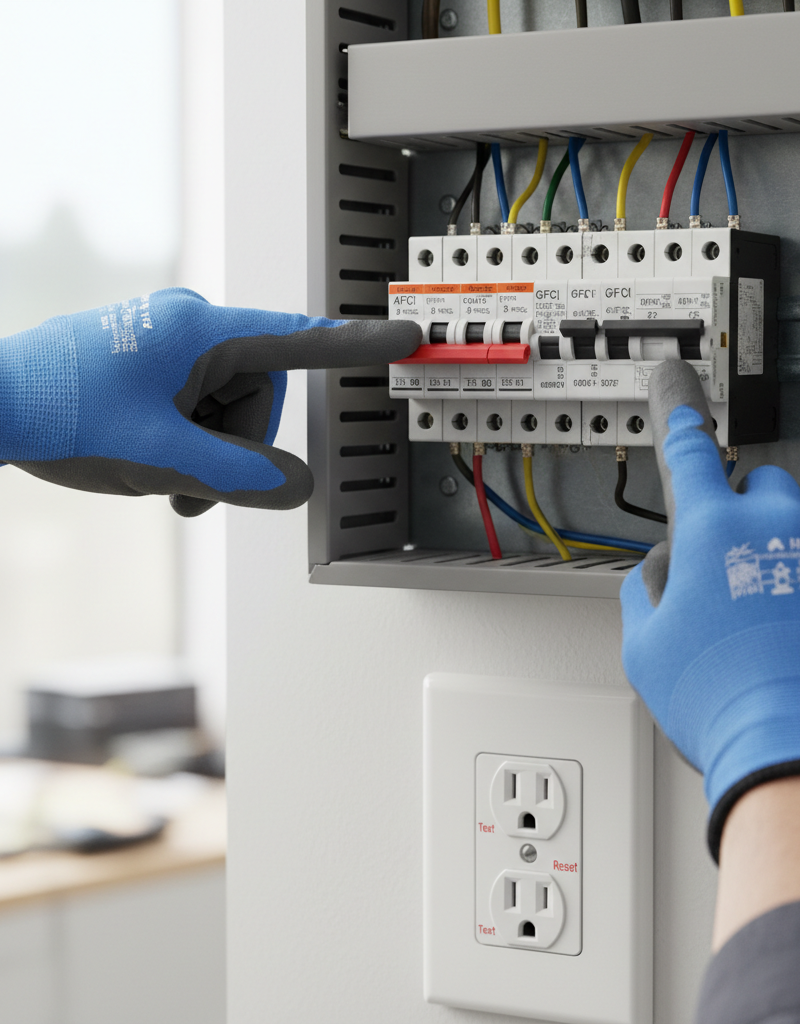
The Shocking Truth About GFCIs vs. AFCIs: Are You Really Protected?
GFCIs prevent electrocution from ground faults, while AFCIs stop fires from dangerous electrical arcs. Understanding their distinct roles is crucial for home safety.

The Big Rig Mystery: Why Those Wheel Spikes Aren't What You Think
Ever wondered about those intimidating spikes on big truck wheels? They're not for defense, but they do tell us something about basic vehicle maintenance and why protective covers matter.
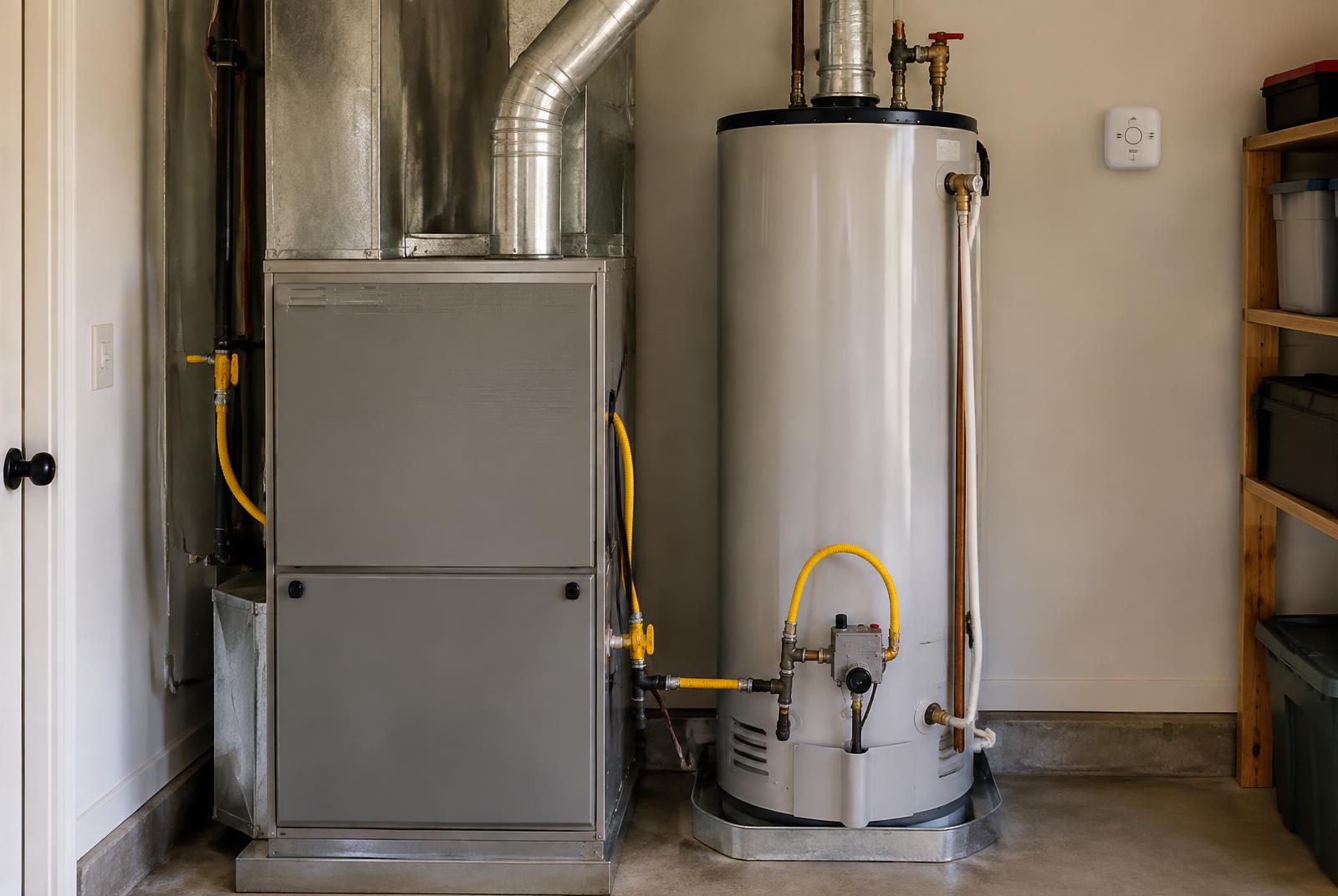
Home Safety Warning Signs: 10 Red Flags From Your Appliances and Systems
Your home usually warns you before something dangerous happens. Learn the 10 warning signs your furnace, water heater, electrical system, gas lines, and appliances give off — what you can safely check yourself, and when to call a professional right away.
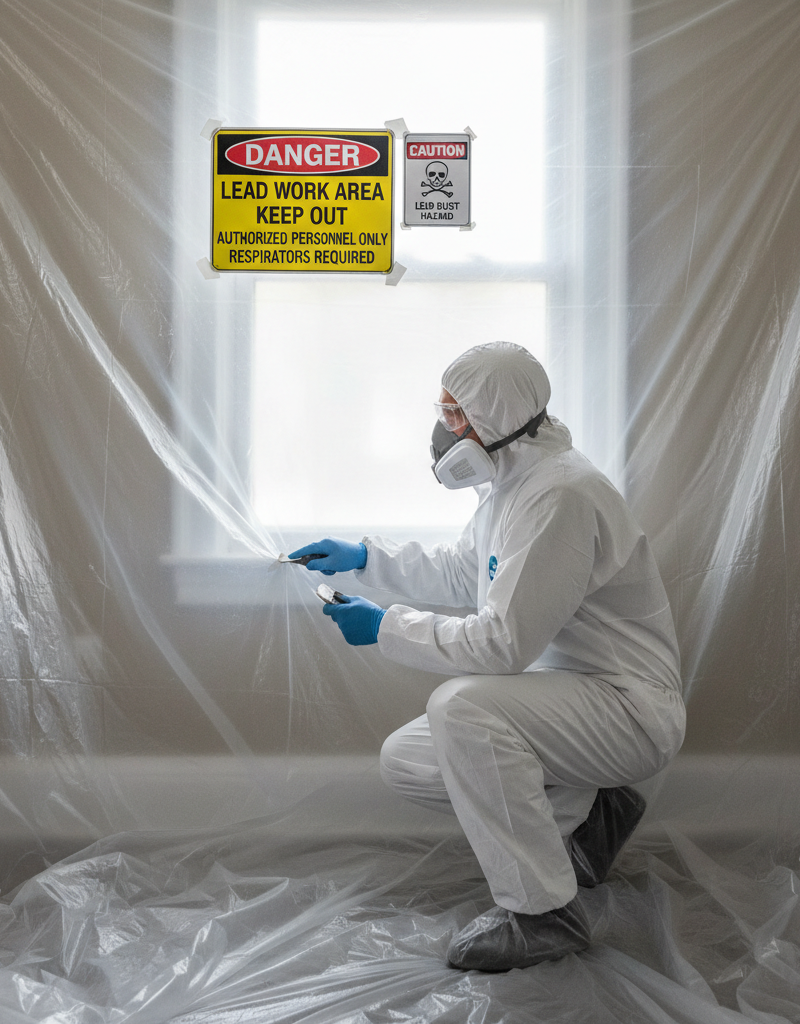
The 1978 Homeowner's Mistake: How to Safely Handle Lead Paint
Understanding the age of your home is key to lead paint safety; homes built before 1978 likely contain lead-based paint, posing risks during renovations.
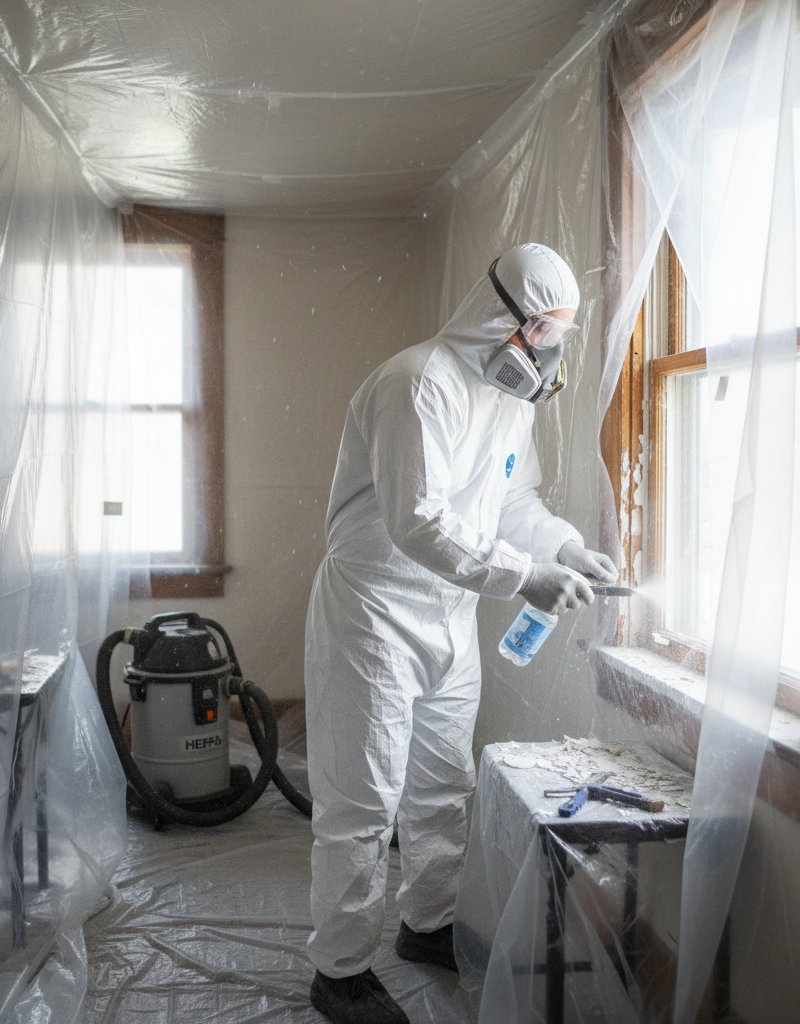
The Invisible Dust: Why Your Renovation Could Be Poisoning Your Family
Renovating a pre-1978 home can unknowingly expose your family to lead dust, a serious health hazard, especially for children.
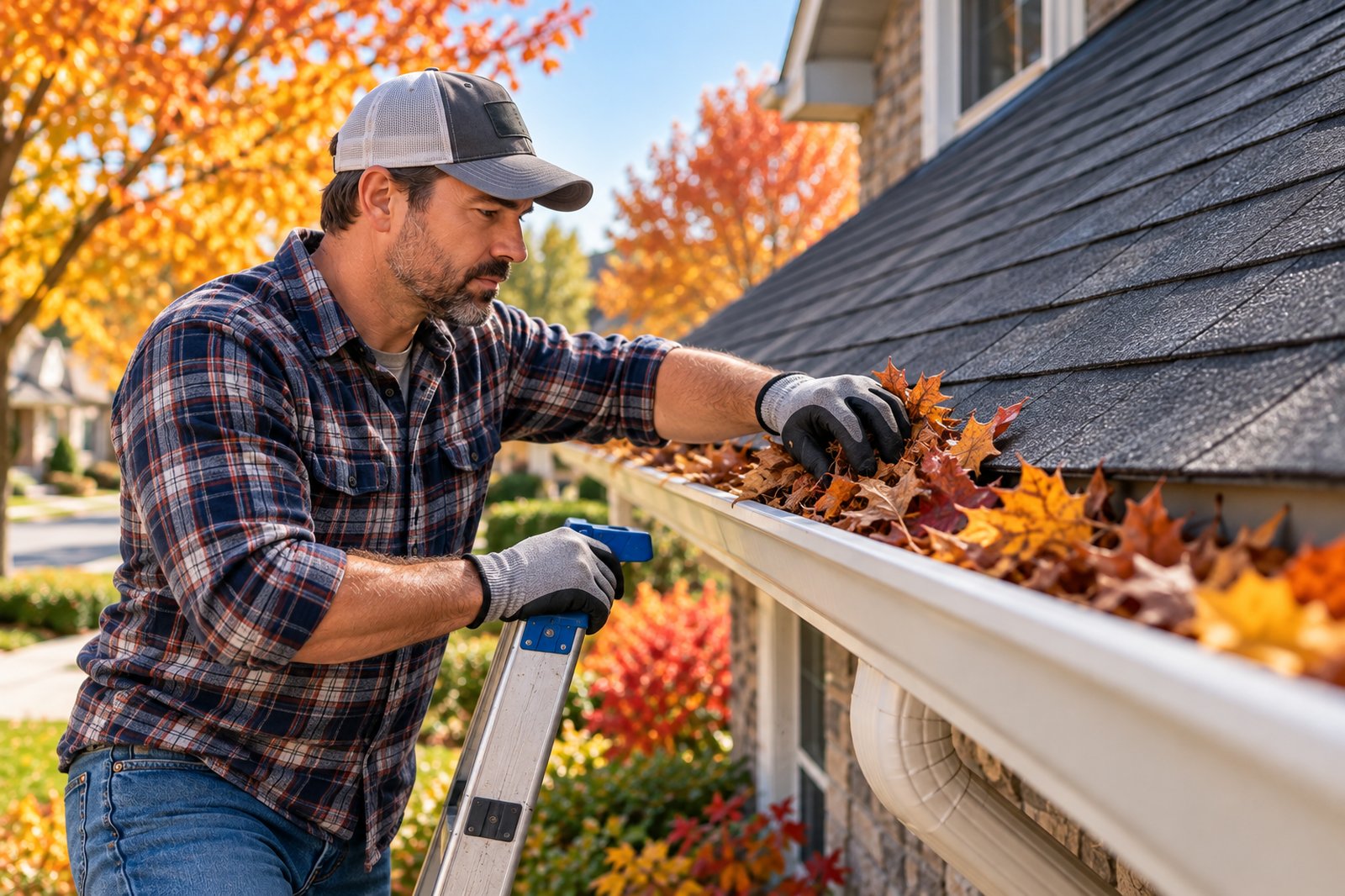
Fall Home Maintenance Checklist: 15 Things to Do Before Winter Hits
A 15-step checklist to get your DFW home ready for winter, covering your roof, gutters, HVAC, plumbing, windows, foundation, siding, trees, concrete and safety alarms.
More from this hub
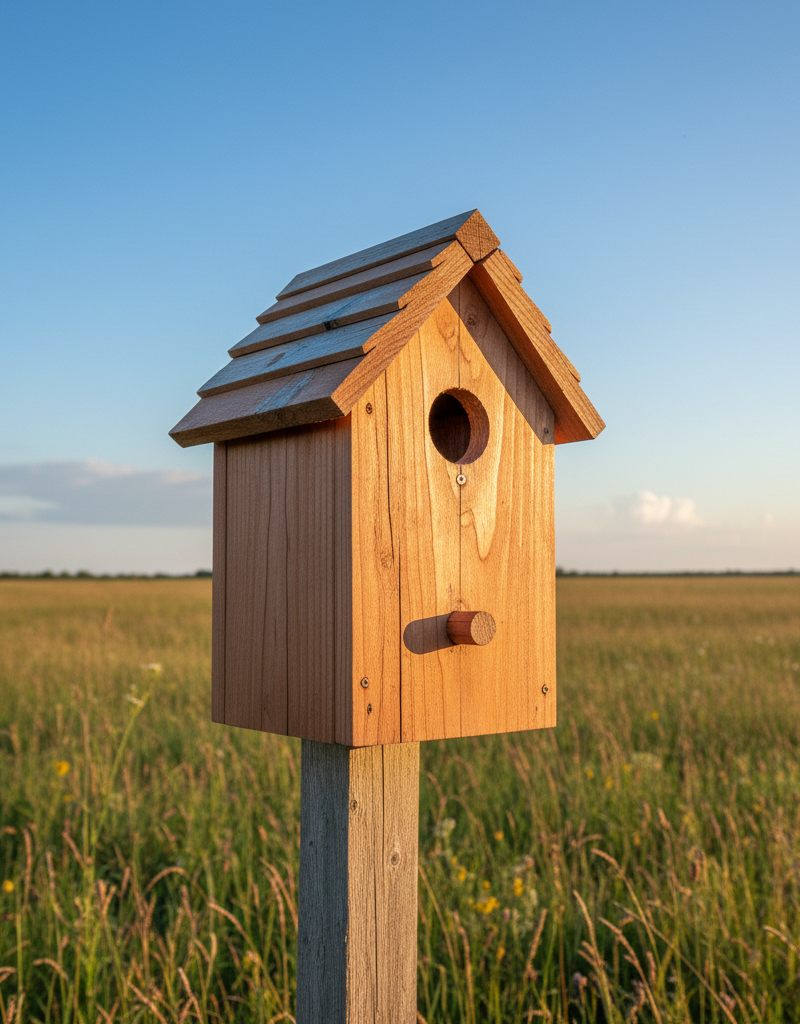
The Single Cedar Board Secret to Attracting Bluebirds to Your Yard
Discover how a single cedar board can transform your backyard into a haven for bluebirds, offering them a safe and welcoming nesting site.
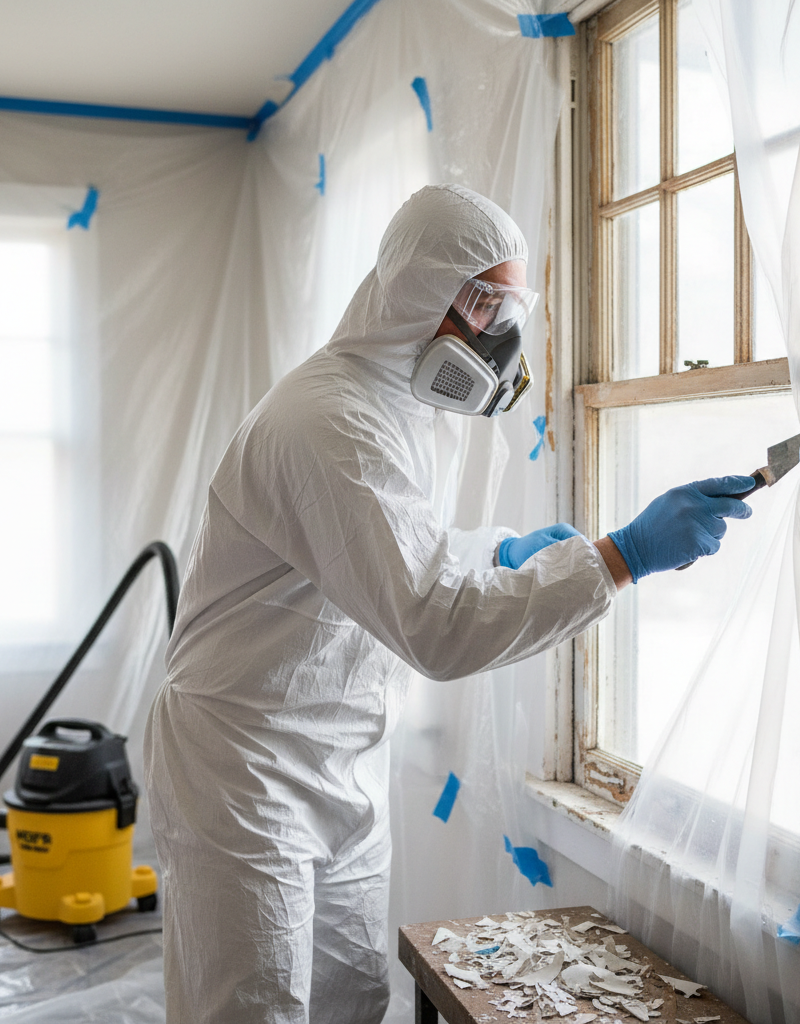
The Invisible Dust: Why Your Renovation Could Be Poisoning Your Family
Renovating a pre-1978 home can unknowingly expose your family to lead dust, a serious health hazard. Learn how to protect your loved ones.
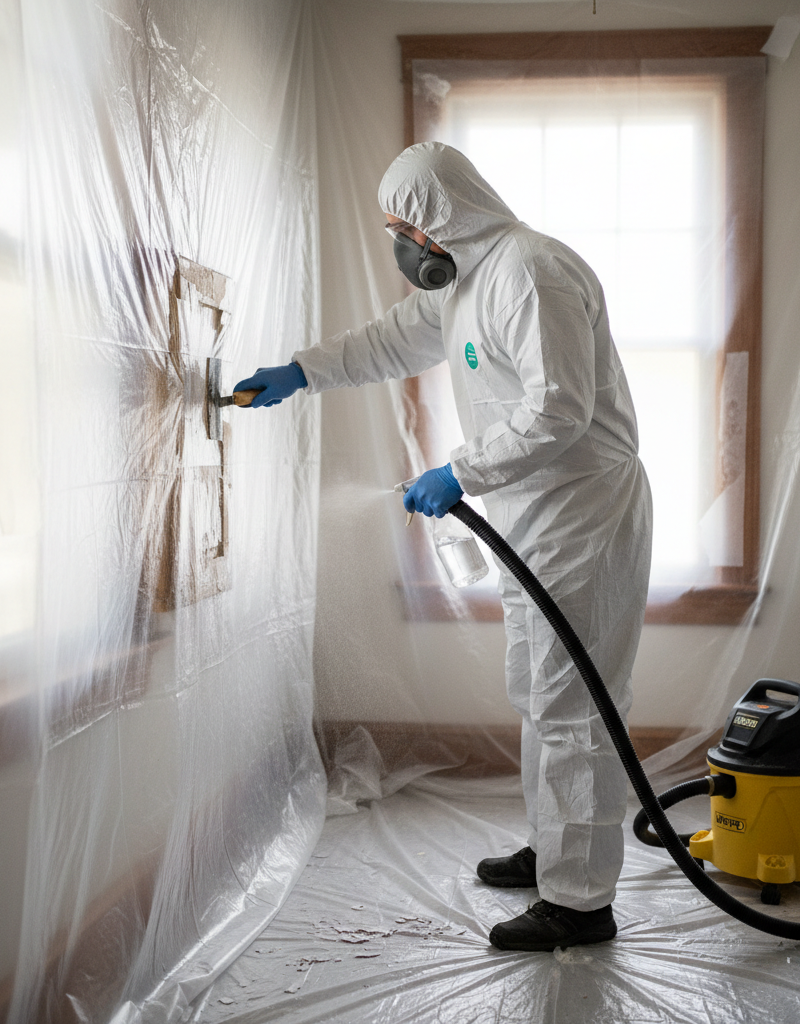
The Invisible Dust: Why Your Renovation Could Be Poisoning Your Family
Renovating a pre-1978 home can unknowingly expose your family to lead dust, a serious health hazard. Learn how to protect yourself.
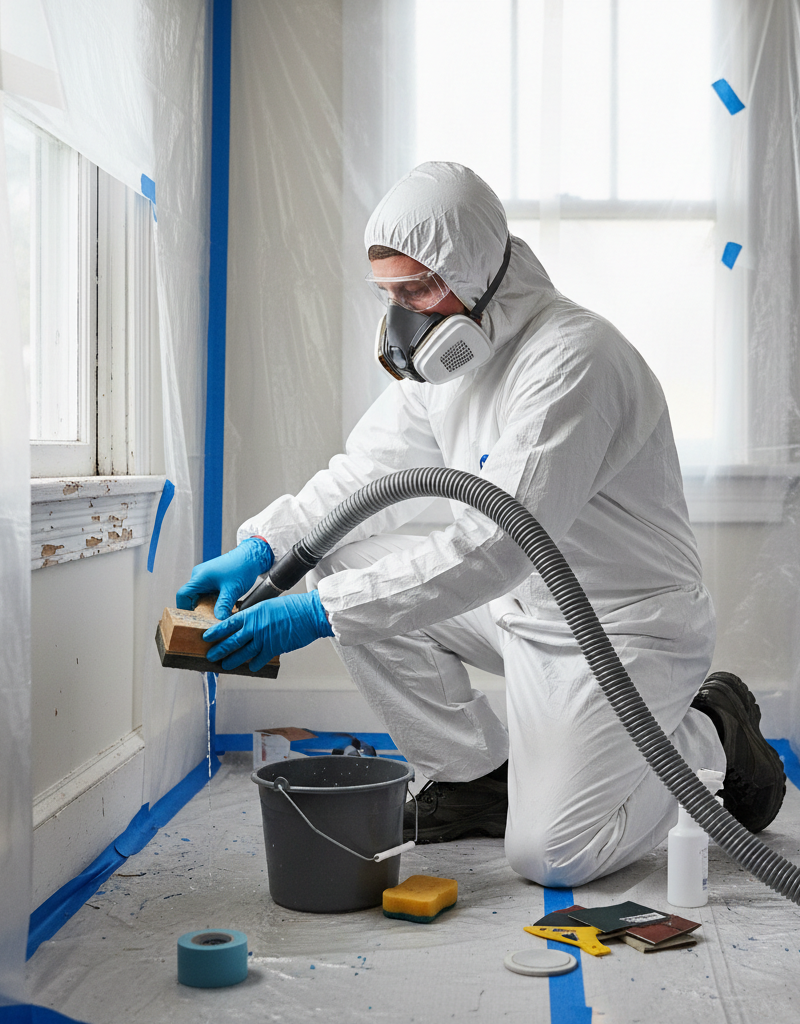
The Invisible Dust: Why Your Renovation Could Be Poisoning Your Family
Renovating a pre-1978 home? Understand the silent danger of lead dust created during even minor repairs and how to protect your family.
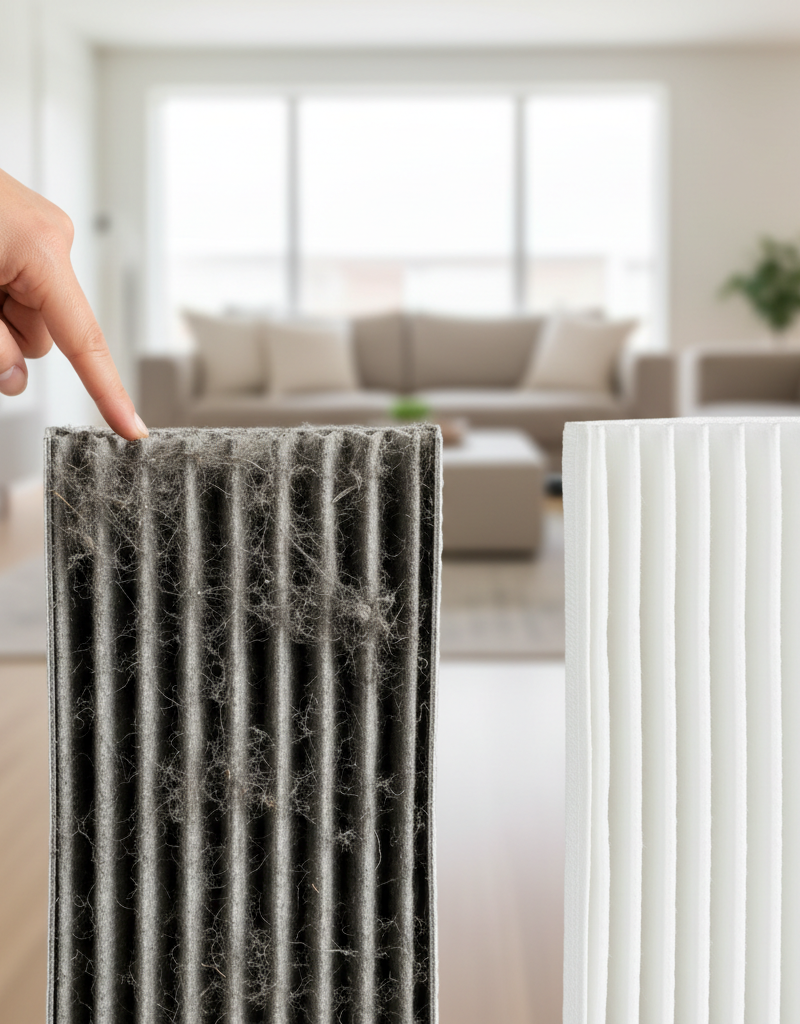
The Hidden Reason Your AC Isn't Cooling (And Why Most Homeowners Get It Wrong)
Is your central AC blowing warm air or struggling to cool your home? The culprit is often a silent but serious issue many homeowners overlook: airflow restriction.
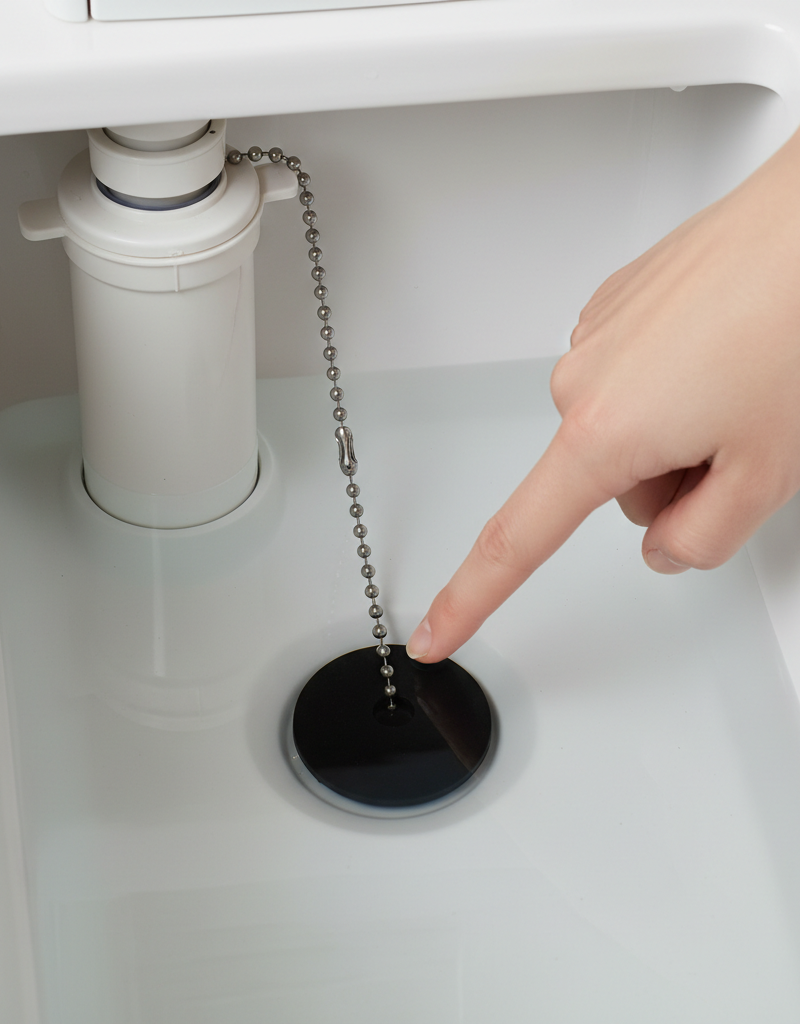
The 30-Second Toilet Fix Plumbers Don't Want You to Know
A continuously running toilet wastes significant water and money, but can often be fixed in under a minute with a simple adjustment of the flapper chain.
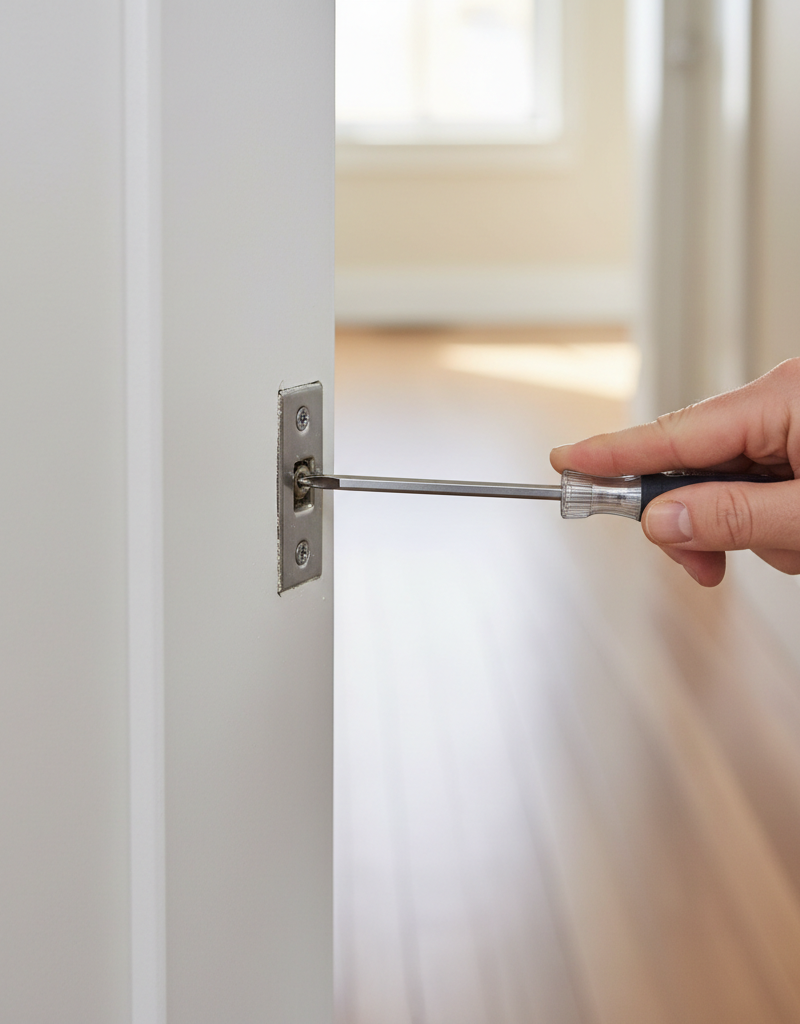
The 3 Hidden Reasons Your Door Is Sagging (And How to Fix It FAST)
A sagging door can be a frustrating problem, leading to creaks, sticking, and an inability to latch properly, but often the fix is simpler than you think.
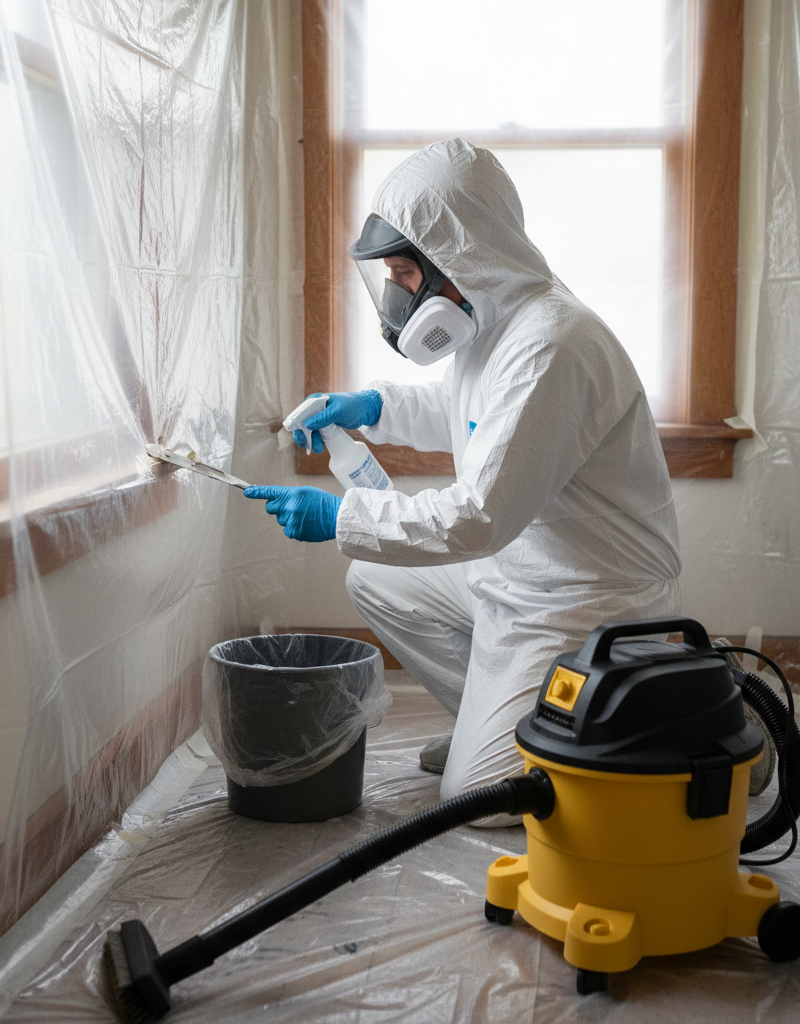
The Invisible Dust: Why Your Renovation Could Be Poisoning Your Family
Renovating a pre-1978 home? Disturbing old paint could release invisible lead dust, posing serious health risks if not handled correctly.
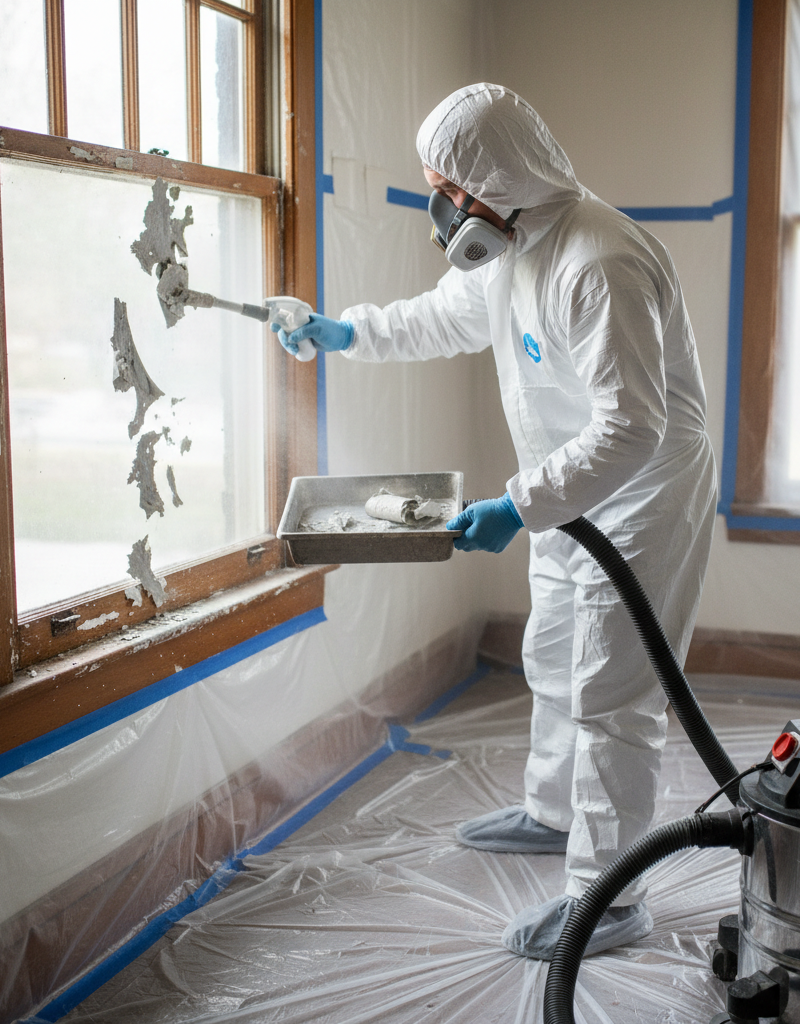
The Invisible Dust: Why Your Renovation Could Be Hiding a Lead Hazard
Renovating older homes can stir up microscopic lead dust from paint, posing serious health risks if not managed carefully.
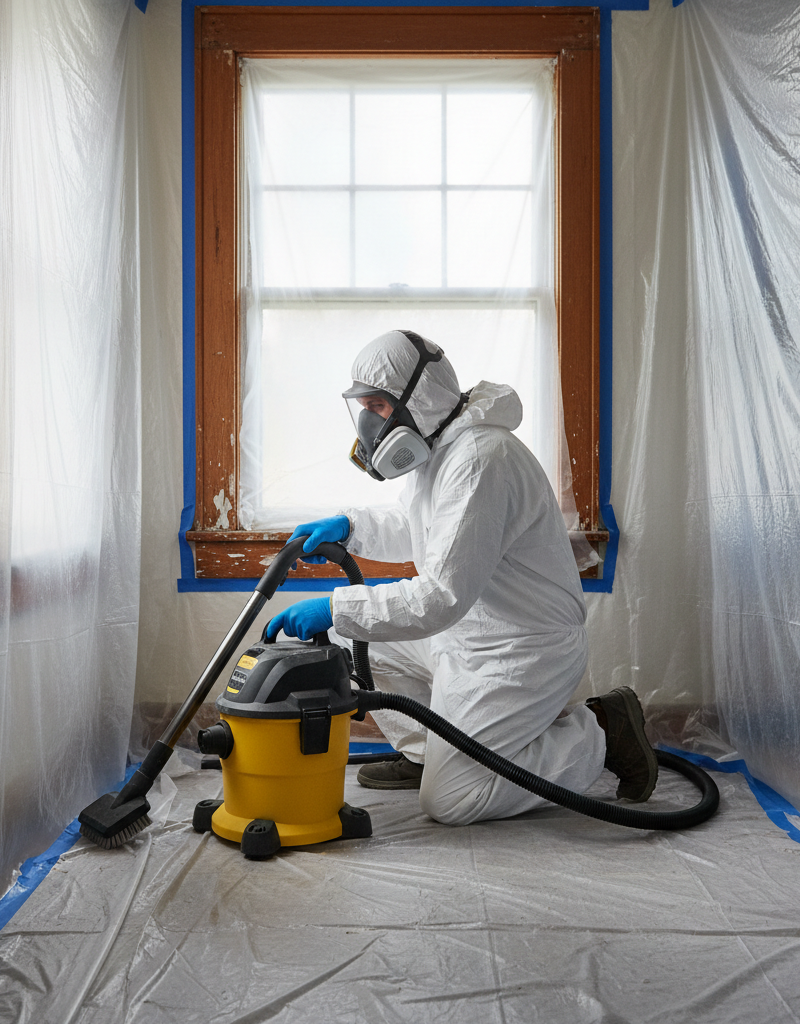
The Invisible Dust: Why Your Renovation Could Be Poisoning Your Family
Uncovering lead paint in older homes requires specific safety measures during renovations to protect your family from invisible dust.
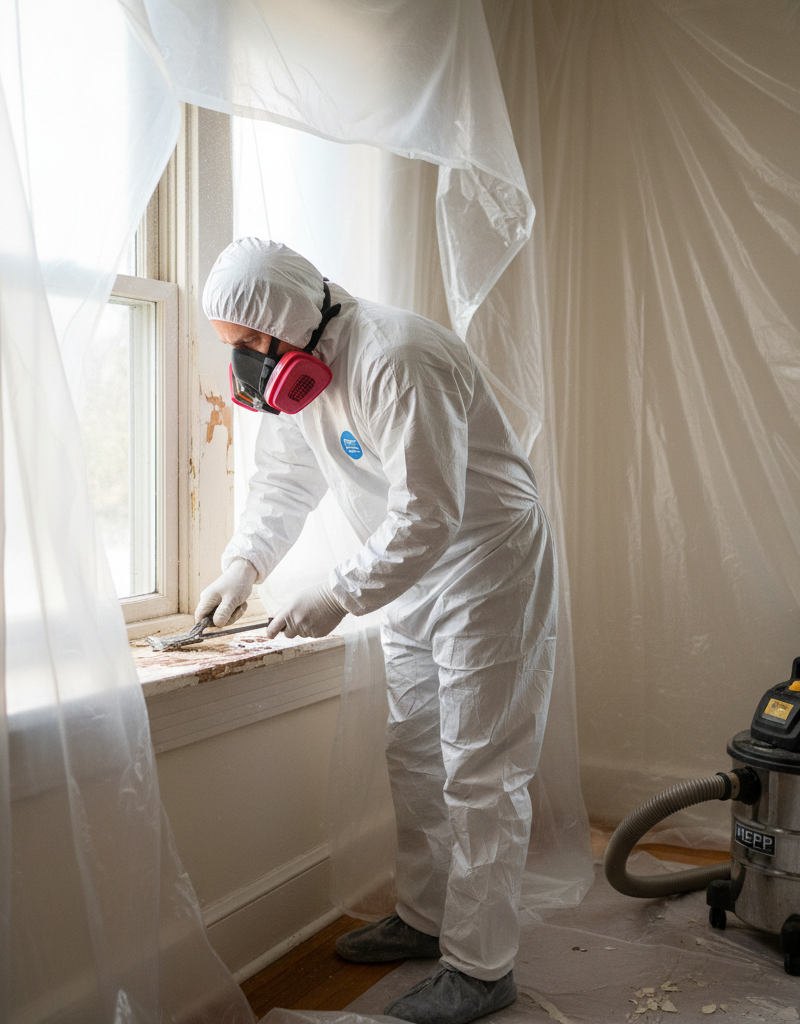
The Invisible Threat: 7 Critical Mistakes Homeowners Make with Old Paint
If your home was built before 1978, disturbing old paint can release invisible lead dust, posing serious health risks, especially to children.
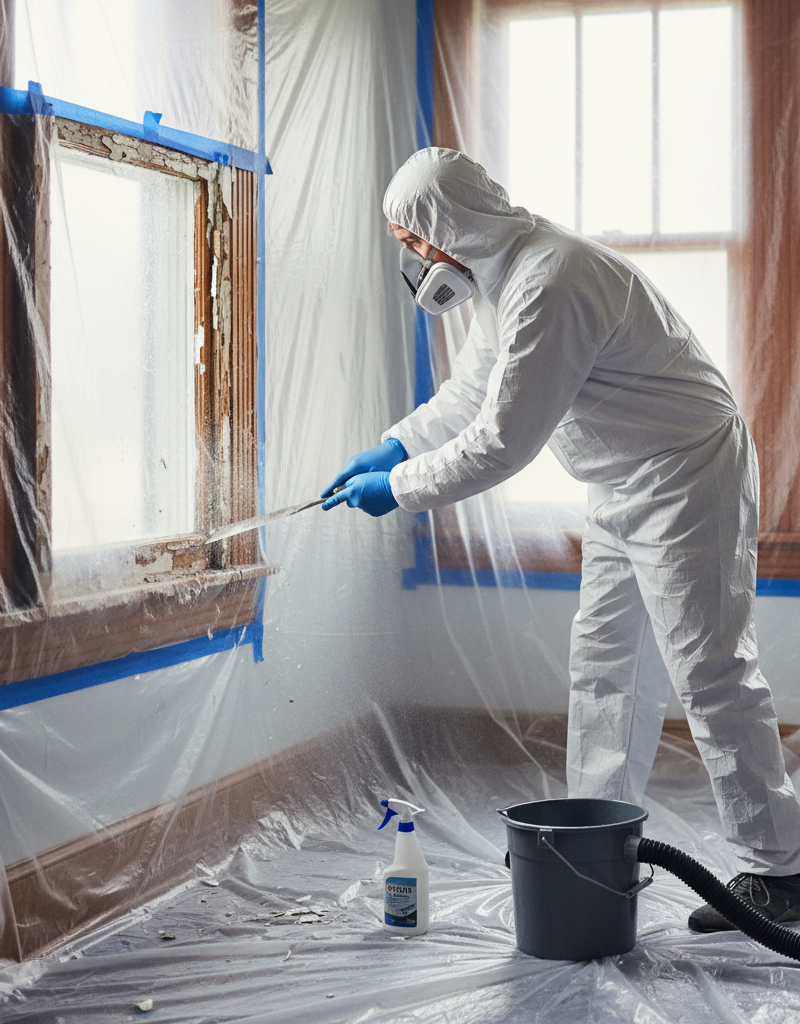
The Invisible Dust: Why Your Renovation Could Be Poisoning Your Family
Renovating a pre-1978 home can unknowingly expose your family to lead dust. Learn how to identify, contain, and safely manage lead-based paint during DIY projects to prevent serious health risks.