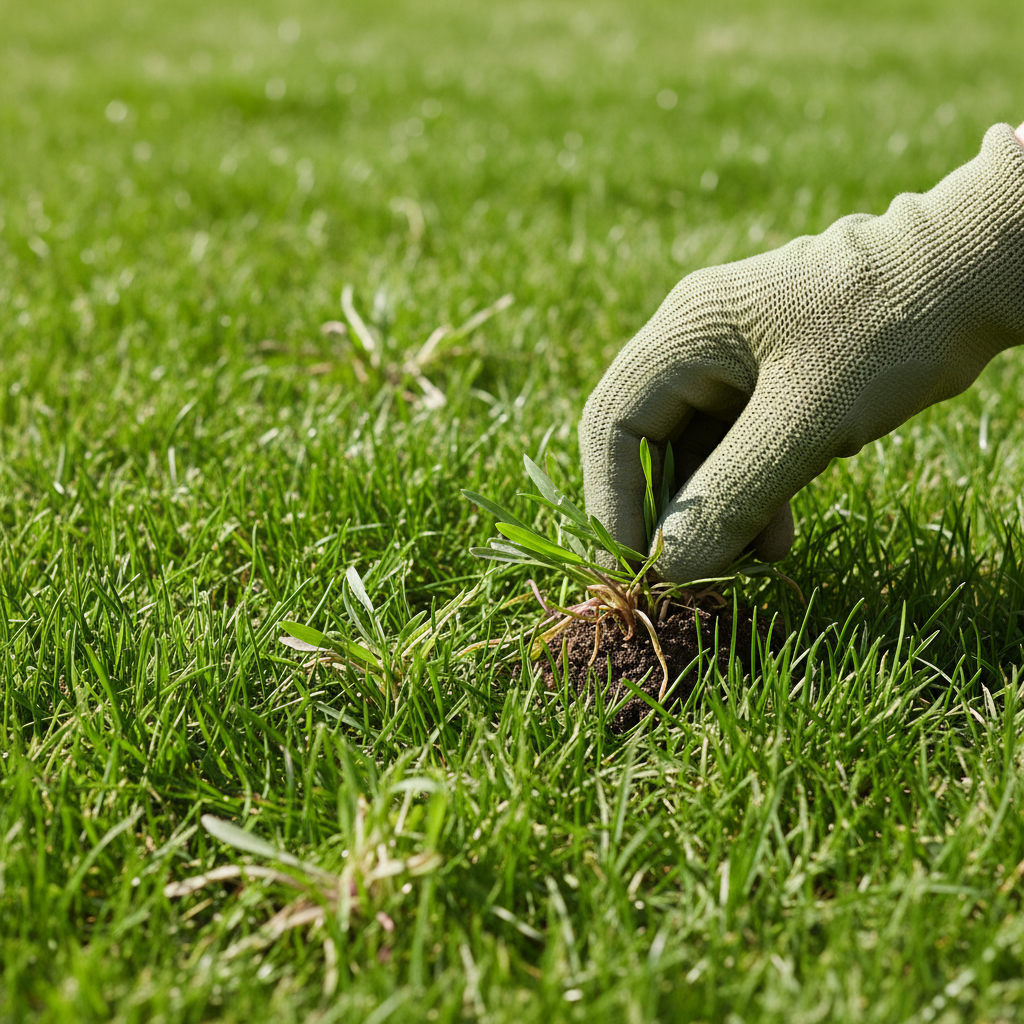
- Early Detection: Regularly inspect your lawn, especially in sparse or sun-exposed areas, for young crabgrass plants. They are easiest to pull when they are small, usually with 2-4 leaves, and before they have formed extensive root systems.
- Moist Soil Advantage: Water your lawn thoroughly an hour or two before hand-pulling. Moist soil makes it much easier to extract the entire root system, reducing the chance of regrowth.
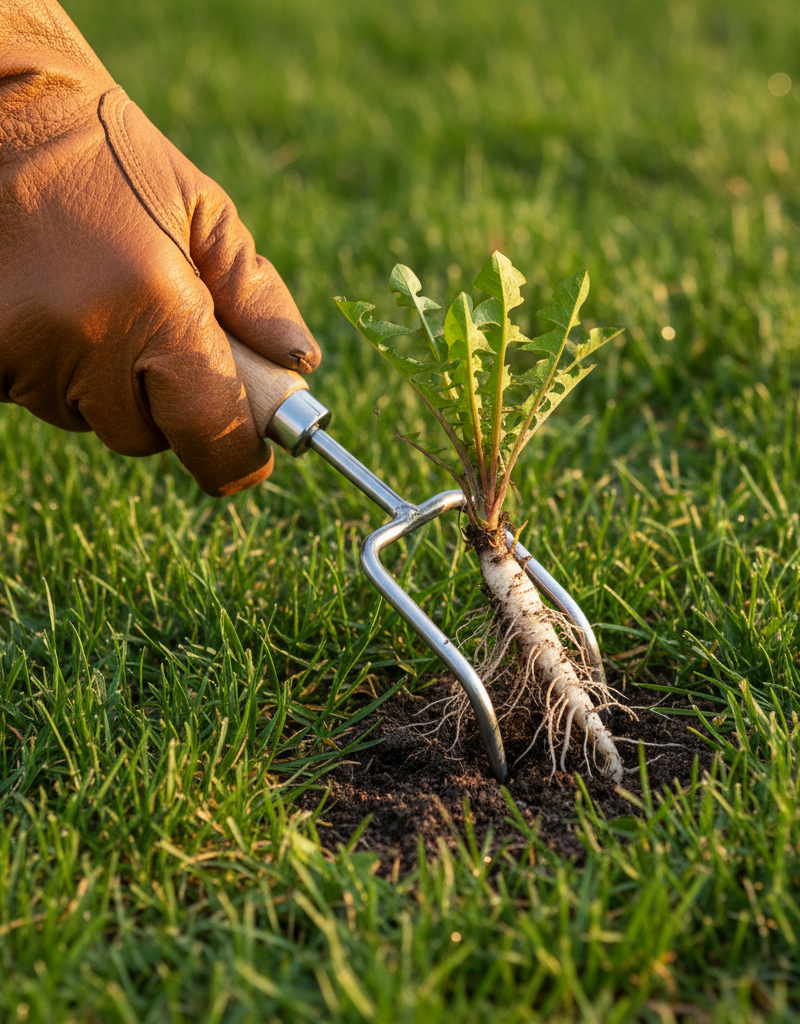
- Tools for Tough Spots: For larger or more established plants, a weeding fork or dandelion digging tool can help you get under the crown and lift the plant out completely. Ensure you remove the entire plant, including the central crown.
Landscaping · Deck or fence project
| Project category | Landscaping |
|---|---|
| Problem type | Deck or fence project |
| Trade required | Landscaping |
| Urgency | Planned project |
| Safety risk | Moderate safety risk |
| DIY suitability | DIY for experienced homeowners |
| Cost category | High cost |
| Typical timeline | Most builds 3–10 days depending on size |
| Contractor type | Landscaping contractor |
Repair option
Replace failed boards, posts, and hardware; reseal the surface.
Replacement option
Rebuild when framing or the ledger connection is unsafe.
Common causes
- Rot at posts and ledger
- Storm damage
- Adding outdoor living space
Relevant tools:home improvement material pricesproject cost estimator
Published May 23, 2026Last updated August 17, 2026
Tools & materials you'll need
Affiliate links- AmazonCorn gluten meal granules10-20 lbs per 1,000 sq ft
As an Amazon Associate FixlyGuide earns from qualifying purchases — at no extra cost to you. Prices and availability are accurate as of publication and subject to change.
Quick Answer
Crabgrass is a stubborn annual weed that can quickly take over a lawn if not addressed properly. The most significant mistake homeowners make is waiting until the crabgrass is mature and highly visible before acting. The secret to natural control lies in proactive prevention, targeting the weed before it germinates, and maintaining a robust, healthy lawn that naturally crowds out invasive species. Utilizing strategies like corn gluten meal as a pre-emergent, meticulous hand-weeding of young plants, and proper cultural practices such as mowing high and deep watering are crucial for long-term success without resorting to synthetic herbicides.
The Problem
Crabgrass (Digitaria spp.) is an opportunistic annual warm-season grass that thrives in the same conditions as many desirable lawn grasses but quickly outcompetes them, especially in sparse, over-watered, or poorly maintained areas. It germinates when soil temperatures consistently reach 55-60°F for several days, typically in late spring or early summer, and then grows rapidly through the hottest months. As fall approaches, each mature crabgrass plant can produce thousands of seeds, which then lie dormant over winter, setting the stage for an even worse infestation the following year. This relentless cycle means that merely pulling visible weeds in summer isn't enough; you must disrupt the seed production and germination process. Homeowners often struggle because they react to the problem rather than preventing it, leading to a constant battle year after year.
How It Works
Understanding the life cycle of crabgrass is fundamental to its natural control. Unlike perennial weeds that return from their root systems, crabgrass is an annual, meaning each plant lives for only one growing season. However, its prolific seed production strategy ensures its return. When soil temperatures warm in spring, conditions become optimal for these dormant seeds to sprout. Young crabgrass plants start as small, light green blades, often mistaken for desirable grass. As they mature, they tiller out from a central crown, forming a distinctive, low-growing, coarse bunch that can be several inches in diameter. The leaves are typically wider and lighter in color than most lawn grasses. Throughout summer, these plants grow, produce seed heads (which can be finger-like or branching), and then die with the first significant frost. The cycle relies entirely on these new seeds for next year's growth. Natural control methods leverage this life cycle: pre-emergents create a barrier to prevent seeds from sprouting, manual removal eliminates plants before they seed, and dense turf crowds out new growth by blocking sunlight and competing for resources. Maintaining a healthy lawn with proper mowing, watering, and fertilization creates an environment where desirable grasses thrive, making it difficult for crabgrass to establish and reducing the number of available germination sites.
Step-by-Step Fix
1. Apply Corn Gluten Meal Peacefully — Proactively prevent crabgrass seeds from germinating in the spring.
- Timing is Everything: Apply corn gluten meal in early spring, typically when Forsythia bushes are blooming or when soil temperatures consistently reach 52-55°F. This is before crabgrass seeds germinate. A soil thermometer is a helpful tool for accurate timing.
- Even Spreading: Use a broadcast spreader to apply corn gluten meal Granules evenly across your entire lawn at a rate of 10-20 pounds per 1,000 square feet. Uneven application can lead to bare spots or patchy crabgrass control.
- Water In Lightly: After application, lightly water the lawn to activate the corn gluten meal. Too much water immediately after can wash it away; aim for about 1/4 inch of water. It forms a protein barrier that inhibits root development in germinating seeds.
2. Hand-Pull Young Crabgrass Vigorously — Remove newly sprouted crabgrass before it releases seeds.
- Early Detection: Regularly inspect your lawn, especially in sparse or sun-exposed areas, for young crabgrass plants. They are easiest to pull when they are small, usually with 2-4 leaves, and before they have formed extensive root systems.
- Moist Soil Advantage: Water your lawn thoroughly an hour or two before hand-pulling. Moist soil makes it much easier to extract the entire root system, reducing the chance of regrowth.
- Tools for Tough Spots: For larger or more established plants, a weeding fork or dandelion digging tool can help you get under the crown and lift the plant out completely. Ensure you remove the entire plant, including the central crown.
- Dispose Properly: Do not leave pulled crabgrass on the lawn, as even detached plants can sometimes continue to develop seeds if moisture is present. Bag and dispose of them, or add them to a hot compost pile only if you're sure it will reach temperatures high enough to kill seeds.
3. Mow High for Health — Promote a dense turf that naturally shades out crabgrass.
- Raise Your Mower Deck: Set your mower to its highest effective setting, typically 3 inches or more for most cool-season grasses, and 2-3 inches for warm-season grasses. Taller grass blades create shade at the soil surface, cooling the soil and blocking sunlight that crabgrass seeds need to germinate.
- Frequent Mowing: Mow frequently enough so that you are only removing about one-third of the grass blade's height at each mowing. This prevents stressing the grass and encourages dense growth.
- Sharp Blade: Always use a sharp mower blade. A dull blade tears grass blades, leaving jagged edges that are more susceptible to disease and stress, weakening your lawn.
4. Water Deeply and Infrequently — Encourage strong, deep root growth that outcompetes shallow-rooted crabgrass.
- Deep Soaking: Water your lawn deeply, aiming for 1 inch of water per week (either from rain or irrigation). You can measure this with a rain gauge placed in your lawn. Apply all 1 inch in one or two sessions, rather than frequent, shallow sprinklings.
- Timing is Key: Water in the early morning to minimize evaporation and allow grass blades to dry before nightfall, reducing fungal disease risk.
- Avoid Short, Frequent Watering: Shallow watering encourages shallow root systems in desirable grass, making it more vulnerable to drought stress and creating ideal moist conditions near the surface for crabgrass germination.
5. Overseed for Density — Fill in bare spots with desirable grass to outcompete weeds.
- Fall is Prime Time: The best time to overseed most lawns is in late summer or early fall (August to October for cool-season grasses) when soil temperatures are warm but air temperatures are cooler, and crabgrass is dying back.
- Prepare the Area: Before overseeding, dethatch if necessary and aerate compact areas to improve seed-to-soil contact and oxygen flow to roots.
- Choose Matching Seed: Select a grass seed variety that matches your existing lawn or is well-suited to your climate and sun conditions. Evenly broadcast the seed at the recommended rate and lightly rake it into the soil.
- Keep Moist: Water new seed lightly and frequently until germination, then gradually transition to deeper, less frequent watering as the seedlings establish.
Common Causes
- Sparse or Thin Turf: Areas with thin grass allow sunlight to reach the soil, promoting crabgrass seed germination. This can be caused by improper mowing (too short), insufficient fertilization, disease, or insect damage.
- Compacted Soil: Hard, compacted soil restricts desirable grass roots, making the lawn weaker and more susceptible to weed invasion. Crabgrass, with its fibrous and more adaptable root system, can often tolerate these conditions better.
- Frequent, Shallow Watering: This practice keeps the top layer of soil consistently moist, which is ideal for crabgrass germination, while discouraging deep root growth in your preferred turfgrass.
- Mowing Too Short: Scalping the lawn removes too much of the grass blade, weakening the desirable turf and exposing soil to sunlight, creating perfect conditions for crabgrass.
- Poor Soil Fertility: A lack of essential nutrients can weaken desirable grass, making it less competitive against aggressive weeds like crabgrass. Imbalanced pH can also hinder nutrient uptake.
- Improper Timing of Pre-Emergents: Applying a pre-emergent too early means it may break down before crabgrass germinates, and applying it too late (after germination) will be ineffective.
Common Mistakes
- Reacting Too Late: Many homeowners only start to address crabgrass when it's large and highly visible, often after it has already produced thousands of seeds, making control much harder.
- Mowing Too Short: This is a major culprit. Mowing turfgrass too short stresses the plant, reduces its ability to photosynthesize effectively, and opens up the canopy for sunlight to reach dormant crabgrass seeds.
- Over-Fertilizing in Spring: While feeding your lawn is good, excessive nitrogen in early spring can sometimes benefit crabgrass more than desirable cool-season grasses, if applied at the wrong time or in the wrong formulation.
- Ignoring Soil Health: Not addressing underlying issues like compacted soil, poor drainage, or nutrient deficiencies means crabgrass will likely return year after year, even with other treatments.
- Pulling Without Removing the Root: If you pull crabgrass and leave part of the crown or root behind, it can often regrow, especially if the plant is mature. Ensure complete removal.
- Applying Pre-Emergent When Seeds Are Already Germinating: Once crabgrass seeds have sprouted, pre-emergents are ineffective. They are designed to prevent germination, not kill existing plants.
Cost & Time Breakdown
| Task | DIY Cost | Pro Cost | Time |
|---|---|---|---|
| Corn Gluten Meal Application | $30–$80 | N/A | 30–60 minutes |
| Hand-Pulling Crabgrass | $0 | $50–$150/hour (weeding service) | Varies, 15–60 minutes/week |
| Mower Blade Sharpening/Replacement | $10–$30 (DIY) | $20–$50 (service) | 15–30 minutes |
| Overseeding | $40–$100 (seed) | $200–$500 (plus seed) | 2–4 hours |
| Soil Test | $15–$30 | $50–$100 (with analysis) | 15 minutes (active) |
Tips & Prevention
- Get a Soil Test: Every 2-3 years, conduct a soil test to understand your lawn's nutrient levels and pH. This helps you fertilize intelligently, promoting a healthier lawn less susceptible to weeds.
- Fertilize Strategically: For cool-season grasses, focus fertilization on fall and early spring. For warm-season grasses, fertilize in late spring and summer. Use slow-release, organic fertilizers to minimize runoff and provide steady nutrition.
- Aerate & Dethatch Annually (or Bi-Annually): Relieve soil compaction and remove excessive thatch buildup to allow water, air, and nutrients to reach grass roots more effectively. This makes your lawn stronger and more resistant to weeds.
- Inspect Regularly: Make it a habit to walk your lawn weekly during the growing season. Early detection of crabgrass or other weeds allows for easier manual removal before they become established or go to seed.
- Control Border Areas: Crabgrass often starts along driveways, sidewalks, and garden beds – areas that can be hotter and more stressful for desirable grass. Keep these edges well-maintained and consider edging barriers.
- Mulch Garden Beds: Ensure garden beds adjacent to your lawn are well-mulched. This prevents crabgrass from establishing there and then spreading into your lawn.
When to Call a Professional
While natural crabgrass control is highly effective with consistent effort, there are situations where a professional might be beneficial. If your lawn is severely infested with crabgrass, covering more than 50% of the turf area, a professional lawn care service can assess the underlying causes and develop an aggressive, integrated pest management plan. This might involve commercial-grade organic pre-emergents or, in some cases, selective post-emergent herbicides as a last resort to gain control before transitioning to fully natural methods. Additionally, if your lawn has other persistent problems like widespread diseases, insect damage, or severe compaction that you can't alleviate with standard DIY aeration, a professional arborist or lawn specialist can provide diagnostic services and tailored treatment plans that support overall lawn health, making it more resilient against crabgrass and other weeds in the long run. They can also provide cultural recommendations specific to your lawn's grass type, soil conditions, and climate.
Related Articles
Keep troubleshooting with these hand-picked guides from FixlyGuide:
- The 3 Crabgrass Mistakes Most Homeowners Make (And How to Fix Them Organically) — Discover the most common crabgrass removal mistakes and learn natural, organic methods to eliminate crabgrass from your lawn for good, fost…
- The #1 Crabgrass Mistake Most Homeowners Make (And 3 Natural Fixes) — Crabgrass invades lawns, but many natural remedies miss the mark. Learn the biggest mistake homeowners make and discover effective, eco-fri…
- The #1 Mistake Killing Your Lawn's Crabgrass Battle (and 3 Natural Fixes) — Discover the common oversight sabotaging your crabgrass removal efforts and learn three effective, natural methods to reclaim your lawn.
- The #1 Crabgrass Mistake Killing Your Lawn (And 3 Natural Fixes) — Discover how common crabgrass removal mistakes undermine your lawn's health and learn three natural, effective methods to eradicate crabgra…
- The #1 Crabgrass Mistake (and 3 Organic Ways to Fix It) — Discover the biggest mistake homeowners make when battling crabgrass and how to effectively eliminate it using three natural methods.
- The #1 Mistake Homeowners Make When Caulking a Bathroom Sink (And How to Fix It) — Discover the most common caulk mistake homeowners make around bathroom sinks and follow simple steps to achieve a lasting, watertight seal.
What should this project cost?
Enter your project details for a realistic cost range before you call anyone.
Cost depends heavily on which system turns out to be the source.
- Regional adjustment
- National average
- Labor share (typical)
- ~$1,620
- Quotes to collect
- 3 written estimates
Educational estimate based on national averages — not a binding quote. Always confirm with written local estimates.
Frequently asked questions
How does corn gluten meal work on crabgrass?+
Corn gluten meal acts as a natural pre-emergent herbicide. It contains dipeptides that inhibit root formation in germinating seeds, including crabgrass. When applied before germination and lightly watered in, it creates a barrier that prevents new crabgrass seedlings from establishing, though it does not harm existing plants.
Can I naturally get rid of crabgrass that has already grown?+
Yes, but it requires more effort. For existing crabgrass, hand-pulling is the most effective natural method, especially when the plants are young. Ensure you remove the entire crown and roots. For larger infestations, improving your lawn's density through proper mowing, watering, and overseeding will help desirable grasses outcompete the crabgrass over time.
What is the best time to apply natural crabgrass preventers?+
The ideal time to apply natural pre-emergents like corn gluten meal is in early spring, before soil temperatures consistently reach 55-60°F, which is when crabgrass seeds begin to germinate. A good indicator is when Forsythia bushes start blooming in your area.
Will mowing higher really help prevent crabgrass?+
Absolutely. Mowing your lawn at a taller height (typically 3 inches or more) creates a dense canopy that shades the soil surface. This shading cools the soil and blocks sunlight, both of which are critical factors for crabgrass seed germination. Taller grass also develops deeper, stronger root systems, making it more competitive against weeds.

Discussion
Loading comments…