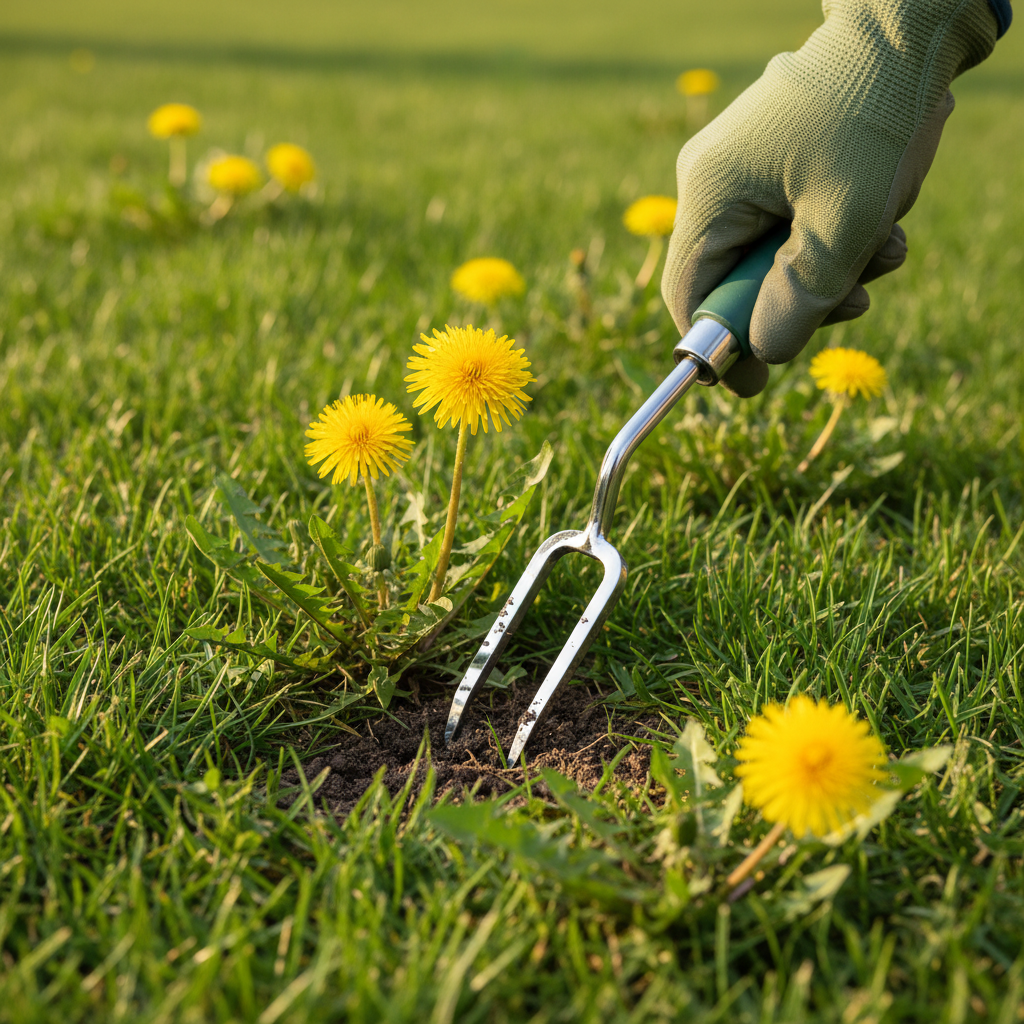
- Assess Your Lawn & Dandelion Infestation – Understand the scope of the problem
- Walk your lawn and identify high-density areas. Note if your lawn is generally thin, compacted, or healthy. This assessment will guide your approach (spot treatment vs. broad application).
- Consider the time of year. Fall is generally the best time for herbicide application, while spring is good for pre-emergents and vigorous hand-pulling before seeding.
Landscaping · Deck or fence project
| Project category | Landscaping |
|---|---|
| Problem type | Deck or fence project |
| Trade required | Landscaping |
| Urgency | Planned project |
| Safety risk | Moderate safety risk |
| DIY suitability | DIY for experienced homeowners |
| Cost category | High cost |
| Typical timeline | Most builds 3–10 days depending on size |
| Contractor type | Landscaping contractor |
Repair option
Replace failed boards, posts, and hardware; reseal the surface.
Replacement option
Rebuild when framing or the ledger connection is unsafe.
Common causes
- Rot at posts and ledger
- Storm damage
- Adding outdoor living space
Relevant tools:home improvement material pricesproject cost estimator
Published May 28, 2026Last updated August 17, 2026
Tools & materials you'll need
Affiliate links- AmazonDandelion weeding forkLong-handled or short-handled, with a V-notch or narrow blade to extract taproots.
- AmazonGardening gloves1 pair
- AmazonEye protectionEspecially when using liquid herbicides.
- AmazonLawnmowerWith a high-cut setting.
- AmazonGarden hose with sprayer nozzleFor deep watering.
- AmazonPump sprayer or hose-end sprayerIf using liquid concentrate herbicide.
- AmazonLawn spreaderFor granular products or overseeding, optional.
As an Amazon Associate FixlyGuide earns from qualifying purchases — at no extra cost to you. Prices and availability are accurate as of publication and subject to change.
Quick Answer
Many homeowners struggle with dandelions because they address the symptoms (the visible weeds) rather than the underlying causes and life cycle of the plant. The most effective way to eliminate dandelions and prevent their return is a combination of proper cultural practices—like correct mowing and watering—and targeted broadleaf herbicide application, especially in the fall. Hand-pulling can be effective for small infestations, but attention to root removal is crucial, and a multi-pronged approach prevents their persistent return.
The Problem
Dandelions are one of the most frustrating and ubiquitous weeds in North American lawns. Their distinctive yellow flowers and fluffy white seed heads seem to appear overnight, spreading relentlessly and marring an otherwise pristine turf. Beyond aesthetics, dandelions compete with desirable grass for water, nutrients, and sunlight, weakening your lawn and making it more susceptible to other issues like disease and pests. Homeowners often resort to frantic pulling or indiscriminate spraying, only to see the weeds return with renewed vigor, leading to a cycle of frustration. The core problem isn't just removing the visible plant, but understanding its tenacious biology and preventing its resurgence from deep taproots and widespread seed dispersal.
How It Works
Dandelions (Taraxacum officinale) are perennial broadleaf weeds, meaning they come back year after year from the same root system. Their success lies in several key biological features. First, they possess an incredibly robust taproot that can extend 10-18 inches deep into the soil. This deep root allows them to access water and nutrients unavailable to shallower-rooted grasses, making them resilient to drought and superficial treatments. If even a small piece of this taproot remains in the soil after pulling, the plant often regrows.
Second, dandelions are prolific seed producers. Each yellow flower head can produce hundreds of seeds, which are then carried by the wind on their characteristic parachutes for long distances. A single plant can produce thousands of seeds in a season, and these seeds can remain viable in the soil for several years, waiting for the right conditions to germinate. This widespread dispersal is why treating your lawn without considering your neighbors' dandelions can feel like a losing battle.
Third, dandelions thrive in compacted, thin, or unhealthy lawns. When grass is stressed due to improper mowing (too short), inadequate watering, or nutrient deficiencies, it creates open spaces and weakened competition, allowing dandelion seeds to germinate and establish easily. They prefer full sun but can tolerate partial shade, making them adaptable to many lawn environments. Understanding this life cycle—from germination to deep root development, to prolific seeding—is key to effective control, moving beyond just removing the visible "weed" to disrupting its entire survival strategy.
Step-by-Step Fix
Here’s how to effectively banish dandelions and promote a healthier lawn:
-
Assess Your Lawn & Dandelion Infestation – Understand the scope of the problem
- Walk your lawn and identify high-density areas. Note if your lawn is generally thin, compacted, or healthy. This assessment will guide your approach (spot treatment vs. broad application).
- Consider the time of year. Fall is generally the best time for herbicide application, while spring is good for pre-emergents and vigorous hand-pulling before seeding.
-
Mow Your Lawn Properly – Build a stronger, more competitive turf
- Safety Note: Always ensure your mower blades are sharp for a clean cut, and wear closed-toe shoes and eye protection when mowing.
- Set your mower deck to the highest setting for your grass type, typically 2.5 to 3.5 inches. Taller grass shades the soil, reducing dandelion seed germination and outcompeting existing weeds for light and nutrients. Mowing too short stresses the grass and encourages weeds.
-
Water Deeply and Infrequently – Promote deep grass roots, discouraging shallow-rooted weeds
- Apply about 1 inch of water per week, either from rainfall or irrigation. Water early in the morning to allow grass blades to dry, reducing fungal disease risk.
- Deep watering encourages your grass roots to grow deeper, making them more resilient and better able to compete with dandelions for resources.
-
Hand-Pull for Small Infestations – Effective, especially before plants go to seed
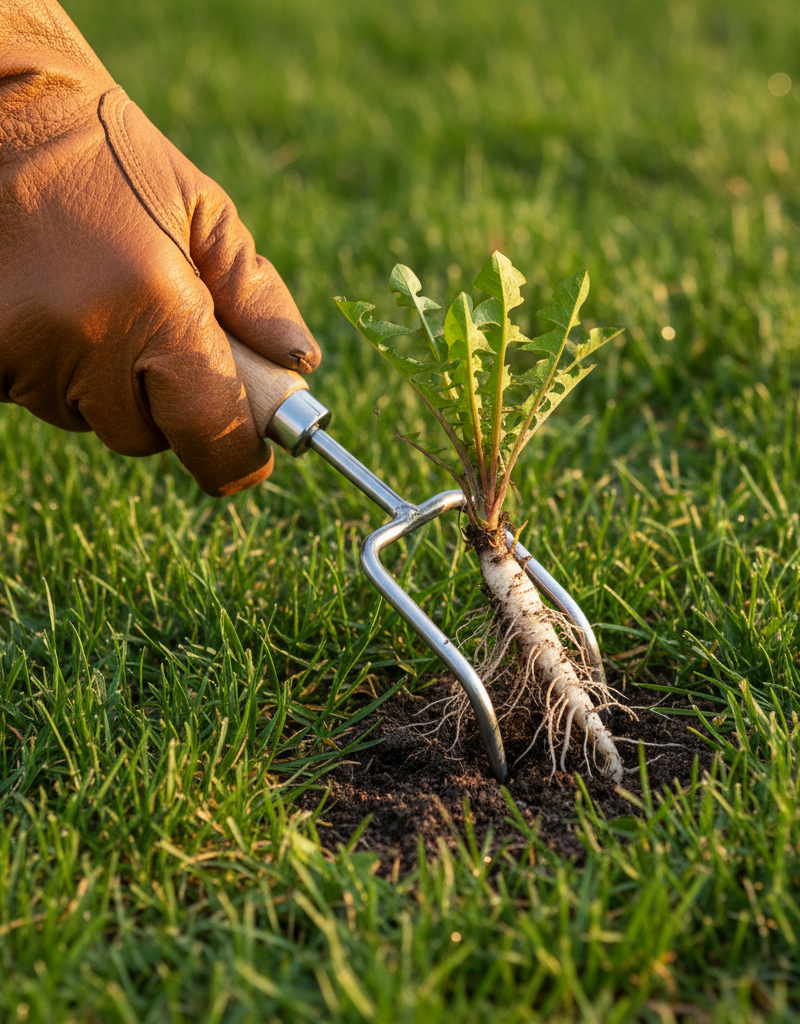
- Goal: Remove as much of the taproot as possible. Even a small piece left behind can regrow.
- Timing: The best time to hand-pull is after a rain or deep watering when the soil is soft and moist.
- Tools: Use a dandelion fork or a narrow digging tool to loosen the soil around the taproot before gently but firmly pulling the entire plant.
- If this doesn't work: If the taproot repeatedly breaks, try a different dandelion-specific weeding tool with a longer, narrower blade.
-
Apply Targeted Broadleaf Herbicide (Selective) – Kill dandelions without harming grass
- Safety Note: Always read and follow all label instructions for any herbicide, including recommended personal protective equipment (gloves, eye protection), application rates, and re-entry intervals. Apply on a calm day with no wind to prevent drift to desirable plants.
- Type: Look for a post-emergent selective broadleaf herbicide formulated for lawns. These kill dandelions and other broadleaf weeds but leave grass unharmed.
- Timing: Fall (late September to early November) is the most effective time. Dandelions are storing energy in their taproots for winter, so they readily draw the herbicide deep into their root system. Spring application is also an option, but often less effective long-term than fall treatments.
- Application: For small areas, a spot spray bottle is ideal. For larger infestations, a hose-end sprayer or pump sprayer may be needed. Ensure even coverage as per label instructions.
- If this doesn't work: Double-check application rates. If you applied during very hot or very cold weather, efficacy might be reduced. Consider a different active ingredient if the weed persists.
-
Consider a Pre-Emergent Herbicide – Prevent seeds from germinating
- Timing: Apply in early spring before soil temperatures consistently reach 50-55°F (typically when forsythia bushes bloom). This creates a barrier that prevents dandelion (and other weed) seeds from sprouting.
- Note: Pre-emergents will also prevent desirable grass seed from germinating, so do not apply if you plan to overseed in the spring.
-
Fertilize Your Lawn Appropriately – Nourish grass, making it robust against weeds
- Follow a lawn fertilization schedule tailored to your grass type and local climate. Generally, cool-season grasses benefit from fall and spring feeding, while warm-season grasses prefer late spring and summer. A soil test can provide precise recommendations.
- A healthy, well-fed lawn crowds out weeds.
-
Overseed Thin Areas – Fill gaps where weeds can establish
- If your lawn has thin or bare spots, overseed with quality grass seed in the fall or spring (timing depends on grass type and if you use a pre-emergent).
- A dense turf is the best defense against weeds.
Common Causes
- Mowing Too Short: Scalping your lawn weakens grass plants, reduces their ability to shade out weed seeds, and encourages dandelion growth.
- Compacted Soil: Dandelions thrive in compacted soils because their strong taproots can penetrate where shallower grass roots struggle. Compacted soil also reduces water and nutrient availability for desirable grasses.
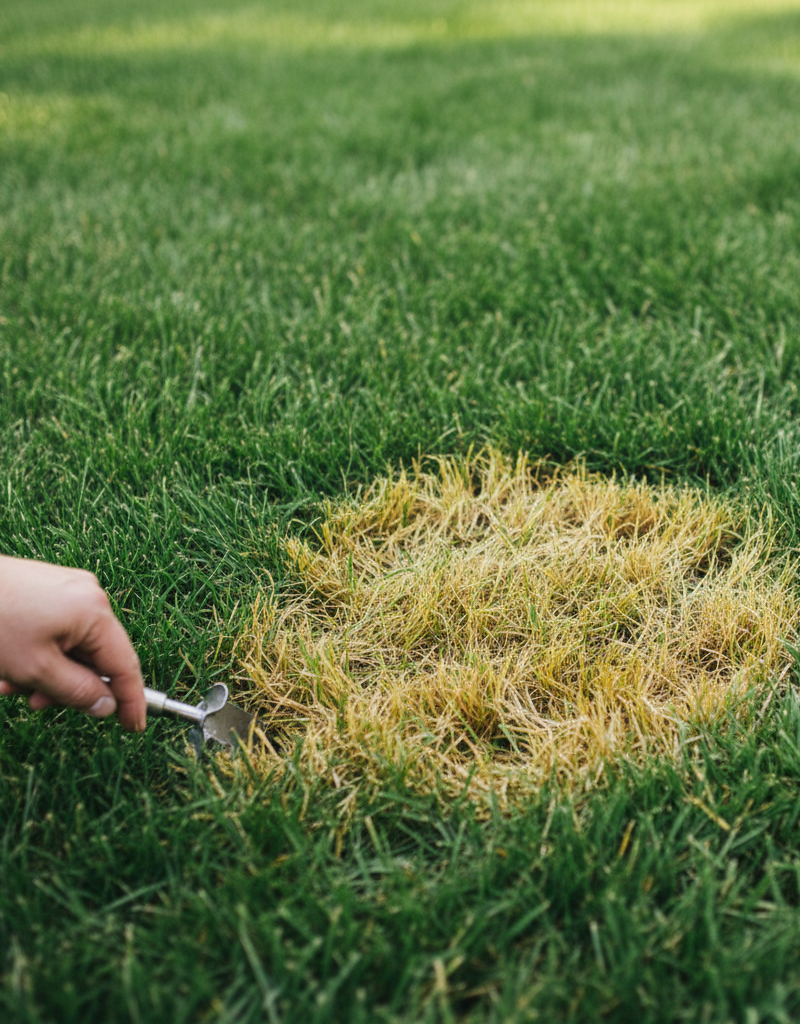
- Thin or Bare Patches in Lawn: Any open space in your lawn is an invitation for dandelion seeds to germinate and establish without competition.
- Poor Soil Fertility/pH Imbalance: An unhealthy soil environment stresses grass, making it less robust and more susceptible to weed invasion. Dandelions can tolerate a wider range of soil conditions than many turf grasses.
- Neighboring Weedy Lawns: Wind-borne dandelion seeds from nearby untreated lawns can constantly re-infest your property, even if you keep your own lawn pristine.
- Improper Watering: Shallow, frequent watering encourages shallow grass roots, making them less robust and less able to compete with deep-rooted dandelions.
Common Mistakes
- Pulling a Dandelion Without the Root: This is the most common mistake. If the taproot isn
Related Articles
Keep troubleshooting with these hand-picked guides from FixlyGuide:
- The #1 Mistake Killing Your Lawn (and Spreading Dandelions Everywhere) — Discover the most common mistake homeowners make that inadvertently encourages dandelions and how to achieve a weed-free lawn.
- The #1 Mistake Killing Your Dandelion-Fighting Efforts (and the Easy Fix) — Stop dandelions from taking over your lawn by understanding common mistakes and implementing effective, long-term solutions for a healthier…
- The #1 Mistake Killing Your Lawn's Dandelion Battle (And How to Win It) — Discover the most common error homeowners make in fighting dandelions and learn how to implement effective, long-term control strategies fo…
- The #1 Mistake Killing Your Lawn (and How to Remove Clover Without Chemicals) — Discover the most common mistake homeowners make when battling clover and learn effective, organic methods to eliminate it without harming…
- The #1 Mistake Killing Your Lawn's Grass (and How to Fix It in 3 Steps) — Discover the most common mistake homeowners make that leads to patchy grass and learn a simple, three-step method to restore your lawn's lu…
- The #1 Mistake Homeowners Make When a Gas Burner Won't Light (And the Easy Fix) — Before you call a technician, discover the most common, overlooked reason your gas stove burner isn't lighting and how to fix it yourself i…
Should you do this yourself?
Answer five quick questions before you start. Safety outranks savings every time.
Your experience with work like this
How high do you have to work?
Does the job involve any of these?
Will it need a permit?
Specialty tools
Free and instant. Educational guidance only — not a quote, inspection, or professional diagnosis.
What should this project cost?
Enter your project details for a realistic cost range before you call anyone.
Cost depends heavily on which system turns out to be the source.
- Regional adjustment
- National average
- Labor share (typical)
- ~$1,620
- Quotes to collect
- 3 written estimates
Educational estimate based on national averages — not a binding quote. Always confirm with written local estimates.
Before you start
Check the difficulty, permits, and safety risk — then decide whether to call a pro.
- Estimate this projectGet a cost range for your scope and ZIP before you call anyone.Open
- Get local estimatesSend one request and compare written estimates from vetted pros.Open
Free, no signup required. Estimates are educational guidance, not a quote or an inspection.
Get the print-ready PDF of this guide
A clean, ad-free, printable version you can keep on your phone or pin to the workshop wall. Free with a FixlyGuide account.
- Print-optimized layout
- Tools, materials & every step included
- Saved to your account
Frequently asked questions
When is the best time to apply dandelion killer?+
The most effective time to apply a post-emergent broadleaf herbicide for dandelions is in the fall (late September to early November). At this time, dandelions are actively drawing nutrients down to their taproots to prepare for winter, effectively pulling the herbicide deep into the plant's system for a more complete kill. Spring applications can work, but fall applications often provide better long-term control.
Will dandelions go away on their own?+
No, dandelions are tough perennial weeds that will not go away on their own. In fact, if left untreated, they will spread rapidly due to their prolific seed production. Each plant can produce thousands of wind-dispersed seeds, quickly infesting your entire lawn and your neighbors' lawns. Active management is necessary for control.
How do I kill dandelions naturally without chemicals?+
For natural control, consistent hand-pulling is the most effective method, especially after rain when soil is soft. Ensure you remove as much of the deep taproot as possible using a dandelion fork or weeding tool. Maintaining a dense, healthy lawn by mowing high, watering deeply, and fertilizing properly will also naturally suppress dandelions by outcompeting them for resources and light. Some homeowners experiment with horticultural vinegar, but this is non-selective and can harm grass if not applied carefully.
Why do dandelions keep coming back every year?+
Dandelions keep returning due to their deep taproots and prolific seed production. If the entire taproot isn't removed or killed, the plant will regrow. Additionally, each plant produces hundreds of wind-blown seeds that can germinate next season. Poor lawn health (short mowing, thin turf, compacted soil) also creates ideal conditions for dandelions to thrive and re-establish each year.
Can I prevent dandelions from growing in the first place?+
Yes, prevention is key. Maintain a dense, healthy lawn by mowing at the highest recommended height for your grass type (3 inches or more), watering deeply and infrequently, and following a proper fertilization schedule. This strong turf will crowd out weeds. Applying a pre-emergent herbicide in early spring before soil temperatures reach 50-55°F can also prevent dandelion seeds from germinating, but avoid if you plan to overseed.

Discussion
Loading comments…