- Late Spring (May-Early June, optional): Only if your lawn still looks weak. Use a light, slow-release nitrogen product. Avoid fertilizing cool-season grasses during intense summer heat.
- Late Spring (April-May): As temperatures consistently warm up and grass begins to green. Use a balanced or slightly higher nitrogen formula.
- Early Summer (June-July): Follow-up application to maintain growth through peak season. A slow-release nitrogen product is ideal.
Landscaping · Deck or fence project
| Project category | Landscaping |
|---|---|
| Problem type | Deck or fence project |
| Trade required | Landscaping |
| Urgency | Planned project |
| Safety risk | Moderate safety risk |
| DIY suitability | DIY for experienced homeowners |
| Cost category | High cost |
| Typical timeline | Most builds 3–10 days depending on size |
| Contractor type | Landscaping contractor |
Repair option
Replace failed boards, posts, and hardware; reseal the surface.
Replacement option
Rebuild when framing or the ledger connection is unsafe.
Common causes
- Rot at posts and ledger
- Storm damage
- Adding outdoor living space
Relevant tools:home improvement material pricesproject cost estimator
Published May 23, 2026Last updated August 17, 2026
Tools & materials you'll need
Affiliate linksAs an Amazon Associate FixlyGuide earns from qualifying purchases — at no extra cost to you. Prices and availability are accurate as of publication and subject to change.
Quick Answer
Many homeowners struggle to achieve that lush, vibrant green lawn they envision, often getting frustrated when their fertilizing efforts don't pay off. The fundamental issue isn't usually the quality of the fertilizer, but rather the timing of its application. Spreading fertilizer when your grass isn't actively growing or is under stress is a common, yet easily avoidable, mistake. Understanding your grass type and its specific growth cycles is the key to unlocking the full potential of your lawn care routine and ensuring the nutrients are absorbed effectively.
The Problem
Your lawn looks lackluster. Despite buying premium fertilizer, meticulously spreading it, and watering religiously, your grass still isn't thriving. It might be patchy, have weak growth, or show signs of nutrient deficiency, even after feeding. You might even be seeing an increase in weeds, as weak turf makes an open invitation for opportunistic plants. This common frustration stems from a misunderstanding of how and when grass plants actually absorb nutrients. Applying fertilizer at the wrong time not only wastes money and effort but can also harm your lawn, encouraging disease, promoting weed growth, or washing away nutrients into storm drains before they can ever reach the roots.
How It Works
Grass, like all plants, has specific periods of active growth when it is most receptive to nutrients. These periods are directly influenced by temperature and moisture. Cool-season grasses, such as fescue, Kentucky bluegrass, and perennial ryegrass, actively grow during the cooler temperatures of spring and, more significantly, in the fall. Their root systems develop robustly in the fall, allowing them to store energy for winter and burst forth in spring. During the heat of summer, these grasses go semi-dormant, conserving energy. Warm-season grasses, including Bermuda, Zoysia, St. Augustine, and centipede grass, thrive in higher temperatures, showing their most vigorous growth from late spring through late summer. They go dormant and brown in colder months.
Fertilizers provide essential macronutrients—nitrogen (N) for leafy growth, phosphorus (P) for root development, and potassium (K) for overall plant health and stress resistance. When fertilizer is applied during a grass type's active growth phase, the roots readily take up these nutrients, leading to robust growth, vibrant color, and increased resilience. Applying fertilizer during dormancy or extreme stress (like high summer heat for cool-season grasses) means the plant cannot effectively absorb the nutrients. Instead, the fertilizer may sit on the surface, burn the turf, or leach into the soil and groundwater, becoming ineffective and an environmental concern. The timing of fertilization is crucial because it aligns the nutrient supply with the plant's natural demand, maximizing uptake and minimizing waste.
Step-by-Step Fix
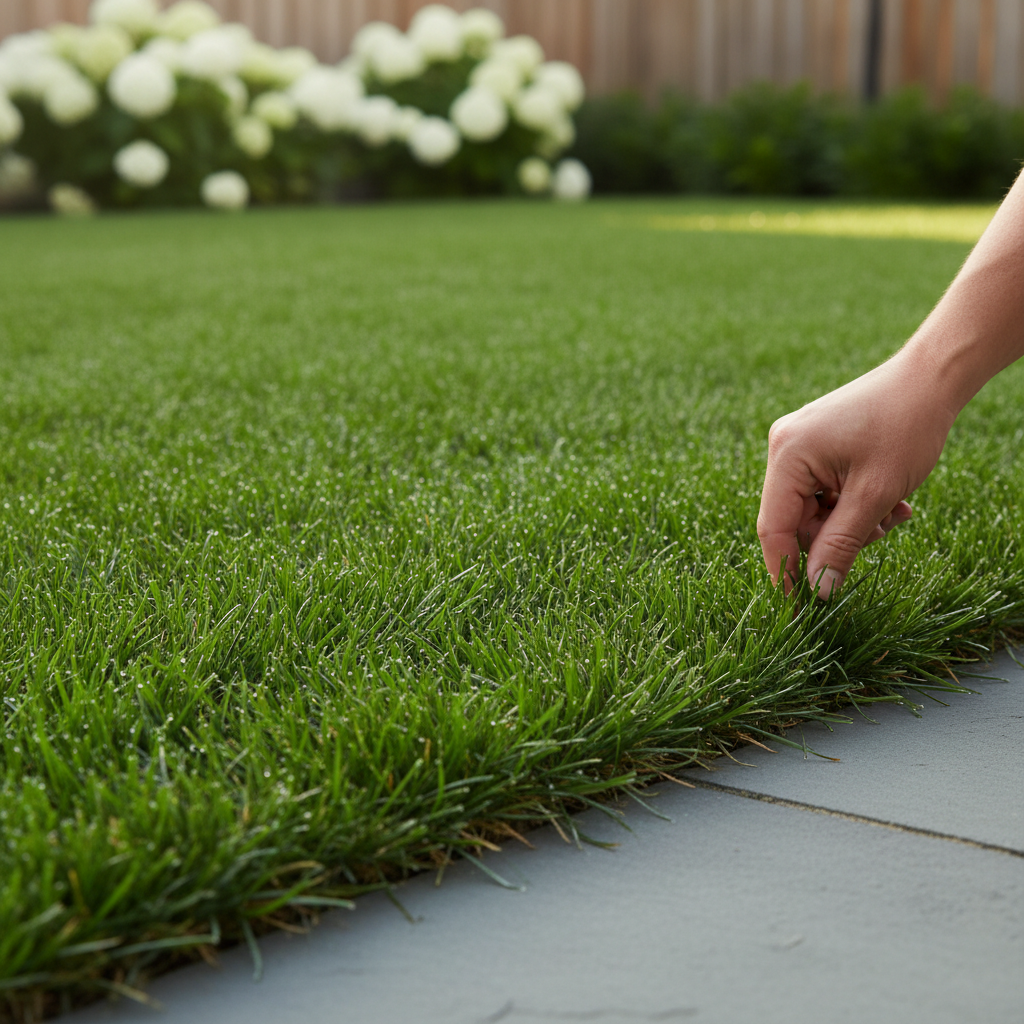
1. Identify Your Grass Type – Determine if you have cool-season or warm-season grass. * Take a small clipping of your grass and compare it to online guides or local nursery samples. Key identifiers include blade width, tip shape (pointed or boat-shaped), and growth habit (bunching or spreading). If you're unsure, consult a local university extension office or a reputable lawn care professional. This is the absolute first step, as all subsequent timing depends on it.
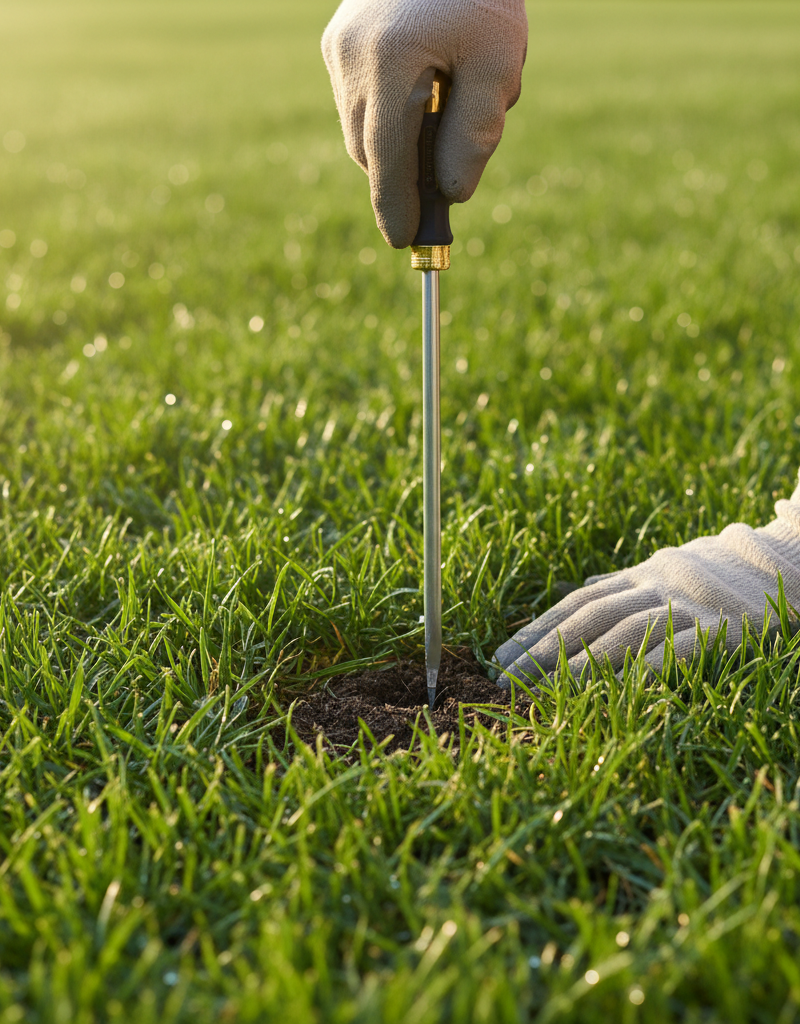
2. Test Your Soil – Understand your soil's current nutrient levels and pH. * Purchase a soil test kit from a garden center or contact your local agricultural extension for a more comprehensive lab analysis. Follow the kit's instructions to take samples from several areas of your lawn. This test will reveal deficiencies in N, P, K, and micronutrients, as well as the soil pH, which directly impacts nutrient availability. A healthy pH for most grasses is between 6.0 and 7.0.
3. Select the Right Fertilizer – Choose a fertilizer formulation based on grass type and soil test results. * For cool-season grasses: Look for a "winterizer" fertilizer in the fall (higher potassium) and a balanced or slightly higher nitrogen formula in spring. If your soil test indicates major deficiencies, opt for formulations that address those specifically. Avoid high-nitrogen fertilizers in late spring or summer, as they can encourage disease. * For warm-season grasses: Use a balanced fertilizer or one with slightly higher nitrogen in late spring/early summer and a follow-up in late summer. Avoid fertilizing too late in the fall, which can stimulate tender new growth susceptible to winter damage. * Slow-release vs. Quick-release: Slow-release fertilizers provide a steady supply of nutrients over several weeks, reducing the risk of burning and promoting more consistent growth. Quick-release fertilizers offer immediate green-up but require more careful application to prevent burns.
4. Time Your Applications Correctly – Apply fertilizer during your grass's active growth phases. * Cool-Season Grasses: * Early Fall (September-October): This is the single most important application. It helps roots recover from summer stress, promotes root growth, and stores energy for spring. Apply a "winterizer" (higher potassium) or a balanced NPK fertilizer. * Early Spring (March-April): A lighter feeding helps with spring green-up and recovery from winter. Use a balanced fertilizer. Avoid fertilizing too heavily in late spring, as it can lead to excessive top growth at the expense of root development before summer heat hits. * Late Spring (May-Early June, optional): Only if your lawn still looks weak. Use a light, slow-release nitrogen product. Avoid fertilizing cool-season grasses during intense summer heat. * Warm-Season Grasses: * Late Spring (April-May): As temperatures consistently warm up and grass begins to green. Use a balanced or slightly higher nitrogen formula. * Early Summer (June-July): Follow-up application to maintain growth through peak season. A slow-release nitrogen product is ideal. * Late Summer (August-September, optional): A final, lighter feeding before dormancy, promoting density and color retention. Avoid fertilizing warm-season grasses too late in the fall, as it can encourage new growth that is vulnerable to frost damage.
5. Prepare Your Lawn – Mow before fertilizing and ensure the lawn is slightly moist. * Mow your lawn 1-2 days before applying fertilizer. This allows the fertilizer granules to reach the soil more easily. Ensure the grass blades are dry to prevent granules from sticking and causing burns. However, the soil itself should be slightly moist, either from natural rainfall or light irrigation, to help activate the fertilizer and prevent root burn.
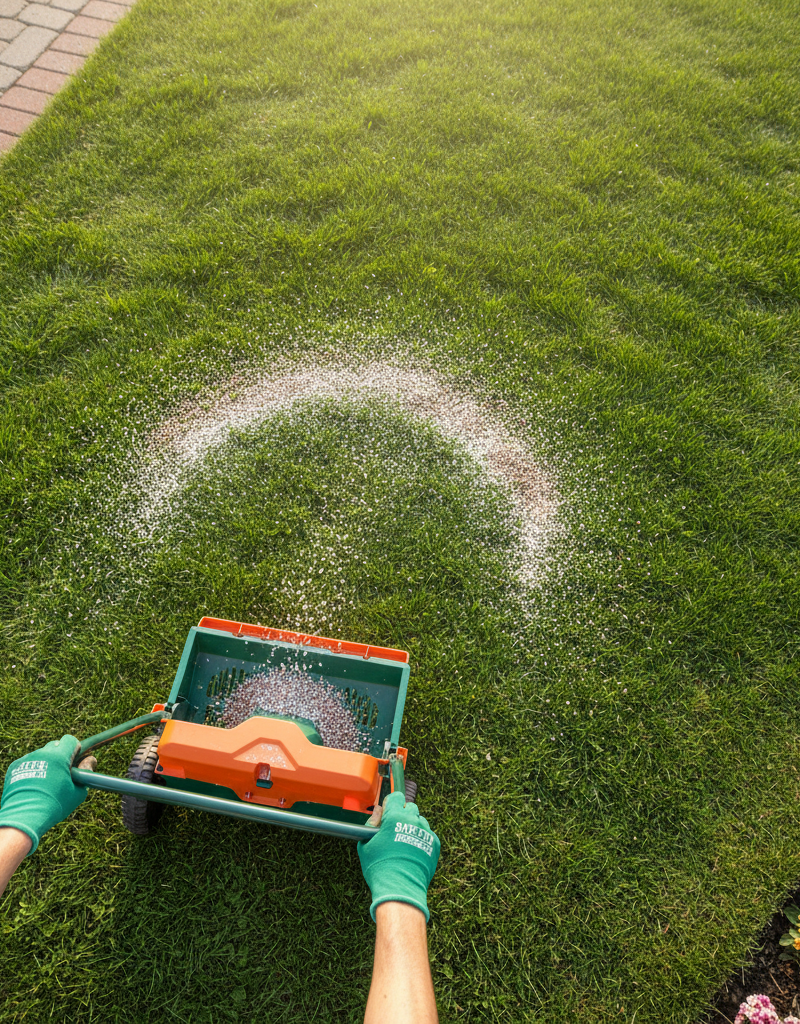
6. Apply Fertilizer Evenly – Use a spreader for consistent coverage. * Rotary (broadcast) spreader: Ideal for larger lawns, covers a wide area. Overlap each pass slightly to ensure even coverage and avoid stripes. Apply at half the recommended rate in two perpendicular directions (e.g., north-south, then east-west) for the most even distribution. * Drop spreader: Better for smaller, more precise applications and avoiding flower beds. Requires careful alignment of passes to prevent gaps or overlaps. * Always read and follow the spreader settings and application rates recommended on your fertilizer bag. Applying too much product in one area will lead to burns.
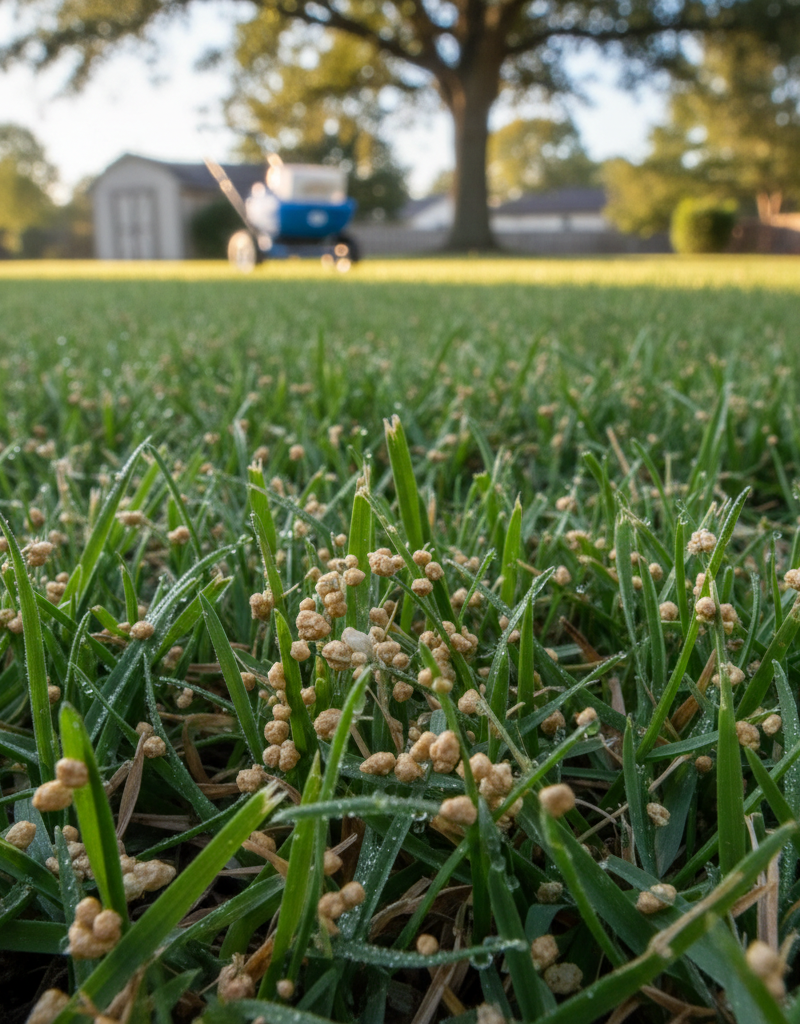
7. Water After Application – Water immediately (or shortly after) to activate the fertilizer. * After spreading, lightly water your lawn (about 1/4 to 1/2 inch) to wash the fertilizer granules off the grass blades and into the soil. This helps prevent chemical burns and starts the nutrient dissolution process, making them available to the roots. Do not overwater, as this can cause runoff and nutrient loss.
8. Clean Up Properly – Sweep fertilizer off hard surfaces to protect water sources. * Any fertilizer granules on sidewalks, driveways, or patios should be swept back onto the lawn or into a collection bag. This prevents the fertilizer from washing into storm drains and contaminating local waterways, which is a significant environmental concern.
9. Monitor and Adjust – Observe your lawn's response and adapt future applications. * After fertilizing, pay attention to how your lawn responds over the next few weeks. Note any areas that are greener or weaker. Use these observations, along with annual soil tests, to fine-tune your fertilizing schedule and product choices for optimal results next season. Remember that consistent, proper care yields the best long-term results.
Common Causes
- Incorrect Timing: The most prevalent cause, applying fertilizer when grass isn't actively growing (e.g., cool-season grass in summer, warm-season grass in winter) means nutrients aren't absorbed.
- Wrong Fertilizer Type: Using a fertilizer not suited to your grass type or soil deficiencies (e.g., high nitrogen for dormant grass, or neglecting phosphorus when needed for roots).
- Uneven Application: Hand-spreading or poorly calibrated spreaders lead to spots of over-fertilization (burns) and under-fertilization (weak growth).
- Lack of Soil Testing: Guessing at your soil's needs results in applying unnecessary nutrients or missing critical deficiencies.
- Improper Watering: Not watering after application allows granules to burn the grass; overwatering can wash away nutrients.
- Ignoring Local Climate: Not accounting for unusually hot summers or cold springs that can shift ideal fertilizing windows.
Common Mistakes
- Fertilizing Dormant Grass: This is a top offender. Applying fertilizer to brown, dormant grass (cool-season in summer, warm-season in winter) is largely ineffective and can even lead to nutrient runoff.
- Over-fertilizing: More is not better! Too much fertilizer, especially nitrogen, can "burn" the grass, turning it yellow or brown, and encourage lush top growth at the expense of root development.
- Fertilizing Dry Grass on a Hot Day: Applying fertilizer to a parched lawn during peak heat is a recipe for severe chemical burns. Always ensure the lawn is slightly moist, and temperatures are moderate.
- Skipping Soil Tests: Without a soil test, you're fertilizing blindly. You might be applying nutrients your lawn doesn't need or, worse, missing critical ones.
- Ignoring Weed & Feed Product Instructions: "Weed and Feed" products combine herbicide with fertilizer. These often have very specific application windows (e.g., when weeds are young and actively growing) that might not perfectly align with optimal fertilizing times, potentially reducing effectiveness or causing damage.
- Not Calibrating Your Spreader: An uncalibrated spreader will deliver too much or too little product, leading to uneven results or potential burns. Always read your spreader's manual and test its output.
Cost & Time Breakdown
| Task | DIY Cost | Pro Cost | Time |
|---|---|---|---|
| Soil Test Kit | $15–$30 | Included in svc | 15–30 min |
| Bag of Fertilizer | $30–$80 | Included in svc | — |
| Spreader Purchase (if needed) | $40–$150 | Included in svc | — |
| Per Application | $30–$80 (materials) | $75–$250 | 30–90 min |
| Annual DIY Fertilizing | $90–$240 | $300–$1000 | 1.5–4.5 hrs |
Tips & Prevention
- Perform Annual Soil Tests: Make soil testing a routine part of your lawn care. It provides invaluable data for precise nutrient application and pH adjustments.
- Know Your Grass Type: This knowledge is fundamental. Different grasses have different needs and growth cycles. Identify yours accurately using resources from your local extension office.
- Follow the "Little and Often" Principle: For certain grass types and soil conditions, lighter, more frequent applications (within the proper growth window) can be more effective than one heavy application.
- Consider Organic Fertilizers: While often slower-acting, organic options build soil health over time and have a lower risk of burning, making them more forgiving for new DIYers.
- Practice Smart Mowing: Mowing at the correct height for your grass type encourages stronger roots and overall healthier turf, which is more receptive to fertilization. Avoid cutting more than one-third of the blade length at once.
- Watch for Warning Signs: Yellowing, stunted growth, or an increase in weeds after fertilizing can indicate an issue with timing, product, or application. Re-evaluate your strategy.
When to Call a Professional
While identifying your grass type and applying fertilizer correctly is a manageable DIY task, there are times when calling a professional makes sense. If, despite following all recommended guidelines, your lawn continues to struggle with persistent issues like widespread disease, insect infestations, or severe nutrient deficiencies indicated by repeated soil tests, a professional can provide advanced diagnostics and targeted treatments. Additionally, if your lawn is exceptionally large, has significant slopes, or complex landscaping that makes even application difficult, a professional service can ensure even coverage and optimal results without the time commitment and equipment investment. They can also offer tailored programs that account for unique microclimates and soil conditions specific to your property, saving you money in the long run by preventing costly mistakes and ensuring a truly healthy, vibrant lawn.
Related Articles
Keep troubleshooting with these hand-picked guides from FixlyGuide:
- The #1 Mistake Killing Your Dandelion-Fighting Efforts (and the Easy Fix) — Stop dandelions from taking over your lawn by understanding common mistakes and implementing effective, long-term solutions for a healthier…
- The #1 Pruning Mistake That Chokes Your Shrubs (And How to Fix It Right Now) — Discover the most common pruning error homeowners make and how to correct it for healthier, more vigorous shrub growth.
- The #1 Watering Mistake Homeowners Make (And How to Fix It in Minutes) — Discover the most common lawn watering mistake homeowners make and how adjusting your technique can lead to a healthier, greener lawn.
- The #1 Mistake Homeowners Make When Battling Lawn Grubs (And a Simple Fix) — Discover the common mistake homeowners make when treating grubs and learn a simple, effective solution for a healthier lawn.
- The #1 Mistake Homeowners Make When a Lawn Mower Won't Start (And the Easy Fix) — Before you despair, discover the most common culprit behind a non-starting lawn mower and how to fix it in minutes.
- The #1 Mistake Homeowners Make When a Gas Burner Won't Light (And the Easy Fix) — Before you call a technician, discover the most common, overlooked reason your gas stove burner isn't lighting and how to fix it yourself i…
Should you do this yourself?
Answer five quick questions before you start. Safety outranks savings every time.
Your experience with work like this
How high do you have to work?
Does the job involve any of these?
Will it need a permit?
Specialty tools
Free and instant. Educational guidance only — not a quote, inspection, or professional diagnosis.
What should this project cost?
Enter your project details for a realistic cost range before you call anyone.
Cost depends heavily on which system turns out to be the source.
- Regional adjustment
- National average
- Labor share (typical)
- ~$1,620
- Quotes to collect
- 3 written estimates
Educational estimate based on national averages — not a binding quote. Always confirm with written local estimates.
Before you start
Check the difficulty, permits, and safety risk — then decide whether to call a pro.
- Estimate this projectGet a cost range for your scope and ZIP before you call anyone.Open
- Get local estimatesSend one request and compare written estimates from vetted pros.Open
Free, no signup required. Estimates are educational guidance, not a quote or an inspection.
Frequently asked questions
How often should I fertilize my lawn?+
For most established lawns, fertilizing 2-4 times per year during its active growing seasons is sufficient. Cool-season grasses benefit most from early fall and early spring applications, while warm-season grasses thrive with late spring and mid-summer feedings. Always consult your soil test results and grass type for precise recommendations.
Can I fertilize my lawn in the summer?+
It depends on your grass type. Cool-season grasses generally struggle with summer heat and should not be heavily fertilized during this time, as it can cause burns or promote disease. Warm-season grasses, however, actively grow in summer and benefit from fertilization during this period.
What happens if you put fertilizer on dry grass?+
Applying granular fertilizer to dry grass, especially on a hot day, significantly increases the risk of chemical burns, which can turn your lawn yellow or brown in patches. Always ensure your lawn is slightly moist before application and water it lightly immediately afterward to help dissolve the granules and move them into the soil.
How long after fertilizing can I mow?+
It's best to wait 24-48 hours after fertilizing before mowing your lawn. This allows the fertilizer granules to settle into the soil and begin dissolving, preventing them from being picked up by the mower and ensuring the nutrients are absorbed properly by the grass.
Discussion
Loading comments…