
- Check the Leveling and Location – Is it sitting right?
- Inspect the Drip Pan – The vibrating tray
- Clean the Condenser Coils & Fan – Dust bunny's revenge
- Examine the Evaporator Fan – Inside the freezer noise
- Check Compressor Mounts – The shaky heart of the fridge
HVAC · High energy usage
| Project category | HVAC |
|---|---|
| Problem type | High energy usage |
| Trade required | HVAC |
| Urgency | Planned project |
| Safety risk | Low safety risk |
| DIY suitability | DIY for experienced homeowners |
| Cost category | High cost |
| Typical timeline | Assessment within weeks; replacement planned off-season |
| Contractor type | Licensed HVAC technician |
Repair option
Duct sealing, insulation, and a tune-up before touching the equipment.
Replacement option
High-efficiency replacement sized by a load calculation, not a rule of thumb.
Common causes
- Aging, low-efficiency equipment
- Leaking ducts losing conditioned air
- Insufficient attic insulation
- Oversized system short-cycling
Relevant tools:project cost estimatorrepair or replace
Published September 7, 2026Last updated September 7, 2026
Tools & materials you'll need
Affiliate linksAs an Amazon Associate FixlyGuide earns from qualifying purchases — at no extra cost to you. Prices and availability are accurate as of publication and subject to change.
Quick Answer
That steady hum or buzz from your refrigerator? Usually means something’s loose, rubbing, or working harder than it ought to. Could be as simple as a wobbly foot. Could be a condenser fan motor that’s about ready to tap out. The good news? A lot of these noise complaints are DIY-friendly. You’ll probably need to pull the fridge out, peek behind or underneath it, and get your hands a little dirty. Really, it’s about finding the vibration and killing it.
The Problem
I’ve walked into plenty of kitchens where the homeowner just says, “Yeah, the fridge’s always been loud.” But “loud” is a moving target, and a new or getting worse vibration is usually the appliance waving a flag. It’s not just annoying. If it keeps shaking, you can wear parts out early, bump up energy use, and set yourself up for a bigger bill later. I’m talking rattles, hums, buzzes, and sometimes a clanking sound that’ll get under your skin fast. It’s rarely a full-blown disaster right out of the gate, but it sure isn’t something I’d ignore. Think of it like a tire going soft on your truck — you can roll with it for a bit, but eventually you’re riding on the rim.
How It Works
Your refrigerator’s a pretty busy machine, all told. Its whole job is to move heat out of a sealed box, nonstop, and it leans on a handful of parts to make that happen. Any one of them can start making noise when something goes sideways. The compressor is the big one. It’s a sealed unit, usually black and egg-shaped, sitting at the bottom rear of the fridge. It compresses refrigerant gas, and that makes heat. It vibrates when it runs — that’s normal. But if the mount’s loose or the guts are wearing out, that normal buzz turns into a loud rattle or hum.
Then you’ve got fans. Most modern fridges have two main ones: the condenser fan and the evaporator fan. The condenser fan, usually down by the compressor, moves air over the condenser coils to cool the hot refrigerant. The evaporator fan, usually inside the freezer, pushes cold air through the fridge and freezer compartments. Both have motors and blades, and if a blade’s bent, a bearing’s going bad, or a wad of dust is hanging on for dear life, you’ll hear it. Then there’s the defrost heater, the thermostat, the damper door, and a handful of other little parts all doing their thing. When one of those gets out of line — loose screw, worn part, too much grime — your quiet kitchen turns into a buzzing hive. And that hum from the back bottom? That’s a different animal than a rattle from inside the freezer.
Step-by-Step Fix
Safety First! Before you touch anything, unplug the refrigerator from the wall. You’re dealing with electricity here, and even a small shock ain’t worth it.
- Check the Leveling and Location – Is it sitting right?
Start simple. Your fridge needs to be level if you want it to run quietly and efficiently. Grab a small level and check the top, front-to-back and side-to-side. If it’s off, adjust the leveling feet — usually screw-in feet at the bottom front — until it sits plumb. Sometimes a fridge shoved too close to a wall or cabinet will pass vibration right along. Pull it out a few inches and see if the noise backs off. You want at least a 1-inch gap on the sides and 2 inches at the back for airflow. - Inspect the Drip Pan – The vibrating tray
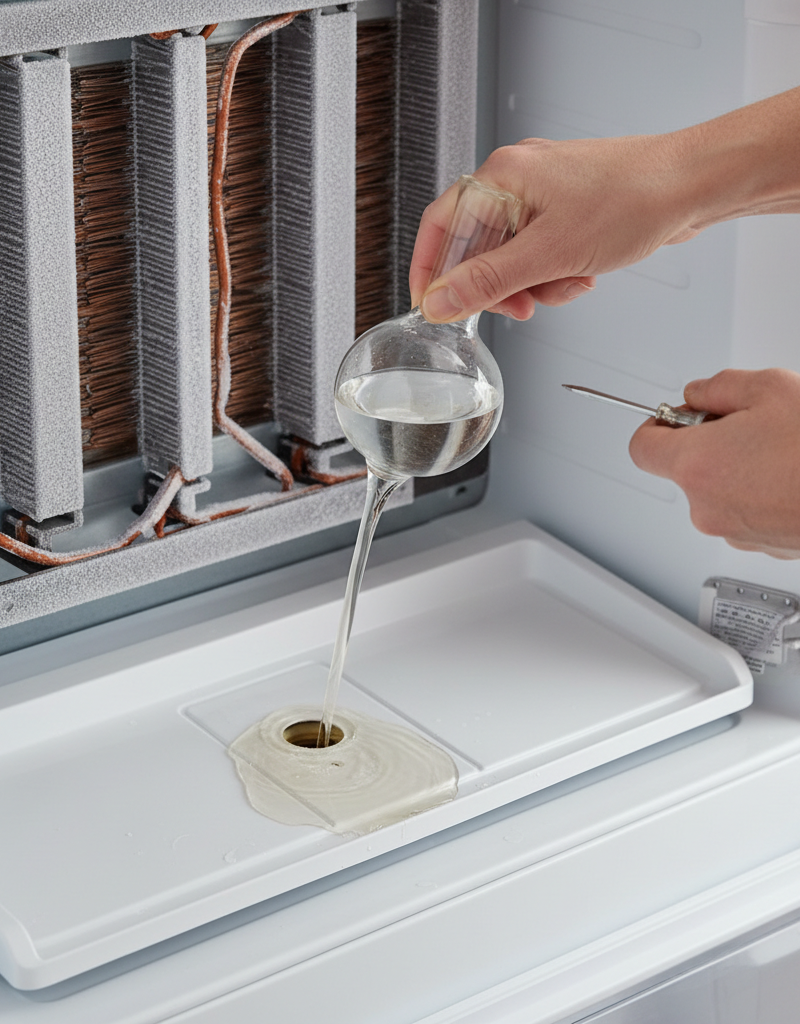
The drip pan, or drain pan, sits underneath the refrigerator, usually above the compressor, and catches condensation. Over time it can shift and rub against the compressor or frame. Pull the fridge out, then take off the lower rear access panel — usually a few 1/4-inch hex head screws. Make sure the pan’s sitting in its guides the way it should. If it’s loose, sometimes a little silicone sealant on the edges does the trick, or you can bend the metal guides just enough to hold it tighter. I pulled a fridge in Frisco last month that had exactly this leak of a problem — the pan had slipped off its mounts and was banging around like a loose license plate. - Clean the Condenser Coils & Fan – Dust bunny's revenge
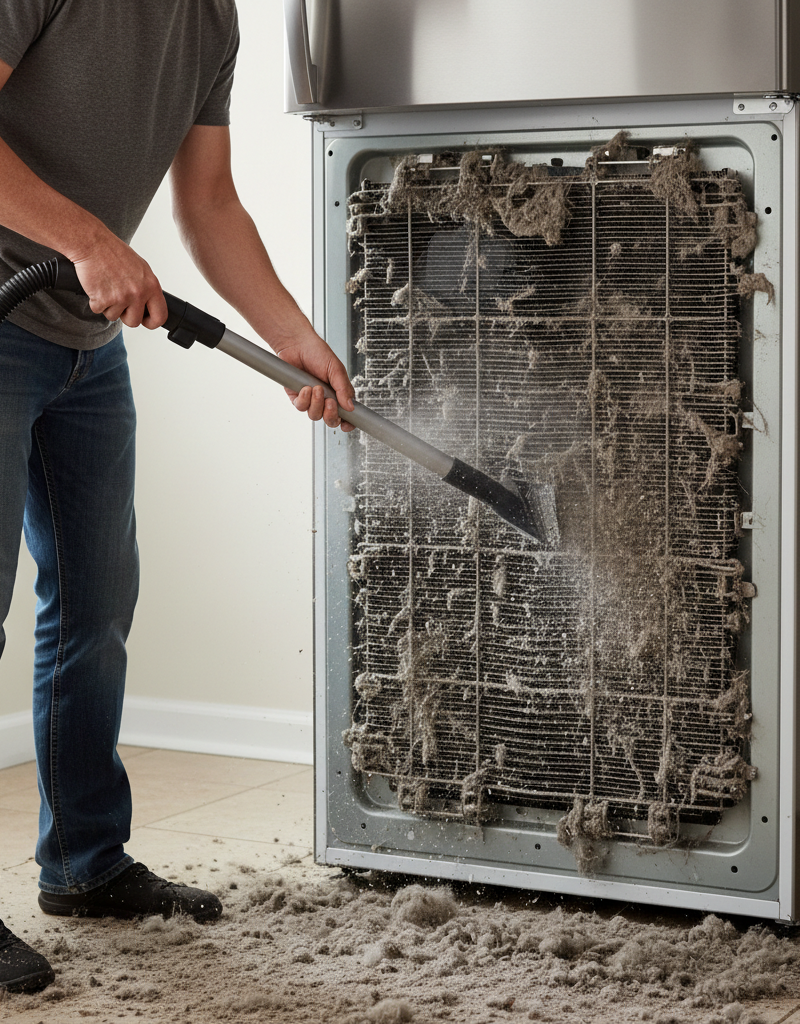
While that rear panel’s off, take a look at the condenser coils and the condenser fan. If you’ve got pets, these parts are usually coated in fuzz. Vacuum the coils with a brush attachment, nice and easy. Then check the fan blades for debris — pet hair, dust clumps, even the occasional rogue twist tie. Spin the blade by hand and see if it’s bent or wobbling. If the fan motor’s humming loud but the blades are clean, the motor may be on its last legs. You’ll probably need a new condenser fan motor if it’s still making a racket after cleaning. Most of them are held in with a few screws and wires, so it’s a pretty straight swap. - Examine the Evaporator Fan – Inside the freezer noise
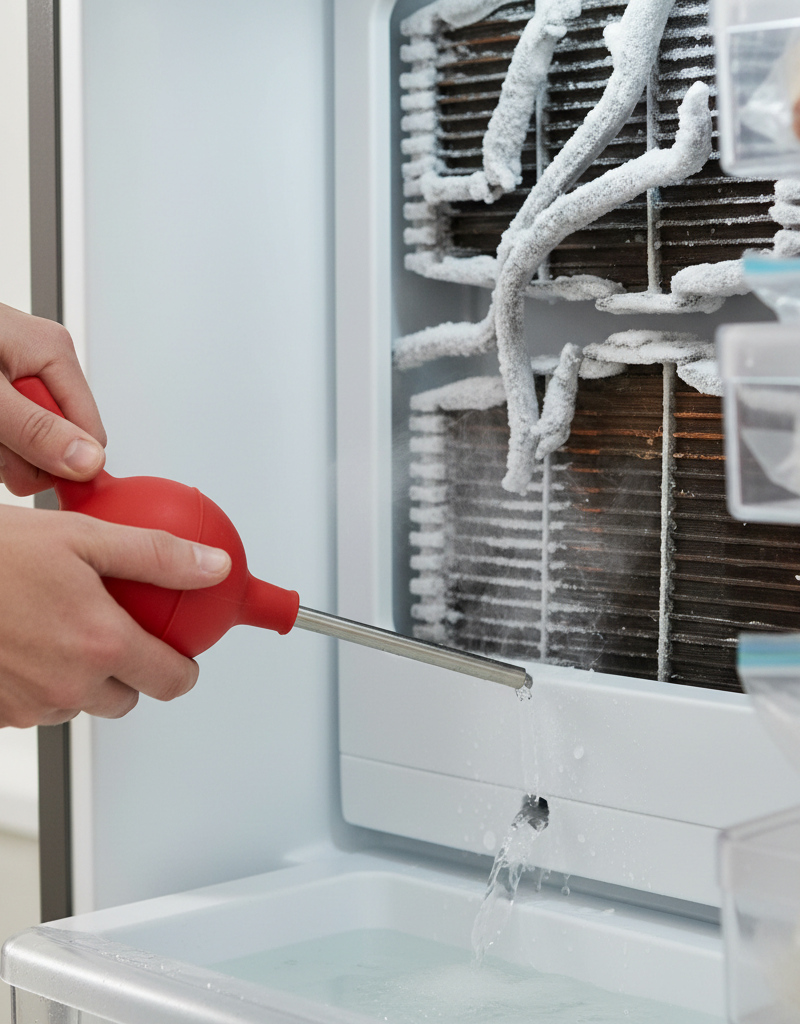
If the noise seems to be coming from inside the freezer, especially while the compressor’s running, odds are it’s the evaporator fan. Empty the freezer, remove the rear panel inside it — usually Phillips screws, sometimes tucked under plastic caps — and find the fan. Look for ice around the blades or motor, because that’ll make it shake and buzz. Use a hairdryer on a low setting, keep it moving, and melt the ice out. Spin the fan by hand. If it feels stiff, grinds, or wobbles too much, the motor or bearings are shot, and you’re looking at a replacement. - Check Compressor Mounts – The shaky heart of the fridge
The compressor’s supposed to vibrate, but it shouldn’t be hammering against anything. It usually sits on rubber mounts to soak up that movement. With the rear panel off, gently try to wiggle the compressor. It ought to have a little give, but it shouldn’t feel loose. If it is loose, the rubber mounts may be worn out, or the bolts holding them could be backed off. This is a trickier fix and often takes special tools to lift the compressor safely. If you suspect the compressor mounts are the problem, and you’re not comfortable with heavy lifting and precise work, this is a good point to call a pro. Messing with compressor lines can let refrigerant out, and that’s a big no-go. - Tighten Internal Components – Loose shelves and drawers
Sometimes the smallest stuff makes the most noise. Open the fridge and freezer doors. Check that shelves, drawers, and door bins are seated right and not rattling around. Pull them out and set them back in securely. Make sure food items aren’t buzzing against each other or against the fridge walls. Even a loose light bulb cover can make a buzz. Sounds goofy, I know — but I’ve seen it more than once. Worth taking a minute to check everything inside. - Check for Water Inlet Line Contact – The sneaky sprayer
If your fridge has an ice maker or water dispenser, there’s a water line feeding it, usually at the back of the appliance. That thin plastic or copper line can vibrate against the back wall or another part, especially when the water valve opens or closes. Gently move the line away from any contact points or secure it with a zip tie or a piece of foam insulation if it’s shaking. Leave about a 1/2-inch clearance around it. Don’t crimp the line. - Consider a Damper Door Issue – The air vent flutter
Some refrigerators use a motorized damper door to control airflow between the freezer and fresh food sections. If that motor starts failing, or the door gets sticky, it can make a buzzing or rattling noise that comes and goes. You’ll usually find it behind the control panel or upper back wall of the fresh food section. Getting to it and replacing it can be a bit of a bear and may call for appliance-specific schematics. If you’re not comfortable, don’t force it — this is pro territory.
Common Causes
- Loose Leveling Feet: If the refrigerator’s sitting uneven, it’ll vibrate more and send noise right into the floor and nearby cabinets.
- Dirty Condenser Coils & Fan: Dust and debris make the fan work harder, and that can cause rattling or a restricted-airflow hum.
- Failing Fan Motors: Both condenser and evaporator fan motors have bearings that wear out, which leads to grinding, squealing, or buzzing.
- Loose Drip Pan: The pan that catches condensation can shift or rub against the compressor or the floor.
- Compressor Mounts: The rubber grommets that isolate the compressor’s vibration can wear down over time, letting the compressor move too much.
- Internal Component Vibration: Loose shelves, drawers, or even a water line can rattle against the fridge inside or out.
Common Mistakes
- Ignoring the Noise: Hoping it’ll just “go away” or telling yourself it’s “normal” can turn a small fix into a bigger repair bill. Catch it early.
- Not Unplugging the Fridge: Big safety risk. Always kill the power before sticking your hands near internal parts.
- Forgetting to Clean Coils Regularly: Dirty coils make the compressor and fan work harder, which means more heat and more noise. Clean them every 6-12 months.
- Over-Tightening Leveling Feet: You do want it level, but don’t reef down on the feet so hard you damage the floor or the fridge frame. Just snug enough to stop the wobble.
- Misdiagnosing the Fan: Thinking every fan noise just needs cleaning when the motor bearings are actually done. Cleaning helps, sure, but a bad motor needs replacing.
- Prying with the Wrong Tools: Using a flathead screwdriver where a hex driver belongs can strip screws and make life harder for you or a pro later.
Cost & Time Breakdown
| Task | DIY Cost | Pro Cost | Time |
|---|---|---|---|
| Leveling & Repositioning | $0 | $75–$150 | 5–10 min |
| Clean Condenser Coils & Fan | $0–$10 | $100–$200 | 15–30 min |
| Secure Drip Pan | $0–$5 | $120–$250 | 15–30 min |
| Replace Condenser Fan Motor | $50–$150 | $200–$400 | 30–60 min |
| Replace Evaporator Fan Motor | $40–$120 | $180–$350 | 45–90 min |
| Fix Compressor Mounts | $20–$80 | $300–$600+ | 60–120 min+ |
Tips & Prevention
- Regular Coil Cleaning: Get in the habit of cleaning the condenser coils and fan blades at least once a year, more if you’ve got shedding pets. It keeps heat down and takes stress off the parts.
- Check Leveling Annually: Houses settle. Kids bump things. Life happens. A quick level check now and then can save you a lot of unnecessary vibration.
- Proper Clearance: Make sure the fridge’s got room to breathe — usually 1-2 inches on the sides and at least 2-3 inches in the back — so airflow stays where it should. That helps everything run cooler and quieter.
- Don't Overload: Not a direct vibration cause, but an overstuffed fridge or freezer can choke airflow and make components work harder, which can shorten their life.
- Listen to Your Appliance: New noise? Changed noise? Don’t shrug it off. Your fridge’s telling you something. Fixing a little issue now usually beats dealing with a mess later.
- Inspect Door Gaskets: A bad door gasket can make the compressor cycle more often, which means more wear and more noise. Check for tears or gaps, and clean them with mild soap and water.
When to Call a Professional
Look, I’ve been doing this long enough to know when a DIY job starts turning into a headache. If you’ve gone through these steps and the fridge is still buzzing like a swarm of angry bees, or the noise has turned into grinding, shrieking, or loud banging, it’s time to bring in the cavalry. Same goes if you suspect the compressor itself, or if the noise seems to be coming from a sealed-system part that involves refrigerant. Don’t mess with that. Refrigerant leaks are bad news for the environment, and they take special tools and certifications to handle safely. Also, if the trouble involves wiring beyond simple plug-and-unplug work, or the parts are buried deep and you’d have to tear half the fridge apart just to get to them, save yourself the grief and call a licensed appliance repair technician. They’ve got the diagnostic gear and the experience to sort it out without turning your kitchen into a science project.
Related Articles
Keep troubleshooting with these hand-picked guides from FixlyGuide:
- Is Your Refrigerator Buzzing Loudly in the Quiet of Night? — A loud buzzing from your fridge at night often points to the icemaker, a dirty fan, or a vibrating component, many of which are simple home…
- The $5 Part That Stops Your Fridge From Leaking (And Why It Fails) — A leaking refrigerator can lead to serious floor damage and appliance issues. Often, the culprit is a clogged defrost drain, a simple fix m…
- That Mildew Smell in Your Washer? Here’s the Real Reason — Is a musty odor taking over your laundry room? That mildew smell from your washing machine isn't just unpleasant—it's a sign of a deeper pr…
- That Midnight Buzz: 5 Reasons Your Refrigerator Is So Loud — A refrigerator making a loud buzzing sound at night is often a sign of a struggling component, from a dirty condenser fan to an aging compr…
- The Grinding Racket: What Your Washing Machine Is Really Telling You — Don't ignore that grinding, thumping, or banging from your washing machine during the spin cycle—it's often a clear cry for help that you c…
- The Surprising Reason Your Interior Door Sticks (It's Not Always Humidity) — Before you blame humidity, learn the common culprits behind a sticking interior door and how to fix them with simple DIY steps.
Should you do this yourself?
Answer five quick questions before you start. Safety outranks savings every time.
Your experience with work like this
How high do you have to work?
Does the job involve any of these?
Will it need a permit?
Specialty tools
Free and instant. Educational guidance only — not a quote, inspection, or professional diagnosis.
What should this project cost?
Enter your project details for a realistic cost range before you call anyone.
Cost depends heavily on which system turns out to be the source.
- Regional adjustment
- National average
- Labor share (typical)
- ~$1,620
- Quotes to collect
- 3 written estimates
Educational estimate based on national averages — not a binding quote. Always confirm with written local estimates.
Before you start
Check the difficulty, permits, and safety risk — then decide whether to call a pro.
- Estimate this projectGet a cost range for your scope and ZIP before you call anyone.Open
- Get local estimatesSend one request and compare written estimates from vetted pros.Open
Free, no signup required. Estimates are educational guidance, not a quote or an inspection.
Get the print-ready PDF of this guide
A clean, ad-free, printable version you can keep on your phone or pin to the workshop wall. Free with a FixlyGuide account.
- Print-optimized layout
- Tools, materials & every step included
- Saved to your account
Frequently asked questions
Why is my refrigerator suddenly making a buzzing noise?+
A sudden buzzing noise often points to a new issue like a loose component (drip pan, leveling foot), debris caught in a fan blade, or a fan motor beginning to fail. Check these common culprits first.
Can a dirty refrigerator cause it to vibrate?+
Absolutely. Dirty condenser coils force the compressor and condenser fan to work harder and overheat. This added strain can lead to increased vibration and noise from these components.
Where is the drip pan on a refrigerator and how do I secure it?+
The drip pan is usually located under the refrigerator, often above the compressor, accessible by removing the lower rear access panel. You can secure it by repositioning it correctly in its guides or using a small amount of silicone sealant.
What does a failing condenser fan sound like?+
A failing condenser fan often produces a rattling, humming, or grinding noise from the bottom rear of the refrigerator. This is due to worn bearings or bent blades struggling to spin effectively.
My fridge vibrates when the compressor turns on. Is that normal?+
A slight vibration when the compressor turns on is normal. However, if it's a loud, excessive buzzing or clanking, it could indicate loose compressor mounts, a failing compressor, or something vibrating against the compressor unit.
How often should I clean my refrigerator's condenser coils?+
I tell homeowners to clean their condenser coils at least once a year. If you have pets that shed a lot or a particularly dusty home, doing it every six months is a smarter move to maintain efficiency and prevent noise.
Can an uneven refrigerator cause vibration?+
You bet it can. An unlevel refrigerator puts uneven stress on its components and can cause the entire unit to rock or vibrate against the floor or cabinets. Always ensure your fridge is properly leveled with all feet making solid contact.
When should I call a professional for refrigerator noise?+
If you've tried the DIY fixes and the noise persists, or if you suspect a problem with the sealed refrigerant system, the compressor, or complex electrical wiring, it's definitely time to call a licensed appliance technician. Don't risk bigger damage.
Is it dangerous if my refrigerator is vibrating loudly?+
While not always immediately dangerous, prolonged, excessive vibration can lead to premature component failure, increase fire risk from overheating parts, and potentially damage electrical connections. Address it promptly to prevent more serious issues.
Discussion
Loading comments…