- High Indoor Humidity: This is the one I see most. Long, hot showers, boiling water without a vent, drying clothes indoors, too many houseplants — all of it pumps moisture into the air.
- Poor Ventilation: Not enough fresh air exchange. If humid air can’t get out, it piles up and hunts for a cold surface to condense on. Fans that don’t get used, or fans that are undersized, are common offenders.
- Insufficient Insulation: Exterior walls or walls next to unheated areas stay colder when they’re under-insulated. When warm, humid indoor air hits those cold surfaces, condensation’s pretty much guaranteed.
- Air Leaks/Infiltration: Cold air sneaking in around windows, doors, or utility penetrations can drop wall temperatures and create perfect little condensation zones.
- Heating System Issues: Older furnaces or certain heating setups, like unvented gas heaters, can add moisture to the air. Uneven heat can also leave cold spots around the house.
Painting · Peeling paint or refresh
| Project category | Painting |
|---|---|
| Problem type | Peeling paint or refresh |
| Trade required | Painting |
| Urgency | Planned project |
| Safety risk | Low safety risk |
| DIY suitability | DIY friendly |
| Cost category | Moderate cost |
| Typical timeline | Interior rooms 1–3 days; exteriors 3–7 days |
| Contractor type | Painting contractor |
Repair option
Scrape, prime, and spot-coat problem areas.
Replacement option
Full repaint after correcting the moisture source.
Common causes
- Moisture behind the film
- Poor surface prep at the last coat
- UV exposure on south and west walls
Relevant tools:project cost estimatordiy difficulty
Published September 12, 2026Last updated September 12, 2026
Tools & materials you'll need
Affiliate linksAs an Amazon Associate FixlyGuide earns from qualifying purchases — at no extra cost to you. Prices and availability are accurate as of publication and subject to change.
Quick Answer
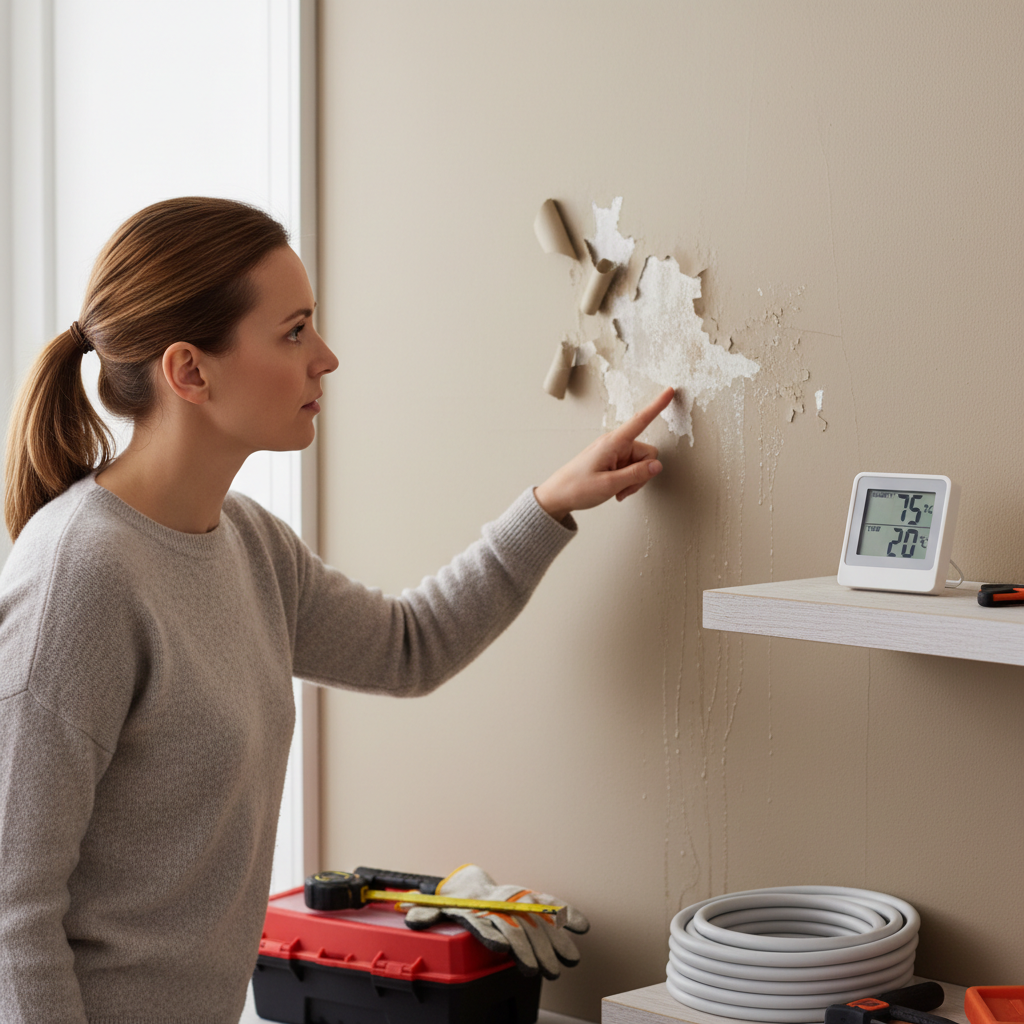
You’ve got walls that feel damp, maybe even dripping, and the paint’s starting to bubble or peel? Around my jobs, we call that sweating walls, and nine times out of ten it’s condensation. Warm, humid air inside the house hits a colder wall surface, and the moisture drops out of the air as liquid water. Same thing happens when you pull a cold soda can out on a hot day. The fix isn’t just wiping it down and calling it a day — you’ve got to deal with the humidity and those cold surfaces.
The Problem
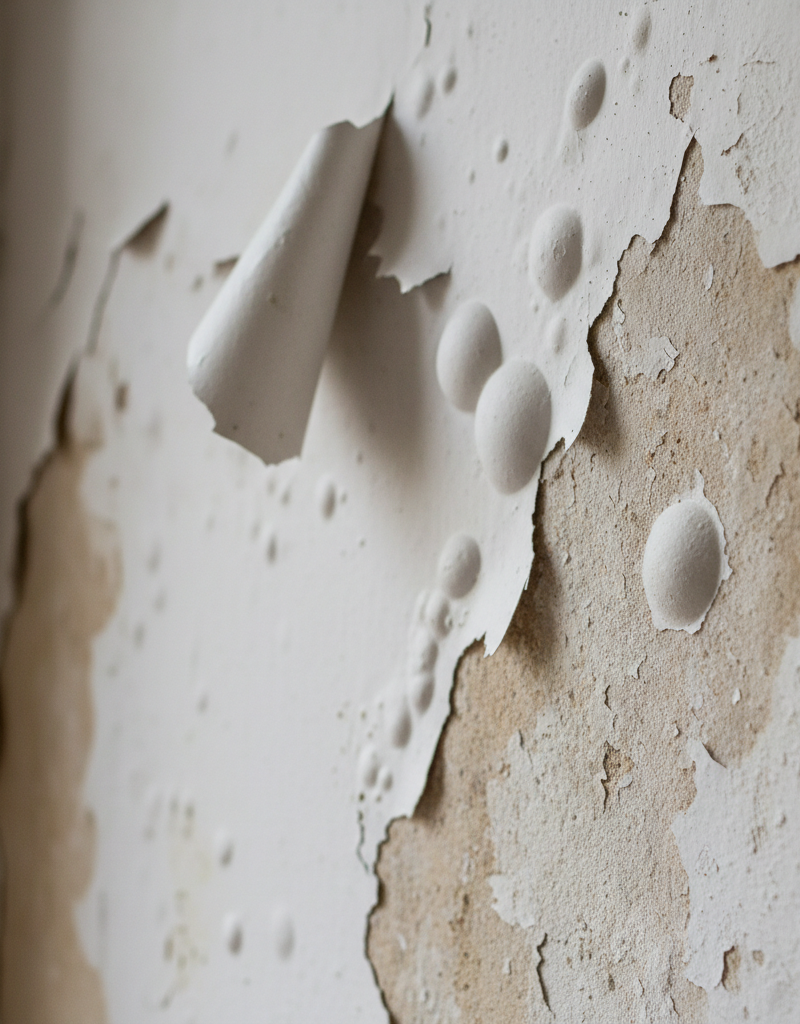
I’ve been in this trade for over two decades, and I’ve seen plenty of homeowners standing there, arms crossed, trying to figure out where the water’s coming from. They’ll tell me, “I don’t have a leak, I checked the roof, the windows, everything! But my walls are wet!” Most of the time, they’re right about the leak part — it’s not a pipe bursting or rain sneaking in. It’s usually condensation, plain and simple. And that’s not just a cosmetic headache; it can turn into a real mess. Peeling paint, wallpaper letting go, soft drywall, black mold hiding behind finishes — the whole ugly package. I pulled a water heater in Frisco last month that had exactly this kind of “mystery leak,” and it turned out the basement wall was sweating from poor ventilation and a cold foundation, no dice on an actual plumbing problem. Once mold gets going behind a finished wall, you’re not just wiping off some water. You’re opening up walls, pulling trim, and doing real remediation work.
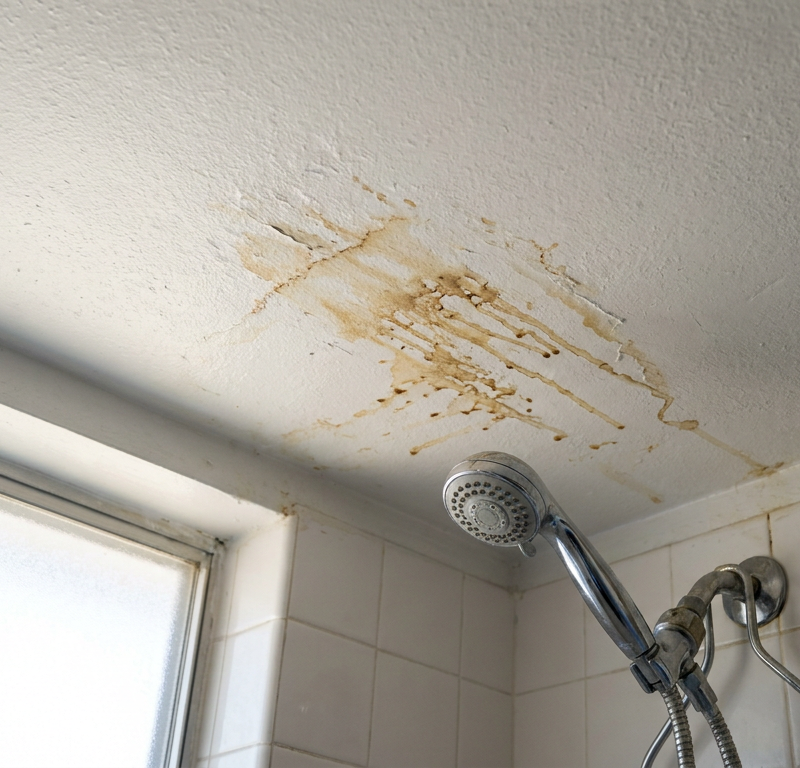
It shows up most often in colder months, or in spots like bathrooms, kitchens, and basements where humidity stays high. When warm, moisture-laden air inside your house runs into a cool surface — say an exterior wall with weak insulation, or a wall beside an unheated garage — that air cools fast. And once it cools, it can’t hold as much moisture, so the water comes out of the air and lands on the wall. That’s your sweating wall. Ignore it, and you’re asking for wood rot, drywall damage, and mold spores floating around. Trust me, you don’t want that headache.
How It Works
Alright, let’s keep the science simple. Air holds water vapor — that’s humidity. Warmer air can hold more of it. Think sponge. A big, fluffy sponge soaks up more water than a little dried-out one. Air works the same way. Every air temperature has a dew point, which is the point where the air is packed with moisture and can’t hold any more. Once air cools to that point, the extra moisture has to go somewhere, right? It turns into liquid water. That’s what you’re seeing on your walls.
So let’s say your house is sitting at 70°F with 60% relative humidity. Sounds harmless enough. But if that air moves over to an exterior wall that’s only 50°F because the wall’s under-insulated and it’s 20°F outside, that wall surface is below the dew point for that 70°F, 60% RH air. Boom — droplets. The better your insulation, the warmer the wall surface stays, even when it’s nasty cold outside. Ventilation matters just as much. Cooking, showering, even breathing puts moisture into the air. If you don’t get that damp air out and replace it with drier air, you’re just recycling the problem. It’s a balancing act, and when it tips the wrong way, the walls take the hit.
Step-by-Step Fix
Here’s how I tackle sweating walls on a job. And yeah, if you suspect mold, wear a respirator and gloves. Don’t get cute with that stuff.
-
Identify the Cold Spots – Find where it's happening
Use an infrared thermometer or just run your hand along the wall and feel for spots that are noticeably colder than the rest of the room. Those are your trouble zones. Usually you’ll find them on exterior walls, in corners, or next to unheated spaces like garages and crawl spaces. -
Check Indoor Humidity Levels – Gauge your home's moisture
Grab a hygrometer. You can get one for about 10-20 bucks online or at any hardware store. In winter, you want indoor humidity between 30% and 50%. If it’s staying above that, you’ve got a big clue right there.- Tool: Digital Hygrometer
- If you see mold: Don’t just wipe it and move on. If it’s a small area (less than 10 square feet), you can clean it with a diluted bleach solution (1 cup bleach per gallon of water) or a commercial mold remover. If it’s bigger than that, or you think it’s behind drywall, bring in a pro.
-
Boost Ventilation – Let that moist air out
This one’s huge. Run bathroom exhaust fans for at least 15-20 minutes after every shower or bath. Use the kitchen range hood when you’re cooking, especially if you’re boiling water. Crack a window in the humid rooms for a few minutes a day, even in winter, just to swap out the stale air.- Pro Tip: If you don’t have exhaust fans, install them. It’s one of those upgrades that pays for itself in fewer moisture problems.
-
Dehumidify – Suck the excess moisture out
If your humidity is stubborn and keeps running above 50%, a dehumidifier is your friend. Put it in the dampest area — usually the basement or a central living space. Empty it often. Some units come with a drain hose, which is a nice touch because you don’t have to babysit the bucket all day.- Material: Dehumidifier (rated for your room size)
-
Improve Air Circulation – Keep air moving
Don’t jam furniture up against vents or return grilles. Keep interior doors open when you can so air can move around the house. A small fan can help too, especially in those dead spots where air just sits there and the wall stays cold. -
Seal Air Leaks – Stop cold drafts
Drafts don’t just make the place feel chilly. They can cool wall surfaces down enough to create condensation. Caulk around windows and doors, seal any gaps where pipes or wires go through the wall, and check exterior siding for cracks that might be letting cold air right to the studs. A good acrylic latex caulk usually does the trick for interior gaps.- Material: Acrylic latex caulk, Caulk gun
-
Insulate Cold Surfaces – Warm up those walls
This is the big one for exterior walls. Add insulation to walls that don’t have enough of it, or to walls next to unheated spaces, and you’ll keep the inside surface warmer. That helps push the wall temperature above the dew point of your indoor air. If the attic’s under-insulated, get the attic floor up to at least R-38 — that’s about 10-14 inches of insulation, depending on what you’re using. For walls, cellulose or foam insulation may be the move.- Note: This can be a bigger job; if you’re not comfortable with it, call a professional insulation contractor.
-
Mind Your Plants & Firewood – Hidden moisture sources
Yep, houseplants give off moisture. If you’ve got a jungle in the living room, that can add up. Same deal with firewood stored inside — it often carries more moisture than people expect. If you’re fighting high humidity, keep that stuff outdoors. -
Allow Finishes to Dry – Be patient with paint and plaster
If you’ve recently plastered, painted, or done any wet renovation work, those materials are still releasing moisture as they cure. You need ventilation and heat while that’s happening. Don’t seal up a fresh room too fast after painting; let it breathe for a bit. -
Consider an Energy Recovery Ventilator (ERV) or Heat Recovery Ventilator (HRV) – Advanced whole-home solution
For tight, energy-efficient homes that trap stale, humid air, an ERV or HRV can be a solid fix. These systems bring in fresh outdoor air while recovering heat (or coolness) from the outgoing air, and ERVs also help manage moisture transfer. They’re not cheap, but they do a good job balancing ventilation and energy use.
Common Causes
- High Indoor Humidity: This is the one I see most. Long, hot showers, boiling water without a vent, drying clothes indoors, too many houseplants — all of it pumps moisture into the air.
- Poor Ventilation: Not enough fresh air exchange. If humid air can’t get out, it piles up and hunts for a cold surface to condense on. Fans that don’t get used, or fans that are undersized, are common offenders.
- Insufficient Insulation: Exterior walls or walls next to unheated areas stay colder when they’re under-insulated. When warm, humid indoor air hits those cold surfaces, condensation’s pretty much guaranteed.
- Air Leaks/Infiltration: Cold air sneaking in around windows, doors, or utility penetrations can drop wall temperatures and create perfect little condensation zones.
- Heating System Issues: Older furnaces or certain heating setups, like unvented gas heaters, can add moisture to the air. Uneven heat can also leave cold spots around the house.
Common Mistakes
- Just Wiping it Away: That’s cleaning the symptom, not fixing the problem. The water’ll come back as soon as the conditions are right.
- Ignoring Small Patches: A little damp spot can turn into mold over time. Don’t wait until it’s a full-blown disaster.
- Over-Humidifying in Winter: Trying to keep the house too humid in cold weather makes condensation almost unavoidable. In winter, aim for 30-50% RH indoors.
- Blocking Airflow to Walls: If you shove furniture tight against exterior walls, you create dead air pockets. Mold loves those spots because the wall stays cold and air can’t move.
- Assuming a Leak: I get why people panic, but plenty of folks spend money chasing a roof or plumbing leak when the real issue is just humidity and cold surfaces.
- Not Using Exhaust Fans: Those fans aren’t just for smells. They’re your first line of defense against bathroom and kitchen moisture. Use ‘em.
Cost & Time Breakdown
Here’s a rough idea of what you might be looking at for tackling sweating walls. Keep in mind, these are averages, and your mileage may vary.
| Task | DIY Cost | Pro Cost | Time |
|---|---|---|---|
| Hygrometer | $10-$30 | N/A | 5 minutes |
| Dehumidifier | $150-$300 | N/A | Setup: 15-30 mins |
| Caulk & Caulking Gun | $15-$40 | $75-$150 (small jobs) | 1-2 hours |
| Exhaust Fan Installation | $50-$200 (fan) | $300-$800 | 2-4 hours |
| Wall Insulation (Blown-in) | $500-$1,500 | $1,500-$4,000+ | 1-3 days |
| ERV/HRV System Installation | N/A | $2,500-$5,000+ | 1-2 days |
| Mold Remediation (small area) | $20-$50 (cleaner) | $200-$500 | 1-2 hours |
Tips & Prevention
- Monitor Humidity: Keep an eye on your hygrometer, especially when the seasons change. If it starts creeping above 50% in cooler weather, take action. A smart hygrometer can even ping you when it gets out of hand.
- Ventilate Regularly: Run the exhaust fans during and after showers and cooking. Crack a bedroom window for 5-10 minutes in the morning to air the place out. Short burst, big payoff.
- Insulate Wisely: If you’re building an addition or tearing into walls anyway, don’t cheap out on insulation. Exterior walls matter most. An R-value of at least R-13 for 2x4 walls and R-19 for 2x6 walls is a good baseline in most climates.
- Maintain Your HVAC: Make sure your heating and cooling system’s working like it should. A well-maintained system does a better job controlling temperature and humidity.
- Seal Up Leaks: Check and seal air leaks around windows, doors, and penetrations on a regular basis. It helps with condensation, sure, but it’ll also trim your energy bills.
- Space Furniture: Leave a few inches between big furniture pieces and exterior walls so air can move back there. That keeps those hidden cold spots from turning into mold farms.
- Watch for Warning Signs: Peeling paint, a musty odor, or little dark spots are all red flags. Don’t ignore them.
When to Call a Professional
Look, I’m all for DIY, but some jobs are bigger than a weekend and a YouTube video. If you’ve got extensive mold growth — say, bigger than a 3-foot by 3-foot section — or you suspect it’s hiding behind drywall, that’s mold remediation territory. If the humidity problems keep coming back even after you’ve tried dehumidifiers and better ventilation, you may be dealing with insulation issues, major air leaks, or even a hidden plumbing leak that’s masquerading as condensation. An HVAC tech can check your ventilation and heating setup, and a general contractor or insulation pro can look at your walls and attic for gaps. Don’t mess around with widespread mold or major structural changes — that’s when you call in the big guns.
Related Articles
Keep troubleshooting with these hand-picked guides from FixlyGuide:
- The Cupped Hardwood Secret: What Your Floor’s Really Telling You — Don't let cupped hardwood floors get you down. This guide tackles the real reasons your wood floor is warping and how to fix it like a pro.
- The Secret Reason Your Interior Door Sticks (It's Not Always Humidity) — Before you blame humidity, learn the true culprits behind a sticky interior door and how to fix them with simple DIY steps.
- The Surprising Reason Your Interior Door Sticks (It's Not Always Humidity) — Before you blame humidity, learn the common culprits behind a sticking interior door and how to fix them with simple DIY steps.
- The Secret Reason Your Interior Door Sticks (and the 15-Minute Fix) — Discover why your interior door sticks and learn a simple, 15-minute fix that can save you frustration and the cost of a professional.
- The Hidden Cause of Squeaky Hardwood Floors & The Real Fix — That persistent squeak from your hardwood floors isn't just an annoyance; it's a sign of movement. We'll uncover the hidden causes, from hu…
- Your Windows Are Crying? The Hidden Cause of Condensation — Window condensation isn't just a harmless annoyance; it's a clear signal that your home's indoor humidity is too high, potentially leading…
What should this project cost?
Enter your project details for a realistic cost range before you call anyone.
Cost depends heavily on which system turns out to be the source.
- Regional adjustment
- National average
- Labor share (typical)
- ~$1,620
- Quotes to collect
- 3 written estimates
Educational estimate based on national averages — not a binding quote. Always confirm with written local estimates.
Get the print-ready PDF of this guide
A clean, ad-free, printable version you can keep on your phone or pin to the workshop wall. Free with a FixlyGuide account.
- Print-optimized layout
- Tools, materials & every step included
- Saved to your account
Recommended for DIYers & woodworkers
Sponsored
The Top 20 Tools for Workshops of Any Budget
No stationary machines or power tools required — plus 3 fundamental tools that can't be bought at any price.
Get the free guide
Ted's Woodworking — The #1 Woodworking Resource
Detailed instructions, dimensioned drawings, materials & cutting lists, and 3D schematics for every skill level.
See the plansSponsored: links above are affiliate links. FixlyGuide may earn a commission on qualifying purchases — at no extra cost to you.
Frequently asked questions
Why do my walls feel wet but there's no leak?+
If your walls are damp or 'sweating' without any signs of a plumbing or roof leak, it's almost certainly condensation. This happens when warm, humid air in your home cools rapidly upon contact with a colder wall surface, releasing its moisture as liquid water.
What causes high humidity in a house?+
Common culprits include long hot showers, boiling water for cooking, drying clothes indoors, numerous houseplants, and unvented combustion appliances. Even breathing contributes! Poor ventilation compounds these issues by trapping moist air inside.
What's the ideal indoor humidity level?+
For most homes, especially during cooler months, aim for an indoor relative humidity (RH) between 30% and 50%. Going much higher can lead to condensation problems, while significantly lower can cause dry skin and static electricity.
Can condensation lead to mold?+
Absolutely. Constant moisture on walls creates an ideal breeding ground for mold and mildew. Mold can not only damage your home's structure and finishes but also pose health risks, so addressing condensation promptly is crucial.
How can I check my home's humidity?+
You can easily check your home's relative humidity with a hygrometer. These inexpensive devices are available at hardware stores and provide an accurate reading of the moisture content in your air.
Does insulation help with sweating walls?+
Yes, significantly. Proper insulation keeps your interior wall surfaces warmer, preventing them from dropping below the dew point of the indoor air. This reduces the likelihood of condensation forming, especially on exterior walls.
Should I open windows if my walls are sweating?+
Yes, briefly opening windows, even in cold weather, helps exchange humid indoor air with drier outdoor air. This can lower overall indoor humidity and reduce condensation, but ensure you don't overcool the space.
When should I use a dehumidifier?+
If your indoor humidity consistently measures above 50%, especially in damp areas like basements or during humid seasons, a dehumidifier is a good solution. It actively removes excess moisture from the air, helping to prevent condensation.
Can plants cause wall condensation?+
Yes, plants release moisture into the air through a process called transpiration. While a few plants are unlikely to cause major issues, a large number of indoor plants in an already humid environment can contribute to condensation problems.
What's the difference between a leak and condensation?+
A leak typically produces localized, often continuous, wet spots that don't dry out easily, usually near plumbing fixtures, windows, or the roof. Condensation tends to be more widespread, often on colder surfaces, and might dry out when humidity drops or the surface warms up.
Discussion
Loading comments…