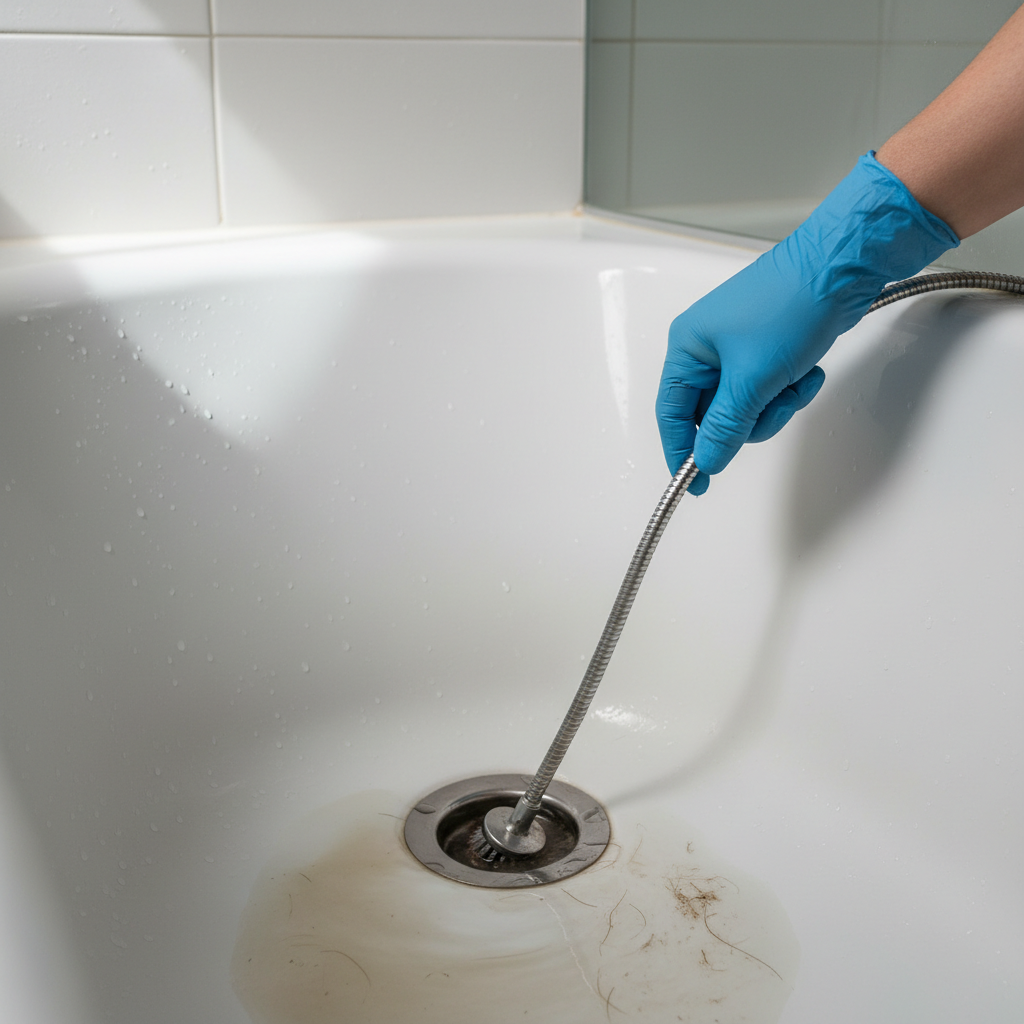
- Hair & Soap Scum Build-Up: The king of bathtub clogs. Hair tangles up, soap scum acts like glue, and the whole mess keeps stacking.
- Small Objects: Kids' toys, shampoo bottle caps, jewelry—they all end up where they shouldn’t and snag on the P-trap or other debris.
- Grease: If you ever wash anything greasy in your tub—yeah, don’t do that—that grease cools off and hardens in the pipe, making a sticky base for other junk.
- Mineral Deposits: In hard water areas, minerals build up on pipe walls, shrink the opening, and give clogs something rough to grab.
- Collapsed or Damaged Pipes: Less common, but it happens, especially in older homes. Tree roots can also work their way into outdoor drain lines.
General remodeling · Renovation planning
| Project category | General remodeling |
|---|---|
| Problem type | Renovation planning |
| Trade required | General contracting |
| Urgency | Planned project |
| Safety risk | Low safety risk |
| DIY suitability | Pro recommended |
| Cost category | Major investment |
| Typical timeline | Design and permitting often 2–4 months before work starts |
| Contractor type | General contractor |
Repair option
Phase the work and fix the building envelope first.
Replacement option
Full renovation with permits, design, and a general contractor.
Common causes
- Space no longer fits how the household lives
- Resale preparation
- Deferred maintenance stacking up
Relevant tools:project cost estimatorcompare quoteshome improvement material prices
Published September 20, 2026Last updated September 20, 2026
Tools & materials you'll need
Affiliate links- AmazonGloves (rubber or nitrile)For hygiene and protection.
- AmazonOld towelsFor spills and cleanup.
- AmazonBoiling water (optional)2-3 gallons · Use with caution; avoid if chemicals were used.
- AmazonEnzymatic drain cleaner (optional)Safer alternative to chemical cleaners.
- AmazonDrain strainer/hair catcherFor future prevention.
As an Amazon Associate FixlyGuide earns from qualifying purchases — at no extra cost to you. Prices and availability are accurate as of publication and subject to change.
Quick Answer
That standing water in your tub? Nine times out of ten, it’s a gross mix of hair, soap scum, and whatever else decided your drain line was a nice place to hang out. For most homeowners, it’s a pretty simple DIY fix with a drain snake or even a decent cleaner. But—and this is the part folks don’t like hearing—there’s a line where you stop helping and start making it worse. That’s when you grab the phone and call a pro. Don’t turn a small clog into a full-blown plumbing mess; know where your comfort zone is.
The Problem
You step into the shower, enjoy a nice hot wash, and then you’re standing in ankle-deep water. Or maybe you pulled the plug after a bath and the water just sits there, like it forgot its job. That’s a slow or completely stopped bathtub drain, and I’ve dealt with a pile of ’em over the years. It’s not just annoying, either; that standing water can leave a nasty ring on your tub, and if it isn’t draining, it might be backing up farther down the line and setting you up for a bigger, stinkier problem. Usually the troublemaker’s right near the top, a few inches past the drain opening, but sometimes that gunk travels and makes a real nuisance of itself deeper in the pipe.
How It Works
Alright, let’s break down how your tub drain actually works, so you’ve got a fighting chance. When you pull the stopper, water drops into the drain assembly. That assembly’s usually got a pop-up stopper or a trip-lever style you operate from the overflow plate. Under that, there’s a P-trap—that U-shaped bend you see under every sink. It’s there for a reason: it holds a little water and keeps sewer gases from sneaking up into your bathroom. Pretty smart setup. After the P-trap, the drain line ties into your home’s main waste stack, which vents through the roof and carries all that dirty water off to the sewer or septic system.
Now, how do clogs happen? Simple. Your tub is hair central. Tons of it. Especially if you’ve got a house full of long-haired people. Hair mixes with soap scum—which is basically soap residue and minerals glued to the pipe—and a little body oil, and you end up with a sticky mess that keeps getting bigger. It usually starts in the pop-up assembly or right in the bend of the P-trap, because that’s where water slows down and debris catches. Over time, that buildup can shrink a 1.5-inch pipe down to a skinny little trickle, and eventually, it chokes the whole thing off. Knowing that path helps you figure out where the clog probably is and what tool’s gonna do the job.
Step-by-Step Fix
Before you get after it, grab some old towels, a bucket, and throw on gloves. This can get nasty. I’m not kidding. If you’re using any kind of chemical cleaner, crack a window and run the fan. And don’t mix different chemical drain cleaners; that’s a bad recipe and can kick out nasty fumes.
- Remove the Stopper — You’ve gotta get to the source. If it’s a pop-up stopper, usually you just unscrew the top or twist and pull it straight up. For a trip-lever stopper, you’ll typically need a screwdriver to pop off the overflow plate on the tub wall, then carefully pull out the linkage and stopper assembly. That’s often where the first hairball lives. It’s usually held on by two small screws. You’d be shocked how much junk wraps around that thing.
- Clear Visible Hair & Debris — With the stopper out, look down the drain. See a hairy mess? Sometimes a pair of needle-nose pliers or even your gloved fingers will pull out the worst of it. That’s your easiest win. You might yank out a clump the size of a small rodent, and I’m not exaggerating. Last month, I pulled a wad of hair and what looked like a tiny plastic dinosaur out of a tub drain in Frisco—homeowner said it must’ve fallen in months ago. Plumbing has a sense of humor sometimes.
- Use a Zip-It Drain Cleaner — These little things are cheap and they work. It’s a long, thin plastic strip with barbs. Feed it down the drain, wiggle it around, then pull it back out. The barbs snag hair and gunk. Do that a few times until it comes out mostly clean. Toss the mess in the trash, not down another drain.
- Try a Drain Snake (Hand Auger) — If the Zip-It doesn’t get it done, step up to a hand auger. These usually have about 15-25 feet of flexible cable. Feed the snake down the drain and crank the handle clockwise to extend it and break through the clog. Once you feel resistance, try to push through it or hook it. Pull it back slowly and clear out whatever comes with it. Don’t force it; you can damage pipes that way. You want to feel the clog give up, not bind tighter.
- If you hit a stubborn blockage or the snake won’t go more than a few feet, stop right there. You might be bumping into a vent stack or something bigger. That’s a good sign it’s time to call in a pro.
- Boiling Water Flush (Carefully!) — After you’ve pulled out as much junk as you can, try pouring 2-3 gallons of boiling water down the drain. That can help loosen remaining soap scum and grease. Let it sit for 10-15 minutes, then flush it with hot tap water. Warning: Do NOT use boiling water if you’ve recently used a chemical drain cleaner, especially lye-based ones. The chemical reaction can be violent and dangerous.
- Enzymatic Drain Cleaner (Alternative to Chemicals) — If harsh chemicals make you nervous, an enzymatic cleaner is a gentler route. These use bacteria to eat organic matter. They work slower—often needing 6-8 hours or overnight—but they’re easier on your pipes and the environment. Follow the label exactly. They won’t blast open a fully stopped drain, but they’re solid for slow drains and prevention.
- Reassemble and Test — Once you think the clog’s gone, put the stopper back together. Run hot water for a few minutes and make sure the drain is moving like it should. Listen for gurgling. That can mean there’s still a partial blockage hanging around.
Common Causes
- Hair & Soap Scum Build-Up: The king of bathtub clogs. Hair tangles up, soap scum acts like glue, and the whole mess keeps stacking.
- Small Objects: Kids' toys, shampoo bottle caps, jewelry—they all end up where they shouldn’t and snag on the P-trap or other debris.
- Grease: If you ever wash anything greasy in your tub—yeah, don’t do that—that grease cools off and hardens in the pipe, making a sticky base for other junk.
- Mineral Deposits: In hard water areas, minerals build up on pipe walls, shrink the opening, and give clogs something rough to grab.
- Collapsed or Damaged Pipes: Less common, but it happens, especially in older homes. Tree roots can also work their way into outdoor drain lines.
Common Mistakes
- Using Too Much Chemical Drain Cleaner: Dumping in half the bottle won’t speed things up; it just raises the risk of pipe damage and nasty fumes. Stick to the dosage on the label.
- Mixing Chemical Drain Cleaners: Never do this. Ever. Different chemicals can react hard and fast, making toxic gas or dangerous pressure. I’ve seen homeowners end up in the ER over it.
- Ignoring a Slow Drain: A slow drain is your warning light. Don’t wait until it stops completely. Catching it early is way easier.
- Over-Tightening Drain Plugs/Assemblies: You can strip threads or crack plastic parts. Hand-tight plus a quarter turn is usually plenty.
- Forcing a Drain Snake: If you hit real resistance and the snake won’t feed, don’t just muscle it. You can crack plastic pipe or get the snake stuck, and now you’ve got a bigger repair.
- DIYing When Out of Your Depth: Knowing when to call it a day and bring in a pro is smart. It’s not quitting.
Cost & Time Breakdown
| Task | DIY Cost | Pro Cost (Est.) | Time (Active) |
|---|---|---|---|
| Remove stopper, clear visible | $0-$10 (tools) | $150-$300 | 5-15 mins |
| Zip-It drain cleaner | $5-$15 | Included | 10-20 mins |
| Hand auger/snake | $20-$40 | Included | 20-45 mins |
| Chemical/Enzymatic cleaner | $8-$20 | N/A (pro uses different methods) | 5 mins (application), hours (wait) |
| Hydro-jetting/Camera inspect | Not DIY | $300-$600+ | 1-2 hours |
| Main line clog repair | Not DIY | $500-$1500+ | 2-4 hours |
Tips & Prevention
- Use a Drain Strainer: Best cheap insurance you can buy. A little mesh strainer over the drain costs a few bucks and catches most hair before it drops in. Clean it after every shower.
- Regular Hot Water Flush: Once a week, run the hottest water from your tap down the drain for 5-10 minutes. Helps keep soap scum and grease from building up.
- Enzymatic Cleaner Maintenance: Use an enzymatic drain cleaner monthly as prevention, especially if you’ve got long-haired folks in the house. It helps break down organic matter before it turns into a real clog.
- Avoid Pouring Grease: Never pour cooking grease or oil down any drain, tub included. It’ll harden up and cause big problems.
- Hair Brushing Before Shower: Easy trick—brush your hair thoroughly before you hop in the shower. Less loose hair in the drain, less trouble later.
- Check Overflow Plate: Sometimes debris collects in the overflow opening behind the plate. Pull the plate now and then and clean out any gunk you find.
When to Call a Professional
Look, I get it. You want to save a buck, and most tub clogs are simple enough for a homeowner to handle. But there are times you’ve gotta know when to throw in the towel and call a pro. If you’ve tried snaking the drain and it’s still not clearing after two or three attempts, or the water’s still draining sluggishly, you’re probably dealing with a deeper clog than basic tools can reach. If you start hearing gurgling sounds from other fixtures when you use the tub—like your toilet bubbling or a sink draining slow—that’s a red flag. Usually it means the clog is in a shared main line, not just the tub branch line, and that takes specialized gear like a heavy-duty auger or hydro-jetting. Any water backing up into other drains, or if you smell raw sewage, is an immediate call-a-plumber situation. Don’t mess with the main sewer line; that’s big-league stuff. A good plumber’s got tools like camera inspections to pinpoint what’s going on and clear it without beating up your pipes. Save yourself the headache and a much bigger repair bill down the road.
Related Articles
Keep troubleshooting with these hand-picked guides from FixlyGuide:
- The Nasty Truth About Your Slow Kitchen Drain (And How to Unclog It for Free) — Don't let a sluggish kitchen sink drain ruin your day—most clogs are easy fixes with common household items, saving you a costly plumber's…
- The Giant Drywall Hole: 3 Hidden Mistakes That Make Fixing It Worse — Don’t just spackle over that huge drywall hole; learn the right way to repair it and avoid common mistakes that lead to an even bigger head…
- Swap Your Leaky Faucet This Weekend, No Plumber Needed — Ready to stop that annoying drip and give your kitchen an instant upgrade? This guide shows you how to replace a kitchen faucet yourself. W…
- The $10 Shower Fix Plumbers Don't Want You to Know — Stop that annoying drip! I'll show you how to fix a leaky shower faucet yourself, saving you money and preventing water waste.
- The Grimy Secret Under Your Bathroom Sink: Why Your Faucet Is Slow — A slow-flowing bathroom faucet is often more than just an annoyance; it's a clear sign of mineral buildup or internal damage that's surpris…
- The #1 Dryer Mistake That Adds Hours to Laundry Day (and Costs You Money) — Discover the most common, overlooked reason your dryer is taking too long to dry clothes and how a simple fix can save you time and energy.
What should this project cost?
Enter your project details for a realistic cost range before you call anyone.
Common repairs run $150–$650; repipes and water-heater replacements reach $1,500–$4,500.
- Regional adjustment
- National average
- Labor share (typical)
- ~$754
- Quotes to collect
- 3 written estimates
Educational estimate based on national averages — not a binding quote. Always confirm with written local estimates.
Fixly Project Decision Box
- DIY difficulty
- Moderate
- Estimated time
- 30 minutes – half a day
- Cost level
- Moderate
Main tools / materials
- Adjustable wrench
- Plunger or drain auger
- Bucket and towels
- Thread tape
When to stop and call a pro
- Water you cannot shut off at the fixture or main
- Sewage backing up into more than one fixture
- Water near electrical panels or outlets
- Gas water heater work beyond relighting a pilot
Need professional help?
Get a Licensed PlumberGet the print-ready PDF of this guide
A clean, ad-free, printable version you can keep on your phone or pin to the workshop wall. Free with a FixlyGuide account.
- Print-optimized layout
- Tools, materials & every step included
- Saved to your account
Recommended for DIYers & woodworkers
Sponsored
The Top 20 Tools for Workshops of Any Budget
No stationary machines or power tools required — plus 3 fundamental tools that can't be bought at any price.
Get the free guide
Ted's Woodworking — The #1 Woodworking Resource
Detailed instructions, dimensioned drawings, materials & cutting lists, and 3D schematics for every skill level.
See the plansSponsored: links above are affiliate links. FixlyGuide may earn a commission on qualifying purchases — at no extra cost to you.
Frequently asked questions
What causes most bathtub clogs?+
Most bathtub clogs are caused by a combination of hair, soap scum, and body oils that accumulate over time. This sticky mixture forms a stubborn blockage, often in the P-trap or near the drain opening.
Can chemical drain cleaners damage my pipes?+
Yes, harsh chemical drain cleaners, especially lye-based ones, can corrode certain types of pipes, particularly older PVC or metal pipes. They can also harden clogs, making them more difficult for a plumber to remove later. Always read warnings and use sparingly.
How often should I clean my bathtub drain?+
For prevention, it's a good idea to clear any visible hair from your drain stopper after each shower. A monthly flush with hot water or an enzymatic cleaner can help prevent buildup. If you notice a slow drain, address it immediately rather than waiting for a full clog.
What's the difference between a Zip-It and a drain snake?+
A Zip-It is a thin, barbed plastic strip designed to snag and pull out hair clogs that are close to the drain opening. A drain snake (or hand auger) is a longer, flexible metal cable that can reach deeper into the pipe to break apart or retrieve more distant clogs.
My drain is still slow after snaking it. What should I do?+
If your drain is still sluggish after trying a Zip-It and a hand snake, it indicates a more persistent or deeper clog. At this point, it's wise to consider calling a professional plumber who has more powerful equipment like a professional auger or hydro-jetting tools.
Can I use a wet/dry vac to clear a bathtub clog?+
Yes, sometimes a wet/dry vacuum can create enough suction to pull out a clog, especially if it's close to the drain opening. Ensure a tight seal around the drain with a wet rag, set the vacuum to wet mode, and power it on. It's a bit messy but can be effective for some clogs.
What are the signs of a main line clog?+
Signs of a main line clog include multiple fixtures draining slowly or backing up simultaneously (e.g., toilet gurgling when the tub drains), water backing up into other drains, or sewage smells coming from drains. These usually require professional intervention.
Is an enzymatic drain cleaner safe for septic systems?+
Generally, yes, enzymatic drain cleaners are safe for septic systems. They use natural enzymes and bacteria to break down organic matter without harming the beneficial bacteria in your septic tank, unlike harsh chemical cleaners.
How can I prevent hair from clogging my tub drain?+
The simplest and most effective prevention is using a good drain strainer or hair catcher over your tub drain. Regularly cleaning this strainer and occasionally flushing the drain with hot water or an enzymatic cleaner will significantly reduce hair buildup.
Discussion
Loading comments…