- Cracked or blistered paint
- Large sections of failing caulk
- Multiple previous paint layers separating
- Paint older than 8–12 years
General remodeling · Renovation planning
| Project category | General remodeling |
|---|---|
| Problem type | Renovation planning |
| Trade required | General contracting |
| Urgency | Planned project |
| Safety risk | Low safety risk |
| DIY suitability | Pro recommended |
| Cost category | Major investment |
| Typical timeline | Design and permitting often 2–4 months before work starts |
| Contractor type | General contractor |
Repair option
Phase the work and fix the building envelope first.
Replacement option
Full renovation with permits, design, and a general contractor.
Common causes
- Space no longer fits how the household lives
- Resale preparation
- Deferred maintenance stacking up
Relevant tools:project cost estimatorcompare quoteshome improvement material prices
Published July 27, 2026Last updated August 17, 2026
Tools & materials you'll need
Affiliate linksAs an Amazon Associate FixlyGuide earns from qualifying purchases — at no extra cost to you. Prices and availability are accurate as of publication and subject to change.
Quick Answer
Most homeowners pay $3,500 to $12,000 to paint a home's exterior in 2026, with a national average near $6,800. Large or luxury homes, or homes needing heavy prep work, run $12,000 to $18,000+. Labor accounts for 60–70% of the total.
Introduction
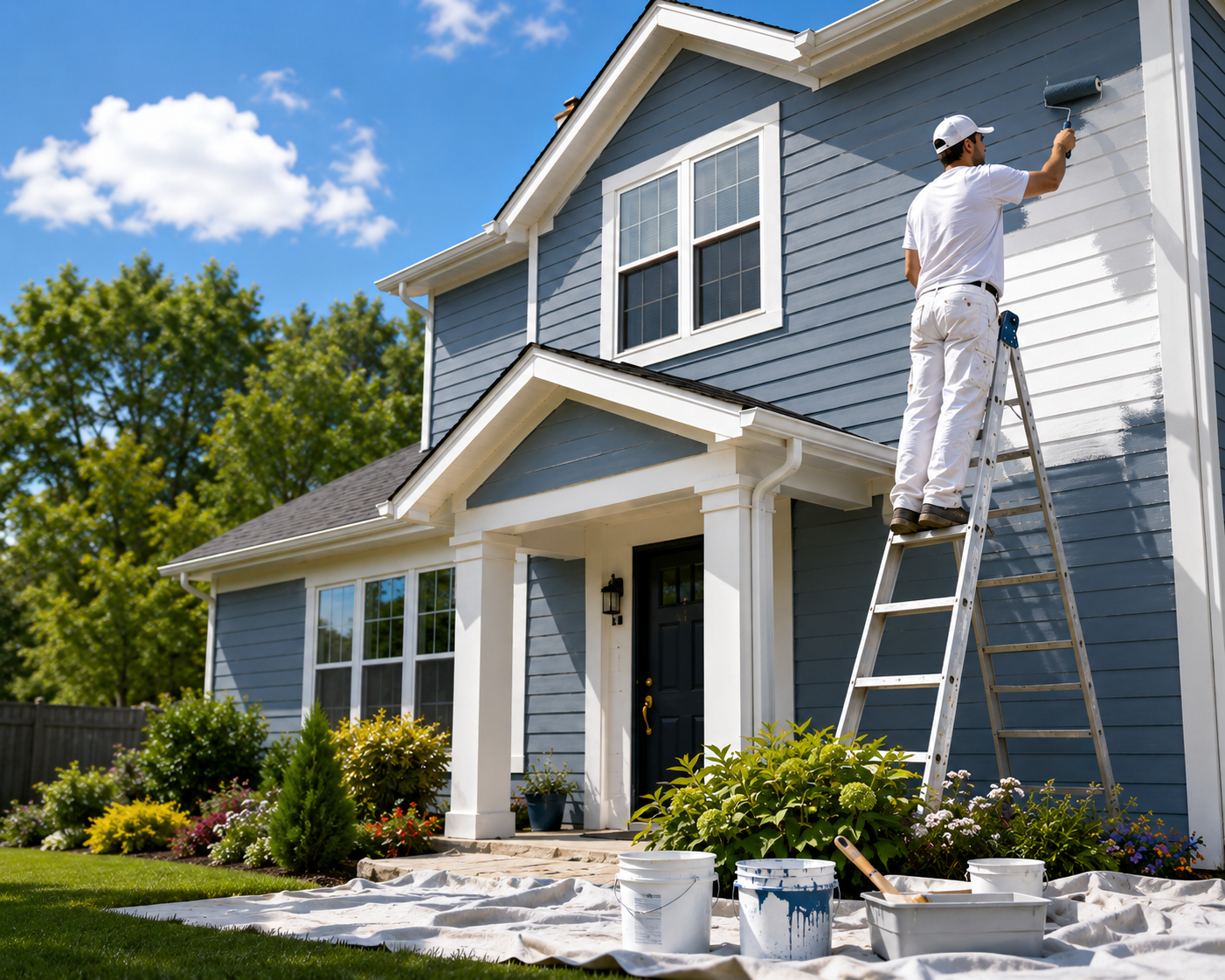
A fresh coat of exterior paint is one of the most cost-effective ways to improve your home's curb appeal, protect it from the elements, and increase its resale value. Whether you're preparing to sell your home or simply want to give it a new look, understanding the cost of exterior house painting helps you budget with confidence.
This guide covers everything homeowners need to know about exterior house painting costs in 2026 — labor, paint types, prep work, siding materials, and money-saving tips.
Average Exterior House Painting Cost in 2026
| Project Tier | Typical Cost |
|---|---|
| National average | $6,800 |
| Typical price range | $3,500–$12,000 |
| Luxury or large homes | $12,000–$18,000+ |
Your final cost depends on several factors:
- Home size
- Number of stories
- Siding material
- Surface condition
- Paint quality
- Prep work required
- Local labor rates
- Accessibility
- Trim and detail work
Although painting is a significant investment, it protects your home's exterior while dramatically improving its appearance.
Average Cost by Home Size
| Home Size | Typical Cost | Notes |
|---|---|---|
| Small (1,000–1,500 sq. ft.) | $3,500–$5,500 | Single-story homes with minimal trim and easy access |
| Medium (1,500–2,500 sq. ft.) | $5,500–$8,500 | The most common size range for residential painting |
| Large (2,500–4,000 sq. ft.) | $8,500–$12,000+ | Often requires extra labor, scaffolding, and more paint |
Average Cost by Siding Type
| Siding Material | Cost Per Square Foot |
|---|---|
| Vinyl siding | $1.50–$3.50 |
| Wood siding | $2.00–$5.00 |
| Fiber cement | $2.00–$4.50 |
| Stucco | $2.50–$6.00 |
Vinyl siding is one of the easiest and least expensive materials to paint once it's properly cleaned and prepared.
Wood siding requires careful preparation — scraping, sanding, and priming — but delivers a beautiful finished appearance.
Fiber cement accepts paint well and offers excellent durability with proper maintenance.
Stucco requires more paint because of its textured surface, which increases both material and labor costs.
Labor Costs
Professional labor generally accounts for 60%–70% of the total project cost, or roughly $2,500–$8,000 on a typical home.
Labor pricing depends on:
- Home height
- Surface preparation
- Number of colors
- Trim detail
- Accessibility
- Local labor rates
Hiring an experienced painting contractor helps ensure proper preparation, even coverage, and a long-lasting finish that protects your home for years.
Paint Types and Material Costs
The type of paint you choose plays a major role in both the appearance and longevity of your home's exterior. Premium paints cost more upfront, but they typically last longer, resist fading better, and stretch out the time between repaints.
Acrylic Latex Paint — $35–$90 per gallon
Acrylic latex is the most popular choice for exterior residential painting because it offers excellent durability and flexibility.
- Excellent weather resistance
- Resists cracking and peeling
- Easy to clean
- Fast drying
- Low odor
- Long-lasting color
Expected lifespan: 8–12 years.
Premium Exterior Paint — $70–$120+ per gallon
Premium products provide superior coverage, UV protection, and moisture resistance.
- Better fade resistance
- Fewer coats required
- Improved mildew resistance
- Longer warranty
- Richer color retention
Premium paint raises material costs but usually lowers long-term maintenance expenses.
Primer — $20–$60 per gallon
Primer is essential when:
- Painting bare wood
- Covering dark colors
- Repairing damaged surfaces
- Painting over stains
- Changing paint types
Proper priming improves adhesion and extends the life of the finished paint job.
Surface Preparation Costs
Preparation is the most important part of any exterior painting project. Good prep is what makes paint stick and stay.
Prep work may include:
- Pressure washing
- Scraping loose paint
- Sanding rough areas
- Caulking gaps
- Replacing damaged wood
- Filling cracks
- Priming bare surfaces
- Protecting landscaping
Average prep cost: $500–$4,000. Homes with peeling paint, wood rot, or significant weather damage require more preparation, which raises labor costs.
Additional Painting Costs
Many homeowners bundle other exterior features into the same project.
| Add-On | Average Cost |
|---|---|
| Trim (fascia, soffits, window and door trim, molding) | $500–$2,500 |
| Garage door | $200–$700 |
| Front door | $150–$500 |
| Shutters | $100–$500 |
| Gutters and downspouts | $300–$1,000 |
A freshly painted front door creates an attractive focal point and is one of the most affordable exterior upgrades available. Properly painted gutters create a clean, finished look while protecting metal surfaces from corrosion.
Factors That Affect Exterior Painting Costs
- Total square footage
- One-story vs. two-story home
- Roof pitch
- Landscaping obstacles
- Number of colors used
- Detailed trim work
- Surface repairs
- Paint quality
- Local labor rates
- Seasonal demand
Understanding these variables helps you compare estimates fairly and avoid surprise charges mid-project.
Repair vs. Repainting
Not every home needs a complete repaint. Spot repairs and touch-ups are sometimes enough. But when paint begins failing across large areas, a full repaint is the better long-term investment.
Spot repairs may be enough if you see:
- Small areas of peeling paint
- Minor fading
- A few cracked caulk joints
- Small wood repairs
- Localized water stains
- Minor trim damage
- Small chips or scratches
Average repair cost: $300–$2,500. Addressing small issues early extends the life of your existing paint and delays a full repaint.
A full repaint is usually better if you see:
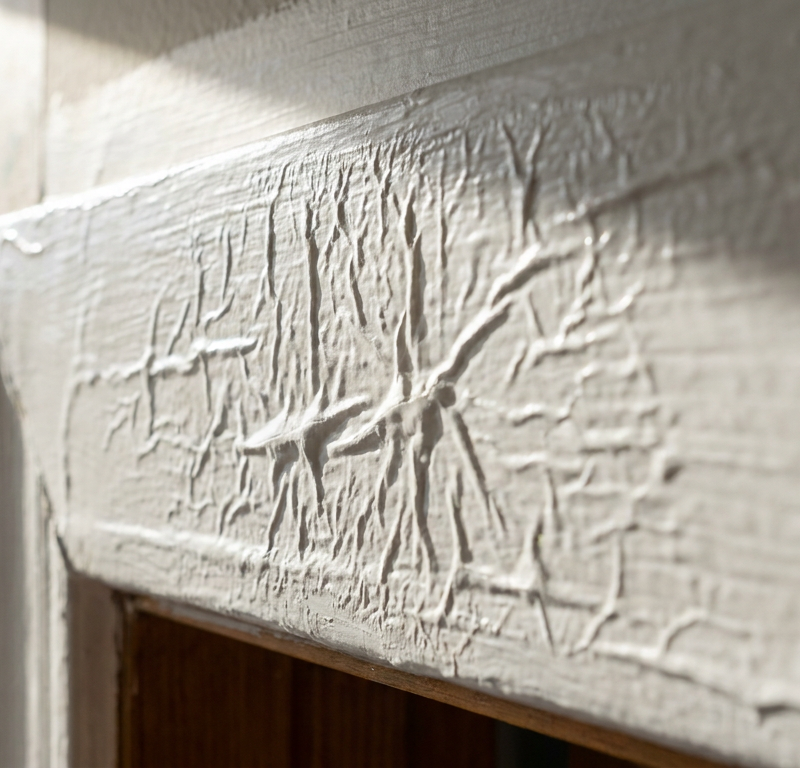
- Extensive peeling paint
- Severe fading
- Chalking paint surfaces
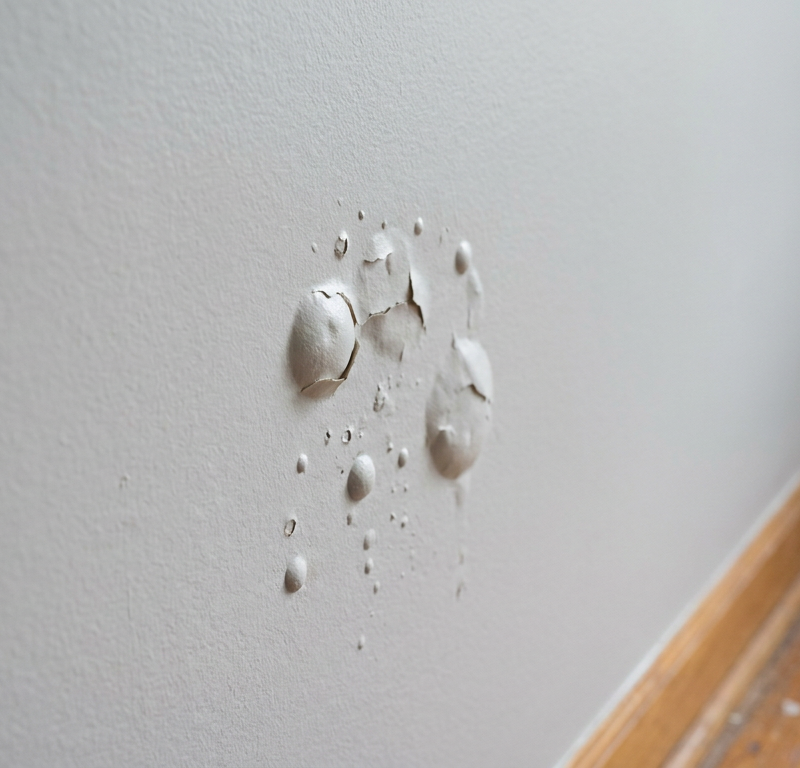
- Cracked or blistered paint
- Exposed wood
- Water damage
- Large sections of failing caulk
- Multiple previous paint layers separating
- Paint older than 8–12 years
A complete repaint provides a uniform appearance while protecting your home from moisture, UV damage, and rot.
Signs It's Time to Repaint Your Home
- Peeling or flaking paint
- Bubbling or blistering
- Cracked caulking
- Faded colors
- Chalky residue on the surface
- Mold or mildew stains
- Exposed wood
- Soft or rotting trim
- Water stains
- Cracks around windows and doors
Ignoring these issues lets moisture get behind the paint, which turns a painting project into a carpentry project.
Ways to Save Money on Exterior Painting
Get multiple estimates
Request quotes from at least three licensed painting contractors and compare paint brands, number of coats, surface preparation, warranty, cleanup, and reviews. The cheapest estimate is rarely the best value.
Invest in high-quality paint
Premium paints cost more initially but often last several years longer, delivering better coverage, longer color retention, greater weather resistance, and fewer repaints.
Schedule during the off-season
Contractors may offer lower pricing during slower seasons such as late fall or early spring, depending on your climate. Off-season booking can also improve scheduling flexibility.
Complete repairs before painting
Fixing rotten wood, damaged siding, loose trim, and cracked caulk before painting prevents future paint failure and protects your investment.
Return on Investment
Exterior painting consistently ranks among the highest-return home improvement projects:
- Increased curb appeal
- Higher resale value
- Better first impressions
- Protection against weather damage
- Extended siding lifespan
- Improved energy efficiency when reflective products are used
Choosing the Right Painting Contractor
Look for a contractor who:
- Is licensed and insured
- Has excellent customer reviews
- Provides detailed written estimates
- Uses premium paint products
- Includes thorough surface preparation
- Offers workmanship warranties
- Protects landscaping and property
- Performs a final walkthrough before completion
Expert Tips Before Painting Your Home
- Get at least three written estimates from licensed painting contractors.
- Verify insurance, licensing, and online reviews.
- Ask which paint brands and products will be used.
- Confirm that pressure washing, scraping, caulking, and priming are included in the estimate.
- Choose colors that complement your roof, landscaping, and neighborhood.
- Schedule during mild weather for the best paint adhesion.
- Invest in premium paint to extend the life of the job.
Final Thoughts
Painting your home's exterior is one of the most effective ways to protect your investment while dramatically improving curb appeal. With proper preparation, quality materials, and professional workmanship, a new exterior paint job can provide years of protection while making your home look its absolute best.
Related Guides
Estimate your own project cost
National averages are a starting point. Enter your details for a range that fits your house.
Interior paint estimator
- Paint$96
- Supplies (tape, rollers, drop cloth)$35
- Estimated total (DIY)$131
Hiring a pro? Add roughly $1.50–$4.00/sq ft for labor depending on prep work and trim detail.
Educational estimate only — always confirm with written local bids.
Questions to ask before you sign
Ask every contractor the same questions and the cheapest bid stops looking cheapest. Check them off as you go — your progress is saved on this device.
Free, no signup. Bring this to every walkthrough so you compare bids on the same terms.
What should this project cost?
Enter your project details for a realistic cost range before you call anyone.
Panel repairs commonly $400–$1,500; whole-home siding replacement $10,000–$24,000.
- Regional adjustment
- National average
- Labor share (typical)
- ~$3,893
- Quotes to collect
- 3 written estimates
Educational estimate based on national averages — not a binding quote. Always confirm with written local estimates.
Check these numbers against your project
National averages are a starting point. These tools narrow it to your scope and ZIP.
Free, no signup required. Estimates are educational guidance, not a quote or an inspection.
Recommended for DIYers & woodworkers
Sponsored
The Top 20 Tools for Workshops of Any Budget
No stationary machines or power tools required — plus 3 fundamental tools that can't be bought at any price.
Get the free guide
Ted's Woodworking — The #1 Woodworking Resource
Detailed instructions, dimensioned drawings, materials & cutting lists, and 3D schematics for every skill level.
See the plansSponsored: links above are affiliate links. FixlyGuide may earn a commission on qualifying purchases — at no extra cost to you.
Frequently asked questions
How much does it cost to paint the exterior of a house in 2026?+
The average homeowner spends between $3,500 and $12,000, with a national average around $6,800. Cost depends on home size, number of stories, siding material, prep work, paint quality, trim detail, and local labor rates. Large homes or homes needing extensive repairs can cost $18,000 or more.
How often should you repaint your home's exterior?+
Wood siding every 5–10 years, stucco every 7–10 years, fiber cement every 10–15 years, painted vinyl every 10–15 years, and painted brick every 15–20 years. Regular inspections catch peeling, cracking, or fading before major damage occurs.
What is the best exterior paint?+
High-quality acrylic latex paint is the best option for most homes thanks to its durability, UV resistance, moisture protection, color retention, and flexibility. Premium products cost more upfront but often last several years longer.
Does exterior painting increase home value?+
Yes. A professionally painted exterior improves curb appeal, raises perceived value, protects against weather, increases buyer interest, and often helps homes sell faster — one of the best returns among cosmetic improvements.
Can I paint my house myself?+
Many homeowners successfully paint smaller single-story homes. Larger and multi-story projects usually require specialized equipment and experience. Professionals bring proper prep, spray and brush technique, safe ladder and scaffold use, and even coverage.
How much of the cost is labor?+
Labor generally accounts for 60–70% of the project total, or roughly $2,500–$8,000. Height, prep work, multiple colors, detailed trim, and access difficulty all push labor higher.
How much does surface prep cost?+
Prep typically runs $500–$4,000 and includes pressure washing, scraping, sanding, caulking, wood repair, and priming. Homes with peeling paint or rot need more prep, which raises the total.
Discussion
Loading comments…