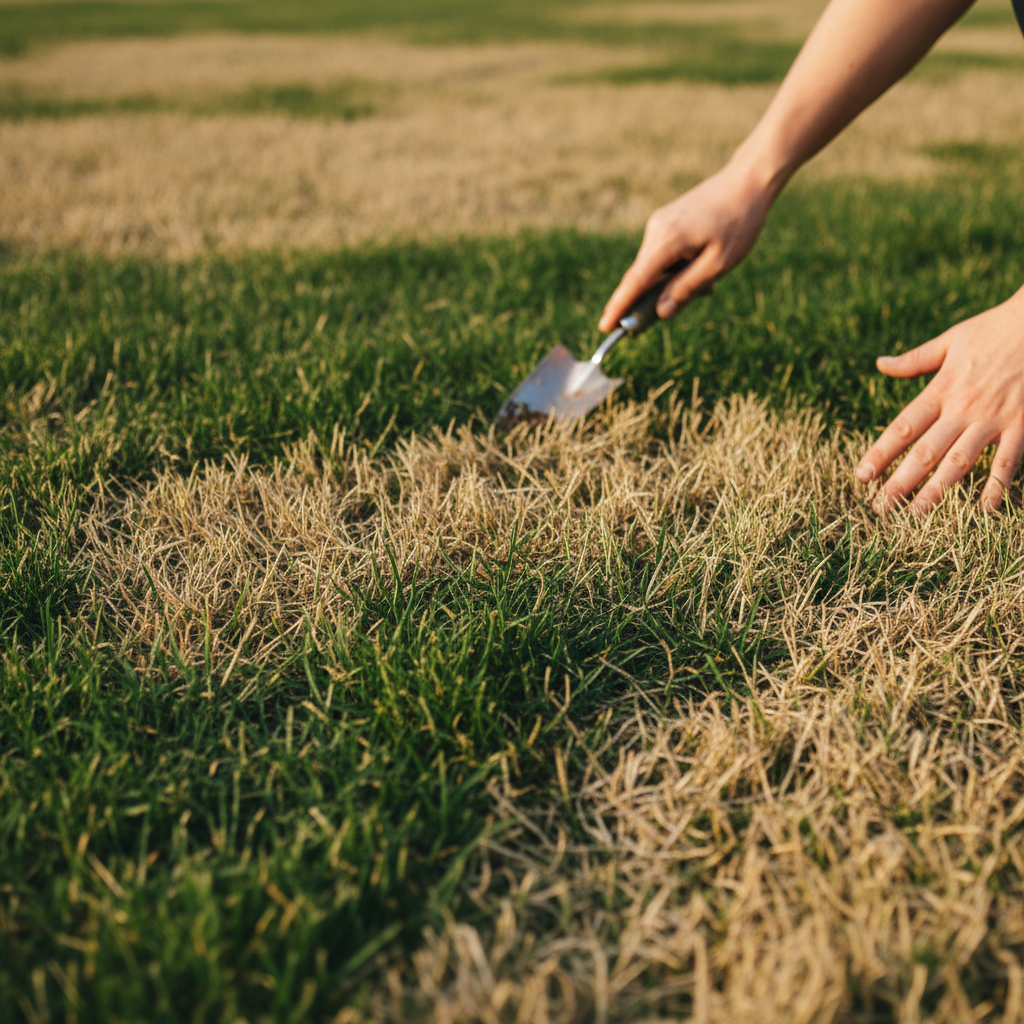
- How to check: Purchase a home soil test kit from a garden center or send a sample to your local university extension office. These kits will tell you your soil's pH and levels of nitrogen (N), phosphorus (P), and potassium (K).
- Amendments: Based on the test results, apply the recommended amendments. If pH is off, you might need lime (to raise pH) or sulfur (to lower pH). If a specific nutrient is low, use a targeted fertilizer. Follow application rates precisely.
- Safety Note: Always wear gloves and eye protection when handling fertilizers or soil amendments. Read and follow all product instructions carefully.
Landscaping · Deck or fence project
| Project category | Landscaping |
|---|---|
| Problem type | Deck or fence project |
| Trade required | Landscaping |
| Urgency | Planned project |
| Safety risk | Moderate safety risk |
| DIY suitability | DIY for experienced homeowners |
| Cost category | High cost |
| Typical timeline | Most builds 3–10 days depending on size |
| Contractor type | Landscaping contractor |
Repair option
Replace failed boards, posts, and hardware; reseal the surface.
Replacement option
Rebuild when framing or the ledger connection is unsafe.
Common causes
- Rot at posts and ledger
- Storm damage
- Adding outdoor living space
Relevant tools:home improvement material pricesproject cost estimator
Published May 25, 2026Last updated August 18, 2026
Tools & materials you'll need
Affiliate links- AmazonTuna cans or rain gauges3-5 · For measuring sprinkler output at home
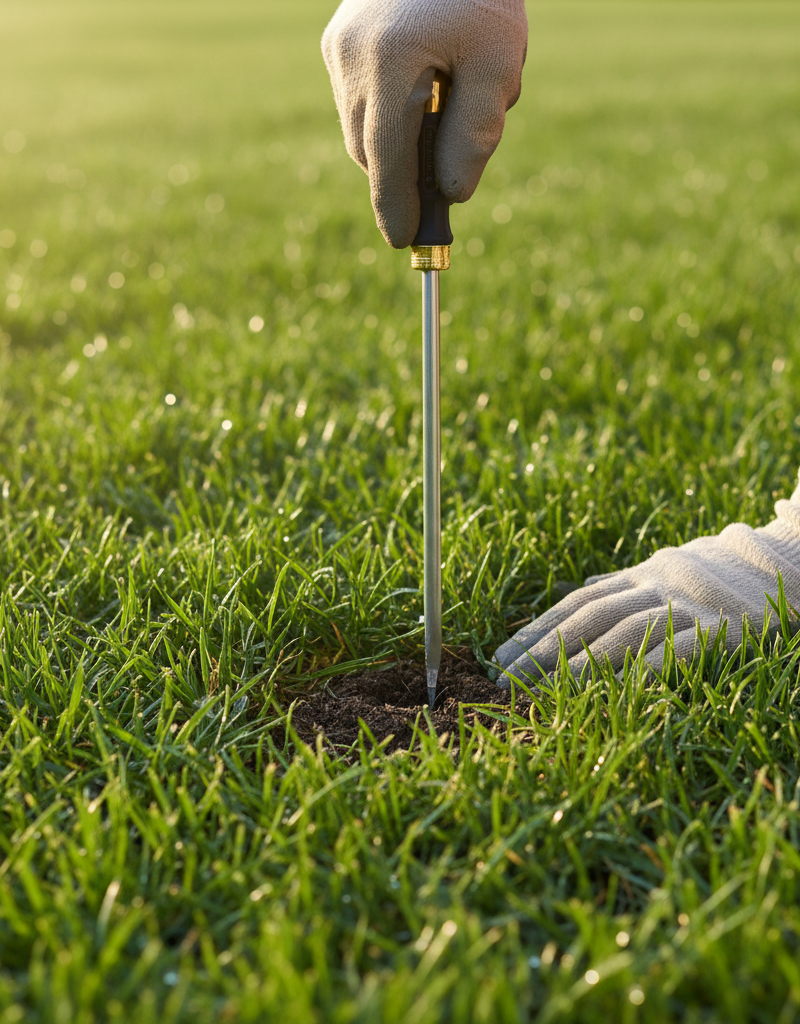
- AmazonLong screwdriver or soil probeFor checking soil compaction
- AmazonManual core aeratorAlternatively, rent a powered aerator for larger areas
- AmazonGarden rakeFor preparing seed beds
- AmazonHand spreaderOptional, for even seed distribution
As an Amazon Associate FixlyGuide earns from qualifying purchases — at no extra cost to you. Prices and availability are accurate as of publication and subject to change.
Quick Answer
Patchy grass in your lawn is a common and frustrating problem for homeowners, often stemming from a surprisingly simple issue: inadequate or improper watering. Beyond this primary culprit, compacted soil, nutrient deficiencies, pest activity, and fungal diseases can also contribute to those unsightly bare spots. The good news is that most cases of patchy grass can be resolved with a combination of improved watering practices, soil amendments, and strategic overseeding.
The Problem
Those brown or thinning patches in your otherwise green lawn aren't just an aesthetic annoyance; they're a clear signal that something in your lawn's environment is out of balance. Homeowners often jump to expensive solutions or harsh chemicals when the root cause is frequently a fundamental misunderstanding of grass biology and its basic needs. Ignoring these early warning signs can lead to larger areas of turf damage, making remediation more complex and costly down the line. Understanding why these patches form is the first step toward a lush, uniform lawn.
How It Works
To understand patchy grass, you need to understand how a lawn thrives. Grass, like any plant, needs sunlight, water, and nutrients to perform photosynthesis and grow strong roots. Its roots are typically only 2-6 inches deep in a healthy lawn. When any of these vital elements are inconsistently supplied, grass plants become stressed.
Watering: When you water your lawn, the goal is to penetrate the top 4-6 inches of soil. This encourages deeper root growth, making the grass more resilient. If you water too lightly and too frequently, only the surface gets wet. Roots stay shallow, making them vulnerable to drying out during hot spells or missed watering sessions. Conversely, infrequent, deep watering encourages roots to chase moisture downwards, creating a robust root system. Patchy areas often occur where water distribution is uneven due to sprinkler patterns, sloped terrain, or compacted soil preventing absorption.
Soil Compaction: Healthy soil is about 50% solid particles, 25% water, and 25% air. This air allows roots to breathe and water to penetrate. Heavy foot traffic, equipment use, or construction debris can compact the soil, squeezing out that vital air and making the soil hard. When compacted, water can't penetrate, and oxygen can't reach the roots. Grass literally suffocates and dehydrates in these areas.
Nutrients: Grass needs nitrogen for leaf growth, phosphorus for root development, and potassium for overall plant health and disease resistance. An imbalance or deficiency means grass can't grow properly, leading to weak spots susceptible to disease and thinning.
Pests & Diseases: Grubs, cinch bugs, armyworms, and fungal diseases like brown patch or dollar spot thrive under specific conditions, often exacerbated by environmental stress. These can rapidly destroy patches of grass. Grubs, for instance, feast on grass roots, causing large areas to lift like a carpet.
When a specific area routinely receives less water, has more compacted soil, or is under attack from pests, the grass in that patch weakens, turns yellow or brown, and eventually dies, leaving a bare spot. Addressing patchy grass is about identifying which of these fundamental needs are not being met in the affected areas.
Step-by-Step Fix
Here's how to diagnose and fix the most common causes of patchy grass:
Step 1: Assess Your Watering Pattern – The #1 culprit for patchy grass is almost always inconsistent or insufficient watering. Before doing anything else, truly evaluate your watering habits.
- How to check: Place several tuna cans or rain gauges across different areas of your lawn. Run your sprinklers for 30 minutes. Measure the water collected in each can. Areas with significantly less water are likely the ones struggling. Also, use a screwdriver to probe the soil. If it's hard to push in more than 2-3 inches, your soil isn't getting enough water penetration.
- Goal: Your lawn needs 1–1.5 inches of water per week, including rainfall. It's better to water deeply and infrequently (e.g., 30–60 minutes 2-3 times a week) than lightly and frequently. Deep watering encourages deeper root growth.
- If this doesn't work: Consider a professional irrigation audit to ensure proper sprinkler head placement and pressure.
Step 2: Probe for Soil Compaction – Compacted soil suffocates grass roots and prevents water and nutrients from penetrating.
- How to check: Take a long screwdriver or a soil probe. Try to push it into several patchy areas and a healthy area of your lawn. If it's much harder to push into the patchy areas, compaction is a problem. You might also notice standing water after rain or irrigation that doesn't quickly soak in.
- Aeration: For small patches, you can use a manual core aerator. For larger areas, consider renting a powered core aerator from a local hardware store. Aerating pulls small plugs of soil, creating channels for air, water, and nutrients. Do this in the spring or early fall when the grass is actively growing.
- Tool Tip: A manual core aerator looks like two hollow tubes that you step on to push into the ground.
Step 3: Test Your Soil for Nutrient Deficiencies – Just like us, grass needs proper nutrition.
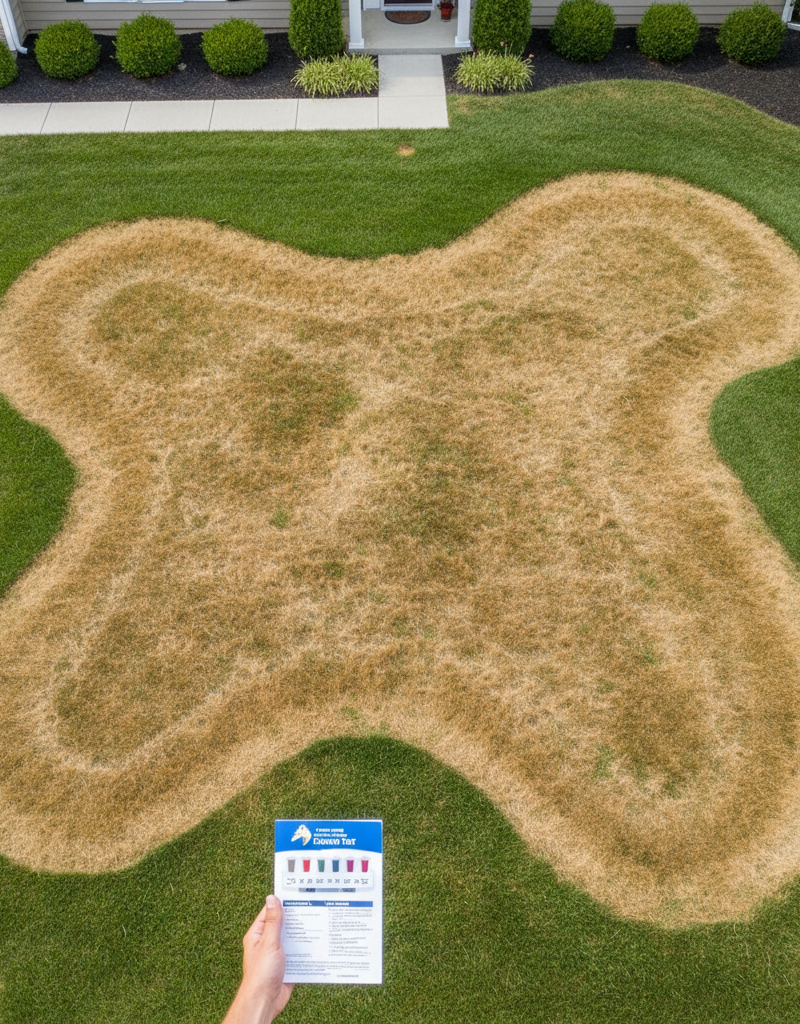
- How to check: Purchase a home soil test kit from a garden center or send a sample to your local university extension office. These kits will tell you your soil's pH and levels of nitrogen (N), phosphorus (P), and potassium (K).
- Amendments: Based on the test results, apply the recommended amendments. If pH is off, you might need lime (to raise pH) or sulfur (to lower pH). If a specific nutrient is low, use a targeted fertilizer. Follow application rates precisely.
- Safety Note: Always wear gloves and eye protection when handling fertilizers or soil amendments. Read and follow all product instructions carefully.
Step 4: Inspect for Pests or Diseases – Sometimes, critters or fungi are the culprits.
- How to check:
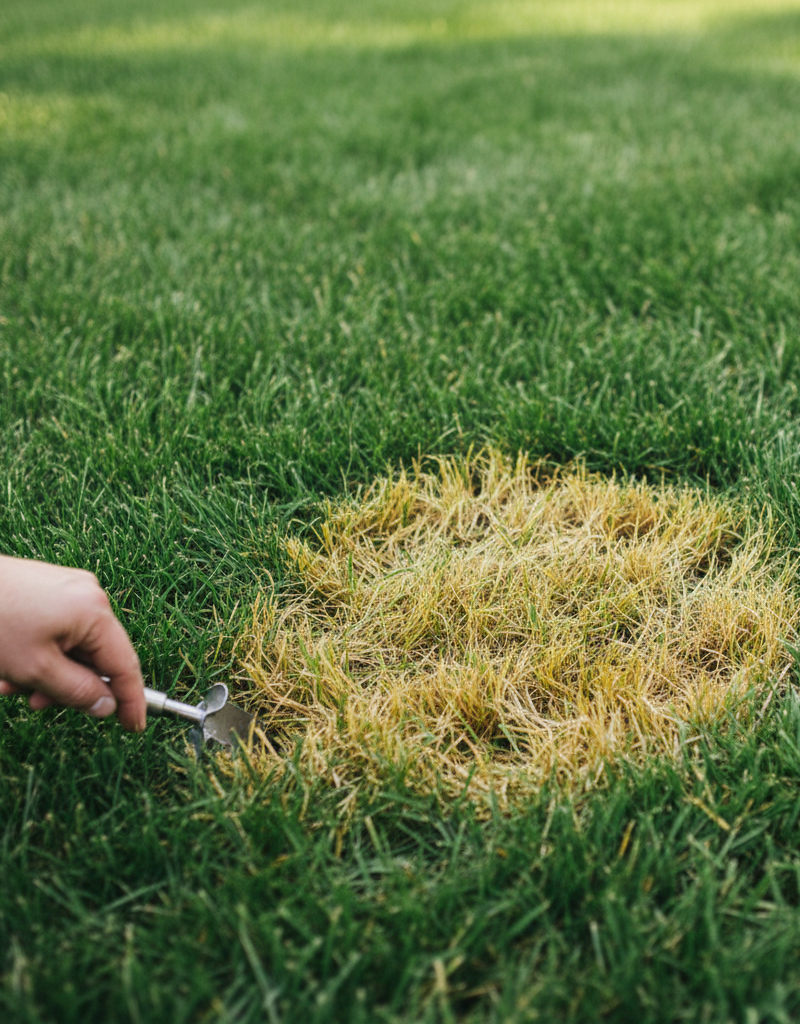
- Grubs: In a patchy area, peel back a section of turf like a carpet. If you see C-shaped white grubs (larvae), they're feeding on your roots. More than 5-10 grubs per square foot is problematic.
- Other Insects: Look for tiny, fast-moving insects like cinch bugs near the soil surface on hot, sunny days. Brown patches with irregular shapes can indicate armyworms or cutworms.
- Fungal Diseases: Discolored spots with distinct rings, fuzzy growth, or grass blades that look water-soaked might indicate fungal issues. These often appear during periods of high humidity or overly wet conditions.
- Treatment: For grubs, use a granular grub killer specifically labeled for your grass type. For other insects, an appropriate insecticide may be necessary. For fungal diseases, fungicides can control outbreaks, but improving air circulation and watering practices is key to prevention.
- Pro Tip: Misdiagnosing pests or diseases can lead to ineffective treatments. If unsure, take a sample of affected grass (with some soil) to a local nursery or extension office for identification.
Step 5: Overseed or Reseed Bare Patches – Once you've addressed the underlying issue, it's time to bring back the green.
- Preparation: Lightly rake the bare patches to loosen the top layer of soil, removing any dead grass or debris. This provides good seed-to-soil contact.
- Seed Selection: Choose a grass seed variety that matches your existing lawn and is suitable for your climate and sun exposure (e.g., Bermuda grass for hot full sun, fescue for shade).
- Application: Spread the grass seed evenly over the prepared patches. A hand spreader can help ensure even distribution. For very small areas, you can sprinkle by hand.
- Cover & Water: Lightly cover the seeds with a thin layer (1/8 to 1/4 inch) of topsoil or peat moss. This protects seeds from birds and helps retain moisture. Water these areas lightly but frequently (2-3 times a day) until the seeds germinate and the new grass is established (usually 2-4 weeks). Keep the soil consistently moist, but not waterlogged.
Step 6: Top Dressing for Soil Health – Improve overall soil structure and nutrient retention.
- Application: After aerating or overseeding, consider applying a thin layer (1/4 to 1/2 inch) of compost or a rich top-dressing mix over your entire lawn or just the patchy areas.
- Benefits: This adds organic matter, improves soil structure, enhances water retention, and provides a slow release of nutrients, creating a healthier environment for grass roots.
Common Causes
- Inconsistent or Insufficient Watering: The primary reason. Either not enough water, or watering too lightly, leading to shallow roots that easily dry out. Uneven sprinkler coverage is a frequent factor.
- Soil Compaction: Heavy foot traffic, equipment, or underlying construction debris can compact soil, reducing air and water penetration to roots.
- Nutrient Deficiencies: Lack of essential nutrients like nitrogen, phosphorus, or potassium, often due to improper fertilization or poor soil quality.
- Pests: Grubs (larvae of beetles) eating grass roots, or surface-feeding insects like cinch bugs or armyworms.
- Diseases: Fungal infections like brown patch, dollar spot, or rust, often triggered by humidity, overwatering, or specific environmental conditions.
- Pet Urine: High nitrogen content in dog urine can burn grass, creating distinct brown spots with a dark green ring around them.
- Chemical Spills: Gasoline, oil, herbicides, or even excessive fertilizer application in one spot can kill grass.
- Tree/Shrub Root Competition: Mature trees or large shrubs can aggressively compete with grass for water and nutrients, especially under their canopy.
- Dull Mower Blades: Ripping grass blades instead of cleanly cutting them can stress the grass, making it susceptible to disease and browning.
Common Mistakes
- Watering Too Frequently and Lightly: This leads to shallow root systems, making your lawn less drought-tolerant and more susceptible to stress. Instead, water deeply (1-1.5 inches) and infrequently (2-3 times a week).
- Ignoring Soil Testing: Guessing at what your soil needs can lead to over or under-fertilization, or applying the wrong amendments, exacerbating the problem. Always perform a soil test first.
- Fertilizing Without Knowing the Cause: Applying more fertilizer to brown patches won't help if the issue is grubs, compaction, or a disease. In some cases, it can even worsen fungal problems.
- Mowing Too Short: Scalping your lawn stresses the grass, reduces its ability to photosynthesize, and makes it more vulnerable to weeds and disease. Never remove more than one-third of the blade height in a single mowing.
- Not Raking Before Overseeding: Simply throwing seeds on top of compacted soil or thatch won't work. Seeds need good seed-to-soil contact to germinate successfully.
- Overlooking the Sprinkler System: Assuming your sprinklers cover uniformly can be a costly mistake. Always check coverage, especially after installing new heads or making adjustments.
Cost & Time Breakdown
| Task | DIY Cost | Pro Cost | Time |
|---|---|---|---|
| Soil Test Kit | $15–$30 | N/A | 15 mins (sending) |
| Manual Aerator | $30–$60 | N/A | 30–60 mins/patch |
| Core Aerator Rental | $70–$120/day | $200–$400 (service) | 1–3 hours |
| Grass Seed (5 lbs) | $20–$50 | Included in service | 15–30 mins |
| Topsoil/Compost (1 cu ft) | $5–$15 | Included in service | 10–20 mins/patch |
| Fertilizer/Amendments | $30–$70 | Included in service | 20–40 mins |
| Pest/Fungus Treatment | $25–$80 | $150–$300 (service) | 15–30 mins |
Tips & Prevention
- Deep, Infrequent Watering: Train your lawn to grow deep roots by watering 2-3 times a week for 30-60 minutes each time, aiming for 1-1.5 inches of water weekly. Water in the early morning to minimize evaporation and disease risk.
- Regular Soil Analysis: Test your soil every 2-3 years to maintain optimal pH and nutrient levels, preventing deficiencies before they start.
- Proper Mowing Height: Mow at the highest recommended height for your grass type (usually 2.5-3.5 inches). Taller grass shades the soil, reducing water evaporation and suppressing weeds.
- Sharpen Mower Blades Annually: Dull blades tear grass, leaving ragged edges that are more susceptible to disease and browning. A clean cut promotes healthier grass.
- Aerate Annually or Biennially: Especially in high-traffic areas or if you have clay soil, annual aeration helps prevent compaction and maintain healthy root growth.
- Overseed Annually (Optional but Recommended): In the fall, spread grass seed over your entire lawn to thicken turf and fill in minor bare spots before they become a major problem. This also helps introduce newer, more disease-resistant grass varieties.
When to Call a Professional
While many patchy grass issues are DIY-friendly, certain situations warrant calling a licensed lawn care professional. If you've tried the above steps and the problem persists or worsens, or if large areas of your lawn are rapidly dying, a professional diagnosis is crucial. They have access to specialized equipment for comprehensive soil analysis, can accurately identify obscure pests or complex fungal diseases, and can apply commercial-grade treatments safely and effectively. Additionally, if your entire lawn shows signs of severe distress, or if you suspect issues with your irrigation system's main components or pressure, a professional can provide the expertise needed to restore your lawn without costly trial-and-error.
Related Articles
Keep troubleshooting with these hand-picked guides from FixlyGuide:
- The #1 Summer Lawn Mistake Turning Your Grass Yellow (It's Not Overwatering) — Discover the most common, often overlooked reason your summer lawn is turning yellow despite your best efforts, and learn how to fix it.
- The 3 Hidden Reasons Your Tree Leaves Turn Brown (and the Easy Fixes) — Discover the often-overlooked environmental stressors and specific diseases that cause tree leaves to brown, and learn simple, actionable s…
- Why Are Your Tree's Leaves Turning Brown? 5 Hidden Culprits You Might Be Missing — Brown leaves on your tree can signal anything from simple thirst to a serious disease, but pinpointing the exact cause is crucial for savin…
- The #1 Mistake Killing Your Tree's Leaves (It's Not Pests) — Discover why your tree's leaves are turning brown and how to reliably diagnose and solve the most common causes of tree leaf discoloration.
- The #1 Mistake Killing Your Lawn's Grass (and How to Fix Patchy Spots) — Discover the most common reason for patchy grass and learn how to revive your lawn with targeted, easy-to-follow steps.
- The 4-Hour — Transform your garden into a self-sufficient oasis with smart strategies for watering, weeding, and pest control, minimizing your effort.
Should you do this yourself?
Answer five quick questions before you start. Safety outranks savings every time.
Your experience with work like this
How high do you have to work?
Does the job involve any of these?
Will it need a permit?
Specialty tools
Free and instant. Educational guidance only — not a quote, inspection, or professional diagnosis.
What should this project cost?
Enter your project details for a realistic cost range before you call anyone.
Cost depends heavily on which system turns out to be the source.
- Regional adjustment
- National average
- Labor share (typical)
- ~$1,620
- Quotes to collect
- 3 written estimates
Educational estimate based on national averages — not a binding quote. Always confirm with written local estimates.
Frequently asked questions
How long does it take to fix patchy grass?+
Once you've addressed the underlying cause (like watering issues or soil compaction), new grass seed typically germinates in 7-21 days. It can take 4-8 weeks for new grass to become established and blend seamlessly with the existing lawn, depending on the grass type and growing conditions.
Can I just put down more seed on bare patches?+
While overseeding is a key step, simply scattering seeds without addressing the root cause (e.g., poor watering, compacted soil, pests) is often ineffective. Prepare the soil by raking, loosen any compacted areas, and ensure consistent moisture for successful germination.
What time of year is best to fix patchy grass?+
The ideal time to seed or overseed is typically late summer to early fall (mid-August to mid-October for most regions). The soil is still warm enough for germination, cooler air temperatures are favorable, and there's less competition from weeds. Spring can also work, but summer heat can stress new growth.
Discussion
Loading comments…