- Perform a Soil Probe Test – Check for Compaction and Thatch
- If thatch is over 1/2 inch: You'll need to dethatch your lawn. This is best done in cooler weather, typically early spring or early fall. Use a rake for small areas or rent a power dethatcher for larger lawns.
- If soil is compacted: Aerate your lawn. Core aeration pulls small plugs of soil, relieving compaction and improving water and nutrient penetration. Do this in spring or fall when the grass is actively growing.
Landscaping · Deck or fence project
| Project category | Landscaping |
|---|---|
| Problem type | Deck or fence project |
| Trade required | Landscaping |
| Urgency | Planned project |
| Safety risk | Moderate safety risk |
| DIY suitability | DIY for experienced homeowners |
| Cost category | High cost |
| Typical timeline | Most builds 3–10 days depending on size |
| Contractor type | Landscaping contractor |
Repair option
Replace failed boards, posts, and hardware; reseal the surface.
Replacement option
Rebuild when framing or the ledger connection is unsafe.
Common causes
- Rot at posts and ledger
- Storm damage
- Adding outdoor living space
Relevant tools:home improvement material pricesproject cost estimator
Published May 25, 2026Last updated August 18, 2026
Tools & materials you'll need
Affiliate links- AmazonSoil probe or long screwdriverFor checking soil compaction and moisture depth
- AmazonTuna cans or rain gaugesFor measuring sprinkler output
- AmazonShovelFor taking soil plugs for inspection
- AmazonCore aerator1 · Rentable for relieving compaction
- AmazonDethatching rake or power dethatcher1 · Rentable for removing excessive thatch
- AmazonBroadcast spreaderFor applying granular amendments or treatments
- AmazonMower with sharp bladesFor correct mowing height
As an Amazon Associate FixlyGuide earns from qualifying purchases — at no extra cost to you. Prices and availability are accurate as of publication and subject to change.
Quick Answer
Brown spots appearing shortly after watering often indicate an underlying issue with turf stress, ranging from compacted soil and improper mowing height to fungal diseases or pest infestations. The water itself isn't the direct cause, but rather it highlights or exacerbates existing problems, making them visible. Addressing the true root cause, such as aerating, adjusting watering depth, or applying fungicides, is crucial for recovery.
The Problem
You've just finished watering, expecting a vibrant, hydrated lawn, only to find new or intensified brown patches appearing. This frustrating phenomenon leads many homeowners to believe they're overwatering or that the water itself is somehow damaging their grass. However, the reality is more nuanced. Your lawn isn't turning brown because you watered it; instead, watering is making an existing problem more evident or, in some cases, indirectly contributing to conditions that promote browning. This issue can range from localized dry spots and soil compaction to nutrient deficiencies, fungal infections, or even insect damage that becomes more apparent when the surrounding healthy grass temporarily darkens from moisture.
The key is to understand that water is an essential nutrient. If applying water reveals brown spots, it's a diagnostic clue, not the culprit. The problem lies with the lawn's inability to properly absorb, distribute, or retain that water, or with an underlying stress factor that watering temporarily unmasks. Ignoring these brown spots can lead to larger areas of turf decline, making a once-minor issue a significant challenge for your lawn's health and appearance.
How It Works
To understand why your lawn browns after watering, it's helpful to grasp how healthy turf interacts with water and soil. Grass roots need oxygen, nutrients, and water to thrive. Water is absorbed through the roots and transported up the plant, hydrating cells and facilitating photosynthesis. The soil quality plays a critical role in this process. Loamy soil, with a good balance of sand, silt, and clay, allows for proper drainage while retaining adequate moisture. It also provides essential air pockets for root respiration.
When soil is compacted, these air pockets are crushed, reducing oxygen availability and hindering water penetration. Instead of soaking in evenly, water may pool on the surface, run off, or penetrate only shallowly, leading to dry pockets even after watering. Similarly, a thick layer of thatch – accumulated dead organic material between the grass blades and the soil surface – can prevent water from reaching the soil altogether, acting as a barrier.
Fungal diseases, often exacerbated by moisture (either too much or too little, depending on the specific fungus), can weaken grass from the inside out. When water is applied, these weakened areas, lacking the internal structure to remain turgid, may collapse or turn brown more rapidly than healthy grass. Pests like grubs feed on roots, undermining the grass's ability to absorb water, making those areas highly visible when the rest of the lawn benefits from watering. The contrast between stressed, dying patches and hydrated, green areas becomes stark after irrigation, creating the illusion that watering caused the browning. In reality, watering simply highlights the areas already in distress or poor health.
Step-by-Step Fix
Here’s how to diagnose and address brown spots that appear after watering:
-
Inspect the Brown Spots Up Close – Size, Shape, and Pattern are Clues
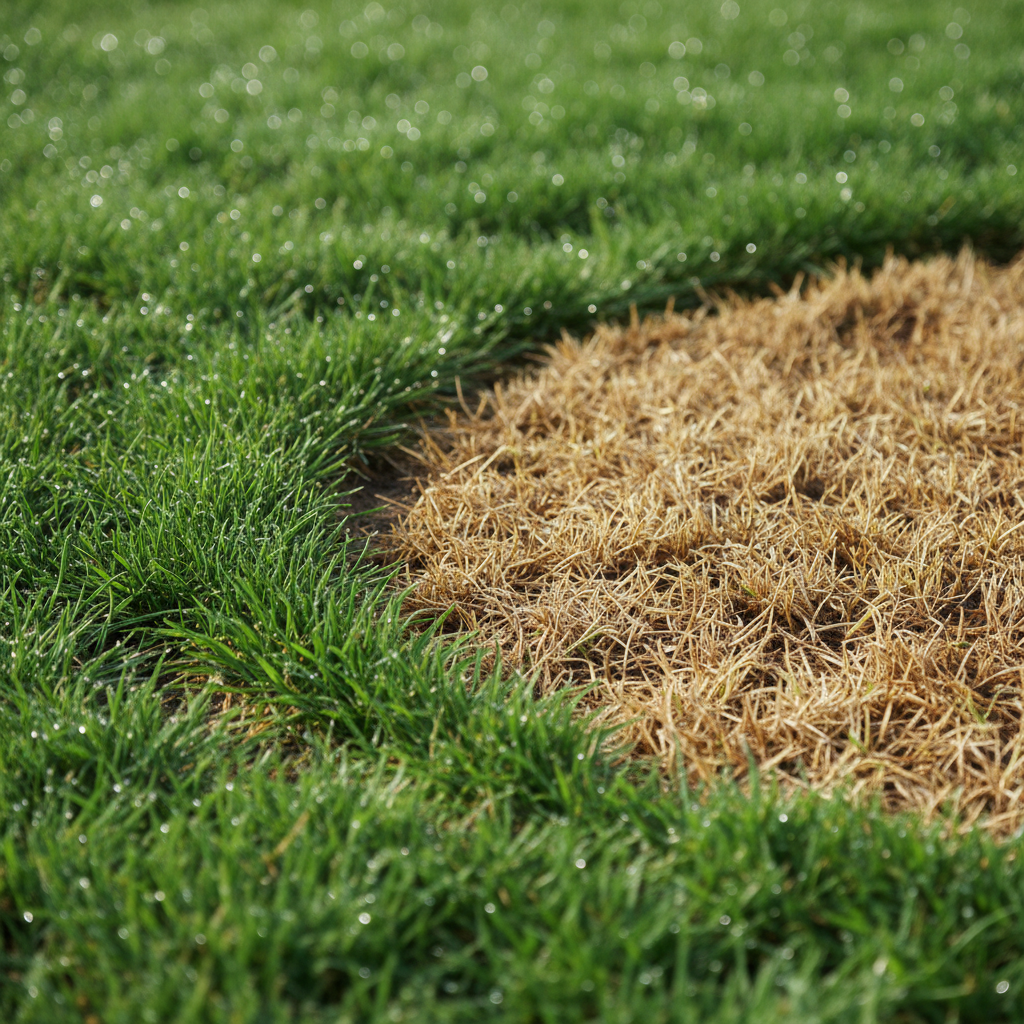
- Examine the size, shape, and distribution of the brown areas. Are they irregular patches, circular spots, streaky lines, or uniform browning? Small, irregular brown spots often point to localized dry spots or minor compaction. Circular patterns might suggest fungal diseases like dollar spot or brown patch. Streaky lines could indicate uneven sprinkler coverage.
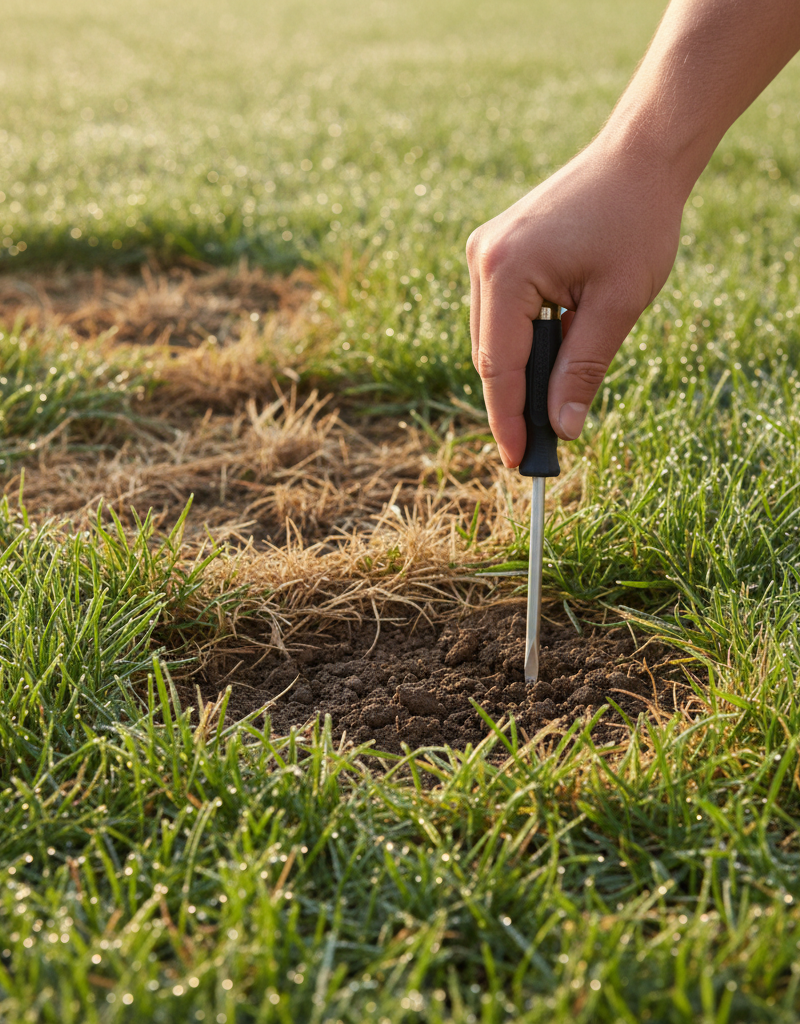
- If the spots are small and isolated: Push a screwdriver into the soil. If it's hard to penetrate, compaction is likely. If it goes in easily but the soil is bone dry, it's a localized dry spot. If it's soggy, overwatering in that specific spot is possible.
-
Perform a Soil Probe Test – Check for Compaction and Thatch
- Use a soil probe or a shovel to remove a 6-inch plug of turf from a brown area and a healthy area. Compare the two. A healthy plug should show grass roots extending several inches deep, with distinct soil particles and some air pockets. A plug from a brown spot might reveal very shallow roots, dense, hard soil, or a thick layer of thatch (over 1/2 inch).
- If thatch is over 1/2 inch: You'll need to dethatch your lawn. This is best done in cooler weather, typically early spring or early fall. Use a rake for small areas or rent a power dethatcher for larger lawns.
- If soil is compacted: Aerate your lawn. Core aeration pulls small plugs of soil, relieving compaction and improving water and nutrient penetration. Do this in spring or fall when the grass is actively growing.
-
Evaluate Your Watering Practices – Depth, Frequency, and Time of Day
- Most lawns need 1–1.5 inches of water per week, applied in deep, infrequent sessions. Shallow, frequent watering encourages shallow root growth, making grass more susceptible to drought stress and disease.
- To check watering depth, place several tuna cans or rain gauges across your lawn while watering. Time how long it takes to collect 1 inch of water. This is your ideal watering duration.
- Water early in the morning (4 AM–9 AM) to minimize evaporation and allow grass blades to dry before nightfall, which helps prevent fungal diseases.
- If you're watering too shallowly/frequently: Adjust your sprinkler timer for longer, less frequent cycles. Aim for 1 inch of water per session, 1-2 times per week.
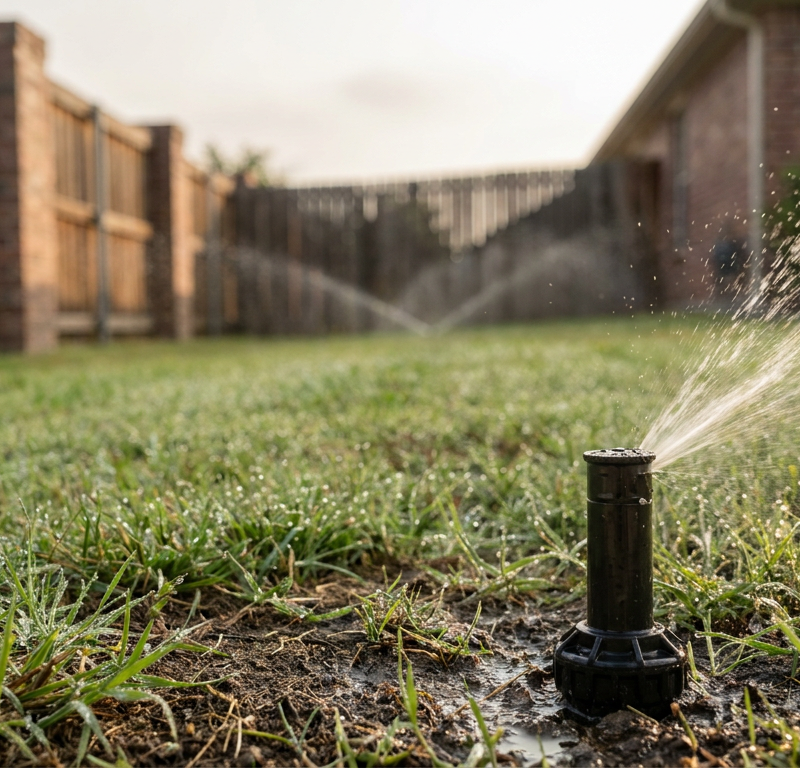
- If you're watering unevenly: Check sprinkler heads for clogs or misalignments. Adjust spray patterns and ensure overlap for uniform coverage.
-
Test Soil pH and Nutrients – The Foundation of Lawn Health
- Purchase a soil test kit from a garden center or send a sample to your local agricultural extension office. This will provide precise information on your soil’s pH and nutrient levels (nitrogen, phosphorus, potassium, etc.). Incorrect pH (too acidic or too alkaline) can prevent grass from absorbing available nutrients, leading to browning even when water is present.
- If pH is off: Amend your soil as recommended by the test results. For acidic soil, apply lime; for alkaline soil, apply sulfur. Follow package directions carefully.
- If nutrients are deficient: Apply a balanced fertilizer based on your soil test recommendations. Avoid over-fertilizing, especially with nitrogen, as this can 'burn' the grass.
-
Examine for Pests or Diseases – Look for the Signs
- Pests: Look for signs of insect activity. Grubs, for example, cause grass to lift like a carpet and you'll often see them if you pull back a brown patch of turf. Chinch bugs cause irregular yellow or brown patches, often along driveways or sidewalks, and can be seen at the base of grass blades. Billbugs leave sawdust-like frass.
- If grubs are suspected: Dig up a small section of turf in a brown area. If you find more than 5-10 grubs per square foot, consider an insecticide treatment. Apply in late summer/early fall for best control.
- For other pests: Identify the specific pest and apply an appropriate insecticide according to product instructions. Consider beneficial nematodes as a biological control.
- Diseases: Common fungal diseases like Brown Patch often start as small, irregular patches that expand to several feet in diameter, with a smoky gray border during humid conditions. Dollar Spot creates small, circular, straw-colored spots resembling silver dollars.
- If disease is suspected: Improve air circulation, reduce thatch, and adjust watering practices (early morning). Fungicides can be used, but correct cultural practices are often more effective long-term. Consult with a local extension office to confirm disease type and recommended treatment.
- Pests: Look for signs of insect activity. Grubs, for example, cause grass to lift like a carpet and you'll often see them if you pull back a brown patch of turf. Chinch bugs cause irregular yellow or brown patches, often along driveways or sidewalks, and can be seen at the base of grass blades. Billbugs leave sawdust-like frass.
-
Mow at the Correct Height – It Matters More Than You Think
- Mowing too short (scalping) stresses the grass, reduces its ability to photosynthesize, and makes it more vulnerable to drought and disease, leading to brown tips or patches. Most cool-season grasses should be mowed at 2.5–3.5 inches, and warm-season grasses often prefer 2–3 inches.
- If you're mowing too short: Raise your mower blade. Only remove one-third of the grass blade at a time to avoid stressing the lawn. Keep mower blades sharp.
Common Causes
- Localized Dry Spots (Hydrophobic Soil): Areas where the soil has become water-repellent (hydrophobic) due to fungal growth or organic matter breakdown. Water struggles to penetrate, leaving these spots dry even after irrigation.
- Soil Compaction: Heavy foot traffic, equipment, or even rainfall can compact soil, reducing air pockets and hindering water infiltration and root growth.
- Excessive Thatch: A thick layer of dead grass and organic debris that acts like a sponge, holding water near the surface and preventing it from reaching the soil and roots, or even repelling water completely when dry.
- Uneven Sprinkler Coverage: Malfunctioning, clogged, or poorly adjusted sprinkler heads can lead to some areas receiving too much water and others not enough, creating stressed dry patches.
- Fungal Diseases: Many lawn diseases thrive in specific moisture conditions (e.g., prolonged leaf wetness, drought stress). Watering can exacerbate their symptoms or make them more visible.
- Insect Pests: Grubs, chinch bugs, and other insects feed on grass roots or sap, damaging the plant's ability to absorb water and nutrients, leading to browning that watering can highlight.
- Nutrient Deficiencies/Imbalances: Lack of essential nutrients, or incorrect soil pH preventing nutrient uptake, can weaken grass and make it more susceptible to stress and browning.
- Mowing Too Short: Scalping the lawn removes too much of the grass blade, stressing the plant and leaving it vulnerable to environmental stressors and disease, often leading to rapid browning after slight drought conditions.
Common Mistakes
- Mistake #1: Assuming Brown = Needs More Water. While sometimes true, blindly increasing watering can worsen fungal diseases or compaction issues. Always diagnose the actual cause first.
- Mistake #2: Watering every day for short periods. This encourages shallow root growth, making your lawn weaker and more susceptible to drought and heat stress. Water deeply and infrequently instead.
- Mistake #3: Watering in the evening or at night. Prolonged leaf wetness creates an ideal environment for many fungal diseases to take hold. Water early in the morning so grass can dry before nightfall.
- Mistake #4: Ignoring soil testing or aerating. Without understanding your soil's pH and compaction levels, you're guessing at solutions. These fundamental steps are crucial for long-term lawn health.
- Mistake #5: Misidentifying the problem. Brown patch can look like grubs, and dry spots can mimic disease. A careful, systematic diagnosis (digging, probing, observing) is key before applying any treatment.
- Mistake #6: Over-fertilizing, especially with nitrogen. Too much fertilizer can 'burn' the grass, leading to browning that looks similar to drought stress. Always follow application rates and soil test results.
Cost & Time Breakdown
| Task | DIY Cost | Pro Cost | Time |
|---|---|---|---|
| Soil Probe/Inspection | $10–$30 | Included in Visit | 15–30 minutes |
| Soil Test Kit | $15–$50 | Included in Visit | 5–10 minutes |
| Aeration (Rent Machine) | $70–$120/day | $150–$350 | 2–4 hours (DIY) |
| Dethatching (Rent Machine) | $60–$100/day | $200–$400 | 2–5 hours (DIY) |
| Fungicide/Insecticide | $20–$70/bottle | $75–$150 per application | 30 minutes |
| Soil Amendments (Lime/Sulfur) | $15–$40/bag | Included in Service | 1–2 hours |
Tips & Prevention
- Deep and Infrequent Watering: Train your lawn's roots to grow deep by watering 1-1.5 inches per week, applied in one or two sessions. This makes the grass more resilient. Use a rain gauge to measure output.
- Mow High and Sharpen Blades: Maintain grass height at 2.5–3.5 inches. Taller grass shades the soil, reducing water evaporation and suppressing weeds. Sharpen mower blades monthly for a clean cut that prevents tearing and disease entry points.
- Regular Core Aeration: Aerate annually or biannually, especially if your soil is clay-heavy or experiences heavy traffic. Spring or early fall are ideal times to help water, air, and nutrients reach the root zone.
- Manage Thatch: Dethatch your lawn if the layer exceeds 1/2 inch. This allows water and nutrients to penetrate the soil and improves overall turf health. Do this in cooler weather when the grass is actively growing.
- Follow Soil Test Recommendations: Test your soil every 2-3 years. Adjust pH and nutrient levels as needed with appropriate amendments. Healthy soil is the foundation of a resilient lawn.
- Scout for Pests and Diseases: Regularly walk your lawn, looking for any unusual spots, discoloration, or insect activity. Early detection allows for easier and less damaging intervention.
- Ensure Proper Drainage: Identify and address any areas where water consistently pools. This could involve grading, installing French drains, or improving overall soil structure.
When to Call a Professional
If you've systematically worked through the diagnostic steps and applied appropriate DIY solutions for localized dry spots, compaction, or basic watering issues, but the brown spots persist or worsen, it's time to call a professional lawn care service or arborist. Persistent, expanding, or rapidly developing brown patches, especially those with unusual colors (e.g., grey, orange, or purple hues) or distinct patterns (rings, irregular blobs), often indicate a serious fungal disease or a widespread pest infestation that requires specialized knowledge and treatments. Professionals have access to advanced diagnostic tools, commercial-grade fungicides and insecticides, and can accurately identify specific pathogens or insects that might be difficult for a homeowner to distinguish. They can also provide comprehensive soil analysis and recommend solutions for severe drainage problems or widespread soil health issues that are beyond typical homeowner amendments. Don't hesitate to seek expert help if you suspect the problem is complex or if your efforts haven't yielded improvement after several weeks of consistent intervention.
Related Articles
Keep troubleshooting with these hand-picked guides from FixlyGuide:
- The #1 Mistake Turning Your Healthy Lawn Brown After Watering — Discover the hidden culprit behind brown spots appearing in your lawn immediately after watering and learn how to correct this common mista…
- The #1 Mistake That Leaves Brown Spots After Watering (It's Not Overwatering) — Uncover the surprising truth behind brown spots appearing in your lawn immediately after watering, and learn how to fix this common issue.
- The #1 Mistake Turning Your Healthy Lawn Brown After Watering — Discover the most common, overlooked reason your lawn develops brown spots right after you water it, and how to fix it with simple steps.
- The 3 Hidden Reasons Your Lawn Gets Brown Spots After Watering (It's Not What You Think) — Discover why brown spots appear in your lawn immediately after watering and learn the surprising, actionable fixes that restore a lush, gre…
- The #1 Mistake Homeowners Make Adjusting Sprinkler Heads (And How to Fix It) — Mistakes in adjusting sprinkler spray patterns can lead to uneven watering, brown spots, and wasted water. Learn how to accurately fine-tun…
- The $5 Secret to Preventing Ice Dams (and Why Your Neighbors Still Get Them) — Discover the surprising truth about ice dams and how a simple, inexpensive solution can protect your home from costly winter damage.
What should this project cost?
Enter your project details for a realistic cost range before you call anyone.
Cost depends heavily on which system turns out to be the source.
- Regional adjustment
- National average
- Labor share (typical)
- ~$1,620
- Quotes to collect
- 3 written estimates
Educational estimate based on national averages — not a binding quote. Always confirm with written local estimates.
Get the print-ready PDF of this guide
A clean, ad-free, printable version you can keep on your phone or pin to the workshop wall. Free with a FixlyGuide account.
- Print-optimized layout
- Tools, materials & every step included
- Saved to your account
Frequently asked questions
Why does my grass turn brown right after I water it?+
Your grass isn't turning brown *because* you water it, but rather watering highlights an existing underlying problem. This could be due to localized dry spots where water isn't penetrating, compacted soil, a thick layer of thatch preventing water absorption, or an underlying issue like fungal disease or pest damage that becomes more visible when surrounding healthy grass darkens with moisture.
Can overwatering cause brown spots on my lawn?+
Yes, indirectly. While the water itself doesn't directly brown the grass, overwatering can create conditions conducive to fungal diseases, which manifest as brown spots. It can also lead to shallow root systems, making the grass more susceptible to browning during periods of slight drought or heat stress once the overwatering stops.
How can I tell if my brown spots are due to disease or pests?+
Diagnosis is key. For diseases, look for distinct patterns (e.g., circular rings, irregular blobs), discolored margins, or fungal growth (like a smoky ring around brown patch). For pests like grubs, try pulling up a brown patch of turf; if it rolls up like a carpet and you see white C-shaped larvae, grubs are likely. Chinch bugs are tiny and found at the base of grass blades. A professional can provide definitive identification.
What's the best way to prevent brown spots after watering?+
Prevention involves good lawn care practices: watering deeply and infrequently (1-1.5 inches per week in 1-2 sessions), mowing at the correct height (2.5-3.5 inches), regular core aeration to relieve compaction, dethatching when needed, and testing your soil every few years to ensure proper pH and nutrient levels. Early morning watering is also crucial to allow grass to dry completely.
Discussion
Loading comments…