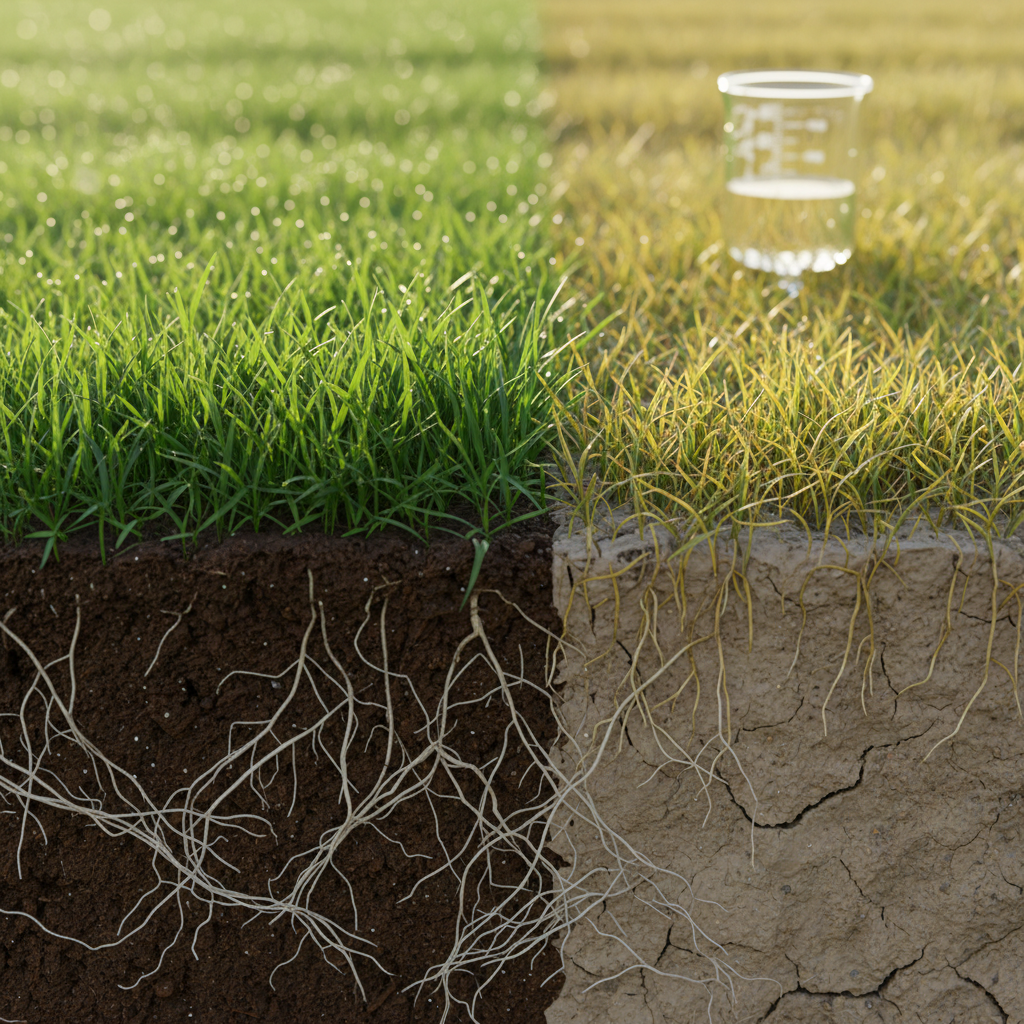
- Misunderstanding Root Development: The core issue is often a lack of understanding that grass roots will only grow as deep as their consistent water source. If water is always at the surface, roots stay shallow.
- Over-reliance on Automatic Timers: Setting an irrigation timer to run daily for short bursts without considering the actual water needs of the lawn or environmental conditions.
- Ignoring Soil Type: Different soils absorb and retain water differently. Watering sandy soil like clay soil (and vice versa) leads to either runoff or insufficient penetration.
- Lack of Observation: Not knowing the signs of a thirsty lawn, leading to watering when it's not needed or waiting too long.
Landscaping · Deck or fence project
| Project category | Landscaping |
|---|---|
| Problem type | Deck or fence project |
| Trade required | Landscaping |
| Urgency | Planned project |
| Safety risk | Moderate safety risk |
| DIY suitability | DIY for experienced homeowners |
| Cost category | High cost |
| Typical timeline | Most builds 3–10 days depending on size |
| Contractor type | Landscaping contractor |
Repair option
Replace failed boards, posts, and hardware; reseal the surface.
Replacement option
Rebuild when framing or the ledger connection is unsafe.
Common causes
- Rot at posts and ledger
- Storm damage
- Adding outdoor living space
Relevant tools:home improvement material pricesproject cost estimator
Published May 25, 2026Last updated August 17, 2026
Tools & materials you'll need
Affiliate links- AmazonEmpty tuna cans3-5 · As an alternative to a rain gauge
As an Amazon Associate FixlyGuide earns from qualifying purchases — at no extra cost to you. Prices and availability are accurate as of publication and subject to change.
Quick Answer
Many homeowners inadvertently harm their lawns by watering too frequently and too shallowly. This practice trains grass roots to stay near the surface, making them susceptible to stress from heat and drought. The key to a healthy, resilient lawn is deep and infrequent watering, delivering about 1 inch of water in a single session, typically once or twice a week, depending on your soil type, grass variety, and local climate conditions. This encourages roots to grow deeper, seeking moisture, which makes your lawn more robust.
The Problem
You've probably seen it: a lawn that looks vibrant one day, only to turn brown and stressed the next. Or perhaps patches of your lawn never seem to thrive, despite your best efforts. Often, the culprit isn't a lack of water, but an incorrect watering technique – specifically, overwatering or, more accurately, shallow watering. Many homeowners believe that giving their lawn a little bit of water every day is the best approach. After all, plants need water, right? While true, the way we deliver that water profoundly impacts the grass's root development and overall health. Frequent, shallow watering keeps only the top inch or two of soil moist. This signals to the grass roots that there's no need to grow deeper, because all the water they need is right at the surface. Over time, this leads to a lawn with a very shallow, weak root system. These superficial roots are extremely vulnerable. When temperatures rise, or a few days pass without rain, the topsoil quickly dries out, and these shallow roots have no deeper reserves to draw upon. The result is a lawn that stresses easily, struggles with drought, is more susceptible to disease and pests, and ultimately looks sparse and unhealthy.
Furthermore, consistently wet topsoil creates an ideal environment for fungal diseases to flourish. Root rot, brown patch, and dollar spot are just a few of the common lawn diseases that thrive in overly moist conditions. It's a vicious cycle: the lawn stresses, you water more, which exacerbates the problem, and slowly but surely, your lawn's health declines. Understanding why deep watering is crucial is the first step toward transforming your lawn into a lush, resilient landscape.
How It Works
To understand why deep, infrequent watering is superior, let's consider how grass and soil interact. Grass roots are constantly seeking moisture and nutrients. When water penetrates deeply into the soil, it encourages these roots to chase it, growing further down into the soil profile. A healthy lawn typically has roots that extend 4 to 8 inches deep, sometimes even further depending on the grass type and soil composition. These deep roots provide several physiological advantages. First, they allow the grass to tap into a much larger reservoir of water stored deeper in the soil, making it far more drought-tolerant. During dry spells, while a shallow-rooted lawn wilts, a deeply-rooted lawn can continue to thrive by drawing moisture from below.
Second, deep roots anchor the grass more firmly, making it more resistant to foot traffic and environmental stressors like strong winds. Third, deep root systems are more efficient at absorbing nutrients because they access a larger volume of soil. This means your fertilizer applications will be more effective, leading to a healthier, greener lawn with less chemical input. The soil itself plays a critical role too. Different soil types have varying water retention capacities. Sandy soils drain quickly and hold less water, requiring more frequent watering than clay soils, which hold water much longer but can become waterlogged if overwatered. Loamy soils, a balanced mix of sand, silt, and clay, are generally ideal for lawns as they offer good drainage and moisture retention. The goal of effective watering is to saturate the root zone adequately and then allow the top layer of soil to dry out slightly before the next watering, which encourages oxygen exchange in the root zone, critical for root health, and discourages fungal growth.
Step-by-Step Fix
1. Set Up a Rain Gauge or Tuna Can Test — Measure how much water your sprinklers deliver
Before you adjust your watering schedule, you need to know how much water your current system delivers. Place an empty, straight-sided tuna can or a specialized rain gauge in various spots within your sprinkler's coverage area. Run your sprinklers for 15-20 minutes. Measure the amount of water collected in the cans/gauge. This will tell you how long it takes your system to deliver a specific amount of water. Repeat this a few times to get an average. Aim to deliver approximately 1 inch of water per session for most grass types. For clay soils, you might split this into two shorter sessions an hour apart to allow for better absorption and prevent runoff.
2. Determine Your Soil Type — Understand how your soil impacts water retention
Dig a small hole, about 6 inches deep, in an inconspicuous area of your lawn. Grab a handful of soil from the bottom of the hole. If it feels gritty and falls apart easily, you likely have sandy soil. If it feels sticky and can be rolled into a ribbon, it's mostly clay. If it's somewhere in between, feeling somewhat crumbly but holding its shape, it's likely loam. Sandy soils will need more frequent, slightly shorter watering sessions than clay soils. Clay soils can be watered less frequently but may require slower application to prevent runoff.
3. Check for the 'Thirst Test' — Identify when your lawn truly needs water
Don't water on a rigid schedule. Instead, observe your lawn for signs of thirst. Early signs include grass blades beginning to dull in color, turning a grayish-green, or retaining footprints after you walk across it (the blades don't spring back quickly). If you see widespread wilting, you've waited too long, but these earlier signs are your cue. The best time to check is in the early morning before the sun gets too intense.
4. Water Early in the Morning — Minimize evaporation and disease risk
The best time to water your lawn is between 4 AM and 10 AM. Watering in the early morning allows the water to penetrate the soil deeply before the sun's heat causes excessive evaporation. It also ensures the grass blades have time to dry before nightfall, which is crucial for preventing fungal diseases that thrive in prolonged moisture. Avoid watering in the late afternoon or evening, as this keeps the lawn wet overnight, making it a prime breeding ground for fungi.
5. Water Deeply and Infrequently — Promote strong, deep root growth
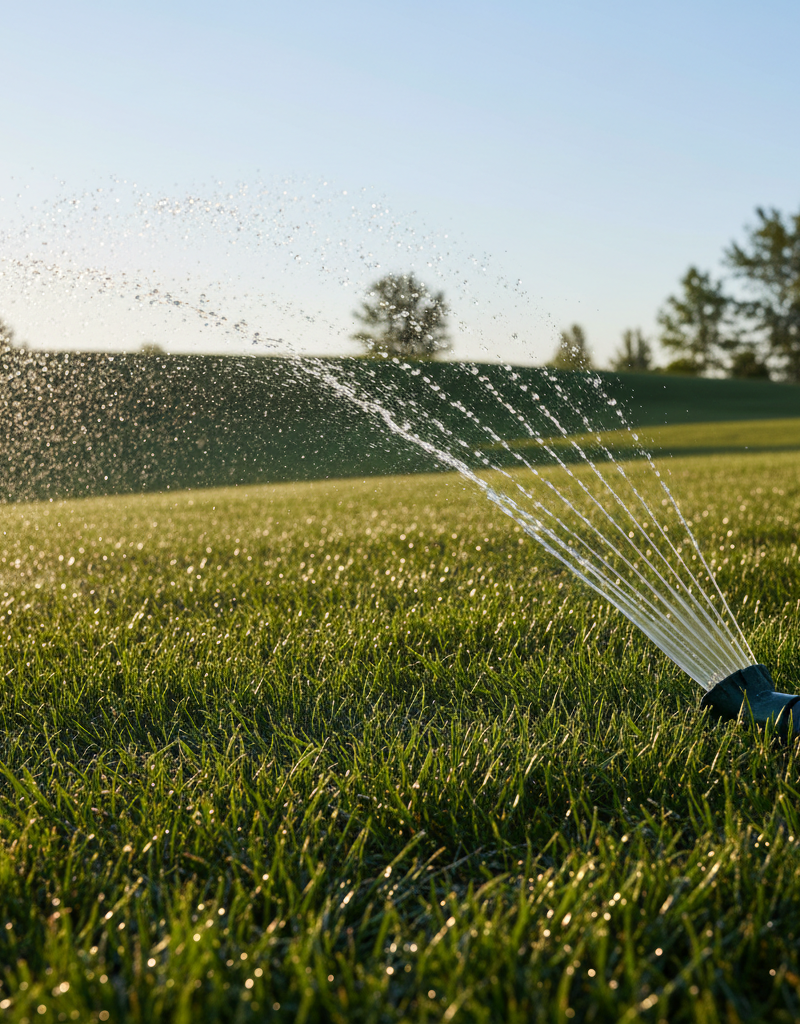
Instead of daily light sprinkles, aim to water your lawn once or twice a week, but ensure each session delivers 1 inch of water to the rooting zone. For many sprinkler systems, this could mean running them for 30 minutes to an hour or more, depending on your water pressure and sprinkler type. If you have a pop-up sprinkler system, a good general rule is to run each zone for 20-30 minutes, then check with your tuna can test. This generous soaking will encourage roots to grow downwards, making your lawn more resilient to drought and heat stress. The goal is to moisten the soil to a depth of 4-6 inches.
- If you notice runoff: Your soil might be compacted or you're watering too fast for your soil type. Turn off the sprinklers for an hour to let the water soak in, then resume. This 'cycle and soak' method is particularly effective for clay soils or sloped areas.
6. Adjust for Weather and Season — Flexibility is key for optimal health
Your lawn's water needs change with the seasons and local weather. During hot, dry periods, you may need to water more frequently, possibly twice a week, while in cooler, wetter seasons, you might reduce it to once every 10-14 days, or even turn off irrigation completely if there's sufficient rainfall. During periods of heavy rain, pause your irrigation system entirely. Keep an eye on local weather forecasts and adjust accordingly. Monitor average daily temperatures. As temperatures rise above 80°F (27°C), grass will generally require more water.
7. Consider Grass Type — Different grasses have different needs
Cool-season grasses (e.g., Kentucky Bluegrass, Tall Fescue) generally require more water than warm-season grasses (e.g., Bermuda, Zoysia), especially during hot summer months. Warm-season grasses are often more drought-tolerant and may only need watering every 7-10 days, or even less, once established. Research your specific grass type's water requirements for a more tailored approach.
8. Aerate Annually — Improve water penetration and root access
Compacted soil prevents water from penetrating deeply and restricts root growth. Annual aeration (pulling small plugs of soil from the lawn) can significantly improve water infiltration and oxygen exchange in the soil, making your watering more effective. Do this in the spring or fall for cool-season grasses, and in early summer for warm-season grasses.
Common Causes
- Misunderstanding Root Development: The core issue is often a lack of understanding that grass roots will only grow as deep as their consistent water source. If water is always at the surface, roots stay shallow.
- Over-reliance on Automatic Timers: Setting an irrigation timer to run daily for short bursts without considering the actual water needs of the lawn or environmental conditions.
- Ignoring Soil Type: Different soils absorb and retain water differently. Watering sandy soil like clay soil (and vice versa) leads to either runoff or insufficient penetration.
- Lack of Observation: Not knowing the signs of a thirsty lawn, leading to watering when it's not needed or waiting too long.
- **Believing
Related Articles
Keep troubleshooting with these hand-picked guides from FixlyGuide:
- The #1 Watering Mistake That Kills Lawns (And How to Fix Yours in 10 Minutes) — Discover the most common watering mistake homeowners make and how to adjust your watering routine for a healthier, more resilient lawn.
- The #1 Watering Mistake That Kills Lawns (And How to Fix Yours for $0) — Overwatering or underwatering your lawn can lead to significant damage; learn the correct irrigation techniques to maintain a healthy, vibr…
- The #1 Mowing Mistake That Leaves Your Lawn Brown and Patchy — Discover the most common mowing mistake homeowners make that leads to unhealthy, patchy grass and how to fix it for a vibrant lawn.
- The #1 Mistake That Leaves Brown Spots After Watering (It's Not Overwatering) — Uncover the surprising truth behind brown spots appearing in your lawn immediately after watering, and learn how to fix this common issue.
- The #1 Mistake Killing Your Lawn (And How to Eradicate Clover Safely) — Discover the secret to a clover-free lawn without resorting to harsh chemicals that harm your grass, focusing on a common pH imbalance.
- The 4-Hour — Transform your garden into a self-sufficient oasis with smart strategies for watering, weeding, and pest control, minimizing your effort.
Should you do this yourself?
Answer five quick questions before you start. Safety outranks savings every time.
Your experience with work like this
How high do you have to work?
Does the job involve any of these?
Will it need a permit?
Specialty tools
Free and instant. Educational guidance only — not a quote, inspection, or professional diagnosis.
What should this project cost?
Enter your project details for a realistic cost range before you call anyone.
Cost depends heavily on which system turns out to be the source.
- Regional adjustment
- National average
- Labor share (typical)
- ~$1,620
- Quotes to collect
- 3 written estimates
Educational estimate based on national averages — not a binding quote. Always confirm with written local estimates.
Before you start
Check the difficulty, permits, and safety risk — then decide whether to call a pro.
- Estimate this projectGet a cost range for your scope and ZIP before you call anyone.Open
- Get local estimatesSend one request and compare written estimates from vetted pros.Open
Free, no signup required. Estimates are educational guidance, not a quote or an inspection.
Frequently asked questions
How do I know if I'm overwatering or underwatering my lawn?+
Overwatering, especially shallowly, often leads to a dull, grayish-green color, soft wilting, or fungal growth. Underwatering results in crisp, brown, brittle grass blades that don't spring back after being stepped on. The best way to tell is by checking the soil moisture 4-6 inches deep; it should feel slightly damp after watering, not soggy or bone-dry.
What time of day is best to water my lawn?+
The ideal time to water your lawn is early in the morning, between 4 AM and 10 AM. This allows water to soak in deeply before evaporation losses become high and gives the grass blades time to dry before nightfall, which helps prevent fungal diseases.
How much water does my lawn need per week?+
Most established lawns require about 1 to 1.5 inches of water per week, delivered through deep, infrequent soakings. This amount can vary based on grass type, soil type, and climate. Use a rain gauge or tuna can test to measure your sprinkler's output and adjust accordingly.
Can I water my lawn every day?+
Watering your lawn every day is generally not recommended, especially if it's a short, shallow watering. Daily watering encourages a weak, shallow root system that is very susceptible to drought and disease. It's better to water deeply and infrequently (1-2 times per week) to promote strong, deep roots.
How long should I run my sprinklers?+
The duration depends on your sprinkler system's output, water pressure, and soil type. The goal is to deliver 1 inch of water. Use the tuna can test: place empty cans in your lawn and run the sprinklers. Measure how long it takes to collect 1 inch of water. For many systems, this might be 30 minutes to an hour per zone. If runoff occurs, use the 'cycle and soak' method: water for a shorter period, let it soak, then water again.


Discussion
Loading comments…