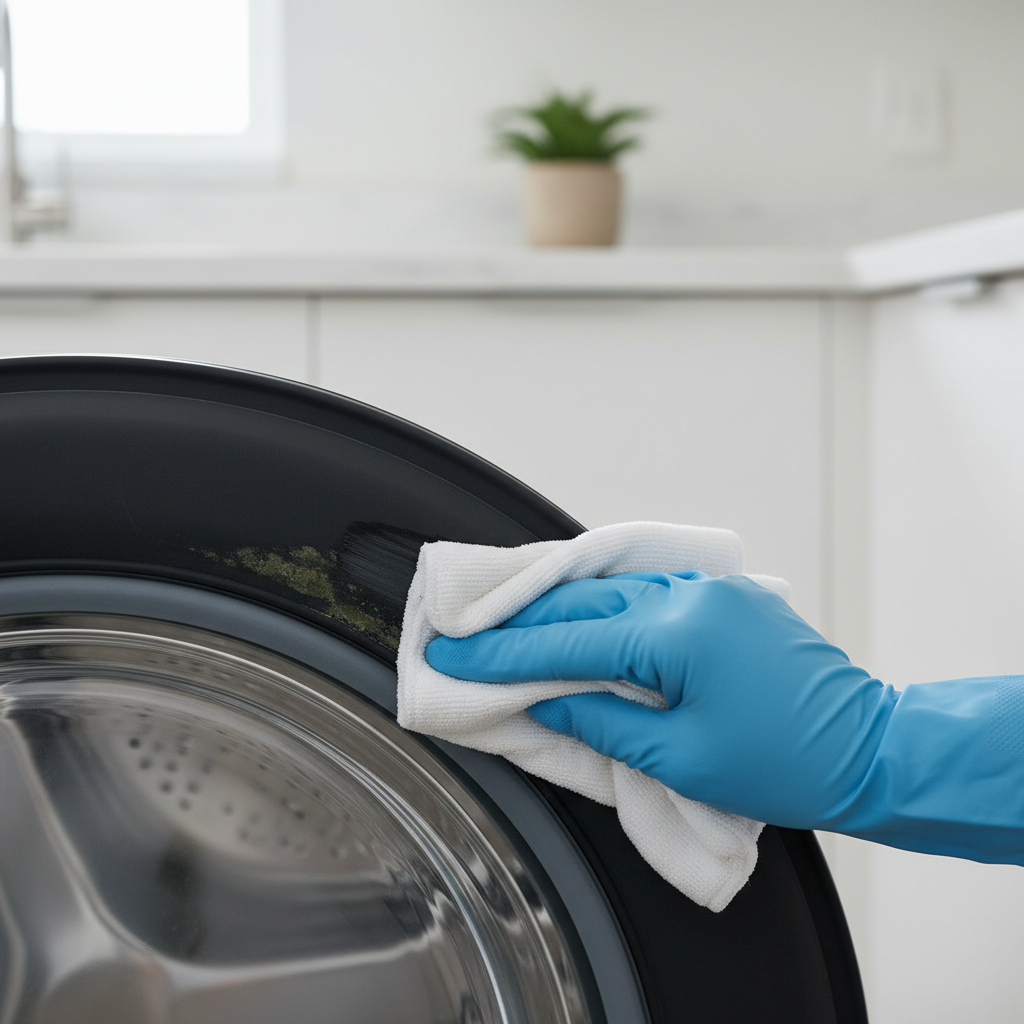
- Use a Commercial Washing Machine Cleaner — If vinegar and baking soda don’t quite get it done, or if you’d rather use an off-the-shelf cleaner.
- Tools: A commercial washing machine cleaner (e.g., Affresh, Glisten, Tide Washing Machine Cleaner).
- Instruction: Follow the product’s directions. Usually you’ll toss in a tablet or liquid to the dispenser or drum and run a hot cycle. These are made to target the specific residue washers collect.
HVAC · High energy usage
| Project category | HVAC |
|---|---|
| Problem type | High energy usage |
| Trade required | HVAC |
| Urgency | Planned project |
| Safety risk | Low safety risk |
| DIY suitability | DIY for experienced homeowners |
| Cost category | High cost |
| Typical timeline | Assessment within weeks; replacement planned off-season |
| Contractor type | Licensed HVAC technician |
Repair option
Duct sealing, insulation, and a tune-up before touching the equipment.
Replacement option
High-efficiency replacement sized by a load calculation, not a rule of thumb.
Common causes
- Aging, low-efficiency equipment
- Leaking ducts losing conditioned air
- Insufficient attic insulation
- Oversized system short-cycling
Relevant tools:project cost estimatorrepair or replace
Published September 28, 2026Last updated September 28, 2026
Tools & materials you'll need
Affiliate linksAs an Amazon Associate FixlyGuide earns from qualifying purchases — at no extra cost to you. Prices and availability are accurate as of publication and subject to change.
Quick Answer
If your washing machine’s making your fresh laundry smell less-than-fresh, you’re usually looking at mold, mildew, and detergent gunk building up inside the drum, dispenser, and seals. The good news? You can usually knock that stink down in about 15 minutes of hands-on work, and a lot of the time you won’t need any special chemicals at all — just run a couple cleaning cycles and wipe the thing down.
The Problem
I’ve walked into plenty of laundry rooms where folks were convinced their washer was on its last legs, all because of a nasty, stubborn odor. “My clothes come out smelling damp and musty,” they’ll tell me, “even after a fresh wash!” Sound familiar? It’s a super common gripe, especially with high-efficiency (HE) front-loaders. Modern washers use less water, which is nice for the bill, but it also means detergent residue, fabric softener, and body soil don’t always get fully flushed out. Mix in a damp space and warm temps, and you’ve got a five-star resort for mold and mildew. That mess builds up in every little crevice — the detergent dispenser, the rubber door gasket, even the internal hoses — and that’s where your “mystery smell” comes from. It’s not just gross; it can actually transfer spores and bacteria onto your “clean” clothes.
How It Works
To really fix this, you gotta know what’s happening inside that big metal box. A washing machine is simple at heart: it fills with water, agitates clothes, drains, and spins. But the stink lives in the details.
Start with front-loaders. Their horizontal drums use very little water, just enough to tumble clothes through a concentrated detergent solution. That’s efficient, sure, but there’s less excess water around to rinse away detergents, fabric softeners, and the biological gunk — skin flakes, lint, oils — that comes off your clothes. That residue loves clinging to the rubber door gasket, the inside of the drum, and the detergent dispenser. Before long, it turns into a breeding ground for anaerobic bacteria, mold, and mildew. Those critters like dark, damp places, and they pump out volatile organic compounds (VOCs) — that’s the funky odor you’re smelling. That gasket, especially, tends to hold standing water and trapped fabric bits, so yeah, it’s a prime suspect.
Top-loaders aren’t completely off the hook, but they usually use more water and the agitation pattern tends to flush residue better. Still, you can get buildup in the agitator, under the rim of the tub, or in the dispenser. Same formula either way: organic matter + moisture + warmth = nasty smells. Folks often make it worse by throwing in more detergent or more fabric softener trying to fix the odor, and all that does is feed the problem. I’ve seen that loop a hundred times. It’s a vicious cycle.
Step-by-Step Fix
Alright, let’s get this washer smelling halfway decent again. This is the same process I use on stinkers in the field. Works on 9 out of 10 of them, easy.
-
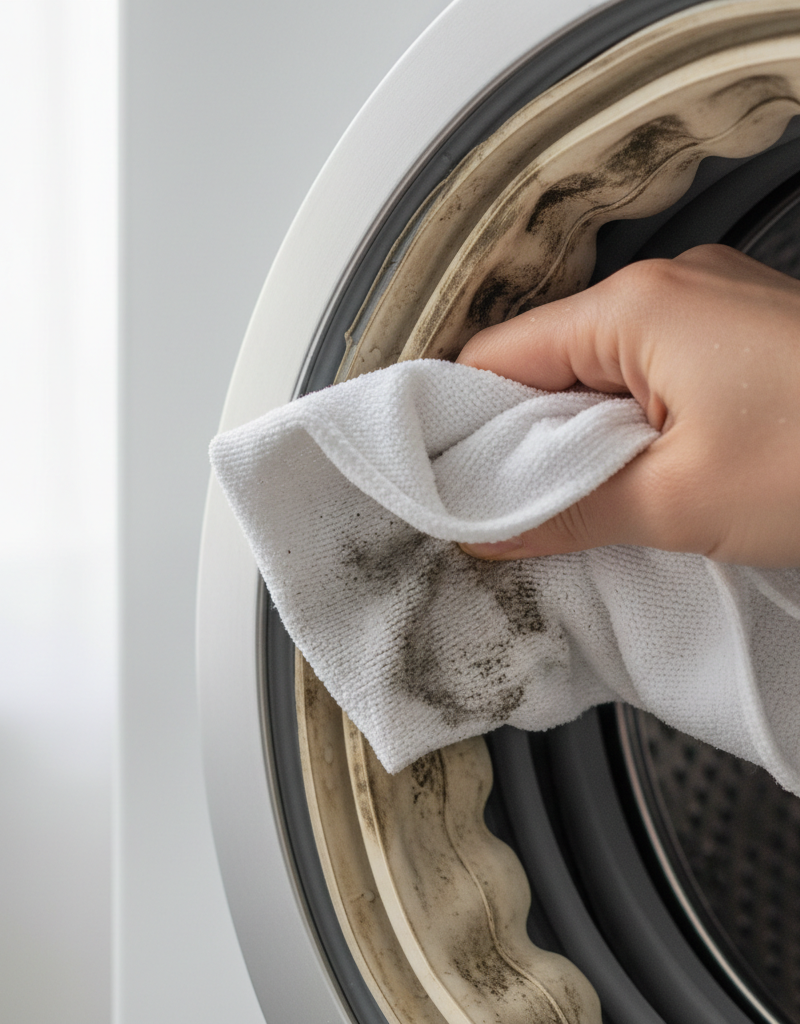
Inspect and Wipe Down the Door Gasket — Start here, every time. Crack open that washer door. If it’s a front-loader, pull back the rubber gasket around the opening. Odds are you’ll find dark, slimy, gunky buildup. That’s mold and mildew throwing a party.
- Tools: An old rag or paper towels, a spray bottle with a 50/50 white vinegar and water solution, or a mild bleach solution (1 part bleach to 10 parts water).
- Safety: Wear rubber gloves, especially if you’re using bleach. Keep the area ventilated.
- Instruction: Spray the solution liberally onto the gasket and into all the folds. Let it sit for a minute or two to loosen things up. Then get in there with your rag and wipe it all out. Don’t be shy — scrub until that black gunk is gone. I once found a kid’s lost sock and about $3.50 in change tucked in a gasket on a job in Scottsdale — you never know what’s hiding in there.
-
Clean the Detergent Dispenser — Pull out the detergent drawer. Most of them come out; look for a release tab or just give it a firm pull.
- Instruction: You’ll probably find hardened detergent and softener residue. Use an old toothbrush or a small brush to scrub off the gunk under running water. Rinse it well. If it’s really stubborn, let it soak in hot water for 10-15 minutes before you scrub. Wipe down the housing where the dispenser sits too.
-
Run a Hot Cycle with White Vinegar — This is your first swing at the internal smells.
- Instruction: With the washer empty, pour two cups (about 16 fluid ounces) of distilled white vinegar directly into the detergent dispenser or, if you’ve got an older top-loader, straight into the drum. Set the machine to the hottest water setting available and the largest load size. Start a full wash cycle. The vinegar’s an acid, so it’ll help break down mineral deposits, soap scum, and kill mold and mildew spores. Let it run the whole cycle.
-
Run a Hot Cycle with Baking Soda (Optional but Recommended) — For really stubborn smells, follow the vinegar with baking soda.
- Instruction: Once the vinegar cycle’s done, leave the washer empty. Sprinkle half a cup (about 4 ounces) of baking soda directly into the drum. Run another full wash cycle on the hottest water setting. Baking soda’s a natural deodorizer and helps neutralize any lingering odors. That one-two punch works wonders.
-
Use a Commercial Washing Machine Cleaner — If vinegar and baking soda don’t quite get it done, or if you’d rather use an off-the-shelf cleaner.
- Tools: A commercial washing machine cleaner (e.g., Affresh, Glisten, Tide Washing Machine Cleaner).
- Instruction: Follow the product’s directions. Usually you’ll toss in a tablet or liquid to the dispenser or drum and run a hot cycle. These are made to target the specific residue washers collect.
-
Clean the Drain Pump Filter (Front-Loaders Especially) — This one gets skipped all the time, and it can be a huge stink source.
- Location: Usually behind a small access panel at the bottom front of the machine. You might need a screwdriver or just push a latch.
- Safety: Always unplug the washer first! Have towels and a shallow pan ready, because water will drain out when you open the filter.
- Instruction: Slowly unscrew the cap or turn the filter counter-clockwise. Let the water drain. Pull out the filter and clear any lint, coins, hair, or small objects. I’ve pulled out everything from pet hair to a dozen hairpins from these filters. Rinse it clean and screw it back in tight. Do this every few months.
-
Check and Clean Water Inlet Screens — Not the usual culprit for odors, but still smart maintenance.
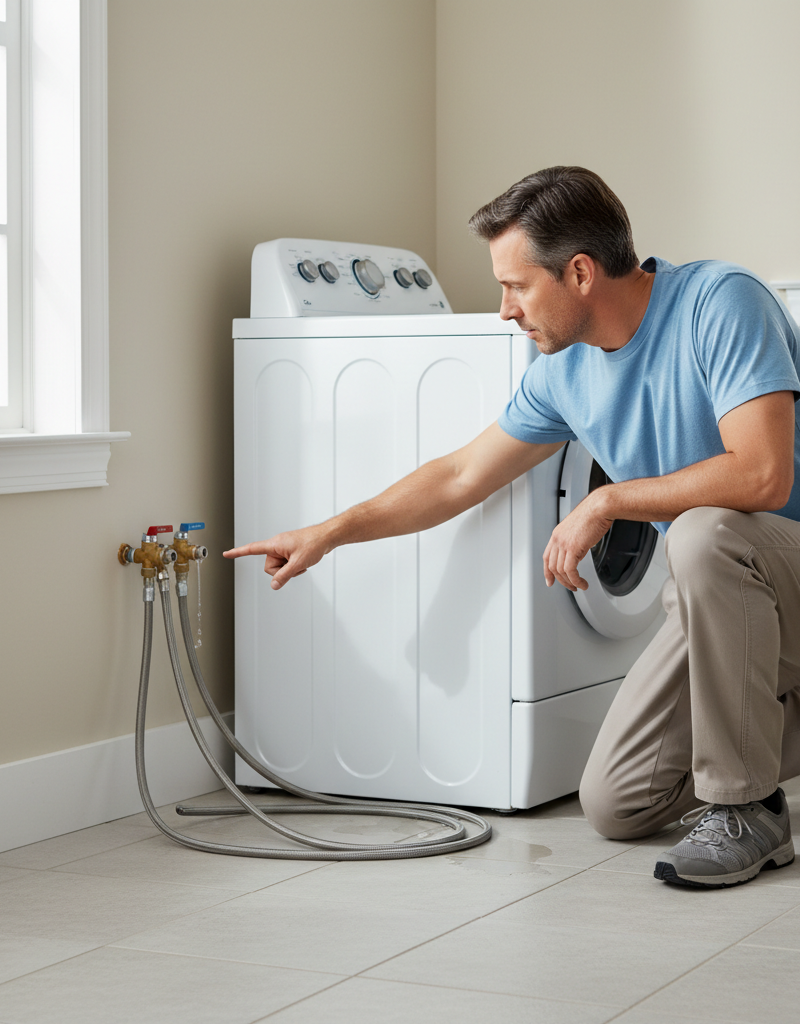
- Instruction: Turn off the water supply to the washer. Disconnect the hot and cold water hoses from the back of the machine. You’ll see small mesh screens inside the inlet valves. Use needle-nose pliers to gently pull them out. Rinse them under water to remove any sediment. Reinstall and reattach hoses, making sure they’re tight.
-
Air Out the Washer — Simple, but it matters.
- Instruction: After every wash, leave the washer door ajar for a few hours, or even overnight. That lets air move through and keeps you from trapping moisture in there. Front-loaders especially need this — pull back the gasket and wipe it dry if you see standing water. Some newer models even have a “door prop” feature to keep the door slightly open.
Common Causes
- Excess Detergent/Fabric Softener: Using too much leaves residue that feeds mold and mildew. Follow the manufacturer’s recommendations closely. I’ve seen folks practically pour it in there — you don’t need that much.
- Cold Water Washing: Mostly using cold cycles doesn’t get hot enough to kill bacteria and fungi effectively, so buildup keeps coming back.
- Front-Loader Design: The rubber door gasket and lower water usage create ideal conditions for mold and mildew.
- Infrequent Cleaning: If you don’t clean the dispenser, gasket, and drum on a regular basis, odors set in and get worse.
- Closed Door: Leaving the washer door shut right after a wash traps moisture and makes a perfect humid hideout for growth.
- Drain Pump Filter Clogs: Trapped lint, hair, and debris in the filter can rot and add a whole lot to the smell.
Common Mistakes
- Using Too Much Detergent: This is the #1 offender. More suds doesn’t mean cleaner clothes; it means more residue. Read the detergent cap! For HE machines, you typically need much less than you think — often just a tablespoon or two.
- Ignoring the Gasket: A lot of DIYers clean the drum but miss the gunk in the rubber gasket completely. That’s where a pile of the nasty stuff lives.
- Always Using Cold Water: Cold’s energy-efficient, sure, but an occasional hot wash — especially with vinegar or cleaner — is key for sanitizing.
- Forgetting the Dispenser: That detergent drawer is a magnet for gunk; it needs regular cleaning just like the rest of the machine.
- Not Unplugging for Drain Filter: Seriously, I’ve seen people try to clean the drain filter with the machine still plugged in. You will get shocked if something goes sideways. Always unplug before touching internal parts.
- Leaving the Door Shut: It’s an easy habit, but it’s costing you a fresh-smelling washer. Air circulation is the name of the game.
Cost & Time Breakdown
Here’s what you’re looking at for this job. These are averages — your mileage may vary.
| Task | DIY Cost | Pro Cost | Time |
|---|---|---|---|
| Inspect & Wipe Gasket | $0 | N/A | 5-10 min |
| Clean Dispenser | $0 | N/A | 5 min |
| Vinegar & Baking Soda Cycles | $2-$5 | N/A | 2-3 hours (unattended) |
| Commercial Washer Cleaner (Optional) | $5-$15 | N/A | 1-2 hours (unattended) |
| Clean Drain Pump Filter | $0 | N/A | 15-20 min |
| Pro Cleaning/Maintenance | N/A | $100-$200 | 1 hour |
Tips & Prevention
- Measure Detergent: Use only the recommended amount of HE detergent. Don’t eyeball it! For most HE washers, that’s about one to two tablespoons for an average load, not a full cap.
- Leave Door Ajar: After every load, leave the washer door open for several hours or overnight so the drum and gasket can dry out completely. That’s the best prevention by a mile.
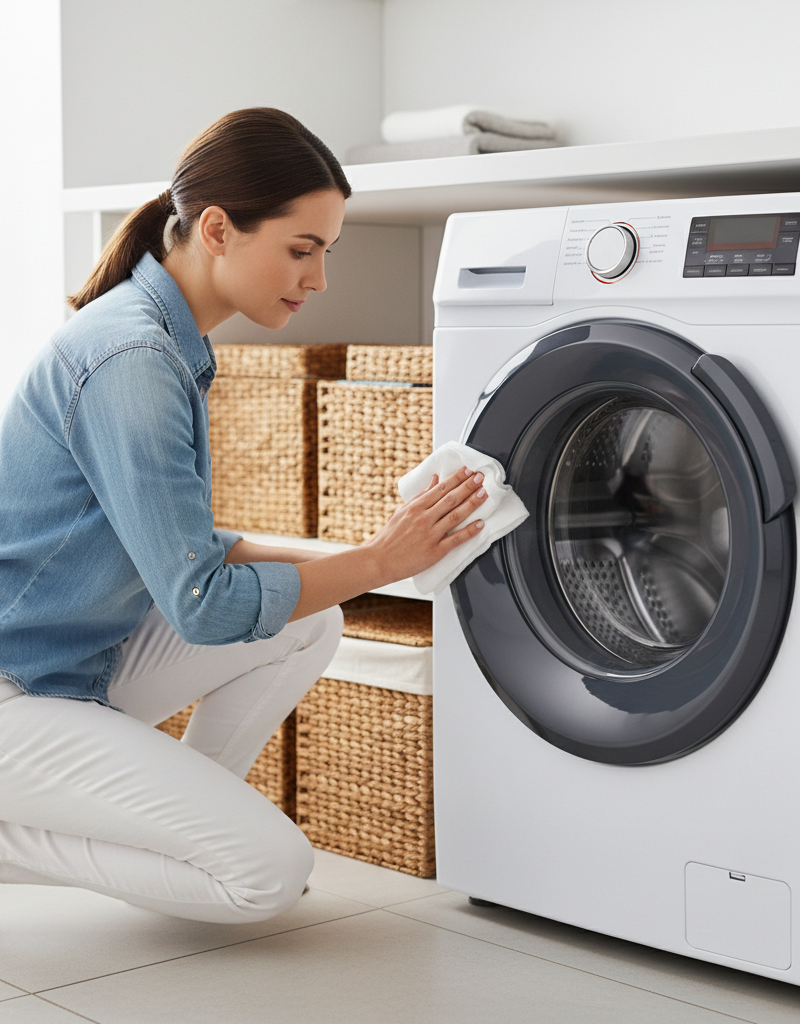
- Wipe Down Gasket: Take a quick minute after each wash to wipe down the rubber door gasket on front-loaders, especially in the folds, to remove moisture or debris.
- Hot Water Wash: Run a hot water wash cycle — empty, or with whites — at least once a month, adding a cup of vinegar or a commercial cleaner, to sanitize the machine.
- Clean Dispenser Regularly: Pull out and rinse the detergent dispenser every few weeks so buildup doesn’t get a foothold.
- Check Drain Filter: For front-loaders, check and clean the drain pump filter every 2-3 months to remove trapped debris. I tell people to make it a habit when they change their furnace filter.
- Avoid Overloading: Overloading the machine can keep it from rinsing right, which leaves more residue behind.
When to Call a Professional
Look, most stinky washer issues are DIY-friendly. But if you’ve tried all this — cleaned the gasket, dispenser, drain filter, run multiple hot cycles with vinegar and cleaner — and that funk just will not go away, then it might be time to call in a pro. Persistent smells after a thorough cleaning could mean a clog deep in the drain hose that you can’t reach, a broken internal part, or even a problem with your home’s plumbing vent system, which can let sewer gas back up. If you hear strange noises along with the smell, or if water isn’t draining properly after you’ve cleared the drain filter, that’s a solid sign it’s time for a qualified appliance tech to take a look. Don’t mess around with plumbing or appliance failures — they can turn a small smell into a big, wet headache fast.
Related Articles
Keep troubleshooting with these hand-picked guides from FixlyGuide:
- That Mildew Smell in Your Washer? Here's the Real Fix. — Tired of 'clean' laundry smelling musty? The problem isn't your detergent; it's trapped bacteria and mold inside your washing machine. We'l…
- That Mildew Smell in Your Washer? Here’s the Real Reason — Is a musty odor taking over your laundry room? That mildew smell from your washing machine isn't just unpleasant—it's a sign of a deeper pr…
- The Washer Whispers: Why Your Machine Won't Fill (and the $0 Fix) — Frustrated by a washing machine that just won't fill with water? It's a common headache, but often a simple, free fix could be hiding in pl…
- The Button Blocker: Why Your Microwave Panel Goes Dead (and the Easy Fix) — Don't rush to replace your microwave just because the buttons aren't responding; it's often a simple, DIY-friendly fix.
- The Grinding Racket: What Your Washing Machine Is Really Telling You — Don't ignore that grinding, thumping, or banging from your washing machine during the spin cycle—it's often a clear cry for help that you c…
- The 5-Minute Trick to a Smooth Door Lock (No New Parts Needed) — A sticky or stiff door lock can be a minor annoyance or a major security risk, but often it's an easy fix with common household items.
Should you do this yourself?
Answer five quick questions before you start. Safety outranks savings every time.
Your experience with work like this
How high do you have to work?
Does the job involve any of these?
Will it need a permit?
Specialty tools
Free and instant. Educational guidance only — not a quote, inspection, or professional diagnosis.
What should this project cost?
Enter your project details for a realistic cost range before you call anyone.
Cost depends heavily on which system turns out to be the source.
- Regional adjustment
- National average
- Labor share (typical)
- ~$1,620
- Quotes to collect
- 3 written estimates
Educational estimate based on national averages — not a binding quote. Always confirm with written local estimates.
Get the print-ready PDF of this guide
A clean, ad-free, printable version you can keep on your phone or pin to the workshop wall. Free with a FixlyGuide account.
- Print-optimized layout
- Tools, materials & every step included
- Saved to your account
Frequently asked questions
Why does my washing machine smell like mildew?+
The mildew smell in your washing machine is primarily caused by a buildup of moisture, detergent residue, and organic matter (like skin cells and lint) in the dark, damp crevices of the machine, especially the rubber door gasket and detergent dispenser. This creates an ideal breeding ground for mold and mildew spores.
How often should I clean my washing machine?+
You should aim to perform a deep clean of your washing machine at least once a month, especially if you use it frequently or primarily with cold water. Regular maintenance, like wiping down the gasket and leaving the door ajar after each use, should be done with every laundry session.
Can I use bleach to clean my washing machine?+
Yes, bleach can be effective for sanitizing your washing machine and killing mold. You can run an empty hot cycle with one cup of bleach. However, never mix bleach with vinegar, as it creates toxic chlorine gas. Some manufacturers recommend against bleach for certain components, so check your manual.
Is it safe to use white vinegar in my washing machine?+
Absolutely. Distilled white vinegar is a safe, natural, and effective cleaner for washing machines. Its acidity helps break down mineral deposits, soap scum, and kill mold and mildew. Pour two cups directly into the drum or dispenser and run a hot cycle.
My front-load washer gasket is black and slimy. What do I do?+
That black, slimy gunk is mold and mildew. Spray it liberally with a 50/50 white vinegar and water solution (or a diluted bleach solution), let it sit for a few minutes, then scrub it thoroughly with a rag or old toothbrush. Make sure to get into all the folds and crevices.
Why does my washer still smell after cleaning it?+
If your washer still smells after a basic clean, you might have missed key areas like the drain pump filter, or there could be a deeper clog in the drain hose. Ensure you've thoroughly scrubbed the gasket and dispenser, and consider running another hot cycle with a commercial washer cleaner. If the problem persists, it could be a plumbing vent issue, and it's time to call a pro.
How much detergent should I use in an HE washer?+
For most high-efficiency (HE) washing machines, you only need about one to two tablespoons of HE-specific detergent for a typical load. Using too much is a common cause of residue buildup and odors, so always refer to your detergent's and washer's manufacturer guidelines.
Should I leave the washing machine door open or closed?+
Always leave the washing machine door (and detergent dispenser) ajar after each use. This allows air to circulate, helping the interior dry out and preventing the growth of mold and mildew, which thrive in damp, enclosed environments.
What happens if I don't clean my washing machine filter?+
If you don't clean your washing machine drain pump filter regularly, it can become clogged with lint, hair, coins, and other debris. This trapped organic matter can rot, leading to foul odors, and can also impede proper drainage, potentially causing issues like longer cycle times or machine errors.
Discussion
Loading comments…