- Misguided Aesthetics: Many homeowners prefer the look of a very short lawn, unaware of the damage it causes.
- Desire for Less Frequent Mowing: Cutting too short to extend the time between mows inevitably backfires with increased weed issues.
- Incorrect Mower Settings: Not knowing how to properly adjust blade height or simply setting it too low.
- Dull Mower Blades: While not a direct cause of cutting too short, dull blades exacerbate the stress on grass already cut at an inadequate height.
- Neglecting the One-Third Rule: Over time, consistently removing too much of the grass blade.
Landscaping · Deck or fence project
| Project category | Landscaping |
|---|---|
| Problem type | Deck or fence project |
| Trade required | Landscaping |
| Urgency | Planned project |
| Safety risk | Moderate safety risk |
| DIY suitability | DIY for experienced homeowners |
| Cost category | High cost |
| Typical timeline | Most builds 3–10 days depending on size |
| Contractor type | Landscaping contractor |
Repair option
Replace failed boards, posts, and hardware; reseal the surface.
Replacement option
Rebuild when framing or the ledger connection is unsafe.
Common causes
- Rot at posts and ledger
- Storm damage
- Adding outdoor living space
Relevant tools:home improvement material pricesproject cost estimator
Published May 26, 2026Last updated August 17, 2026
Tools & materials you'll need
Affiliate linksNo materials required.
As an Amazon Associate FixlyGuide earns from qualifying purchases — at no extra cost to you. Prices and availability are accurate as of publication and subject to change.
Quick Answer
Cutting your lawn too short is the leading cause of weed proliferation and unhealthy grass. By scalping the turf, you deprive grass blades of the necessary surface area for photosynthesis, stress the root system, and expose the soil to direct sunlight. This weakens your desired grass and creates a perfect environment for weed seeds to germinate and establish themselves. The solution is simple: adjust your mower to a higher blade setting, ideally between 2.5 and 3.5 inches for most cool-season grasses, and commit to the “one-third rule” – never removing more than one-third of the grass blade’s total height in a single mowing session.
The Problem
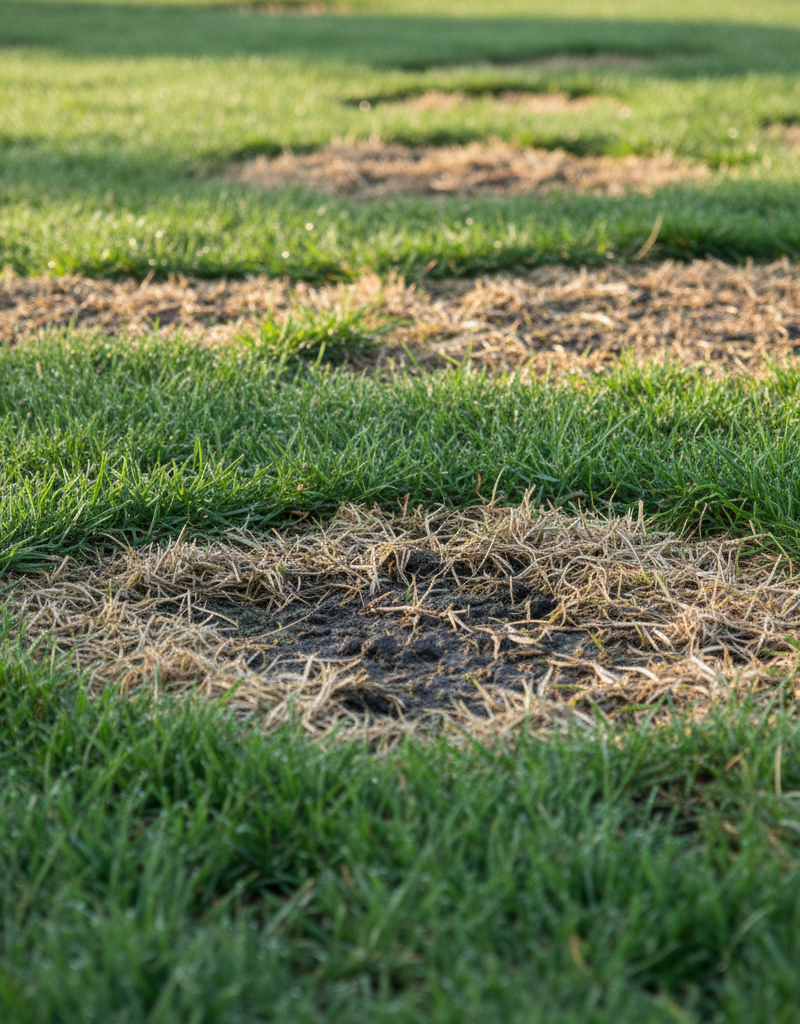
Many homeowners believe a shorter lawn looks tidier or reduces the frequency of mowing. This common misconception often leads to a practice called "scalping," where the grass blades are cut excessively short, sometimes even down to the soil level. While seemingly efficient, scalping is a detrimental habit that severely weakens your lawn's health and creates an open invitation for weeds, pests, and diseases. Instead of a lush, green carpet, you end up with thin, patchy grass, an explosion of dandelions, crabgrass, and other undesirable invaders, and a lawn that struggles to recover from even minor environmental stresses like drought or heat.
The underlying issue is a lack of understanding about how grass grows and its natural defenses. Healthy grass forms a dense canopy that shades the soil, keeping it cooler and suppressing weed seed germination. It also develops a robust root system that accesses water and nutrients efficiently. When you scalp your lawn, you systematically dismantle these natural defenses, making your turf vulnerable and forcing it into a constant state of recovery rather than growth.
How It Works
Grass plants, like all green plants, rely on photosynthesis to create energy. This process primarily occurs in the leafy green blades, where chlorophyll converts sunlight, water, and carbon dioxide into sugars. When you cut the grass too short, you drastically reduce the surface area available for photosynthesis. It's like trying to run a marathon on an empty stomach – the plant simply doesn't have enough energy to sustain healthy growth, repair itself, or fight off invaders.
Beyond energy production, the height of your grass blades directly influences the depth and health of its root system. Taller grass blades allow for deeper, more extensive root growth. These deeper roots are crucial for accessing water and nutrients, especially during dry spells, and provide better anchorage, making the grass more resilient. Conversely, consistently short grass leads to shallow, weak root systems. A plant with shallow roots is highly susceptible to drought, nutrient deficiencies, and general stress.
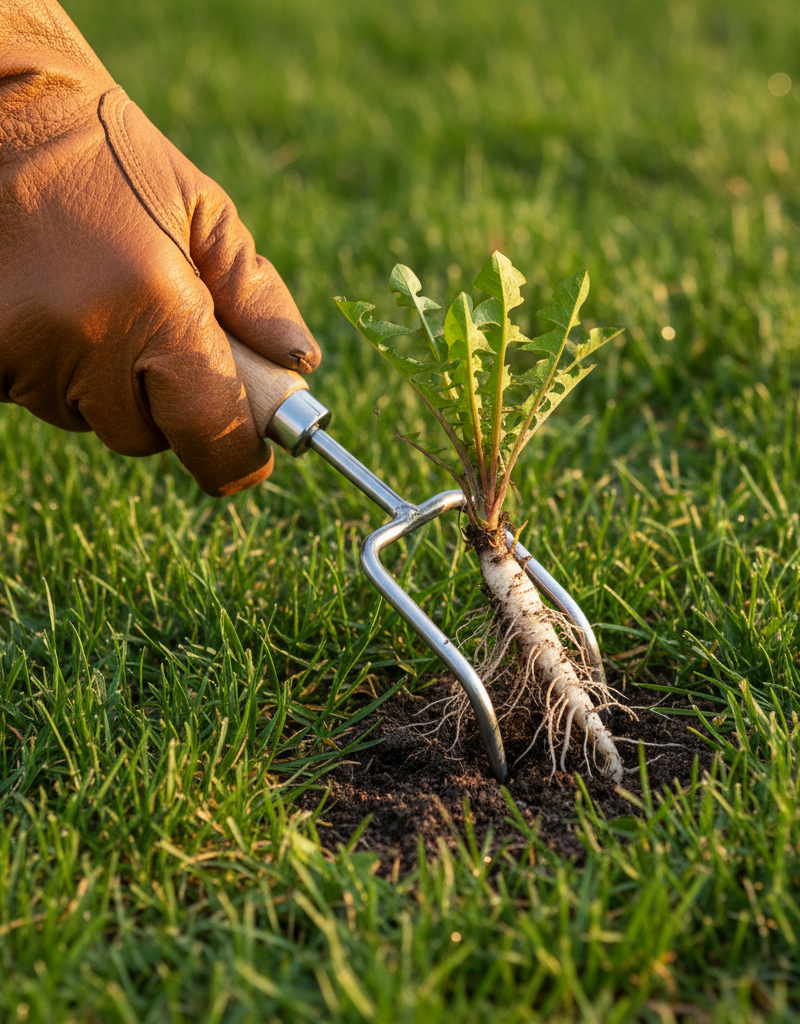
Furthermore, the dense canopy created by taller grass blades plays a vital role in weed prevention. This canopy shades the soil surface, blocking sunlight from reaching weed seeds. Most weed seeds require light to germinate. Without it, they remain dormant. When you scalp your lawn, you expose the soil to direct sunlight, signaling to opportunistic weed seeds that conditions are favorable for germination. The weakened grass can't compete effectively with these new intruders, leading to a never-ending battle against weeds.
Step-by-Step Fix
1. Assess Current Mowing Height – Determine your mower's current cutting height.
Most modern walk-behind mowers have a lever or knob near the wheels that adjusts the deck height. Rider mowers usually have a deck height lever and often a separate scalp wheel adjustment. Consult your mower's manual if you're unsure. Visually inspect a freshly cut area – if you see bare soil or very short stubble, your setting is likely too low.
2. Adjust Mower Deck to a Higher Setting – Elevate your mower blades.
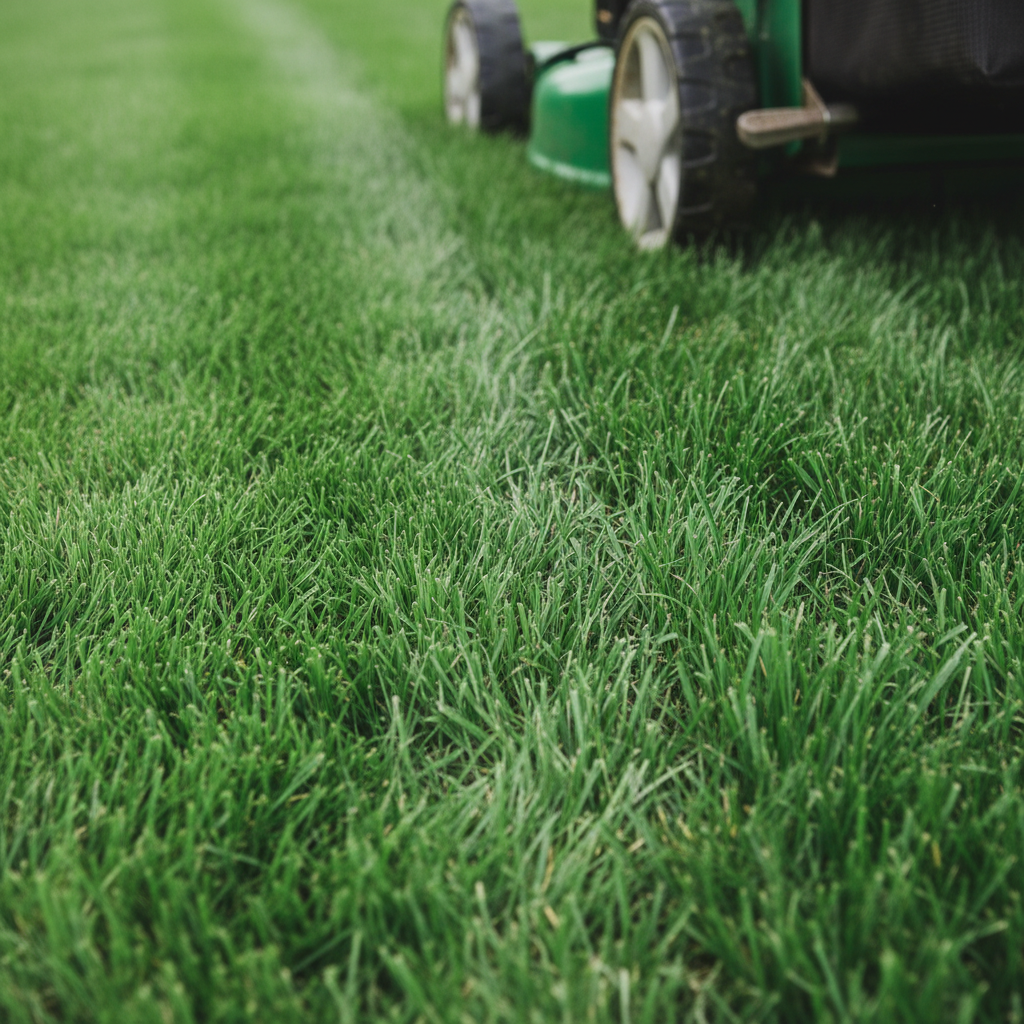
For most common lawn grasses (like Kentucky Bluegrass, Fescue, Ryegrass in cool climates, or Bermuda, Zoysia, St. Augustine in warm climates), aim for a cutting height between 2.5 and 3.5 inches. In hot, dry conditions, even 3.5 to 4 inches can be beneficial. Taller grass shades the soil, conserves moisture, and outcompetes weeds. Make sure all wheels are adjusted to the same height for an even cut.
3. Understand and Apply the One-Third Rule – Never remove more than 1/3 of the blade's height.
This rule is critical for preventing stress. If your grass is 4.5 inches tall, your target cutting height is 3 inches (removing 1.5 inches). This means you might need to mow more frequently during peak growing seasons to avoid removing too much at once. If your grass has grown excessively tall, cut it back gradually over several mowings, waiting a few days between each cut until you reach your desired height.
4. Sharpen Your Mower Blade – Ensure a clean cut for healthier grass.
A dull blade tears the grass rather than cutting it cleanly. This leaves frayed ends that turn brown, are more susceptible to disease, and require more energy for the plant to heal. Sharpen your blade at least once per season, or every 20-25 hours of use. You can remove the blade yourself or take it to a small engine repair shop.
- Safety Note: Always disconnect the spark plug wire before working on your mower blades to prevent accidental starting.
5. Mow When Grass is Dry – Prevent tearing and disease spread.
Mowing wet grass results in an uneven cut, clogs the mower deck, and can lead to matted clumps that smother the grass underneath. It also increases the risk of spreading fungal diseases. Wait until the morning dew has evaporated or after a rain shower has fully dried out before mowing.
6. Vary Mowing Patterns – Prevent rutting and uneven growth.
Mowing in the same direction every time compacts the soil in repetitive paths and can push grass blades to lean in one direction, leading to an uneven cut and possibly tire ruts. Alternate your mowing patterns – for example, mow north-south one week, then east-west the next, or diagonally the following week. This promotes more upright growth and reduces compaction.
7. Leave Clippings on the Lawn (Mulch Mowing) – Recycle nutrients naturally.
Unless the clippings are excessively long and clumped, leave them on the lawn. Modern mulching mowers are designed to chop clippings into fine pieces that decompose quickly, returning valuable nitrogen and other nutrients to the soil. This can reduce your need for synthetic fertilizers. If clippings are too heavy, rake them and compost them, or bag them to prevent smothering the lawn.
Common Causes
- Misguided Aesthetics: Many homeowners prefer the look of a very short lawn, unaware of the damage it causes.
- Desire for Less Frequent Mowing: Cutting too short to extend the time between mows inevitably backfires with increased weed issues.
- Incorrect Mower Settings: Not knowing how to properly adjust blade height or simply setting it too low.
- Dull Mower Blades: While not a direct cause of cutting too short, dull blades exacerbate the stress on grass already cut at an inadequate height.
- Neglecting the One-Third Rule: Over time, consistently removing too much of the grass blade.
Common Mistakes
- Scalping the Lawn: Cutting the grass shorter than 2-2.5 inches for most turf types. This is the primary driver of weed growth and unhealthy turf.
- Mowing with Dull Blades: Leads to ragged cuts, making grass more susceptible to disease and requiring more energy to heal, weakening the plant overall.
- Cutting Wet Grass: Results in an uneven cut, clogs the mower, and can spread fungal diseases by creating perfect conditions for spore transfer.
- Mowing in the Same Direction Every Time: Causes soil compaction in repeated patterns and can lead to grass leaning, resulting in an uneven appearance and weak spots.
- Removing Too Much at Once: Violating the one-third rule stresses the grass, even if the final height is appropriate. This can shock the plant and encourage dormancy or weed invasion.
- Ignoring Grass Type Specifics: Different grass types (e.g., cool-season vs. warm-season) have optimal cutting heights. Treating all lawns the same can be detrimental.
Cost & Time Breakdown
| Task | DIY Cost | Pro Cost | Time |
|---|---|---|---|
| Adjust Mower Height | $0 | N/A | 5–10 minutes |
| Blade Sharpening (DIY) | $10–$20 (file/stone) | $20–$40 | 30–60 minutes |
| Regular Mowing (Higher Deck) | $0 (fuel) | $40–$60 per visit | 45–90 minutes |
| New Mower Blade (if needed) | $25–$50 | $25–$50 (part) + labor | 15–30 minutes (install) |
Tips & Prevention
- Know Your Grass Type: Research the optimal cutting height range for the specific type of grass in your lawn (e.g., cool-season grasses often prefer 2.5-3.5 inches, warm-season can sometimes tolerate slightly shorter but often benefit from similar heights).
- Mow Frequently: During peak growing seasons, increasing mowing frequency allows you to adhere to the one-third rule. For example, if your grass grows quickly, you might need to mow every 4-5 days instead of once a week.
- Early Morning or Evening Mowing: Mowing when temperatures are cooler (but the grass is dry) reduces stress on both the grass and your mower.
- Water Deeply and Infrequently: Promote a deeper root system by watering for longer periods, less often. This encourages grass to seek water deeper in the soil column.
- Soil Test Annually: Understand your soil's nutrient needs and pH levels to ensure your lawn has the best foundation for healthy growth, making it more resistant to weeds.
When to Call a Professional
While adjusting your mower height and following the one-third rule are straightforward DIY tasks, a professional lawn care service can be invaluable if your lawn is severely damaged, infested with stubborn weeds, or if you're struggling to identify your grass type or specific soil issues. They can provide expert diagnostics, tailored fertilization plans, and targeted weed control treatments that might be necessary to bring an extremely unhealthy lawn back to life. Additionally, if you have a complex lawn with significant slopes or difficult access, or if you prefer to save time, a professional service can ensure consistent, proper mowing without you having to lift a finger.
Related Articles
Keep troubleshooting with these hand-picked guides from FixlyGuide:
- The #1 Mowing Mistake That Invites Weeds (And How to Fix It in 5 Minutes) — Discover the most common mowing error homeowners make that inadvertently encourages weed growth, and learn a simple fix for a healthier law…
- The #1 Mowing Mistake That Leaves Your Lawn Brown and Patchy — Discover the most common mowing mistake homeowners make that leads to unhealthy, patchy grass and how to fix it for a vibrant lawn.
- The #1 Mowing Mistake That Starves Your Lawn (And How to Fix It in Minutes) — Learn the surprising reason your lawn might be struggling despite regular mowing and how a simple adjustment can lead to healthier, more vi…
- The #1 Mowing Mistake That Invites Weeds (And How to Fix It in 10 Minutes) — Discover the most common mowing mistake homeowners make that inadvertently encourages weeds, and learn easy steps to achieve a healthier, m…
- The 3 Lawn Mowing Mistakes Killing Your Grass (and How to Fix Them) — Discover the three most common lawn mowing mistakes homeowners make that damage their grass, and learn simple, actionable steps to correct…
- The #1 Mistake Homeowners Make When Caulking a Bathroom Sink (And How to Fix It) — Discover the most common caulk mistake homeowners make around bathroom sinks and follow simple steps to achieve a lasting, watertight seal.
Should you do this yourself?
Answer five quick questions before you start. Safety outranks savings every time.
Your experience with work like this
How high do you have to work?
Does the job involve any of these?
Will it need a permit?
Specialty tools
Free and instant. Educational guidance only — not a quote, inspection, or professional diagnosis.
What should this project cost?
Enter your project details for a realistic cost range before you call anyone.
Cost depends heavily on which system turns out to be the source.
- Regional adjustment
- National average
- Labor share (typical)
- ~$1,620
- Quotes to collect
- 3 written estimates
Educational estimate based on national averages — not a binding quote. Always confirm with written local estimates.
Before you start
Check the difficulty, permits, and safety risk — then decide whether to call a pro.
- Estimate this projectGet a cost range for your scope and ZIP before you call anyone.Open
- Get local estimatesSend one request and compare written estimates from vetted pros.Open
Free, no signup required. Estimates are educational guidance, not a quote or an inspection.
Frequently asked questions
What is the best cutting height for a lawn?+
The ideal cutting height for most lawns is between 2.5 and 3.5 inches. Taller grass shades the soil, conserves moisture, and promotes deeper root growth, making it more resilient to weeds and stress. Adjust this based on your specific grass type and local climate conditions.
What is the 'one-third rule' in mowing?+
The one-third rule states that you should never remove more than one-third of the grass blade's total height in any single mowing session. For example, if your grass is 4.5 inches tall, you should cut it down to no less than 3 inches. This prevents stressing the grass and encourages healthy growth.
Does cutting grass shorter make it grow back thicker?+
No, cutting grass shorter does not make it grow back thicker; in fact, it often has the opposite effect. Scalping weakens the grass, stresses its root system, and makes it more susceptible to weeds and diseases. Taller grass develops stronger roots and a denser canopy, leading to a naturally thicker, healthier lawn.
Why do I have so many weeds after mowing?+
If you're noticing an increase in weeds after mowing, it's likely due to cutting your grass too short. Scalping exposes the soil to sunlight, which is a crucial trigger for many weed seeds to germinate. Weaker, shorter grass also struggles to compete with new weed growth, allowing them to take over.
How often should I sharpen my mower blade?+
You should sharpen your mower blade at least once per mowing season, or every 20-25 hours of use. A sharp blade provides a clean cut, which helps the grass heal quickly and look healthier. A dull blade tears the grass, leading to brown tips and increased susceptibility to disease.

Discussion
Loading comments…