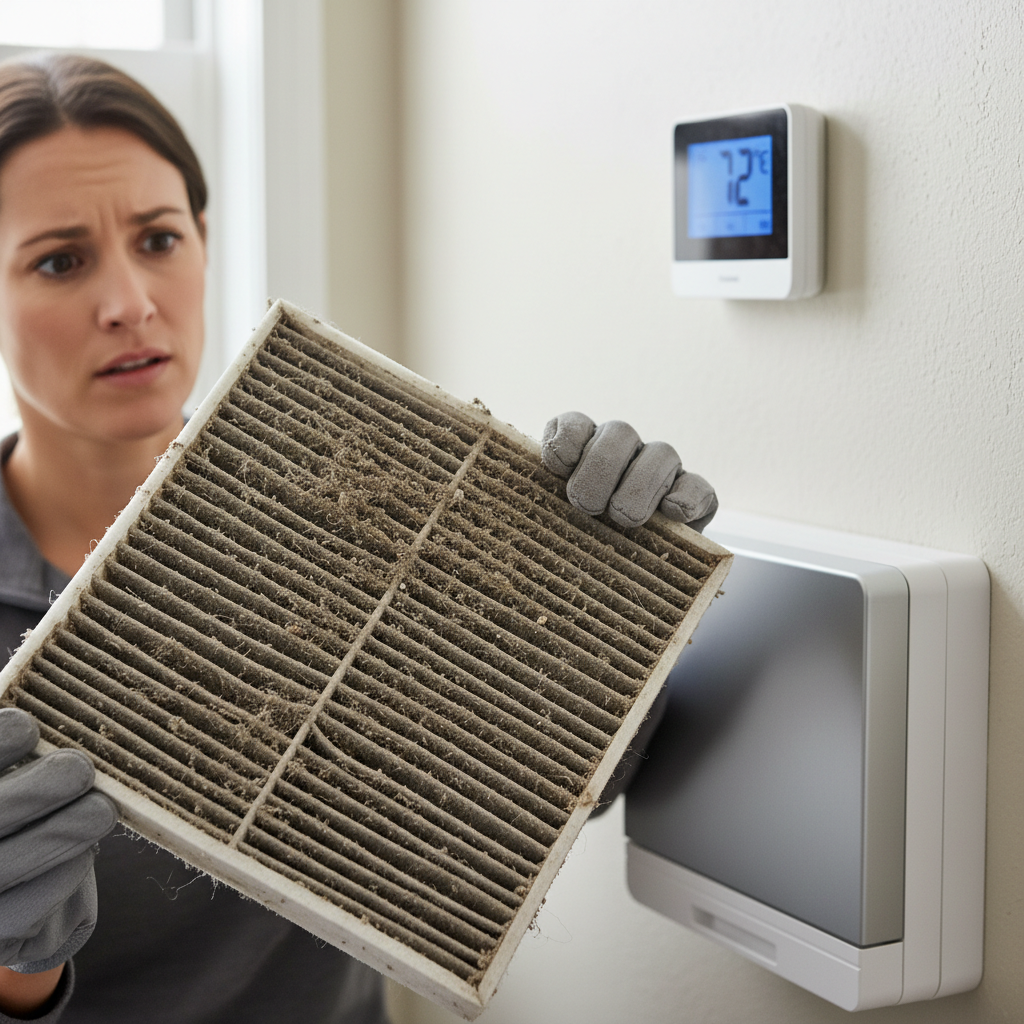
- Clogged Air Filter: This is the heavyweight champ of short-cycling problems. It cuts airflow, makes the system work harder, and can lead to overheating or freezing.
- Dirty Condenser Coils (AC/Heat Pump): If the outdoor coils are loaded with grime, the unit can’t dump heat, and the high-pressure switch may trip.
- Low Refrigerant (AC/Heat Pump): A refrigerant leak drops pressure, the evaporator coil can freeze, and a low-pressure switch may kick the system off. This is a pro fix.
- Faulty Thermostat: Bad settings, dead batteries, or a broken thermostat can send junk signals and make the system cycle wrong.
- Blocked Vents/Returns: Starving the system for airflow makes it inefficient and can trip safety limits.
HVAC · High energy usage
| Project category | HVAC |
|---|---|
| Problem type | High energy usage |
| Trade required | HVAC |
| Urgency | Planned project |
| Safety risk | Low safety risk |
| DIY suitability | DIY for experienced homeowners |
| Cost category | High cost |
| Typical timeline | Assessment within weeks; replacement planned off-season |
| Contractor type | Licensed HVAC technician |
Repair option
Duct sealing, insulation, and a tune-up before touching the equipment.
Replacement option
High-efficiency replacement sized by a load calculation, not a rule of thumb.
Common causes
- Aging, low-efficiency equipment
- Leaking ducts losing conditioned air
- Insufficient attic insulation
- Oversized system short-cycling
Relevant tools:project cost estimatorrepair or replace
Published September 16, 2026Last updated September 16, 2026
Tools & materials you'll need
Affiliate linksAs an Amazon Associate FixlyGuide earns from qualifying purchases — at no extra cost to you. Prices and availability are accurate as of publication and subject to change.
Quick Answer
Ever had your AC or furnace kick on, move a good stream of air for ten minutes or so, then just… quit? And then it does the same dance all over again, never really getting the house where you want it? That’s short-cycling. Nine times out of ten, the system’s telling you it’s got a safety issue. Usually, it’s something plain as day — a clogged air filter, dirty outdoor coils, maybe both — and the unit’s overheating or icing up, so a safety switch shuts it down before it hurts itself. Catch it early and you might save yourself a nasty repair bill.
The Problem
There’s nothing more aggravating than an HVAC system that starts up, runs for a short spell, then shuts off, only to do it again and again. You’re burning electricity or gas, but the house still feels lousy. That’s not just annoying; it’s the system waving a flag.
When your HVAC unit — furnace or AC, doesn’t matter — starts and stops constantly, we call it short-cycling. Picture trying to run a marathon by sprinting for a minute, stopping for five, then sprinting again. No dice. It wastes energy, beats up important parts like the compressor and blower motor, and sends your utility bills climbing. Keep ignoring it and you’ll wear out expensive components way sooner than you should. I’ve seen homeowners spend hundreds, sometimes thousands, on replacements because they brushed off this warning for too long. Don’t let it get that far.
How It Works
Your HVAC system, heating or cooling, depends on a pretty tight balance of airflow, temperature, and pressure. You set the thermostat, it sends the signal, and the system gets to work. If it’s heating, the furnace lights fuel — gas or oil — to warm up the heat exchanger, then the blower pushes that warm air through the ducts. If it’s cooling, the outdoor unit compresses refrigerant, that refrigerant heads to the indoor evaporator coil, and as it changes state it pulls heat out of your home’s air. Then the blower moves that cooled air around the house.
Now here’s the part folks don’t think about: a bunch of sensors and safety switches are watching all of it. Flame sensor on a furnace. High-pressure switch on an AC. Temperature limit switches for both. They’re not there for decoration. They’re there so you don’t end up with a furnace overheating into a fire hazard or an AC compressor cooking itself to death. If one of those sensors sees trouble — maybe the furnace is getting too hot because airflow’s restricted, or the condenser can’t dump heat because the coils are packed with dirt — the system shuts down right away. That 10-minute cutoff you’re seeing? That’s a safety lockout, plain and simple.
Step-by-Step Fix
Alright, let’s get after it. Most of the time, short-cycling comes down to a blockage or a sensor acting up. Here’s how I’d walk a customer through it, step by step.
-
Check Your Air Filter — The #1 Culprit
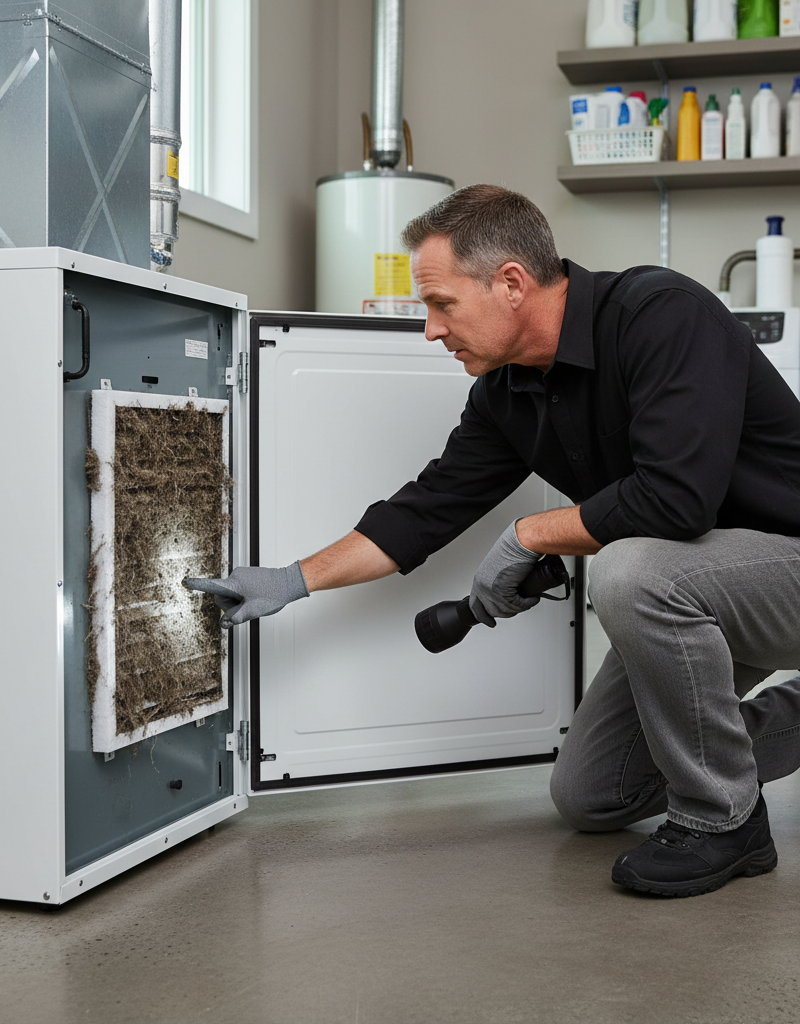
- First thing, kill power to the HVAC system at the thermostat. Then go to the furnace or air handler and find the filter slot. Pull that filter out. If it’s loaded with dust, pet hair, and all the usual junk, there’s your airflow problem. A dirty filter chokes the system, and then it overheats or freezes because air can’t move like it should. That trips the safety switch. Swap it for a clean, properly sized filter — check the old one for the dimensions, like 20x25x1 inch. Don’t go bargain-bin on this. A decent pleated filter earns its keep. I pulled a unit in Frisco last month that was shutting down every 8 minutes, and the “problem” was a filter so packed I could’ve used it as insulation.
- Safety: Always shut the system off before you poke around inside. Last thing you need is the blower kicking on while your hand’s in the cabinet.
-
Inspect Outdoor Unit (AC/Heat Pump) — Clear the Debris
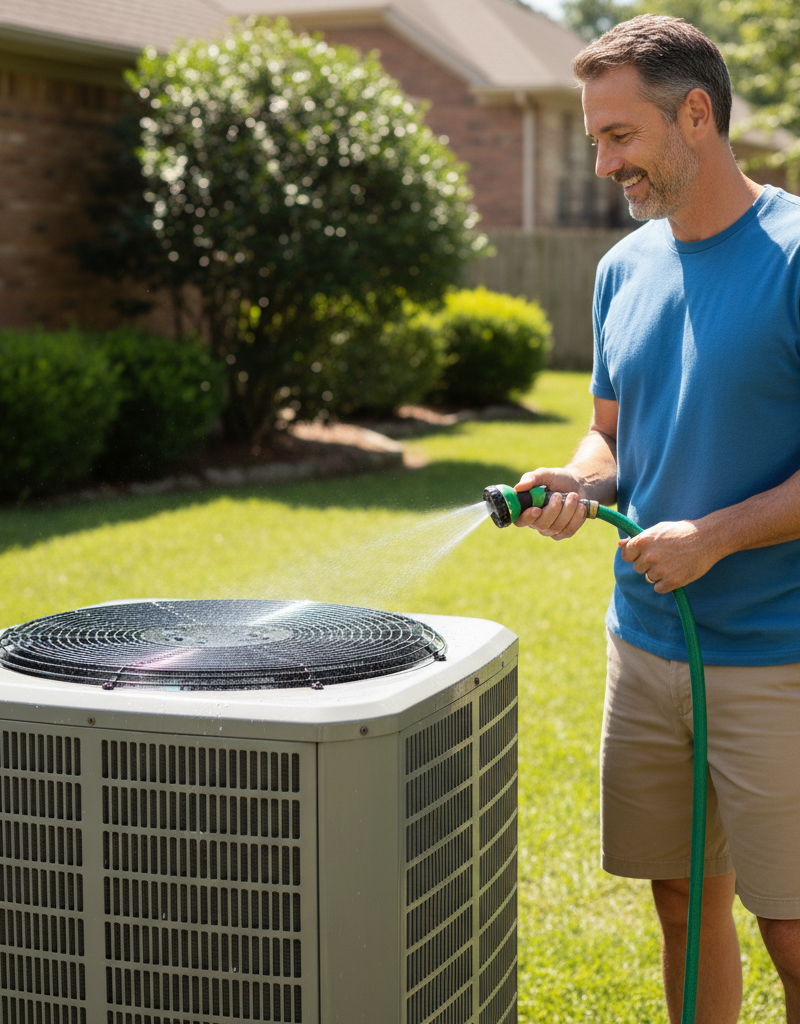
- If the AC’s short-cycling, head outside to the condenser. Is it buried under leaves, grass clippings, or shrubs growing right up on it? That thing needs to breathe. The fins on the outside are how it dumps heat. If they’re crusted over with gunk, the unit can’t shed heat, pressure climbs, and the high-pressure switch trips. Use a garden hose — gentle spray, not a pressure washer — and rinse the fins from the inside out if you can, so you push the debris outward. Trim plants back at least 2 feet on every side. I once yanked a bird nest out of a condenser in Westerville that was dropping out every 8 minutes — cleaned it up, and it ran like nothing ever happened.
- Tools: Garden hose, work gloves, maybe snips if the bushes got frisky.
-
Check Thermostat Settings & Batteries — The Brains of the Operation
- A goofy thermostat can make a system act possessed. Start with the basics. Is the fan set to “Auto” instead of “On”? Is the temperature setting far enough from room temp to actually call for heat or cooling? If it’s a digital thermostat, fresh batteries matter. Weak batteries can cause weird behavior — false calls, early shutdowns, all that nonsense. If you’ve got a programmable model, set it to a simple “Hold” temp and rule out programming problems. A temperature difference of less than 2°F between the set point and the actual room temp can sometimes cause rapid cycling if the thermostat’s overly touchy.
-
Examine Your Evaporator Coil (Indoor Unit) — *Ice Build-Up?
- If the AC is short-cycling and the filter plus outdoor unit look fine, the evaporator coil may be freezing up. Low refrigerant can do it, sure, but so can bad airflow — even with a clean filter, a crushed duct can cause trouble. If the coil’s a block of ice, it can’t absorb heat, and the system may shut down on a low-pressure switch. You’ll need to let it thaw all the way. Turn it off and let the fan run only for a few hours, or just leave it off entirely. Once it’s thawed, try it again with a clean filter. If it freezes back up fast, you’re probably looking at a refrigerant issue, and that’s a pro job.
-
Look for Blocked Vents or Returns — Don't Suffocate Your System
- Walk through the house and check every supply vent and return grille. Are they open? Are they blocked by furniture, rugs, or drapes? Even vents that are partly closed can mess with airflow enough to cause problems, especially in a zoned setup. Your system’s built to move a certain amount of air. Block that air, and you create back pressure, which can overheat a furnace heat exchanger or freeze up an AC.
-
Reset Circuit Breaker (For AC Issues) — The Cold Reboot
- Sometimes an AC unit trips a high-pressure switch, and just clearing the blockage — like a dirty coil — doesn’t reset the control side. Go to your electrical panel and find the breaker for the outdoor AC unit. It’s usually a double-pole breaker, 240V. Flip it all the way OFF, wait about 30 seconds, then flip it back ON. That can reset the control board and the safety switch. Make sure you’re on the right breaker. Guessing at it can shut off something else in the house, and that’s no fun.
-
Check for Restricted Exhaust/Intake Vents (Furnace) — Winter Woes
- If this is a furnace issue, especially a high-efficiency unit, check the intake and exhaust vents outside. They’re usually PVC pipes. Make sure snow, ice, leaves, or little animal nests aren’t blocking them. A blocked exhaust can lead to dangerous carbon monoxide buildup, and a blocked intake starves the furnace for combustion air. Both will shut the system down. Clear the blockage carefully.
-
Look for a Diagnostic Light Code — Your System's SOS
- A lot of newer furnaces and air handlers have a tiny diagnostic light — usually an LED — that flashes a code when something’s wrong. Look through the little window on the access panel. Count the flashes, then check the sticker on the inside of the panel, or your owner’s manual, for what that code means. It might point straight at a flame sensor, a pressure switch, or something else specific. That’s the unit talking to you in its own language.
Common Causes
- Clogged Air Filter: This is the heavyweight champ of short-cycling problems. It cuts airflow, makes the system work harder, and can lead to overheating or freezing.
- Dirty Condenser Coils (AC/Heat Pump): If the outdoor coils are loaded with grime, the unit can’t dump heat, and the high-pressure switch may trip.
- Low Refrigerant (AC/Heat Pump): A refrigerant leak drops pressure, the evaporator coil can freeze, and a low-pressure switch may kick the system off. This is a pro fix.
- Faulty Thermostat: Bad settings, dead batteries, or a broken thermostat can send junk signals and make the system cycle wrong.
- Blocked Vents/Returns: Starving the system for airflow makes it inefficient and can trip safety limits.
- Oversized HVAC System: If the unit’s too big for the house, it can heat or cool too fast and satisfy the thermostat before it’s run a proper cycle. That’s not really something you “fix” the usual way, but it’s a very common cause from day one.
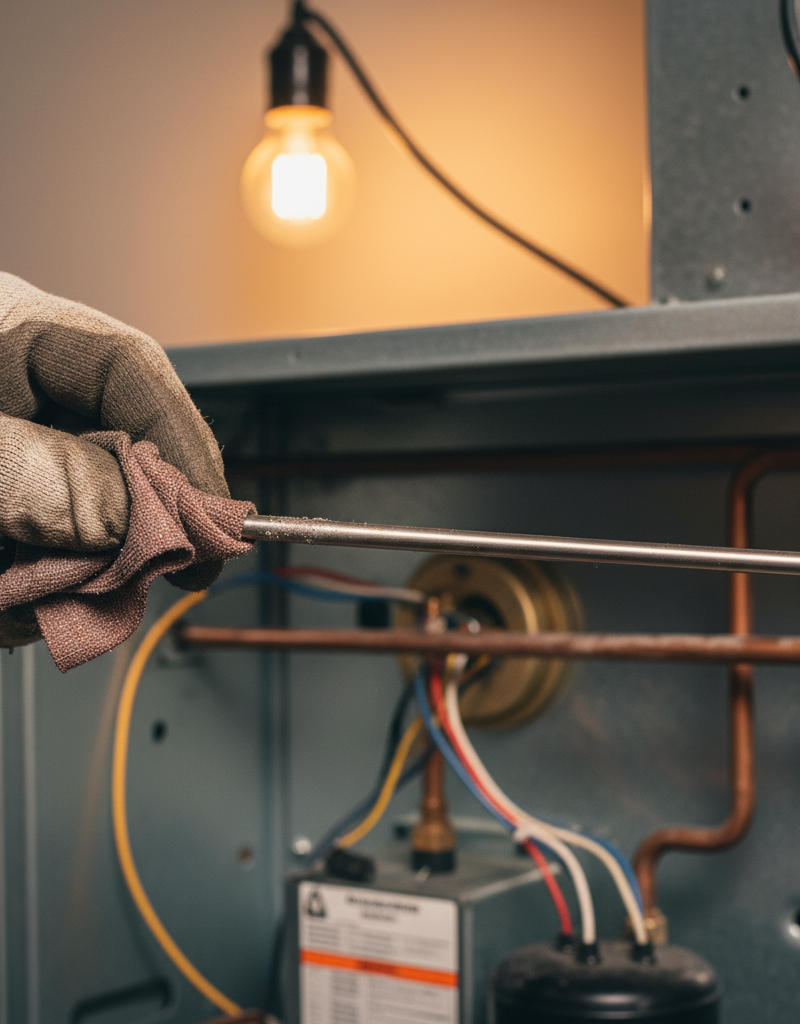
- Furnace Flame Sensor/Limit Switch: In furnaces, a dirty flame sensor may not prove flame reliably, so the gas shuts off. An overheating heat exchanger will trip the high-limit switch.
Common Mistakes
- Ignoring the Filter: Folks forget the air filter all the time. Honestly, I’d say 60% of my first short-cycling calls could’ve been fixed with a $15 filter. Change it monthly, or at least every three months.
- Hosing Down the Outdoor Unit Improperly: Hammering the condenser with a pressure washer can bend the fins and make airflow worse. Stick with a gentle garden hose stream.
- Jumping to "Low Refrigerant": Everybody wants to blame freon. Sure, it can be that, but it’s rarely the first thing I’d assume. Low refrigerant always means a leak, and that takes a pro with the right tools.
- Not Checking Breakers: Skipping the simple electrical reset can waste your afternoon. Start simple.
- Blocking Return Air: People think they’re saving money by closing vents in unused rooms, then they accidentally choke off the main return. The system needs that air.
- Setting the Thermostat Too Aggressively: Cranking the thermostat way up or way down all the time doesn’t help. It can confuse the system and make it cycle inefficiently. Set it and leave it alone.
Cost & Time Breakdown
| Task | DIY Cost | Pro Cost | Time |
|---|---|---|---|
| Air Filter Replacement | $10–$30 | $100–$150 | 5 minutes |
| Outdoor Unit Cleaning | $0 (garden hose) | $150–$250 | 15 minutes |
| Thermostat Battery/Settings | $5–$15 | $100–$200 | 10 minutes |
| Clearing Vents/Returns | $0 | $0 | 5 minutes |
| Circuit Breaker Reset | $0 | $100–$150 | 1 minute |
| Flame Sensor Cleaning | $0 (steel wool) | $150–$300 | 15 minutes |
| Refrigerant Recharge/Leak Repair | N/A | $300–$1000+ | 1–3 hours |
Tips & Prevention
- Regular Filter Changes: Seriously, change your air filter every 1-3 months. It’s cheap insurance for the whole HVAC system, and a good filter helps keep the coils cleaner too.
- Annual Professional Tune-Up: Have the system serviced once a year by a pro — AC in spring, furnace in fall. They’ll clean coils, check refrigerant, inspect electrical parts, and catch little problems before they turn ugly. Think of it like an oil change for your car.
- Keep Outdoor Unit Clear: Leave at least 2 feet of open space around the outdoor AC/heat pump. Trim shrubs, rake leaves, keep junk away from it.
- Unblock Vents and Returns: Make sure supply and return vents aren’t covered by furniture, drapes, or rugs. Your system’s got to breathe.
- Monitor for Warning Signs: Weird noises, odd smells, weak airflow — don’t brush those off. Catching them early can keep a small issue from turning into a bigger one.
- Don't Over-Program: Smart thermostats are great, but don’t set them up for wild temperature swings in a short window. Gradual changes are easier on the equipment.
When to Call a Professional
Look, I’m all for homeowners getting their hands dirty, but there are times to bring in a pro. If you’ve gone through the basics — checked the filter, cleaned the outdoor unit, reset the breaker, ruled out simple thermostat trouble — and the HVAC system is still short-cycling, it’s time to call a licensed HVAC technician. Same goes if you suspect low refrigerant, see ice on the indoor coil after it’s thawed and run again, hear grinding or squealing, smell burning electrical odors, or your furnace diagnostic light is flashing a code you can’t make sense of. Don’t mess around with that stuff. It could be a refrigerant leak, a failing compressor, or a dangerous combustion problem in the furnace. And if you’re not comfortable working around electrical components, or the repair needs special tools like manifold gauges for refrigerant pressure, call it a day and get a pro involved. Safety first, always.
Related Articles
Keep troubleshooting with these hand-picked guides from FixlyGuide:
- The #1 Reason Your AC Blows Warm Air (And It's Not What You Think) — Discover the most common and often overlooked reason your AC might be blowing warm air, and how a simple capacitor fix can restore cool air.
- Why Your AC Is Blowing Warm Air (When It Was Fine Last Year) — Discover the surprising reasons your air conditioner might be blowing warm air even after a smooth season, and how you can troubleshoot and…
- The Secret Reason Your Thermostat Lies (and How to Make It Tell the Truth) — Discover why your thermostat isn't reaching its set temperature and how to diagnose and fix common culprits with simple DIY steps.
- Bathroom fan smell? 3 hidden culprits for mold & moisture — A musty smell from your bathroom fan often signals trapped moisture and mold growth in the fan housing or ductwork, a fixable issue that ha…
- The #1 Mistake Homeowners Make Installing a Smart Thermostat (and How to Avoid It) — Avoid a common wiring mistake that can fry your smart thermostat or HVAC system, by ensuring proper power and compatibility.
- The 3 Hidden Reasons Your Gas Burner Won't Light (Beyond a Clog) — Before you call a technician, discover the most common culprits behind a gas stove burner that refuses to ignite and learn how to fix them…
What should this project cost?
Enter your project details for a realistic cost range before you call anyone.
Service calls and common repairs run $150–$900; full system replacement typically $6,000–$12,000.
- Regional adjustment
- National average
- Labor share (typical)
- ~$1,935
- Quotes to collect
- 3 written estimates
Educational estimate based on national averages — not a binding quote. Always confirm with written local estimates.
Fixly Project Decision Box
- DIY difficulty
- Advanced
- Estimated time
- Homeowner checks 20–30 minutes
- Cost level
- Moderate
Main tools / materials
- Clean air filter
- Garden hose for condenser coils
- Shop vac for the condensate line
When to stop and call a pro
- Burning smell, smoke, or a tripping breaker
- Refrigerant lines iced over or hissing
- Any work inside the sealed refrigerant circuit (EPA-licensed only)
- Gas smell near a furnace — leave and call the utility
Need professional help?
Find an HVAC Pro Near YouGet the print-ready PDF of this guide
A clean, ad-free, printable version you can keep on your phone or pin to the workshop wall. Free with a FixlyGuide account.
- Print-optimized layout
- Tools, materials & every step included
- Saved to your account
Frequently asked questions
Why does my AC keep turning on and off quickly?+
This common issue, known as short-cycling, is often caused by restricted airflow from a dirty air filter or blocked outdoor coils. It can also be due to an oversized unit, low refrigerant, or a faulty thermostat. Your system is likely shutting down to protect itself.
Can a dirty air filter cause my HVAC to short cycle?+
Absolutely, it's one of the most frequent culprits. A clogged filter severely restricts airflow, making your system work harder, overheat, and eventually trip a safety switch, causing it to shut down prematurely.
What does it mean if my furnace turns off after a few minutes?+
For a furnace, this usually points to an issue with combustion or heat dissipation. Common causes include a dirty flame sensor, a tripped high-limit switch due to restricted airflow (dirty filter, blocked vents), or a blocked exhaust/intake vent.
How do I reset my HVAC unit when it short cycles?+
After addressing any potential issues like a dirty filter or coils, you can often reset the system by flipping the main circuit breaker for your HVAC unit completely OFF for 30 seconds, then back ON. This can clear error codes and reset safety switches.
Is it bad if my AC unit is short cycling?+
Yes, short-cycling is definitely bad. It puts excessive strain on your compressor and other components, leading to premature wear and failure, higher energy bills, and reduced comfort. It significantly shortens the lifespan of your system.
How often should I clean my outdoor AC unit?+
You should aim to clean your outdoor condenser unit at least once a year, preferably in the spring before the cooling season begins. Clear away any debris regularly and use a garden hose to gently rinse the coils.
When should I call a professional for HVAC short cycling?+
If you've checked and addressed all the basic DIY steps (filter, coils, thermostat, vents) and your system is still short-cycling, it's time for a pro. This often indicates more complex issues like refrigerant leaks, electrical problems, or failing major components that require specialized tools and expertise.
Can an oversized HVAC system cause short cycling?+
Yes, an HVAC system that's too large for your home can frequently short cycle. It cools or heats the space so quickly that it satisfies the thermostat before completing a full, efficient cycle, leading to uneven temperatures and higher wear on the system.
Discussion
Loading comments…