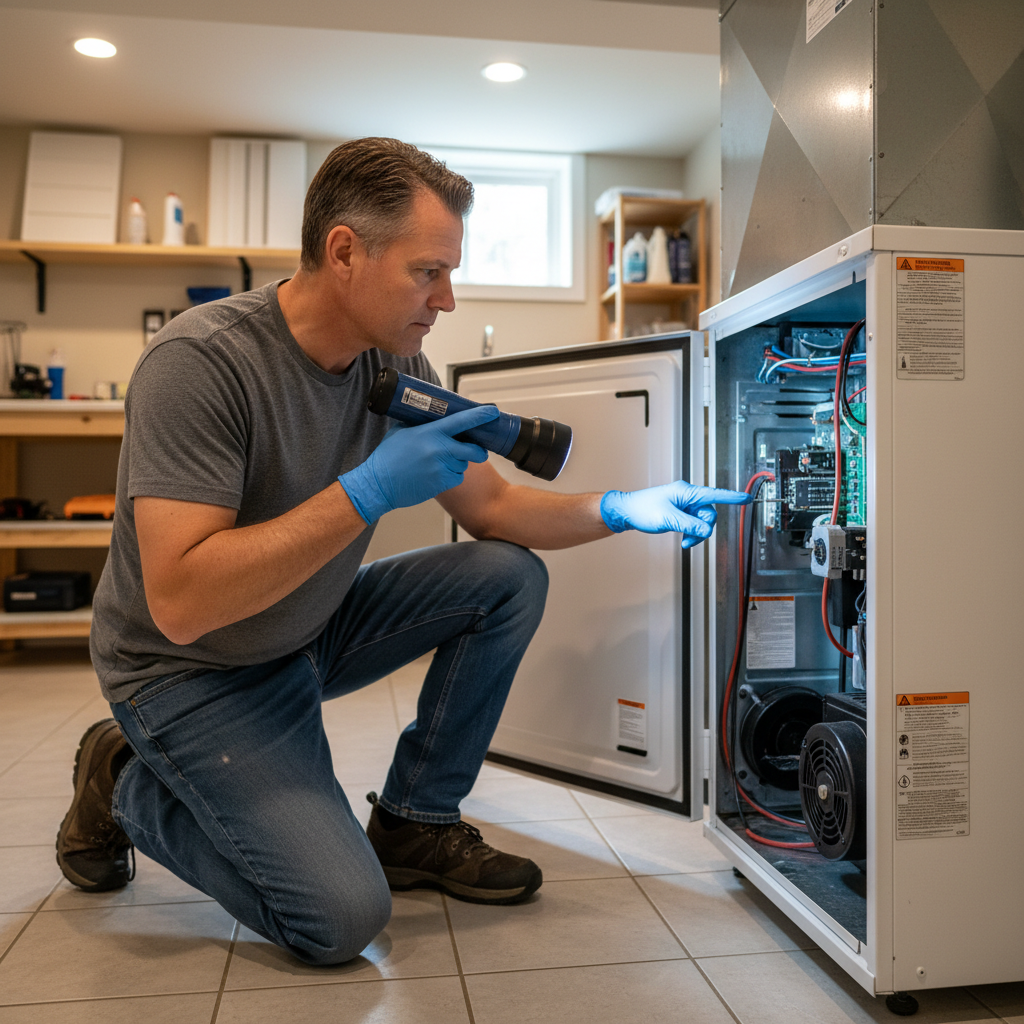
- Clean the Flame Sensor — The furnace's watchful eye
- Safety: Again, power OFF at the breaker! And remember, the igniter gets extremely hot. Even after power is off, don’t touch it right away.
- Carefully remove the screw and pull the sensor out. You’ll probably see a white or black powdery residue (carbon buildup) on it. That junk acts like an insulator and keeps the sensor from reading the flame the way it should.
- Using a fine-grit Emory cloth or a piece of steel wool (I like Emory cloth best, 100-grit works great), gently but thoroughly clean off all the buildup. Don’t use sandpaper; it can be too rough. Polish it until it’s shiny again.
- Reinstall the sensor, making sure it’s back exactly where it was. Close the panel, restore power, and test the furnace. This often fixes short-cycling or furnaces that light for a few seconds and then shut off.
HVAC · High energy usage
| Project category | HVAC |
|---|---|
| Problem type | High energy usage |
| Trade required | HVAC |
| Urgency | Planned project |
| Safety risk | Low safety risk |
| DIY suitability | DIY for experienced homeowners |
| Cost category | High cost |
| Typical timeline | Assessment within weeks; replacement planned off-season |
| Contractor type | Licensed HVAC technician |
Repair option
Duct sealing, insulation, and a tune-up before touching the equipment.
Replacement option
High-efficiency replacement sized by a load calculation, not a rule of thumb.
Common causes
- Aging, low-efficiency equipment
- Leaking ducts losing conditioned air
- Insufficient attic insulation
- Oversized system short-cycling
Relevant tools:project cost estimatorrepair or replace
Published September 12, 2026Last updated September 12, 2026
Tools & materials you'll need
Affiliate linksAs an Amazon Associate FixlyGuide earns from qualifying purchases — at no extra cost to you. Prices and availability are accurate as of publication and subject to change.
Quick Answer
I’ve been in this trade for over two decades, and one call I get way too often when the temperature drops is, “My furnace just won’t turn on!” Most times, it ain’t some catastrophic failure. Before you panic and start thinking about replacing the whole unit, there are usually a few straight-up things you can check yourself. A lot of the time, it’s a minor electrical hiccup, a safety switch doing exactly what it’s supposed to do, or a maintenance item you can fix without much fuss and get your heat back on without a pricey service call.
The Problem
There’s nothing worse than flipping the heat on when that first real cold snap hits, only to hear... nothing. Or maybe you hear a click, a whir, then silence. No warm air. No happy furnace hum. You crank the thermostat, double-check the settings, and still, it’s colder inside than out. That’ll make anybody grind their teeth. It’s frustrating, especially when you’re trying to figure out why your furnace has suddenly decided to go on strike. And sure, it’s inconvenient — but if the temps really drop, it can get downright dangerous, especially with little ones or elderly folks in the house.
How It Works
Alright, let’s talk about how your furnace is supposed to work, because knowing the basics makes troubleshooting a whole lot easier. When you set your thermostat to "heat" and crank up the temperature, it sends a low-voltage signal (usually 24 volts AC) to your furnace’s control board. Think of that control board as the furnace’s brain. First, it tells the inducer motor to start up. That motor creates a draft, pulling combustion gases out of the heat exchanger and venting them outside. It also proves the vent is clear by using a pressure switch. If that switch doesn’t close, the furnace won’t move ahead — and that’s a key safety step.
Once the pressure switch is happy, the ignition sequence starts. A lot of modern furnaces use a hot surface igniter (HSI), which is basically a glow plug that gets super hot (around 2,000°F) to light the gas. Once the HSI is glowing, the gas valve opens, and boom, you’ve got flame. Then the flame sensor checks for that flame and confirms the gas is actually burning. If it doesn’t see flame, it shuts the gas off for safety, which keeps unburnt gas from piling up.
After a successful ignition, the main blower fan kicks in and pushes the warm air through your ductwork and into the house. If any one of those steps — thermostat signal, inducer, pressure switch, igniter, flame sensor, or gas valve — fails, the furnace won’t start or it’ll shut down fast. It’s a pretty tight little dance, but every piece matters if you want heat and, just as important, safety.
Step-by-Step Fix
Before you get into anything, safety first! Kill power to the furnace at the breaker before you open any panels or touch any wiring. You’re dealing with gas and high voltage, so don’t get cute. Also, make sure your gas supply is turned on if you’ve shut it off for any reason.
-
Check the Thermostat and Breaker — The simplest culprits
- First, make sure your thermostat is set to "Heat" and the temperature is at least 5 degrees higher than the current room temp. Check the batteries if it’s battery-powered — that’s burned me more than once over the years. Sometimes, it really is that simple. I had a call in Maple Grove where I drove 45 minutes to a house, only to find the homeowner’s kids had messed with the thermostat and switched it to "Cool." They got an emergency fee for a 10-second fix. Not their best day.
- Next, go to your electrical panel. Find the breaker labeled for your furnace — it might say "Furnace," "HVAC," or something close. If it’s tripped, usually sitting halfway between ON and OFF, flip it all the way OFF, then firmly back to ON. Give it a minute or two and try the furnace again. A power surge or a small fault can trip it, and then you’re dead in the water.
-
Reset the High-Limit Switch — Your furnace's emergency brake
- Safety: Turn off power to the furnace at the circuit breaker before opening the access panel.
- Find the main access panel on your furnace. It usually has a safety switch that cuts power when it’s opened. Once you’ve got it open, look for a small red or black button, often near the blower motor or inside the burner compartment. That’s your high-limit switch. It’s there to trip and shut down the furnace if it overheats, which protects the unit from damage.
- Push the button firmly. If it clicks, it was tripped. Close the panel, restore power, and try the furnace again. If it trips again right away, you’ve got an airflow problem — dirty filter, blocked vents, or a blower motor that’s starting to give up — and now it’s pro time.
-
Clean the Flame Sensor — The furnace's watchful eye
- Safety: Again, power OFF at the breaker! And remember, the igniter gets extremely hot. Even after power is off, don’t touch it right away.
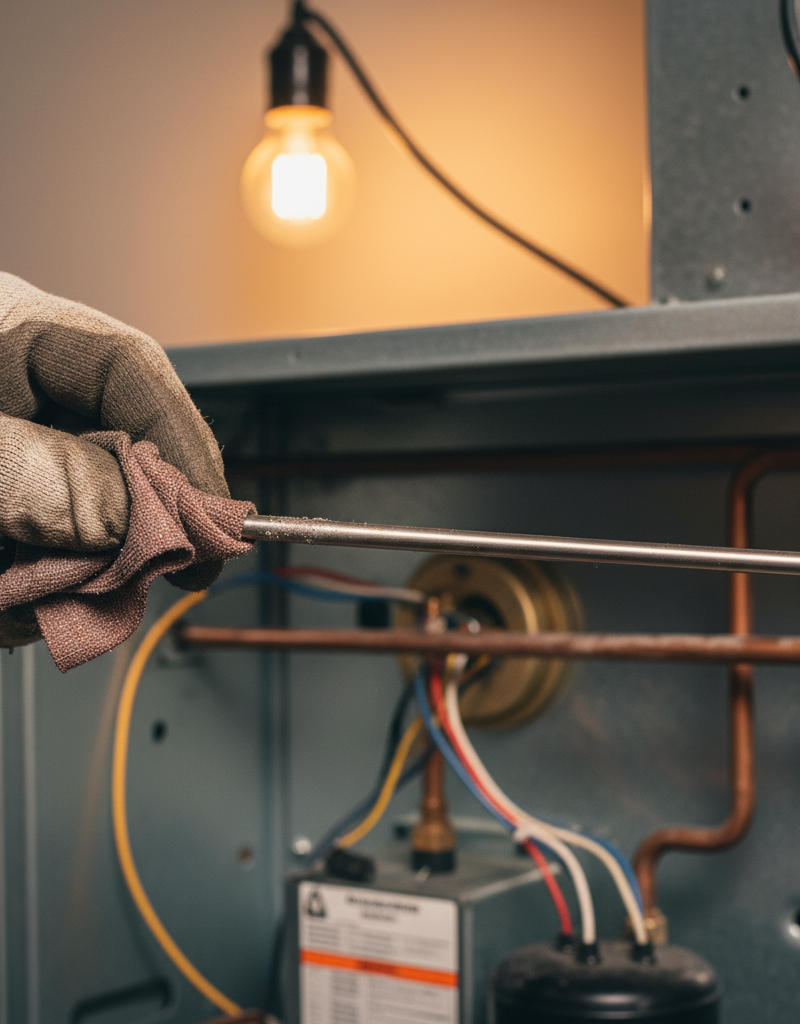
- Open the furnace’s burner compartment. You’ll see several burner tubes. The flame sensor is a thin metal rod, usually about 1/4-inch thick and 2-3 inches long, that sits in the path of the flame of one of the burners. It’s usually held in place by a single screw.
- Carefully remove the screw and pull the sensor out. You’ll probably see a white or black powdery residue (carbon buildup) on it. That junk acts like an insulator and keeps the sensor from reading the flame the way it should.
- Using a fine-grit Emory cloth or a piece of steel wool (I like Emory cloth best, 100-grit works great), gently but thoroughly clean off all the buildup. Don’t use sandpaper; it can be too rough. Polish it until it’s shiny again.
- Reinstall the sensor, making sure it’s back exactly where it was. Close the panel, restore power, and test the furnace. This often fixes short-cycling or furnaces that light for a few seconds and then shut off.
-
Clear the Condensate Drain Line — A common, messy culprit
- Safety: Turn off power at the breaker first. This one involves water and electrical components, so take your time.
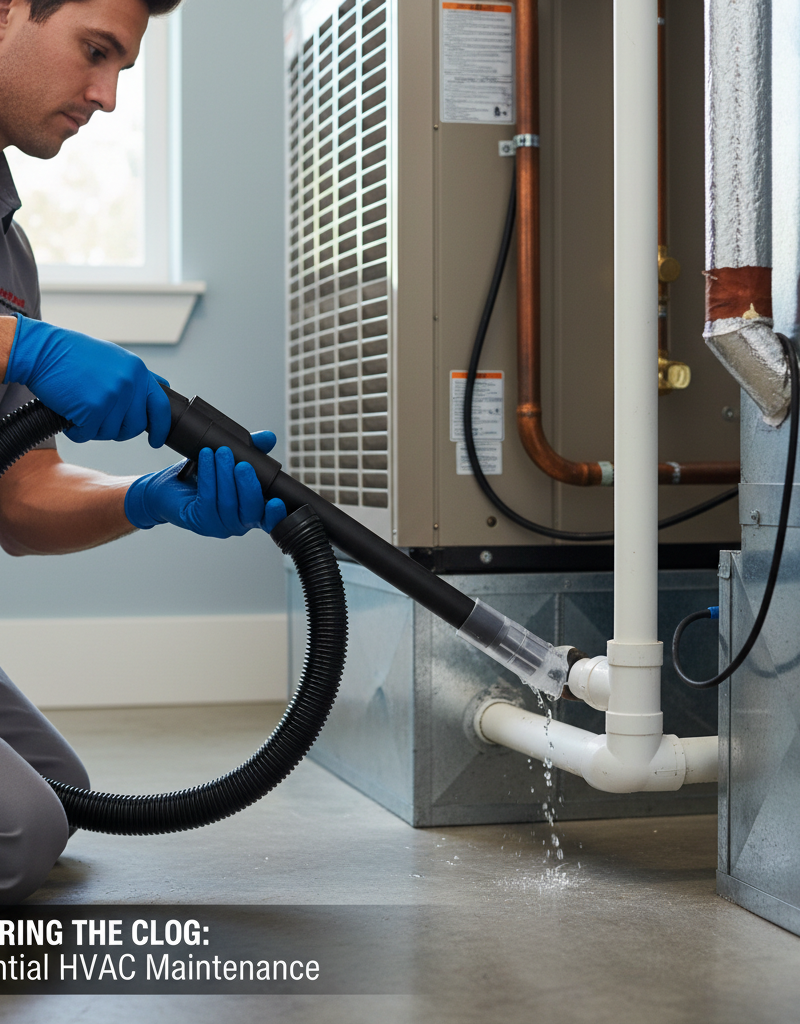
- If you’ve got a high-efficiency (condensing) furnace, it makes acidic water (condensate) that drains away through a PVC pipe. Find the condensate drain pan and the PVC line, usually a 3/4-inch pipe, running from it to a floor drain or condensate pump.
- Check for standing water in the pan or a clogged section of the pipe. A lot of furnaces have a safety switch (a float switch) in the pan or drain line that’ll shut the furnace off if it senses a clog or overflow.
- You can try to clear a small clog by carefully detaching the PVC pipe — have towels ready! — and using a wet/dry vac to suck out the blockage. Another option is pouring a cup of distilled white vinegar into the drain line’s access port, if it has one, to break up algae buildup. Let it sit for 20-30 minutes, then flush with water.
- Make sure all connections are tight, put the access panel back on, restore power, and see if the furnace starts.
Common Causes
- Thermostat Issues: Dead batteries, wrong settings, or a bad thermostat can stop the call for heat cold.
- Tripped Circuit Breaker: Overloads or small electrical faults can trip the furnace breaker and kill power.
- Clogged Air Filter: It chokes off airflow, which makes the furnace overheat and trip the high-limit safety switch.
- Tripped High-Limit Switch: A safety device that shuts the furnace down if it gets too hot, usually because airflow’s poor.
- Dirty Flame Sensor: Carbon buildup on the sensor keeps it from detecting flame, so the furnace shuts off right after ignition.
- Clogged Condensate Drain (High-Efficiency Furnaces): Water backs up and triggers a safety float switch, which shuts the unit down.
- Ignition System Failure: A bad hot surface igniter or pilot light (in older units) won’t light the gas.
Common Mistakes
- Ignoring the Circuit Breaker: A lot of homeowners head straight for the furnace and never check the panel. Start there.
- Aggressive Cleaning: Harsh abrasives or solvents can wreck the flame sensor. A gentle wipe with Emory cloth or steel wool is plenty.
- Forgetting to Shut Off Power: Working inside the furnace with the breaker still on is a bad gamble. Cut the power every time.
- Overlooking the Condensate Drain: Especially on high-efficiency units, a simple clog can look like a major furnace failure. Don’t skip it.
- Setting the Thermostat Incorrectly: Sounds basic, but people forget to put it on "Heat" or turn the target temp up high enough.
- Replacing Parts Blindly: Don’t just start swapping parts and hope for the best. Work through the issue step by step. You’ll save money and a whole lot of headaches.
Cost & Time Breakdown
| Task | DIY Cost | Pro Cost | Time (DIY) |
|---|---|---|---|
| Check Thermostat/Breaker | $0 | $75–$150 (trip fee) | 5–10 min |
| Reset High-Limit Switch | $0 | $75–$150 (trip fee) | 10–15 min |
| Clean Flame Sensor | $0–$5 (Emory cloth) | $150–$250 | 20–30 min |
| Clear Condensate Drain | $0–$10 (vinegar/vac) | $150–$300 | 30–45 min |
| Replace Flame Sensor | $10–$25 | $200–$350 | 30–45 min |
| Replace Igniter | $50–$150 | $250–$450 | 45–60 min |
Tips & Prevention
- Regular Filter Changes: Swap your furnace filter every 1-3 months (or more often with pets or allergies). That’s the biggest thing you can do to keep airflow decent and avoid high-limit trips.
- Annual Professional Tune-Up: Have a qualified HVAC tech inspect your furnace every fall before heating season. They’ll catch small problems before they turn into big breakdowns and clean parts like the flame sensor and blower.
- Keep Vents Clear: Make sure supply and return vents in the house aren’t blocked by furniture, rugs, or drapes. Blocked vents choke airflow.
- Monitor Condensate Drain: If you’ve got a high-efficiency furnace, check the condensate drain line regularly for clogs, especially in a humid climate where algae can take off fast. Pour a cup of distilled white vinegar down it once a month during heating season.
- Listen to Your Furnace: Pay attention when it starts making new noises or acting different. Strange sounds can be the first warning something’s off.
When to Call a Professional
You’ve tried the troubleshooting steps, and your furnace is still playing dead? Time to bring in a pro. If you’ve reset the breaker and high-limit, cleaned the flame sensor, and checked the condensate drain, but the furnace still won’t start — or it tries to ignite and then shuts right back down — you’re probably looking at something more involved. Could be a failing igniter, a bad gas valve, a faulty pressure switch, or a control board problem. Those parts take the right diagnostic tools and some experience to sort out and replace correctly. If you smell gas at any point, immediately evacuate your home, do not use electrical switches or phones, and call your gas company and then emergency services from a safe location. Don’t try to fix gas leaks yourself; that’s extremely dangerous. For anything past basic cleaning and resetting, a licensed HVAC technician is your best bet for a safe repair that lasts.
Related Articles
Keep troubleshooting with these hand-picked guides from FixlyGuide:
- The #1 Mistake Homeowners Make When Their Furnace Blows Cold Air — Learn the surprising reason your furnace might be blowing cold air and how to fix it with simple steps.
- The Furnace Short Cycling Mystery: One Small Sensor You're Overlooking — Furnace short cycling is more than just annoying; it can trash your HVAC system and rack up huge energy bills. Often, the culprit is simple…
- The Secret Reason Your Furnace Kicks Off Early (It’s Not What You Think) — Furnace short cycling is a common, frustrating problem that wastes energy and wears out your system. It happens when your furnace turns on…
- The Hidden Reason Your Furnace Short Cycles (and the $15 Fix) — Furnace short cycling can drive up energy bills and wear out your system prematurely; often, a simple fix like a dirty filter or miscalibra…
- The 4 Hidden Reasons Your Furnace Short Cycles (and What to Check First) — Discover the four most common reasons your furnace is short cycling and how to diagnose and fix these issues to restore efficient heating.
- The Grimy Secret Under Your Bathroom Sink: Why Your Faucet Is Slow — A slow-flowing bathroom faucet is often more than just an annoyance; it's a clear sign of mineral buildup or internal damage that's surpris…
What should this project cost?
Enter your project details for a realistic cost range before you call anyone.
Service calls and common repairs run $150–$900; full system replacement typically $6,000–$12,000.
- Regional adjustment
- National average
- Labor share (typical)
- ~$1,935
- Quotes to collect
- 3 written estimates
Educational estimate based on national averages — not a binding quote. Always confirm with written local estimates.
Fixly Project Decision Box
- DIY difficulty
- Advanced
- Estimated time
- Homeowner checks 20–30 minutes
- Cost level
- Moderate
Main tools / materials
- Clean air filter
- Garden hose for condenser coils
- Shop vac for the condensate line
When to stop and call a pro
- Burning smell, smoke, or a tripping breaker
- Refrigerant lines iced over or hissing
- Any work inside the sealed refrigerant circuit (EPA-licensed only)
- Gas smell near a furnace — leave and call the utility
Need professional help?
Find an HVAC Pro Near YouGet the print-ready PDF of this guide
A clean, ad-free, printable version you can keep on your phone or pin to the workshop wall. Free with a FixlyGuide account.
- Print-optimized layout
- Tools, materials & every step included
- Saved to your account
Frequently asked questions
Why would my furnace suddenly stop working?+
Furnaces often stop working due to simple issues like a tripped circuit breaker, dead thermostat batteries, or a clogged air filter. Safety switches, such as the high-limit switch or condensate float switch, can also shut it down to prevent damage if a problem is detected.
How do I reset my furnace if it won't turn on?+
First, check and reset the furnace's circuit breaker in your electrical panel. Then, look for a small red or black reset button on the furnace itself, often near the blower motor or inside the burner compartment. Push it firmly if it's tripped. Always turn off power to the furnace before working inside it.
What does a dirty flame sensor do?+
A dirty flame sensor develops a carbon buildup that insulates it, preventing it from detecting the furnace flame. When the furnace lights but then quickly shuts off (short-cycling), a dirty flame sensor is a very common culprit, as the safety system thinks there's no flame.
Can a clogged condensate drain stop my furnace?+
Yes, for high-efficiency (condensing) furnaces, a clogged condensate drain can trigger a safety float switch. This switch will shut down the furnace to prevent water from backing up and causing damage, effectively stopping your heat until the clog is cleared.
How often should I change my furnace filter?+
You should typically change your furnace filter every 1 to 3 months, or more frequently if you have pets, allergies, or a lot of dust in your home. A dirty filter restricts airflow, leading to overheating and potential furnace shutdowns.
Is it safe to clean the flame sensor myself?+
Cleaning a flame sensor is generally a safe DIY task, but you must first turn off all power to the furnace at the circuit breaker. Use a fine-grit Emory cloth or steel wool to gently clean the carbon buildup. If you're uncomfortable, call a professional.
What if my furnace clicks but doesn't ignite?+
If your furnace clicks but doesn't ignite, it often points to an issue with the ignition system. This could be a faulty hot surface igniter, a dirty or misaligned pilot light (in older units), or a problem with the gas valve not opening to release fuel.
When should I call an HVAC professional for a furnace that won't start?+
Call an HVAC professional if, after checking the thermostat, circuit breaker, high-limit switch, flame sensor, and condensate drain, your furnace still refuses to start. Any suspected gas leaks, persistent strange noises, or error codes on your furnace also warrant a professional service call.
Can I use sandpaper to clean my flame sensor?+
No, I don't recommend using sandpaper on a flame sensor. It can be too abrasive and scratch the sensor, potentially damaging its integrity. A fine-grit Emory cloth or steel wool is much gentler and more effective for removing carbon buildup without causing harm.
What's the difference between a high-limit switch and a flame sensor?+
The high-limit switch is a safety device that monitors the internal temperature of your furnace; it trips if the unit overheats due to restricted airflow or other issues. The flame sensor, on the other hand, confirms that a flame is present after ignition, ensuring gas isn't released without burning. Both are crucial safeties but monitor different conditions.
Discussion
Loading comments…