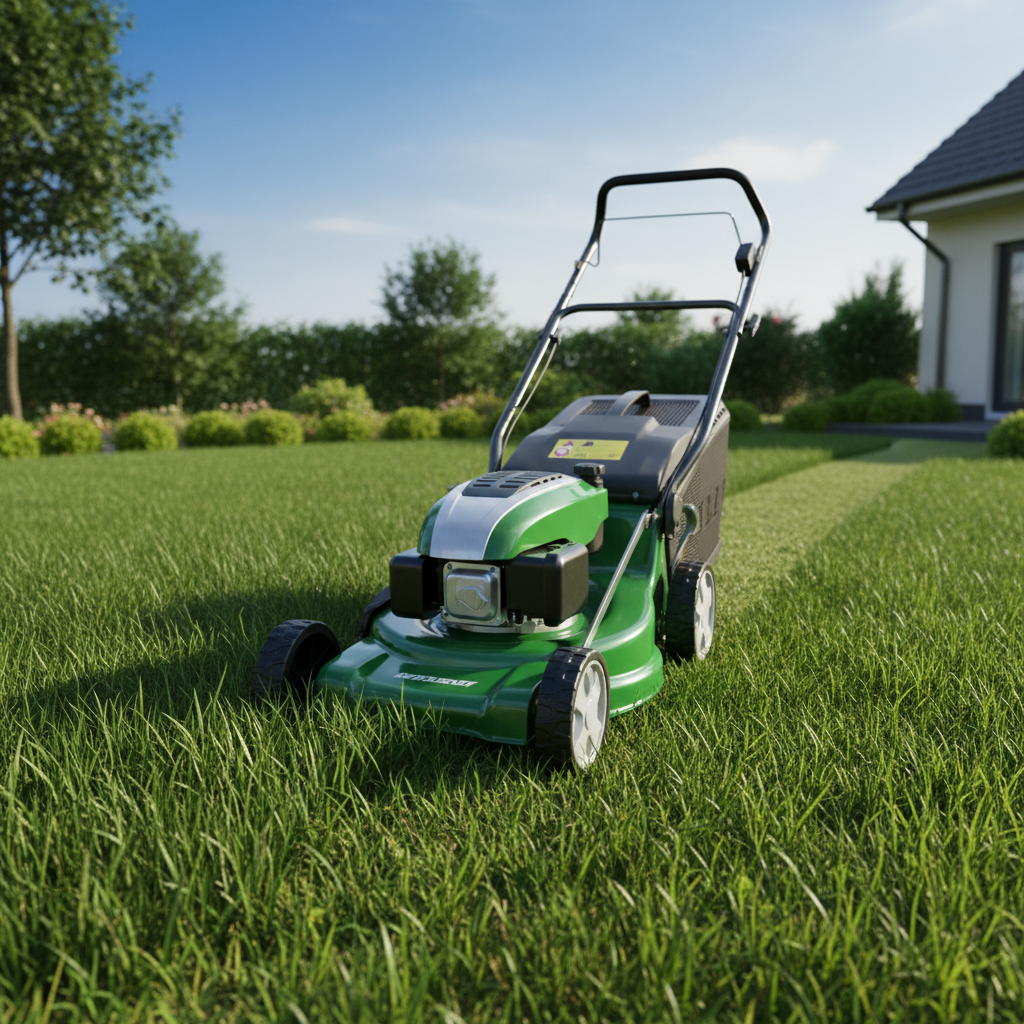
- Most residential mowers have a lever or a set of levers near the wheels that allow you to adjust the deck height. Consult your mower's manual if you're unsure.
- Take a measurement from the bottom of the mower deck to the ground, or estimate the height of your current cut.
- Safety Note: Always ensure the mower is turned off and the spark plug wire is disconnected before inspecting or adjusting the blades to prevent accidental starting.
Landscaping · Deck or fence project
| Project category | Landscaping |
|---|---|
| Problem type | Deck or fence project |
| Trade required | Landscaping |
| Urgency | Planned project |
| Safety risk | Moderate safety risk |
| DIY suitability | DIY for experienced homeowners |
| Cost category | High cost |
| Typical timeline | Most builds 3–10 days depending on size |
| Contractor type | Landscaping contractor |
Repair option
Replace failed boards, posts, and hardware; reseal the surface.
Replacement option
Rebuild when framing or the ledger connection is unsafe.
Common causes
- Rot at posts and ledger
- Storm damage
- Adding outdoor living space
Relevant tools:home improvement material pricesproject cost estimator
Published May 26, 2026Last updated August 17, 2026
Tools & materials you'll need
Affiliate linksAs an Amazon Associate FixlyGuide earns from qualifying purchases — at no extra cost to you. Prices and availability are accurate as of publication and subject to change.
Quick Answer
Cutting your grass too short is the single biggest mowing mistake that harms lawn health. This aggressive cutting, often called 'scalping,' stresses the grass plants, limiting their ability to produce food through photosynthesis and making them vulnerable to drought, pests, and weed invasion. To fix this, raise your mower's cutting height to its maximum setting (typically 3-4 inches for most cool-season grasses and 2-3 inches for warm-season varieties), and aim to remove no more than one-third of the grass blade's total height in any single mowing session. This practice encourages deeper root growth, shading the soil to retain moisture and naturally outcompeting weeds.
The Problem
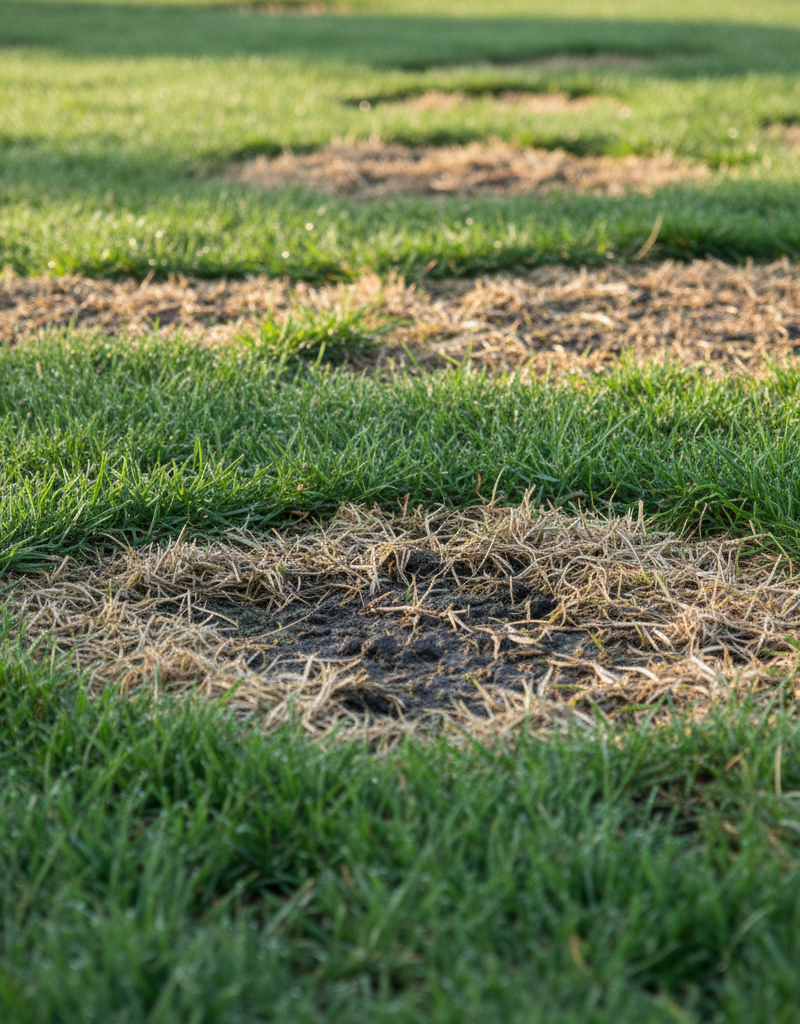
Many homeowners believe that cutting their grass as short as possible will result in a neater appearance or reduce the frequency of mowing. However, this approach is detrimental to the long-term health and vitality of a lawn. When grass is cut too low, it's essentially stripped of its primary means of producing energy: its green blades. These blades contain chlorophyll, essential for photosynthesis, the process by which plants convert sunlight into food. Severely shortened blades mean a drastic reduction in this food production, leading to weakened plants. This weakness manifests in several ways: the grass struggles to recover from the stress of cutting, its roots become shallow, and it loses its natural defense mechanisms. Bare patches, increased weed growth (as sunlight reaches the soil), and a dull, yellowish-brown appearance are common signs of a lawn suffering from improper mowing height. Furthermore, scalping can expose the delicate crown of the grass plant to harsh sunlight, further damaging it and making it more susceptible to environmental stressors and disease.
How It Works
To understand why proper mowing height is crucial, consider the biology of a grass plant. A grass blade is like a solar panel. The longer the blade (within reason), the more surface area it has to capture sunlight for photosynthesis. This process creates sugars that fuel the plant's growth, both above ground and below ground in the root system. A healthy, extensive root system is the backbone of a resilient lawn. Deep roots allow the grass to tap into moisture and nutrients deeper in the soil, making it more drought-resistant and less reliant on frequent watering. When you cut grass too short, you dramatically reduce the capacity for photosynthesis. This forces the plant to draw on its energy reserves to regrow its blades, often at the expense of root development. Shallow roots result in a lawn that dries out quickly, struggles in hot weather, and is easily overrun by weeds, which often have deeper, more robust root systems or reproduce rapidly in disturbed soil. Moreover, taller grass blades naturally shade the soil surface. This shading helps to keep the soil cooler, reducing water evaporation and suppressing weed seed germination by blocking the light they need to sprout. A taller lawn also promotes microbial activity in the soil, enhancing nutrient cycling and overall soil health. Essentially, proper mowing height creates a self-sustaining ecosystem where the grass is strong enough to resist common lawn problems naturally.
Step-by-Step Fix
1. Assess Your Current Mower Height — Your first step is to check how high your mower is currently set.
*   Most residential mowers have a lever or a set of levers near the wheels that allow you to adjust the deck height. Consult your mower's manual if you're unsure.
*   Take a measurement from the bottom of the mower deck to the ground, or estimate the height of your current cut.
*   **Safety Note:** Always ensure the mower is turned off and the spark plug wire is disconnected before inspecting or adjusting the blades to prevent accidental starting.
2. Adjust Mower to Maximum Height — Set your mower to its highest possible cutting setting.
*   For most common turf grasses (like fescue, rye, bluegrass), this will typically be between 3 to 4 inches. For warm-season grasses (like Bermuda, zoysia, St. Augustine), 2 to 3 inches is usually appropriate, though St. Augustine can often go higher.
*   A higher cut promotes deeper root growth and shades the soil, reducing water evaporation and weed germination.
3. Understand the One-Third Rule — Commit to removing no more than one-third of the grass blade's height at any one time.
*   If your ideal grass height is 3 inches, don't let it grow taller than 4.5 inches before mowing. This means you might need to mow more frequently, especially during peak growing seasons.
*   **If your grass is very tall:** Raise your mower to the highest setting for the first pass, then lower it by one notch for a second pass a few days later if needed, ensuring you still adhere to the one-third rule. Never try to cut extremely tall grass down to your desired height in a single session.
4. Sharpen Your Blades — Dull blades tear grass, leaving ragged edges that turn brown and invite disease.
*   Inspect your mower blade (with the engine off and spark plug disconnected!). If it looks chipped, bent, or dull, it needs sharpening or replacement.
*   Many hardware stores offer blade sharpening services, or you can do it yourself with a file and a balancer. Aim to sharpen blades at least once per season, or more often if your lawn is large or you frequently hit debris.
5. Mow When Grass is Dry — Mowing wet grass can lead to uneven cuts, clogged blades, and can spread disease.
*   Wait until the morning dew has evaporated or after any rain has dried completely.
*   Dry grass stands up straighter, allowing for a cleaner, more even cut.
6. VARY Your Mowing Pattern — Mowing in the same direction every time can compact the soil and cause grass blades to lean in one direction.
*   Alternate your mowing pattern each time you cut. For example, mow north-south one week, then east-west the next.
*   This encourages more upright growth and reduces rutting or soil compaction.
7. Leave Clippings (Unless Excessive) — Grass clippings are a natural fertilizer, returning valuable nutrients to the soil.
*   If you adhere to the one-third rule, your clippings will be short and will decompose quickly.
*   Only bag clippings if they are excessively long and clumping, as this can smother the grass beneath.
*   **If you see signs of disease:** Bag the clippings to prevent spreading the disease to healthy areas of your lawn.
8. Check Your Soil's pH — If your lawn still struggles despite proper mowing, the issue might be soil pH.
*   Pick up a simple soil test kit from a garden center. The ideal pH for most lawns is between 6.0 and 7.0.
*   Adjusting pH with lime (to raise) or sulfur (to lower) can significantly improve nutrient availability, even if your mowing habits are perfect.
Common Causes
- Habitual Scalping: Many homeowners simply continue a habit of cutting their grass too short, often believing it results in a tidier look or extends the time between mows. This is the primary driver of lawn damage.
- Incorrect Mower Settings: Not knowing how to properly adjust mower deck height or simply setting it to the lowest possible notch out of convenience.
- Dull Mower Blades: Blades that are dull don't cut cleanly; they tear the grass. This creates ragged edges that are more susceptible to disease and browning, giving the lawn an unhealthy appearance even if the height is correct.
- Mowing Wet Grass: Attempting to cut wet grass results in uneven cuts, clumping of clippings, and can spread fungal diseases more easily across the lawn.
- Ignoring Grass Type: Different grass types have different ideal cutting heights. Treating all lawns the same without knowing the specific needs of the turf variety can lead to problems.
- Infrequent Mowing: Allowing grass to grow excessively tall before cutting then attempting to take it down to the desired height in a single pass violates the 'one-third rule' and causes severe stress.
Common Mistakes
- **Cutting Too Short for
Related Articles
Keep troubleshooting with these hand-picked guides from FixlyGuide:
- The #1 Mowing Mistake That Leaves Your Lawn Brown and Patchy — Discover the most common mowing mistake homeowners make that leads to unhealthy, patchy grass and how to fix it for a vibrant lawn.
- The #1 Mowing Mistake That Invites Weeds (And How to Fix It in 10 Minutes) — Discover the most common mowing mistake homeowners make that inadvertently encourages weeds, and learn easy steps to achieve a healthier, m…
- The #1 Mowing Mistake That Starves Your Lawn (And How to Fix It in Minutes) — Learn the surprising reason your lawn might be struggling despite regular mowing and how a simple adjustment can lead to healthier, more vi…
- The #1 Mowing Mistake That Invites Weeds (And How to Fix It in 5 Minutes) — Discover the most common mowing error homeowners make that inadvertently encourages weed growth, and learn a simple fix for a healthier law…
- The 3 Lawn Mowing Mistakes Killing Your Grass (and How to Fix Them) — Discover the three most common lawn mowing mistakes homeowners make that damage their grass, and learn simple, actionable steps to correct…
- The #1 Mistake When Fixing Baseboards That Pull Away From Walls — Discover the crucial mistake homeowners make when reattaching baseboards and how to properly secure them for a lasting fix.
Should you do this yourself?
Answer five quick questions before you start. Safety outranks savings every time.
Your experience with work like this
How high do you have to work?
Does the job involve any of these?
Will it need a permit?
Specialty tools
Free and instant. Educational guidance only — not a quote, inspection, or professional diagnosis.
What should this project cost?
Enter your project details for a realistic cost range before you call anyone.
Cost depends heavily on which system turns out to be the source.
- Regional adjustment
- National average
- Labor share (typical)
- ~$1,620
- Quotes to collect
- 3 written estimates
Educational estimate based on national averages — not a binding quote. Always confirm with written local estimates.
Before you start
Check the difficulty, permits, and safety risk — then decide whether to call a pro.
- Estimate this projectGet a cost range for your scope and ZIP before you call anyone.Open
- Get local estimatesSend one request and compare written estimates from vetted pros.Open
Free, no signup required. Estimates are educational guidance, not a quote or an inspection.
Frequently asked questions
What is the ideal grass height for a healthy lawn?+
The ideal grass height depends on your grass type. For most cool-season grasses (fescue, rye, bluegrass), aim for 3-4 inches. For warm-season grasses (Bermuda, zoysia), 2-3 inches is generally best. Taller grass promotes deeper roots and better resilience.
How often should I mow my lawn?+
The frequency depends on the growth rate, but the 'one-third rule' is key. Mow often enough so that you never remove more than one-third of the grass blade's total height in a single session. This might mean once a week during peak growth and less often during slower periods.
Can cutting grass too short kill it?+
While severely scalping won't instantly kill mature grass, it severely stresses the plant, inhibits root growth, and makes it highly vulnerable to drought, weeds, and disease, potentially leading to large dead patches or a slow, unhealthy decline.
Should I leave grass clippings on my lawn?+
Yes, generally leaving short grass clippings on your lawn (known as 'grasscycling') is beneficial. They decompose quickly, returning valuable nutrients and organic matter to the soil, acting as a natural fertilizer. Avoid leaving thick clumps of wet clippings, as these can smother the grass.
Does mowing direction matter?+
Yes, varying your mowing pattern each time can prevent soil compaction and help the grass grow more upright. Mowing in only one direction repeatedly can create ruts and cause grass blades to lean permanently.
Discussion
Loading comments…