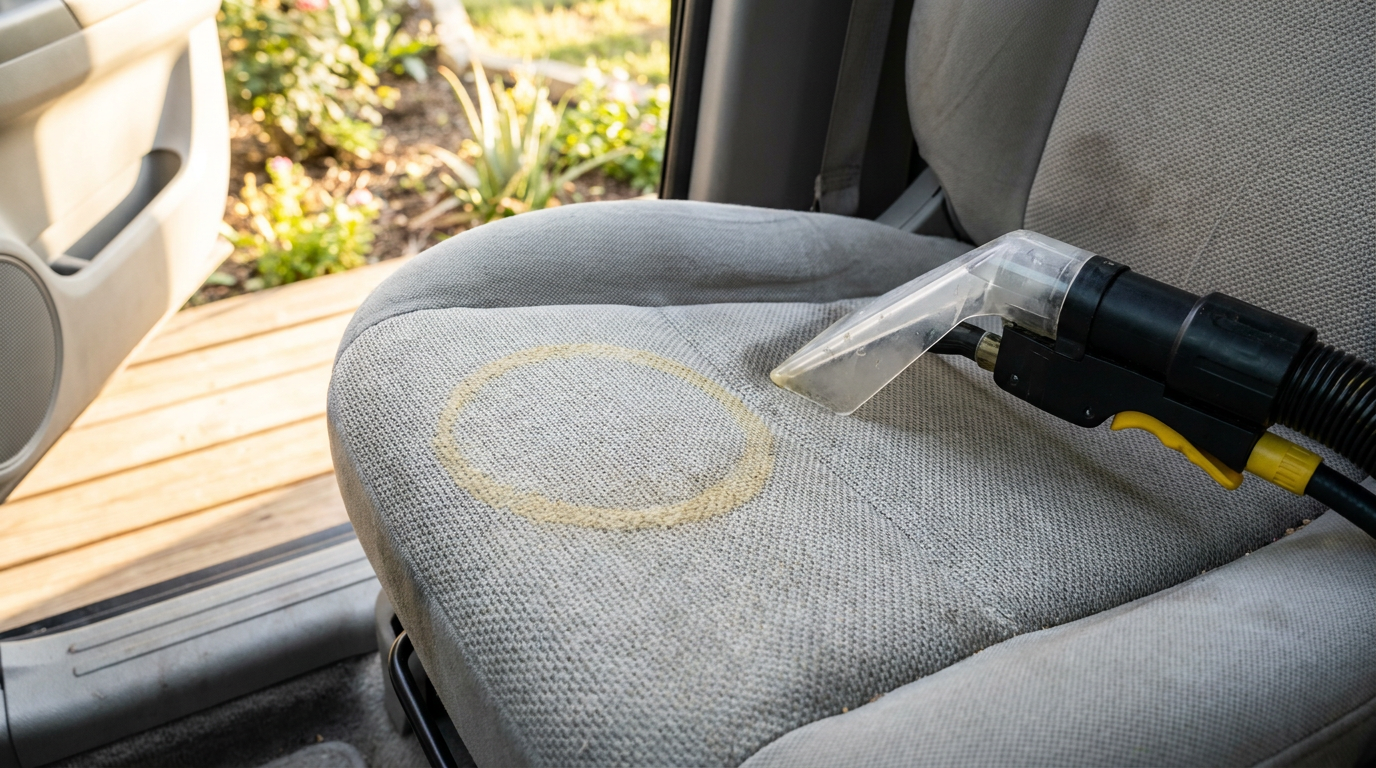
- Mechanical Extraction—Pull the Dry and Semisolid Residue First
- Tool: Plastic scraper or stiff plastic card
- Vacuum: Immediately vacuum up the dry flakes using a shop vac or upholstery brush attachment with strong suction. Don't use your home's main upright vacuum without a hose; you'll contaminate the roller brush with foul-smelling bacteria.
Published October 31, 2026Last updated October 31, 2026
Tools & materials you'll need
Affiliate links- AmazonProtease and lipase enzymatic cleaner1 quart · Must state it digests proteins and fats
- AmazonKitchen plastic wrap1 roll · To lock in moisture during enzyme incubation
- AmazonSodium percarbonate (powdered oxygen bleach)2 tbsp · For removing oxidized yellow protein rings
- AmazonClean white microfiber towels3–4
As an Amazon Associate FixlyGuide earns from qualifying purchases — at no extra cost to you. Prices and availability are accurate as of publication and subject to change.
Quick Answer
To remove set-in milk and dairy vomit smells from car seats or home upholstery, you have to break down the rancid butyric acid and curdled casein proteins trapped inside the foam cushion. Blot any residual moisture, saturate the spot with a high-potency enzymatic cleaner specifically labeled for proteins, cover it with damp plastic wrap for 8 to 12 hours so the bacteria don't dry out, and extract with a wet-vac. Finish with an oxygen bleach rinse if a yellow protein ring remains.
The Problem
You opened your car door or walked into the family room, and the stench hit you like a wall. It smells like rotting sour milk, stale gym socks, and baby spit-up cranked up to ten. Maybe a toddler dropped a sippy cup between the bucket seats two weeks ago under the blistering Texas sun. Maybe someone got car sick after ice cream, or an iced latte dumped into the passenger seat cushion and soaked straight down to the base springs.
Surface cleaning won't touch this. You can spray an entire can of fabric refresher or dump a tub of baking soda over the seat, but 48 hours later, the sour dairy stench crawls right back out.
That's because dairy spills aren't normal stains. Milk is a complex biological emulsion of water, fats, lactose sugars, and proteins (primarily whey and casein). When milk penetrates fabric, it doesn't just dry out—it curdles. Bacteria devour the lactose and digest the butterfat, releasing butyric acid. If you've ever smelled industrial stink bombs or rancid butter, that's pure butyric acid. The human nose can detect it in concentrations as low as 10 parts per billion. As long as those curdled milk proteins live inside your seat's open-cell foam cushion, any rise in heat or humidity will reactivate the odor.
How It Works
Vehicle seats and upholstered living room couches use polyurethane open-cell foam. Think of open-cell foam as an interconnected labyrinth of microscopic balloons that have popped. When liquid hits the fabric cover, gravity and capillary action pull it through the woven synthetic top layer and deep into this foam sponge.
Most people grab a towel, scrub the surface, and assume the job's done. But you've only cleared the entryway. Down inside the 2-inch to 4-inch foam pad, the liquid sits undisturbed.
Milk goes through a violent chemical transformation as it ages. First, native lactic acid bacteria consume the sugars, causing the liquid's pH to drop from a neutral 6.7 down below 4.6. This acidic plunge coagulates the casein proteins into solid, sticky curds that bond directly to the polyurethane cell walls. Next comes lipid oxidation: the fats degrade into volatile fatty acids—chief among them butyric acid and caproic acid.
Milk Spills Into Foam ➔ Sugars Ferment (pH drops < 4.6) ➔ Casein Curdles onto Fibers ➔ Lipids Oxidize into Butyric Acid (Rancid Stench)
Standard household cleaners fail here for two reasons. Detergents and soapy sprays only encapsulate surface oils; they cannot cleave the complex peptide bonds holding curdled protein curds together. Worse, heat from steam cleaners or hair dryers literally bakes the casein protein into the fabric fibers, turning a liquid spill into an insoluble plastic-like coating.
To destroy rancid dairy, you must feed it to targeted bio-enzymes. Protease enzymes snap the protein chains into soluble amino acids, while lipase enzymes digest the fatty acid lipid tails. Once broken into microscopic organic compounds, the bacteria in the enzymatic solution consume the byproduct completely, turning butyric acid into neutral carbon dioxide and water.
Step-by-Step Fix
Follow these steps in order. Skip the heat gun and leave the scented aerosol sprays in the closet.
-
Safety and Prep—Disconnect Electronics and Clear the Area Modern car seats house side-impact airbags, weight-sensing occupant sensors, and electrical heating grids. Before dousing any modern vehicle seat with cleaning fluid, reach beneath the seat or check your owner's manual to identify any exposed wiring harnesses. If the spill is on an electric recliner or heated bucket seat, unplug the vehicle battery negative terminal or disconnect the furniture power brick from the 120V wall outlet to prevent shorting sensitive grid wires.
-
Mechanical Extraction—Pull the Dry and Semisolid Residue First Never scrub dried vomit or crusty sour milk with a wet rag right away. Scrubbing pushes crusty curdled solids deeper into the fabric's micro-crevices. Instead, take a plastic putty knife or an old gift card and gently scrape all crusts inward toward the center of the stain.
- Tool: Plastic scraper or stiff plastic card
- Vacuum: Immediately vacuum up the dry flakes using a shop vac or upholstery brush attachment with strong suction. Don't use your home's main upright vacuum without a hose; you'll contaminate the roller brush with foul-smelling bacteria.
-
Flush with Tepid Water—Rehydrate the Embedded Casein Enzymes cannot consume rock-hard, desiccated milk curds; they need water to travel and react. Mix 1 cup of distilled water at room temperature (70°F to 85°F) with 1/4 teaspoon of mild, unscented dish soap in a spray bottle. Mist the target zone until the fabric feels damp to the touch, but not soaking wet.
- Safety warning: Do not use hot water above 100°F. High heat denatures and sets proteins permanently into synthetic polyester and nylon weaves.
-
Saturate with a Dedicated Protease-Lipase Enzymatic Cleaner Grab an enzymatic cleaner formulated specifically for protein and biological spills (look for protease and lipase on the active ingredient label). Lightly shaking the bottle, soak the stained footprint plus an extra 2-inch perimeter around it. Milk wicks outward inside foam like water through a sponge, meaning the puddle inside the cushion is twice the size of the mark on top.
- Quantity: Use roughly 8 to 12 fluid ounces for a sippy-cup spill, or up to 16 ounces for heavy vomit that penetrated deep. The cleaner must physically contact every cubic millimeter of foam that touched milk.
-
Work the Fluid Into the Foam Core—The Kneading Technique Put on nitrile gloves. Press your knuckles or the flat heel of your palm firmly into the saturated seat cushion, pushing down 1 to 2 inches and releasing rhythmically. You should hear a squishing sound. This hydraulic pumping action drives the active bio-enzymes down through the fabric backing and deep into the open-cell foam where the milk curds are hiding.
-
The Incubation Trap—Cover with Plastic Wrap for 8 to 12 Hours This is the critical step 95% of homeowners miss. Enzymatic bacteria die the instant their liquid carrier evaporates. If you spray enzyme cleaner on a warm car seat in summer, it dries in 45 minutes, doing almost zero work.
- Material: Tear off a sheet of standard kitchen plastic wrap slightly larger than the treated zone.
- Lay it flat over the wet spot and tape the edges lightly with painter's tape to lock in 100% of the humidity. Let it sit undisturbed for at least 8 hours, ideally overnight. During this window, billions of enzymes break down the casein and fatty acids.
-
Deep Extraction—Pull the Slurry Out of the Cushion Peel back the plastic wrap. The spot should still be cool and damp. Take an extraction vacuum or wet/dry shop vac equipped with a narrow utility nozzle or clear upholstery claw. Press the nozzle down hard onto the seat fabric to compress the underlying foam, then drag it slowly at about 1 inch per second across the stain.
- Keep passing over the area until you see zero liquid entering the vacuum's collection tank or clear nozzle head. Repeat crosswise (north-to-south, then east-to-west) to pull out the suspended curds and enzyme residue.
-
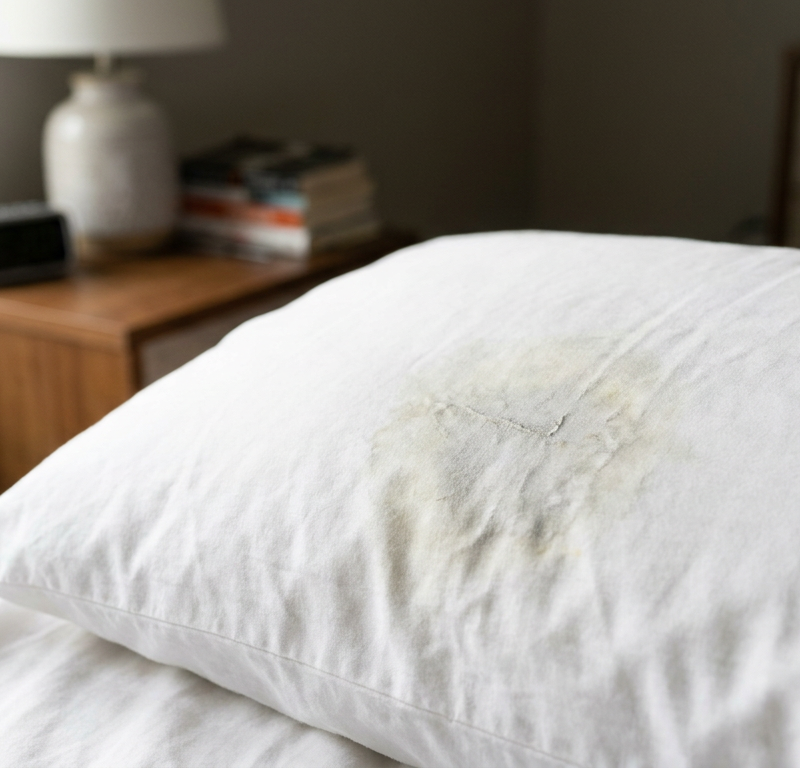
Oxygen Bleach Rinse—Eliminate the Yellow Protein Ring Old dairy almost always leaves a stubborn, yellowish-tan perimeter line caused by oxidized lipids. Mix 1 tablespoon of sodium percarbonate (powdered oxygen bleach) into 2 cups of warm water (around 95°F) until dissolved. Dab this solution along the yellow perimeter line using a clean white microfiber towel.
- Let it sit for 15 to 20 minutes to break the discoloration, then blot dry with a fresh towel. Oxygen bleach won't strip factory automotive dyes or typical polyester upholstery colors, but spot-test an inconspicuous area first if you're dealing with wool or natural rayon.
-
Force-Dry the Foam—Prevent Secondary Mildew Growth Foam cushions that stay wet for more than 36 hours will develop mold, trading a sour milk smell for a musty swamp stench. Roll your vehicle windows down halfway and place a high-velocity utility fan or household box fan blowing directly across the seat cushion on high speed for 4 to 6 hours.
- If working indoors on a sofa, run a dehumidifier in the room set to 35% relative humidity alongside the fan until the cushion core feels bone-dry to a firm squeeze.
-
The Sniff Test and Final Neutralization Step Once the cushion is completely dry, press your face within 2 inches of the fabric and take a deep breath. If you still catch a faint sour trace, a pocket of foam deep below didn't get saturated.
- If this happens: Do not repeat with vinegar or baking soda. Re-apply the enzymatic treatment, but use a clean curved-tip veterinary or basting syringe to inject 10 to 15 mL of pure enzyme solution directly 1.5 inches deep into the center of the foam pad, wait 6 hours, and extract again.
Common Causes
Understanding why that spot smells worse today than it did yesterday helps you tackle it properly:
- Sippy Cup Slow Leaks: A child leaves a bottle sideways on a car seat. Droplets seep out over days, bypassing the surface fabric and setting up an isolated bacterial colony directly on the seat frame springs.
- Vomit Containing Stomach Gastric Acids: Vomit contains both milk proteins and hydrochloric acid. The stomach acid instantly curdles any dairy in the belly, creating concentrated butyric acid that etches itself into the fibers faster than unconsumed milk would.
- Hot Cabin Baking Cycles: Vehicles parked in direct sunlight hit interior temperatures between 130°F and 170°F. That heat acts like an incubator for native bacteria until the moisture drops, after which it bakes the rancid fat deposits directly into the synthetic seat fabrics.
- Surface-Only Shampooing: Running a carpet shampooer over the surface cleans the top 1/16-inch of fabric but introduces clean water into the underlying foam pad, re-hydrating dormant bacterial colonies without actually extracting them.
Common Mistakes
- Dousing the Stain with White Vinegar: Homeowners love vinegar, but pouring 5% acetic acid onto a milk spill drops the pH of the cushion further. That accelerates protein curdling and locks the casein into the foam cell walls, while leaving you with a seat that smells like sour milk tossed in salad dressing.
- Using Steam Cleaners on Fresh Protein: Dragging a 212°F steam cleaner over dairy or vomit instantly cooks the albumin and casein proteins, bonding them to synthetic polyester fibers like an egg frying to an ungreased skillet. Never apply heat until the protein has been chemically digested by enzymes.
- Covering the Stench with Powdered Baking Soda: Baking soda absorbs surface moisture, but it doesn't break down butyric acid deep in the cushion. Even worse, fine baking soda dust gets sucked down into the foam, turns into a crusty paste when damp, and can jam household vacuums or ruin wet-vac filters.
- Scrubbing in Concentric Circles with a Stiff Brush: Circular scrubbing frays the woven pile of automotive fabric and forces milk curds sideways into adjacent dry foam that was never contaminated in the first place. Always blot or extract with vertical downforce.
- Relying on Chemical Odor Bombs or Aerosol Foggers: Chlorine dioxide or ozone bombs can neutralize ambient odors floating in the air, but they will not destroy the solid biological mass sitting 2 inches deep inside the seat foam. As soon as the car gets humid again, the smell returns full-force.
Cost & Time Breakdown
| Task | DIY Cost | Pro Cost | Time |
|---|---|---|---|
| Surface Scraping & Dry Vac Extraction | $0 (existing vacuum) | $40–$60 (basic detail wash) | 10–15 mins |
| Deep Foam Bio-Enzyme Saturation & Kneading | $12–$22 (enzyme cleaner) | $100–$150 (pro upholstery detail) | 20–30 mins |
| Moisture Retention Incubation | $2 (plastic wrap) | Included above | 8–12 hours (passive) |
| Deep Wet-Vac Slurry Extraction | $0–$35 (rental or shop vac) | $75–$125 (hot water extraction) | 15–25 mins |
| Oxygen Bleach Perimeter De-Ringing | $5–$9 (sodium percarbonate) | $30–$50 (spot treatment fee) | 15 mins |
| High-Velocity Fan Dehumidification | $0 (household fan) | Included above | 4–6 hours (passive) |
Tips & Prevention
- Keep a Travel-Sized Bio-Enzyme Spray in the Trunk: The single best defense against dairy catastrophes is speed. An enzyme cleaner applied within 20 minutes prevents curdling and eliminates 90% of the future smell before it sinks past the upholstery backing.
- Install Fitted Waterproof Seat Covers Beneath Child Car Seats: Child safety seats trap spilled liquids against vehicle upholstery like a greenhouse. A heavy-duty neoprene or vinyl under-seat mat stops liquids before they touch factory cloth or perforated leather.
- Avoid Drinking Dairy Products in High-Heat Conditions: If you commute in hot climates, make it a rule that milk, protein shakes, and cream-heavy coffees stay in sealed, leak-proof metal thermoses rather than disposable drive-thru paper cups with punch-out lids.
- Check the Cabin Air Filter After Treatment: If sour milk sat inside a closed vehicle for more than three days, the AC system likely cycled those volatile butyric acid molecules through your cabin air filter. Replace your cabin filter ($15 to $25) to prevent the smell from blowing back into your face every time you turn on the fan.
- Never Store Gym Shakers or Baby Bottles in the Car Overnight: A half-inch of residual whey protein shake or whole milk left in a closed plastic shaker cup will build enough internal methane and fermentation pressure to pop its lid in a warm car, spraying pressurized dairy onto your headliner and seats.
When to Call a Professional
Most milk spills and vomit stains surrender to patience and high-grade bio-enzymes. But there are times when you should set the shop vac aside and hand the keys to an automotive upholstery specialist or carpet restoration pro.
If you have perforated leather seats equipped with integrated heating and active cooling fans, do not dump 16 ounces of liquid cleaner into the perforations. You risk destroying the blower motors, corroding the heating elements, and staining the delicate untreated leather backing. Similarly, if milk spilled into the seat belt retractor mechanism or seeped directly beneath the factory glued-down floor carpeting into the thick jute padding below, consumer wet-vacs cannot reach it. Jute pad acts like felt paper; once milk curdles inside jute, the only permanent cure is pulling the seats, unbolting the trim, and physically replacing the underlayment padding. A certified auto detailer or mobile upholstery restorer has the tools to extract and strip seats down to the bare metal pan safely.
Related Articles
Keep troubleshooting with these hand-picked guides from FixlyGuide:
- The Mystery Smell: Why Your Fridge Stinks (Even After Cleaning It) — That persistent, foul odor in your refrigerator isn't just gross; it's often a sign of hidden issues. Learn the real culprits behind linger…
- Dog Urine Stains on Hardwood? 10 Steps to Remove the Dark Spots and Odor — Erase stubborn black dog urine stains and kill lingering ammonia smells on hardwood floors using an enzyme-and-peroxide protocol that actua…
- Toilet Seat Hinges Yellow and Smelly? 12 Steps to Clean and Descale Them — Eliminate stubborn yellow urine stains and lingering smells from toilet seat hinges with this step-by-step breakdown to deep clean and desc…
- The Grimy Gunk Under Your Washer: Why Your Laundry Still Smells — If your laundry comes out smelling less than fresh, the culprit might be hidden gunk and mildew in your washing machine. I'll show you how…
- Window Tracks Full of Gunk? How to Get the Grime Out for Good — Your windows won't glide smoothly if the tracks are packed with dust, dead bugs, and sticky grime. Here's how to deep clean them with simpl…
- That Mildew Smell in Your Washer? Here's the Real Fix. — Tired of 'clean' laundry smelling musty? The problem isn't your detergent; it's trapped bacteria and mold inside your washing machine. We'l…
What should this project cost?
Enter your project details for a realistic cost range before you call anyone.
Cost depends heavily on which system turns out to be the source.
- Regional adjustment
- National average
- Labor share (typical)
- ~$1,620
- Quotes to collect
- 3 written estimates
Educational estimate based on national averages — not a binding quote. Always confirm with written local estimates.
Get the print-ready PDF of this guide
A clean, ad-free, printable version you can keep on your phone or pin to the workshop wall. Free with a FixlyGuide account.
- Print-optimized layout
- Tools, materials & every step included
- Saved to your account
Frequently asked questions
Why shouldn't I use a steam cleaner on a milk or vomit stain?},{answer:+
Standard household steam cleaners generate temperatures over 200°F, which instantly cooks and coagulates the casein proteins in dairy. This bonds the curdled milk permanently to your upholstery fibers much like frying an egg onto a pan. Always treat with room-temperature enzymatic cleaners first before introducing any heat.
Discussion
Loading comments…