- Buy Better Carpet: When you’re shopping for new carpet, ask about the backing. Some higher-end carpets use more stable materials like urethane or other premium backings that don’t tend to off-gas this way.
- Use Quality Padding: Don’t cheap out on the pad. A good moisture-barrier pad feels better underfoot and helps protect the carpet backing from spills and moisture wicking up from the subfloor.
- Control Sunlight: Use blinds, curtains, or UV-blocking film on windows in rooms with new carpet so the sun doesn’t bake the backing.
- Clean Spills Immediately & Correctly: Blot spills; don’t scrub them in. Use a spot cleaner approved by the carpet manufacturer or a simple vinegar-and-water mix. Then rinse with a damp cloth so you’re not leaving residue behind.
- Vacuum Regularly: Use a good vacuum with a beater bar and solid suction. Getting abrasive dry soil out keeps it from grinding into the fibers and wearing the carpet down over time.
Published October 3, 2026Last updated October 3, 2026
Tools & materials you'll need
Affiliate linksAs an Amazon Associate FixlyGuide earns from qualifying purchases — at no extra cost to you. Prices and availability are accurate as of publication and subject to change.
Quick Answer
A weird corn chip or Fritos-like smell coming from your carpet is almost always a sign that the latex backing is starting to break down. That process is called off-gassing, and it releases a chemical called 4-PCH (4-phenylcyclohexene), which has that unmistakable tortilla chip stink. It’s not toxic, but it does mean the carpet’s getting close to the end of the road. Heat, humidity, bad cleaning, or just plain age can kick that reaction into high gear. In most cases, the only real fix is replacement, because the smell is coming from the material itself—not some mess you can just scrub out.
The Problem
You walk into a room and smell it. It’s not food. It’s not the dog, not exactly anyway. It’s that odd, slightly musty corn chip smell that catches you off guard. You’ve vacuumed. You’ve spot-cleaned. Maybe you even rented one of those grocery-store carpet machines, and the smell still hangs around. Sometimes it gets worse when the room’s closed up or the weather turns humid. You’re not imagining it—your carpet really does smell like a snack aisle, and it’s a common headache.
The scent isn’t from spilled chips or a forgotten bag of snacks under the couch. It’s a chemical reaction deep in the carpet’s construction, and if you want to get ahead of it, you’ve gotta know what’s actually happening.
How It Works
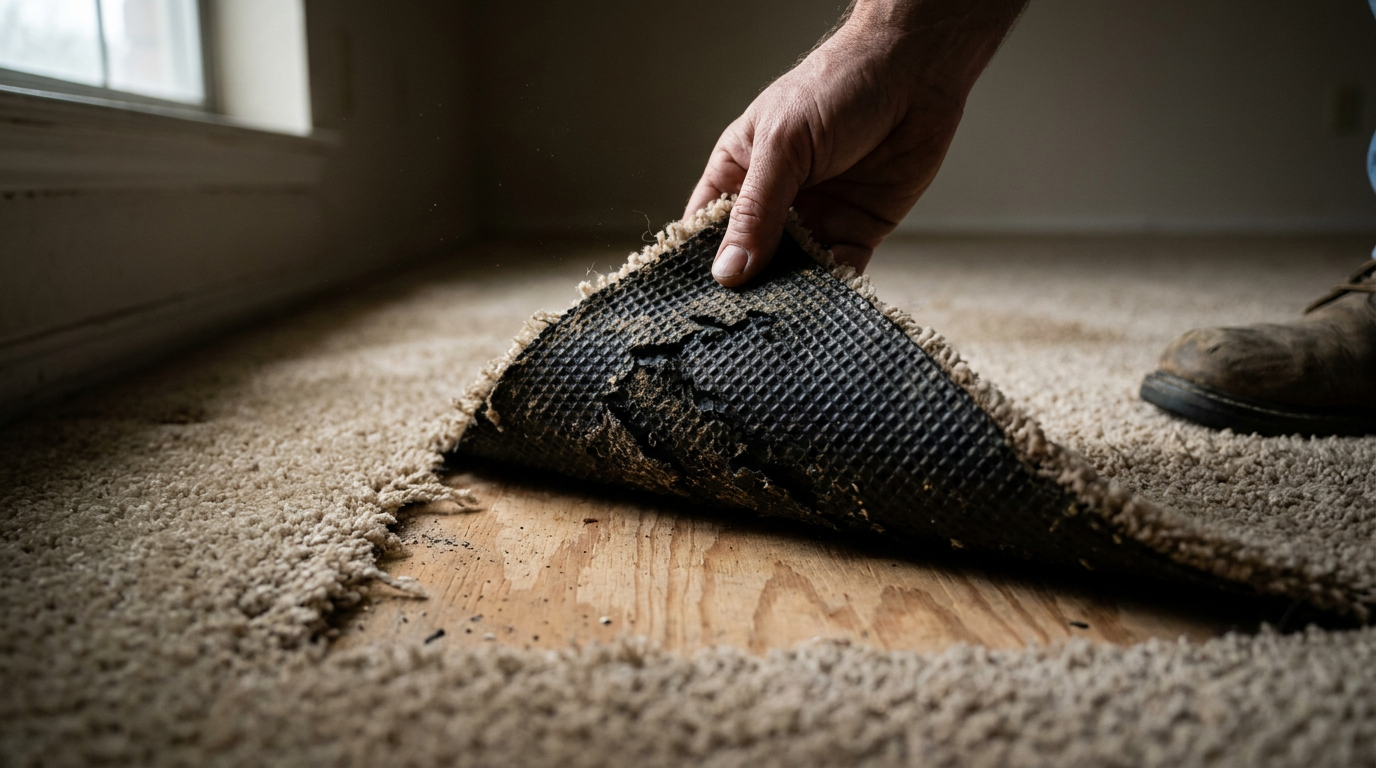
Most residential carpets made in the last few decades have a layered build. You see the top layer—the fibers or "pile"—but the trouble starts underneath. The fibers are tufted into a primary backing cloth. Then a heavy coat of synthetic latex adhesive gets applied to lock those tufts in place and give the carpet some structure. After that, a secondary backing, usually a woven synthetic material, gets pressed into the latex. That’s the sandwich.
That latex is the problem child. A chemical called 4-phenylcyclohexene (4-PCH) is a common byproduct made during production of the styrene-butadiene rubber (SBR) latex used in most carpet backings. For a long time, that chemical just sits there, trapped in the latex. But as the carpet ages, or gets hit with things like high heat, intense UV light, or certain cleaning chemicals, the latex starts to break down. Once that happens, the 4-PCH gets released into the air as a volatile organic compound (VOC). And what does 4-PCH smell like? Corn chips. Fritos. Same deal.
This doesn’t mean your carpet is dirty in the usual sense. It means the material itself is breaking down from the inside out. I’ve seen this plenty in North Texas homes—the summer heat bakes the room, humidity piles on, and that off-gassing gets moving fast. It’s like the carpet’s been left in the oven a little too long.
Step-by-Step Fix
Frankly, once that corn chip smell shows up, you’re not really repairing the carpet so much as buying time. You can reduce it, sure, but you can’t truly "fix" degrading latex. Think symptom management, not a cure. Here’s the order I’d tackle it in.
-
Confirm the Source. Make sure it’s the carpet and not something else hiding in the room. Get down on your hands and knees and smell a few different spots. Is it the same everywhere? Or is it stronger near a vent, a sunny patch, or wherever you cleaned a spill? If you can, lift a corner in a closet or behind a door and smell the black rubbery backing. If it hits you with that Frito smell, you found the culprit. That’s the latex talking.
-
Deep Clean with an Extraction Cleaner—Carefully. Renting a hot water extraction machine can help for a while. Use a high-quality, pH-neutral, non-foaming carpet shampoo. Do not use high-pH (alkaline) "traffic lane cleaners" or cheap, soapy detergents. Those can make things worse by reacting with the latex and speeding up the breakdown. Use the recommended amount only, then do a second pass with plain hot water to rinse out as much residue as you can.
-
Ventilate and Dry Aggressively. This is the big one. The 4-PCH smell gets worse with moisture. After cleaning, you need that carpet bone-dry, and fast. Open windows, get fans blowing across the surface, and run a dehumidifier in the room if you’ve got one. In a humid Texas summer, the AC helps pull moisture out of the air, too. Don’t just let it sit and "air dry" for two days—that’s how you end up with mustiness piled on top of the corn chip smell.
-
Absorb the Odor. Once the carpet is 100% dry, try an odor-absorbing treatment. Sprinkle a liberal amount of baking soda or a commercial carpet deodorizer powder (one without a heavy perfume) over the whole carpet. Work it in gently with a soft-bristled brush. Let it sit for at least 8-12 hours, or even a full 24 hours if you can swing it. Then vacuum it up well. It won’t stop the off-gassing, but it can help grab some of the smelly compounds already in the air.
-
Try an Ozone Treatment (Pro Option). For a stubborn, whole-house odor, some remediation companies offer ozone treatments. They’ll seal the room, set an ozone generator in there, and run it for several hours. Ozone is a strong oxidizer, so it can break down VOCs like 4-PCH. Safety is paramount here: ozone is dangerous to breathe and will chew up rubber and plastics over time. The room has to be completely empty—no people, no pets, no plants—during treatment and for several hours after. This isn’t a DIY job, and it’s only a temporary band-aid. The smell comes back as the latex keeps breaking down.
-
Assess the Age and Condition. Be honest with yourself. If your carpet is over 10 years old and it’s already showing matting, fading, fraying, and that snack-aisle smell, it’s done. It’s reached the end of the line. Throwing more money and chemicals at it is just patching a long-term problem with a short-term fix. The carpet’s basically telling you it’s ready to retire.
-
Block the Sun. If replacement’s not in the cards right now, look at the spots that get hammered by direct sunlight. UV rays are a big trigger for latex breakdown. Close the blinds or hang sheer curtains during the hottest part of the day, usually 1 p.m. to 5 p.m., and you can slow the reaction down some. Not magic. Just common sense.
-
Consult a Carpet Professional. If you’re unsure, have a reputable flooring company come take a look. A real pro will smell it and know what they’re dealing with right away. They can tell you if it’s a latex problem and walk you through replacement options instead of trying to sell you some miracle clean-and-go solution. A proper diagnosis can save you a pile of wasted cash. I pulled a water heater in Frisco last month and the homeowner had the same smell in the den—turned out the carpet was toast, not a single spill.
Common Causes
Why your carpet and not the one next door? Nine times out of ten, it comes down to one of these four troublemakers.
- Age: This is the big one. Latex isn’t immortal. After 7-15 years, it starts losing its plasticity and breaking down. That smell is old age showing up at work.
- Heat & UV Exposure: A room blasted by afternoon sun is basically a slow cooker for carpet backing. Heat and UV radiation speed up the chemical breakdown of the SBR latex and release that 4-PCH odor.
- Improper Cleaning: Wrong chemicals are a huge part of this. Highly alkaline or solvent-based cleaners can attack and dissolve the latex backing. So can soaking the carpet and leaving it wet for days—that just gives the whole mess a nice humid place to get worse.
- Manufacturing Defect: It’s less common, but sometimes a bad batch of latex or a poor chemical cure causes early off-gassing, even in carpets that are only a year or two old. If that’s the case, you usually smell it to some degree from day one. That’s a warranty conversation.
Common Mistakes
When folks smell the Frito odor, they often make things worse without meaning to. Don’t do these.
- Masking with Perfumes. Spraying air fresheners or dumping on heavy-scented carpet powder is like putting cologne on a skunk. Now you’ve got "Spring Rain" and corn chips fighting it out in the air, and neither one wins. It doesn’t solve a thing.
- Over-shampooing. The logic sounds fine: if it smells, clean it more. But soaking the carpet over and over with cheap, soapy detergents just adds residue and moisture, and that can make the chemical reaction worse once it dries.
- Blaming the Pet. Sure, pet accidents are a common carpet odor source. This smell is different. Don’t burn money on enzyme cleaners made for urine stains. Those break down biological waste, not chemical VOCs, so they won’t touch a 4-PCH problem.
- Ignoring the Padding. Sometimes the smell isn’t coming from the carpet backing at all. It can be a cheap, low-quality pad off-gassing. Or a spill soaked into the pad and turned into a permanent little stink factory. If you replace the carpet, replace the pad too.
Cost & Time Breakdown
Managing the smell is cheap. The real fix is replacement. Here’s what you’re looking at.
| Task | DIY Cost | Pro Cost | Time |
|---|---|---|---|
| Baking Soda Deodorizing | $2–$5 | N/A | 12-24 hours (mostly waiting) |
| Renting Extraction Cleaner | $40–$60 | N/A | 3-5 hours |
| Professional Steam Cleaning | N/A | $150–$300 (for 3 rooms) | 2-4 hours |
| Professional Ozone Treatment | N/A | $200–$500+ | 1 day |
| Carpet & Pad Replacement | N/A | $4–$12 per sq. ft. | 1-2 days |
Tips & Prevention
Once a carpet starts smelling like this, you can’t turn it back the clock. But you can stretch the life of a new carpet and keep odors from getting a foothold.
- Buy Better Carpet: When you’re shopping for new carpet, ask about the backing. Some higher-end carpets use more stable materials like urethane or other premium backings that don’t tend to off-gas this way.
- Use Quality Padding: Don’t cheap out on the pad. A good moisture-barrier pad feels better underfoot and helps protect the carpet backing from spills and moisture wicking up from the subfloor.
- Control Sunlight: Use blinds, curtains, or UV-blocking film on windows in rooms with new carpet so the sun doesn’t bake the backing.
- Clean Spills Immediately & Correctly: Blot spills; don’t scrub them in. Use a spot cleaner approved by the carpet manufacturer or a simple vinegar-and-water mix. Then rinse with a damp cloth so you’re not leaving residue behind.
- Vacuum Regularly: Use a good vacuum with a beater bar and solid suction. Getting abrasive dry soil out keeps it from grinding into the fibers and wearing the carpet down over time.
When to Call a Professional
Stop messing with it and call a pro when you’ve done a deep cleaning and the smell comes back within a few weeks. If the carpet is more than 10 years old and that corn chip smell is obvious when you lift a corner, you’re just throwing time and money at a temporary fix. At that point, your money’s better spent on a consultation with a reputable flooring company to talk replacement. The smell is the final EOL (End-of-Life) indicator. A pro won’t pitch you some magic cleaner—they’ll confirm the cause and help you pick a new carpet that won’t give you the same headache a few years down the line.
Related Articles
Keep troubleshooting with these hand-picked guides from FixlyGuide:
- The Secret to Banishing Old Pet Odors (Even When You Can't Find the Stain) — Don't let hidden pet accidents ruin your home's fresh scent; this guide reveals how to find and eliminate old pet odors and their invisible…
- The Mystery Smell: Why Your Fridge Stinks (Even After Cleaning It) — That persistent, foul odor in your refrigerator isn't just gross; it's often a sign of hidden issues. Learn the real culprits behind linger…
- The Invisible Carpet Dirt Trap: Why Your Vacuum Fails You — Discover why your vacuum cleaner might be missing hidden dirt and debris, leaving your carpets looking dull and feeling gritty.
- The 3 Lies Your Carpet Cleaner Tells You (And Why Your Carpet Stinks) — Ever notice those 'cleaned' carpet stains pop right back up, or a lingering funk that just won't quit? It's not bad luck; it's bad science.
- The Mystery of the Sprouting Carpet Tuft (And How to Stop It) — Ever noticed little loops or long strands sticking up from your carpet after cleaning or heavy use? That's called sprouting, and it's not j…
- The #1 Gutter Mistake That Causes Overflow (And How to Fix It in 20 Minutes) — Overflowing gutters during heavy rain are usually caused by a readily fixable clog, often due to a common cleaning mistake.
What should this project cost?
Enter your project details for a realistic cost range before you call anyone.
Cost depends heavily on which system turns out to be the source.
- Regional adjustment
- National average
- Labor share (typical)
- ~$1,620
- Quotes to collect
- 3 written estimates
Educational estimate based on national averages — not a binding quote. Always confirm with written local estimates.
Get the print-ready PDF of this guide
A clean, ad-free, printable version you can keep on your phone or pin to the workshop wall. Free with a FixlyGuide account.
- Print-optimized layout
- Tools, materials & every step included
- Saved to your account
Frequently asked questions
Is the corn chip smell from my carpet toxic?+
The chemical causing the odor, 4-PCH, is a VOC, but the levels released from a carpet are typically very low and not considered a significant health risk. However, it can be irritating to individuals with chemical sensitivities, asthma, or allergies, causing headaches or respiratory irritation.
Why does my new carpet smell like corn chips?+
If a brand new carpet has this smell, it's a sign of premature off-gassing, likely due to a manufacturing defect or improper storage in a hot warehouse. You should contact the retailer immediately, as this is often covered under warranty.
Can I use an enzyme cleaner to get rid of the corn chip smell?+
No, enzyme cleaners won't work. They are designed to break down biological materials like pet urine or food spills. The corn chip smell is a synthetic chemical (4-PCH), and enzymes will have no effect on it.
Will an air purifier help with the carpet odor?+
An air purifier with a substantial activated carbon filter can help reduce the airborne concentration of the smelly VOCs, providing temporary relief. It's a management strategy, not a fix, as it doesn't stop the carpet from releasing the chemical.
Does the type of carpet fiber matter for this smell?+
No, the fiber material (nylon, polyester, olefin) doesn't cause the smell. The issue is almost always in the latex backing used to hold the fibers in place. The smell can occur regardless of what the visible part of the carpet is made of.
Why does the Frito smell get worse when it's humid?+
Moisture acts as a catalyst for the chemical breakdown and helps transmit the odor molecules into the air more effectively. When humidity is high, the off-gassing process accelerates, making the smell much more noticeable.
I cleaned my carpet and now the corn chip smell is way worse. Why?+
This is very common. The introduction of water and heat from the cleaning process, especially if the wrong detergent was used, can dramatically speed up the degradation of the latex backing. It essentially 'activates' the chemical release, making the smell stronger as it dries.
If I replace my carpet, how do I avoid this problem again?+
When buying new carpet, specifically ask for products with low-VOC backings or alternative materials like urethane. Also, ensure you get a quality moisture-barrier pad and try to limit direct, intense sunlight on the new carpet for long periods.
Discussion
Loading comments…