- Assess the Stain & Clear the Area — Get a good look at the stain. Is it a tiny spot, or did it spread out wider? What caused it? Knowing the culprit helps. Move any furniture away from the affected area so you've got room to work.
- Tools: Your eyeballs, maybe a flashlight for faint edges.
- Safety: If you're using strong cleaners, crack a window or run a fan.
Published September 4, 2026Last updated September 4, 2026
Tools & materials you'll need
Affiliate linksAs an Amazon Associate FixlyGuide earns from qualifying purchases — at no extra cost to you. Prices and availability are accurate as of publication and subject to change.
Quick Answer
That stubborn carpet stain that keeps coming back isn't magic; it's usually "wicking." Here's the deal: you spill something, especially a liquid, and it doesn't just sit on the carpet fibers. It works its way down into the backing, the padding, and sometimes all the way to the subfloor. You clean the top, sure, but a reservoir of stain particles or old cleaning solution is still hiding underneath. Then, as the carpet dries, moisture from below wicks (travels) upward and drags that hidden junk right back to the surface. Drives people nuts. But if you handle it the right way, you can break that cycle and get rid of those phantom stains for good.
The Problem
I can't tell you how many calls I've gotten over the years from homeowners tearing their hair out over a "ghost stain." They scrub, they spray, they rent those big steam cleaners, and a day or two later, bam, the stain's back, sometimes looking even worse than before. "It's like the carpet's haunted!" one lady from Northwood Hills told me last month. And honestly? I get it. It feels like that.
But it ain't ghosts; it's physics. Specifically, it's capillary action, or what we pros call "wicking." Think of a candle wick pulling melted wax up to the flame. Your carpet fibers, backing, and padding do the same thing with moisture. When a spill happens, the liquid goes deep. Your quick surface clean only handles the top layer. As the carpet dries, the moisture from the soaked lower layers rises, carrying stain molecules and any leftover cleaning chemicals with it, then laying them right back on the surface. That's your "reappearing stain." And if you've used too much detergent, that residue acts like a magnet for new dirt, so the spot looks darker the next time around.
How It Works
Let's talk about how your carpet is built and why wicking is such a pain in the neck. A typical residential carpet isn't just a single layer of fibers. You've got the face fibers (what you walk on), which are woven or tufted into a primary backing. Then there's a layer of latex adhesive that holds everything together and anchors the fibers. Below that, you'll find a secondary backing, usually made of jute or polypropylene, which adds stability. And underneath that? The carpet padding, which gives you cushioning and insulation. Finally, you've got your subfloor, usually plywood or concrete.
When a liquid spill hits, especially a decent-sized one like a dropped glass of juice or a pet accident, it doesn't just sit on the face fibers. Gravity pulls it down. It passes through the primary backing, seeps through the latex, soaks into the secondary backing, and then spreads out into the padding. If it's a really big spill, it can even reach the subfloor. I pulled a water heater mess in Frisco last month that had exactly this same pattern under a hallway runner—looked minor upstairs, ugly as sin underneath. Carpet's a stack of sponges. That's the truth.
When you clean the visible stain, you're really just dealing with the top sponge. But all those lower layers are still loaded with the staining agent and, nine times out of ten, a nice helping of whatever cleaner you sprayed. As the carpet starts to dry, the moisture in those lower layers evaporates. But it doesn't just disappear; it travels upward through the carpet structure – the fibers, the backing, the padding – and drags dissolved stain particles and cleaning solution residue with it. That's capillary action, same basic idea as a paper towel soaking up water. Once that moisture hits the surface and evaporates, it leaves behind a concentrated ring or patch of those stain particles, which makes the stain pop right back up. Detergent residue from over-cleaning can also pull in new dirt, so the spot can look worse than before you touched it.
Understanding that layered structure and how moisture moves is the key to getting rid of those phantom stains for real. It means your cleaning has to go past the surface and hit the stain at every level of the carpet sandwich.
Step-by-Step Fix
Alright, let's knock these recurring nightmares down. This isn't just about surface cleaning; it's about deep extraction and making sure that hidden crud doesn't get another shot at showing itself.
-
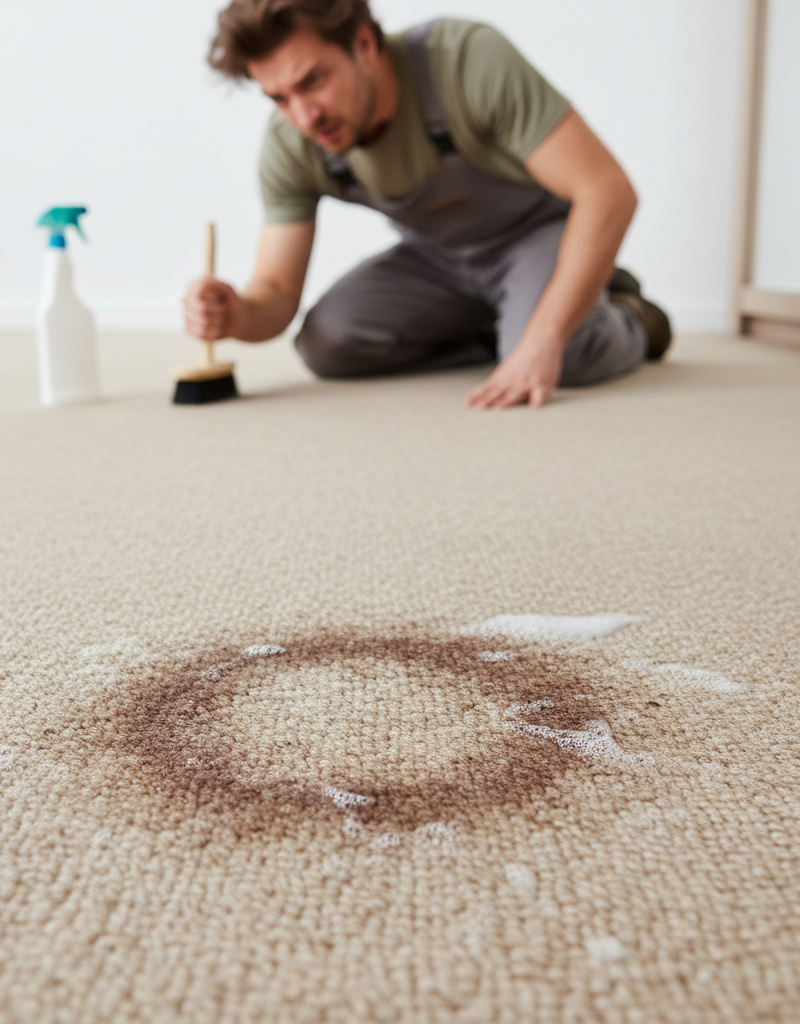
Assess the Stain & Clear the Area — Get a good look at the stain. Is it a tiny spot, or did it spread out wider? What caused it? Knowing the culprit helps. Move any furniture away from the affected area so you've got room to work.
- Tools: Your eyeballs, maybe a flashlight for faint edges.
- Safety: If you're using strong cleaners, crack a window or run a fan.
-
Blot, Don't Rub! — This one's huge, especially for fresh spills. Take a clean, white cloth or paper towels and press firmly on the stain. Swap out towels as they soak up liquid. Work from the outside of the stain inward so you don't spread it. Rubbing just drives the stain deeper into the fibers and can damage the carpet.
- Tip: Use your body weight. Stand on the cloth for 30 seconds at a time to really draw out moisture.
-
Pre-Treat the Stain — For older, dried stains or the stubborn ones, you'll need a pre-treatment. For general stains, a mix of 1/4 teaspoon mild dish soap (like Dawn) with 1 cup of warm water does a solid job. For pet stains, an enzymatic cleaner is your best friend – it breaks down organic matter. Put the solution right on the stain, but don't saturate the carpet. Let it sit for 5-10 minutes.
- Material: Mild dish soap or enzymatic cleaner, warm water, spray bottle.
- Note: Test any cleaner on a hidden spot first so you don't get stuck with discoloration.
-
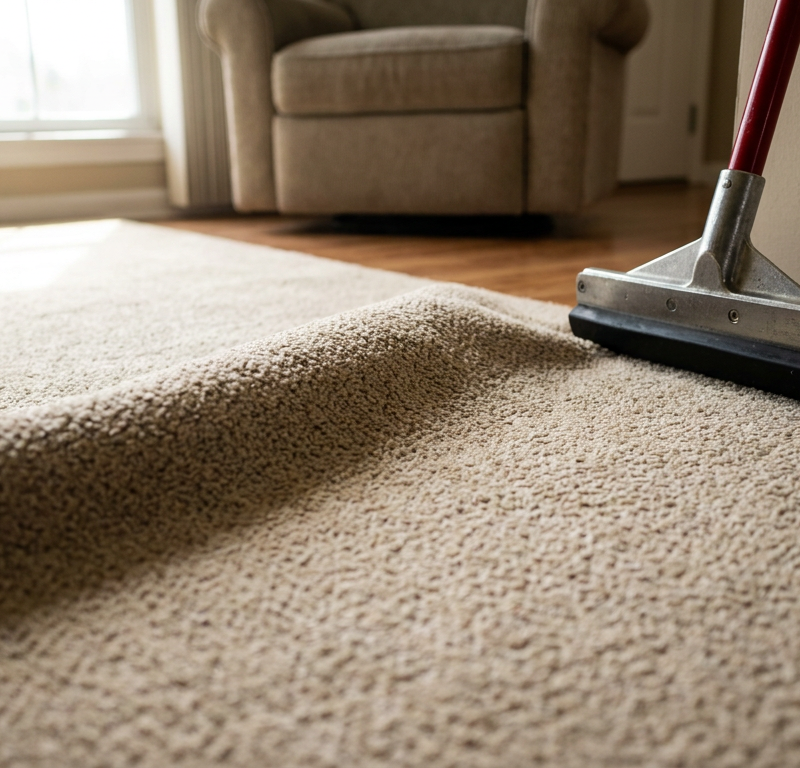
Extract the Solution (and the Stain) — Now you need to get that dirty solution out. Best way is with a wet/dry vac or a carpet extractor. If you don't have one, keep blotting with clean cloths and fresh water. Rinse the area by spraying on a small amount of clean water, then extract it right away. Do that rinse-and-extract cycle a few times until no more suds or color comes up.
- Tool: Wet/dry vac or carpet extractor (rentable), clean white towels.
- Why: This is the step where you actually remove the stain particles and cleaning residue that cause wicking.
-
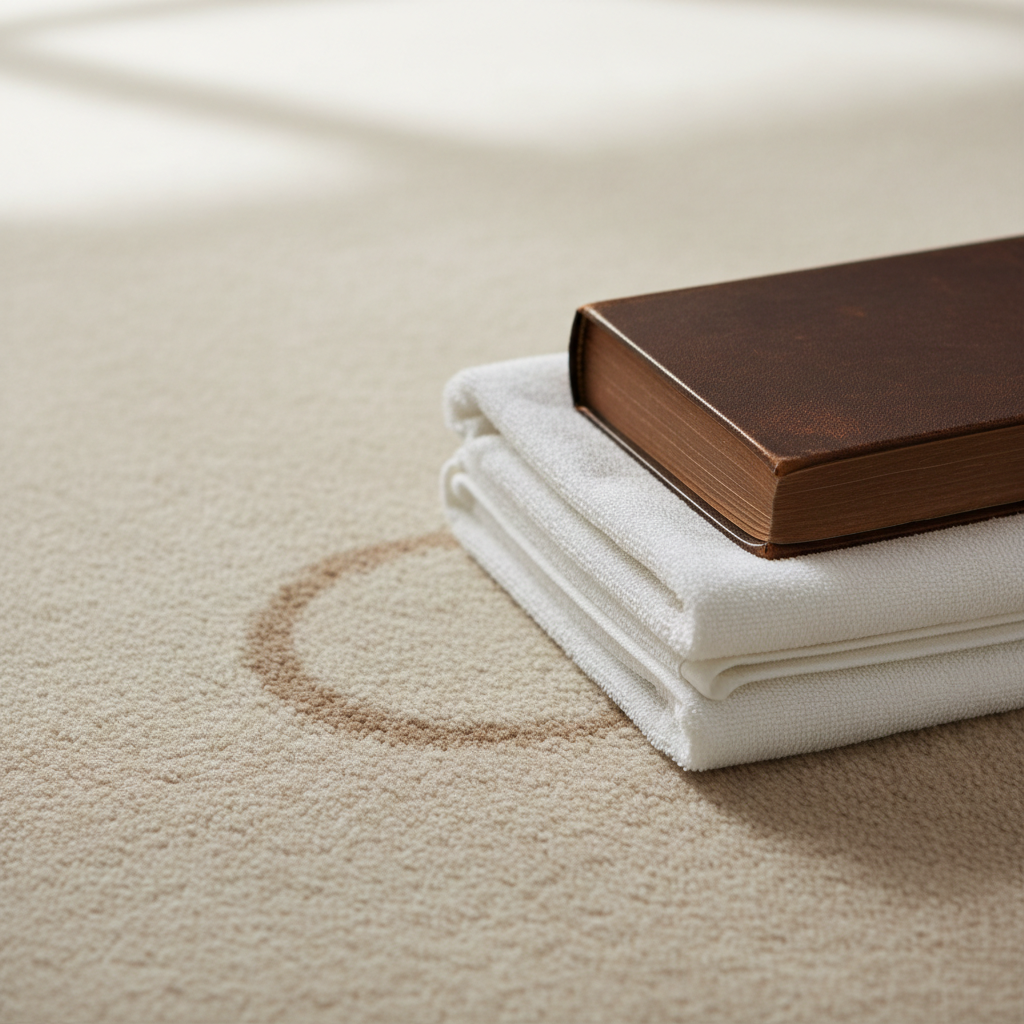
Weighted Drying – The Wicking Blocker — This is the secret weapon against wicking. After you've pulled out as much moisture as possible, lay several layers of clean, white towels over the damp spot. Put a heavy, flat object (like a stack of books wrapped in plastic, or a brick) on top of the towels. The weight presses the towels tight against the carpet, and they act like a super-absorbent wick. As moisture rises, it'll go into the towels instead of back onto your carpet surface. Leave it for at least 12-24 hours, and replace towels if they get saturated.
- Material: Stack of clean white towels, heavy flat object.
- Patience: Don't rush this. It's the most critical step if you don't want the stain coming back.
-
Speed Up Drying — Air movement helps a lot. Aim a fan right at the treated area. If the weather's decent, open the windows. The faster the carpet dries, the less chance wicking has to do its thing. Skip the heat, though — it can set some stains.
- Tool: Fan.
- Timing: Aim for the carpet to be dry to the touch within 24 hours.
-
Final Inspection — Once the area is completely dry (give it a full 24-48 hours), pull off the weighted towels and check the spot. If you still see a faint outline or shadow, that means some stain or residue is still hanging around. You may need to repeat steps 3-6 and be a little more thorough with the extraction and weighted drying.
- Note: Sometimes, old or set-in stains need more than one round.
-
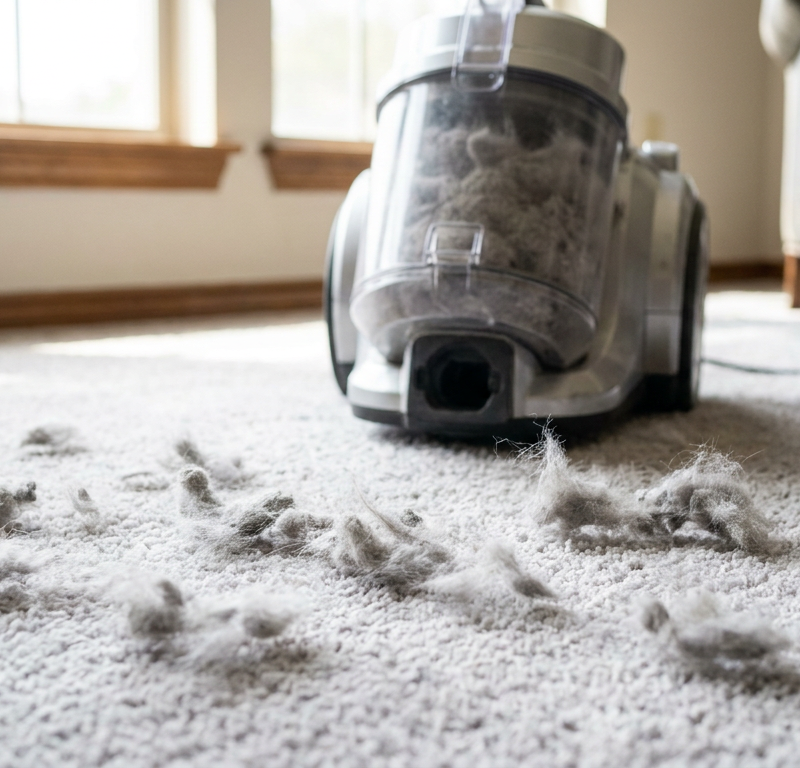
Vacuum Thoroughly — Once it's dry and looks good, give the area a solid vacuum. That fluffs the carpet fibers back up and picks up any dried residue left behind.
- Tool: Vacuum cleaner.
Common Causes
- Over-wetting the carpet: Too much liquid, whether from the original spill or from overdoing the cleaning, soaks the backing and padding and creates a deep reservoir for wicking.
- Insufficient rinsing: If you don't rinse cleaning solution out well, you leave behind sticky detergent residue. That residue attracts dirt and gives stain particles a path to wick up.
- Rubbing instead of blotting: Rubbing shoves stain particles deeper into the carpet and can damage the fibers, which makes permanent removal a lot harder.
- Not using weighted drying: Big one. Without a weighted absorbent material on top, rising moisture has nowhere to go but back to the carpet's surface.
- Wrong cleaning products: Harsh chemicals or products with strong dyes can damage carpet fibers, set certain stains, or leave behind their own residue, which just creates a new mess.
- Pet accidents: Pet urine is notorious for wicking because it soaks deep, contains stubborn organic compounds, and often needs enzymatic cleaners to break it down all the way.
- Prior DIY Attempts: I had a customer once, bless her heart, who tried to get out a coffee stain with a whole bottle of window cleaner. It vanished for a minute, but the chemicals just dissolved the stain and shoved it into the padding. You can guess what happened a week later. She called me in a panic, and it took a lot of specialized rinsing to clean up her good intentions.
Common Mistakes
- Using too much soap/detergent: Soap residue acts like a dirt magnet and is a bear to rinse out, which practically guarantees wicking and fast re-soiling.
- Ignoring the padding: Most DIYers only clean the surface. If the padding is soaked, that stain will come back. You've gotta deal with the whole carpet sandwich.
- Not allowing enough drying time: Rushing the dry-out or skipping fans gives moisture more time to evaporate slowly, which gives wicking a bigger window.
- Rubbing the stain vigorously: This frays carpet fibers, makes them look fuzzy, and usually pushes the stain deeper into the pile.
- Using colored cloths for blotting: Dyes from non-white cloths can transfer to your carpet and create a brand-new stain. Stick with clean white towels.
- Assuming the stain is gone too soon: A stain can look clear while it's wet. You need to wait until the carpet is fully dry, sometimes 24-48 hours, before you know you've won.
Cost & Time Breakdown
Here's a rough idea of what you're looking at for tackling these stubborn stains:
| Task | DIY Cost | Pro Cost (approx.) | Time (Active) |
|---|---|---|---|
| Small Spot Treatment | $5 - $20 | $75 - $150 | 15 - 30 minutes |
| Medium Spill (1-2 sq ft) | $15 - $40 | $100 - $250 | 30 - 60 minutes |
| Large Area (5+ sq ft) | $30 - $75 (rental) | $200 - $400 | 1 - 2 hours |
| Enzymatic Cleaner (pet) | $15 - $30 | Incl. in Pro Cost | 5 - 10 min (apply) |
| Wet/Dry Vac Rental | $25 - $40/day | N/A | N/A |
Remember, professional carpet cleaning services often have truck-mounted systems with way more suction and heat than what you can rent or buy, and that helps a ton with deep extraction and cutting down on wicking.
Tips & Prevention
- Act Fast on Spills: The quicker you get to a spill, the less chance it has to soak deep and wick later. Blot right away. No waiting around.
- Use the Right Tools: A good quality wet/dry vacuum with a narrow crevice tool or an upholstery attachment can be a lifesaver for deep extraction on a budget.
- Invest in Stain Protection: Many new carpets come with stain-resistant treatments. For older carpets, think about applying a commercial carpet protector every few years. It puts up a barrier that helps keep spills from getting into the fibers.
- Regular Deep Cleaning: Don't wait for a recurring stain to show up. Professionally cleaning your carpets every 12-18 months (more often with pets or heavy traffic) helps remove built-up dirt and old residues, which lowers the odds of wicking.
- Keep a Stain Kit Handy: Have a dedicated kit with white towels, a spray bottle of mild detergent solution, and an enzymatic cleaner for pet messes. Being ready saves a pile of headaches.
- Use Entrance Mats: A good quality entrance mat can trap up to 80% of the dirt that would otherwise get tracked onto your carpets. Less dirt means fewer chances for stains.
When to Call a Professional
Look, some stains are just too big or too stubborn for a DIY approach, especially if they keep coming back no matter what you do. If you're dealing with a large, deeply saturated stain, especially from something like flood water, sewage, or a serious pet accident that's soaked into the subfloor, it's time to bring in the pros. Trying to handle that yourself can lead to mold growth, permanent odor, or even structural damage if the subfloor's compromised. Also, if you've already made a few attempts and the stain is still wicking back, a professional's got stronger equipment and the know-how to break the cycle without wrecking your carpet. They can figure out how deep the saturation goes and make sure the area is fully extracted and dried. Don't risk making it worse or creating a health hazard; a good carpet cleaner is worth every penny on these tough jobs.
FAQ
Q: Why does my carpet look dirtier after I cleaned a stain? A: This usually happens because cleaning solution residue was left behind. That sticky residue acts like a magnet, quickly attracting new dirt particles, making the area look even worse than before you started.
Q: Can I use a regular shop vac to extract water from my carpet? A: Yes, a shop vac (wet/dry vacuum) is a great tool for extracting water and cleaning solutions from carpet. Its powerful suction helps remove moisture that would otherwise contribute to wicking.
Q: How long does it take for a wicking stain to reappear? A: Wicking stains can reappear anywhere from a few hours to a few days after cleaning, depending on the carpet
Related Articles
Keep troubleshooting with these hand-picked guides from FixlyGuide:
- The 3 Lies Your Carpet Cleaner Tells You (And Why Your Carpet Stinks) — Ever notice those 'cleaned' carpet stains pop right back up, or a lingering funk that just won't quit? It's not bad luck; it's bad science.
- The Secret to Banishing Old Pet Odors (Even When You Can't Find the Stain) — Don't let hidden pet accidents ruin your home's fresh scent; this guide reveals how to find and eliminate old pet odors and their invisible…
- The Grimy Secret Under Your Microwave — And How to Scrape It Clean — I've seen it a hundred times: homeowners totally overlook the disgusting, grease-caked filters hiding under their microwave. Cleaning 'em i…
- The Mystery of the Sprouting Carpet Tuft (And How to Stop It) — Ever noticed little loops or long strands sticking up from your carpet after cleaning or heavy use? That's called sprouting, and it's not j…
- The Mystery Smell: Why Your Fridge Stinks (Even After Cleaning It) — That persistent, foul odor in your refrigerator isn't just gross; it's often a sign of hidden issues. Learn the real culprits behind linger…
- The Nasty Truth About Your Bathroom Sink Smell (And the $10 Fix) — Uncover the real culprit behind that foul odor from your bathroom sink drain and learn a simple, effective, and cheap DIY fix to eliminate…
Should you do this yourself?
Answer five quick questions before you start. Safety outranks savings every time.
Your experience with work like this
How high do you have to work?
Does the job involve any of these?
Will it need a permit?
Specialty tools
Free and instant. Educational guidance only — not a quote, inspection, or professional diagnosis.
Estimate your own project cost
National averages are a starting point. Enter your details for a range that fits your house.
Flooring cost estimator
- Material$498 – $1,095
- Installation labor$360 – $720
Tile installs and stairs increase labor cost. Get 2–3 quotes for jobs over 200 sq ft.
Educational estimate only — always confirm with written local bids.
What should this project cost?
Enter your project details for a realistic cost range before you call anyone.
Cost depends heavily on which system turns out to be the source.
- Regional adjustment
- National average
- Labor share (typical)
- ~$1,620
- Quotes to collect
- 3 written estimates
Educational estimate based on national averages — not a binding quote. Always confirm with written local estimates.
Before you start
Check the difficulty, permits, and safety risk — then decide whether to call a pro.
Free, no signup required. Estimates are educational guidance, not a quote or an inspection.
Get the print-ready PDF of this guide
A clean, ad-free, printable version you can keep on your phone or pin to the workshop wall. Free with a FixlyGuide account.
- Print-optimized layout
- Tools, materials & every step included
- Saved to your account
Frequently asked questions
Why does my carpet look dirtier after I cleaned a stain?+
This usually happens because cleaning solution residue was left behind. This sticky residue acts like a magnet, quickly attracting new dirt particles, making the area look even worse than before you started.
Can I use a regular shop vac to extract water from my carpet?+
Yes, a shop vac (wet/dry vacuum) is a great tool for extracting water and cleaning solutions from carpet. Its powerful suction helps remove moisture that would otherwise contribute to wicking.
How long does it take for a wicking stain to reappear?+
Wicking stains can reappear anywhere from a few hours to a few days after cleaning. It depends on the amount of moisture in the padding and the drying conditions in the room.
Is it safe to use hydrogen peroxide on carpet stains?+
Diluted hydrogen peroxide (3%) can be effective on some stains, especially organic ones. However, always test it on an inconspicuous area first, as it can lighten certain carpet dyes if left on too long or used in too high a concentration.
What's the best way to clean old, dried-in wicking stains?+
For old, dried-in wicking stains, you'll need patience. Pre-treat with an appropriate cleaner (enzymatic for pet stains), allow it to dwell, then thoroughly extract with a wet/dry vac and follow up with weighted drying. Multiple applications might be necessary.
Do steam cleaners cause wicking stains?+
Not directly, but over-wetting with a steam cleaner and not extracting enough moisture can absolutely contribute to wicking. The key is powerful extraction and allowing the carpet to dry completely and quickly.
Should I use baking soda for carpet stains?+
Baking soda can absorb odors and some moisture, but it's not a primary stain remover for wicking stains. If left in the carpet, it can also leave a white residue that needs to be thoroughly vacuumed.
What if the subfloor is stained? Will that cause wicking?+
Absolutely. If a significant spill has reached and stained the subfloor, moisture can continuously draw that subfloor stain up through the padding and carpet. This often requires professional intervention, sometimes even subfloor sealing or replacement.
Can a recurring stain damage my carpet permanently?+
While the stain itself might not permanently damage fibers, repeated vigorous scrubbing can. Also, persistent moisture from wicking can lead to mildew growth and a permanent musty odor, which can degrade the carpet and padding over time.
Discussion
Loading comments…