- Use Less Cleaner: Seriously, a little goes a long way. Start with half or even a quarter of what the bottle suggests. You can add more later, but you can’t easily take it back.
- Rinse, Rinse, Rinse: After any detergent wash, follow with plain water. For light cleaning, plain hot water is often enough all by itself.
- Use the Right Cleaner: Make sure the product is made for your specific floor type. Wood floor cleaner isn’t the same as LVP cleaner, and using the wrong one can leave you right back where you started.
- Maintain Your Mop: A clean mop head matters. Wash microfiber mop heads regularly in the washing machine without fabric softener, since that stuff can leave residue. Replace sponge mops or worn-out heads when they get nasty.
Published August 28, 2026Last updated August 28, 2026
Tools & materials you'll need
Affiliate linksAs an Amazon Associate FixlyGuide earns from qualifying purchases — at no extra cost to you. Prices and availability are accurate as of publication and subject to change.
Quick Answer
Walked across your “clean” floor only to get that annoying sticky feeling underfoot? You’re not crazy. Nine times out of ten, that tacky mess is leftover cleaning solution. Usually it’s from using too much soap, not rinsing well enough, or grabbing the wrong product for that floor in the first place. That film grabs dirt like nobody’s business, so your hard work turns right back into a grimy floor.
The Problem
I can’t tell you how many homeowners have called me all worked up, saying, “My floors are cleaner than ever, but they feel worse!” They’ve scrubbed, mopped, chased every cleaner on the shelf, and that sticky film still hangs on. I get it. You want a floor that feels smooth when you step on it, not like you walked through a patch of flypaper. And here’s the kicker — residue doesn’t just sit there looking ugly. It attracts more dust, pet hair, and grit, which means your “clean” floor starts collecting junk faster than it should. I’ve seen folks clean themselves in circles because of it.
How It Works
Here’s the short version: most floor cleaners, especially the sudsy stuff, are made to lift dirt. They use surfactants — those are the chemicals that break water’s surface tension so it can get under the grime and carry it away. That part works fine. The trouble starts when the dirty water, and the cleaner itself, don’t get fully removed.
Leave even a thin film behind and it dries into a sticky layer you can feel underfoot. That layer pulls moisture out of the air, so it stays tacky. Then dust, crumbs, and pet hair land on it and stick like glue. It’s a mess, plain and simple. Different floors act a little differently, too. Porous surfaces like unsealed natural stone or certain laminates can soak up residue, which makes cleanup a pain. Hard, non-porous floors like ceramic tile or sealed hardwood usually show the stickiness faster, but the issue’s the same either way: residue equals sticky floors. And if the bottle says 1/4 cup per gallon of water, there’s a reason. Pouring in more doesn’t clean better — it just leaves more gunk behind.
Step-by-Step Fix
Alright, let’s get those floors feeling right again. This isn’t about scrubbing like a madman. It’s about rinsing the junk off the surface the right way. Here’s how I usually handle a sticky floor, especially when somebody’s gone heavy on the soap.
1. Clear the Deck — Move everything out of the way.
Before you start, get the floor totally open. Furniture, rugs, pet bowls — all of it. You need full access, no excuses. That way you don’t miss spots or leave uneven patches behind. Don’t rush it. A clear floor makes everything else easier.
2. Dry Dust Thoroughly — Vacuum or sweep up all loose debris.
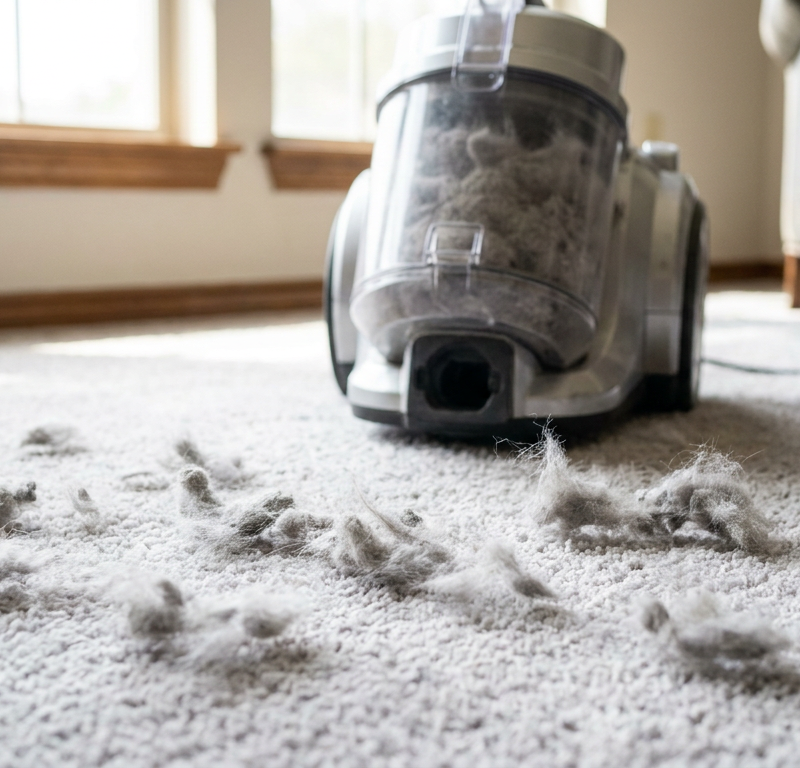
Use a vacuum with a hard-floor attachment or a decent dust mop and get every bit of loose dirt, dust, and pet hair up before any water hits the floor. If you don’t, you’re just making mud and dragging grit around in the residue. I pulled a water heater in Frisco last month that had exactly this kind of “clean but sticky” problem in the kitchen nearby, and one quick vacuum pass turned up enough dog hair to stuff a pillow. No kidding. Don’t skip this part.
3. Prep Your Rinsing Solution — Use plain hot water with a touch of vinegar.
For most floor types — except unsealed natural stone like marble or travertine, where vinegar can etch — plain hot water does a solid job cutting residue. Hot water helps loosen the sticky film. Add about 1/2 cup of white distilled vinegar to a gallon of hot water. Vinegar’s mildly acidic, so it helps break down alkaline soap residue without leaving a new film behind. Don’t toss in more cleaner. That’s not the fix.
- Safety First: If you have natural stone floors, use only plain hot water. Vinegar can damage the finish.
4. Mop with the Residue Remover — Start with small sections, lightly damp.
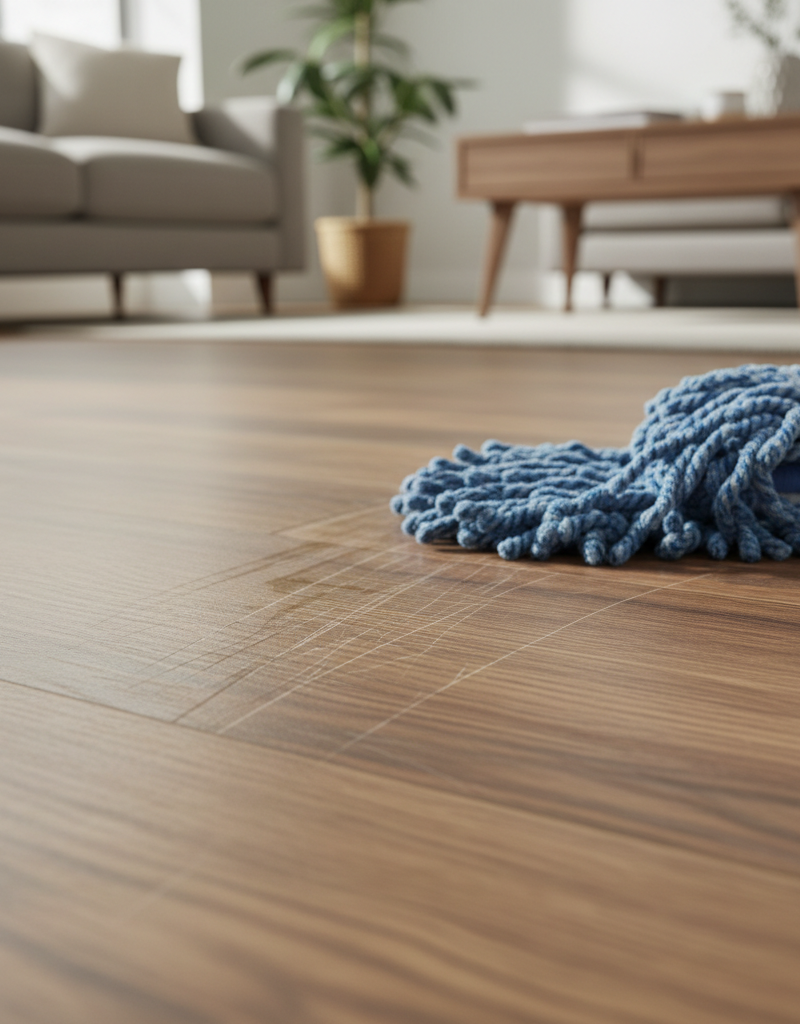
Dip your mop — I prefer a microfiber flat mop you can wring out hard — into the hot water/vinegar mix. Wring it out really well until it’s just barely damp. You’re not flooding the place. Work in small sections, maybe a 4x4 foot area at a time. You’re rinsing here, not “cleaning” again. Glide the mop lightly over the section and let it pick up the dissolved residue. You’ll see the mop dirty up quick.
5. Rinse Your Mop Often — Frequency is key to avoiding re-depositing residue.
This is where a lot of DIY jobs go sideways. You have to rinse your mop in clean water after every small section. If you’re using two buckets — one for solution, one for rinsing — that’s the way to go. If not, dump the rinse water often and refill with fresh water. A dirty mop just puts the dissolved junk right back down on the floor. That’s no help at all. Clean mop, clean rinse. Simple as that.
6. Dry the Floor Promptly — Don't let it air dry.
Once you rinse a section, dry it right away with a clean, dry microfiber cloth or a dry mop head. Don’t let it sit and air dry, especially if there’s still any residue left in the mix. Air drying can leave spots and let the film settle back down. Quick drying also keeps streaks down and makes sure you’re actually removing the stuff, not just pushing it around.
7. Repeat as Necessary — Persistence pays off.
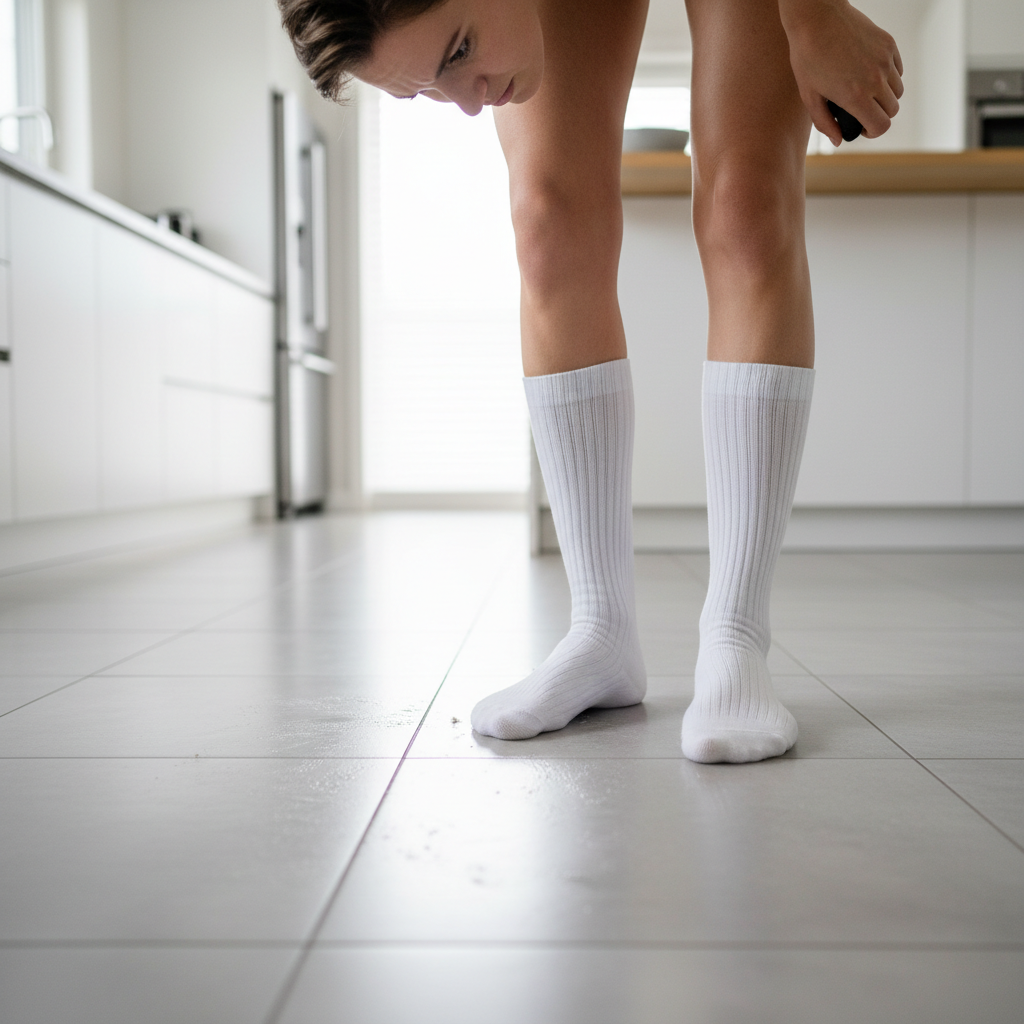
Depending on how much buildup there is, you may need two, three, or even four passes with fresh solution and a clean mop. It should feel less sticky each time. Don’t throw in the towel if it’s not perfect after one go. You’re knocking out weeks or months of buildup. You’ll know you’re done when the floor feels smooth under your hand or clean sock — no grabby feel, no drag.
8. Adjust Your Cleaning Routine — Prevent future stickiness.
Once the floor’s clean again, change up how you’ve been doing it so this doesn’t come back. Here’s what I tell homeowners every time:
- Use Less Cleaner: Seriously, a little goes a long way. Start with half or even a quarter of what the bottle suggests. You can add more later, but you can’t easily take it back.
- Rinse, Rinse, Rinse: After any detergent wash, follow with plain water. For light cleaning, plain hot water is often enough all by itself.
- Use the Right Cleaner: Make sure the product is made for your specific floor type. Wood floor cleaner isn’t the same as LVP cleaner, and using the wrong one can leave you right back where you started.
- Maintain Your Mop: A clean mop head matters. Wash microfiber mop heads regularly in the washing machine without fabric softener, since that stuff can leave residue. Replace sponge mops or worn-out heads when they get nasty.
Common Causes
Alright, let’s talk about why your floors end up feeling like a candy wrapper stuck to the sidewalk. It’s usually one or more of these:
- Too Much Cleaning Solution: This is the #1 offender. Homeowners often think
Related Articles
Keep troubleshooting with these hand-picked guides from FixlyGuide:
- The Mystery Smell: Why Your Fridge Stinks (Even After Cleaning It) — That persistent, foul odor in your refrigerator isn't just gross; it's often a sign of hidden issues. Learn the real culprits behind linger…
- The Grimy Secret Under Your Oven: Why Your Kitchen Never Feels Truly Clean — Your oven and range hood are silent culprits in your kitchen's battle against persistent grease and grime. This guide tackles how to deep c…
- The Caulk Stain That Won't Quit: Why Your Shower Stays Grimy — Is that stubborn, discolored caulk making your clean shower look perpetually dirty? It's not just surface grime; it's often mold or mildew,…
- The Secret to Banishing Old Pet Odors (Even When You Can't Find the Stain) — Don't let hidden pet accidents ruin your home's fresh scent; this guide reveals how to find and eliminate old pet odors and their invisible…
- The Grimy Secret Behind Your Dull Bathroom Faucet — And How to Make It Shine — Discover the real culprit behind your bathroom faucet's dull, grimy appearance and how to quickly restore its shine with a few common house…
- The #1 Mistake Homeowners Make When Sealing a Deck (And How to Fix It) — Discover the crucial, often-overlooked step that ensures a long-lasting deck seal and prevents common problems like peeling and mildew.
What should this project cost?
Enter your project details for a realistic cost range before you call anyone.
Cost depends heavily on which system turns out to be the source.
- Regional adjustment
- National average
- Labor share (typical)
- ~$1,620
- Quotes to collect
- 3 written estimates
Educational estimate based on national averages — not a binding quote. Always confirm with written local estimates.
Frequently asked questions
Why do my floors feel sticky right after I mop them?+
The most common reason is detergent residue. Using too much cleaning solution, not rinsing your mop frequently enough, or failing to rinse the floor with plain water after washing can all leave a sticky film behind.
Can I use vinegar to remove sticky residue from all floor types?+
White distilled vinegar is effective for most hard floors like ceramic tile, laminate, and sealed hardwood. However, avoid using vinegar on unsealed natural stone (like marble or travertine) as its acidity can etch and damage the surface. For these, use only plain hot water.
How often should I rinse my mop while cleaning?+
You should rinse your mop frequently, ideally after every small section (e.g., 4x4 feet). If your rinse water looks dirty, it means you're just spreading grime and residue, so change it often.
Is it better to use hot or cold water for removing sticky residue?+
Hot water is generally better for dissolving and lifting sticky detergent residue. The heat helps break down the film more effectively than cold water, making it easier to wipe away.
What's the best way to prevent sticky floors in the future?+
Always use less cleaning solution than you think you need, dilute it properly, and always follow a detergent wash with a plain water rinse. Dry the floors promptly after rinsing to prevent residue from settling back.
Can sticky floors attract more dirt?+
Absolutely. The tacky residue acts like a magnet, attracting and trapping dust, pet hair, and other debris from the air and shoes. This makes your floors get dirty much faster than if they were truly clean.
My LVP floors are sticky. Is there a special trick?+
For Luxury Vinyl Plank (LVP), ensure you're using a pH-neutral cleaner specifically designed for LVP, or simply plain warm water. Over-mopping or using harsh cleaners can damage the protective layer and leave residue. Always rinse thoroughly.
What if my floors are still sticky after rinsing multiple times?+
If stickiness persists, you might have a very heavy buildup. Consider using a cleaner specifically formulated to remove wax or old cleaning product buildup (check your floor type first). In some extreme cases, a professional floor cleaning might be needed to strip and re-seal the surface.
Discussion
Loading comments…