- Moisture Application (Option 1: Ice Cubes) – The slow and steady approach.
- Safety: Don’t pile on a bunch of ice cubes; you want damp fibers, not a puddle. One average-sized ice cube per divot is usually plenty.
- Timing: Figure 30 minutes to an hour, depending on the cube size and room temp. Just let it work.
Published September 1, 2026Last updated September 1, 2026
Tools & materials you'll need
Affiliate linksAs an Amazon Associate FixlyGuide earns from qualifying purchases — at no extra cost to you. Prices and availability are accurate as of publication and subject to change.
Quick Answer
Those annoying dents in your carpet from heavy furniture? They're not permanent damage. It’s just the carpet pile getting mashed down. The trick is moisture plus heat. That loosens the fibers so they can stand back up again. You’re basically giving the spot a little steam bath, then fluffing it out. Works great on most synthetic carpets.
The Problem
Alright, let’s talk about those deep, ugly divots your sofa or dining room hutch leaves in the carpet. Every time you shuffle the living room around, you’re staring at these flat, discolored patches wondering if you’ve wrecked the whole floor. I get it. It’s aggravating. And sometimes those dents look like little craters, especially when that piece of furniture’s been planted there for years.
Here’s what’s really going on: heavy furniture doesn’t just press the top fibers down. It pushes into the backing and sometimes the padding too. After a while, those synthetic fibers — or natural ones, for that matter — kind of learn that shape. They get comfortable being flattened, and they don’t spring back on their own. Folks try all sorts of stuff: vacuuming it a dozen times, poking at it with a shoe, maybe tugging fibers up by hand. No dice, because the real issue is the fibers need a nudge to remember how they’re supposed to sit.
How It Works
So what happens when a couch sits in one spot for months or years? You’ve got thousands of little carpet fibers woven into a backing, often with padding underneath. Weight presses down, and those fibers get flattened. Think of a plastic straw bent over for too long — after a while, it doesn’t want to straighten out. Carpet does the same thing.
Most modern carpet is made from synthetic stuff like nylon, polyester, or polypropylene. Those materials have a kind of memory. When you add heat and moisture, the fibers relax. They loosen up, expand a bit, and start standing upright again. It’s like warming up stiff hands on a cold morning. The water softens them, the heat wakes them up, and then a little brushing helps them get back in shape.
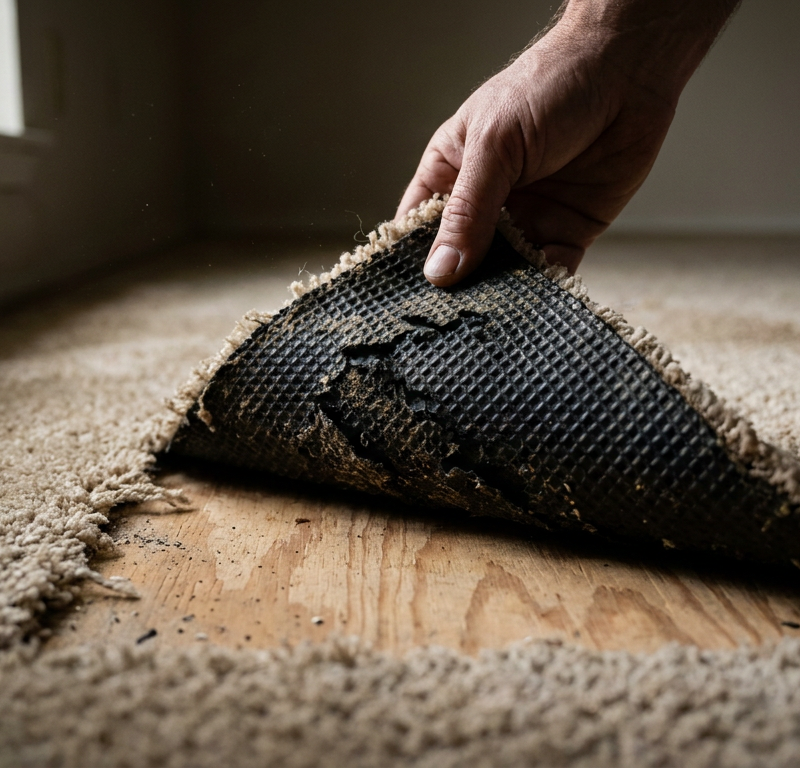
Natural fibers like wool act pretty similarly, but you’ve gotta be a little more careful with them so you don’t soak ’em. The backing under the pile, usually latex or a synthetic weave, can get compressed too. That backing isn’t going to bounce back like the pile does, but once you lift the fibers, the dent looks a whole lot better. I pulled a water heater in Frisco last month and saw the same kind of thing under a rug edge — flat as a pancake, then it perked right up once the fibers got some help. It’s all about bringing back the loft and evening out the texture so the dent fades instead of sticking out like a sore thumb.
Step-by-Step Fix
This isn’t rocket science, but you do need to follow the steps. I’ve seen plenty of people rush it or get heavy-handed, and that’s how you end up making a small problem into a bigger one. Slow down. Be patient. You’ll get better results that way.
-
Clear the Area – Remove the furniture causing the indentation. First thing, get that heavy beast out of the way. If it’s a monster piece, get somebody to help. Don’t play hero and mess up your back — that’s a fast way to call it a day. Move it completely off the dent so you can work the spot properly.
-
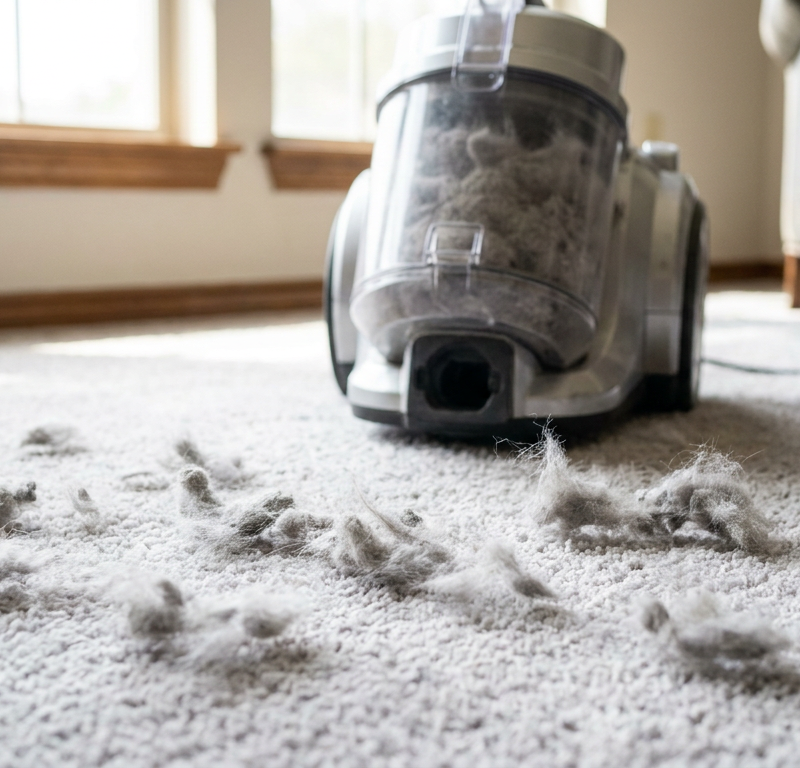
Give it a Good Vacuum – Prep the fibers. Vacuum the dented area first. That knocks out loose dirt, crumbs, and whatever else got trapped in there. It also gives the fibers a little shake, which helps before you bring in moisture.
-
Moisture Application (Option 1: Ice Cubes) – The slow and steady approach. This is my go-to for most carpet types, especially when the dents aren’t too nasty. Put one or two ice cubes right in each divot. Let ’em melt on their own. As that cold water seeps in, the fibers start to swell and loosen up. It’s a low-risk way to add moisture without overdoing it.
- Safety: Don’t pile on a bunch of ice cubes; you want damp fibers, not a puddle. One average-sized ice cube per divot is usually plenty.
- Timing: Figure 30 minutes to an hour, depending on the cube size and room temp. Just let it work.
-
Moisture Application (Option 2: Spray Bottle) – For deeper, more stubborn dents. If the ice cubes aren’t getting it done, or you’re in a hurry, grab a spray bottle. Fill it with plain, clean tap water – no soap, no chemicals, just water. Mist the dent lightly. You want damp, not soaked. Think morning dew, not a rainstorm.
- Tip: If your carpet’s light-colored, distilled water can help avoid mineral marks.
- Caution: Too much water can cause mold or mildew, especially if you’ve got a jute backing. Keep it light.
-
Apply Heat (Iron or Hair Dryer) – Wake up those fibers! Once the spot’s damp — from melted ice or the spray bottle — it’s time for some heat. This is the part that really gets the fibers moving.
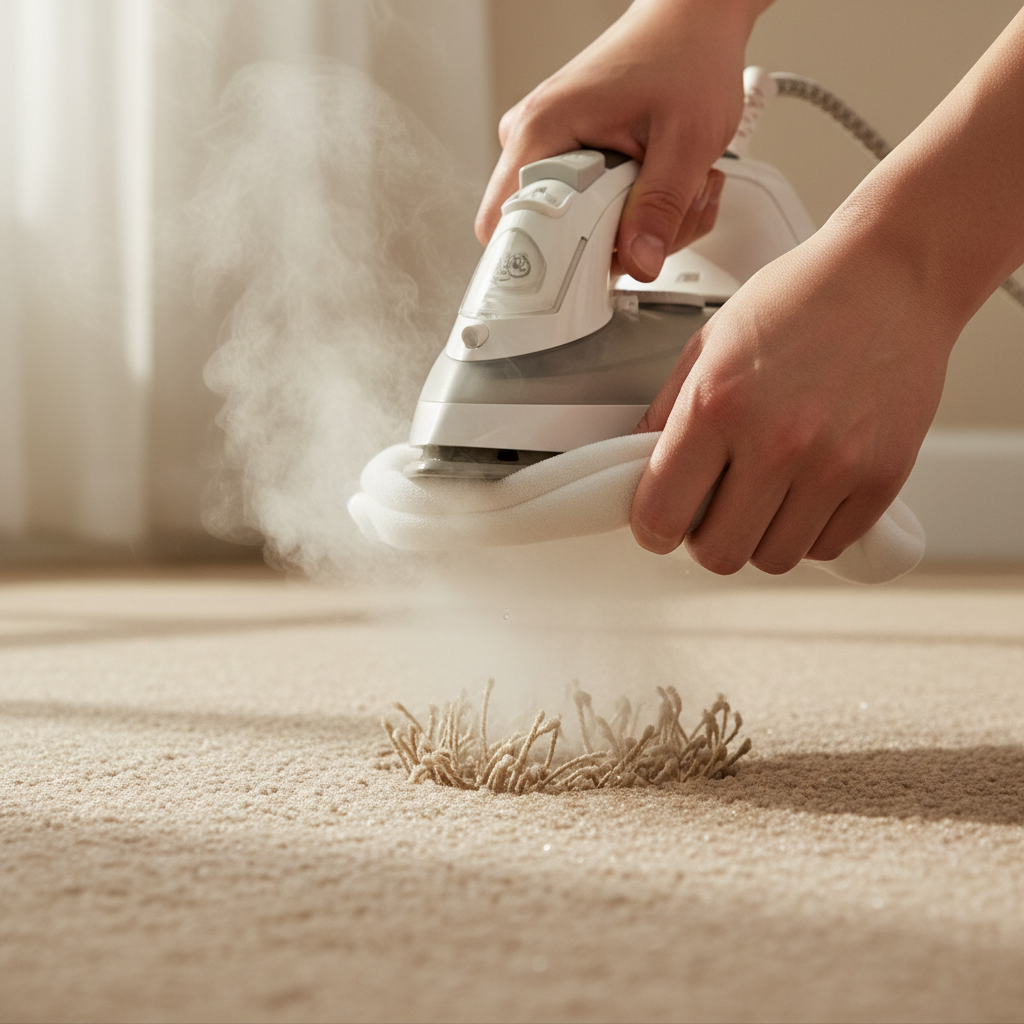
- Iron Method (My personal favorite): Grab a clean, white cloth, like an old dish towel — make sure it’s white so no dye transfers. Lay it over the damp dent. Set your iron to a medium-heat, steam setting. Press it gently onto the cloth and move it in small circles for 10-15 seconds. Lift it, check it, and repeat if you need to. Don’t park the iron in one place or you’ll scorch the carpet or the towel. This method works great because it steams the fibers and gives them a real boost.
- Hair Dryer Method (Good for delicate carpets): If you’re skittish about using an iron, or the carpet’s a little touchy, use a hair dryer on medium heat. Keep it about 6-8 inches above the damp area and keep it moving. While you’re at it, gently fluff the fibers with your fingers or a spoon. Slower, sure, but safer for beginners.
- Safety: Never set the hot iron right on the carpet. Always use a damp towel as the barrier. Keep the hair dryer moving so you don’t cook the fibers.
-
Fluff and Agitate – Help the fibers stand tall. Right after the heat, while the carpet’s still a little warm and damp, grab a stiff-bristled brush — a clean scrub brush works — or even a spoon or the edge of a credit card. Gently brush or tap the fibers in different directions. You’re lifting them, not scrubbing grout. On thicker pile, sometimes just tapping with your fingers gets it done.
- Tip: For really stubborn, matted spots, a fork can help tease individual fibers up. Just don’t get aggressive.
-
Let it Dry Completely – Patience is a virtue. This part matters. After you fluff the fibers, let the area dry all the way before you put anything back on it. Could be a few hours. A fan helps. Open a window if the weather’s decent. You don’t want to trap moisture under the furniture and invite mildew.
-
Final Vacuum – The finishing touch. Once it’s bone dry, vacuum it one more time. That blends the freshened-up fibers with the surrounding carpet and smooths out the look.
Common Causes
- Excessive Weight: This is the big one, no question. The heavier the furniture, the deeper and more stubborn the indentation tends to be. A heavy antique armoire will do a lot more than a lightweight side table.
- Prolonged Placement: Leave furniture in the same spot for years and you’re basically training the carpet to stay flat. The longer the pressure sits there, the more the fibers compact and “remember” that shape.
- Carpet Type: Dense, cut-pile carpets show dents more than loop-pile or shag. And some synthetic fibers, like polyester, flatten easier than others, like nylon, which holds up better.
- Thin Padding: If the carpet pad is thin or worn out, it doesn’t cushion much. That lets furniture weight push the carpet fibers down harder against the subfloor.
- Humidity/Temperature Fluctuations: Not the main culprit, but big swings in heat or humidity can affect how well fibers rebound, especially in older carpet.
Common Mistakes
- Over-wetting the Carpet: This is probably the biggest mistake. Soaking the carpet can lead to mold, mildew, bad odors, and even damage the backing. You want damp, not drenched.
- Using Harsh Chemicals: Don’t squirt carpet cleaner or random chemicals into the divot. Most of the time, you don’t need them, and they can leave sticky residue or bleach the color. Plain water does the job.
- Scrubbing Too Hard: If you go at the fibers like you’re cleaning a cast iron pan, you’ll fray ’em or pull them out. The goal is to lift and separate, not grind them down.
- Applying Direct Heat to Carpet: A hot iron straight on the carpet is a bad move. You’ll melt synthetic fibers or scorch natural ones, and then you’ve got a permanent ugly mark that’s worse than the dent.
- Not Letting It Dry Completely: Put furniture back on a damp spot and you trap moisture. That leads to the same mold and mildew headaches as over-wetting. Plus, the fibers won’t reset right.
- Ignoring Padding Issues: If you keep getting deep dents and the carpet isn’t that old, the padding may be the real problem. Trying to fix it without addressing thin or worn-out pad is just sticking a bandage on a busted pipe.
Cost & Time Breakdown
Here’s a rough idea of what you’re looking at for this kind of fix:
| Task | DIY Cost | Pro Cost | Time |
|---|---|---|---|
| Ice Cube Method | $0 | N/A | 30-60 minutes |
| Spray Bottle/Iron Method | $5-$20 | N/A | 20-45 minutes |
| Furniture Glides | $10-$30 | N/A | 5 minutes |
| Full Carpet Re-stretching | N/A | $200-$500 (per room) | 2-4 hours |
| Padding Replacement | N/A | $150-$400 (per room) | 3-6 hours |
Tips & Prevention
- Use Furniture Glides or Cups: Easiest fix you can do. Put plastic or rubber glides or cups under the legs of heavy furniture. They spread the weight out and cut down on pressure points. You can grab them at any hardware store for a few bucks. I tell homeowners to use these even when they’re just moving in.
- Rotate Furniture: If you can, shift heavy furniture a few inches now and then. Even a small move every 6-12 months can keep deep dents from forming.
- Check Your Padding: If you’re putting in new carpet, don’t cheap out on the pad. A dense, resilient pad (at least 7/16-inch thick with 8 lb density for most residential applications) gives better support and helps prevent divots.
- Fluff Regularly: When you vacuum, give the reachable spots under furniture a little extra attention. Use the hose attachment to gently lift the pile around the edges of the base.
- Don’t Drag: Never drag heavy furniture across carpet. Lift it or use furniture sliders made for moving. Dragging can tear or stretch the backing.
- Address Spills Promptly: Not directly about dents, but clean carpet stays healthier. Sticky residue weighs fibers down and makes them look tired faster.
When to Call a Professional
Look, for a normal furniture dent, you can usually handle this yourself. But there are times you need to know when to back off and bring in the cavalry. If you’ve got water damage that’s caused the carpet to buckle or warp, or there’s a stubborn mildew smell after you’ve tried fixing the dents, that’s a sign the problem goes deeper than a simple DIY. Same goes for visible damage to the carpet backing—tears, unraveling, that sort of thing. A professional carpet installer can often re-stretch it or patch it up. And if the whole room looks matted and worn out, you may be looking at worn-out padding or an old carpet that’s just done. A pro can give you a straight answer and, if needed, tell you replacement’s the smarter move. Don’t keep chasing widespread issues yourself; that usually ends up costing more in the long run.
Related Articles
Keep troubleshooting with these hand-picked guides from FixlyGuide:
- The Grimy Secret Behind Your Dull Bathroom Faucet — And How to Make It Shine — Discover the real culprit behind your bathroom faucet's dull, grimy appearance and how to quickly restore its shine with a few common house…
- The Grimy Secret Under Your Oven: Why Your Kitchen Never Feels Truly Clean — Your oven and range hood are silent culprits in your kitchen's battle against persistent grease and grime. This guide tackles how to deep c…
- The Caulk Stain That Won't Quit: Why Your Shower Stays Grimy — Is that stubborn, discolored caulk making your clean shower look perpetually dirty? It's not just surface grime; it's often mold or mildew,…
- The Rusty Ring In Your Toilet? It's Not Just Ugly, It's a Symptom. — Stubborn rust rings in your toilet bowl are an eyesore and a sign of hard water or corroded pipes, but you can remove them with the right a…
- The 3 Lies Your Carpet Cleaner Tells You (And Why Your Carpet Stinks) — Ever notice those 'cleaned' carpet stains pop right back up, or a lingering funk that just won't quit? It's not bad luck; it's bad science.
- The 4-Step Drywall Patch Secret That Makes Large Holes Vanish — Discover how to flawlessly repair a large hole in drywall using a simple, effective method that makes the damage disappear without a trace.
What should this project cost?
Enter your project details for a realistic cost range before you call anyone.
Cost depends heavily on which system turns out to be the source.
- Regional adjustment
- National average
- Labor share (typical)
- ~$1,620
- Quotes to collect
- 3 written estimates
Educational estimate based on national averages — not a binding quote. Always confirm with written local estimates.
Get the print-ready PDF of this guide
A clean, ad-free, printable version you can keep on your phone or pin to the workshop wall. Free with a FixlyGuide account.
- Print-optimized layout
- Tools, materials & every step included
- Saved to your account
Frequently asked questions
Can I use this method on all carpet types?+
This method works best on synthetic carpets like nylon and polyester. For natural fibers like wool, use caution and minimal moisture to avoid shrinkage or water damage. Always test a small, inconspicuous area first.
How long will the carpet stay fluffed after fixing the divots?+
Once the fibers are restored, they should hold their shape well. However, if the same heavy furniture is placed back in the exact spot, new divots will eventually form. Prevention with furniture glides is key for long-term results.
What if the divots are really old and deep?+
For very old and deep divots, you might need to repeat the heat and moisture process a couple of times. Some extremely compressed areas might not fully recover, but you'll almost always see a significant improvement.
Can I use a steam cleaner instead of an iron?+
Yes, a handheld garment steamer or a spot-cleaning carpet steamer can be very effective. Just make sure not to over-saturate the area. Hold it a few inches away and move it constantly, then fluff immediately.
My carpet feels a bit stiff after drying. What did I do wrong?+
If your carpet feels stiff, you might have used too much water or not fluffed the fibers enough during the process. A thorough vacuuming once dry can help, or a very light re-misting and re-fluffing might be needed.
Will this work on carpet that has been glued down?+
Yes, the method focuses on restoring the carpet fibers, not the backing or adhesive. However, if the glue itself was damaged or the carpet has delaminated, a professional might be needed for a permanent fix.
How often should I move my furniture to prevent divots?+
To effectively prevent deep divots, aim to shift heavy furniture by at least a few inches every 6 to 12 months. This allows the carpet fibers to recover and avoids prolonged compression in one spot.
What kind of brush should I use for fluffing?+
A stiff-bristled brush, like a clean utility scrub brush or even a carpet grooming rake, works well. For delicate carpets, your fingers or a spoon can be safer. The goal is to gently lift the fibers, not scour them.
Discussion
Loading comments…